• Link to X
  • Link to Facebook
  • Link to Instagram
  • Link to TikTok
  • Link to Youtube
  • About
    • About Us
      • President
      • Board of Directors
      • Board of Advisors
      • Financials
      • Our Methodology
      • Success Tracker
      • Contact
  • Act Now
    • 30 Ways to Help
      • Email Congress
      • Call Congress
      • Volunteer
      • Courses & Certificates
      • Be a Donor
    • Internships
      • In-Office Internships
      • Remote Internships
    • Legislation
      • Politics 101
  • The Blog
  • The Podcast
  • Magazine
  • Donate
  • Click to open the search input field Click to open the search input field Search
  • Menu Menu

Tag Archive for: Poverty In Brazil

Posts

Global Poverty

ETIV Do Brasil: Empowering the Youth in Itacaré

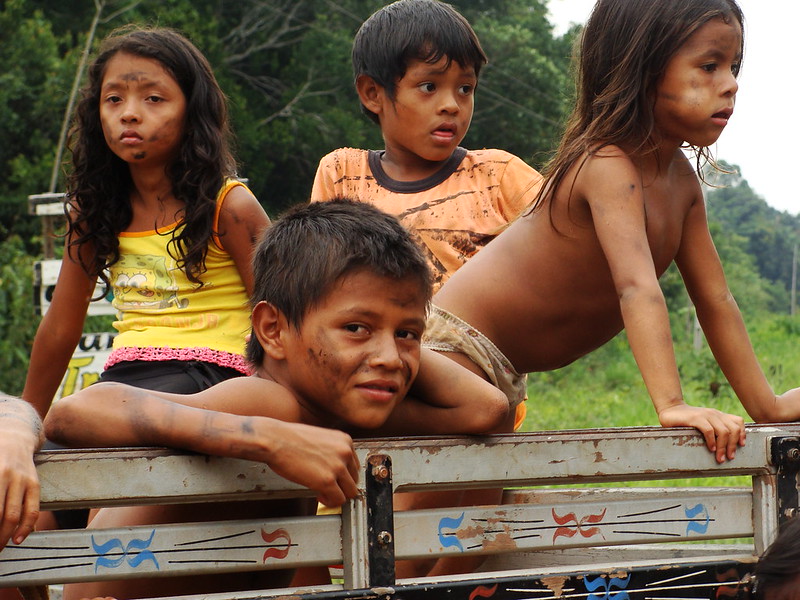
ETIV Do BrasilIn 2022, the Brazilian Institute of Geography and Statistics (IBGE) reported more than 67 million Brazilians were living in poverty and an additional 12.7 million in extreme poverty. The organization ETIV do Brasil is working to change this. The organization has made educating Brazil’s youth and transforming the country’s environment its mission.

Poverty, Economic Inequality and Education in Brazil

In 2003, the Brazilian government implemented Bolsa Família, the Brazilian Cash Transfer, to eradicate hunger and alleviate poverty. Following the Brazilian economic crisis in 2014 and the COVID-19 pandemic in 2020, the government expanded the program, hoping to actualize this goal. However, in 2022, the World Bank reported the poverty rate to be 24.3%, on par with statistics from 2014. Despite ongoing efforts to alleviate poverty in Brazil, the poverty rate has largely remained stagnant.

Economic disparity in the country is pronounced, with a notable contrast in wealth distribution. As of November 2023, data from Statista revealed that approximately 49% of Brazil’s wealth was concentrated within the top 1% of the population. In stark contrast, the bottom half of the population experienced a negative wealth of 0.4%, indicating that their debts exceeded their assets. The economic disparities in Brazil are most pronounced between the wealthier southern regions and the poorer northern areas, as well as between urban and rural areas and within cities.

In 2021, the World Bank reported Brazil had a Gini coefficient of 0.53, constituting the country as one of the most unequal countries in the entire world. Recognition and acknowledgment of economic inequality in Brazil is one of the first steps towards reducing poverty in the nation. This is because economic inequality strongly impacts education in Brazil due to the enrollment of students in higher education largely dependent on their family income.

ETIV do Brasil

ETIV do Brasil is dedicated to breaking the cycle of poverty among the youth in Itacaré, ensuring they have increased access to opportunities through education. Located in Itacaré, within the state of Bahia in the Northeast of Brazil, an area known for its economic challenges, the organization aims to uplift the local community. With approximately 15 million residents in Bahia, statistics indicate that around 42% of the population falls below the poverty line, while an additional 13% are extremely poor.

ETIV do Brasil, guided by its mission to Educate, Transform, Integrate and Value (ETIV) every member of the local community, was established in October 2015. Despite its relatively recent inception, the nonprofit has already empowered more than 450 children. Additionally, the organization has collaborated with more than 100 volunteers hailing from 23 different countries, fostering a diverse and global perspective. Furthermore, ETIV has forged more than 35 partnerships, both within the local community and internationally.

Recently, The Borgen Project had the opportunity to interview Chloe Bonfield, who volunteered for ETIV do Brasil while on a missionary trip to Brazil. Bonfield described the organization as “the epitome of community spirit, resilience and strength.” Bonfield told The Borgen Project, “ETIV allows individuals to come together to support one another. Children can learn life skills that help the entire community overcome adversity”.

ETIV do Brasil: Gender Equality

The nonprofit plays a crucial role in promoting gender equality and female empowerment through two dedicated programs: the Girls Empowerment Club and the Girls Health Club. These initiatives operate in a total of 10 programs across Itacaré. In January 2024, a study published in BMC Public Health drew attention to gender roles in Brazil by comparing urban and rural areas. The research revealed that both girls from urban and rural regions exhibited higher rates of participation in household chores than boys.

The study suggests there is a correlation between children’s compliance with typical gender roles and behaviors. Bonfield told The Borgen Project that gender equality programs such as those with ETIV do Brasil “teach children their future is a world of possibilities.” Not only do these programs provide children with the skills and education needed to progress, but they also demonstrate to them their desires and goals are achievable,” Bonfield shared.

ETIV do Brasil: Environmental Education

Itacaré is a community whose livelihoods are largely reliant on fishing and subsistence agriculture. More than three-quarters of all tropical commercial fish depend on the success of mangrove forests. Therefore, an understanding of the environment and being able to maintain it remains imperative. As part of encouraging sustainability practices with ETIV do Brasil, Bonfield describes how they “often planted Mangroves with children.” Not only does this educate the children, but it also helps the entire local community to flourish.

Conclusion 

ETIV do Brasil educates children, builds relationships between community members and fosters respect and awareness for the local environment. The initiative’s educational programs provide children with opportunities for a better future as well as empower them to make positive changes in their lives and communities.

– Heidi Helen Horgan
Photo: Pexels

February 20, 2024
https://borgenproject.org/wp-content/uploads/borgen-project-logo.svg 0 0 Hemant Gupta https://borgenproject.org/wp-content/uploads/borgen-project-logo.svg Hemant Gupta2024-02-20 07:30:002024-02-19 04:34:27ETIV Do Brasil: Empowering the Youth in Itacaré
Global Poverty, Poverty Reduction

Reducing Poverty in the Amazon Rainforest

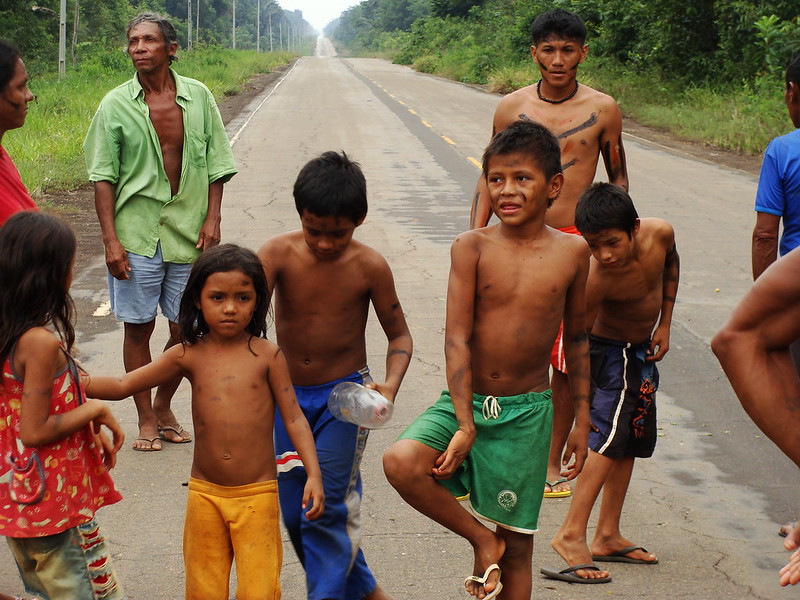
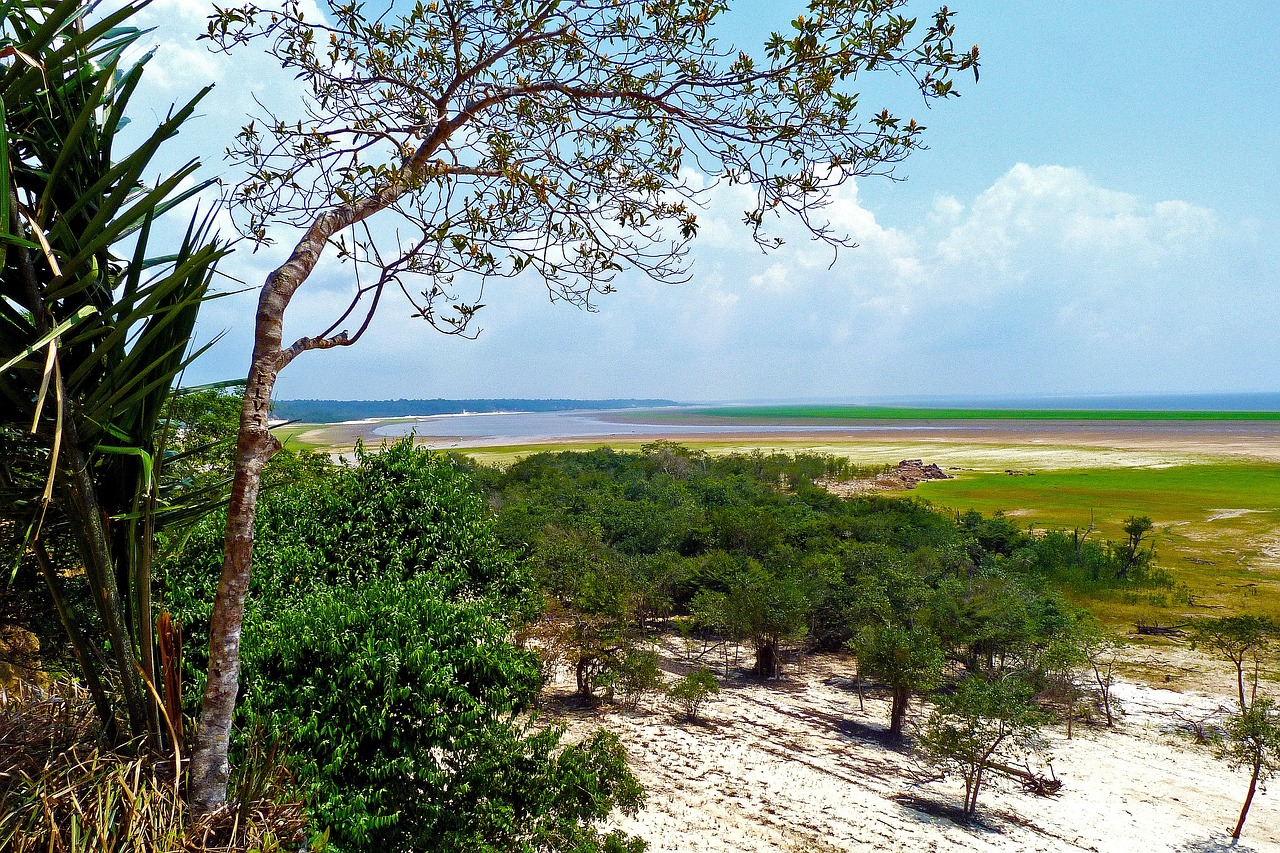
Poverty in the AmazonA groundbreaking alliance is emerging in the remote reaches of the Amazon rainforest, where the lack of governance has left an indelible mark of destruction. Brazilian ecologists are embarking on a mission to preserve the world’s largest tropical forest and reduce poverty in the Amazon’s communities. Managing a stretch of land along the Juruá River, this venture seeks to counter the forces that have continued to deforest the Amazon. Their ambition extends beyond their immediate efforts, aiming to create a replicable model for other regions in the vast Amazon.

The Environmental Crisis and the Role of the Amazon

The Amazon rainforest sprawls over an area twice the size of India. It hosts unparalleled biodiversity and holds vast carbon reserves, serving as a crucial buffer against the changing climate. Unfortunately, deforestation has reached a 15-year high in recent years. 

According to WWF.org, deforestation in the Amazon remained at the highest levels since 2009, with the extent of destruction in the eastern Amazon transforming it from a carbon sink to a carbon source.

Concerning Poverty

In the sprawling expanse of the Amazon rainforest, poverty intertwines with environmental degradation in a complex and troubling nexus. Approximately 9.7% of the region’s population grapples with extreme poverty in the Amazon. 

In a region plagued by some of Brazil’s highest poverty levels, inhabitants with scant alternatives often confront a grim dilemma: abandon depleted fields and encroach further into the forest, perpetuating a vicious cycle of environmental decline. As Judson Ferreira Valentim, a soil scientist at Embrapa, the government’s agricultural research agency, aptly observes in an AP News interview, “The biodiversity is rich, but so many people are impoverished.”

Addressing the pervasive poverty gripping the Amazon is not only a moral imperative but also an indispensable component of safeguarding its ecological treasures. Without concerted efforts to alleviate poverty and provide viable livelihood alternatives, the relentless march of deforestation imperils not only the Amazon’s delicate ecosystems but also the global climate and the myriad species that call it home.

A Troubling Reality of Deforestation

According to AP News, 10% of the Amazon has been decimated in less than four decades.

Brazilian ecologists aim to establish a model that can be replicated across the vast expanse of the rainforest. The genesis of this movement can be traced back to a four-month expedition along the Juruá River in 2016.

The researchers, diving into the heart of nearly 100 communities, initially encountered a seeming uniformity of rows of wooden homes on stilts along the water. However, the striking contrasts in living conditions laid bare the harsh reality. A crucial piece of information is that 29% of the Amazon, an area roughly three times the size of California, is either unprotected public land or public land with no recorded information, making these areas more susceptible to deforestation.

João Vitor Campos-Silva, a tropical socio-ecologist, expressed the glaring inequality: “Inside protected areas, many positive things are happening  but outside, they seemed to be 40 years behind.”

Designing a Conservation Model on a Basin Scale

Recognizing the disparities, the ecologists identified the Medio Juruá region near Caraua. Here, communities managed their resources sustainably within “extractive reserves,” public lands allowing residents to harvest fish and crops. However, many communities faced oppression from self-appointed landowners, restricting access to vital resources.

The solution took shape in the form of the non-profit Juruá Institute, which acquired a 13 km rainforest property along the Juruá River. This unique parcel includes about 20 lakes with significant potential for sustainable practices, including cultivating pirarucu, the world’s largest freshwater scale fish.

Bridging Science and Community

The institute’s ambition, as expressed by Campos-Silva, is to promote high-quality science grounded in collaboration with the region’s people. In proximity to the Institute’s land, 12 communities of former rubber tappers, known as “Ribeirinhos,” find their livelihoods tied to the pirarucu fishery. A shift from rubber trees to sustainable fishing practices has not only revived a declining species but also generated income without resorting to forest clearance.

Empowering Communities in Governance

To ensure the active involvement of riverine communities, the institute established a steering committee and initiated public meetings named “Community of Dreams.” These sessions allowed residents to prioritize improvements, conducted in three groups: women, youth and men to avoid potential biases.

Fernanda de Araujo Moraes, president of the river communities’ association, emphasized the initiative’s primary purpose: preventing river people from migrating to Amazon cities, where the unemployment rate has declined. In the community of Lago Serrado, both men and women identified 24-hour electricity as their top priority, showcasing the tangible impact this collaboration aims to achieve.

A New Paradigm

Residents like José Alves de Morais see this initiative as unprecedented, stating that José, already involved as a lake keeper for the institute, is eager for his family to participate in managing pirarucu fishing, awaiting federal approval.

On the scientific front, the Juruá Institute has erected a houseboat and a wooden house, accommodating up to 20 researchers, to study various aspects of the region. The initiative, spearheaded by Carlos Peres, an Amazon-born professor of tropical conservation ecology at the University of East Anglia, earned recognition when Peres and three other scientists won the Frontiers Planet Prize in April, bringing $1.1 million in support.

A Vision for the Future

The Amazon grapples with the ongoing challenges of environmental degradation. Recent revelations from a 2023 NPR report offer hope, as tree clearance has decreased by 34%.

Amidst the lush landscapes of the Amazon, the synergy between data-driven insights and unwavering resolve points toward a promising trajectory, where preservation and prosperity intertwine to forge a path toward sustainable coexistence with nature. However, the broader context of poverty in the region casts a shadow. Overall poverty, projected at 24.3% in 2022, remains on par with 2014 levels after peaking at 28.4% in 2021. While the 2023 poverty outlook appears promising, addressing striking inequalities necessitates faster job creation and more substantial investments in human capital.

Their mission along the Juruá River seeks to counter the forces perpetuating deforestation and aims to address the underlying poverty that fuels this cycle of environmental decline. By bridging science and community, empowering local governance and fostering innovative conservation models, this initiative represents a paradigm shift in our approach to safeguarding the region and reducing poverty in the Amazon.

– Quinn Higby
Photo: Pixabay

February 14, 2024
https://borgenproject.org/wp-content/uploads/borgen-project-logo.svg 0 0 Hemant Gupta https://borgenproject.org/wp-content/uploads/borgen-project-logo.svg Hemant Gupta2024-02-14 19:43:382024-05-12 01:43:15Reducing Poverty in the Amazon Rainforest
Global Poverty

BYD’s EV Hub in Brazil Offers Hope Against Poverty

EV Hub in BrazilIn a strategic move that intertwines economic revitalization with environmental sustainability, the Chinese electric vehicle (EV) automaker BYD is set to invest a substantial 3 billion reais ($620 million) towards an advanced EV manufacturing hub in Brazil. This ambitious endeavor, situated in the northeastern state of Bahia, specifically in the town of Camaçari, holds the promise of transforming the nation into an EV hub, catalyzing the alleviation of poverty in Brazil.

BYD’s Vision and Strategic Location

BYD’s EV Hub investment choice takes on added importance within the context of Camaçari’s well-established industrial framework, notably highlighted by BYD’s acquisition and revitalization of a Ford plant that ceased operations in 2021. The proposed facility will house three state-of-the-art factories, each playing a pivotal role in the production cycle.

The first factory is dedicated to processing locally sourced lithium and iron phosphate, critical components essential for the batteries that power electric vehicles. Simultaneously, the remaining two facilities will lead in the production of hybrid and electric vehicles, encompassing cars, trucks and buses. The envisioned complex not only aligns with BYD’s global strategy but also positions Camaçari as a hub for cutting-edge EV technology, furthering Brazil’s role in the international electric mobility landscape.

A Dual Triumph Through the EV Hub 

The economic implications of BYD’s EV hub investment are underscored by recent data released by the Brazilian Institute of Geography and Statistics (IBGE). Poverty in Brazil, which reached a record level of 36.7% in 2021, witnessed a notable decline to 31.6% in 2022. In absolute terms, this positive trend translates into a reduction from 78 million people considered poor in 2021 to 67.8 million in 2022.

This promising trend is further reinforced by an additional upward revision of Bolsa Familia’s benefits, suggesting that the poverty rate is anticipated to revert to a seemingly pre-pandemic trajectory, settling at 24.3% according to the World Bank’s projections for 2023. The BYD initiative perfectly aligns with Brazil’s growth, boosting its economy. The creation of a manufacturing hub not only brings job opportunities directly associated with the EV industry but also stimulates related sectors, fostering a ripple effect of economic growth that extends beyond the plant gates.

Lula’s Vision and Global Collaboration

Brazilian President Luiz Inacio Lula da Silva’s vision of closer Sino-Brazilian ties finds concrete expression in BYD’s investment. Lula’s emphasis on transitioning from fossil fuels aligns with China’s commitment to sustainable practices. Beyond strengthening economic ties, this collaboration positions Brazil as a key player in the global shift towards clean energy. As BYD opens its doors in Camaçari, the transformation is not limited to the industrial sector. The EV hub promises to be a beacon of hope for Bahia residents, offering not just jobs but opportunities for skills development and community growth.

The convergence of Chinese innovation and Brazilian ambition is positioned to redefine the narrative, demonstrating that economic progress and environmental responsibility can coexist harmoniously. Furthermore, the anticipated creation of 5,000 domestic jobs underscores the tangible and immediate impact of BYD’s investment on the local workforce, contributing to the realization of Lula’s vision for a prosperous, sustainable and interconnected future.

Final Remark

BYD’s EV hub investment marks a transformative moment for Brazil, both economically and socially. As the EV hub takes shape, it promises a  prosperous future for the nation, simultaneously contributing to the impressive strides already made in reducing poverty. This collaboration between China and Brazil serves as a model for joint efforts addressing a sustainable future and the economic challenges associated with poverty in Brazil.

– Quinn Higby
Photo: Pixabay

January 23, 2024
https://borgenproject.org/wp-content/uploads/borgen-project-logo.svg 0 0 Lynsey Alexander https://borgenproject.org/wp-content/uploads/borgen-project-logo.svg Lynsey Alexander2024-01-23 15:00:152024-01-23 04:15:45BYD’s EV Hub in Brazil Offers Hope Against Poverty
Global Poverty, Technology

Key Technologies in the Fight Against Hunger in Brazil

Hunger in BrazilThe global report on the State of Food Security and Nutrition in the World, released by five specialized agencies of the United Nations (U.N.), revealed that between 2020 and 2022, 4.7% of Brazilian citizens, or 10.1 million people, experienced the most extreme form of food insecurity, known as chronic hunger. Additionally, the study indicated that 9.9% of Brazilians faced severe food insecurity during this period, and approximately 32.8% of the population fell into the categories of severe or moderate food insecurity. Taken along with data from 2014 through 2016, this indicates an ongoing deterioration of food security in the country. In the relentless battle against hunger in Brazil, numerous innovative technologies are emerging to address this issue. Leveraging advanced solutions, organizations and initiatives have made significant strides in tackling the root causes of hunger and poverty.

The Landscape

With its gigantic population and diverse socio-economic landscape, Brazil has been grappling with the challenges of hunger and poverty for many years. According to the World Bank, approximately 21.4% of the population in Brazil lives below the national poverty line. This alarming figure underscores the pressing need for comprehensive initiatives to address the multifaceted issues of hunger and poverty.

The Technologies

A notable initiative that has gained traction is the use of advanced data analytics and artificial intelligence (AI) to identify and target areas with the highest prevalence of hunger. By analyzing various socio-economic indicators, such as income levels, employment rates and access to education, organizations can strategically deploy resources where they are needed most. The implementation of such technologies has already shown promising results, with a 15% reduction in hunger rates reported in targeted regions.

Another key technology is the development of sustainable agriculture practices. Brazil’s vast agricultural sector plays a crucial role in the nation’s economy, but traditional farming methods often contribute to environmental degradation and intensify poverty. Through the integration of precision farming techniques and the use of eco-friendly fertilizers, initiatives have managed to increase crop yields while minimizing environmental impact. As a result, more than 200,000 farmers have experienced improved livelihoods, marking a significant step toward sustainable development.

In addition to these advancements, the implementation of blockchain technology has streamlined the distribution of aid and resources to fight hunger in Brazil. By creating transparent and tamper-proof ledgers, organizations can ensure that assistance reaches its intended recipients efficiently. This has led to a 30% reduction in logistical inefficiencies, allowing aid organizations to allocate resources more effectively.

Brazil has also seen the integration of solar-powered technologies to address energy poverty in rural areas. Access to electricity is a critical factor in improving living conditions and supporting economic activities. Solar-powered solutions, such as portable solar lamps and solar-powered water pumps, have brought light and clean water to more than 500,000 people in remote regions, contributing to a substantial improvement in their overall well-being.

Innovations in biotechnology have played a pivotal role in enhancing the nutritional value of staple crops. Recent advancements in biofortification, the process of enhancing the nutrient content of crops through breeding or genetic modification, have resulted in crops with higher levels of essential vitamins and minerals. This approach has had a direct impact on addressing malnutrition, with an estimated 25% decrease in vitamin deficiencies reported in targeted populations.

The Impact

To dig into the impact of these technologies, it is crucial to emphasize the importance of metrics and measurable outcomes. The success of these initiatives can be quantified by the tangible improvements experienced by the communities they serve. For instance, the data-driven approach using AI has directly contributed to a 20% increase in school attendance among children in targeted areas, breaking the cycle of poverty through access to education.

In sustainable agriculture, there was a 15% increase in income reported by farmers who adopted the new precision farming practices. This not only lifts individuals out of poverty but also creates a ripple effect within communities, fostering economic growth and resilience.

The impact of implementing blockchain is evident not only in efficiency gains but also in the increased trust and accountability it brings to aid distribution. By ensuring that aid reaches its intended recipients, organizations have witnessed a 25% rise in community engagement and participation in local development initiatives.

These transformative technologies are not only making significant strides in the fight against hunger in Brazil, but they are also providing a blueprint for scalable and sustainable solutions. The convergence of data analytics, AI, sustainable agriculture, blockchain, solar power and biotechnology showcases the power of innovation in driving positive change.

Hope for the Future

Reflecting on the measurable outcomes and the impact these technologies have had on communities across Brazil, it is evident that the path to a hunger-free nation is not an insurmountable challenge. By embracing these innovative solutions and continually refining approaches, there’s hope for creating a future where hunger and poverty are relegated to the annals of history.

The journey toward a hunger-free Brazil is ongoing, pushed by the concerted efforts of organizations and initiatives that leverage transformative technologies. The measurable outcomes of these efforts serve as a testament to the power of innovation in addressing complex societal challenges.

– Osvaldo Bugelli Neto
Photo: Flickr

December 30, 2023
https://borgenproject.org/wp-content/uploads/borgen-project-logo.svg 0 0 Lynsey 2 https://borgenproject.org/wp-content/uploads/borgen-project-logo.svg Lynsey 22023-12-30 07:30:072024-01-01 05:50:14Key Technologies in the Fight Against Hunger in Brazil
Global Poverty, Inequality

CARE Brazil Fights Poverty and Inequality in Brazil

CARE BrazilBrazil’s history is rife with historical events that define its identity. Such events include colonization, wars and issues of rapid urbanization. CARE Brazil aims to fight persistent poverty and inequality in Brazil.

Brazil’s History

The colonization of Brazil began as early as the 1500s. Before European contact, Brazil had around two million to six million indigenous inhabitants living there. Portugal’s efforts to spread its colonies to the Asian and African continents led Portugal to discover South America during its journey to a water route reaching the Indies and an archipelago in Indonesia. The indigenous inhabitants of Brazil faced harsh rule from the Portuguese, and they subjected them to European diseases, ultimately killing a majority of the native population. 

Brazil’s economy originates in mining and agriculture, with its primary products of gold and sugar. From the 16th to 18th century in Brazil, the sugar industry contributed to most of the country’s wealth, while landholders with small amounts of land produced wealth through coffee and cotton. In the 18th century, coffee and cotton would become the country’s major exports. 

As a product of the Napoleonic Wars, Brazil gained independence in 1822 after centuries of Portuguese rule. In an attempt to seek refuge from the war, the Portuguese king fled Napoleonic rule in Europe to arrive in Brazil. This marked the moment Brazil started on its journey to gain independence from Portuguese rule. King Pedro I was responsible for the subsequent independence of Brazil from European forces. 

Poverty in Brazil 

In recent years, Brazil has experienced extreme poverty, with more and more of the country’s poor experiencing food insecurity and inequality. In 2021 alone, almost 30% of Brazil’s population lived in poverty. Some factors contributing to Brazil’s poor living below the poverty line can be attributed to preexisting economic and social challenges due to the country’s systemic issues. Brazil has high levels of inequality, high public debt, low education rates, low total factor productivity and deforestation, all contributing to the country’s challenges and hurdles. Although these issues are significant and burden Brazil.The country is an important player in the global economy with its goods and policies. 

Due to COVID-19, Brazil experienced an exacerbation of existing issues. The country faced a deep economic recession, further amplifying Brazil’s unemployment and economic issues. The repercussions of the pandemic are still visible today, with Brazil’s unemployment rate reaching 8.4% in January 2023. In addition, the country faces many ongoing challenges, with inflation and deforestation ranking among the top. 

Therefore, while Brazil has seen many conflicts and challenges, organizations such as CARE are committed to providing the resources and strategies necessary to garner long-lasting, meaningful change. 

CARE International

CARE is an international organization striving to fight global poverty and inequality. CARE focuses on women and young girls, aiming their fight against poverty and global, rampant inequality.

CARE tackles issues of economic justice, gender equality, inequality, crisis response, nutrition and health. By focusing on these issues, the organization strives to promote gender equality and eliminate poverty. According to CARE’s guiding philosophy, “At its root, poverty is caused by unequal power relations that result in inequitable distribution of resources and opportunities between women and men, between power-holders and marginalized communities and between countries. Poverty cannot be overcome without addressing these underlying power imbalances.” 

To achieve CARE’s vision on a global scale, the organization spreads its impact through humanitarian and development aid initiatives in over 100 countries. CARE utilizes its advocacy skills and innovations with programs that hone in on eradicating global poverty, specifically by targeting gender equality, the guiding beacon of CARE International. 

CARE Brazil

CARE’s help reached Brazil from 2001 through 2016. By partnering with Brazil’s government and local Brazilian organizations, CARE developed an approach to address structural challenges while prompting the country to respond to the needs of the impoverished. The organization develops programs implemented across multiple states within Brazil, working within various sectors to implement vocational training and offering help to those living in extreme poverty in Brazil by promoting local communities to form sustainable businesses and access to microfinancing. 

According to CARE, due to the large amount of forests in Brazil, the millions of inhabitants who live below the poverty line are more prone to the adverse effects of deforestation. Therefore, it is significant that the organization collaborates with Brazil’s state governments to tackle the issue of reducing the country’s overall poverty rate. CARE has helped Brazilian communities develop sustainable and responsible forest management and reforestation systems. The organization has also aided in policy reform by promoting state governments to form a metric identifying the effects and qualities of programs dedicated to decreasing deforestation in Brazil.

Although CARE’s reach extended to Brazil in 2001, in 2021 alone, the organization helped around 2,200 participants, 98% female. The magnitude of CARE Brazil is evident, underscoring their genuine efforts to bring about gender equality in the country. 

In 1953, Latin American countries, including Brazil, participated in war recovery efforts following World War II by sending CARE Packages to Europe. CARE packages, formed by the CARE International organization, help those living in poverty through emergencies and disasters. Since the 1940s, CARE has developed strategies to provide programs and solutions to needy people. The first CARE Package was delivered at the end of World War II and included meals and kits to be sent to people living in hunger in the aftermath of the war. Around 100 million Care Packages were sent to families across the globe. Today, CARE Packages include financial assistance and messages of hope to those working in health care, specifically addressing COVID-19. 

Today, CARE International works to develop solutions to the issue of poverty in Brazil by working closely with national partners to bring their vision to fruition. 

– Bianca Roh
Photo: Flickr

October 26, 2023
https://borgenproject.org/wp-content/uploads/borgen-project-logo.svg 0 0 Yuki https://borgenproject.org/wp-content/uploads/borgen-project-logo.svg Yuki2023-10-26 09:56:252023-10-29 04:32:35CARE Brazil Fights Poverty and Inequality in Brazil
Global Poverty

Updates on SDG 1 in Brazil 

SDG 1 in BrazilIn the Federative Republic of Brazil, updates on Sustainable Development Goal (SDG) 1, “No Poverty,” reveal contrasting trends in local poverty headcount compared to other nations’ general developments. While Brazil faces challenges in tackling poverty, its experience shows significant progress toward achieving SDGs, making it a valuable case study to understand the complex nature of the issue. Here are some interesting facts about Brazil’s progress on SDG 1.

World leaders adopted the Universal SDGs in 2015, with a primary focus on alleviating poverty for all by 2023. SDG 1 aims to eradicate extreme poverty, while other SDGs aim to promote sustainable economic, social and environmental growth.

The Peculiar Case of Brazil

Since 1998, global extreme poverty has generally declined, but the COVID-19 pandemic disrupted progress, leading to a global poverty increase from 8.3% to 9.2% in 2020. However, Brazil’s situation diverged from this trend. The UN’s annual report on SDG progress revealed that Brazil experienced a rise in poverty levels since the adoption of SDGs in 2015. The estimated percentage of the Brazilian population living below the poverty threshold, which is less than USD 2.15 a day, reached 6.28% in 2018. However, following years of an increase in extreme poverty from the 2014 figure of 4.02%, during the pandemic, Brazil recorded a significant decline in poverty. The proportion of Brazilians living below the poverty threshold dropped from 6.18% in 2019 to only 2.41% in 2020 and indicators for SDG 1 in Brazil continued to show a slight but continued decrease up to 2023.

Explaining the Numbers

The year 2014 marked the beginning of Brazil’s longest and most severe recession. The indicator for SDG 1 in Brazil, measuring the poverty headcount ratio at $2.15/day, reached its all-time low of the decade at 4.02. Political turmoil resulting from domestic macroeconomic mismanagement and corruption scandals exacerbated the crisis. In an effort to reduce the state budget deficit, the government implemented cuts in public expenditure on education and health care, which, in turn, led to a contracting GDP and real incomes, and a significant rise in unemployment and inflation rates. Although exact figures are uncertain, estimates suggest that extreme poverty increased from 5.2 million to 11.9 million between 2014 and 2017.

However, Brazil’s recovery in the subsequent years involved significant multifaceted reforms, including enhanced fiscal discipline, tax reform, improved labor rights and renewed spending on social assistance programs. A notable social initiative during this time was Bolsa Família, the world’s largest program providing cash payments to low-income individuals and families. Bolsa Família aims to reduce poverty, hunger and inequality, serving both as a layer of social security for the most vulnerable as well as a tool of wealth redistribution. The program annually benefits more than 46 million people directly, monitoring the health condition of nearly 10 million and the education of 15 million individuals. Estimates suggest that extreme poverty rates would have been one-third higher without Bolsa Família and it is credited with reducing the Gini coefficient by 15%.

The COVID-19 Pandemic

During the COVID-19 pandemic, Brazil faced the second-highest death toll, as concluded by the IMF. However, the country responded with a swift vaccination campaign and resilience in the face of accompanying economic shocks. Alongside a more robust social and macroeconomic framework established after 2016, Brazil boasts one of the strongest health care systems in Latin America, allowing it to maintain an improving figure on SDG 1 indicators despite the existing challenges. Additionally, the government’s pandemic policies focused on improving conditions for vulnerable segments through the expansion of Bolsa Família and the introduction of emergency aid for self-employed and unemployed workers.

What Brazil’s Experience Says About Poverty

Since 2018, Brazil has been incorporating SDGs into its sectoral action plans, including initiatives targeting education and health care, as well as efforts to enhance economic management. In 2023, the concerned U.N. authorities awarded Brazil an overall score of 73 out of 100 on the SDG index.

Brazil’s experience underscores the complex nature of poverty, shaped by a blend of economic, social and political factors. Consequently, the adoption of SDGs to address different aspects of a nation’s development and their promotion as a comprehensive set of measures appears to be vital in confronting the interrelated factors contributing to the endurance of poverty.

– Nadia Asaad
Photo: Flickr

July 28, 2023
https://borgenproject.org/wp-content/uploads/borgen-project-logo.svg 0 0 Jennifer Philipp https://borgenproject.org/wp-content/uploads/borgen-project-logo.svg Jennifer Philipp2023-07-28 07:30:512023-07-25 03:30:46Updates on SDG 1 in Brazil 
Global Poverty

Inequality in Brazil threatens to prevent further poverty reduction 

Inequality in BrazilThe first decade of the 2000s held great success for Brazil, with the total poverty rate falling from 41.7% to 17.7% between 2003 and 2014. However, since then the country’s reduction in poverty has come to a standstill. By 2019, the poverty rate had risen to 19.4%, and following this, the COVID-19 pandemic caused Brazil’s economy to suffer, with the country’s GDP per capita falling to a new all-time record of 4.7%.

Extreme levels of inequality in Brazil stand in the way of further economic development, with the country’s richest six men owning as much wealth as the poorest 50% of the population. Furthermore, the World Bank estimates that up to 3.6 million people in Brazil could fall back below the poverty line in 2023, signaling the need for the government to focus on reducing the wealth gap to reduce the number of people living in poverty or at risk of falling below the poverty line in both the short and long term.

Reforming the Tax System

The Organisation for Economic Co-Operation and Development (OECD) recommends that Brazil’s government reforms the tax collection methods. Currently, Brazil collects a large amount of its taxes indirectly. If direct taxes collected a larger proportion of the country’s total taxes, including income taxes for individuals and businesses, it could reduce the proportionate burden of taxes on the poor and the government could instead raise a lot more money from the wealthy individuals and businesses. This money could then be more equally distributed throughout the country’s population via social spending targeting improving the lives of those living in poverty.

So far, there has been little progress in many aspects of the tax system, but in December 2022, there was a release of Provisional Measure No.1152. If approved, Provisional Measure No.1152 could change the rules on Transfer Pricing for corporations and also limit tax deductions available for spending on royalties such as patents and trademarks. Whilst this law will solely focus on changing how corporations pay their taxes, and may not directly impact individuals, it is a notable start and could be vital for reducing inequality in Brazil by making it more difficult for businesses to avoid paying taxes.

Ensuring Fair Access to Equal Education

According to the OECD, increasing the opportunities for and quality of early childhood education is another method for reducing inequality in Brazil. High-quality and consistent education from a young age is essential for increasing job opportunities for future generations. It also increases the likelihood of young adults obtaining higher-paid jobs which can break generational cycles of poverty. Removing barriers to disadvantaged students would enable equal access to education for all, as currently there is a large gap in grades between students who can pay to attend private schools compared to those who attend public schools.

There is a clear lack of investment in public schools from Brazil’s government, which is creating significant disparities in education levels between wealthier and poorer states; in 2015, 33% of young adults had received tertiary education in the Distrito Federal (DF), the capital state of Brazil, compared to just 8% of young adults in Maranhão, a poor state located in the northeast of the country, according to Social Protection.

Since the COVID-19 pandemic, during which the provision and quality of education in schools suffered significantly and inequalities between regions widened, the World Bank has delivered a loan of $250 million as part of the Recovering Learning Losses from the COVID-19 Pandemic in Brazil program. The main aim of the project is to address the increased school dropout rates as a result of the pandemic. And the strategy involves implementing precautionary measures and identifying students that are at high risk of dropping out. Improving educational resources in public schools is another key aim, which will help reduce the discrepancies in schooling between different regions of Brazil while ensuring that future disease outbreaks don’t disrupt education.

More Investment in Public Health Care

Despite a universal public health care system that is available to all legally living in Brazil, the lack of adequate funding has created long waiting times and difficulty with obtaining appropriate care in many cases. In turn, this causes inequalities in health care between those who can afford private health care and those who cannot. Providing the means for good health throughout the population represents a vital step in decreasing the higher prevalence of non-communicable diseases which are evident amongst the majority of Brazil’s population who cannot afford to pay for subsidiary private health insurance. A healthier population goes hand in hand with faster economic growth and a greater GDP per capita.

UNICEF’s 2022 Country Office Annual Report for Brazil highlighted some specific issues in health care amongst children and adolescents, with a clear trend in a reduction of routine vaccinations and an increase in the number of underweight children by more than 50% between March 2020 and November 2021. Additionally, a UNICEF survey revealed that approximately 50% of 7,700 participating adolescents and young people thought they required mental health support yet did not know how to access it.

Since these findings, the organization has launched the Papei campaign to encourage breastfeeding and nutritious diets for children, and over 2,500 professionals were newly trained on the importance of healthy eating. Additionally, UNICEF assisted the Immunization Society of Brazil to train more than 38,000 health professionals to increase the provision of vaccinations.

Prosperity for All

To achieve long-term and sustainable economic growth and development, ongoing trends suggest that Brazil has to overcome the current vast discrepancies which threaten to undo the progress made so far. As things stand, organizations such as the World Bank and UNICEF continue working hard to implement positive changes across the country and ensure the alleviation of inequality in Brazil.

– Hannah Naylor
Photo: Flickr

July 8, 2023
https://borgenproject.org/wp-content/uploads/borgen-project-logo.svg 0 0 Jennifer Philipp https://borgenproject.org/wp-content/uploads/borgen-project-logo.svg Jennifer Philipp2023-07-08 01:30:402026-04-16 10:07:18Inequality in Brazil threatens to prevent further poverty reduction 
Global Poverty

How Brazil’s Floods Affect Poverty

Flooding in BrazilBrazil is a country that is prone to flooding due to its extensive river systems, tropical climate and deforestation. Flooding had significant impacts on poverty in Brazil, affecting vulnerable populations and exacerbating existing social and economic inequalities. Brazil suffered an economic loss of $6.1 billion during 142 flooding events from 1900 to 2016. The World Bank reported that an estimated 2.75 million people in Brazil lived in extreme poverty from 2016 to 2021. The country’s GDP per capita has decreased dramatically since 2017, falling from $9,896 falling to $7,507 as of 2021.

Displacement & Infrastructure Damage

Flooding in Brazil often results in the displacement of people from their homes, particularly those living in informal settlements or slums known as favelas. The Organisation for World Peace (OWP) reported 4,000 residents of Sao Paulo facing displacement after ongoing flooding in February 2023. Recent flooding and landslides have damaged and/or destroyed infrastructure and communities in the regions of Sao Sebastiao, Barra do Sahy, Juquehy, Camburi, Boicucanga and Ubatuba.

Health Impacts

Water infrastructure has been either destroyed or severely damaged leading to authorities delivering drinking water in tank trucks throughout the affected areas, according to Worlds Aid. Flooding causes infections and bacteria to rampage through communities, with the most common being waterborne diseases, but others such as tetanus and bacterial infections are also present. The National Library of Medicine reported that from 2010 to 2014, Brazil had a total loss of R$ 9.2 billion ($1,845,240,412.00) due to flooding damages.

Social Vulnerability

Vulnerable communities such as indigenous populations face greater challenges when dealing with the impacts and recovery of flooding. These communities are less likely to gain access to health care services, and this exposes them to waterborne diseases.

Brazil’s agricultural sector has seen devastating declines since 2003, falling as low as 4.1% in 2010. However, reports in 2021 have shown an increase to 6.9%, the highest since 1994. The biggest influencer of this is climate change and floods, affecting vulnerable rural communities like farmers and creating further poverty in Brazil in these sectors.

Ongoing Efforts

The World Bank has provided over $100 million in an investment project to mitigate natural disasters in southern Brazil with the intent to construct disaster-prone economic hubs. Around 800 municipalities in the Southern regions are eligible to strengthen their urban resilience through this trust fund investment. In June 2022, the EU allocated a humanitarian fund of $1 million to several Brazilian municipalities which the floods affected. It provided for the rebuilding of infrastructure like schools and houses.

CAF America works with nonprofit organizations to establish funding and support for Brazil. Acao Cidadania, a humanitarian organization, has donated more than 200 tons of food and water amid the ongoing flooding crisis in Sao Paulo in 2023. And in December 2021, the Brazilian Red Cross launched the DREF operation in response to the heavy flooding and extreme weather that declared 155 of 417 municipalities in a state of emergency in Bahia. The Red Cross distributed vouchers to 800 families that covered the necessities. The organization provided 800 blankets and 300 mattresses to affected families, administered first-aid to more than 300 people, provided mental health and psychosocial support to 800 evacuated families and distributed water filters to 800 households.

Looking Ahead

With many residents prone to flooding, extreme poverty in Brazil is an issue that still affects vulnerable and poor communities. However, humanitarian groups continue to make efforts to provide additional support for those affected.

– Joshua Rogers
Photo: Flickr

April 28, 2023
https://borgenproject.org/wp-content/uploads/borgen-project-logo.svg 0 0 Naida Jahic https://borgenproject.org/wp-content/uploads/borgen-project-logo.svg Naida Jahic2023-04-28 02:54:142024-05-30 22:31:02How Brazil’s Floods Affect Poverty
Global Poverty

10 Facts About Living Conditions in Brazil

10 Facts About Living Conditions in BrazilBrazil has one of the most unequal wealth distributions in the world, which leads to drastic differences in quality of living conditions between Brazil‘s poor and rich. Big cities in Brazil will often have luxury apartments next to slums piled up on the outskirts of the town.

10 Facts about Living Conditions in Brazil

  1. Slums are called favelas, which are living conditions for the extremely impoverished in Brazil. They are built by their occupants on the edges of big cities like Rio de Janeiro.
  2. As of 2013, two million people in Brazil live in favelas. The occupants of favelas are extremely poor, unable to afford better housing in urban areas. These citizens often moved to urban areas to find better work but were forced into the slums when they could not find a job that paid them enough to purchase better housing.
  3. The communities of favelas do not have any organization or sanitation systems and are built illegally. With a lack of any structure or legal system which leads to higher crime rates, favelas are often sites of crime and drug-related violence.
  4. Rates of disease and infant mortality are high in favelas, and poor nutrition is common. The lack of sanitation and proper healthcare leads to diseases and more deaths in children.
  5. Unpredictable weather, which could cause landslides, can often wipe away entire communities of favelas. Weather like this leaves those who have limited housing with none at all.
  6. Over 50 million Brazilians live in inadequate housing. In addition to urban slums, rural areas of Brazil also experience significant poverty and lack of quality housing. This means many Brazilians rural dwellers do not have access to sanitation systems like flushing toilets and running water.
  7. Favelas are becoming increasingly common as sites for tourism. Every year, around 40,000 people visit favelas in Brazil to see the poverty that they would otherwise never be exposed to.
  8. Overall, there is an intense need for more housing in Brazil. The country needs to construct eight million more houses to provide enough shelter fulfill to those who need it. Current housing is cramped and people are often forced into the favelas as a result.
  9. Habitat for Humanity works closely with Brazil to reconstruct slums and drive housing projects. As an organization, HFH has helped almost 13,000 Brazilian families to find or build better housing. They have also worked to rehabilitate Brazilian slums.
  10. The Brazilian government launched a program in 2009 called Minha Casa, Minha Vida (My Home, My Life) that helped four million low-income families build homes. Families with low incomes were able to apply to move into new homes or have their current home reconstructed.

Programs like Minha Casa, Minha Vida are essential for the government to invest in, in order to improve living conditions in Brazil. 

– Amelia Merchant

Photo: Flickr

September 16, 2018
https://borgenproject.org/wp-content/uploads/borgen-project-logo.svg 0 0 Borgen Project https://borgenproject.org/wp-content/uploads/borgen-project-logo.svg Borgen Project2018-09-16 01:30:032020-01-08 15:08:4110 Facts About Living Conditions in Brazil
Slums

Revamping Favelas: Top 10 Facts About Poverty in Sao Paulo

Facts About Poverty in Sao Paulo
Sao Paulo is, by far, Brazil and Latin America’s largest city. The urban population is about 12 million, not including the metropolitan region right outside of Sao Paulo that accounts for about 20 million people. Despite the fact that the city’s commerce accounts for more than 12 percent of Brazil’s total GDP, close to a third of Sao Paulo’s 12 million people live in slum-like conditions.

The combinations of favelas and irregular land subdivisions are glaring symbols of Sao Paulo’s lingering poverty and tremendous inequality; however, while the conditions of Sao Paulo have worsened over the years, there have been some signs of structural improvement. Here are the top 10 facts about poverty in Sao Paulo.

Top 10 Facts About Poverty in Sao Paulo

  1. Sao Paulo is known as the largest city in the Western Hemisphere and has a poverty rate of 19 percent.
  2. Sao Paulo has a significant income gap between the rich and the poor. In 2000, a study conducted by Sao Paulo University found that half of the state’s population earned only 15 percent of the total income of the state.
  3. Sao Paulo has a gap between skilled workers needed in an industrialized and rapidly growing economy and limited skills available in the workforce. Brazilian employers and companies face increasing competition for skilled workers that limit the opportunities for growth.
  4. Sao Paulo struggles with the housing shortage in which about 1.2 million people live in urban favelas or corticos. Favelas are private or public lands that began as temporary squatter settlements. Corticos are abandoned buildings that are illegally occupied and are typically in precarious states of repair.
  5. Residents in Sao Paulo’s second biggest slum, Paraisopolis (which literally translates to Paradise City), have expressed a strong desire to stay rather than be relocated. This resistance has inspired official Brazilian policy to shift towards slum upgrading rather than slum eradication. Slum upgrading proves to be easier, cheaper, and not to mention, more humane.
  6. One of Sao Paulo’s major goals was to bring electricity, effective sanitation and clean water services to as many urban areas as it could afford; now, almost all favelas have access to clean water services and electricity.
  7. While Paulistanos generally have adequate access to water resources, the water supply system loses about 30 percent of water in distribution.
  8. In 2006, the Sao Paulo Municipal Housing Secretariat created an information database system with the ability to track the developmental statuses of favelas and other precarious settlements. This system allows for the effective targeting of slum upgrade efforts and environmental cleanups.
  9. Transportation issues are amongst the most noticeable signs of Sao Paulo’s difficult infrastructure. The average Paulistano spends about 2 hours per day in traffic jams which costs the city about $23 billion a year. On the other hand, public transportation is notoriously overpriced, overcrowded and uncomfortable.
  10. Government corruption is also known to be a major contributor to the slum-like conditions in Sao Paulo. Frustration with the government’s unmet urban needs have even resulted in protests; however, rather than a source of concern, these protests may be a sign of progress. Local and national governments have responded with efforts to promote transparency of government spending as a a result of these demonstrations.

Favela Reduction

While there have been tremendous efforts towards upgrading the favelas in Sao Paulo, these areas still have a long ways to go.  It is extremely necessary for a collective promotion for the inclusion of both local community leaders and government agencies so as to effectively reduce the number of favelas in Sao Paulo.

– Lolontika Hoque
Photo: Flickr

May 24, 2018
https://borgenproject.org/wp-content/uploads/borgen-project-logo.svg 0 0 Borgen Project https://borgenproject.org/wp-content/uploads/borgen-project-logo.svg Borgen Project2018-05-24 01:30:462021-12-10 12:48:38Revamping Favelas: Top 10 Facts About Poverty in Sao Paulo
Page 6 of 7«‹4567›

Get Smarter

  • Global Poverty 101
  • Global Poverty… The Good News
  • Global Poverty & U.S. Jobs
  • Global Poverty and National Security
  • Innovative Solutions to Poverty
  • Global Poverty & Aid FAQ’s
Search Search

Take Action

  • Call Congress
  • Email Congress
  • Donate
  • 30 Ways to Help
  • Volunteer Ops
  • Internships
  • Courses & Certificates
  • The Podcast
Borgen Project

“The Borgen Project is an incredible nonprofit organization that is addressing poverty and hunger and working towards ending them.”

-The Huffington Post

Inside The Borgen Project

  • Contact
  • About
  • Financials
  • President
  • Board of Directors
  • Board of Advisors

International Links

  • UK Email Parliament
  • UK Donate
  • Canada Email Parliament

Get Smarter

  • Global Poverty 101
  • Global Poverty… The Good News
  • Global Poverty & U.S. Jobs
  • Global Poverty and National Security
  • Innovative Solutions to Poverty
  • Global Poverty & Aid FAQ’s

Ways to Help

  • Call Congress
  • Email Congress
  • Donate
  • 30 Ways to Help
  • Volunteer Ops
  • Internships
  • Courses & Certificates
  • The Podcast
Scroll to top Scroll to top Scroll to top