Urban Migration and Brazil’s Indigenous Communities
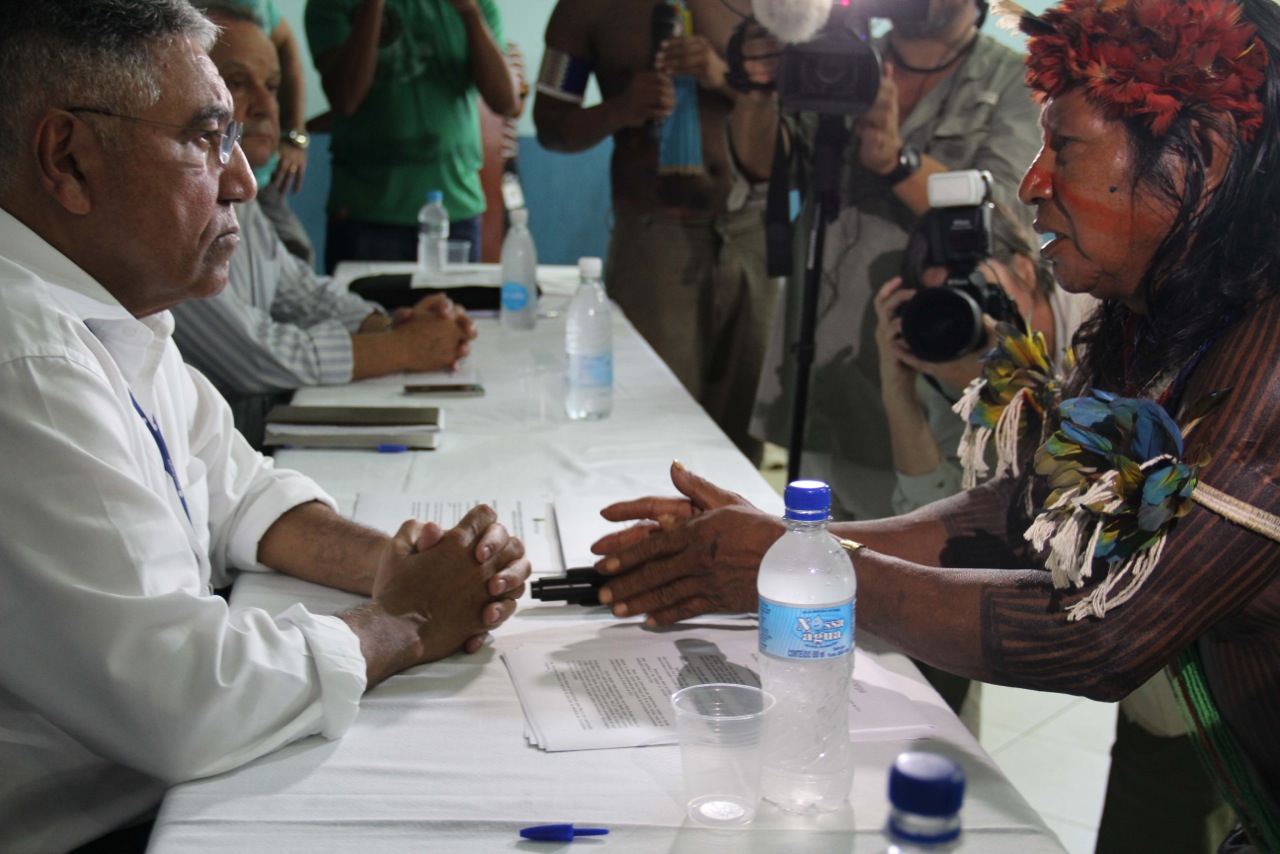 Recent reports have documented that over a span of 20 years, Brazil’s Indigenous communities have undergone an urban migration — a rural exodus. About 3,100 Indigenous people in the Javari Valley are reported to have migrated to cities, including around 300 Matis — one of several Indigenous groups in the region. Studies reveal that Brazil’s Indigenous population is around 896,000, of whom 36.2% live in urban areas and 63.8% in rural areas. Additionally, 31.5% are considered living below the poverty line. The ratio of how many rural and urban Indigenous account for this poverty rate goes unreported, but the main drivers maneuvering Brazil’s Indigenous communities toward urban migration are well known. Urban migration among the Indigenous has its pros and cons.
Pros
According to one of the Matis, the quality of education is better in the city than in their village. Tumi — of the Matis tribe — is trying to make a living in the city of Atalaia Do Norte in hopes of pursuing an education in medicine or journalism. Economic opportunities are also urging a rise of urban migration among Brazil’s Indigenous population, particularly a federal welfare benefit called the Bolsa Familia Program which provides cash to families who immunize and keep their children in school. Indigenous families are putting this cash benefit toward their studies, since they recall experiencing poorly maintained and overlooked academic institutions and programs in their villages.
Cons
As Indigenous communities flee from their villages, there rises a concern over their role as effective guardians of the tropical rainforests and of their lands diminishing. This concern was found to bear truth. According to US News, President Jair Bolsonaro favored development and established illegal mining and drilling on empty Amazonian and Indigenous territories, causing deforestation over a span of 15 years. Many Indigenous people who did not partake in the urban migration journey fear losing their native tongue, breaking traditions and exposure to substance use.
Additionally, they worry about potential “cuts in health and education programs” in remote areas since the majority of those undergoing urban migration are Indigenous youth. Urban Indigenous communities state having trouble handling money and being robbed. The Bolsa Familia program is not enough to cover the costs they bear in the city. As a result of these insufficient funds impacting urban Indigenous families comes hunger, precarious living conditions and job competition — many are fighting over low-paying jobs such as custodial work.
Brazil’s Effort To Safeguard Its Indigenous Communities
Univaja, an association for Indigenous Peoples in the Javari Valley, is run by Bushe Matis, part of the Matis tribe. Univaja has established a surveillance team to guard the villages against illegal activities that may lead to further deforestation, easing the concerns of his tribe and other Indigenous communities.
The Ministry of Indigenous Affairs, established by current President Lula da Silva, serves as a safety measure for Brazil’s Indigenous communities. Today, the department is fighting to reduce the incentives of urban migration by improving tribal villages’ education programs and reworking the Bolsa Familia program to make it remotely accessible and extend the withdrawal dates.
Conclusion
The numbers of urban and rural poverty among Brazil’s Indigenous communities are scarce and overly generalized. Current President Lula da Silva is addressing this lack of recognition and committing to acknowledge, comprehend and engage with Brazil’s Indigenous peoples — and meet the unmet needs that come with them — which can further influence his cabinet and the nation in doing the same.
– Amy Contreras
Photo: Flickr
