• Link to X
  • Link to Facebook
  • Link to Instagram
  • Link to TikTok
  • Link to Youtube
  • About
    • About Us
      • President
      • Board of Directors
      • Board of Advisors
      • Financials
      • Our Methodology
      • Success Tracker
      • Contact
  • Act Now
    • 30 Ways to Help
      • Email Congress
      • Call Congress
      • Volunteer
      • Courses & Certificates
      • Be a Donor
    • Internships
      • In-Office Internships
      • Remote Internships
    • Legislation
      • Politics 101
  • The Blog
  • The Podcast
  • Magazine
  • Donate
  • Click to open the search input field Click to open the search input field Search
  • Menu Menu

Tag Archive for: Poverty In Brazil

Posts

Global Poverty, Indigenous Peoples

Amazon Deforestation Undermines Indigenous Rights in Brazil

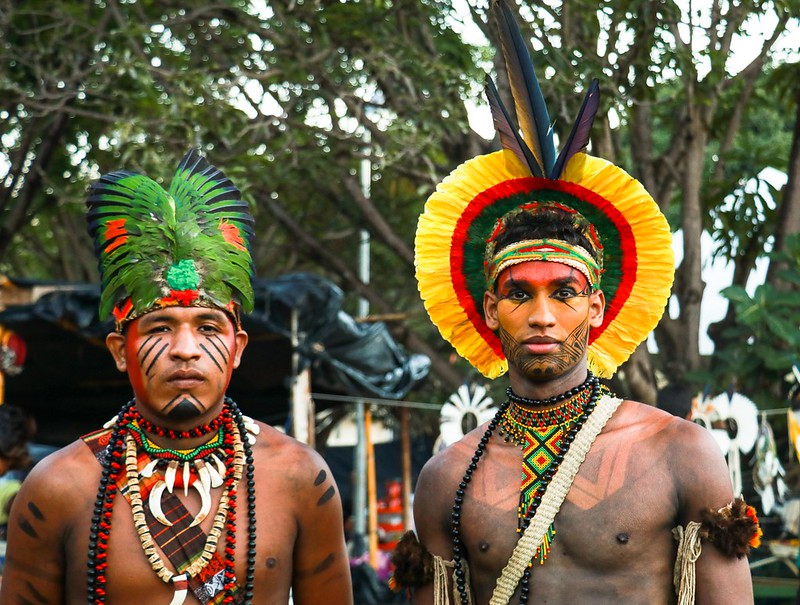
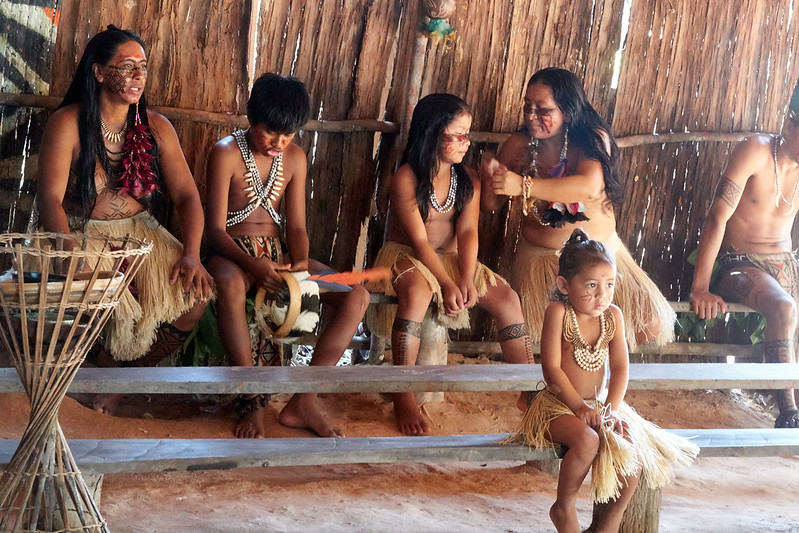
Indigenous Rights in BrazilBrazil shares a complex history with its indigenous population that spans centuries. The country contains approximately 60% of the Amazon rainforest and houses around 305 indigenous tribes. Throughout the 20th century, the intersection of indigenous rights, natural resource management and economic development has been navigated in Brazil.

Background to Indigenous Rights in Brazil

Brazilian policy aimed to balance development needs with indigenous rights and environmental protection. This approach shifted dramatically in 1964 when military forces successfully staged a coup and established a dictatorship.

Almost immediately after seizing power, the regime prioritized economic growth through large-scale development projects. The government built highways, including the Trans-Amazonian road, promoted colonization programs, and opened the Amazon to mining, logging and agribusiness operations.

Officials adopted slogans such as “Integrar para não entregar” (“Integrate to avoid surrender”). This phrase reflected the regime’s belief that Brazil needed to occupy the Amazon to protect national interests. These policies brought severe consequences for indigenous communities.

Twenty-one years later, the military dictatorship was toppled and Brazil transitioned back into a democracy. When the democratic constitution was still in progress, indigenous advocates and allies, including the Catholic Church’s Indigenous Missionary Council (CIMI), had lobbied vigorously to enshrine indigenous rights to their ancestral lands. “CIMI has become one of the most important defenders of indigenous rights, focusing on land rights, self-organisation and health care in indigenous territories.”

Feasting on the Amazon

Reestablishing democracy and constitutional protections has not resolved these issues. Subsequent administrations continue to face pressure to accelerate economic growth in the Amazon interior. This development drives deforestation and displaces indigenous communities. Agribusiness and logging operations systematically destroy public and indigenous Amazon lands. The state of Rondônia exemplifies this pattern with one of Brazil’s highest deforestation rates.

The Pastoral Land Commission, which advocates for environmental protection through the Brazilian Catholic Church, documented increased violence linked to logging activities.

“Poor people who effectively produce on their small lands are systematically persecuted, expelled, threatened or killed in the interest of real estate speculation,” Raphael Bevilaqua, the Commission’s attorney in Rondônia wrote.

Global demand for cheap coffee, meat, and soy incentivizes these developments. Multinational corporate giants such as McDonalds, Sysco, JBS Foods  and Wal-Mart actively benefit from land seizure and repurposing it for cattle use, according to Protean. One Brazilian journalist writes, “Both these broader incentives and direct investment have helped facilitate the Amazon’s destruction and promoted abuses against Indigenous peoples.”

Displacing the Kayapó and the Cost of Energy

One example of this dynamic is the construction of the Belo-Monte dam. The Brazilian government began to implement plans to construct hydroelectric dams on the Xingu River, in northern Brazil. In response, hundreds of Indigenous leaders from the Xingu basin – Kayapó, Juruna, Arara, and others – united in the town of Altamira for a historic protest meeting, the first of its kind. Completing the dam would effectively destroy the livelihoods of thousands as well as increase the risk of flooding villages.

Riding the 1989  global wave of protests, indigenous communities in the Amazon leveraged the rare opportunity to take their grievances to an international audience. Around the world, people responded with ardent pressure against the dam’s construction. The public outcry eventually led the World Bank to pull out of financing its construction. Eventually, the Brazilian government capitulated, a watershed moment. For the first time the indigenous peoples were successful in halting the destruction of ancestral land.

Reversing the Victory

Rising electricity demands coupled with public consciousness favoring cleaner solutions, lead to the dam’s construction entering the public dialogue once again. Indigenous communities began to coalesce: organizing protests, filing lawsuits, and lobbying FUNAI (analogous to the Bureau of Indian Affairs in the U.S.) against the construction. Even Sting, the British rockstar who headlined The Police, joined in their movement.

The construction went ahead in 2010 and five years later, the Brazilian government, facing substantial domestic and international scrutiny, launched an investigation into the dam’s construction. Investigation found that the dam’s main contractor, Norte Energia, had committed serious federal crimes. “In December, Brazil’s Public Federal Ministry, an independent state body, started legal proceedings to have it recognized that the crime of ‘ethnocide’ was committed against seven Indigenous groups during the building of the Belo Monte dam.”

Cautious Optimism

One tribe, the Kayapó, have been particularly vocal in halting plans to construct further dams in the region. In 2016, they scored a rare legal victory when a federal judge halted the construction of an expansion project.

The dam’s future remains uncertain as energy conglomerates and indigenous communities clash in the court system. Under President Luiz Inácio Lula da Silva, indigenous rights in Brazil have been given more consideration, but not concrete action. As of May 2025, no further construction has been initiated as the decision on construction rests with IBAMA (environmental regulation agency) to approve or deny the dam’s license.

Indigenous communities have once again banded together to oppose further degradation of the river. The Kayapaó have been successful in obtaining legal support from the Brazilian federal public defender’s office.

Advocates abroad like AIDA America and the Rainforest Foundation, are seeking to replicate the successful international pressure campaign of 1989 by amplifying indigenous voices to a global

audience.

The Future

As public awareness grows, advocacy networks are mobilizing and Indigenous leaders remain steadfast, placing Brazil at a pivotal moment. The impending decision on the dam is no longer just a yes-or-no vote—it is a chance to prove that economic growth can align with environmental stewardship.

– Max Marcello

Max is based in Pittsburgh, PA, USA and focuses on Good News and Celebs for The Borgen Project.

Photo: Flickr
June 26, 2025
https://borgenproject.org/wp-content/uploads/borgen-project-logo.svg 0 0 Naida Jahic https://borgenproject.org/wp-content/uploads/borgen-project-logo.svg Naida Jahic2025-06-26 07:30:482025-06-26 06:01:30Amazon Deforestation Undermines Indigenous Rights in Brazil
Children, Global Poverty, Housing Security

Grassroots Movements Are Shaping Pro-Poor Policies in Brazil

Pro-Poor Policies in BrazilBrazil is incredibly diverse, comprising 26 states, more than 5,000 municipalities and 205.3 million people of diverse races, ethnicities and gender identities. Stark contrasts mark the nation. While it exudes cultural diversity, systemic discrimination and inequalities perpetuate intergenerational poverty in Brazil. According to the World Bank, as of 2021, 12.5 million Brazilians lived below the international poverty line. Against this backdrop, grassroots organizations have emerged as key agents of change. By focusing on community-driven solutions, these organizations are reshaping the pro-poor policies in Brazil and creating tangible improvements for its most vulnerable citizens.

National Union for Popular Housing (UNMP): Housing Justice

Brazil faces a severe housing crisis, with a deficit of more than six million homes and 25 million Brazilians living in inadequate conditions. This includes overcrowding, limited access to water and insufficient sewage systems. The city of São Paulo alone has more than 400,000 families residing in precarious housing. The UNMP, founded in 1989, has become one of Brazil’s leading advocates for addressing poverty and its housing crisis. The organization currently has mobilized 350,000 members across 23 Brazilian states.

The UNMP combines action and negotiation, aiming to provide affordable housing for the most vulnerable in Brazil. The UNMP’s strategies include occupying buildings, shaping housing laws through policy advocacy and collaborating with the government to develop cooperative housing projects under programs such as My Home My Life (MCMV). One of the UNMP’s most notable achievements was including Article 183 in the 1988 constitution. It guaranteed that the social aspect of property would take precedence over profit-driven motives, thus enshrining the right to suitable housing as a human right under Brazilian law.

Pastoral da Criança (PDC): Tackling Child Malnutrition

Child health remains a critical issue in Brazil. Undernutrition, stunting and dental caries disproportionately affect Black and low-income children, whose stunting rates are approximately 11% higher than those of white children. The pandemic and economic crises have worsened these challenges as food insecurity reached 15% in 2022, reversing earlier reductions in poverty in Brazil. Poor-quality parental education, low income and inadequate housing have perpetuated the unfavorable conditions experienced by Brazilian children.

Founded by Dr. Zilda Arns Newman, the PDC is a Catholic social organization that seeks to improve this. It focuses on developing children below 6 years old, particularly those in vulnerable circumstances. Volunteers for the PDC visit homes to monitor child malnutrition, arranging Weigh Days to ensure that children develop steadily. They teach families how to properly nurture their children’s growth, demonstrating how to cook affordable yet nutritious meals.

They also inform mothers how to recognize and treat common illnesses in children. These efforts have significantly reduced infant mortality rates, helping Brazil meet a U.N. Millennium Development Goal ahead of schedule. Thus helping to shape pro-poor policies in Brazil. However, rising poverty and food insecurity threaten to undo this progress, underscoring the need for sustained grassroots intervention.

Marielle Franco Institute (IMF): Empowering

The brutal assassination of Marielle Franco (a Black, favela-born councilor and fearless human rights defender) in 2018 sent shockwaves throughout Brazil and became a galvanizing moment in the fight for social justice. Her legacy endures through the IMF, which has evolved into one of Brazil’s most vital organizations combating systemic oppression through three key pillars of action.

The Institute acts as a watchdog against police brutality against marginalized communities and advocates for climate justice, particularly for those living in the urban peripheries. The IMF offers programs and opportunities to marginalized groups that aid the development of their leadership skills and teach them how to exercise their political rights. This multifaceted approach demonstrates how the Institute goes beyond traditional activism, building an entire ecosystem for structural change.

Looking Forward

Grassroots initiatives such as the UNMP, Pastoral da Criança and the IMF exemplify how organized communities can influence pro-poor policies in Brazil. Their achievements illustrate that change is achievable when marginalized voices lead. Nevertheless, Brazil’s shifting poverty rates highlight the vulnerability of these advancements.

Ongoing progress necessitates grassroots activism and a steadfast commitment from the government toward equity. These movements demonstrate that the quest for justice is ongoing, but it is a struggle that can be won.

– Emilia Bartle

Emilia is based in Watford, UK and focuses on Good News and Politics for The Borgen Project.

Photo: Wikimedia Commons

June 12, 2025
https://borgenproject.org/wp-content/uploads/borgen-project-logo.svg 0 0 Hemant Gupta https://borgenproject.org/wp-content/uploads/borgen-project-logo.svg Hemant Gupta2025-06-12 07:30:322025-06-12 02:00:26Grassroots Movements Are Shaping Pro-Poor Policies in Brazil
Developing Countries, Development, Global Poverty

Reducing Poverty in São Paulo

Poverty in São PauloSão Paulo, a city in Brazil, has launched new initiatives to help reduce poverty and guide citizens to self-sufficiency. Two major programs, SuperAção SP and the Master Plan, take different approaches to the same goal. SuperAção SP focuses on personalized support, working directly with families to identify needs and provide training, funds and resources. Meanwhile, the Master Plan aims to fight poverty through urban development by improving housing, transportation and job access. Together, these efforts aim to create immediate relief and lasting economic stability.

SuperAção SP

SuperAção SP employs 500 specialized agents who will work with around 20 families, examining each family’s particular root cause of poverty and devising a specific plan to get them out of poverty. For instance, a mother who cannot afford to send her children to daycare will be given a fund and advised on what to save money for. Individuals with little to no prior job experience will receive training that equips them for the labor force, giving them a better chance at getting jobs. Families suffering from malnutrition and food shortages will receive emergency funds and resources that are completely food-centered.

The first step of this program is to reach and work with more than 100,000 families in São Paulo over the next two years. During this period, the objective is to lift these families out of extreme poverty and implant a degree of self-sufficiency that enables them to remain above the poverty line. What sets SuperAção SP apart from other poverty alleviation policies is its dual approach: providing immediate support to those in need while equipping individuals with the skills and opportunities necessary to achieve long-term economic independence.

The Master Plan

Another poverty reduction initiative in São Paulo is the Master Plan. Initially implemented in 2014, the plan was revised in 2023 to accommodate increased demands and to take a more proactive approach to addressing poverty. The Master Plan is designed to reduce poverty through urban development; it focuses on creating better public transportation, larger apartment buildings and more room for parking, subway systems and train stations.

The core premise of the Master Plan is that poverty can be reduced through improvements in urban infrastructure and public spaces. Larger apartments, with cleaner subway, train and bus stations, will improve the quality of life in a given area. As a response to the improved areas, employment will also increase in the form of business and new work opportunities will be created. In turn, these improvements are expected to stimulate local economic growth by encouraging business development and creating new employment opportunities.

Furthermore, by bringing housing and job prospects closer, the Master Plan aims to strengthen the quality of life and the labor market in São Paulo. The 2023 revision of the plan was partly driven by studies indicating that areas with well-developed public transportation and larger residential and commercial buildings experienced lower poverty rates.

Conclusion on Poverty Reduction in São Paulo

The Master Plan and SuperAção SP are just a few of the many poverty plans in São Paulo. The poverty rate in São Paulo has been steadily decreasing in recent years. In 2023, the poverty rate reached a new low of 27.4%, which had not been seen since 2012. Programs like the Master Plan and SuperAção SP continue to be implemented and revised to reduce poverty. 

– Russell Bivins

Russell is based in Phoenix, AZ, USA and focuses on Good News for The Borgen Project.

Photo: Pexels

June 10, 2025
https://borgenproject.org/wp-content/uploads/borgen-project-logo.svg 0 0 Hemant Gupta https://borgenproject.org/wp-content/uploads/borgen-project-logo.svg Hemant Gupta2025-06-10 01:30:252025-06-10 01:22:57Reducing Poverty in São Paulo
Global Poverty, Water Sanitation

Updates on SDG 6 in Brazil

SDG 6 in BrazilThe United Nations General Assembly issued the Sustainable Development Plan in September 2015 with Sustainable Development Goal 1 being to “end poverty in all its forms everywhere.” The organization aims to assist nations worldwide in the fight against poverty. Brazil, the largest nation in South America, has been significantly influenced by limited access to essential resources like electrical energy that has contributed to the welfare of millions of people. When adult unemployment is taken into account, productivity drops to 33%. This implies that 67% of the country’s potential is missing. To stabilize Brazil’s economy and help its citizens, creative concepts and clear policies are essential in addressing issues like energy poverty and limited access to clean water. Here is information about poverty and efforts to address SDG 6 in Brazil, which is to provide adequate water and sanitation.

Poverty in Brazil

Brazilian poverty is a lasting issue with deep historical roots. The country’s population consists of of 205.3 million people. Despite being one of the largest sights in the world, Brazil’s huge income inequities have left much of its population in poverty. Low accessibility of healthcare and education are factors that explain its widespread levels of poverty. Even if poverty rates vary over time, there are millions of Brazilians who continue to live below the poverty line every day, just trying to meet minimum standards of decent food, housing and personal healthcare. Eradicating poverty in Brazil requires strategy to drive inclusive growth and humanitarian services. Some groups like Afro-Brazilians have limited accessibility in applying to schools and health clinics. Females are prone to discrimination in the working system. As a result, some people are attempting to resolve these issues in Brazil. 

Active Measures To Address Energy Poverty

Within the Paraguay-Brazil region, the UN Department of Economic and Social Affairs (UN DESA) joined Itaipu Bi-National in promoting water and energy resource preservation. To further advance Brazil’s agenda towards meeting the Sustainable Development Goals, the partnership designed a 2030 vision board.

Energy poverty is a very critical problem in Brazil, where a significant number of people have historically lacked access to electricity. Inadequate, reliable energy slows economic development, limits educational achievement and impacts the overall quality of life, particularly in rural and poor communities.

The partnership established sustainable energy solutions in an attempt to build a stronger foundation on better collaboration and speech dialogues to discuss energy connectivity. The plan is also to find any fundamental barriers or obstacles in the incorporation of these sustainability goals. Less helping hands discourages the development of home-based businesses and minimizes access to communication and data technologies, leading to a constant poverty cycle. However, with this partnership, the results should play out in the country’s favor.

The Necessity of Addressing SDG 6 in Brazil

Limited clean water is yet another significant challenge for people in Brazil. Lack of adequate infrastructure, pollution by industry and agriculture and climate change impacts are among the reasons for limited water and water pollution. With no clean sources of water, waterborne disease is more likely to occur, impacting productivity. In 2022, 23.9% of Brazilian citizens endured irregular water stock. One of the most shocking events Brazil experienced was Rio Grande do Sul’s floods in 2024 where several officials reported 54 confirmed cases of waterborne diseases or leptospirosis, causing four sudden deaths. Women and children are more likely to bear the bulk of water collection responsibilities, once again keeping them away from education. Water management improvement and access to clean water programs are critical to Brazilian society’s health and sustainable development.

The Agua Limpa Project

United Nations environmental activist and philanthropist Gisele Bündchen has contributed positively to Brazil through sustainable development of the Agua Limpa Project (Clean Water Project). In 2004, a passionate, nature-driven Bündchen visited the Xingu area of Brazil. As an eyewitness to river pollution, she has pushed for an end to ecological degradation. The project began in 2008, co-founded with Bundchen’s family, and they planted more than 40,000 trees near streams. She oversaw the country’s water quality when managing wildlife’s restoration. Bündchen’s work as a UN Environment Goodwill Ambassador in Kenya is another noteworthy aspect of her career. Her influence even extends beyond the publishing of her works, including the New York Times bestseller “Lesson: My Path to a Meaningful Life.” She shares her life experiences from exploring Brazilian lands and how it shaped her mind.

The Leonardo DiCaprio Foundation

Sustainability resources have also been accompanied by Hollywood star Leonardo DiCaprio, whose advocacy stands for nations like Brazil, in which they seek available natural resources. DiCaprio promotes conservation efforts through his Leonardo DiCaprio Foundation established in 1998. The organization has supported at least 100 and more special projects in 50 countries and has achieved success in increasing international funding for environmental causes, wildland protection, and ocean conservation. The foundation has offered funding grants worth $20 million to around 100 communities fighting for environmental issues like changing weather patterns.

While DiCaprio’s efforts are dedicated to big-time environmental preservation and changing weather, he also spoke out for poverty reduction through the conservation of natural resources upon which most communities base their primary livelihood. For instance, his foundation supports projects that protect forests, whose role in the livelihoods in Brazil  is significant. As of today his foundation continues to conduct additional research on specific projects in Brazil that would provide a lasting contribution to poverty alleviation in the nation. 

Looking Ahead

Ending poverty and addressing SDG 6 in Brazil requires a special approach that includes promoting access to clean energy, natural resource management and promoting collaborative work between international agencies, governments, and individuals. Initiatives like the UN DESA partnership, Brazil’s development in biofuel and hydropower and the ongoing activism by Giselle Bundchen and Leonardo DiCaprio all play a crucial role in driving Brazil towards an equitable future. 

– Janae Bayford

Janae is based in Centennial, CO, USA and focuses on Good News and Celebs for The Borgen Project.

Photo: Unsplash

June 7, 2025
https://borgenproject.org/wp-content/uploads/borgen-project-logo.svg 0 0 Jennifer Philipp https://borgenproject.org/wp-content/uploads/borgen-project-logo.svg Jennifer Philipp2025-06-07 01:30:552025-06-07 01:49:25Updates on SDG 6 in Brazil
Global Poverty, Homelessness

Boca de Rua Empowers Homeless Individuals Through Journalism

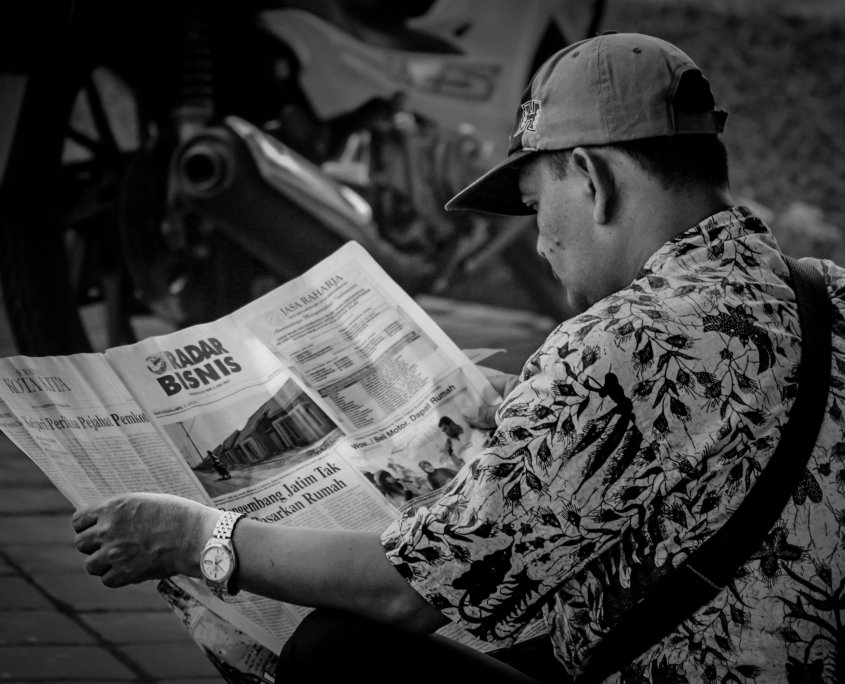
Boca de RuaBoca de Rua, a unique street newspaper based in Porto Alegre, Brazil, continues to empower people experiencing homelessness by involving them directly in journalism. According to The Guardian, the publication creates opportunities for participants to write, photograph and sell the paper, offering both income and visibility to marginalized voices.

About the Newspaper

Founded in 2000 by journalists Rosina Duarte and Cristina Pozzobon, Boca de Rua—which translates to “Word on the Street”—operates as a quarterly publication where contributors attend weekly editorial meetings and determine the paper’s content. Vendors sell each issue for R$3 (around $0.53) and keep the proceeds.

According to Global Voices, about 50 people contribute to each edition. Topics range from street abuse to positive community stories, with recent issues covering tragedies like a fire at a state-run homeless shelter and flood impacts on the city. More than a source of income, the paper builds confidence and public presence for its contributors. Since its founding, Boca de Rua has supported more than 400 individuals through this model of participatory journalism.

Addressing Homelessness in Brazil

Homelessness remains a significant issue in Brazil. According to Development and Cooperation, the population of unhoused individuals grew by 38% between 2019 and 2023, largely driven by the COVID-19 pandemic. As of 2022, more than 281,800 people were registered as homeless in Brazil and economic insecurity remains the leading cause. In response, the Brazilian government relaunched the Minha Casa Minha Vida (“My House My Life”) program. Initially implemented in 2009, the initiative offers housing subsidies to low-income families, particularly those earning under $400 per month, according to The Rio Times.

Stories of Ambition and Impact

Elisângela Escalante, a contributor for six years, shared with Global Voices how the paper helped her transition off the streets and into a home. Previously dependent on her partner financially, Escalante was able to regain independence through earnings from the newspaper. “Through it [Boca de Rua] I got a lot of things and I helped a lot of people too,” she said.

A memorable edition that she worked on featured the cover story “Why Can’t We Be Mothers?”—a piece that explored the challenges of motherhood while experiencing homelessness. During production, some participants even reconnected with their children, underscoring the paper’s emotional and social reach.

Another contributor, Michael Vasconcelos, told The Guardian that he became homeless after a family fallout. He later joined Boca de Rua, where he describes himself as a “paperboy and journalist.” “Now, I steal people’s attention and deal in information,” Vasconcelos said.

Media Representation and Inclusion

Community-led media initiatives like Boca de Rua play a crucial role in amplifying marginalized voices and fostering media diversity. According to the United Nations Educational, Scientific and Cultural Organization (UNESCO), empowering Indigenous voices in the media is essential for fostering pluralism and diversity, which are vital elements of a vibrant society. 

Despite this progress, gaps remain. As of 2025, UNESCO reported that:

  • About 25% of media outlets that are non-Indigenous have no editorial guidelines that correlate with Indigenous social issues.
  • Only one in five of media outlets cite marginalized individuals as sources, while 8% say that they never have.
  • Roughly 16% of media outlets that are non-Indigenous are required to publish in Indigenous languages by quotas.
  • Around 49% of media workers who are Indigenous have been exposed to harassment, danger and intimidation.

By offering contributors a direct platform, Boca de Rua helps counter these inequities and drives awareness through lived experience.

Looking Ahead

As Boca de Rua continues to grow, its impact reaches far beyond housing. Co-founder Rosina Duarte emphasizes that the paper’s core mission is to provide income and reduce the harm caused by silence and isolation. The organization aims to deepen its role as a platform for dignity, self-expression and community-driven change.

Contributor Michelle Marques dos Santos, who joined as a teenager living on the streets, is now preparing to publish a book about her life—an opportunity she attributes to the confidence and visibility gained through the newspaper. Now expecting her seventh child—the first she will be able to raise herself—Santos’s story reflects the transformative potential of community-led media initiatives. As Boca de Rua continues its work, it holds promise not only for current contributors but also for future generations seeking visibility and purpose.

– Clarissa Dean

Clarissa is based in Bowling Green, KY, USA and focuses on Good News and Celebs for The Borgen Project.

Photo: Flickr

May 31, 2025
https://borgenproject.org/wp-content/uploads/borgen-project-logo.svg 0 0 Precious Sheidu https://borgenproject.org/wp-content/uploads/borgen-project-logo.svg Precious Sheidu2025-05-31 07:30:412025-05-31 02:21:37Boca de Rua Empowers Homeless Individuals Through Journalism
Global Poverty, Hunger

Bolsa Família: Poverty Alleviation in Brazil

Poverty Alleviation in BrazilSince 2003, the Bolsa Família program has been working on poverty alleviation in Brazil. The program has helped 46 million Brazilian families by partnering with the World Bank. It has reduced Brazil’s poverty to 59 million from 67.7 million.

Hunger Reduction

With the provided cash offerings, many families who had previously suffered from hunger have food security. Last year, the Brazilian Ministry of Social Development and Assistance, Family and the Fight Against Hunger (MDS) gave $30 billion to needy families through the Bolsa Família.

Improved Health and Education

For years, youth mortality rates in Brazil remained high, mainly due to limited access to routine checkups and vaccinations. In response, the Bolsa Família program introduced conditional cash transfers, requiring families to take their children for regular medical visits to receive financial support. So far, more than eight million people have benefited from the initiative, which strongly emphasizes improving family health care.

Furthermore, the initiative has increased educational development with evidence of higher enrollment and academic successes from disadvantaged citizens. A prominent aim of Bolsa Família is to stop children from inheriting the poverty their parents endured by focusing funds toward advancing schooling. As a result, the school enrollment rate has increased by 5.5-6.5%. Similarly, the dropout rates declined by 0.4 and 0.5 points and the grade promotion rate increased by 0.4-0.5 points.

Women Empowerment

Career training and greater access to social assistance programs have opened new job opportunities for women and provided affordable child care services. Women make up 54% of Brazil’s conditional cash transfer program beneficiaries, an investment widely seen as one of the most effective ways to empower women. With increased autonomy, many can now make informed decisions about family planning, creating ripple effects that improve their long-term well-being.

Eliminating Child Labor

Since their consolidation into the Bolsa Família program, initiatives like Bolsa Escola, Bolsa Alimentação, Cartão Alimentação, Auxílio-Gás and the Child Labor Eradication Program have significantly contributed to reducing child labor in Brazil. In 2023, the government reinstated Bolsa Família, enhancing financial support to low-income families. Eligible households now receive approximately R$150 (about $30) per month for each child under age 6, bolstering assistance to vulnerable communities.

What’s Next?

The Bolsa Família program has had a global impact, serving as a model for other countries seeking to address the challenges of poverty and prevent its persistence. Looking ahead to 2030, the program aims to remove Brazil from the Hunger Map while significantly reducing nutritional insecurity across the country.

The goal is to increase disposable income to result in more grocery shopping, recognizing those needing protection and engaging the government to collaborate to eradicate hunger. The program’s lifespan has made a world of a difference to many lives for nearly 23 years and will continue its efforts of poverty alleviation in Brazil.

– Melody Aminian

Melody Aminian is based in Irvine, CA, USA and focuses on Good News for The Borgen Project.

Photo: Flickr

May 25, 2025
https://borgenproject.org/wp-content/uploads/borgen-project-logo.svg 0 0 Hemant Gupta https://borgenproject.org/wp-content/uploads/borgen-project-logo.svg Hemant Gupta2025-05-25 07:30:552025-05-24 23:51:40Bolsa Família: Poverty Alleviation in Brazil
Education, Global Poverty

Initiatives to Improve Education in Brazil

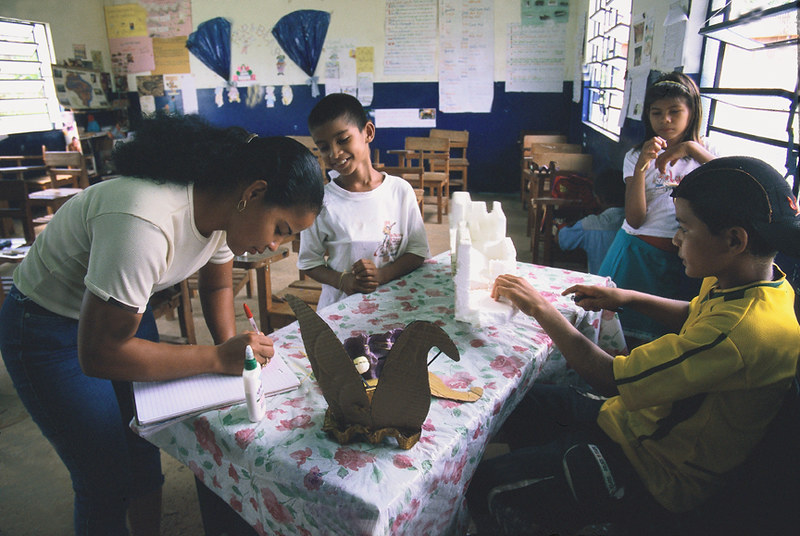
brazil educationBrazil is the largest country in South America, with a population of around 211 million people. In 2022, 50.7% of the population completed high school, approximately 2.19 times more than in 2000. There have been many successful initiatives to improve the access and quality of education in Brazil, some of which this article explores further, such as Indique and the Salvador Assessment Program (PROSA), monitoring systems in Salvador, Brazil.

Indique, PROSA and Chegando Junto

Indique is a tool that allows parents, carers and other members of the Salvador community to voice their feedback and opinions about students’ education. This allows educators to see what initiatives are having a positive impact and what they could do to support students further.

Since 2022, Brazil has implemented PROSA in every primary school grade in Salvador. This test allows educators to see the extent of the majority of students’ knowledge and so helps indicate what areas are effectively being improved and what areas require more practice. It also tests the efficacy of government education programs. Due to the high number of students who take the exam, results are more generalisable and representative of students.

This initiative groups students who are two or more years behind their grade in terms of educational achievement together, according to the World Bank. This allows them to learn in an environment alongside learners who have a similar level of understanding, therefore allowing the teacher to focus more on helping them catch up. It also makes the learning environment more comfortable and less daunting for learners.

Technology

The Lemann Foundation has employed the help of technology to aid students in their learning. It supported the education ministry’s Programa Educação Conectada, a scheme that provided 6 million students with strong and secure internet connections. This would be vital as internet connections will allow pupils to complete homework, assignments and revision as well as access extra learning resources that can strengthen and deepen their understanding.

The Lemann Foundation has contributed to the provision of such resources by partnering with the Khan Academy to give approximately 600,000 students access to courses on maths, history, science and more, every month, helping improve education in Brazil. This allows students to go beyond the material they are learning at school, as well as enhancing their knowledge of the content in the curriculum.

Bolsa Familia and the Favela Foundation

This program creates incentives for families to send their children to school, providing approximately $35 to families living in poverty. It helps families send their children to school, and for health checkups, something that poverty prevents many children from accessing. It has benefited 50 million people in Brazil and is very beneficial for families living in poverty. The program has also inspired many other countries to develop their version of this, including countries like Indonesia, Mexico and South Africa.

The Favela Foundation funds educational and sports projects for children. For example, it has worked with the Alfazendo Ecorede organization to provide teacher training in the City of God favela in Rio de Janeiro. This training ensures that teachers know how to successfully support and teach students in favelas.

The Future

These programs and numerous others have grown and helped millions of people and inspired other countries. Statistics show that such initiatives are making a significant impact—the number of Brazilian graduates has tripled from 2000 to 2022. Hopefully, in the future, education in Brazil will continue to improve and prosper.

– Maryam Abdalla

Maryam is based in the UK and focuses on Good News, and Politics for The Borgen Project.

Photo: Flickr

May 11, 2025
https://borgenproject.org/wp-content/uploads/borgen-project-logo.svg 0 0 Naida Jahic https://borgenproject.org/wp-content/uploads/borgen-project-logo.svg Naida Jahic2025-05-11 01:30:082025-05-09 13:33:55Initiatives to Improve Education in Brazil
Global Poverty, Government, Poverty Reduction

5 Global Leaders Driving Poverty Reduction

5 Global Leaders Driving Poverty ReductionGlobal leaders often play a critical role in driving poverty reduction by casting decisive votes and implementing impactful policies. Indeed, around the world, several leaders have introduced programs that contribute to measurable poverty alleviation. Here are five global leaders who have focused on poverty reduction in their countries.

5 Global Leaders Driving Poverty Reduction

  1. Xi Jinping. Xi Jinping serves as the president of China, one of the world’s largest economies. Since he assumed office, the Chinese government reports that it has lifted 98.99 million people out of extreme poverty, defined as living on less than $1.69 per day. Poverty reduction has remained a central focus of national policy during Xi’s leadership.
    The nearly 100 million people affected by this effort live in diverse regions. The government supported more than 128,000 villages in improving community development.
  2. Katrín Jakobsdóttir. Katrín Jakobsdóttir is the Prime Minister of Iceland, one of the northernmost countries in the world. Jakobsdóttir is a well-respected feminist, known for her achievements in addressing poverty among women. In 2018, her administration enacted a law that prohibits unequal pay between men and women for the same work. In 2017, 13.6% of women in Iceland lived in poverty. Following the new law, that number dropped to 11.3% in 2018. By 2023, the poverty rate had fallen further to 8.9% for women and 9% for men.
  3. Narendra Modi. Narendra Modi is the Prime Minister of India, the most populous country in the world, located in South Asia. Since he took office in 2014, the Indian government reports that it has lifted 250 million people out of poverty. Over the last decade, India’s GDP per capita rose by $2,000, while 17% of the population moved above the poverty line. Modi’s administration continues to focus on sustainable development as part of its broader economic strategy.
  4. Luiz Inácio Lula da Silva. Luiz Inácio Lula da Silva is the President of Brazil, the largest country in Latin America. His success in reducing poverty is largely attributed to a social program he implemented called “Bolsa Família.” This program has reached more than 50 million people in Brazil, offering families in poverty financial benefits on the condition that they attend regular medical check-ups and ensure their children receive an education. This compromise has shown to be effective.
  5. Paul Kagame. Paul Kagame is the President of Rwanda, a country in central Africa near Lake Victoria. Upon taking office in 2000, Kagame launched a program called Rwanda Vision 2020, which has exceeded its initial expectations. In 2000, Rwanda’s poverty rate was 75.2%. However, by 2024, this figure had fallen to 38.2%. Rwanda has invested in agriculture, health care and education to improve livelihoods across the country. However, ongoing regional conflict involving the M23 militia poses challenges to further development.

Leadership and Poverty Reduction

These political figures demonstrate a range of approaches to poverty reduction, from equal pay laws to social protection programs. While each country faces unique challenges, the common thread among these leaders is their early and sustained commitment to addressing poverty through policy and investment. Their efforts offer useful models for other nations and underscore the importance of leadership in global poverty reduction.

– Nicholas East

Nicholas is based in Ashby, MA, USA and focuses on Politics for The Borgen Project.

Photo: Flickr

April 19, 2025
https://borgenproject.org/wp-content/uploads/borgen-project-logo.svg 0 0 Precious Sheidu https://borgenproject.org/wp-content/uploads/borgen-project-logo.svg Precious Sheidu2025-04-19 01:30:012025-04-18 10:24:475 Global Leaders Driving Poverty Reduction
Developing Countries, Global Poverty, Politics

President Luiz Inácio Lula da Silva: Reducing Poverty in Brazil

Reducing Poverty in BrazilBrazil’s president, Luiz Inácio Lula da Silva, also known as President Lula, has returned to lead the country after winning his third non-consecutive term in 2023. When he assumed office, Brazil’s poverty rate stood at 23.5%, based on the poverty line of $6.85 USD per day per capita. Within one year, President Lula managed to reduce poverty in Brazil to 1.7%. Although Lula’s leadership has driven significant progress in Brazil, he continues to face challenges.

Lula’s First Two Terms

On October 27, 2002, Luiz Inácio Lula da Silva secured election as Brazil’s president, becoming the first former laborer to achieve this role. During his first term, he tackled issues that burdened Brazil, such as income inequality, the minimum wage and economic record-keeping.

He launched social programs like Bolsa Família and enacted reforms to address these challenges. Despite these accomplishments, Luiz Inácio Lula da Silva faced criticism for neglecting education and crime as well as for a scandal involving his party’s illegal campaign funding.

In 2006, Lula triumphed in the presidential election again through two rounds of voting. His leadership fostered Brazil’s prosperity, symbolized by the selection of Brazil to host the 2016 Summer Olympics.

Under Lula’s guidance, Brazil thrived; however, constitutional limits prevented him from pursuing a third consecutive term. Consequently, Lula endorsed Dilma Rousseff to succeed him as Brazil’s leader.

Lula’s Absence From Office and Incarceration

Rousseff secured consecutive election victories, but during her second term in 2014, a corruption scandal implicated Lula, business owners and other Workers’ Party politicians. Over the next few years, dramatic events led to Lula’s incarceration and eventual release. Although Lula faced charges, the Supreme Court of Brazil annulled all accusations against him in 2021, clearing the way for his re-election bid.

Lula’s Reelection and Reconstruction of Brazil

In 2022, Lula campaigned against Jair Bolsonaro, a far-right politician who accelerated Amazon deforestation and mismanaged the COVID-19 pandemic, resulting in more than 600,000 deaths in Brazil. Lula emerged victorious in the election’s second round and began his third term.

Lula reinstated the policies he introduced during his first two terms. Since his return to office, 8.7 million Brazilians have moved above the poverty line. To illustrate this achievement, 10,875 individuals per day escaped poverty after Lula’s return.

Poverty reduction in Brazil is largely credited to Bolsa Família, the social program Lula initiated. Bolsa Família provides financial support to families in poverty on the condition that they ensure their children receive education and healthcare. Inspired by this program’s success, nearly 20 countries have adopted similar initiatives. Its broad reach is evident, as 42.7% of children aged 0-14 benefit from its provisions.

Unsolved Issues

Despite Brazil’s notable progress under Lula’s leadership, the country struggles with persistent racial inequality. Among Brazilians aged 15-29, 10.3 million remain unemployed and disconnected from education.

Of this group, 45.2% are black or brown women, and 23.4% are black or brown men. Altogether, 68.6% of this demographic identifies as black or brown.

What Lula and the Rest of the World Can Learn

Lula has undeniably advanced Brazil’s development during all three presidential terms. Brazil stands to benefit by maintaining Lula’s policies while expanding efforts to support disadvantaged populations, whilst reducing overall poverty in Brazil.

Brazil has already extended aid to previously underserved groups, as evidenced by Bolsa Família’s reach. Taking further steps to address the needs of marginalized communities could perfect the program’s impact.

For the world, Lula’s leadership and Bolsa Família serve as examples of effective governance. Nations facing similar challenges can adopt programs like Bolsa Família, which deliver substantial benefits with relatively simple implementation.

– Nicholas East

Nicholas is based in Ashby, MA, USA and focuses on Politics for The Borgen Project.

Photo: Wikimedia Commons

April 5, 2025
https://borgenproject.org/wp-content/uploads/borgen-project-logo.svg 0 0 Jennifer Philipp https://borgenproject.org/wp-content/uploads/borgen-project-logo.svg Jennifer Philipp2025-04-05 04:05:522025-04-05 04:05:52President Luiz Inácio Lula da Silva: Reducing Poverty in Brazil
Development, Entrepreneurship and Business, Global Poverty

PretaHub: Stimulating Growth in Brazil

pretahubIn Brazil, where economic inequality disproportionately affects Black communities, one woman is driving transformative change through entrepreneurship. Adriana Barbosa, founder of PretaHub, has dedicated her career to empowering Black entrepreneurs and reducing poverty by fostering economic inclusion. Through initiatives like the Feira Preta Festival, Barbosa has built a thriving network that strengthens Black-owned businesses, promotes financial independence, and challenges systemic barriers.

PretaHub: A Platform for Economic Empowerment

Adriana Barbosa launched PretaHub as a business accelerator that focuses on supporting Black entrepreneurs, many of whom face limited access to funding, mentorship and networking opportunities. The platform provides essential resources such as business training, financial literacy programs and investment connections.

PretaHub helps create sustainable businesses that generate employment and uplift communities by equipping entrepreneurs with these tools. It helps entrepreneurs overcome challenges they often face, such as denied credit.

Barbosa’s work through PretaHub directly addresses these disparities by creating opportunities for economic mobility. PretaHub is responsible for investing $2.2 million into assisting entrepreneurs, as of February 2024. By strengthening Black-owned businesses, she not only helps individuals but also contributes to broader economic development, reducing poverty by increasing financial stability within marginalized communities.

Celebrating Black Innovation

A key initiative of PretaHub is the Feira Preta Festival, an annual event that highlights and supports Black entrepreneurship, culture and innovation. This festival serves as a marketplace and networking hub where Black business owners can showcase their products, connect with potential investors and gain media visibility. It also includes workshops, panel discussions and mentorship programs designed to equip entrepreneurs with valuable skills, according to the Atlas of the Future.

The festival has become a crucial platform for economic inclusion, attracting thousands of participants and contributing to a growing ecosystem of Black-owned businesses in Brazil. Furthermore, by fostering visibility and market access, Feira Preta directly supports financial growth and job creation, helping to break the cycle of poverty in Black communities.

Reducing Poverty Through Business Growth

The impact of PretaHub extends beyond individual business success—it is part of a larger movement that could reduce poverty by empowering historically excluded communities. When small businesses succeed, they strengthen local economies while creating jobs for the working class.

PretaHub’s initiatives have provided Black entrepreneurs with the tools to grow, helping them achieve financial independence and, in turn, uplift their communities. One of the most significant ways PretaHub reduces poverty is by addressing the financial barriers that often prevent Black entrepreneurs from scaling their businesses. Through partnerships with financial institutions, PretaHub has facilitated greater access to microloans, grants and investment opportunities, ensuring that small businesses have the resources needed to grow, according to the Atlas of the Future.

Additionally, the organization provides training in financial literacy, helping entrepreneurs manage their businesses more effectively and build long-term stability. This financial support and education not only help individual business owners but could also contribute to broader economic development by fostering job creation and local economic stimulation. By empowering Black entrepreneurs to succeed, PretaHub is actively working to close the racial wealth gap and create a more equitable future for all.

Creating Initiatives That Reduce Poverty

Adriana Barbosa’s leadership in PretaHub exemplifies how women-led businesses can be a driving force for economic and social change. Through initiatives like the Feira Preta Festival, she has created opportunities for Black entrepreneurs to thrive, reducing poverty and challenging systemic inequality. Indeed, her work is a testament to the power of innovation, resilience, and community-driven economic development. As PretaHub continues to grow, its impact on Brazil’s economic landscape will only strengthen, paving the way for a more inclusive and prosperous future.

– Bailie Cross

Bailie is based in Pensacola, FL, USA and focuses on Global Health and Politics for The Borgen Project.

Photo: Flickr

April 1, 2025
https://borgenproject.org/wp-content/uploads/borgen-project-logo.svg 0 0 Naida Jahic https://borgenproject.org/wp-content/uploads/borgen-project-logo.svg Naida Jahic2025-04-01 01:30:472025-03-31 17:13:02PretaHub: Stimulating Growth in Brazil
Page 3 of 7‹12345›»

Get Smarter

  • Global Poverty 101
  • Global Poverty… The Good News
  • Global Poverty & U.S. Jobs
  • Global Poverty and National Security
  • Innovative Solutions to Poverty
  • Global Poverty & Aid FAQ’s
Search Search

Take Action

  • Call Congress
  • Email Congress
  • Donate
  • 30 Ways to Help
  • Volunteer Ops
  • Internships
  • Courses & Certificates
  • The Podcast
Borgen Project

“The Borgen Project is an incredible nonprofit organization that is addressing poverty and hunger and working towards ending them.”

-The Huffington Post

Inside The Borgen Project

  • Contact
  • About
  • Financials
  • President
  • Board of Directors
  • Board of Advisors

International Links

  • UK Email Parliament
  • UK Donate
  • Canada Email Parliament

Get Smarter

  • Global Poverty 101
  • Global Poverty… The Good News
  • Global Poverty & U.S. Jobs
  • Global Poverty and National Security
  • Innovative Solutions to Poverty
  • Global Poverty & Aid FAQ’s

Ways to Help

  • Call Congress
  • Email Congress
  • Donate
  • 30 Ways to Help
  • Volunteer Ops
  • Internships
  • Courses & Certificates
  • The Podcast
Scroll to top Scroll to top Scroll to top