• Link to X
  • Link to Facebook
  • Link to Instagram
  • Link to TikTok
  • Link to Youtube
  • About
    • About Us
      • President
      • Board of Directors
      • Board of Advisors
      • Financials
      • Our Methodology
      • Success Tracker
      • Contact
  • Act Now
    • 30 Ways to Help
      • Email Congress
      • Call Congress
      • Volunteer
      • Courses & Certificates
      • Be a Donor
    • Internships
      • In-Office Internships
      • Remote Internships
    • Legislation
      • Politics 101
  • The Blog
  • The Podcast
  • Magazine
  • Donate
  • Click to open the search input field Click to open the search input field Search
  • Menu Menu

Tag Archive for: Poverty In Brazil

Posts

Child Poverty, Global Poverty, Nonprofit Organizations and NGOs

Supporting Poor Families in Brazil: The Criança Feliz Program

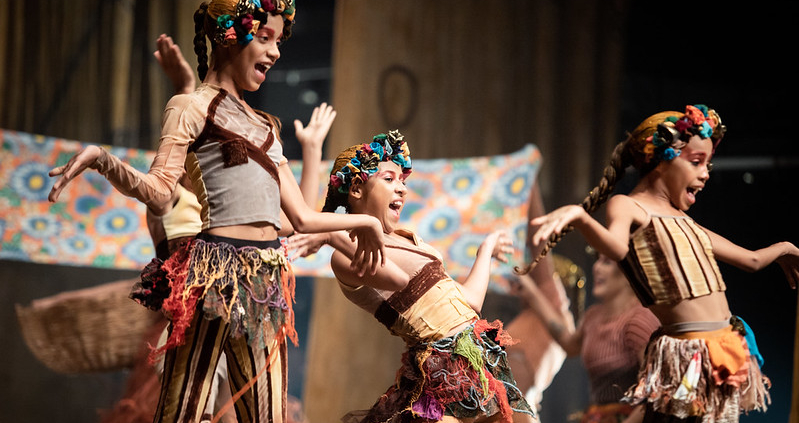
Children in festive attire celebrate at a community event in Brazil. Criança Feliz.Low-income families in Brazil face challenges that can affect children long before they enter school. Brazil had an estimated population of 213.4 million people in 2025, according to the Brazilian Institute of Geography and Statistics (IBGE). Although Brazil has reduced poverty in recent years, millions of families still live with limited access to food, education, housing, sanitation and other basic needs.

UNICEF reports that about 32 million children are in vulnerable situations. These include lack of education, child labor, living in poor conditions or lack of water and food. IBGE also reported that Brazil’s poverty rate fell to 23.1% in 2024, while extreme poverty fell to 3.5%. These improvements show progress, but the number of people still affected by poverty remains high.

The Criança Feliz Program

The Criança Feliz Program, also known as Primeira Infância no SUAS/Criança Feliz, is one response to early childhood poverty in Brazil. The program uses home visits to support families registered in Cadastro Único, Brazil’s registry for low-income families. During these visits, trained workers guide families on child development, family care and access to public services. The program focuses on pregnant women, young children and children with disabilities in vulnerable families. Its goal is not only to provide information, but also to strengthen family and community bonds. By working directly inside the home, Criança Feliz helps caregivers understand how everyday actions, such as talking, playing, reading and responsive care, can support a child’s development.

Connecting Families to Services

Criança Feliz connects families to Brazil’s broader social protection system. Instead of treating childhood poverty as a single problem, the program links families to services related to social assistance, health care, education, culture, human rights and child protection. This is significant because poor families in Brazil often face multiple challenges simultaneously.

In 2025, Brazil’s Ministry of Development and Social Assistance announced that Criança Feliz would be part of the country’s social protection network through the Social Assistance Reference Centers (CRAS) and the Family Protection and Comprehensive Care Service (PAIF). CRAS centers serve as local entry points to programs and social assistance, while PAIF works directly with families to prevent and respond to vulnerable situations. This change makes the program more accessible for public services.

Impact of the Program

Criança Feliz has reached families on a large scale. According to Brazil’s Ministry of Development and Social Assistance, the program surpassed 57 million home visits in 2021 and brought child care information to families in more than 3,028 municipalities. Another government update reported that the program had accompanied 1.5 million families, including 1.4 million children and 374,000 pregnant women.

The program’s impact should be explained carefully. A randomized study of Criança Feliz in 30 Brazilian municipalities did not find clear improvements in child development outcomes under routine conditions. However, researchers also found implementation problems, including low coverage, management challenges and differences in visit quality. This means the program’s reach is large, but its long-term success depends on stronger implementation and consistent visit quality.

Organizations and Partners Supporting the Program

Although Criança Feliz is a federal program, several organizations and partners have helped strengthen its model. The Bernard van Leer Foundation reported that the program’s home visitors use technical material based on the Care for Child Development method developed by UNICEF, the World Health Organization (WHO) and the Pan American Health Organization (PAHO). These materials help guide visits around child development and family care.

The program has also involved support from groups such as UNICEF, UNESCO, UNDP, PAHO, WHO and the Bernard van Leer Foundation. These partners have supported technical material, training methods, monitoring and evaluation. Their role shows how partnerships can help public programs improve services for poor families in Brazil.

Why Support in Early Childhood Makes a Difference

Early childhood support matters because poverty can affect children’s development before they enter school. The World Bank states that millions of young children do not reach their full potential because of poor nutrition, limited early stimulation and learning and exposure to poverty and stress. These early disadvantages can affect health, education and future income. For that reason, programs like Criança Feliz focus on the first years of life. Home visits can help caregivers support children’s growth while also connecting families to services they may not know how to access. When early childhood programs work well, they can help reduce the long-term effects of poverty by supporting children before disadvantages become harder to reverse.

Conclusion

Criança Feliz shows how Brazil is trying to support children by supporting families first. The program does not solve poverty alone and research shows that implementation quality still matters. However, its large reach, home-visiting model and connection to Brazil’s social protection system make it an important effort for helping poor families in Brazil. By focusing on early childhood, family support and access to services, Criança Feliz offers a practical way to address poverty before it shapes a child’s future.

– Mateo Alcocer

Mateo is based in West Hills, CA, USA and focuses on Good News and Global Health for The Borgen Project.

Photo: Wikimedia Commons

June 9, 2026
https://borgenproject.org/wp-content/uploads/borgen-project-logo.svg 0 0 Lynsey Alexander https://borgenproject.org/wp-content/uploads/borgen-project-logo.svg Lynsey Alexander2026-06-09 03:00:332026-06-08 11:24:03Supporting Poor Families in Brazil: The Criança Feliz Program
Electricity and Power, Global Poverty

Updates on SDG 9 in Brazil

SDG 9 in BrazilRecent updates on SDG 9 in Brazil show how renewable energy projects are improving infrastructure and economic opportunities in underserved communities. Sustainable Development Goal 9 (SDG 9) focuses on building resilient infrastructure, promoting sustainable industrialization and fostering innovation. In Brazil, renewable energy initiatives have expanded access to electricity while supporting regional development, job creation and poverty reduction in underserved communities.

Solar Energy in Rural Communities

In remote parts of the Brazilian Amazon, many communities still rely on expensive diesel generators and unreliable electricity systems. According to the Global Energy Alliance for People and Planet, nearly 1 million Brazilians live without electricity, with more than 95% located in the Amazon. An additional 2 million people rely on polluting and unreliable diesel fuel for energy access. Limited electricity access may also restrict economic opportunities, food preservation and access to education, contributing to long-term poverty in isolated communities. According to the Brazilian Institute of Geography and Statistics (IBGE), the highest proportions of people living below the poverty line in 2023 were concentrated in the North and Northeast regions of Brazil, where access to infrastructure and public services is often more limited.

Recent updates on SDG 9 in Brazil include renewable energy initiatives aimed at expanding electricity access in underserved regions. In 2026, the Global Energy Alliance reported that students in Nossa Senhora do Livramento, also known as Uixi, received solar panels that replaced unstable diesel-generated electricity. The project improved electricity access for the local school while reducing dependence on diesel fuel.

Renewable energy infrastructure can also support poverty reduction by strengthening local economic activity. Families in Uixi rely on fishing, açaí harvesting and Brazil nut production for income. The Global Energy Alliance is working with Brazil’s government in a five-year partnership to bring renewable energy, green jobs and economic opportunity to remote Amazon communities.

Wind Energy and Economic Development

Wind energy projects have also supported development in northeastern Brazil. The region concentrates almost 90% of the country’s wind capacity, according to Brazil’s Energy Research Office. Renewable energy expansion has made northeastern Brazil an important area for infrastructure investment and economic development.

In 2023, Brazil’s minister of mines and energy said transmission investments could unlock between R$180 billion and R$200 billion in wind and solar energy projects in northeastern Brazil. The transmission auction aimed to expand infrastructure needed to move renewable electricity from the Northeast to other parts of the country. Northeastern Brazil has historically faced higher poverty rates than other regions of the country, making renewable energy investment particularly significant for local economic development.

Recent updates on SDG 9 in Brazil also include the expansion of large wind energy projects across northeastern states. In Bahia, the Serra do Assuruá wind complex reached full commercial operation in 2025. The project includes 24 wind farms, 188 turbines and 846 MW of installed capacity, according to ENGIE Brasil. During construction, the project generated approximately 3,000 direct and indirect jobs.

Renewable Infrastructure and Future Progress

Despite recent progress, many rural communities in Brazil still face limited access to reliable electricity and infrastructure. Expanding renewable energy systems in isolated regions remains challenging due to geographic barriers and limited transmission networks. However, recent investments in solar and wind energy have already improved electricity access in underserved communities.

Recent updates on SDG 9 in Brazil demonstrate how renewable energy projects can support infrastructure development and poverty reduction. Improved electricity access can strengthen schools, health services and local businesses while creating new economic opportunities in vulnerable regions. Continued investment in renewable infrastructure can help Brazil expand sustainable development while improving living conditions for rural communities.

– Natalia Fleith Gelasko

Natalia is based in Berlin, Germany and focuses on Business and Politics for The Borgen Project.

Photo: Unsplash

May 22, 2026
https://borgenproject.org/wp-content/uploads/borgen-project-logo.svg 0 0 Jennifer Philipp https://borgenproject.org/wp-content/uploads/borgen-project-logo.svg Jennifer Philipp2026-05-22 07:30:282026-05-23 11:21:35Updates on SDG 9 in Brazil
Child Poverty, Global Poverty, Nonprofit Organizations and NGOs

EDISCA in Brazil

edisca in brazilEDISCA is an example of showcasing how dance can be a supportive outlet for young girls in turning their lives around. Dancing, no matter who does it or where it’s happening, can convey a stronger, deeper message underneath. Dancers don’t always need lights, costumes, or a stage to learn everyday skills that many kids, who don’t dance, don’t get the opportunity to, or tell an important story.

If dance groups are lucky enough, they have the chance to make a difference in the world. In Brazil, using the unique medium of dance as a way to help children create a life for themselves that is safer than the roads on which many young girls fall in Fortaleza.

Background

Escola de Dança e Integração Social para Criança e Adolescente (EDISCA) is a non-governmental group based in Fortaleza, Brazil. Fortaleza faces many challenges with urban poverty, extreme inequality, and a large expanding slum population, and these problems infiltrate the lives of young girls who want to make a life for themselves.

According to the 2025 census data, Fortaleza could have a population of around 2.58-3.24 million. With an estimated 23.1% below the country’s poverty line in 2023-2024. The majority of the children who go to EDISCA cannot read or write, many have health problems, and are close to running away from their violent home lives. EDISCA is important for these young girls to break the habit of global poverty that many children face.

Importance of EDISCA with Poverty

The mission of EDISCA is to promote human development through education, art, and practices that encompass goodness, beauty, and justice. Founded in 1992 by Dora Andrade, EDISCA was made to “provide dance, theater and various other art forms… helps the children understand their and their families’ struggles.”

Andrade first started her dance career in the USA, but quickly changed her pathway when she returned home to teach girls to dance their way out of the slums, along with multiple life skills, critical skills, education, and self-esteem.

Andrade, along with other staff members, teaches the students about health care, nutrition, art, theater, and reading and writing. There is even a psychologist at EDISCA, Madeline Abreu, who talks to the children about the emotional burdens they may carry, according to PassBlue.

EDISCA focuses on children and adolescents who live in the most vulnerable favela communities, offering them an opportunity for an empowering path. The idea is that the girls can become ambassadors of change and take control of their lives by breaking the cycle of poverty and social exclusion. Families and government officials have the opportunity to come and witness the changes being made in EDISCA.

Dance as a Stepping Stone for Change

EDISCA helps outsiders understand that children, specifically from favela communities, can be an important resource for change. Indeed, the performing arts give people the chance to “learn teaching, and teach learning,” SIT study abroad reports. Politicians who come to see some of the work going on at EDISCA see that these underprivileged kids are part of the change, not just the elite

In a country facing extreme poverty, like Brazil, dance serves as an important outlet for young people. For children who go to EDISCA, it is a way to learn basic everyday skills, the chance to turn their life around, and even develop healthy habits, instead of falling down a pathway of prostitution or drug abuse.

EDISCA goes around the world, performing for a wide audience, showcasing the talent that the children have, with the potential to gain more students. It uses dance as a way to push for social justice and build a better future. EDISCA has changed so many lives, and hopes to continue that.

With all the success EDISCA has achieved using dance as a unique medium, it has become a stepping stone for other organizations, including “Dance Out of Poverty” in India, to create their own dance group. The poverty these children face in the favela communities was imposed on them by the higher communities, but EDISCA has flipped the cards by showing them the problems and how EDISCA is making a change.

– Elizabeth Fryer

Elizabeth is based in Philadelphia, PA, USA and focuses on Good News and Global Health for The Borgen Project.

Photo: Flickr
April 6, 2026
https://borgenproject.org/wp-content/uploads/borgen-project-logo.svg 0 0 Naida Jahic https://borgenproject.org/wp-content/uploads/borgen-project-logo.svg Naida Jahic2026-04-06 01:30:122026-04-05 12:17:24EDISCA in Brazil
Education, Global Poverty, Government

Eradicating Extreme Poverty in Brazil: Brasil Sem Miséria

Brasil Sem MisériaBrazil is a country situated in South America, consisting of 26 states and is home to the official language, Portuguese. With a population of 211,140,729 as of 2023, according to the World Health Organization (WHO), it occupies nearly half of South America. A governmental social program named Brasil Sem Miséria, created in 2011, aims to lift a large proportion of the country suffering from extreme poverty. Some focuses include providing access to social services for individuals and improving rural production for farmers. The scheme has primarily been targeted in the Northeast region of the country.

Poverty in the Northeast of Brazil

The Northeast of Brazil is the largest region in Latin America suffering from rural poverty. According to the World Bank, 5.4 million of the 45 million people living in the Northeast live on around $1 a day. The area suffers from geographical struggles, such as frequent severe droughts and unequal distribution of land, causing individuals to be reluctant to engage in social programs and government assistance.

It comprises nine states, including Maranhão, Piauí, Ceará, Rio Grande do Norte, Paraíba, Pernambuco, Alagoas, Sergipe and Bahia, as well as Fernando de Noronha. According to ScienceDirect, more than 70% of farmers in the Northeast Region are classed as poor or extremely poor. The agricultural sector is a significant income generator for a large number of people in rural areas. Farmers, especially, are reliant on their income from agricultural work, and climate change and prolonged periods of drought have and continue to result in fluctuating markets due to the unpredictability of price, supply and demand.

Brasil Sem Miséria

Brazil Without Extreme Poverty, also known as Brasil Sem Miséria, consists of various social programs to lift Brazil from extreme poverty. Created in 2011 by President Dilma Rousseff, the program was designed to support a large number of individuals. Some targets include:

  • Targeting children
  • Full-time education
  • Access to jobs
  • Rural food production and farmers

Accomplishments So Far

  • Targeting Children. Children must learn the foundations of human development, relating to their health, intellectual mind and physical well-being, especially for those living in poverty. According to World Without Poverty (WWP), Brasil Sem Miséria provided investment worth R$450 million in 2013 to enable children to stay well-fed and motivated as they grow.
  • Full-Time Education. The program consisted of expanding school days through Brasil Sem Miséria to strengthen learning and reduce inequalities. The policy has been adopted by nearly 30,000 schools. The Ministry of Education (MEC) invested and aimed to increase the number of full-time schools in Brazil from 32,000 to 46,000.
  • Access to Jobs. Free courses were available through the Brasil Sem Miséria job program, called the Plan’s Access to Technical Learning and to Jobs National Program. To date, there are 481 choices of profession, oriented to various sectors, including industry, trade, agriculture and cattle farming. More specific courses include computing, electrician, receptionist, etc.
  • Rural Food Production and Farmers. To maintain Brazil’s rich agricultural economy, Brasil Sem Miséria intended to work with rural families to enhance their production rates so the quality, quantity and value of produce increase, contributing to increasing income for family farmers. The Technical Assistance and Rural Extension (Ater) was hired to support 260,000 families, according to World Without Poverty (WWP).

Looking Ahead

Extreme poverty in the Northeast rural region of Brazil remains and continues to impact a large proportion of the population. However, government social programs, like Brasil Sem Miséria, have and will continue to lift various individuals out of poverty. Young children, farmers and rural families have already experienced progress by stabilizing healthier lives for the future.

– Zara Ashraf

Zara is based in London, UK and focuses on Good News for The Borgen Project.

Photo: Unsplash

March 7, 2026
https://borgenproject.org/wp-content/uploads/borgen-project-logo.svg 0 0 Precious Sheidu https://borgenproject.org/wp-content/uploads/borgen-project-logo.svg Precious Sheidu2026-03-07 07:30:192026-03-07 02:41:42Eradicating Extreme Poverty in Brazil: Brasil Sem Miséria
Global Poverty, Homelessness, Inequality

Updates on SDG 10 in Brazil

SDG 10 in BrazilBrazil’s hosting of the soccer World Cup and Olympic Games in the mid-2010s symbolized its arrival as a confident middle-class power. Rapid economic growth and large-scale social reform had lifted millions out of poverty and gradually reversed some of the country’s extreme income disparities. But, that progress has stalled over the past decade. This article provides updates on SDG 10 in Brazil, examining the country’s performance against a core UN target – tackling inequality.

Decade of Stagnation

When the Olympics came to Rio de Janeiro, Brazil’s Gini Index score, which measures income inequality, had been steadily falling for decades — from more than 60 in 1990 to around 52 in 2015 —  prompting experts to celebrate the country as a beacon for social progress.

But its Gini score actually increased in subsequent years, before returning to 52 again in 2023, the most recent year of available data. That’s almost double the SDG 10 goal, of 27.5, and represents a decade of stagnation.

‘World’s Most Socially Regressive Austerity’

The economic crisis that hit in 2014 largely explains that lack of progress, after a slump in prices for Brazilian commodities such as iron ore, a major corruption scandal at the national oil producer and a raft of fiscal and monetary policies that undermined confidence in the government’s ability to manage the country’s finances.

Increased borrowing costs followed, along with legislation freezing social spending for 20 years, which one UN official described as the “most socially regressive austerity package in the world.” Millions slipped back into poverty in the aftermath of the pandemic and there has been a surge in homelessness across major cities.

Highly Regressive Tax System

Brazil’s regressive tax system is another major cause of inequality. Several millions live in poverty, but there is also more than 400,000 millionaires (in U.S. dollar terms), with the richest 1% of Brazilians earning 27% of the nation’s income.

The country’s income concentration is significantly higher than previously thought, according to a recent report by a group of Brazilian and international economists, with ultra-wealthy individuals paying relatively little tax compared to other nations.

Using a new method of calculating wealth, officials from the Brazilian tax agency and researchers from the EU Tax Observatory found those earning at least $1 million per year have far lower effective tax rates (20.6% on average) than the average citizen (42.5%).

Many other countries reverse this pattern, including the U.S., where the effective tax for million-dollar earners is 36%, compared to 29% for the average American.

Brazil’s tax system is therefore highly regressive, as the tax burden for middle-class households is significantly higher than for the very rich, which hampers efforts to reduce inequality.

New Leadership and Legislation Brings Some Relief

Luiz Inácio Lula da Silva’s return to the presidency in 2023, replacing the right-wing Jair Bolsonaro, has provided greater hope and funding support to social programs, including the flagship Bolsa Família program, which offers direct cash transfers to low-income families. Lula’s government has also passed legislation reducing the tax burden on low and middle-income households, with a minimum rate established for higher earners. In particular, the new laws ensured new levies on dividends and company profits that were previously exempt.

Observers debate the extent to which this can be celebrated, however, as some warn the highest earners are able to shield their income due to flaws in the legislation, while the changes are only expected to produce modest improvements to the Gini coefficient, of just 0.3%.

Tathiane Piscitelli, a professor of financial law at the Rio-based think tank, Fundação Getulio Vargas, has acknowledged the limited impact of the changes, but said: “It is an improvement to our system, something that has been needed for a long time… Income tax is supposed to be progressive. We had the opposite situation, where those who earned more paid less. So even if this is not the ideal reform, overall it is a major relief.”

Updates on SDG 10 in Brazil

Ultimately, tax reforms can only go so far, and Brazil will need to find ways to strengthen its economic performance to place itself in a fiscal position to dramatically increase social spending. With the government’s debt levels standing at more than 80% of GDP, up from 58% in 2016, and spending is still severely constrained, Brazil is unlikely to achieve the SDG 10 target in anything but the very long term.

Oxfam estimates it would take more than 75 years to match the income inequality levels of the United Kingdom, at the current rate of progress, which would still fall short of the targeted Gini index score of 27.5.

Reasons for Optimism

There are reasons for optimism, however, with analysts at Boston Consulting Group suggesting Brazil’s economy is “impressively resilient” and well placed to navigate the shift in global power structures. Political neutrality on the world stage helps Brazil continue to enjoy warm relations with most Western countries, while its membership of the BRICS+ group of nations provides a key leadership role among the world’s fastest growing economies.

The huge domestic market and vast natural resources should also help shield Brazil from sharp trade barrier changes, said BCG, while a vast clean energy sector and robust digital infrastructure provide solid foundations for sustainable economic growth. If growth can return and the government can respond with increased social spending and continuing improvements to the tax system, inequalities should again start to fall.

International and Non-Government Support

Brazil’s international connections should also bring foreign and non-governmental investment. Last year, for example, the World Bank agreed to fund a major project to re-introduce the Bolsa Verde Program, which offers cash assistance to rural families that commit to environmental conservation, and should benefit 55,000 families in the Amazon by December 2026. Meanwhile, organizations such as the Lemann Foundation are working to draw attention to Brazil’s challenges within influential academic circles, with major investments to establish research centers within some of the world’s leading universities.

Momentum Can Return

The fight to achieve SDG 10 in Brazil may have stalled after earlier gains, but recent policy reforms and global shifts that should favor its economy suggest momentum can return. If growth strengthens and reforms continue, Brazil should again make significant progress in narrowing its deep inequalities.

– Lawrence Dunhill

Lawrence is based in Bristol, UK and focuses on Politics for The Borgen Project.

Photo: Unsplash

February 24, 2026
https://borgenproject.org/wp-content/uploads/borgen-project-logo.svg 0 0 Jennifer Philipp https://borgenproject.org/wp-content/uploads/borgen-project-logo.svg Jennifer Philipp2026-02-24 01:30:462026-02-24 00:31:53Updates on SDG 10 in Brazil
Education, Global Poverty

Unconventional Classrooms: Micro-Libraries in Brazil

Micro-Libraries in BrazilNearly one in 10 residents over age 15 in Brazil’s favelas are illiterate. In communities where access to books, libraries, and formal education resources is limited, children often grow up without the basic tools for learning. To bridge these gaps, grassroots initiatives such as micro-libraries in Brazil are bringing books and learning directly into underserved neighbourhoods. They provide children with opportunities they might otherwise go without.

A 12-Year-Old Girl Sparks Change

In São Paulo, 12-year-old Lua Oliveira created a library in a small, tin-roofed room in her favela. She started after seeing a child at a book fair told she could not afford a book. Lua began collecting donated titles to lend to local children. Her library now holds approximately 18,000 books and operates in a community centre where children regularly visit to read and learn, World Economic Forum Reports. Furthermore, her initiative inspired neighbours and peers to engage with reading in their everyday environment, demonstrating how locally managed, small-scale learning spaces can have a profound impact on education in low-income communities.

The Mala do Livro Project: A Citywide Effort

Lua’s story reflects a broader movement in Brazil. In Brasilia, the Mala do Livro (‘Book Bag’) project has run for decades, with the support of the Secretariat of Culture and Creative Economy. Volunteers carry mobile book bags into neighbourhoods, community centres, hospitals, and subway stations. Each bag contains around 150 books, carefully selected for children, teenagers, and adults, and the network now encompasses 193 micro-libraries with approximately 45,000 books in circulation.

These micro-libraries in Brazil demonstrate the flexibility and community focus of grassroots learning spaces. By situating libraries directly within neighbourhoods, children and adults can borrow books without travelling long distances or relying on formal institutions.

Impact on Communities

Micro-libraries in Brazil affect more than book lending. They strengthen community cohesion, provide safe environments for children after school, and encourage peer-to-peer learning. Indeed, in Brasilia alone, the Mala do Livro project has reached around 100,000 readers over its lifetime, with 18,000 people using the libraries in a single year. Each micro-library receives roughly 45 visits per year, showing the continued engagement and importance of these programs.

Micro-Libraries as a Tool Against Poverty

Poverty in Brazil is not just about income; it also affects access to education and learning opportunities. According to UNICEF, 32 million children live in multidimensional poverty, which includes severe educational deprivation. However, in this context, micro-libraries in Brazil act as practical interventions against poverty. By providing children in favelas with books and access to literacy resources, these grassroots initiatives help break the cycle of educational disadvantage, giving young people tools to improve their long-term social and economic prospects. Education also drives economic mobility: the Inter-American Development Bank estimates that differences in education explain more than 40% of income inequality in Brazil.

Small Libraries, Big Impact

Micro-libraries in Brazil depend heavily on volunteers and consistent donations. Lua’s library, for instance, requires ongoing book donations and active participation from her neighbours. Similarly, the Mala do Livro project relies on a network of volunteers to circulate books and maintain access. Supporting these initiatives helps promote literacy and combat educational inequality in low-income communities, offering children a chance to break cycles of poverty.

From a 12-year-old girl’s home library in Sao Paulo to the mobile book bags, micro-libraries in Brazil demonstrate that classrooms do not need walls to be effective. Community-driven, accessible learning spaces transform education in the favelas, offering hope and opportunity to children who might otherwise be left behind.

– Iona Gethin

Iona Gethin is based in Exeter, UK and focuses on Good News for The Borgen Project.

Photo: Wikimedia commons

December 2, 2025
https://borgenproject.org/wp-content/uploads/borgen-project-logo.svg 0 0 Naida Jahic https://borgenproject.org/wp-content/uploads/borgen-project-logo.svg Naida Jahic2025-12-02 07:30:062025-12-02 00:44:42Unconventional Classrooms: Micro-Libraries in Brazil
Development, Electricity and Power, Global Poverty

Solar Energy in the Amazon: Lighting up Villages With Electricity

Solar Energy in the AmazonThe Amazon region of Brazil, known as Amazônia Legal, covers nearly 60% of the country’s territory across nine states. Yet, it is home to only about 12% of the population. More than 20 million people live within this vast area, including Indigenous residents, many of whom live in villages disconnected from Brazil’s national power grid. In recent years, both the Brazilian government and nongovernmental organizations (NGOs) have begun investing in solar energy in the Amazon in an effort to bring sustainable electricity to the region.

More Light for the Amazon

In 2020, the Brazilian government launched the “More Light for the Amazon” project, later integrating it with the national Light for All initiative. The program aims to deliver renewable electricity to 228,000 homes by 2026, improving lives, creating opportunities for communities long overlooked and protecting the fragile Amazon environment.

These public policies have been essential for scaling up efforts, especially since NGOs alone often lack the resources to reach every village.

Impacts of Solar Energy in the Amazon

The Indigenous territory of Xingu offers a powerful example of how solar energy in the Amazon is transforming daily life. Today, many households have access to renewable electricity. Although it took more than a decade from the launch of the original initiative, families in Xingu can now switch on the lights and even watch TV, thanks to this clean and renewable energy solution.

Another example of how solar energy in the Amazon is transforming lives can be found in Vila Limeira, a village located within a protected area of the rainforest. The nearest city is 112 kilometers away and the community is reachable only by boat. Before solar power, diesel generators were the residents’ sole source of electricity, an expensive and unsustainable option.

Today, thanks in part to a donation from the Charles Stewart Mott Foundation to the World Wildlife Fund, Vila Limeira operates its own solar grid. Families can now enjoy basic amenities like refrigerators and washing machines, dramatically improving daily life.

Solar energy in the Amazon is transforming daily life and helping remote communities thrive. Renewable power now runs irrigation systems, keeps produce and meat fresh through refrigeration and makes simple tasks, like washing clothes at home, possible. Beyond convenience, solar power has also saved lives.

During the COVID-19 pandemic, communities with access to solar energy could refrigerate vital medications and vaccines while also staying informed with reliable updates on resources and the spread of the virus. This access proved critical in such isolated areas, where reaching a hospital or medical facility is often difficult and time-consuming.

Final Remarks

As Brazil continues to expand public policies that promote solar energy in the Amazon, the results are already proving transformative. Remote villages, once isolated from the national grid, are now writing their own success stories, with renewable power bringing light, refrigeration, communication and opportunity into daily life.

Solar energy has minimal environmental impact, which allows communities to preserve their land and traditions while also strengthening local economies. Most importantly, it provides the foundation for future generations to thrive, with improved access to education, health care and the tools needed to build a more sustainable and equitable future.

– Fernanda Nilson

Fernanda is based in North Charleston, SC, USA and focuses on Technology and Solutions for The Borgen Project.

Photo: Pixabay

October 30, 2025
https://borgenproject.org/wp-content/uploads/borgen-project-logo.svg 0 0 Lynsey 2 https://borgenproject.org/wp-content/uploads/borgen-project-logo.svg Lynsey 22025-10-30 01:30:352025-10-29 09:48:46Solar Energy in the Amazon: Lighting up Villages With Electricity
Global Poverty, Housing Security, Nonprofit Organizations and NGOs

Brazil’s Informal Housing: Pathways To Secure Land Titles

Brazil’s Informal HousingMillions of Brazilians live in informal housing without secure land titles, leaving them vulnerable to eviction and excluded from essential services like water, sanitation and credit. This insecurity is not new—it reflects centuries of unequal land distribution and weak property rights. In recent decades, however, the government has launched land regularization programs. These are aimed at converting informal possession into legal property, thereby providing families with greater stability and economic opportunities.

At the same time, NGOs such as Habitat for Humanity Brazil have mobilized to defend housing rights and equip communities to advocate for stronger protections. To better understand the economic importance of secure land tenure, The Borgen Project spoke with Victor Menaldo, Professor of Political Science at the University of Washington. Menaldo’s expertise in property rights and regulation offers insight into the broader stakes for poverty reduction and development.

Historic and Persistent Challenges With Securing Land Titles

Brazil’s struggle to secure land titles has deep historical roots. When the Portuguese Crown colonized Brazil in the 16th century, the land was divided into large captaincies granted to nobles. These nobles then distributed smaller plots, known as sesmarias, to settlers. While this system was intended to accelerate colonization, it concentrated land in the hands of a few. It often left small farmers without legal rights to the soil they worked.

After independence in 1822, Brazil spent nearly three decades without any formal land law. This vacuum allowed large estates to expand unchecked, often at the expense of smaller occupants. The 1850 Land Law attempted to regulate ownership. However, it required the purchase of land for cash. This policy excluded formerly enslaved people and impoverished farmers who lacked resources. Instead of democratizing access, it entrenched land inequality. The 1988 Constitution reaffirmed property rights but also required that land serve broader social purposes.

More recent programs—such as Minha Casa, Minha Vida (2009) and the 2017 Regularização Fundiária Urbana (REURB) law—have introduced mechanisms to convert informal possession into legal property, aiming to regularize urban settlements. These efforts represent significant progress; yet, millions of Brazilians still live without formal land titles, leaving them vulnerable to eviction and exclusion from credit and public services.

Land Regularization Programs

Land regularization programs have greatly aided Brazil’s recent attempts to address the historical causes of weak land title rights. In order to address contemporary issues of Brazil’s informal housing, the Land Regularization Program, which was initially connected to the Social Development Fund in the 1990s (Act No. 8,677/1993), has recently been revived. Brazil’s government has made continuous efforts to curb informality and increase access to legitimate land titles.

It has continued to evolve: in 2025, the Periferia Viva initiative increased support for Brazil’s informal housing improvements in neighborhoods that are at risk. The Regulatory Instruction No. 26 further updated the program’s rules. The program now prioritizes securing tenure and improving housing conditions for residents in Brazil’s informal settlements and low-income families. This is being done through revised regulations, such as Resolution No. 225 (2020) and Normative Instruction No. 2 (2021).

These changes demonstrate that Brazil’s land policies are dynamic and part of a continuous endeavor to improve the right to safe housing and lessen informality. Scholars also warn that poorly designed titling programs can have unintended consequences if not carefully designed. Menaldo noted that once neighborhoods are regularized, “rents and taxes rise; poorer households sell under pressure and re-informalize elsewhere.” He emphasized that while secure titles are powerful, they are “not a panacea.” Better-connected buyers scoop up newly titled plots at low prices when courts and registries are weak, commodifying land and pushing out the very families the programs were meant to protect.

NGO Advocacy for Housing Rights

In Brazil, the lack of affordable housing forces thousands of families into unsafe, informal living situations, often without legal tenure. Habitat for Humanity Brazil advocates for housing as a constitutional right and defends the right to the city, as guaranteed under the 2001 City Statute, which requires land and property to serve a social purpose. Habitat for Humanity Brazil collaborates with organizations such as the Zero Eviction Campaign, the Brazilian Institute of Urban Rights and the Observatory of Evictions. Together, they campaign against forced evictions and the displacement of low-income and informal settlement residents.

Beyond advocacy, Habitat Brazil equips communities with training on sustainable housing, financial literacy, gender equality and human rights. During the COVID-19 pandemic, the group worked with social movements. It even engaged the U.N. Special Rapporteur on Adequate Housing, successfully pressuring Brazil to suspend eviction orders. It also conducted large-scale community interviews in 30 cities to monitor rights violations. The organization mobilized grants for local initiatives that empowered residents to defend their housing rights.

For families in Brazil’s informal housing settlements, weak property rights create what Menaldo calls a “precarious equilibrium.” Without recognized tenure, households often pay more for basic services through intermediaries, face risks of disconnection and underinvest in home improvements due to fear of eviction. NGOs like Habitat for Humanity Brazil work to break this cycle by both defending residents against forced evictions and equipping them with tools to advocate for their rights.

Looking Forward: Balancing Rights and Regulation

Menaldo emphasized that governments should not view property rights and regulation as opposing forces. “They are different tools specialized to solving different problems,” he explained. Assigning property rights can prevent land grabs or overuse, while regulation can address broader challenges, such as pollution and encourage positive practices through subsidies and information sharing. In this way, the state can provide leadership and coordination where markets or civil society fail to do so.

Menaldo also highlighted why secure land titles are central to reducing poverty and expanding economic opportunity. When families trust that they can “use, exclude and transfer” a plot without arbitrary loss, they are more willing to invest in durable improvements such as brick walls, sanitation or even small shops. Clear titles also unlock access to credit by making land legible as collateral for lenders. Lower transaction costs—through reliable courts and predictable registries—make it easier to buy, sell or lease property.

At the same time, official addresses expand the government’s fiscal capacity to tax and deliver services. Over time, these dynamics can strengthen markets, boost productivity and generate a cycle of greater investment in both physical infrastructure and human capital.

– Isaac Nelson

Isaac is based in Florianópolis, Santa Catarina, Brazil and focuses on Politics for The Borgen Project.

Photo: Flickr

October 10, 2025
https://borgenproject.org/wp-content/uploads/borgen-project-logo.svg 0 0 Lynsey 2 https://borgenproject.org/wp-content/uploads/borgen-project-logo.svg Lynsey 22025-10-10 07:30:202025-10-10 02:29:33Brazil’s Informal Housing: Pathways To Secure Land Titles
Aid, Global Poverty, Trade

Brazil Prosperity Fund: Unlocking Brazil’s Trading Power

Brazil Prosperity FundThe Brazil Prosperity Fund was a range of projects designed to use aid from the U.K. to expand Brazil’s trade network and accelerate the country’s development. The scheme invested $40 million of U.K. aid between 2018 and 2023 and focused on four key areas:

  1. Energy
  2. Green Finance
  3. Future Cities
  4. Trade

Funding provided by the Brazil Prosperity Fund helped facilitate the exchange of information between U.K. scientists and the Brazilian Energy Program (BEP) on the most efficient ways to collect and utilize biogas. This led to the passing of Brazil’s Fuel of the Future law in October 2024, which regulates the country’s energy sector. The law was passed to reduce Brazil’s greenhouse gas emissions and establish the country as a market leader in the sale of renewable energy, maximizing its trading power.

São Paulo Metro System Expansion

The Brazil Prosperity Fund provided funding, along with the World Bank, for the Brazilian branch of the Future Cities Programme. The funds from this scheme were used to expand the existing metro system in São Paulo, South America’s largest conurbation, with a population of more than 20 million people.

A key innovation in this scheme was to help expand Brazil’s trading power by connecting the city’s international airport to the Barra Funda area via express trains in 2018. This has allowed easier access to the city center for international travelers and a good entry into the country.

The São Paulo municipal government intends to continue to expand its metro network, with seven new metro lines planned for construction over the next decade.

The Brazil Exportação Platform

Brazil’s trading power had previously been hampered by the lack of access Brazilian businesses had to international markets. The Brazil Prosperity Fund aimed to alter that by establishing the Brazil Exportação (BRAEXP) trading platform.

BRAEXP works by identifying potential international buyers for Brazilian businesses and suggesting methods of payment that are accessible both to the businesses themselves and to consumers based overseas. The platform reported more than 50,000 unique accesses between its foundation in November 2023 and June 2024.

Reforming Brazil’s Transfer Pricing

Economic advisors from the U.K. were also involved in designing reform to Brazil’s transfer pricing system. Brazil’s trading power had previously been limited by its transfer pricing laws. These laws left some goods vulnerable to “double taxation,” where foreign exporters risked paying significantly more than the market rate to sell their products in Brazil.

The Organization for Economic Co-operation and Development (OECD), the global policy forum that sets guidelines for international trade, has established the “arm’s length principle.” Under this agreement, any transaction between two parties must be priced within an appropriate range, as if the transaction were taking place between two entirely unrelated parties.

By enshrining this into Brazilian law in January 2024, the Brazilian government ensured fair competition between domestic and international producers. This makes Brazil a more attractive trading partner to developed nations.

The UK’s Trade With Brazil

The most recently published data shows that the total value of the U.K.’s trade with Brazil stood at approximately $16.6 billion for the year between April 2024 and March 2025. This represents an increase of more than 80% since the launch of the Brazil Prosperity Fund in 2018. The U.K.’s positive trade balance with Brazil increased, reaching more than $12 billion in the four quarters to the end of Q1 2025. This growth occurred despite the U.K.’s overall trade balance remaining negative during this period. These latest figures also show that Brazil is now the U.K.’s 26th largest trading partner globally and the country’s largest in South America.

Brazil’s trading power with the U.K. primarily stems from its exports of food and drink. These make up more than half of the U.K.’s imports from Brazil and utilize the South American country’s unique climate in an economically and environmentally sustainable way. Conversely, the U.K.’s leading exports to Brazil are medicinal and pharmaceutical products (17.4% of exports between April 2024 and March 2025) and mechanical power generators (10.2%). It is hoped that exports in both of these areas will further aid Brazil’s development and ability to produce exportable goods, while also improving the nation’s health care services.

Trade in the service sector, where the U.K. is a traditionally large exporter, between the two countries has been primarily based around financial services. By providing Brazilian businesses with access to London-based financial markets, this financial trade may allow for greater trade between Brazil and the rest of Europe, while also improving Brazil’s economic stability.

What Can We Learn From Brazil?

Brazil’s growing trade relationship with the U.K. is an example of a mutually beneficial arrangement between a developing nation and a developed nation, which overcomes geographic and linguistic barriers. This would not be as profitable for either country, without the recent acceleration of Brazil’s development, which was partially funded by international aid schemes such as the Brazil Prosperity Fund.

– Billy Stack

Billy is based in London, UK and focuses on Business and Politics for The Borgen Project.

Photo: Pixabay

October 7, 2025
https://borgenproject.org/wp-content/uploads/borgen-project-logo.svg 0 0 Lynsey 2 https://borgenproject.org/wp-content/uploads/borgen-project-logo.svg Lynsey 22025-10-07 01:30:522025-10-07 01:33:14Brazil Prosperity Fund: Unlocking Brazil’s Trading Power
Charity, Global Poverty, Sports

Instituto Charles do Bronx: Giving Back to the Favelas

Instituto Charles do BronxDays before UFC 274, Charles Oliveira da Silva, known to millions as “Do Bronx,” stepped on the scale ahead of his highly anticipated bout against Justin Gaethje. He needed to make the 155-pound limit for the lightweight division, a challenge that had plagued him throughout his career. Oliveira missed weight by half a pound, costing him his title.

The fight went ahead, but only Gaethje was eligible to claim the belt. The setback proved temporary. In Phoenix, Arizona, after being rocked early, Oliveira locked Gaethje in a chokehold to reclaim the championship. The crowd erupted, but the biggest reaction came from his home Protégées commentary team when Gaethje finally tapped out.

Growing Up in the Favelas

UFC 274 wasn’t the only pause in Do Bronx’s journey, which is marked by highs and lows. Growing up in the favelas of Brazil, Oliveira has become a symbol of resilience and a hometown hero. He earned his nickname, “Do Bronx,” from the area where he grew up in São Paulo, Brazil.

Oliveira also faced a major setback at age 7, when he was diagnosed with rheumatic fever and a heart murmur—conditions that doctors warned could leave him paraplegic. But with the support of his family, who sold snacks and cardboard to fund his training, Oliveira defied the odds. He started practicing Brazilian jiu-jitsu (BJJ) at age 12. Da Silva would turn to BJJ to escape the violence and for a sense of community at home.

“That was my mother’s concern,” Oliveira said. “I lost friends to crime—unfortunately, some died, others are in prison. I still know people who live that life; they chose it. But thanks to my mother, I chose the right path. We chose the right side, all my family, my brothers.”

Even against doctors’ advice, Oliveira kept participating in activities despite his medical condition. In an interview with ESPN, Oliveira described continuing his BJJ journey despite his medical conditions: “If it is God’s will for me to die, then I will die,” he stated.

Oliveira continued to pursue what he loved, becoming an inspiration to the people of Brazil, the same community he would give back to at the peak of his career. He has become a catalyst for supporting communities and helping people in need around the world.

The Rise of Do Bronx

Oliveira’s UFC career began in 2010. Over the next decade, he would become one of the most decorated fighters in the sport, with 16 submission wins, 20 finishes and 20 performance bonuses. Oliveira’s early UFC career was far from smooth. Multiple losses and ongoing weight-cut issues stalled his progress. But then, everything clicked. Starting in 2018, he went on an 11-fight winning streak until 2022. The highlight of this streak came in 2021, when he claimed the vacant lightweight title with a victory over Michael Chandler.

Oliveira earned the nickname “Do Bronx” after his hometown in Brazil. The name translates to “from the Bronx” and is a mark of honor for someone who grew up in the Brazilian favelas. For him, “Do Bronx” became more than a nickname; it was a calling, a symbol of pride and a way to represent his community. “A kid who came from nothing, from the bottom, from the favelas, disparaged,” said Oliveira. “That’s what ‘Do Bronx’ means to me. A kid who came from the favela to win.”

Instituto Charles do Bronx

Despite global fame, Oliveira never forgot his roots. In 2012, he founded the Instituto Charles do Bronx in his hometown. The institute offers free jiu-jitsu classes, education and mentorship to underprivileged youth, many of whom face the same challenges he once did.

The institute has served more than 150 young people and continues to grow. In 2023, Oliveira expanded the facility to include sign language classes and academic tutoring. His efforts earned him the 2025 UFC Forrest Griffin Community Award, personally selected by UFC CEO Dana White.

“[Oliveira] is not only a great athlete, he’s an amazing role model who enjoys giving back to the community,” White said. “It’s an honor to present him with his award.” This isn’t the only way da Silva has given back to his community. A heartwarming moment unfolded in his hometown shortly after his UFC 256 victory. Da Silva returned to his hometown to distribute meal kits to residents, many of whom had been severely impacted by the COVID-19 pandemic.

“During this pandemic, y’all know several families struggled,” Oliveira tweeted. “Today, I had the opportunity of donating food to the Prainha community. If you can, please help those who need help. Small efforts can generate huge impacts. Give it a try.”

The Champ Will Forever Have a Name

Oliveira’s impact goes beyond charity and the Instituto Charles do Bronx. He’s currently the subject of a biopic in development by 405 Films, which will chronicle his rise from the favelas to UFC glory. In April 2025, he was inducted into the UFC Hall of Fame for his fighting prowess and humanitarian work.

Now at 35 years old, coming off a knockout loss for the lightweight belt, Oliveira is preparing for another comeback fight at UFC Rio against Rafael Fiziev, a homecoming in a way for the only “Do Bronx.” Whether or not he reclaims the lightweight title before his career ends, Oliveira has already won something far greater: the hearts of his people and a legacy in giving back that will inspire generations.

– Dylan Fly

Dylan is based in Detroit, MI, USA and focuses on Good News and Celebs for The Borgen Project.

Photo: Flickr

October 6, 2025
https://borgenproject.org/wp-content/uploads/borgen-project-logo.svg 0 0 Lynsey 2 https://borgenproject.org/wp-content/uploads/borgen-project-logo.svg Lynsey 22025-10-06 01:30:072025-11-09 04:05:31Instituto Charles do Bronx: Giving Back to the Favelas
Page 1 of 7123›»

Get Smarter

  • Global Poverty 101
  • Global Poverty… The Good News
  • Global Poverty & U.S. Jobs
  • Global Poverty and National Security
  • Innovative Solutions to Poverty
  • Global Poverty & Aid FAQ’s
Search Search

Take Action

  • Call Congress
  • Email Congress
  • Donate
  • 30 Ways to Help
  • Volunteer Ops
  • Internships
  • Courses & Certificates
  • The Podcast
Borgen Project

“The Borgen Project is an incredible nonprofit organization that is addressing poverty and hunger and working towards ending them.”

-The Huffington Post

Inside The Borgen Project

  • Contact
  • About
  • Financials
  • President
  • Board of Directors
  • Board of Advisors

International Links

  • UK Email Parliament
  • UK Donate
  • Canada Email Parliament

Get Smarter

  • Global Poverty 101
  • Global Poverty… The Good News
  • Global Poverty & U.S. Jobs
  • Global Poverty and National Security
  • Innovative Solutions to Poverty
  • Global Poverty & Aid FAQ’s

Ways to Help

  • Call Congress
  • Email Congress
  • Donate
  • 30 Ways to Help
  • Volunteer Ops
  • Internships
  • Courses & Certificates
  • The Podcast
Scroll to top Scroll to top Scroll to top