• Link to X
  • Link to Facebook
  • Link to Instagram
  • Link to TikTok
  • Link to Youtube
  • About
    • About Us
      • President
      • Board of Directors
      • Board of Advisors
      • Financials
      • Our Methodology
      • Success Tracker
      • Contact
  • Act Now
    • 30 Ways to Help
      • Email Congress
      • Call Congress
      • Volunteer
      • Courses & Certificates
      • Be a Donor
    • Internships
      • In-Office Internships
      • Remote Internships
    • Legislation
      • Politics 101
  • The Blog
  • The Podcast
  • Magazine
  • Donate
  • Click to open the search input field Click to open the search input field Search
  • Menu Menu

Tag Archive for: Malnutrition

Posts

Global Poverty, Hunger, Nonprofit Organizations and NGOs

Three Nonprofits That Fight Hunger in Uganda


At least 1.3 million Ugandans face hunger following drought conditions and subsequent poor crop yields, according to a 2016 email statement from Christopher Kibazanga, Ugandan Minister of State for Agriculture. Among the harder hit were the citizens of the northeastern Karamoja region, with 65 percent of people having access to only half a meal or less per day.

Multiple nonprofits, however, have focused on eliminating Uganda food insecurity for decades and are still seeking long-term solutions to this crisis. Here are three nonprofit initiatives that are contributing to the fight against hunger in Uganda.

Hunger Project

Hunger Project has been working in Uganda since 1999, and utilizes an aid distribution method they refer to as an “epicenter strategy.” This method involves establishing community-built and community-facilitated mobilization centers that bring together multiple villages to share resources and address issues that affect all communities involved.

Over an eight-year timeframe, an epicenter addresses hunger and poverty while allowing communities to become sustainable and self-reliant, with the goal of being able to fund programs and activities without investor involvement.

Hunger Project has established 11 epicenters that serve 494 villages in total, reaching 287,807 people in all.

The World Food Programme

World Food Programme (WFP) is working with the Ugandan government, partners in the United Nations and nongovernment organizations to turn emergency responses to food insecurity into longer-term investments that seek to solve the root of the problems.

WFP supports approximately 70 percent of refugees in Uganda through monthly rations, cooked meals at transit centers and nutrition support for pregnant and nursing women and children aged between six months and five years.

This nonprofit program also organizes the distribution of 284 school meals to students in Karamoja. The meals include locally produced cereals, in hopes of facilitating local commerce.

Feed the Children

Since 2012, Feed the Children has provided health education to communities in northern Uganda. These services include school health programs that provide meals and vitamin supplements, as well as teaching teens about making good food choices, pregnancy and breastfeeding.

As of 2015, 274 children in early learning centers received meals through their schools, 118 children received vitamin A supplements and 302 children received deworming medicine.

Feed the Children also promotes community malnutrition detection education to increase the number of children that can access quality and timely treatment. This initiative advocates family health planning as a realistic and sustainable method to minimize hunger in Uganda.

– Casie Wilson

Photo: Flickr

March 16, 2017
https://borgenproject.org/wp-content/uploads/borgen-project-logo.svg 0 0 Borgen Project https://borgenproject.org/wp-content/uploads/borgen-project-logo.svg Borgen Project2017-03-16 01:30:242024-05-27 23:59:35Three Nonprofits That Fight Hunger in Uganda
Global Poverty, World Hunger

15 World Hunger Statistics

World Hunger Statistics facts
While great strides have been made towards fighting hunger and malnutrition, world hunger remains a persistent problem. Hunger is detrimental to developing countries, as it pushes impoverished families into a downward spiral and prevents further development. This article discusses the leading world hunger statistics.

Top 15 World Hunger Statistics


  1.  Approximately 842 million people suffer from hunger worldwide. That’s almost 12 percent of the world’s population of 7.1 billion people.
  2. Ninety-eight percent of those who suffer from hunger live in developing countries. 553 million live in the Asian and Pacific regions, while 227 million live in Sub-Saharan Africa. Latin America and the Caribbean account for 47 million.
  3. India has the highest population of hungry people. In 2014, over 190.7 million people were undernourished in India.
  4. Approximately 9 million people die of world hunger each year according to world hunger statistics; more than the death toll for malaria, AIDs and tuberculosis combined in 2012.
  5. Over 60 percent of the world hungry are women, who have limited access to resources because of the patriarchal societies in which they live.
  6. Because of the prevalence of hunger in women in developing countries, malnutrition is a leading cause of death for children. Approximately 3.1 million children die of hunger each year, and in 2011 poor nutrition accounted for 45 percent of deaths for children under five.
  7. Malnutrition is a primary symptom of hunger. Forty percent of preschool-age children are estimated to be anemic because of iron deficiency, and anemia causes 20 percent of all maternal deaths. In addition, it is estimated that 250 to 500 thousand children go blind from Vitamin A deficiency every year.
  8. Malnutrition causes stunting among children, a condition characterized by low height for a child’s age. In 2013, it was estimated that 161 million children under 5 were stunted worldwide.
  9. Malnutrition also causes wasting, a condition characterized by low weight for a child’s age. In 2013, it was estimated that 51 million children under 5 were wasted.
  10. Great strides have been made towards ending world hunger. The Food and Agricultural Organization of the United Nations estimates that the total number of hungry people worldwide has been reduced by 216 million people since 1992.
  11. 11. The regions that have made the greatest progress towards ending world hunger have been Latin America and South-East Asia. Latin America reduced its hunger rate from 14.7 percent in 1990-1992 to 5.5 percent in 2012-2014, whereas South-East Asia reduced its hunger rate from 30.6 percent to 9.6 percent in the same period.
  12. One region that has shown little reduction in hunger has been Sub-Saharan Africa. While the hunger rate in this region fell 10 percent from 1992-2014, the number of hungry people has actually risen during this time period, from 175.7 million to 220 million.
  13. The world produces enough food to feed everyone. Food availability per capita has increased from approximately 2220 kcal per person per day in the 1960s to 2790 kcals per person per day in 2006.
  14. Poverty is the number one cause of world hunger. The World Bank estimates that 10.7 percent of the world’s population, or 767 million people, lived on less than $1.90 per day in 2013.
  15. Over 75 percent of the world poorest grow their own food. This causes widespread food insecurity in developing countries, as drought, climate change and natural disasters can easily cut off a family’s food supply.

World hunger has proven to be a difficult problem to solve, despite the efforts of many nations and organizations working to eradicate it. However, world hunger statistics show that great progress has been made towards reducing it, and regions such as East Asia, South-East Asia and Latin America have met the Millennium Development Goal for developing countries to cut their hunger rates in half by 2015. If efforts from organizations like USAID and UNICEF continue, even more progress can be made to fight world hunger.

– Chasen Turk

Photo: Flickr


March 15, 2017
https://borgenproject.org/wp-content/uploads/borgen-project-logo.svg 0 0 Borgen Project https://borgenproject.org/wp-content/uploads/borgen-project-logo.svg Borgen Project2017-03-15 01:30:252020-01-24 09:46:2415 World Hunger Statistics
Global Poverty, Hunger

Poverty in Djibouti

Poverty in Djibouti
The small nation of Djibouti, located in the Horn of Africa, is only about 9,000 square miles and has a small population of about 820,000 people. Currently, poverty in Djibouti persists as a major problem with more than 23% of those 820,000 living in conditions described as extreme poverty.

Consistent food deficits caused by Djibouti’s harsh climate make agriculture harder here than in other areas of the continent. This creates a dependence on imports to feed the population and leaves the country especially disadvantaged by drought, floods and other natural disasters. Droughts leave an exceptionally long-lasting impact in the form of crop destruction and loss of livestock. In 2011, the U.N. reported that Djibouti’s ranchers lost 70-80% of their livestock during a period in which food prices also rose 50%.

These increasing rates of malnourishment have led many to migrate away from rural areas to the capital in search of work. Today, around two-thirds of the population is condensed in Djibouti City, leaving a small percentage to farm. These factors culminate into mass poverty in Djibouti and need direct solutions as well as continued foreign support to combat. Many in Djibouti must concentrate what little income they earn towards food and basic survival at the expense of health and education. Those in the Garabtisan Village must walk 23 kilometers just to fetch water for the village, many surviving on 40 liters for up to three days at a time.

Despite its plethora of issues and dependence on foreign aid, Djibouti’s geographical position as a trade gateway to Ethiopia has spurred some economic opportunities. The International Monetary Fund estimates that real GDP increased during 2015-2016 by around 6.5%, but continued support is needed to continue this positive trend into the future. Efficient infrastructure development, political stability, and natural disaster relief remain crucial to Djibouti’s continued growth. Suffering has been alleviated by efforts such as the U.N. raising $17.4 million in response to the 2011 drought, the World Food Programme providing emergency food aid to 61,000 rural farmers and $1 million from UNICEF for Djibouti’s children.

Continued economic growth may provide more paths out of poverty and consistent foreign assistance from countries around the world can, one day, end poverty in Djibouti. Reaching out to U.S. members of Congress for continued USAID support can go a long way in giving millions the opportunities needed to become self-sufficient. Each and every person in the United States possesses the power to speak out for what matters, ending human suffering around the globe.

– Aaron Walsh

Photo: Flickr

February 24, 2017
https://borgenproject.org/wp-content/uploads/borgen-project-logo.svg 0 0 Borgen Project https://borgenproject.org/wp-content/uploads/borgen-project-logo.svg Borgen Project2017-02-24 01:30:382024-12-13 17:56:39Poverty in Djibouti
Aid, Global Poverty, United Nations

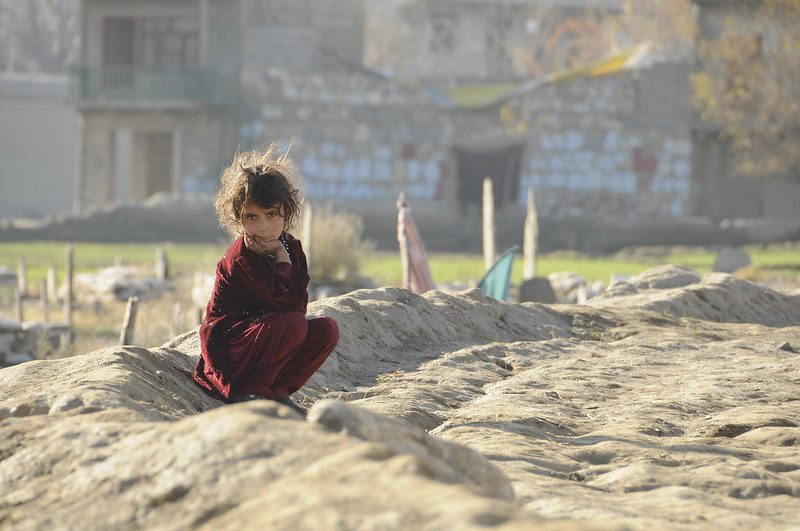
The United Nations Seeks Greater Aid for Afghanistan

In recent days, the United Nations has sought greater aid for Afghanistan’s most vulnerable population.

Those who qualify for humanitarian assistance in 2017 number at least 9.3 million—13 percent higher than last year and almost a third of its population. As Afghani people are displaced daily by the fighting between the Taliban and military groups, and thousands of refugees return from Pakistan and Iran, the government struggles to provide routine necessities for its people. A record of 8,397 civilians lost their lives due to the fighting in the first nine months of 2016, while another half a million people were displaced by last November. And so far, this trend is predicted to only grow.

But this wasn’t always the case. In fact, in 2014, it was believed that Afghanistan’s GDP would grow around 12 percent per year. This was prior to the international military force withdrawing from the country before it realized how fully Afghanistan’s economics depended on the foreign troops. Since 2002, foreign troops filled 800 bases, brought in hundreds of millions of dollars into their economy, and thus stood as Afghanistan’s single largest source of revenue. Their departure, then, was devastating. Annual GDP growth is now around one percent.

Afghan analyst Helena Malikyar wrote on the matter, “Projects attached to international aid – one of the largest sources of employment in the past decade – have for the most part shut down or placed in hibernation.”

The U.N.’s aid for Afghanistan, should it be received, will number 500 million dollars and will be given to the country’s 5.7 million most vulnerable population. Afghanistan currently carries malnutrition rates of about 15 percent in over a quarter of its provinces. Of the total 1.8 million people this affects, 1.3 million are children under the age of 5. Of the 9.3 million people in need of general aid, more than half are children. Not only facing malnutrition, the U.N. has reported abuse and exploitation, specifically through “forced marriage, sexual abuse and harmful child labor”.

While the U.N.’s aid for Afghanistan will assist a select group, it still will not be enough to end their plight. Until the Taliban’s insurgency ends and the economy is able to stand on its own, Afghanistan’s crisis must be watched carefully and tended to fervently.

– Brenna Yowell

Photo: Flickr

February 6, 2017
https://borgenproject.org/wp-content/uploads/borgen-project-logo.svg 0 0 Borgen Project https://borgenproject.org/wp-content/uploads/borgen-project-logo.svg Borgen Project2017-02-06 01:30:112024-06-11 02:48:26The United Nations Seeks Greater Aid for Afghanistan
Education, Global Poverty

Poverty in Mali

Poverty in Mali
As the 12th poorest country in Africa, Mali has remained poverty-stricken for many years. Malnutrition issues, lack of education and conflict are the main causes of poverty in Mali.

The average wage in Mali is $1.25 per day, and more than half of the population currently lives below the international poverty line. This contributes to Mali being one of the least developed countries in the world. The average life expectancy of adults in Mali is 55, due to malnutrition and the lack of access to clean water.

Mali is mostly self-sufficient in the food market. Many people work on farms in order to grow crops to provide for their families and communities. Mali faces many issues involving its climate and landscape. Two-thirds of Mali is desert, meaning that immediately, droughts become a serious issue. With poor soils, millions find it difficult to grow the crops they need and due to low wages, they are unable to buy what their family demands. As a result, malnutrition becomes a leading issue and is the main factor of poverty in Mali.

Poor education facilities across the country have led to poverty across Mali and as poverty heightens, the level of education deteriorates further. School enrollment is currently at 67% and across the country, the adult literacy rate is 38.7%. This is one of the lowest literacy rates in the world, as the global average stands at 86%. This figure shows that the level of education needs to be higher, which means that facilities need to be improved and the level of teaching must be higher.

The current conflict is adding to the problems revolving around poverty in Mali as over half a million families are affected. As the conflict continues, Malians are fleeing to neighboring countries in seek of asylum. Families continue to live in poverty as food shortages continue to be an issue. As people are moving away from Mali, they are not earning enough money to provide their families with what they need.

The United Nations World Food Programme is aiding Mali by providing nutritional support to those who still live there. In 2013, around 125 thousand people were provided with food support in the north of the country. Others in the south are also aided while they work on community-building projects. The program is helping to provide citizens with money to buy fresh vegetables and meat, which not only helps to provide for families but also to boost the local economy.

– Georgia Boyle

Photo: Flickr

January 30, 2017
https://borgenproject.org/wp-content/uploads/borgen-project-logo.svg 0 0 Borgen Project https://borgenproject.org/wp-content/uploads/borgen-project-logo.svg Borgen Project2017-01-30 01:30:352024-12-13 17:56:33Poverty in Mali
Global Poverty

Green Revolution in Africa: Rescuing Farmers from Poverty?

Green Revolution in Africa
Agriculture is the key industry in developing countries. It grants a generous number of employment opportunities to the local population and therefore, is an important source of income for poor households. Farmers are responsible for harvesting fresh produce and contribute significantly to the health of the local community.

The Green Revolution, with its roots predominantly in Africa, proposes specific targeted measures to increase yields from farming. It advocates the use of scientific research to complement traditional farming techniques. By doing this, farmers can be advised on the optimum conditions to grow their crop, the comparative effectiveness of fertilizers and even the best technology that can aid farming.

Approximately a decade ago, Africa substantially increased its core investments in agriculture. The investment not only involved increasing support for farmers but also directing more resources towards research and development to discover more effective farming strategies.

One important objective of the Green Revolution in Africa is to transition from a highly human labor dependent farming system to a mechanized system, whereby machines perform repetitive tasks with greater efficiency.

Ren Wang, Assistant Director of the Food and Agriculture Organization of the United Nations, expresses his belief that “mechanization in its broadest sense can contribute significantly to the sustainable development of food systems globally, as it has the potential to render post-harvest, processing and marketing activities and functions more efficient, effective and environmentally friendly.”

The Green Revolution in Africa also aims to improve farmers’ links with external supply outlets to maximize incomes and increase job prospects.

Increasing farming productivity and output is likely to contribute to better incomes for farmers and greater opportunities for entrepreneurship. Farmers are more likely to be encouraged to continue farming if equipped with good quality resources such as fertile soil, controlled climatic factors and efficient machinery.

Organizations such as the Bill and Melinda Gates Foundation have demonstrated support for this ambitious revolution by donating millions of dollars to the cause. The reasoning for these donations lies in the fact that the agriculture industry has made considerable progress, yet poor nutrition remains an important cause of mortality and morbidity in Africa.

Malnutrition, especially in younger children, has resulted in approximately 18 percent of children under the age of five being underweight. This not only has detrimental consequences for normal physical development, but also future social capital. If children do not receive adequate nutrition, their ability to learn is impaired and they will only be able to contribute to society in a limited number of ways.

According to the United Nations, by 2050, Africa is estimated to have approximately 2.4 billion individuals — nearly double its current population. With such a precipitous increase in population, the Green Revolution can only aspire to transform farming into a profitable and productive proposition.

– Tanvi Ambulkar

November 4, 2016
https://borgenproject.org/wp-content/uploads/borgen-project-logo.svg 0 0 Borgen Project https://borgenproject.org/wp-content/uploads/borgen-project-logo.svg Borgen Project2016-11-04 01:30:282024-06-11 02:48:24Green Revolution in Africa: Rescuing Farmers from Poverty?
Global Poverty, Hunger

Aquaculture in Bangladesh: Using Seafood to Overcome Hunger

Aquaculture in Bangladesh: Using Seafood as a Means to Overcome Hunger
Bangladesh has maintained its status as one of the most populous countries in the world. Despite its dense population, the country has experienced a reduction in population growth rates in recent years. This population decrease can be linked with ameliorated education facilities and improved health care provision.

According to statistics released by the World Bank, extreme poverty rates in Bangladesh have shown an impressive decrease from 18 percent in 2009-2010 to 12.9 percent in 2015-2016.

With its close proximity to the Bay of Bengal, Bangladesh has a robust supply of water and other aquatic produce such as seafood. Fish is touted as one of the most popular food sources in Bangladesh. Fish is particularly valued for its nutritional content, including a good supply of essential fatty acids and protein.

Fish also contain zinc, which facilitates normal development in children, and iron, which plays a role in the development of the brain. It is estimated that approximately 60 percent of Bangladesh’s population consumes fish almost every other day.

Recently, revolutionary research revealed that a balanced combination of agriculture and aquaculture in Bangladesh may help palliate hunger. This combination achieves a reduction in hunger by producing both rice and fish, the two most popular foods in Bangladesh, in large quantities.

Malnutrition rates in Bangladesh are very high, with approximately 54 percent of preschool-age children suffering from stunted development and 56 percent belonging to the underweight category. Micronutrient deficiencies are also particularly rife in the country, with zinc and iron being among the most common minerals excluded from the diet.

Aquaculture in Bangladesh, which involves increasing the productivity of fish suppliers, addresses the issue of malnutrition effectively. Techniques to increase fish supply include increasing food availability for fish, application of fertilizers and creation of local ponds to culture fish in a carefully controlled environment. Another simple yet effective strategy involves “stocking” fish for future use, allowing fertilization to occur and then harvesting the resultant stock.

Nonprofit organizations such as WorldFish, an organization focused on aquaculture, support research and development in the field of aquaculture to improve techniques for fishing. Sustainability is also an important factor to preclude the possibility of extinction of fish species and ensure that the population is assured of constant food supply.

Aquaculture in Bangladesh not only addresses the rampant issue of malnutrition in the country, but it also provides a steady source of income in the form of export earnings. It is estimated that Bangladesh earned approximately $547.28 million from the export of fish and similar products. These earnings can be utilized for the benefit of the country by setting up feeding campaigns in school and providing information about the importance of proper nutrition.

– Tanvi Ambulkar

Photo: Flickr

November 3, 2016
https://borgenproject.org/wp-content/uploads/borgen-project-logo.svg 0 0 Borgen Project https://borgenproject.org/wp-content/uploads/borgen-project-logo.svg Borgen Project2016-11-03 01:30:322024-05-27 23:53:55Aquaculture in Bangladesh: Using Seafood to Overcome Hunger
Children, Global Poverty, USAID

Breastfeeding to Combat Malnutrition in Ghana

Malnutrition in GhanaMalnutrition in Ghana has cost its economy $2.6 billion annually or 6.4% of gross domestic product (GDP) due to increased health care costs, additional burdens on the educational system and lower productivity by its workforce, according to a new United Nations report.

In the Northern Region, malnutrition is much more prevalent with 20 percent of children under five being underweight. As a result, there is a high stunting rate of 32.4 percent. The region is also plagued by high rate of micronutrient deficiencies such as anemia and vitamin A deficiency.

The USAID Resiliency in Northern Ghana (RING), a collaborative project dedicated to sustainably reducing poverty and improving livelihoods and nutritional status of vulnerable populations, called for exclusive breastfeeding to combat malnutrition in Ghana.

“Mothers should stick to [exclusive] breastfeeding for the first six months after which they can introduce the sour foods to children,” nutrition officer of the USAID-RING Project, Kristen Kappos underscored.

Kappos also implored health workers, volunteers and farmers to continue raising people’s awareness on breastfeeding within their operational zones.

As far back as 1991, Ghana adopted the Baby-Friendly Hospital Initiative (BFHI) to promote and support the practice of exclusive breastfeeding. However, exclusive breastfeeding rate has remained unchanged for two decades at 64.7%, far lower than the World Health Organization would prefer.

According to a recent study, knowledge gaps in key nutritional areas, especially infant and young child feeding, are the main reason leading to a low rate of exclusive breastfeeding in Ghana.

About 26% of the mothers studied were unable to define exclusive breastfeeding and 22% of them said breastmilk only was not sufficient to meet the nutritional needs of the child. They believed that the child may not be satisfied and could die if fed with only breastmilk for six months. Nearly 90% of the mothers did not know that breast milk could be expressed, stored safely and given to the child when the mothers were absent.

In addition, cultural factors also create challenges for mothers to breastfeed. The majority of the mothers showed a lack of confidence in expressing and storing breastmilk, a taboo in the local context.

Interventions must be designed to increase women’s confidence and dispel their misconceptions regarding breast milk, USAID-RING Project urged. Meanwhile, Hajia Ayishetu Bukari, Central Gonja district director of Ghana Health Service, also emphasized the need for employers to create and maintain conducive workplaces for exclusive breastfeeding practices.

– Yvie Yao
Photo: Flickr

November 1, 2016
https://borgenproject.org/wp-content/uploads/borgen-project-logo.svg 0 0 Borgen Project https://borgenproject.org/wp-content/uploads/borgen-project-logo.svg Borgen Project2016-11-01 01:30:572024-06-04 01:17:44Breastfeeding to Combat Malnutrition in Ghana
Children, Food & Hunger, Global Poverty, Health

The Continued Fight Against Malnutrition in Rwanda

Malnutrition in Rwanda

In July, the Rwanda Biomedical Center and UNICEF ran a health awareness campaign in Rwamagana, which revolved around the continued fight against malnutrition in Rwanda.

Rwanda has made impressive developmental progress since the tragedy in 1994. According to the Ministry of Health, the mortality rate for children under 5 has declined more than 60 percent since the 1990s.

Despite this progress, the stunting of children under 5 remains at 38 percent, due to chronic malnutrition, nutritional imbalance and food insecurity. The recent campaign in Rwamagana reported that this number could be cut in half, as long as parents personally ensured that their children were eating the recommended diet.

Stunting is particularly prevalent in rural areas, for these regions are typically the most impoverished and the least educated – both critical influences on the likelihood of malnutrition.

Stunting hinders physical and psychological growth, permanently affecting a child’s long-term development and capacity. Given these dire consequences, the government has scaled up community health outreach, mobilizing door-to-door nutrition education in the most remote areas.

Malnutrition doesn’t usually take lives directly, instead increasing childhood susceptibility to death from diseases such as pneumonia, diarrhea and HIV. Particularly, malnutrition decreases the efficacy of antiretroviral therapy, making this chronic condition a large roadblock in the management of the HIV pandemic in Rwanda.

In rural areas, the availability of nutritious food is scarce, especially during agricultural lean periods. The typical diet of cereals and tubers is completely nutritionally imbalanced, leading to deficiencies in protein, iron, vitamin A and iodine.

The government has been working ceaselessly to reduce malnutrition in Rwanda through community organization, mass media initiatives and investment in a National Nutrition Policy. This policy aims to promote sectoral collaboration, simultaneously reducing poverty through the investment in human health.

The Rwamagana campaign targeted lifestyle changes as essential components of the fight against chronic malnutrition. These grim statistics could be transformed through increased parental responsibility, the promotion of alternative sources of income during agricultural setbacks and the assistance of smallholder farmers.

Food insecurity is a primary element of malnutrition, so linking small farmers to their markets is essential. WFP’s Purchase for Progress does just this, providing strength, support and security to rural Rwandan economies.

The WFP and the government additionally fight malnutrition in Rwanda through grassroots community involvement programs, including home grown school feeding programs, monthly childhood growth monitoring and baby-friendly hospital initiatives to promote breastfeeding.

The government of Rwanda understands that the reduction of malnutrition is a complex feat; requiring support from many sectors, such as health, education, commerce and agriculture. Ensuring equal access to nutritional education and treatment is crucial to countrywide hunger alleviation.

Chronic malnutrition in Rwanda interferes with many of the Millennium Development Goals, as it sustains poverty, obstructs educational progress and facilitates the detrimental impact of preventable diseases. With continued focus and diligence, Rwanda can continue to make progress in the promotion of its children’s health.

– Larkin Smith

Photo: Flickr

September 29, 2016
https://borgenproject.org/wp-content/uploads/borgen-project-logo.svg 0 0 Borgen Project https://borgenproject.org/wp-content/uploads/borgen-project-logo.svg Borgen Project2016-09-29 01:35:242024-05-27 09:35:02The Continued Fight Against Malnutrition in Rwanda
Global Poverty

Malnutrition in China: Overcoming Hunger in Rural Areas

Malnutrition in ChinaSince 1978, China experienced the largest economic growth in history. This astounding progress has transformed China from a struggling nation into the second largest economy in the world. Nevertheless, because of widespread wealth disparity and massive malnutrition in China, the country is still considered a developing nation and continues to combat the effects of extreme poverty.

Due in part to its economic growth, China became the first country to accomplish the United Nation’s Millennium Development Goal of reducing the number of people living in extreme poverty and hunger in half. Unfortunately, there are still 150 million people in China that are considered undernourished. Most of those that suffer hunger are women, children and elderly people from rural regions.

While China has almost eliminated urban poverty, with only 1.6 percent of the urban population living under the minimum income line set by the government, much of the rural population has yet to see the benefits of growth.

Reforms have produced an average per capita income of about $17,000. However, when compared with the median per capita figure of $6,000, it is apparent that new wealth has not been distributed evenly.

Today, nearly half of China’s 1.3 billion people live in rural areas. More than 70 million of rural residents live on less than a dollar a day.

Although most rural children receive enough calories to survive, the problem of malnutrition in China is a question of nutrients. Up to 51 percent of children between the ages of eight and twelve suffer from anemia in provinces such as Qinhai. Several experts estimate that about half of all infants in rural areas are anemic as well.

Malnutrition in China saddles children with a severe disadvantage — stunted brain growth. Lu Mai, the secretary-general of a government-run charity, argues that rural children are far behind urban children in academics because of their eating habits.

China’s government has already taken steps to combat these health problems. Schools in 600 rural villages provide daily nutritional supplements to students during lunch. Despite these admirable governmental efforts, Mr. Lu affirms that much more needs to be done.

Mr. Lu, along with a research group out of Stanford University, advocates the distribution of a powdery nutritional supplement called ying yang bao, which is rich with iron, zinc, calcium and a variety of vitamins.

Sprinkling this mixture on meals once a day will make up for dietary deficiencies, and it will only cost 32 cents per packet to make and distribute. Studies in 2006 confirm that the supplement significantly reduces anemia and improves growth, but parents struggle with consistently feeding the nutrient-rich mix to their children.

China’s government has not given up. The drive of the country’s current five year plan is to end all poverty in China by 2020. While this may sound ambitious, China has an incredible recent history of eradicating poverty and effectively lifting over 800 million people out of extreme disparity since the late 1970’s. If this massive country is able to keep at its current pace, China may be the first country to have a poverty and hunger free population.

– Emiliano Perez

Photo: Flickr

September 11, 2016
https://borgenproject.org/wp-content/uploads/borgen-project-logo.svg 0 0 Borgen Project https://borgenproject.org/wp-content/uploads/borgen-project-logo.svg Borgen Project2016-09-11 01:30:152024-05-27 09:34:41Malnutrition in China: Overcoming Hunger in Rural Areas
Page 10 of 19«‹89101112›»

Get Smarter

  • Global Poverty 101
  • Global Poverty… The Good News
  • Global Poverty & U.S. Jobs
  • Global Poverty and National Security
  • Innovative Solutions to Poverty
  • Global Poverty & Aid FAQ’s
Search Search

Take Action

  • Call Congress
  • Email Congress
  • Donate
  • 30 Ways to Help
  • Volunteer Ops
  • Internships
  • Courses & Certificates
  • The Podcast
Borgen Project

“The Borgen Project is an incredible nonprofit organization that is addressing poverty and hunger and working towards ending them.”

-The Huffington Post

Inside The Borgen Project

  • Contact
  • About
  • Financials
  • President
  • Board of Directors
  • Board of Advisors

International Links

  • UK Email Parliament
  • UK Donate
  • Canada Email Parliament

Get Smarter

  • Global Poverty 101
  • Global Poverty… The Good News
  • Global Poverty & U.S. Jobs
  • Global Poverty and National Security
  • Innovative Solutions to Poverty
  • Global Poverty & Aid FAQ’s

Ways to Help

  • Call Congress
  • Email Congress
  • Donate
  • 30 Ways to Help
  • Volunteer Ops
  • Internships
  • Courses & Certificates
  • The Podcast
Scroll to top Scroll to top Scroll to top