• Link to X
  • Link to Facebook
  • Link to Instagram
  • Link to TikTok
  • Link to Youtube
  • About
    • About Us
      • President
      • Board of Directors
      • Board of Advisors
      • Financials
      • Our Methodology
      • Success Tracker
      • Contact
  • Act Now
    • 30 Ways to Help
      • Email Congress
      • Call Congress
      • Volunteer
      • Courses & Certificates
      • Be a Donor
    • Internships
      • In-Office Internships
      • Remote Internships
    • Legislation
      • Politics 101
  • The Blog
  • The Podcast
  • Magazine
  • Donate
  • Click to open the search input field Click to open the search input field Search
  • Menu Menu

Tag Archive for: Malnutrition

Posts

Global Poverty

Breastfeeding Practices in Rural India

breastfeeding
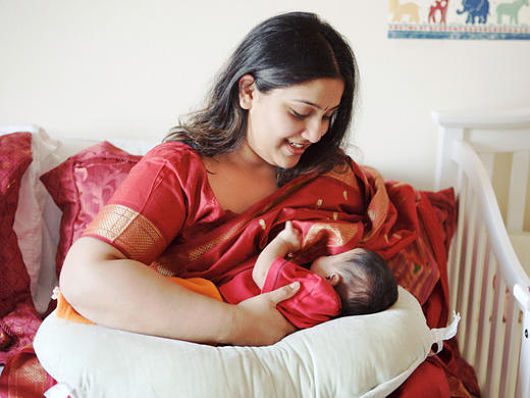
It has been proven that the first 6 months of a child’s life are amongst the most crucial for establishing their longstanding health immunities and development of antibodies. However, in the rural areas of northern India, UNICEF estimates that only 46 percent of infants are exclusively breastfed during this time. Furthermore, it is believed that approximately 2 million Indian children die each year before the age of 5.

A 2009 study was conducted at the Pravara Rural Hospital in Loni, Uttar Pradesh. Three hundred mothers of children between ages 0 and 5 were surveyed regarding socio-demographics, religious affiliations and breastfeeding practices. In like manner, the children themselves were clinically examined to determine the severity, if any, of their malnutrition.

These data sets were examined, compared and analyzed to determine any patterns or similarities. Male and female children surveyed were split approximately 60 percent to 40 percent, respectively, but there were no indications implying the biological sex was a factor in nourishment.

The data did not reveal a correlation regarding religion, which would imply that the various faith teachings did not object to breastfeeding. It was found that socio-economic and educational status were the primary indicators of malnourishment. Ninety-seven percent of the mothers surveyed were under the age of 30. Additionally, of the 300 mothers, 147 had completed high school or less and had malnourished children.

While the sample size is very small, it is certainly representative of rural breastfeeding habits and conditions during the first few months. Children of young, uneducated mothers in rural areas appear to be at most risk. Initially, this would indicate a lack of understanding regarding the benefits of breastfeeding. Although there appeared to be a common understanding of necessary benefits, the prevalence of this knowledge does not correlate to perfect practice in reality.

Responses revealed an absence of any scheduled patterns for breastfeeding other than as a means to stop the child’s crying. The lack of an organized routine and the late start for breastfeeding practices are central contributors to malnutrition in rural India.

In rural communities, there is also a belief that colostrum, the nutrient milk produced directly after delivery, is unhealthy for children. In many communities, goat’s milk is traditionally provided as a substitute. For these reasons, 80 percent of the mothers surveyed began periodically breastfeeding their children between 4 and 8 months old.

In an effort to encourage earlier, more consistent breastfeeding habits, UNICEF has partnered with local organizations in the northern states to provide home visits to encourage earlier breastfeeding and to dispel any false notions. Durowpadi Bedia, a health worker in the Northern state of Assam says, “Whenever we go on home visits, we talk to all members of the family – the parents, the grandparents, adolescent girls…They have faith in what I am saying.”

“When they come and talk in our own language, I understand better. I feel comfortable with them,” said Monika Bedi, a young mother. Home visits are scheduled with expectant mothers 3 to 4 times per month in the third trimester of their pregnancy. Jeroo Master, UNICEF’s Chief of Field Officer in Assam states, “Now mothers understand how vital breast milk is to the health of their babies…having health and nutrition workers actively promoting breastfeeding at the village level will ensure each child has the best start possible in life.”

Dr. Victor Aguayo, UNICEF India’s Chief of Child Nutrition and Development states, “Unquestionable global evidence demonstrates that breastfeeding counseling and support is the most important child-survival intervention.”

– The Borgen Project

Sources: Research Gate, UNICEF, NIC
Photo: Baby Center

September 1, 2015
https://borgenproject.org/wp-content/uploads/borgen-project-logo.svg 0 0 Borgen Project https://borgenproject.org/wp-content/uploads/borgen-project-logo.svg Borgen Project2015-09-01 06:04:462024-12-13 18:04:57Breastfeeding Practices in Rural India
Global Poverty, Health, Malnourishment, Water

Anthropologist Comments on Malnutrition in Kenya

Interview With Anthropologist on Malnutrition in Kenya
In Kenya, over 1.5 million people are facing food shortages and high levels of malnutrition. Most of these people live in rural areas, particularly in northern Kenya. The fact that these people are so far away from the more industrialized areas of Nairobi and Mombasa means that they are both more difficult to reach and easier for a country to ignore. Some people live away from areas that are accessible by any sort of road and many people are only reachable by dirt roads, which are often treacherous.

When some people are reached the food is often things such as beans and corn, which do not offer all of the nutrients that people need.

To find out more, I talked to anthropologist Professor Jon Holtzman about his research regarding nutrition in Northern Kenya.

Q: What nutritional research have you done in Kenya?

A: I studied the Samburu in Nothern Kenya. They are pastoralists. They traditionally rely on their herds.

Q: What did you find in the gender differences in nutrition?

A: Both men and women were less well off as they aged, but men tended to be more adversely affected by aging. They tended to get more malnourished as they aged.

Q: Why do you think these differences occur?

A: There’re generally food shortages among the Samburu and although men have more political power, women control the distribution of food in the house. The food is sometimes scarce.

Q: How has the rising population changed the nutrition of the Samburu?

A: They no longer have enough cows to rely on the products of their herds, particularly milk. In 1950 there were probably about 50,000 Samburu and they had about 350,000 cows, so each person could get enough milk. Now there are about 200,000 Samburu and about 200,000 cows, so it isn’t possible to get enough milk. They just sell livestock to buy things like maize meal, which aren’t very nutritious and are low in key nutrients, such as protein.

Q: How is this affecting the health of the Samburu?

A: Generally they are very thin and their growth rate is reduced. They are very vulnerable to diseases associated with poor nutrition, such as tuberculosis and other infectious diseases.

Q: What sort of assistance would be best to help this population?

A: It isn’t an easy problem to solve. More support for health care and programs that bring new and sustainable economic activities to remote areas could be the best hope.

Groups like UNICEF and USAID are doing work to try to help people with low access to nutritious foods and potable water. But without the necessary funding, there is only so much that can be done.

– Clare Holtzman

Sources: UNICEF
Photo: Flickr

August 15, 2015
https://borgenproject.org/wp-content/uploads/borgen-project-logo.svg 0 0 Borgen Project https://borgenproject.org/wp-content/uploads/borgen-project-logo.svg Borgen Project2015-08-15 01:30:222024-05-27 09:26:38Anthropologist Comments on Malnutrition in Kenya
Developing Countries, Food & Hunger, Global Poverty

The Western Diet Nutrition Transition

western_diet

As worldwide poverty rates are reduced, it is expected that a decrease in malnutrition rates follow suit. However, new findings have shown that as people come out of poverty, a new type of malnutrition could take hold, with new and dangerous risks to their health.

The world of public health continues to change with populations and communities when new causes for concerns arise. Oftentimes, as countries become more developed, they become more urbanized. As people come out of poverty they often migrate to cities to find work. The most recent data estimates that by 2050, 70% of the global population will be living in cities. With such a high rate of urbanization, concerns for not only infrastructure, but also for health come up. The traditional health concerns for rapidly urbanized areas include issues of air pollution, overcrowding, trash, water use and infrastructural capacity. Recently, researchers are looking at a new health concern–the adoption of a western diet.

The western diet is characterized by major consumption of refined sugars and fats, animal products and overly processed food in conjunction with less consumption of plant-based foods. Basically, this means people consume more fats, sugars, salts, and meats, and less fruits and vegetables. This translates to more calories with less nutritional benefits. The United States has been coping with this problem for years now, as this type of diet leads to a plethora of health problems including obesity, diabetes and even cancer. We have seen in the United States how instances of “food desserts”—areas with little access to fresh, healthy foods, are related to lower income and urbanization rates and have been battling the outcomes of such. Now the problem has spread to become an even larger global health concern.

As developing countries become more urbanized, though poverty may be reduced, malnutrition and quality of life may remain stagnant, for other reasons. The programs in place that are aimed at alleviating these problems in poverty stricken areas are not targeting this new version malnutrition, which could lead to new dangerous trends. As large corporate fast food chains invest in markets abroad, populations coming out of poverty and into the city will likely be enticed by low prices and availability, similar to developed countries. Often times in developing countries people rely on subsidence farming which provides people with fresh fruits, vegetables, meats and grains. When these people no longer need to farm to survive but are still at fragile income levels, they are likely to fall victim to the cheaper, high caloric, low nutrition foods that will end up harming their health.

The good news is that these developing countries are experiencing economic growth, and individuals are coming out of poverty. Hopefully, as today’s world health leaders are much more aware of the very real risks that a western diet poses on one’s health, the threats to the health of these people and of these nations can be improved without the risk of falling back into a new kind of malnutrition.

– Emma Dowd

Sources: CNN, Huffington Post
Photo: CNN

July 25, 2015
https://borgenproject.org/wp-content/uploads/borgen-project-logo.svg 0 0 Borgen Project https://borgenproject.org/wp-content/uploads/borgen-project-logo.svg Borgen Project2015-07-25 09:04:082020-07-03 16:32:19The Western Diet Nutrition Transition
Global Poverty, Malnourishment, Women & Children

How Malnutrition Affects Pregnant Women in Developing Countries

Malnutrition-and-Pregnancy-Global-Poverty

Malnutrition is a significant problem in developing countries. Without substantial resources, many men, women and children go to bed hungry. Tackling malnutrition should be a priority for everyone, especially pregnant women.

A woman’s nutritional intake impacts both her health during pregnancy and the health of her baby. Without proper care, she is susceptible to illnesses and her baby’s health is at risk. Malnutrition during pregnancy can cause devastating results.

In many countries, tradition forces women to be the last to eat at meals, which may result in them receiving smaller portions. This notion severely impacts pregnant women.

A woman that is undernourished at the time of conception is at risk of serious health issues for both herself and her baby. Not only is it unlikely that her nutritional status will improve throughout the pregnancy, but her body also experiences additional demands due to the growing baby. Without enough food, she will most likely lose weight, which increases the risk of maternal mortality.

When her body is unable to obtain or store enough nutrients required to support embryo growth, the cells may not divide properly, resulting in a chance that the fetus’ development will be impaired. The placental cells, which support the fetus’ growth during pregnancy, are more likely to surround the fetus in large numbers, forcing the fetus to become smaller than it should be. This leads to the baby being born at a low birth weight, which in turn often leads to severe cognitive and developmental deficits.

A baby’s organs develop during the first five weeks of pregnancy. In order for the organs to grow properly, it is imperative for women to be healthy and have food supplies readily available.

A woman’s caloric needs increase with pregnancy. An additional 150 calories per day is needed to support the baby in the first three months of the pregnancy. In month four, the additional calories needed increase to 300 per day.

In addition, women must have the proper nutrients in their diet, such as foods with folic acid, iron calcium, protein, vitamin B12, vitamin D and vitamin A. According to the World Food Programme, half of all pregnant women in developing countries are anaemic (having an iron deficiency), which causes around 110,000 deaths during childbirth per year.

Without enough nutrients, a baby is at higher risk of neural tube defects, brain damage, premature birth, underdevelopment of organs, death and more. If a child becomes malnourished in the womb, the damage can be permanent.

Improving nutrition is an investment that could save the lives of women around the world; it will also decrease the number of birth defects and disabilities seen in newborns and young children. In many developing countries, nutrition is essential to promoting a happy and healthy lifestyle where no person goes to bed hungry.

– Kelsey Parrotte

Sources: Livestrong, Mother and Child Nutrition, Virtual Medical Center, World Food Programme
Photo: The Visible Embryo

July 24, 2015
https://borgenproject.org/wp-content/uploads/borgen-project-logo.svg 0 0 Borgen Project https://borgenproject.org/wp-content/uploads/borgen-project-logo.svg Borgen Project2015-07-24 08:56:002024-06-05 03:46:38How Malnutrition Affects Pregnant Women in Developing Countries
Global Poverty

Little Known Facts About Macedonia

facts_about_Macedonia
Most Americans don’t know that Macedonia, a small country just north of Greece, exists, let alone that it is a nation riddled with distress. Many facts about Macedonia go unnoticed. Gaining its independence from Yugoslavia in 1991, Macedonia is a young country that still faces many challenges. Macedonia has yet to solve the dispute with Greece that erupted over the origin of its name, has restricted media freedom and has limited rights for minorities. Macedonia’s membership in NATO was blocked by Greece at the Alliance’s Summit of Bucharest in 2008, and as a result the nation struggles with economic growth.

The population of Macedonia stands at around 2 million, with a median age of 36.8 years. The population is growing at a rate of 0.21 percent, ranking 180 out of all the countries in the world, and there is currently much controversy surrounding the treatment of migrants to the country. The Macedonian birth rate is 11.64 per 1,000 persons (ranked 171 out of the world’s nations), and the death rate is approximately 9 per 1,000 (ranked 66 in the world). 57 percent of the population lives in an urban environment, and luckily almost 100 percent of this population has access to drinking water.

The rest of Macedonia’s problems aside, malnutrition is not much of an issue. Although between 1.3% percent and 2.1 percent of children under the age of 5 are underweight, this statistic puts Macedonia at 128th in the world, which not bad considering all the countries that rank higher and the few that fall below, including the United States and Australia.

However, this does not mean that malnutrition is not a problem, and this percentage should still be regarded as significant and given adequate attention, as no children should have to go without proper nutrition. The most urgent of Macedonia’s struggles, however, is the current conflict with Ethnic Albanians and the treatment of migrants, and it is key that these issues are dealt with first and foremost.

-Katie Pickle

Sources: CIA, BBC
Photo: Flickr

July 15, 2015
https://borgenproject.org/wp-content/uploads/borgen-project-logo.svg 0 0 Borgen Project https://borgenproject.org/wp-content/uploads/borgen-project-logo.svg Borgen Project2015-07-15 11:53:372024-05-27 09:24:22Little Known Facts About Macedonia
Global Poverty

Why Somalia has a High Malnutrition Rate

Over the past years, famine and food insecurity have threatened the lives of thousands of people in Somalia. These threats were, and are, some of the worst in decades. The famine in 2011 was the first famine in the Horn of Africa in over 30 years—it killed 250,000 people. Currently, about 1 million people in Somalia are food insecure and are in desperate need of assistance. There are around 236,000 children under 5 who are malnourished.

What makes Somalia so prone to these famines and to having high malnutrition rates?

For 20 years, Somalia has been in conflict. Civil war destroyed the nation. It affects how much food can be grown and destroys crops. People have to flee and cannot tend to their crops and livestock.

The conflict left the country in a state of political turmoil. So, when the drought hit in 2011, Somalia was unable to deal with the disaster. People did not receive aid from the government and foreign aid had difficulty reaching its people.

Droughts, as well as floods, continue to plague Somalia. Having crops destroyed every so many years makes it difficult to make progress in decreasing the malnutrition rate. Additionally, with a still unstable government, aid was not there. In 2014, the country once again had a threat of another famine, with up to 3 million people in need of aid.

Also contributing to the cause of high malnutrition rates is the lack of development in the younger generations. Only 42 percent of children are enrolled in school, with less than half of them being girls. Young people make up 42 percent of the population, with 67 percent of them unemployed because of a lack of education.

Without an education, these youths cannot get jobs to earn a steady income, one that would be enough to provide food for their children. The children are raised in poverty, with little food. Unlikely to escape poverty, the next generation will most likely fall in the same category. It is a difficult cycle to break, one that can contribute to the high malnutrition rates in Somalia.

Despite the hardship in Somalia, the World Food Program continues to work in Somalia to lower malnutrition rates. They provide job vocational trainings so that youths can get a job. They hand out food rations to attract parents to send their children, especially daughters to school. The WFP continues to provide nutritional and health aid in Somalia.

– Katherine Hewitt

Sources: Action Against Hunger, BBC, Huffington Post, WFP, UNICEF
Photo: Global Giving

June 23, 2015
https://borgenproject.org/wp-content/uploads/borgen-project-logo.svg 0 0 Borgen Project https://borgenproject.org/wp-content/uploads/borgen-project-logo.svg Borgen Project2015-06-23 15:37:432024-12-13 17:51:34Why Somalia has a High Malnutrition Rate
Global Poverty, Malnourishment

Malnutrition in Samoa

Malnutrition in Samoa
Malnutrition has widespread impacts and widespread consequences. As a worldwide problem, malnutrition impacts one in five children. Within Samoa, the problem is a growing health concern, particularly for children.

Malnutrition in Samoa occurs in a variety of forms. In Samoa, the most common form of malnutrition is Protein-Energy Malnutrition or P.E.M. Because P.E.M. is caused by inadequate protein intake, it has its greatest impact on children, due to the low intake of protein in their diet. In 2013, Samoa also saw 72 hospital admissions for acute, severe malnutrition. Two children died of these cases.

As it does in the rest of the world, malnutrition leads to many health problems in Samoa. In 2014, four children died and 19 were hospitalized as a result of diarrhea outbreaks. A ministry of health report connected poor dietary practices, and the use of Devondale milk as a substitute for both adequate baby formula and poor nutritional practices, to pediatric ward visits during the outbreak.

A lack of proper breastfeeding is a major contributing factor to malnutrition. A study in the city of Apia found that 17 percent of bottle-fed infants were malnourished, compared to only five percent of breastfed infants. Perhaps this is why a ministry of health report, in response to the diarrhea outbreak, listed advocating for proper breastfeeding as a “priority area of concern,” and listed giving pregnant mothers food supplements such as folic acid and iron tablets as an “area for vigilance.”

Diarrhea caused by malnutrition is also difficult for health professionals in that diarrhea leads malnourished patients to become further malnourished.

The impact of malnutrition on Samoa, and particularly on the children of Samoa, is shocking. The reality of facing the situation is challenging, as the issue also connects with dietary changes in the region that have occurred over the past few decades, along with urbanization. That being said, supporting education on these issues for all along with supplemental nutrition problems will be highly important in preparing for the challenges of the present, while building a better future.

 – Andrew Michaels

Sources: Samoa Observer, Radio New Zealand International, Radio New Zealand International, UN University, Samoa News
Photo:Flickr

June 19, 2015
https://borgenproject.org/wp-content/uploads/borgen-project-logo.svg 0 0 Borgen Project https://borgenproject.org/wp-content/uploads/borgen-project-logo.svg Borgen Project2015-06-19 01:19:522020-07-15 08:53:40Malnutrition in Samoa
Global Poverty, Health, Malnourishment

Malnutrition in Burundi

Malnutrition in BurundiPopulated with over 10 million people, Burundi is a densely packed, landlocked East African country with the worst rates of malnutrition in the world.

Burundi was rated the world’s leading nation affected by hunger, according to the 2014 Global Hunger Index (GHI), a score calculated annually by the International Food Policy Research Institute. Plagued with political turmoil and prone to natural disasters, Burundi has seen rates of malnutrition increase in recent years. Despite global strides in combating malnutrition in recent history, Burundi is one of only four nations that has seen an increase in GHI from 1990 to 2014, indicating a worsening situation in the country. With 67.3 percent of the overall population undernourished, it is one of two countries with a hunger situation labeled “extremely alarming” in the study.

As the vast majority of Burundi’s population relies on agriculture, many of the country’s inhabitants combat food insecurity and malnutrition due to climate hazards, limited land access and limited crop diversity. Despite a constantly growing population, food production has stagnated at pre-1993 levels, according to the World Food Programme. Additionally, due to the rising costs of food — the price of beans increased by nearly 50 percent in recent years — the average household now spends over 70 percent of its income on food. While the nation’s government has programs in place to assist in the fight against malnutrition, it is growing increasingly costly for the country to deal with the worsening problem.

Common causes of malnutrition in the country include kwashiorkor and marasmus, both of which can stunt development and can be life-threatening if not treated. Although women and young children are most at risk for diseases caused by malnutrition, many men are also affected.

Additionally, many children and women suffer from a lack of micronutrients in their diets. In the first two years of life, it is especially crucial for children to get sufficient amounts of micronutrients such as iron, Vitamin A, iodine and zinc. Such nutrients are critical for physical growth and intellectual development.

Anemia is one of the biggest deficiency problems currently faced in Burundi, with 56 percent of children under the age of 5, and 47 percent of pregnant women anemic, according to the World Bank. Additionally, nearly half of the population as a whole is at risk for insufficient zinc intake, and a quarter of the country’s children under 5 and 12 percent of women are Vitamin A deficient. Although the effects of these deficiencies are less dire in the short term, they contribute to life-threatening illnesses and issues.

In order to address the problems of malnutrition in Burundi, the World Bank recommends extensive vitamin A supplementation and deworming in children under 5-years-old and increased iron supplementation for pregnant women. While about 96 percent of households are already consuming iodized salt, the World Bank recommends “universal salt iodization” in order to control iodine deficiency and avoid IQ loss in young children. Working to increase market and infrastructure development to promote dietary diversity can also combat issues with malnourishment.

Education and counseling services can also serve to improve feeding habits for children under five years old. While Burundi sees a lack of gender equality in most sects of life, women are still seen to have a strong maternal role in the family. UNICEF found that children of mothers with at least a primary level of education have 94 percent of fewer risks of growth stunting from malnutrition than children of mothers with no education. The study showed that mothers with some level of education had been proactive in managing malnutrition than other mothers, recognizing the importance of good breastfeeding habits, clean living and staggering pregnancies.

Since 2005, the Ministry of Health has emphasized building community-based infrastructure to screen for and treat acute malnutrition. Many organizations are also working with the Burundi government to increase education programs for mothers in order to deal with the country’s chronic malnutrition. In 2012, Burundi signed on to the Scaling up Nutrition initiative, which works with the United Nations, civil society, donors, businesses and researchers to work with communities on this issue. The initiative involves an interdisciplinary approach to combating malnutrition. Burundi’s approach, as established through the initiative, involves working to protect maternity leave, create legislation on the marketing of breast milk substitute, establish national directives on food, diversify and increase its food production, and increase nutrition education. The established goal in 2012 was to reduce malnutrition rates by 10 percent by 2016. No information has been released by Scaling up Nutrition or by the Burundian government on the progress of this goal.

– Arin Kerstein

Sources: International Food Policy Research Institute, International Food Policy Research Institute, Iwacu-Burundi, Scaling Up Nutrition, World Bank, Wolrd Food Programme, UNICEF
Photo: The Guardian

June 17, 2015
https://borgenproject.org/wp-content/uploads/borgen-project-logo.svg 0 0 Borgen Project https://borgenproject.org/wp-content/uploads/borgen-project-logo.svg Borgen Project2015-06-17 13:21:342024-12-13 17:51:23Malnutrition in Burundi
Malnourishment

Malnutrition in Taiwan

Malnutrition-in-Taiwan
Since the end of the Second World War, the face of malnutrition in Taiwan has changed dramatically. Once among the ranks of third world nations, Taiwan has enjoyed meteoric economic growth over the past seventy years. This growth has raised living standards, reduced poverty and eliminated undernutrition as a development issue. But despite this newfound prosperity, Taiwan continues to face malnutrition in the form of obesity and poor diets.

Between 1895 and 1945, Japan ruled over Taiwan as an imperial master. Over these five decades, Japan structured the island as a satellite granary. Taiwan’s principal crops became sugar and rice, and by the 1930s, Taiwan exported more than half of its agricultural output to the Japanese home islands. In fact, according to researcher Samuel Ho, the amount of rice available for consumption in Taiwan had fallen 24 percent by the 1940s. Although Japanese administrators modernized Taiwanese agriculture and invested in transportation infrastructure, they did little to improve the lot of the poorest Taiwanese: real wages remained low and malnutrition prevalent.

Soon after the end of Japanese rule, Taiwan found itself in a position to tackle malnutrition. No longer Japan’s offshore breadbasket, Taiwanese farmers saw export markets for their crops collapse. They thus began putting significantly less of their rice crop on the market and retaining more for home consumption. In addition, the Taiwanese government implemented land reforms that broke up large agricultural estates and turned tenant farmers into landowners. Combined with other “pro-farmer” policies and a growing industrial export sector, Taiwan had effectively eliminated malnutrition by the early 1970s.

But with the development of an advanced economy in Taiwan, malnutrition has resurfaced as a public health concern. According to University of Washington sources, dietary risks are the second-greatest contributor to Taiwan’s disease burden. Whereas most Taiwanese were once unable to afford a varied, nutritious diet, many now eschew healthy eating electively. To add to this concern, contemporary Taiwanese suffer from increasing rates of obesity: 31 percent of females and 41 percent of males were overweight in 2013, and obesity in people under 20 has increased by more than 50 percent since 1980. This “double burden” of malnutrition — undernutrition paired with obesity — among Taiwan’s youth may foretell the resurgence of malnutrition in Taiwan as a public health issue.

Recent research also suggests that cultural norms may perpetuate patterns of malnutrition in Taiwan. Researchers Lin and Tsai find that girls born to “marital immigrant” parents (in which one spouse — usually the wife — hails from abroad, typically Southeast Asia in the case of Taiwan) are significantly shorter and lighter than Han Chinese girls. Lin and Tsai note that Taiwanese men who marry immigrant women are disproportionately disadvantaged economically and physically. These men face immense pressure to preserve the family line, leading them to spoil their sons at the expense of their daughters. Given such ongoing changes in Taiwanese society, malnutrition in Taiwan may prove more intractable than previously thought.

– Leo Zucker

Sources: Malnutrition in Taiwan, Nutrilite Economic History Institute for Health Metrics and Evaluation Nutritional Research
Photo: World Vision International

June 17, 2015
https://borgenproject.org/wp-content/uploads/borgen-project-logo.svg 0 0 Borgen Project https://borgenproject.org/wp-content/uploads/borgen-project-logo.svg Borgen Project2015-06-17 08:00:162024-06-05 03:00:37Malnutrition in Taiwan
Global Poverty

Life in the World’s Poorest Country

poorest_country
Imagine being lulled to sleep by the constant sound of bullets ricocheting off trees in the forests beyond your home. For many living in the Democratic Republic of the Congo (DRC), this horror story is reality. Located in the heart of Africa, the DRC has been named the world’s poorest country, but its massive amount of available resources has it set up to eventually become one of the wealthiest.

The major issue that stands between this nation and a successful future is the rampant instability of government and daily life. Existing in a much more antiquated state than that of our own, 83 percent of all Congolese citizens live in rural villages and lack access to clean water and steady supplies of food. This means that around 125 out of every 1,000 babies die within three weeks of birth due to malnutrition. This instability has allowed the region to become a breeding ground for war. Roughly 5.4 million people have been killed during the war in the Congo, a death rate second only to that of the Second World War, leaving millions of orphans as a result of death by fighting and the spread of the AIDS virus. Of these millions of children, many are left starving with no certain way of getting access to food every day, leaving malnutrition as another leading cause of death in the region. The only sense of stability these children have known is the constant of war. Many are drawn to large militant groups because they provide a family-like structure and are a constant source of food and power. However, as the world’s leading powers have begun to catch wind of the atrocities being carried out in the Congo, it looks like all of this is about to change.

The heart of the Congo is home to the equatorial rainforest, making it rich in many natural resources of which companies pay millions of dollars per year to extract. The main issue that has risen during this process stems from companies attempting to take these resources free of charge, giving rise to more civil wars in the area. However, as more NGO’s begin to put boots on the ground in an attempt to bring this to a halt, many rural communities are starting to see a future in which they can succeed. The key to changing a life is giving someone a way to change their own. By teaching local citizens how to harvest resources and develop businesses to sell said resources, many communities have begun to rise from the ashes of war. Many organizations are practicing micro-lending in an attempt to create business and a sense of worth within communities. The Congo has the possibility to become a great nation where people are happy and well-fed, the government is stable and life is like a tropical vacation in a rainforest.

Although there is a long road ahead, every reaction has a catalyst and by bringing communities up one by one, we can create a difference beyond our best hopes.

– Sumita Tellakat

Sources: African Volunteer, The Atlantic, Our Africa
Photo: Flickr

June 15, 2015
https://borgenproject.org/wp-content/uploads/borgen-project-logo.svg 0 0 Borgen Project https://borgenproject.org/wp-content/uploads/borgen-project-logo.svg Borgen Project2015-06-15 09:45:462020-07-15 23:41:51Life in the World’s Poorest Country
Page 12 of 19«‹1011121314›»

Get Smarter

  • Global Poverty 101
  • Global Poverty… The Good News
  • Global Poverty & U.S. Jobs
  • Global Poverty and National Security
  • Innovative Solutions to Poverty
  • Global Poverty & Aid FAQ’s
Search Search

Take Action

  • Call Congress
  • Email Congress
  • Donate
  • 30 Ways to Help
  • Volunteer Ops
  • Internships
  • Courses & Certificates
  • The Podcast
Borgen Project

“The Borgen Project is an incredible nonprofit organization that is addressing poverty and hunger and working towards ending them.”

-The Huffington Post

Inside The Borgen Project

  • Contact
  • About
  • Financials
  • President
  • Board of Directors
  • Board of Advisors

International Links

  • UK Email Parliament
  • UK Donate
  • Canada Email Parliament

Get Smarter

  • Global Poverty 101
  • Global Poverty… The Good News
  • Global Poverty & U.S. Jobs
  • Global Poverty and National Security
  • Innovative Solutions to Poverty
  • Global Poverty & Aid FAQ’s

Ways to Help

  • Call Congress
  • Email Congress
  • Donate
  • 30 Ways to Help
  • Volunteer Ops
  • Internships
  • Courses & Certificates
  • The Podcast
Scroll to top Scroll to top Scroll to top