• Link to X
  • Link to Facebook
  • Link to Instagram
  • Link to TikTok
  • Link to Youtube
  • About
    • About Us
      • President
      • Board of Directors
      • Board of Advisors
      • Financials
      • Our Methodology
      • Success Tracker
      • Contact
  • Act Now
    • 30 Ways to Help
      • Email Congress
      • Call Congress
      • Volunteer
      • Courses & Certificates
      • Be a Donor
    • Internships
      • In-Office Internships
      • Remote Internships
    • Legislation
      • Politics 101
  • The Blog
  • The Podcast
  • Magazine
  • Donate
  • Click to open the search input field Click to open the search input field Search
  • Menu Menu

Tag Archive for: Global Poverty

Inflammation and stories on global poverty

Posts

Global Poverty

Poverty Levels Increase from Conflict in Eritrea

eritrea
Situated on the Red Sea, Eritrea is one of the youngest independent countries in the world, but it is also one of the poorest. Eritrea has had to deal with being a small, seriously poor country with many socio-economic problems since it won independence from Ethiopia after 30 years of war in 1993. Like many African nations, the Eritrean economy is largely based on subsistence agriculture with around 60% of its population relying on agricultural activities, like livestock and crop production or fishing, for food and income. In 2003, Eritrea had an annual per capita income of $150 and as a result was ranked at 155 out of 175 countries on the Human Development Index. Food insecurity and poverty are extremely widespread and are increasing; nearly half of their food has to be imported even with adequate rainfall.

More than 50% of the entire country was below the poverty line, and 44% of children under the age of five were underweight between 1990 and 2001. Around 2 million Eritrean people, a large amount of the population, are experiencing economic hardship. The low productivity of their livestock enterprises and crops extremely harm rural households, the most affected by poverty. Nearly two-thirds of all the households in Eritrea lack food security.

Some of the worst droughts in Eritrea’s history threatened the lives of over a third of the population from 2002-2004. Large quantities of livestock perished or were sold fairly cheaply to pay for food and crop production greatly fell by about 25%. Malnutrition levels are very high in Eritrea and the rural people do not have much access to social services like healthcare and purification systems for clean drinking water. Many women are the heads of their households and have to produce food and care for their children. These types of households are largely disadvantaged because they rely greatly on the help of male relatives and neighbors who may not always be available when they are needed.

The mandatory military service and armed conflicts take many men away from their families and villages and this plays a large role on the severity of poverty in the country. The border war between Eritrea and Ethiopia left tens of thousands of people killed and although a peace deal was agreed upon, there are still tensions between the disputed territories. There have been more people condemned to poverty than have been lifted out of poverty from the war in Eritrea, but the government has been working toward diplomatic solutions with Ethiopia. After Ethiopia sent in troops to Eritrea in March 2012, Eritrea remained peaceful and announced that it would not retaliate, rather it would use the proper diplomatic channels to resolve the issue and eventually bring economic growth to both countries.

Though the situation does not look promising for many rural families, Eritrea has traditional ways of protecting the rural poor communities. Wealthier families dispose of assets, like livestock and crops, and then make loans to their poorer relatives and neighbors during times of great stress. A community’s wealthier families will help households that are physically unable to cultivate their own land at different times of the agricultural cycle.

– Kenneth W. Kliesner

Sources: Geneva-Academy, IRIN News, Rural Poverty Portal
Photo: WFP

March 26, 2014
https://borgenproject.org/wp-content/uploads/borgen-project-logo.svg 0 0 Borgen Project https://borgenproject.org/wp-content/uploads/borgen-project-logo.svg Borgen Project2014-03-26 20:37:192024-05-26 23:23:24Poverty Levels Increase from Conflict in Eritrea
Activism, Development, Global Poverty, Volunteer

5 Reasons To Go Volunteer

Volunteers are a major part of many different organizations. In some cases, they are what keep an organizations running. Volunteering can be a very rewarding way to use your spare time or it can be used to strengthen your resume. If you are on the fence about volunteering, here are five reasons to get out and help make a difference.

1. Volunteers help save resources – Those who donate their time allow organizations to use the resources they save and apply them elsewhere. Volunteering can be a great way to help out an organization you support.

2. Connect with the community– Volunteering allows you to meet other people who share the same interests and passions as you. Volunteering can also help you help your community. Volunteering with mentoring, tutoring or elderly care programs allows you the opportunity to give back and can improve the overall quality of resources and facilities where you live.

3. An opportunity to gain professional experience– If you are looking to gain relevant work experience, volunteering is a good way to improve your resume. Volunteering is also a way to help you decide where you want to take your career. Volunteering in different places in high school and college can help you narrow down your interests while gaining valuable life skills and work experience.

4. You will be surprised by what you learn– You may go in with expectations when you start volunteering, but often times you will be surprised about what you will learn about where you work and even yourself. Depending on where you volunteer, you can learn a lot about how that particular place works. Maybe you work as a receptionist answering phones at a nonprofit, but by the end, you will have an inside look at how nonprofits generally work.

5. You can make a difference– Volunteering is one of the best ways to make a difference in an area you are passionate about. One of the most important things to know is that every person counts, so get up, donate your time, and help change the world.

– Colleen Eckvahl

Sources: UCSD, The Lean Green Been, Volunteer Match
Photo: Wallpaperseek

March 13, 2014
https://borgenproject.org/wp-content/uploads/borgen-project-logo.svg 0 0 Borgen Project https://borgenproject.org/wp-content/uploads/borgen-project-logo.svg Borgen Project2014-03-13 16:07:552024-05-26 23:19:285 Reasons To Go Volunteer
Foreign Aid, Global Poverty, Poverty Reduction

10 Facts for a School Report on Global Poverty

global poverty
Although it is true that poverty affects the United States, people often fail to notice how poverty ties the U.S. to the rest of the globe. Here are 10 facts about global poverty that will help you gain a better understanding of the specifics, and also earn you an A on your school report:

1. Poverty Does Not Just Affect Adults

People often overlook the fact that poverty affects a wide array of age groups, including both adults and in many cases, teens and adolescents. Children under the age of 18 are actually 60% more likely to be poor than adults. There are 2.2 billion children in the world, and approximately one billion of those children are currently living in poverty. Furthermore, 48% of the population in developing countries is comprised of impoverished children under the age of 18. In industrialized nations, the percentage of children living in poverty is 21%. Of this large population, approximately nine million children ages 5 and under will die each year from starvation, malnourishment and the inability to survive on $1.25 or less per day.

2. Cutting Global Poverty Will Positively Affect the U.S. as Well

Poverty is slowly wearing away the fabric of the U.S. society. The less the U.S. does to support developing nations, the less support we will receive in the future. Moreover, the differences in income are a threat to the level of investment in the U.S., the level of security and the nation’s profits. By investing resources in poverty stricken countries, we are also investing money in the overall security of Americans. Less money will be needed to support military forces because there will be a severe drop in hostile threats and attacks by other countries.

3. Investing in Other Countries Will Increase the Employment Rate in the U.S.

Building strong economies in developing countries will not only protect the U.S., it will also grow new economic markets. There will be an increase in market consumers as well as a rise in jobs needed to support American exports. This is especially the case since one out of five jobs in the U.S. involves exportation to growing nations. A bigger need for exports means there is a greater request for employment.

4. Heightening Employment Rates Means Lowering Overpopulation

By establishing a rich economy in other countries, the U.S. will also see a decline in overpopulation globally and domestically. Resources will become more immediate and people who were once unable to support their families medically will see a decrease in child mortality rates. It has been proven that countries with larger infant and child mortality rates also tend to be countries struggling with overpopulation.

5. A Lack of Education and Poverty Work Hand in Hand

Research shows that children who are from low-income families are more likely to not attend school. Often times, in low-income households, education takes a backseat to working and caring for family members, but education is also a key determinant for creating progress and pulling developing countries out of poverty. Some families are not able to afford school uniforms and some countries, such as Haiti, require a school fee, which disables children from gaining an education. Students ages 16 to 24 years old who are in low-income families are seven times more likely to drop out of school than students from average to high-income families.

6. Geography Relates to Poverty in the United States

Poverty takes on a geographical pattern in the U.S., with a significantly larger percentage of people living in poverty in the southern states than anywhere else in the U.S. In fact, 41% of those who live in poverty within the U.S. are located within the South; this is as opposed to 24% in the West, 19% in the Midwest and 16% in the Northeast.

7. Poverty Does Not Necessarily Cause Death

The cause of death within communities faced with extreme poverty is most often a lack of sanitation and clean drinking water. As it stands, clean drinking water and sanitary conditions can lower the likelihood of disease and illness and can also help keep communities hydrated; this lowers the risk of dehydration, which can jeopardize immune systems. A failing immune system and lack of sanitary conditions combined can cause very risky conditions for younger children and infants who are already susceptible to disease.

8. Nutrition

Living in poverty often makes it difficult to eat a well-balanced and nutritionally rich diet; foods that provide the necessary ingredients to form a nutrient full meal are usually hard to afford. As such, poor affordability of healthy foods can lead to diets that do not consist of fruits, vegetables, grains and especially meat. The lack of vitamins and minerals found in these foods can cause nutrient deficiencies, which can have a negative affect on mental and physical growth. Food insecurity, as it is called when someone does not know where his or her next meal will come from, is found to correlate directly with poor nutrition.

9. Foreign Aid

Though the public believes that Foreign Aid receives 25% of the Federal Budget, in actuality, only 1% of the Federal Budget is going to Foreign Aid. As it stands, only .5% of the Federal Budget is helping to improve poverty conditions.

10. Cost Comparisons

The U.S. annually spends $28 billion on assisting the world’s poor, but approximately $660 billion on the U.S. Military. This gap within the U.S. funding is a huge indicator of where the nation’s priorities lie. If one in 10 Americans donated their weekly coffee budget towards poverty reduction causes, it could end global poverty.

Poverty is a global issue, and in order for the U.S. to better its population internally it needs to form a positive relationship with other countries. Hopefully these 10 facts illuminate important factors that contribute to poverty and show ways to help eliminate poverty globally.

– Rebecca Felcon

Sources: Children’s Defense Fund,, Compassion, Food For the Poor, UC Davis Center for Poverty Research, The Washington Post, The Borgen Project, The Borgen Project
Photo: Mashable

February 26, 2014
https://borgenproject.org/wp-content/uploads/borgen-project-logo.svg 0 0 Borgen Project https://borgenproject.org/wp-content/uploads/borgen-project-logo.svg Borgen Project2014-02-26 16:37:162024-12-13 17:50:0610 Facts for a School Report on Global Poverty
Activism, Advocacy, Global Poverty, Philanthropy, Poverty Reduction, Volunteer

Peace Corps Preparation

peace corps
Since it was established by J.F.K in 1961, the Peace Corps has been fighting first-hand the systematic effects of global poverty. Beginning as a small handful of good samaritans in only six participating countries, it has since then extended its humanitarian influence to 139 countries with the help of more than 210,000 volunteers. If you’ve ever been curious about joining the Peace Corps yourself, here is some information you must read.

How to Apply for the Peace Corps:

The process of becoming an advocate against global poverty is not as daunting as it might seem. The first step is the online application, which asks for basic information and some statements regarding one’s motivation to volunteer abroad. This is then followed by a personal interview with a local recruiter, to see if the Peace Corps seems like a good fit. If all goes well, this could lead to a formal invitation, complete with destination, departure date and project assignment information.

Then comes the fun part – preparing for departure. In the weeks prior to leaving, the Peace Corps will request the volunteer receive comprehensive dental and medical exams, as well as an array of immunizations, to make sure they are good to go. On the day of departure, volunteers head to training at an orientation site within the United States. The training continues in the volunteer’s assigned country, where they will train for three months while also living with a host family to establish skills for their cultural and linguistic adaption.

What the Peace Corps Looks for:

It is true that the demands of being a Peace Corps volunteer require a specific type of person, and thus the application process is very selective. Living and working in another region of the world, often in extremely dire situations, is a job for those with an abundance of determination, adaptability, independence, social sensitivity and emotional maturity. Those who already have some experience with volunteer work usually make the best candidates, as they have probably developed the previously mentioned qualities within themselves. The Peace Corps, furthermore, has many partner organizations such as City Year and the Special Olympics which interested volunteers can explore.

There are also some logistical pre-requisites, concerning the volunteer’s education, skills and ability to deliver aid to a community. While it is still possible to join without one, 90% of Peace Corps jobs require a minimum of a bachelor’s degree. Many jobs require pre-existing skills, such as special education, engineering and urban planning as well as agroforestry. Others can be developed on site, such as a teaching English, youth development and health education. The Peace Corps looks comprehensively at every applicant, however, and there are opportunities for non-degree volunteers who have experience working in construction, agriculture and with other non-profit organizations. By and large, the most promising candidates are those with some understanding of another language.

The Life of a Volunteer:

There is not one, quintessential Peace Corps experience, as the regions and types of work are all so diverse. The Peace Corps works in many countries and continents worldwide, in both rural and urban areas, and volunteers are expected to immerse themselves entirely so as to best serve their assigned communities. Although it is possible to have a preference for a location, flexibility helps during the application process. Regional availability also varies quickly based on need. For example, the Philippines are asking for significantly more volunteers than usual, due to the effects of typhoon Haiyan. Once there, a volunteer will be assigned to one of six main areas of specialized aid, which are: education, youth in development, health, agriculture, environment and community economic development. The commitment is 24 months, plus three months of training, thus totaling 27 months. Living accommodations are provided by the Peace Corps, and also vary greatly depending on the norm for that region.

Why Volunteer:

Helping a community build a more sustainable future for itself is an incredibly rewarding experience, as many veteran volunteers can attest to. All countries where the Peace Corps works have requested the presence of volunteers and aid programs, thus proving that the need is strong.

The benefits of joining the Peace Corps extends after service, as well. Upon return, volunteers receive $7,425 as an “adjustment” allowance, to help re-establish their lives in the United States after over two years abroad. Eligibility for student loan deferral is also provided, as well as a number of scholarships and financial aid packages to graduate degree programs. Over 70 graduate schools are partnered with the Peace Corps, and seek out returning volunteers who wish to incorporate their development experiences into their course work, such as the Paul D. Coverdell Fellow Program. For those wishing to enter directly into a career at home, the Peace Corps is invaluable for its professional connections in fields like federal employment and other non-profit organizations.

– Stefanie Doucette

Sources: Peace Corps, Time, National Archives
Photo: Salon

February 21, 2014
https://borgenproject.org/wp-content/uploads/borgen-project-logo.svg 0 0 Borgen Project https://borgenproject.org/wp-content/uploads/borgen-project-logo.svg Borgen Project2014-02-21 21:11:262014-02-23 23:29:39Peace Corps Preparation
Global Poverty, Human Rights

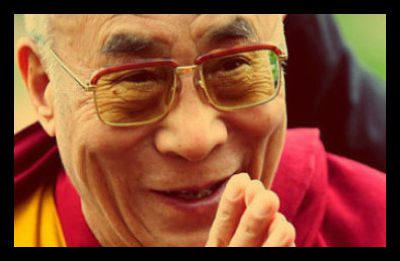
10 Dalai Lama Quotes

dalai_lama
The 14th Dalai Lama is a man with great wisdom and high morality. He is looked at in times of great need, times of compassion and times of guidance. He has given hundreds of words of advice, through speeches, books and interviews that people are able to reference for inspiration. Below are ten wise quotes from the Dali Lama that will bring clarity to the world around us.


10 Inspirational Quotes by the Dalai Lama


  1. “I consider human rights work or activism to be a kind of spiritual practice. By defending those people who persecuted for their race, religion, ethnicity, or ideology, you are actually contributing to guiding our human family to peace, justice, and dignity.”
  2. “Human rights are of universal interest because it is the inherent nature of all human beings to yearn for freedom, equality, and dignity and they have the right to achieve it.”
  3. “Rich or Poor, educated or uneducated, belonging to one nation or another, to one religion or another, adhering to this ideology or that, ultimately each of us is just a human being like everyone else. We all desire happiness and do not want suffering.”
  4. “We need to address the issue of the gap between the rich and poor, both globally and nationally. This inequality, with some sections of the human community having abundance and others on the same planet going hungry or even dying of starvation, is not only morally wrong, but practically also a source of problems.”
  5. “Even though they will lose money in the short term, large multi-national corporations must curtail their exploitations of poor nations. Tapping the few precious resources such countries possess simply to fuel consumerism in the developed world is disastrous; if it continues unchecked, eventually we shall all suffer. Strengthening weak, undiversified economies is a far wiser policy for promoting both political and economic stability.”
  6. “To me, it is clear: a genuine sense of responsibility can result only if we develop compassion. Only a spontaneous feeling of empathy for others can really motivate us to act on their behalf.”
  7. “Wherever it occurs, poverty is a significant contributor to social disharmony, ill health, suffering and armed conflict. If we continue along our present path, the situation could become irreparable. This constantly increasing gap between the haves and halve not’s, creates suffering for everyone.”
  8. “It is not enough to be compassionate we must act.”
  9. “Peace, in the sense of the absence of war, is of little value to someone dying of hunger or cold. It will not remove the pain of torture inflicted on a prisoner of conscience. I t does not comfort those who have lost their homes in floods caused by senseless deforestation in neighboring countries. Peace can only last where human rights are respected, where people are fed, and where individuals and nations are free.”
  10. “We must recognize that the suffering of one person or one nation is the suffering of humanity.”

Hopefully, these ten inspiring quotes will bring peace and guidance to the world around. The eradication of global poverty, world, suffering, and senseless destruction of humanity is the core vision of the 14th Dali Lama.

– Amy Robinson

Sources: DalaiLama.com (1), DalaiLama.com (2), DalaiLama.com (3), DalaiLama.com (4), DalaiLama.com (5), Dalai Lama Quotes (1), Dalai Lama Quotes (2), Dalai Lama Quotes (3)
Photo: Oregon Herald

February 19, 2014
https://borgenproject.org/wp-content/uploads/borgen-project-logo.svg 0 0 Borgen Project https://borgenproject.org/wp-content/uploads/borgen-project-logo.svg Borgen Project2014-02-19 04:30:582024-12-13 17:50:0210 Dalai Lama Quotes
Advocacy, Global Poverty, Human Rights

Buycott: App that Advocates Against Global Poverty

buycott_app
Human rights? There’s an application for that. Launched in May 2013, the free application called ‘Buycott’ is revolutionizing the way social justice is approached by providing consumers with a detailed background into company ethics before making a purchase. Now 10th in the App Store, advocacy is trending with the use of popular technology.

After one scans the barcode, Buycott will trace the product or brand’s owning company and crosscheck it for ethical injustices within a matter of seconds. To make it easier to organize the user’s philanthropic goals, the application enables searches around specific personal conflicts such as human trafficking, labor rights, genetically modified organism labeling, animal welfare and more.

Even more impressively, it encourages grassroots political activism. Users can freely create their own campaigns, which are then incorporated in searches throughout the application and available for others to join. By combining a goal with a problematic company to target, anyone with a Smartphone can inform the world of which products should be avoided.

Many of the popular campaigns today demand opposition to major companies such as Monsanto, Koch Industries, Coca-Cola or Johnson & Johnson. Buycott also has a large presence of positive campaigns, in support of socially conscious companies. For example, Starbucks Coffee Beans made an early appearance on the application for its political support of marriage equality and for its fair trade initiatives.

Sadly, today’s global economy often functions off inhumane sweatshop labor to put cheap products on the shelves of wealthy nations. Sweatshops are known for their poor working conditions, unfair wages, lack of benefits, unreasonable hours and physical abuse. It is estimated that several hundred millions individuals worldwide, mostly women and children, are currently working for wages as low as 13 cents per hour.

Although they are present everywhere, sweatshops are more prevalent in developing nations, such as those in Southeast Asia and Central America, due to an absence of unions and labor laws. Some items most commonly produced through the sweatshop abuses of human rights are shoes, clothing, toys, chocolate, coffee, rugs and bananas.

Sweatshop labor and economically unjust institutions make it next to impossible for surrounding communities to rise out of a state of poverty. They are not truthfully increasing the number of jobs available for local people because the wages earned are too minuscule to provide a family with financial stability. Additionally, they are contrary to more beneficial, sustainable development efforts, stalling any real economic advancement.

Boycotting, or ‘Buycotting’ products manufactured under these contexts supports the broader fight against global poverty, by confronting companies with the injustices they promote and the demand for changed business practices.

 – Stefanie Doucette

Sources: Forbes, ABC News, Institute for Global Labour and Human Rights, PBS, Buycott
Photo: Sydney Morning Herald

February 11, 2014
https://borgenproject.org/wp-content/uploads/borgen-project-logo.svg 0 0 Borgen Project https://borgenproject.org/wp-content/uploads/borgen-project-logo.svg Borgen Project2014-02-11 16:39:432017-11-30 10:53:16Buycott: App that Advocates Against Global Poverty
Activism, Global Poverty

Foreign Aid: How It Works

Every year, the United States spends more than $30 billion on foreign aid. This figure appears to be substantial, but comparatively on average, Americans spend more than $45 billion on pet care and more than  $30 billion on candy each year. Foreign aid accounts for only less than one percent of the federal budget. However, foreign aid is the combination of both diplomacy and development in other countries. The actual budget for poverty is only 0.55 percent of the federal budget.

Poverty is not only a concern in developing countries. Developing countries’ economies have direct effects on the world economy; if developed countries want to grow their incomes and expand to other parts of the world, erasing global poverty is the first step to achieve these objectives.

The objective of foreign aid is to fight poverty and to spur or speed up the growth of economies in developing countries. Foreign aid activities vary from providing clean water, helping local farmers, and supporting the healthcare systems, to increasing education level for the people in poverty. If the global economy is stable, the human race can help one another to reach higher goals.

Even though the success of foreign aid is different from country to country, the most successful stories generally come from countries that have low corruption levels and good political policies. In this sense, diplomacy plays an important role in helping these countries develop policies that will attract investment from around the world.

By increasing education levels and decreasing child mortality rates, foreign aid will help produce skilled workers who are ready to capture the opportunities in the promising but challenging environment.

The foreign aid budget is heavily influenced by the legislature, so legislators need to be aware of the real situation and garner support from the public. Our duty as American citizens is to bring these matters to the attention of legislators and give them our support for a better life, not only for poor people, but ultimately for all of us as Americans.

– Phong Pham

Sources: OXFAM America, NYT, The Guardian
Photo: New Security Beat

February 7, 2014
https://borgenproject.org/wp-content/uploads/borgen-project-logo.svg 0 0 Borgen Project https://borgenproject.org/wp-content/uploads/borgen-project-logo.svg Borgen Project2014-02-07 04:00:012024-05-26 23:06:11Foreign Aid: How It Works
Activism, Advocacy, Global Poverty

#GlobalPOV

global_poverty_nepal #GlobalPOV
Everyone can help end global poverty, even Twitter. #GlobalPOV was created by the Blum Center for Developing Economies at University of California, Berkeley. The Global Poverty Project started by students working with the Blum Center thought of using a hashtag to trend topics surrounding global poverty. The students wanted to get people thinking, reading, and writing about concepts related to global poverty and what causes it as well as how it can be resolved.

Some hashtags are just fact or comments about the world’s poor. Some topics are news headlines about natural disasters and relief efforts across the globe. They include links to charities and organizations that are providing aid to victims of the disaster, and ways everyone can contribute.

#GlobalPOV can follow a post about an article detailing events in other countries related to politics and foreign aid. One tweet talks about social entrepreneurship ending global poverty with a link to Forbes Magazine cover photo of Bono and Bill Gates, two high profile charity donors. Another tweet links a YouTube video that describes how people become dependent on welfare in different societies.

The great thing about Twitter is that using the #GlobalPov phrase in the search bar connects audiences to a wealth of links and information that they can browse on their own time.

The best part of the Global Poverty Project, besides the impact it makes on the lives of poverty victims, is the convenience of spreading the word. One button can share the tweet with potential hundreds of followers. No one has to tediously search through different websites for the information since it is directly accessed via the link.

Richard C. Blum is the founder of the Blum Center at Berkeley. He is also the founder of the American Himalayan Foundation that helps provide food and education to people living in the Himalayas. Mister Bloom serves as a board member today and as the Honorary Consul of Nepal. His dream to help people has touched people all across the world. Starting the Blum Center at Berkeley University was intended as a place to bring together people of all different experiences and backgrounds to help those struggling with poverty.

Brainstorming, education, business, technology, and more are subjects that students working at the Blum Center use to help solve poverty across the globe. Their Global Poverty Project continues to grow with the hashtag #GlobalPOV, which can also be read as Global Point-of-View. This project challenges readers to act against widespread misconception and become educated about the issues facing people today.

Anyone can log onto Twitter.com right now and tweet about global poverty, or search for the hashtag and start reading.

– Kaitlin Sutherby

Photo: AIIA
Sources:
Himalayan Foundation, Wall Street Journal

February 2, 2014
https://borgenproject.org/wp-content/uploads/borgen-project-logo.svg 0 0 Borgen Project https://borgenproject.org/wp-content/uploads/borgen-project-logo.svg Borgen Project2014-02-02 21:47:592014-12-17 09:56:48#GlobalPOV
Aid Effectiveness & Reform, Children, Economy, Extreme Poverty, Global Poverty

Are Needy Children in Nigeria Invisible?

children_nigeria
As the most populous country in all of Africa, the Federal Republic of Nigeria is made up of over 250 ethnic groups. The following are the most populous: Fulani and Hausa, 29 percent; Yoruba, 21 percent; Igbo, 18 percent and Ijaw 10 percent.  They also have a significant split in religion, with 50 percent of the population being Muslim and 40 percent of the population being Christian.

With the largest population in Africa, Nigeria has 174,507,539 people and is ranked as having the 8th highest amount of people in the world.  Of all those people, 76,461,896 are fourteen years of age or younger, meaning 43.8 percent of Nigerians are children.  Of that 43.8 percent, about 60 percent lack birth certificates, meaning they are not permitted to use many government facilities that would normally be free with proper proof of citizenship.

Nigeria’s government is trying to reform its petroleum-based economy, but through all the corruption in that sector, it is not focusing as much on the youth in need.  On top of that, presidential elections are tarnished by substantial violence and irregularities and the country has been undergoing long-lasting religious and ethnic conflicts, which also takes focus away from the children in need.  These children need help; about 1,000,000 children die each year in Nigeria before their fifth birthday (10 percent of the global total.) What they need to save more lives is continuous investment and organized scaling up of essential newborn, maternal, and juvenile health interventions.

In Nigeria, there are numerous state hospitals that are free for children under the age of five, but the only dilemma is that the majority of these children do not have birth certificates.  This is a catch-22 because the hospitals admit patients under five for free with proof of age, but these children have never had any way to prove how old they truly are.  From there, they have no choice but to go to a private hospital for treatment where they are forced to pay $45 (a trivial amount for a life-saving medication in the United States,) but an unfathomable expense for the people living in this region, especially since most of them live on less than a dollar per day.

The number of children lacking birth certificates in Nigeria is up to about 17,000,000, a number second only to India, which has 71,000,000 unregistered children.  According to UNICEF, one out of every three children in Sub-Saharan Africa does not “officially exist,” but does that mean that they do not still need help?  The undocumented children in Nigeria are denied education and healthcare and often times have their rights abused.  Their parents often times cannot even help them because in these rural areas many are uneducated and are not aware of how important it is to register their children.

The deficiency of birth records in Nigeria also causes an error in the government’s efforts to track demographic information.  Without the proper information on how many children need hospitalization or immunization, the government cannot tell how many vaccines it needs from organizations like UNICEF, it cannot tell how many children have already died nor the cause of death.

The good news is UNICEF is trying to convince people to register their children and trying to increase the number of registration centers in Nigeria so the families can have easier access.  They plan on having 65 percent to 70 percent of children be registered with official birth certificates within the next few years.

– Kenneth W. Kliesner

Sources: CIA World Factbook, Voice of America ,UNICEF
Photo: The Guardian

February 2, 2014
https://borgenproject.org/wp-content/uploads/borgen-project-logo.svg 0 0 Borgen Project https://borgenproject.org/wp-content/uploads/borgen-project-logo.svg Borgen Project2014-02-02 04:00:382024-05-26 23:07:46Are Needy Children in Nigeria Invisible?
Advocacy, Global Poverty, Nonprofit Organizations and NGOs

Poverty Advocacy, ONE Way

Poverty Advocacy
With a staggering amount of global poverty, ONE.org was established as a nonpartisan, nonprofit organization striving  to help lend a strong hand in the battle against destitution. Co-founded by U2 front-man Bono in May 16, 2004, the ONE Campaign strives to end extreme poverty and reduce the prevalence of preventable diseases, especially in Africa.

The roots of the ONE campaign lie in a previous organization created by Bono called DATA (Debt, Aids, Trade, Africa), which also strove to raise awareness about AIDS and other social issues in Africa. However, in 2008, DATA and ONE united simply as the ONE Campaign. Since its engenderment, ONE has already garnered the support of 3.5 million advocates.

The methods that ONE employs to fulfill its mission of eradicating global poverty and disease involve educating the public about such issues, raising awareness among politicians to push global poverty to the top of political agendas and collaborating with African policymakers rather than simply directing them. By raising awareness about global poverty among the general public and among politicians and policymakers, ONE makes global poverty more relevant and urgent in the eyes of individuals who may not have previously been concerned with such global issues.

Although ONE headquarters are currently located in Washington, D.C., London, Johannesburg, Brussels, Berlin and Paris, the message of the campaign permeates through any global boundaries, bringing the organization closer and closer to fulfilling their goal of assuaging poverty. Due to support of volunteers, ONE has been able to help reduce extreme poverty and preventable diseases.

For instance, over 7.5 million African residents today are able to gain access to AIDS medication whereas in 2005, only a paltry 50,000 Africans were able to access such life-saving treatments. Additionally, malaria has also been reduced by a staggering 75% within the past decade – no doubt with lobbying and contributions from the ONE Campaign.

– Phoebe Pradhan

Sources: ONE, Look to the Stars

January 25, 2014
https://borgenproject.org/wp-content/uploads/borgen-project-logo.svg 0 0 Borgen Project https://borgenproject.org/wp-content/uploads/borgen-project-logo.svg Borgen Project2014-01-25 04:00:502017-03-07 12:55:40Poverty Advocacy, ONE Way
Page 30 of 40«‹2829303132›»

Get Smarter

  • Global Poverty 101
  • Global Poverty… The Good News
  • Global Poverty & U.S. Jobs
  • Global Poverty and National Security
  • Innovative Solutions to Poverty
  • Global Poverty & Aid FAQ’s
Search Search

Take Action

  • Call Congress
  • Email Congress
  • Donate
  • 30 Ways to Help
  • Volunteer Ops
  • Internships
  • Courses & Certificates
  • The Podcast
Borgen Project

“The Borgen Project is an incredible nonprofit organization that is addressing poverty and hunger and working towards ending them.”

-The Huffington Post

Inside The Borgen Project

  • Contact
  • About
  • Financials
  • President
  • Board of Directors
  • Board of Advisors

International Links

  • UK Email Parliament
  • UK Donate
  • Canada Email Parliament

Get Smarter

  • Global Poverty 101
  • Global Poverty… The Good News
  • Global Poverty & U.S. Jobs
  • Global Poverty and National Security
  • Innovative Solutions to Poverty
  • Global Poverty & Aid FAQ’s

Ways to Help

  • Call Congress
  • Email Congress
  • Donate
  • 30 Ways to Help
  • Volunteer Ops
  • Internships
  • Courses & Certificates
  • The Podcast
Scroll to top Scroll to top Scroll to top