• Link to X
  • Link to Facebook
  • Link to Instagram
  • Link to TikTok
  • Link to Youtube
  • About
    • About Us
      • President
      • Board of Directors
      • Board of Advisors
      • Financials
      • Our Methodology
      • Success Tracker
      • Contact
  • Act Now
    • 30 Ways to Help
      • Email Congress
      • Call Congress
      • Volunteer
      • Courses & Certificates
      • Be a Donor
    • Internships
      • In-Office Internships
      • Remote Internships
    • Legislation
      • Politics 101
  • The Blog
  • The Podcast
  • Magazine
  • Donate
  • Click to open the search input field Click to open the search input field Search
  • Menu Menu

Tag Archive for: Global Poverty

Inflammation and stories on global poverty

Posts

Education, Global Poverty

University of the People: Free Education for the World

Education_for_the_World
Education empowers individuals and gives them a chance to escape poverty. This idea is so accepted and powerful that one of the United Nations Millennium Development Goals (MDGs) calls to “Achieve Universal Primary Education.”

However, what is next for those who have achieved primary education? If a person has a primary or even secondary education, are there resources to allow that individual to obtain a higher education?

Often, a young adult may desire a higher education but find that their financial situation will keep them from achieving a traditional higher education without substantial scholarships. Possibly, they are too geographically far from a traditional university or need to work to contribute to the household income.

Fortunately, a global revolution in higher education is taking shape through the work of the University of the People. They have created a business plan that provides free higher education for the world online. So far, they only have four programs, but they are all accredited: Associate of Science and Bachelor of Science in Business Administration, and Associate of Science and Bachelor of Science in Computer Science. The sequence of courses is comparable to any brick-and-mortar education, and are overseen by an advisory board of professionals from several large universities.

Anyone over the age of 18 with a secondary diploma and proficiency in English can apply to the University of the People. Tuition is completely free and course materials are all accessible on the Internet and available to download. There is a small application fee, and each course does require a $100 end-of-course examination. However, the fees have the possibility of being covered through scholarships.

How is all this achievable? Well, the University has partnered with several large names in this endeavor, such as Yale University for research, New York University for applications and Hewlett-Packard for internships. Furthermore, well-qualified instructors and professionals volunteer as course instructors and course developers. People dedicated to the cause of giving everyone access to higher education make this business plan succeed.

Even with such great strides in access to education, those in poverty are still at a disadvantage. A large group of potential students is left out of this revolution because they lack Internet access, working computers or English proficiency.

However, those areas are being addressed. For example, the University of the People pledged to accept 250 qualified Haitians into the program. The University hopes this group of students will help the rebuilding of Haiti by becoming leaders through this educational opportunity. To aid the students, the University of the People pledged to “locate places for students to go to study, furnish these places with computers, ensure electricity and back-up generators and provide satellite Internet.”

The United States can also help with the technological disadvantages that Africa faces through the Electrify Africa Act. This act would establish partnerships and devote financial help to Sub-Saharan Africa, where electricity is wildly inconsistent. By creating reliable electricity sources in Africa, the economy will likely improve, and people will have the ability to escape poverty. If Sub-Saharan Africa had reliable electricity and, in turn, access to the Internet, a large group of potential students would have the opportunity to achieve higher education through the University of the People.

Students lacking English proficiency are also being addressed. The United Nations is working to bring primary education to every child around the globe with the aforementioned MDGs. Once a child is literate in their own language and has passed primary education, educators can start to focus on teaching a foreign language with proficiency in secondary school, thus opening doors for higher education.

The University of the People has rolled out a solid business plan that is already showing results. So many people around the globe that thought they would never be able to achieve a higher education due to finances or distance now have an opportunity to succeed and move out of poverty.

– Megan Ivy

Sources: Congress.gov, University of the People, UN Millennium Goals
Photo: The Positive Approach

June 28, 2015
https://borgenproject.org/wp-content/uploads/borgen-project-logo.svg 0 0 Borgen Project https://borgenproject.org/wp-content/uploads/borgen-project-logo.svg Borgen Project2015-06-28 09:00:432020-07-15 11:20:36University of the People: Free Education for the World
Children, Disease, Global Poverty, Hunger

Global Hunger: Five Things to Know

global_hunger
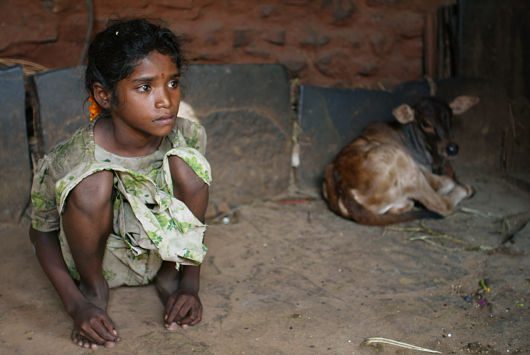
While hunger has always been a ubiquitous concern among humanitarian and developmental organizations, it is often misunderstood. Here are five things to keep in mind when considering a problem affecting millions around the world:

1. Hunger is widespread.
The United Nations estimates there are 795 million hungry people today, mainly rural people in developing nations. Although hunger is a global problem, it is concentrated primarily in Asia and sub-Saharan Africa. India has the most hungry people: 194.6 million, which is roughly 24 times the population of New York City.

2. It affects children the most.
Hunger is the leading cause of death for children under five. That is about 3.1 million deaths per year, according to the World Food Programme (WFP). Hunger also causes physical and cognitive stunting; a fourth of children worldwide suffer from this condition. Without proper nutrition, children cannot develop strong bodies and minds. The first 1,000 days of a child’s life are especially important.

3. It’s caused by poverty and waste.
A common misconception is that hunger is caused by global food scarcity or overpopulation. In fact, a third of the food the world produces goes to waste every year. Poverty and the unequal distribution of resources are actually the leading causes of hunger. It is often made worse by disasters, both natural and man-made.

4. It weakens the immune system and helps disease spread.
A proper diet is essential to a functioning immune system. Nutritionally deficient people are more likely to become infected with disease, more likely to suffer worse symptoms and less likely to recover. The World Health Programme estimates that iron deficiency is the most widespread nutritional concern, affecting almost two billion people. Vitamin A deficiency is also a cause for concern, especially among children and pregnant women.

5. It can be solved during our lifetime.
José Graziano da Silva, director-general of the Food and Agriculture Organization, recently called on the world to become the “Zero Hunger generation.” Hunger is a problem that can be solved and organizations around the world have made great progress to date. The WFP calls this effort a “best buy” because it can be very cost-efficient. For example, a child only needs 25 cents per day to receive the essential nutrients and vitamins, according to the WFP. That’s why the United Nations made global hunger a top priority in its Millennium Development Goals. That effort was a success; according to a recent report, 72 of 129 nations monitored by the United Nations met their goal by 2015. But the work continues.

– Kevin McLaughlin

Sources: U.N. Food and Agricultural Organization, UNICEF, World Food Programme, World Health Organization
Photo: Humanosphere

June 27, 2015
https://borgenproject.org/wp-content/uploads/borgen-project-logo.svg 0 0 Borgen Project https://borgenproject.org/wp-content/uploads/borgen-project-logo.svg Borgen Project2015-06-27 09:30:522024-12-13 17:49:34Global Hunger: Five Things to Know
Development, Global Poverty

Reducing Poverty Creates US Jobs

Reducing Poverty Creates US Jobs
How does reducing global poverty create U.S. jobs? When people in developing nations transition from barely surviving, to middle and upper-class, they go from consumers of basic needs, like food or toothpaste, to consumers of more luxurious items like clothing, travel and technology. Reducing poverty opens giant, untapped markets for the United States. Luxury items like these are primarily operated by American companies, and an increase in demand for product stimulates more American jobs.

One in five American jobs is related to international trade in some way. In the last forty years, the impact that trade has on the U.S. economy has tripled.

The fastest-growing markets in the world are in developing countries, and 45 percent of the United States exports go to these areas. Foreign Policy Magazine states that the world’s poor is the largest untapped market on earth. “By building new markets overseas for American products, the International Affairs budget creates jobs and boosts the economy here at home,” says Governor Tom Ridge, former secretary of homeland security.

In fact, the majority of the U.S.’s top trading partners (the countries who buy our products, pouring money into our economy and providing jobs to thousands of Americans) used to benefit from U.S. foreign aid that helped them reduce poverty.

This is shown by the Marshall Plan. Implemented after World War II, the United States invested the equivalent of 110 billion dollars in both ally and enemy countries across Europe, helping them rebuild and reduce poverty.

Today, 240 billion dollars of American goods are exported to EU countries each year. The United States has made back double what their initial investment was in just one year of trade. What if this same principle is applied to developing countries?

The largest corporations in America understand the economic potential of untapped markets throughout the developing world, the subsequent boost in American jobs that accessing these markets could provide and the dire need for the United States’ foreign policy to invest in developing countries through aid.

In July 2012, over 50 major companies collaborated and sent a letter to Congress in support of the International Affairs Budget. It is in the economic interest of Google, IBM, CitiBank, Coca-Cola, Campbell Soup Company, Cargill, John Deere, Land O’ Lakes, PepsiCo, Walmart, Kraft, Johnson & Johnson and others to alleviate global poverty.

These companies wrote, “As business leaders, we know that U.S. economic growth is linked with global trade and the world’s economy like never before. As the U.S. Chamber of Commerce has noted, overseas markets represent 95 percent of the world’s consumers and 80 percent of global purchasing power. Trade already supports one in three U.S. manufacturing jobs, and these trends will become even more pronounced in the future. For all these reasons, we urge you to support a strong and effective International Affairs Budget. While just 1 percent of the federal budget, these programs are vital for achieving a more prosperous future for American businesses and the U.S. economy.”

One example of the economic potential that exists in developing nations is Indonesia’s 2011 Boeing deal. As Indonesia’s national poverty level diminished and their economy grew steadily, they became classified as a middle-income country, with help from aid investments by the U.S. and other nations. Boeing announced its largest deal in company history: 230 jets for 22 billion dollars with Indonesia’s Lion Air. Indonesia’s poverty decline has stimulated millions of new consumers of United States products, which also creates countless American jobs.

Tech companies see the consumer potential that exists in Africa; some estimate that there are over 1 billion untapped potential users of technology in Africa today. For this reason, companies are attempting to connect Africans to the internet. In Google’s Project Loon, high altitude balloons supply remote regions with beams of WiFi. Facebook has plans to fly 11,000 solar-powered drones to give Africa access to WiFi. Microsoft’s 4Afrika initiative is a 20-year plan. “ The Microsoft 4Afrika Initiative is built on the dual beliefs that technology can accelerate growth for Africa, and Africa can also accelerate technology for the world,” says their website.

Other companies are rushing to invest in Africa. Marriott estimates that Africa will be the next Asia in terms of economic development, and spent $200 million that will provide 23,000 more rooms across Africa. “Africa has significant untapped potential for travel and tourism, both as a destination and source of new global travelers. The continent’s GDP is anticipated to grow at over 5 percent annually over the next several years which we expect will raise more people into the emerging middle class,” said Arne Sorenson, CEO of Marriott.

The support that important American companies give to international aid, the rush of companies to become involved in developing regions, the United States’ history with aid investment and the importance of trade in the American economy all support the dire need for international aid investment in the world’s poor.

– Aaron Andree

Sources: The Borgen Project, Microsoft, Rural Poverty Portal
Photo: CNN

June 25, 2015
https://borgenproject.org/wp-content/uploads/borgen-project-logo.svg 0 0 Borgen Project https://borgenproject.org/wp-content/uploads/borgen-project-logo.svg Borgen Project2015-06-25 12:54:272020-11-18 12:17:48Reducing Poverty Creates US Jobs
Global Poverty

Global Poverty and National Security: Soft Power and Prevention

soft_power
Many people view foreign aid programs as acts of charity. However, through “soft power” and preventative measures, international assistance can play an important role in national security as well.

Poverty Reduction as Soft Power

Influential political scientist Joseph Nye coined the term “soft power” in 1990 to describe the ability of one nation to influence another without resorting to force. It’s the alternative to “hard power,” which includes military force and economic sanctions.

Cultural influence and moral authority are important aspects of soft power. When a country is seen as being morally upstanding by the world community, it achieves greater influence. For instance, if a country is strongly democratic, it can influence others by promoting democracy abroad.

In a similar way, soft power can improve national security. In a world that is increasingly democratic and interconnected, national reputation has grown in importance. Through soft power, a country can seek to influence world opinion to prevent acts of aggression or terrorism.

Foreign assistance is an important tool to improve national reputation. When a country takes the lead in humanitarian relief or international development, it improves its standing and influence. It makes cooperation more likely and conflict less so.

Poverty Reduction as a Preventative Measure

It’s no secret that violent extremism tends to flourish in desperate places. Poverty grinds down civil society and weakens government institutions. Without strong governance, many people turn to armed rebel groups for services. For instance, during the civil wars in Afghanistan, many turned to extremist schools for education and to the Taliban for protection.

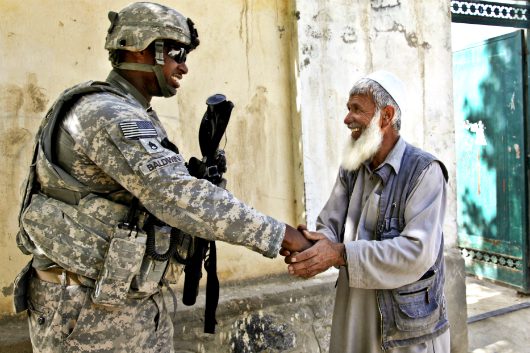
The U.S. Department of Defense has long recognized this reality. Robert Gates, former defense secretary, viewed international development as a way to prevent conflicts from starting.

“The way you do that is through development. Development creates stability, it contributes to better governance,” Gates said in 2010. “If you are able to do those things, if you are able to do it in a focused and sustainable way, then it may be unnecessary to send soldiers.”

Global poverty causes conflict and perpetuates it. While the United States has the strongest military in the world, it can only react to dangers as they arise. Increased spending for foreign assistance would improve national security by reducing the likelihood of conflict and unrest.

That’s a sentiment that President Obama agrees with as well. In a recent interview with Vox.com, the president conveyed his view of foreign aid as a “tool in our national security portfolio, as opposed to charity.” The president proposed strategic investments in key countries to reduce the need to deploy the U.S. military abroad. “We would be in a better position,” he stated, “to work with other countries to stamp out violent extremism.”

– Kevin McLaughlin

Sources: Department of Defense, Foreign Affairs, Vox.com
Photo: Flickr

June 24, 2015
https://borgenproject.org/wp-content/uploads/borgen-project-logo.svg 0 0 Borgen Project https://borgenproject.org/wp-content/uploads/borgen-project-logo.svg Borgen Project2015-06-24 12:43:122024-12-13 17:53:58Global Poverty and National Security: Soft Power and Prevention
Development, Education, Global Poverty

How a New Program is Providing Safer Schools for the World’s Poor

safer_schools
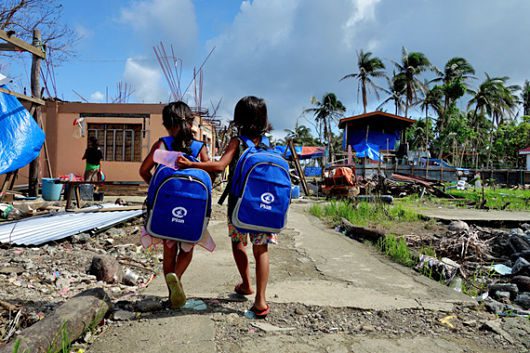
On April 25, 2015 a 7.8 magnitude earthquake hit Nepal. Two thousand schools collapsed, and five thousand others were damaged, forcing children to abandon their studies.

In the developing world nothing is more important than education, and when an already weak infrastructure crumbles under a natural disaster, it can be devastating for schools and a catastrophic defeat in the fight against poverty.

The Nepal earthquake was not an isolated incident. Every year natural disasters wreak havoc on underdeveloped nations, destroying the lives and property of millions. In 2013 the Philippines was the victim of a destructive typhoon that damaged 2,500 schools and disrupted the critical studies of 1.4 million children. And two years later, in March 2015, Cyclone Pam dramatically affected the Republic of Vanuatu.

The Global Program for Safer Schools (GPSS), recently created to address these issues, is managed by the Global Facility for Disaster Reduction and Recovery (GFDRR). The new initiative is not only building demolished school buildings but also reinforcing and retrofitting schools at risk in catastrophe prone areas.

GPSS maintains relationships with a wide range of international partners, including the United Nations and agencies such as UNICEF, UNESCO and UNISDR, international NGOs like Save the Children and private sector companies such as Arup. Additionally, it works with ministries of finance, public works and education, integrating risk considerations and investing in large scale education benefits for communities.

The lack of education around the world is shocking, and its effect on poverty are staggering. Nearly a billion people entered the 21st century unable to read a book or sign their name. Less than 1 percent of what the world spent every year on weapons was needed to put every child into school by the year 2000. Yet it didn’t happen. Based on enrollment data, about 72 million children of primary school age in the developing world were not in school in 2005.

Clearly education is a necessity, playing a vital role in alleviating poverty around the globe, but it is a luxury much of the world does not have, perhaps more so for girls. The state of school facilities in the developing world can be extremely fragile, and protecting them could make an immense difference.

Maternal deaths could be reduced by two thirds in the world if all mothers completed school, saving 98,000 lives. An extra year of secondary school boosts girls’ eventual wages by 15-25 percent. When women and girls earn income, they reinvest 90 percent of it in their families – buying books, medicine and bed nets and ensuring education for their children. Girls who stay in school for seven or more years typically marry four years later and have two fewer children than girls who drop out. And fewer dependents per worker allows for greater economic growth.

As much as 55 percent of the reduction in hunger from 1970 to 1995 can be attributed to improvements in women’s education and their status in society. School-based HIV/AIDS education programs are effective in preventing HIV infection, reducing the burden of this disease on families and communities.

Education can be one of the greatest tools fighting global poverty today. The Global Program for Safer Schools, through rebuilding disaster stricken institutions and retrofitting those at risk, ensures that disadvantaged children around the world have a chance.

– Jason Zimmerman

Sources: World Bank, Global Facility for Disaster Reduction and Recovery, Global Facility for Disaster Reduction and Recovery, New Internationalist, UNICEF, United Nations
Photo: Plan

June 24, 2015
https://borgenproject.org/wp-content/uploads/borgen-project-logo.svg 0 0 Borgen Project https://borgenproject.org/wp-content/uploads/borgen-project-logo.svg Borgen Project2015-06-24 02:02:582024-05-27 09:25:16How a New Program is Providing Safer Schools for the World’s Poor
Aid, Global Poverty

Goodeed and Freerice: Two Easy Ways To Help

goodeed_and_freerice
Helping those in need has never been easier with Goodeed and Freerice, websites that make it incredibly simple for those with computer access to make a difference in the lives of the less fortunate.

Goodeed allows users to donate to a cause for free. How is that possible, donating for free? On the website, you watch a twenty-second advertisement, and the revenue from watching the ad goes to one of three causes: trees, vaccines or meals.

The trees are in the East Khasi Hills in the Meghalaya forest in India. This area is known as the wettest place on earth and is under serious threat. Goodeed partnered with WeForest to not only conserve local biodiversity and the livelihood of the people but also to promote women’s entrepreneurship and empower the indigenous community.

The vaccines are delivered to Chad, where the goal is to completely eradicate polio. Today, 80 percent of people get vaccinated for polio, and Goodeed wants that percentage to be 100. Lastly, the meals go to Kenya schools to ensure that students get at least one nutritious meal a day. Goodeed teamed up with the World Food Programme to make this happen.

Each person can make a total of three donations a day, a grand total of 60 seconds of your time to support three worthwhile causes.

Freerice operates on a similar platform of effortless community involvement. Freerice is an English vocabulary test where, with each question answered correctly, 10 grains of rice are donated.

Freerice works with the World Food Programme to deliver rice to areas in need. They fed 27,000 refugees of Myanmar in Bangladesh for two weeks, and in Cambodia, they provided take-home rations of rice for over 13,500 pregnant and nursing women who needed it over the span of two months. In addition, they have sent rice to Uganda, Nepal and Bhutan.

Freerice is an educational tool for children in the First World, as well as an asset to the Third World. Melissa Foor, a middle school teacher in the United States, used Freerice as a vocabulary lesson for her students. Her classroom, as well as those of other inspired teachers in the school, raised 1,000,000 grains of rice. The students practiced vocabulary and learned a lesson on helping others.

There is a fine line between what people are willing to sacrifice to help others and what they are not. Goodeed and Freerice have made this sacrifice so minimal that making a difference in the lives of others takes no more than 60 seconds, and you can even have a little fun while doing it.

– Hannah Resnick

Sources: Freerice, Goodeed, The Next Web, World Food Programme
Photo: World Food Programme

June 23, 2015
https://borgenproject.org/wp-content/uploads/borgen-project-logo.svg 0 0 Borgen Project https://borgenproject.org/wp-content/uploads/borgen-project-logo.svg Borgen Project2015-06-23 15:46:142024-05-27 09:25:16Goodeed and Freerice: Two Easy Ways To Help
Disease, Food & Hunger, Global Poverty

Ten Poverty Statistics You Should Know

Ten Poverty Statistics You Should KnowThe following are ten poverty statistics that any advocate should know and be able to share with others. They describe the global poverty situation:

1. Globally, there are over 1 billion children living in poverty.

2. 1/4 of all humans live without electricity — approximately 1.6 billion people.

3. The World Food Programme says, “The poor are hungry and their hunger traps them in poverty.” Hunger is the number one cause of death in the world, killing more than HIV/AIDS, malaria, and tuberculosis combined.

4. Gender discrimination is widely recognized as a major contributor to children living in poverty and creating disparities in how resources are earned, valued and distributed based on power relationships between men and women. These poverty-induced relationships lead to tens of millions of children becoming victims of exploitation, violence and abuse.

5. Global poverty leads to global hunger, as people living in poverty cannot afford nutritious food for themselves and their families. This creates a vicious cycle where a lack of food makes people weaker and less able to earn money, preventing them from escaping poverty and hunger.

6. Poverty is closely linked to the inability to access clean water and proper sanitation. More than 750 million people lack adequate access to clean drinking water.

7. The disadvantages of poverty are closely linked to an increased risk of disease. For example, diarrhea, which is caused by inadequate drinking water, sanitation and hand hygiene, kills an estimated 842,000 people every year globally, or approximately 2,300 people per day. With the increased risk of disease, those under the poverty line have little access to basic medical attention, causing preventable diseases like diarrhea and pneumonia to take the lives of 2-3 million people a year.

8. 80 percent of the world’s population lives on less than $10 a day, well below the standard of the Quality of Life Index.

9. A quarter of all people live without electricity — approximately 1.6 billion people.

10. The cost of eradicating world poverty is estimated at 1 percent of global income, whereas other financial endeavors such as military spending in the U.S. alone can reach over $691.22 billion.

– Alysha Biemolt

Sources: 11 Facts About Global Poverty, Global Issues, UNICEF, United Nations World Food Programme
Photo: Flickr

June 19, 2015
https://borgenproject.org/wp-content/uploads/borgen-project-logo.svg 0 0 Borgen Project https://borgenproject.org/wp-content/uploads/borgen-project-logo.svg Borgen Project2015-06-19 01:01:522024-05-27 09:24:11Ten Poverty Statistics You Should Know
Global Poverty, Health, Malnourishment

Malnutrition in Burundi

Malnutrition in BurundiPopulated with over 10 million people, Burundi is a densely packed, landlocked East African country with the worst rates of malnutrition in the world.

Burundi was rated the world’s leading nation affected by hunger, according to the 2014 Global Hunger Index (GHI), a score calculated annually by the International Food Policy Research Institute. Plagued with political turmoil and prone to natural disasters, Burundi has seen rates of malnutrition increase in recent years. Despite global strides in combating malnutrition in recent history, Burundi is one of only four nations that has seen an increase in GHI from 1990 to 2014, indicating a worsening situation in the country. With 67.3 percent of the overall population undernourished, it is one of two countries with a hunger situation labeled “extremely alarming” in the study.

As the vast majority of Burundi’s population relies on agriculture, many of the country’s inhabitants combat food insecurity and malnutrition due to climate hazards, limited land access and limited crop diversity. Despite a constantly growing population, food production has stagnated at pre-1993 levels, according to the World Food Programme. Additionally, due to the rising costs of food — the price of beans increased by nearly 50 percent in recent years — the average household now spends over 70 percent of its income on food. While the nation’s government has programs in place to assist in the fight against malnutrition, it is growing increasingly costly for the country to deal with the worsening problem.

Common causes of malnutrition in the country include kwashiorkor and marasmus, both of which can stunt development and can be life-threatening if not treated. Although women and young children are most at risk for diseases caused by malnutrition, many men are also affected.

Additionally, many children and women suffer from a lack of micronutrients in their diets. In the first two years of life, it is especially crucial for children to get sufficient amounts of micronutrients such as iron, Vitamin A, iodine and zinc. Such nutrients are critical for physical growth and intellectual development.

Anemia is one of the biggest deficiency problems currently faced in Burundi, with 56 percent of children under the age of 5, and 47 percent of pregnant women anemic, according to the World Bank. Additionally, nearly half of the population as a whole is at risk for insufficient zinc intake, and a quarter of the country’s children under 5 and 12 percent of women are Vitamin A deficient. Although the effects of these deficiencies are less dire in the short term, they contribute to life-threatening illnesses and issues.

In order to address the problems of malnutrition in Burundi, the World Bank recommends extensive vitamin A supplementation and deworming in children under 5-years-old and increased iron supplementation for pregnant women. While about 96 percent of households are already consuming iodized salt, the World Bank recommends “universal salt iodization” in order to control iodine deficiency and avoid IQ loss in young children. Working to increase market and infrastructure development to promote dietary diversity can also combat issues with malnourishment.

Education and counseling services can also serve to improve feeding habits for children under five years old. While Burundi sees a lack of gender equality in most sects of life, women are still seen to have a strong maternal role in the family. UNICEF found that children of mothers with at least a primary level of education have 94 percent of fewer risks of growth stunting from malnutrition than children of mothers with no education. The study showed that mothers with some level of education had been proactive in managing malnutrition than other mothers, recognizing the importance of good breastfeeding habits, clean living and staggering pregnancies.

Since 2005, the Ministry of Health has emphasized building community-based infrastructure to screen for and treat acute malnutrition. Many organizations are also working with the Burundi government to increase education programs for mothers in order to deal with the country’s chronic malnutrition. In 2012, Burundi signed on to the Scaling up Nutrition initiative, which works with the United Nations, civil society, donors, businesses and researchers to work with communities on this issue. The initiative involves an interdisciplinary approach to combating malnutrition. Burundi’s approach, as established through the initiative, involves working to protect maternity leave, create legislation on the marketing of breast milk substitute, establish national directives on food, diversify and increase its food production, and increase nutrition education. The established goal in 2012 was to reduce malnutrition rates by 10 percent by 2016. No information has been released by Scaling up Nutrition or by the Burundian government on the progress of this goal.

– Arin Kerstein

Sources: International Food Policy Research Institute, International Food Policy Research Institute, Iwacu-Burundi, Scaling Up Nutrition, World Bank, Wolrd Food Programme, UNICEF
Photo: The Guardian

June 17, 2015
https://borgenproject.org/wp-content/uploads/borgen-project-logo.svg 0 0 Borgen Project https://borgenproject.org/wp-content/uploads/borgen-project-logo.svg Borgen Project2015-06-17 13:21:342024-12-13 17:51:23Malnutrition in Burundi
Global Poverty, Health, Politics and Political Attention

5 Republican Views on World Poverty and Global Health

5_Republican_Views_on_World_Poverty_and_Global_Health
When voting for your congressional leaders, it is important to know where they stand on certain issues. By knowing their stance, voters are able to make informed decisions when they flock to the polls. Being aware of both Democratic and Republican views also provides a certain amount of accountability to the politicians.

Often times when politicians campaign, they include a lot on their platforms that will get them elected. However, if constituents continually call, email and write their politicians about issues that concern them, they ensure a certain amount of accountability to those who got them elected.

Here are five quotes from Republican political leaders that highlight their views on world poverty and global health.


“We face very real and immediate challenges with malaria, air pollution, and HIV/AIDS today. For me, the health effects of climate change are inextricably intertwined with poverty. What we do today to provide clean water, clean energy, and public health infrastructure in the developing world will reduce poverty, combat the health problems that many face today, and will lessen any potential future health effects that may come about because of climate change.”

-Michael B Enzi, Senator of Wyoming


“An important part of protecting Americans here at home involves strengthening our relationships around the globe. America has an interest in helping raise people out of poverty around the globe, so that developing nations can become trade partners with us and mutually realize the benefits of economic freedom and commerce.”

-Terri Lynn Land of Michigan


“Issues like global health and reducing poverty in developing nations have an impact on Americans right here at home. The most recent example is the spread of the Ebola virus. We should be providing humanitarian aid to assist with disease treatment and prevention strategies in nations suffering from the Ebola outbreak. By doing so, we can improve our ability to control and treat diseases in a way that helps stabilize populations there while also protecting our citizens here in the United States. Also, by helping to enable developing nations and communities in Africa to engage in global and regional trade, the United States gains potential new partners to explore mutual economic growth interests with, meaning more jobs for West Virginia families.”

Shelly Moore Capito, Senator of West Virginia


“America’s leadership around the world is rooted by the generosity of our people, the strength of our economy, and the power of our ideas. We have the greatest workforce in the world. We have the most stable institutions. We have the best innovators and free-market economy. We have a Constitution that ensures liberty and justice for all. These are the many reasons millions around the world look to the United States of America for a greater level of hope, freedom, and economic prosperity in their own countries. As the next Senator from Georgia, I will promote economic growth and free trade because the best way for a nation to lift itself out of poverty is to partner with the United States in the free enterprise system.”

-David Perdue, Senator of Georgia


“Extreme poverty and preventable disease are issues that transcend our nation’s borders and must be addressed. I believe the United States must work to reduce global poverty while providing the resources to create growth and opportunity. As Iowa’s next U.S. Senator, I will work to ensure that our great nation has the capacity to provide aid and assistance in international health issues and crises.”

-Joni Ernst, Senator of Iowa


— Erin Logan

Sources: One, U.S. Senate Committee on Health, Education, Labor & Pensions
Photo: Flickr

June 13, 2015
https://borgenproject.org/wp-content/uploads/borgen-project-logo.svg 0 0 Borgen Project https://borgenproject.org/wp-content/uploads/borgen-project-logo.svg Borgen Project2015-06-13 18:53:372020-07-17 00:43:415 Republican Views on World Poverty and Global Health
Activism, Global Poverty

Bono Fights Poverty

Bono Global Poverty
Bono, lead performer of the band U2, is as much of an activist as he is a rockstar.

Bono has drawn attention to the global poverty endemic, enacting a call to action. He claims he is a “factivist,” for he believes in evidence-based activism. In a recent interview with CNN, Bono explained that factivism is a virtuous, data-based virus. He said, “spread it, share it, pass it on … by doing so, you will join us and countless others in what I truly believe is the greatest journey ever taken — the ever-demanding journey of equality.”

According to The Guardian, Bono states, “The rate [of poverty] is still too high … there’s still work to do. But it’s mind-blowing stuff.” He continued to state that the rate could hit zero by 2030. “For number crunchers like us, that’s the erogenous zone. It’s fair to say I’m sexually aroused by the collating of data.”


Bono’s Impressive Record Against Global Poverty


The Irish front man of U2 began his work with poverty after viewing a series of performances called “The Secret Policeman’s Ball.” He then collaborated with Amnesty International to launch the “Conspiracy of Hope” tour with Sting. As a result of his work, Bono was invited to Ethiopia by World Vision, where he developed an education program with his wife, Ali, addressing health, hygiene and music. Inspired by his work in Ethiopia, Bono pursued his activism in Nicaragua and El Salvador to work with children and draw attention to world conflicts.

Bono utilizes his passion for music to aid his passion for equality. He wrote a song called “Silver and Gold” for Artists Against Apartheid and participated in Van Zandt’s anti-apartheid single “Sun City.” In addition, Bono attended the Festival Against Racism in Hamburg, Germany with The Edge. The event consisted of a concert, a press conference, a theatrical event and a debate on the subject of anti-racism.

Bono has been a leader in the fight against poverty, making significant contributions to the ONE Campaign, RED, EDUN and DATA.

Making outstanding donations to charity, he has received three nominations for the Nobel Peace Prize, and was knighted by the Queen of England in 2007.

– Neti Gupta

Sources: CNN, Look To The Stars, New York Post, The Guardian
Photo: AP

April 28, 2015
https://borgenproject.org/wp-content/uploads/borgen-project-logo.svg 0 0 Borgen Project https://borgenproject.org/wp-content/uploads/borgen-project-logo.svg Borgen Project2015-04-28 04:00:582020-06-25 15:47:32Bono Fights Poverty
Page 27 of 40«‹2526272829›»

Get Smarter

  • Global Poverty 101
  • Global Poverty… The Good News
  • Global Poverty & U.S. Jobs
  • Global Poverty and National Security
  • Innovative Solutions to Poverty
  • Global Poverty & Aid FAQ’s
Search Search

Take Action

  • Call Congress
  • Email Congress
  • Donate
  • 30 Ways to Help
  • Volunteer Ops
  • Internships
  • Courses & Certificates
  • The Podcast
Borgen Project

“The Borgen Project is an incredible nonprofit organization that is addressing poverty and hunger and working towards ending them.”

-The Huffington Post

Inside The Borgen Project

  • Contact
  • About
  • Financials
  • President
  • Board of Directors
  • Board of Advisors

International Links

  • UK Email Parliament
  • UK Donate
  • Canada Email Parliament

Get Smarter

  • Global Poverty 101
  • Global Poverty… The Good News
  • Global Poverty & U.S. Jobs
  • Global Poverty and National Security
  • Innovative Solutions to Poverty
  • Global Poverty & Aid FAQ’s

Ways to Help

  • Call Congress
  • Email Congress
  • Donate
  • 30 Ways to Help
  • Volunteer Ops
  • Internships
  • Courses & Certificates
  • The Podcast
Scroll to top Scroll to top Scroll to top