• Link to X
  • Link to Facebook
  • Link to Instagram
  • Link to TikTok
  • Link to Youtube
  • About
    • About Us
      • President
      • Board of Directors
      • Board of Advisors
      • Financials
      • Our Methodology
      • Success Tracker
      • Contact
  • Act Now
    • 30 Ways to Help
      • Email Congress
      • Call Congress
      • Volunteer
      • Courses & Certificates
      • Be a Donor
    • Internships
      • In-Office Internships
      • Remote Internships
    • Legislation
      • Politics 101
  • The Blog
  • The Podcast
  • Magazine
  • Donate
  • Click to open the search input field Click to open the search input field Search
  • Menu Menu

Tag Archive for: Global Poverty

Inflammation and stories on global poverty

Posts

Global Poverty, Politics and Political Attention

Global Poverty Ignored at GOP Debate

G.O.P._debate

While the potential Republican presidential candidates wasted no time discussing illegal immigration and the Clinton Administration at this Thursday’s GOP debate, one topic was noticeably absent from the table: global poverty.

According to the U.S. Census Bureau, in the United States alone there are around six million more people living below the poverty line than there were in 2008. About 45 million Americans are registered as poor—around 15 percent of the country’s total population.

On a more global scale, according to UNICEF, 22,000 children die worldwide every day due to poverty-related causes. In 2014 alone, 98,000 died in India due to a lack of sanitation, clean drinking water and nutrition. In 2014, over 82 million people in China lived on less than $1 a day.

Still, even in the face of such pressing issues, the GOP candidates chose to spend their allotted speaking time by further alienating women, immigrants and the poor. According to The Huffington Post, the words “immigration” and “illegal” were spoken around 40 times during the debate, while “poverty” and “poor” chalked up only three and four mentions, respectively.

Presidential campaign debates should be a platform for discussing the country and the world’s most prominent issues. If this GOP debate was any indication, the current Republican Party presidential candidates care little about the world’s poor.

– Alexander Jones

Sources: Deutsch, McCoy, Redden
Photo: Flickr

August 17, 2015
https://borgenproject.org/wp-content/uploads/borgen-project-logo.svg 0 0 Borgen Project https://borgenproject.org/wp-content/uploads/borgen-project-logo.svg Borgen Project2015-08-17 13:44:302024-12-13 18:04:43Global Poverty Ignored at GOP Debate
Aid, Foreign Aid, Foreign Policy, Global Poverty

What Bernie Sanders Could Mean For Global Poverty

Bernie_Sanders
Bernie Sanders has been dubbed the “underdog Democrat” in this presidential election. As a committed ally to labor unions and the middle class, Sanders is determined to run a campaign financially unaffiliated with American billionaires.

When he announced his bid for the U.S. presidency, many doubted that he could gain enough momentum to really compete with Democrat likely, Hillary Clinton. However, after raising $15 million in 2 months and pulling 10,000 people into a campaign rally, many are seeing him as a potential threat to Clinton.

For his entire career, Sanders has dedicated himself to being the voice of the average person. He speaks for those who are not often heard due to their lack of capital. Often being described as a socialist, Sanders’ economic policy reflects his constituents’ desires, creating a world that truly gives everyone the chance to be a part of the “American Dream” regardless of race, gender, class or religious affiliation.

Because Sanders’ potential presence in the Oval Office is positive for the U.S. working class and those subject to abject poverty in America, it would also be great for global poverty abroad.

Sanders has, for a long time, rejected poverty, seeing it as something that could be eliminated by congressional help. Sanders is likely to translate his stance on American poverty to global poverty, then, under his administration, global poverty could forever change.

The Sanders administration is likely to expand its foreign aid budget, positively impacting global health and introducing proper legislation to eradicating global poverty.

To a farmer in Kenya, this could mean the ability to make a sufficient living. To women in the Philippines, this could mean greater access to family planning resources.

Bernie Sanders’ presence in the White House could not only greatly impact those living in the United States, but also those abroad. His aggressive approach to eradicating poverty would be a great asset to those subject to absolute poverty in developing countries.

– Erin Logan

Sources: Bernie Sanders, Forbes, Huffington Post 1, Huffington Post 2

Photo: Breitbart

August 8, 2015
https://borgenproject.org/wp-content/uploads/borgen-project-logo.svg 0 0 Borgen Project https://borgenproject.org/wp-content/uploads/borgen-project-logo.svg Borgen Project2015-08-08 01:30:362020-07-02 17:36:26What Bernie Sanders Could Mean For Global Poverty
Activism, Development, Economy, Education, Global Poverty, Health

Rotary International Continues Fight Against Poverty

rotary_international
For the past 110 years, Rotary International has brought together business leaders, philanthropists and other individuals to promote interdisciplinary discussion to find solutions to the world’s biggest problems.

Started in the United States, the group now operates on a global scale. Through monetary donation or helping on the ground, Rotary’s 1.2 million members have positively impacted the world’s poor in a variety of ways.

Promoting Peace, Fighting Disease, Providing Clean Water, Saving Mothers and Children, Support Education and Growing Local Economies are Rotary’s biggest campaigns—made up of thousands of initiatives that work in different, but important, ways. Rotary International recognizes poverty is an intricate problem, and combatting it requires employing a litany of methods that enable individuals and countries alike to attain economic security.

Their greatest achievement is highlighted by the role they’ve played in the worldwide fight against polio. Launched in 1979, Rotary International has contributed $1.3 billion and countless volunteer hours to the campaign to eradicate polio. Since then, the number of polio-ridden countries has plummeted from 179 to three.

In January of this year, Rotary contributed an additional $35 million for immunization efforts that many believe will fully eliminate the disease.

Rotary can be just as effective on the ground. Their Clean Water campaign has provided millions with access to toilets, sanitation facilities and other water infrastructure.

Clean water also has many residual health and economic benefits. Healthy children mean less premature deaths, which stabilizes population growth. It also prevents the spread of infectious diseases, such as dysentery, diarrhea and ulcers. Access to local and clean water allows children to attend school instead of walking miles to retrieve it.

Since Rotary has expanded its Clean Water campaign in Ghana, the country has experienced a stark drop in waterborne diseases. Not surprisingly, 85 percent of Ghana’s citizens have access to a reliable water supply due to the newly drilled wells.

Rotary’s part in ending polio and bringing water security to Ghana are just the surface of what the group’s achievements. Its unique structure creates solutions at the local level, but change on a global scale. Going forward, they will have a substantial role in reducing and eventually eliminating global poverty.

Based on the past century, that role will be in safe hands.

Here is the link to Rotary’s website. Check it out to learn more about their mission and campaigns.

– Kevin Meyers

Sources: End Polio Now, Forbes, Rotary International 1, Rotary International 2, Rotary International 3

Photo: Rotary International

August 6, 2015
https://borgenproject.org/wp-content/uploads/borgen-project-logo.svg 0 0 Borgen Project https://borgenproject.org/wp-content/uploads/borgen-project-logo.svg Borgen Project2015-08-06 01:31:332024-12-13 18:04:41Rotary International Continues Fight Against Poverty
Aid, Global Poverty, Philanthropy

The Sebastian Foundation Fights Poverty in Australia and Globally

povertyAustralia is considered a developed nation with rather good development indicators: children in school, high life expectancy, higher than average gross national income and the ability to be an agent of change. Yet, like most countries, there are still people living in poverty or at a disadvantage.

Guy Sebastian and his wife Jules have started a foundation to directly combat poverty in their native Australia as well as branch out and help others living in poverty abroad.

In the United States, Guy Sebastian is best known for the song “Battle Scars,” released in 2012 with Lupe Fiasco, but his musical career began when he won the first Australian Idol title in 2003. His wife Jules is a celebrity stylist and a copartner in The Sebastian Foundation.

Sebastian’s humanitarian work started very early in his musical career when he took a tour of Africa, specifically Uganda, as an ambassador for World Vision. During his time there, he saw the debilitating effects that poverty can have on a person, and he has worked for awareness surrounding poverty from that time on.

When the Sebastian’s family started to grow, they became even more involved with helping children and families in Australia and the world. Through this desire, The Sebastian Foundation was formed.

The Sebastian Foundation states, “Our focus is people. Our love is people. We want to see the need and meet the need. We want to help in any way we can and we hope you join us in our mission.” With this thought in mind, they form collaborations with like-minded organizations to work with as partners.

Recently, much of their work has centered on local initiatives such as Big Brothers and Big Sisters, dance programs for youth with Downs Syndrome and children’s hospitals. They have also partnered with Sam Moran, the Yellow Wiggle as of 2006 and a UNICEF Goodwill ambassador; Sam works to help “Australian children who are sick, disadvantaged or have special needs.”

The foundation has global poverty in mind as well. Especially because of Sebastian’s time as a World Vision ambassador, The Sebastian Foundation focuses on families in regards of “poverty, poor health and disease, empowering women, educating children and giving them a chance at a better future [and] community.”

One way to be involved with this great foundation is to donate and, in return, one can receive a gift heart bracelet with the word “joy” on it. Or they have a shop where one can purchase a beautiful print of a photo taken by Sebastian, and all proceeds are a donation for the foundation.

Overall, the Sebastian family has used their celebrity status in Australia to help those who need it most in their home country. But through their global work, and Sebastian’s breakthrough on the U.S. music market, their reach can spread even farther than before, helping so many people in need around the world.

– Megan Ivy

Sources: Guy Sebastian, The Sebastian Foundation, The Sebastian Foundation Facebook Page, The World Bank, YouTube
Photo: Jules Sebastian

August 1, 2015
https://borgenproject.org/wp-content/uploads/borgen-project-logo.svg 0 0 Borgen Project https://borgenproject.org/wp-content/uploads/borgen-project-logo.svg Borgen Project2015-08-01 07:03:342024-12-13 17:54:04The Sebastian Foundation Fights Poverty in Australia and Globally
Aid, Global Poverty

China’s First World Bank Trust Fund

World Bank
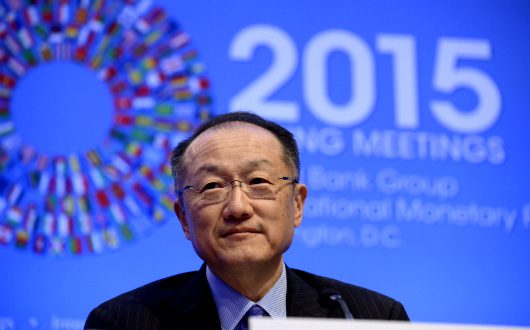
On July 16, 2015, World Bank Group President Jim Yong Kim and Chinese Finance Minister Lou Jiwei signed an agreement creating a $50 million trust fund to help alleviate global poverty. This agreement will set in motion new investments and organizations that will provide immediate assistance to third world countries all over the globe. The fund also serves to reaffirm the World Bank Group’s relationship with China.

According to the WBG itself, “The trust fund, which is expected to start later this year, aims to enhance the cooperation between China and the WBG and leverage financial and knowledge-based resources to help developing countries achieve inclusive and sustainable development. It will finance investment projects, operations, knowledge development and human-resource cooperation at both global and regional levels.” With the financial support of China’s super economy, the Bank is poised to make real changes for people in poverty.

China’s renewed partnership with the WBG represents a major step forward in the fight against global poverty. This new partnership will begin in late 2015 and continue throughout the upcoming years. WBG President Jim Yong Kim was quoted as saying, “China is a strong partner in development and a strong partner for the WBG, and we share the commitment to ending poverty and boosting shared prosperity.” The marriage between China and the World Bank Group is all the more significant considering that the two were part of a controversy earlier this year.

It was reported by Outlook India that the World Bank Group redacted a criticism of the Chinese economy in a report made on July 3 of this year. An excerpt from the Outlook India article reads, “The World Bank today refuted claims that it withdrew a report critical of China’s financial sector under pressure from the Chinese government and said the economic fundamentals of the country are sound despite the recent equity market volatility.” For any meaningful reform to come out of the new $50 million trust fund, China and the World Bank must find themselves on the same page.

– Diego Catala

Sources: World Bank, Outlook India
Photo: Thanhnien Newsk

July 26, 2015
https://borgenproject.org/wp-content/uploads/borgen-project-logo.svg 0 0 Borgen Project https://borgenproject.org/wp-content/uploads/borgen-project-logo.svg Borgen Project2015-07-26 02:07:172024-12-13 17:52:05China’s First World Bank Trust Fund
Foreign Policy, Global Poverty

Immigration, Labor Markets and the Impoverished

immigration
Immigration policy and reform have been on the minds of many policymakers for years, not only in the United States, but also, particularly, in Western Europe. The issue is of increasing importance for a variety of reasons, both economic and social. The impact of immigration on populations and nations is significant, but hard to decipher. The impoverished around the world can see both benefits and disadvantages to the phenomenon of immigration across borders.

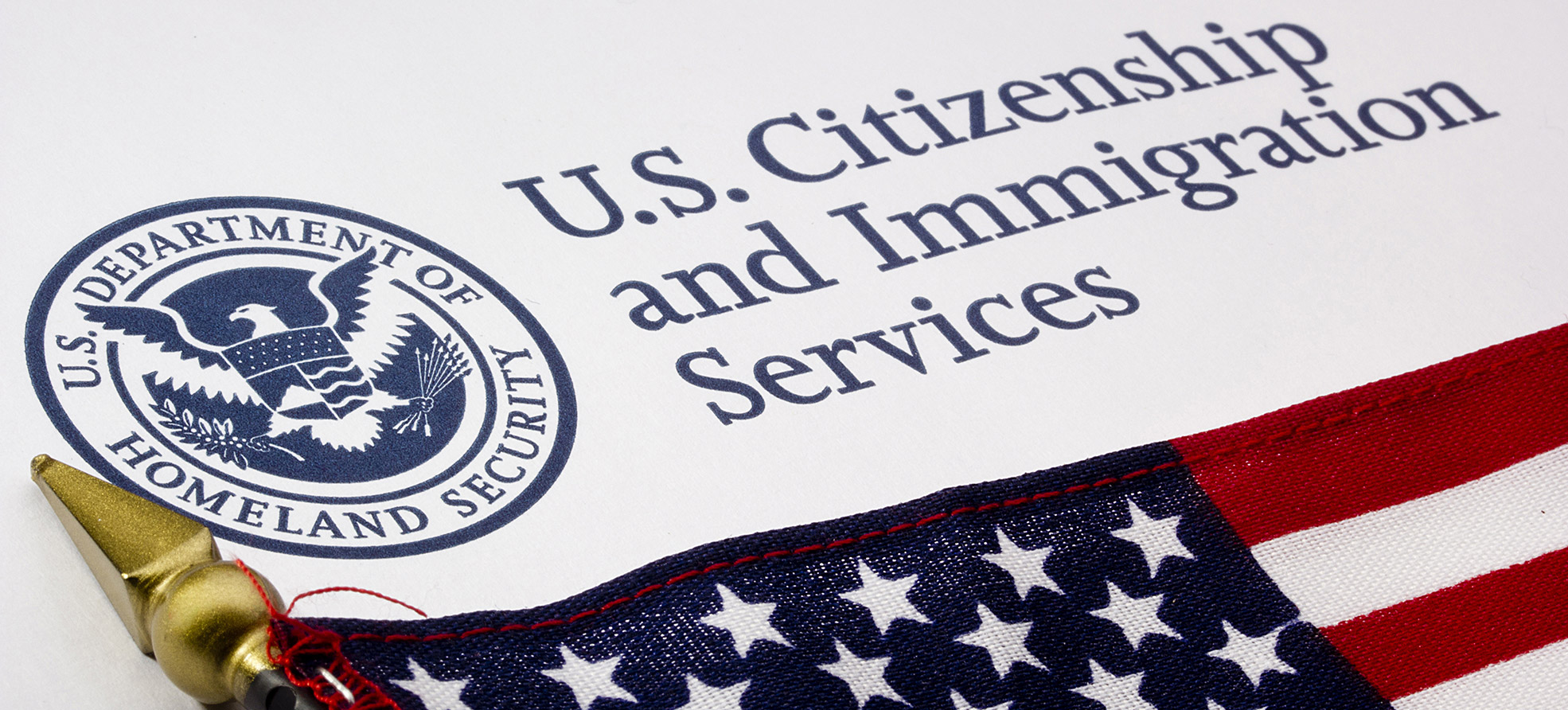
In the United States, millions of undocumented immigrants live the United States to find work and pursue a better life, often fleeing violence and instability. Europe has also experienced its fair share of immigration troubles, with 137,000 immigrants crossing the Mediterranean Sea in search of a better life in only 6 months last year. Hundreds of the same immigrants died attempting the journey. These massive quantities of immigrants crossing borders without documentation have posed problems for the countries receiving these people in a variety of ways. In addition, immigration through proper channels can often exacerbate problems posed by undocumented immigrants. First, many of these new residents will join the labor market, and second, the social and cultural differences can create tensions within the populace. So, what does immigration mean for the countries being left behind, and for their inhabitants?

One of the primary dilemmas when discussing immigration is the job market. What happens to the labor market when illegal or legal immigration occurs? The answer is: it’s complicated. The effects of immigration on a country’s labor market is highly dependent on the policies in place, the enforcement of such policies and the context.

Take, for example, a law in Alabama that would have given police more power to find undocumented immigrants and punish their hypothetical employers; immediately, much of the illegal labor fled the state. This was hailed as a victory by some people, but the law exposed fundamental flaws in the labor system. The jobs being done by immigrants were low-wage with questionable working conditions. They usually involved manual labor that Americans either simply did not want to do, or would not do due to the working conditions and pay—which were caused by a lack of proper regulation in these industries. Much of the agriculture and food industry remains this way, with the majority of the population turning a blind eye to the unfair practices taking place. In the case of Alabama, Americans barely attempted to take these jobs, despite unemployment in the region being very high. A study from the National Bureau of Economic Research showed that there was a 3.2% decrease in wages directly associated with large-scale immigration. A possible explanation is that immigrants are generally more likely to accept lower wages than native workers, which draws the price for labor downwards with the increased demand and lower price-setting.

In other cases, such as those involving legal immigration with visas, such as H-1B, immigrants end up in more direct competition with native workers for more highly-skilled jobs. The H-1B visas in the United States are very important, providing high levels of talent from across the globe—from both developed and developing nations. The problem is that, in many cases, companies prefer to hire H-1B visa holders because they are usually more willing to accept lower wages, similar to the problem with lower-skilled jobs.

Immigration can also be a cause of social unrest. It is not uncommon for immigrant populations to be framed as the root of a host of problems, ranging from economic ones, to social and moral ones. It has been done in the past, and is undergoing resurgence in Europe, as right-wing political movements shower blame and prejudice on the expanding Middle Eastern and North African populations in the continent. The cultural divide of language and customs can also instigate potential xenophobic behaviors against immigrant populations.

What does this all mean for the poor? Immigrants frequently work low-wage jobs, but these low wages in developed countries often go much further to families in developing nations. Remittances—money sent back to one’s native state—have been found to have a significant impact on the levels of poverty in developing nations. A study by the Center for Immigration Studies also found that in the 2000s, immigration to the United States did not cause increased poverty in the United States. These two studies taken together suggests that poverty can be alleviated with immigration, because immigration can be reduced abroad while not increasing poverty in the new home nation. In fact, there are even some who argue that borders should be open and immigration should not be restricted as a way to help significantly reduce poverty.

Immigration is a difficult issue with which to grapple on any level. It can invoke powerful emotions of fear, pain, anger or happiness from immigrants, or those who feel personally affected by its consequences. The economics of immigration are complicated, and the literature seems to be incomplete in its conclusions. However, it seems that immigration can help the poor by allowing some people abroad to lead better lives and support themselves, while also helping to support their families at home. Unfortunately, the poor can also fall victim to trafficking and bad working conditions. Globally, large-scale migrations of people can be expected to increase due to climate change, and it is important that more effort goes into understanding how to best handle influxes of immigrants.

– Martin Yim

Sources: New York Times 1, Bloomberg, New York Times 2, National Bureau of Economic Research, Social Science Research Council, UC Davis
Photo: Immigrant Document Solutions

July 25, 2015
https://borgenproject.org/wp-content/uploads/borgen-project-logo.svg 0 0 Borgen Project https://borgenproject.org/wp-content/uploads/borgen-project-logo.svg Borgen Project2015-07-25 07:14:082020-07-03 16:37:02Immigration, Labor Markets and the Impoverished
Activism, Global Poverty, Sustainable Development Goals

Musicians Raise Awareness Through Global Citizen Festival

Global_Citizen_Festival
The 2015 Global Citizen Festival seeks to spread awareness of world poverty through music. The concert takes place on September 26 on the Great Lawn in Central Park, New York City.

In 2000, countries around the world joined together to create the Millennium Development Goals, a kind of 15-year checklist for tackling world issues such as hunger, disease, lack of shelter, education and gender equality. For four years, the Global Citizen Festival has sought to engage citizens and world leaders with pressing world issues. This year, the concert aims to bring attention to the United Nations’ Global Goals, which are 17 new objectives for ending extreme poverty by 2030. World leaders from 193 countries will solidify these objectives in September.

Performers at the concert include Beyoncé, Coldplay, Ed Sheeran and Pearl Jam.

Beyoncé’s organization, Chime for Change, partners with the event. The group strives to empower, educate and protect women and girls around the world. Beyoncé hopes the concert will bring hundreds of initiatives that are dedicated to changing lives.

Chris Martin, the lead singer of Coldplay, agreed be the creative curator of the festival for the next 15 years, the same amount of time that the United Nations hopes to completely eradicate poverty.

English singer-songwriter, Ed Sheeran says, “I look forward to sharing the stage with such an amazing lineup of artists in an effort to raise awareness, educate others and work toward the goal of ending extreme poverty by 2030. I truly believe it’s possible if we all work together.”

“People living on less than $1.50 a day deserve the opportunity to lift themselves up out of extreme poverty,” added Pearl Jam guitarist, Stone Gossard.

https://www.youtube.com/watch?v=8rLHBQ282xE

Tickets to the concert are free. All that is required is a promise to take action against injustices around the world. Some of these actions could include sending emails to political leaders, signing petitions or making phone calls or sending tweets to senators.

The steps to earn tickets are called Action Journeys. By completing each action, participants are entered into a drawing to receive two tickets. After each drawing, new Action Journeys are opened. Not only will participants increase their chances of winning tickets by completing more Action Journeys, but they will also be increasing awareness of world issues.

The Global Citizen Festival will be targeting six essential world problems: girls and women, food and hunger, education, global health, water, sanitation and hygiene, and financing.

Chief executive of the Global Poverty Project, Hugh Evans, says, “The world has halved extreme poverty in the last 15 years, but to end it in the next 15, there’s a whole lot of things we need to make that a reality.”

To participate in the Action Journeys or to see more information, visit globalcitizen.org.

– Kelsey Parrotte

Sources: ArtsBeat, BBC, Cosmopolitan, Global Citizen, Rappler, Rolling Stone
Photo: Digital Trends

July 24, 2015
https://borgenproject.org/wp-content/uploads/borgen-project-logo.svg 0 0 Borgen Project https://borgenproject.org/wp-content/uploads/borgen-project-logo.svg Borgen Project2015-07-24 08:27:232020-07-07 14:24:38Musicians Raise Awareness Through Global Citizen Festival
Global Poverty

Global Connections Between LGBT Communities and Poverty

LGBT Communities and Poverty
The United States has recently seen progress for the LGBT community with the Supreme Court ruling in favor of gay marriage. Despite the plethora of barriers still standing for the LGBT community in America, there are even more for the community abroad. Moreover, there are many global connections between LGBT communities and poverty.

The amount of LGBT people in underdeveloped and developing countries may often be overlooked or under-considered. With such a focus on food and clothing, helping people in these nations with social issues, which often become economic issues, is commonly unacknowledged. It is thus difficult to place a number on how many people in these impoverished areas are LGBT, because of restricting laws that discourage coming out.

There are currently 81 countries that have repressive laws against same-sex actions and/or propaganda. Many of these countries are in North Africa and the Middle East, where poverty is widespread. Eight of those countries currently have a death penalty for homosexual behavior, according to the International Lesbian, Gay, Bisexual, Trans and Intersex Association. These laws, death penalty or not, place further dangers on individuals in these areas.

Before the legal restrictions are even placed upon them, LGBT people experience hardships that come from social interactions and perceptions. Legal and economic securities become nearly nonexistent in nations with laws restricting any same-sex actions. It makes any type of health, economic or social security unattainable.

On top of that, rates of being wrongfully criminalized increase. Stigmas cause being shunned and excluded from daily activities or needs. The Williams Institute found that as many as 68% of LGBT people report experiencing discrimination, especially in regards to employment.

These limitations would be challenging enough for people residing in developed countries. In places where basic needs are hardly being met to start with, anti-LGBT laws can make access to food and water, education or healthcare seemingly unattainable.

The barriers placed upon the LBGT community are too great to be ignored when discussing poverty. As Colin Stewart from 76Crimes put it, “If LGBT poverty is not addressed, the goals [of alleviating extreme poverty] are mere aspirations and dreams.”

One of the most startling and disturbing occurrences of this mistreatment comes in the form of aid being provided to regions in need. There are two fronts to this issue. The first is that people providing aid often experience the same prejudice and harm that there is against same-sex individuals and supporters. In areas such as Uganda, Cameroon and Zambia, LGBT persecution has increased, as “HIV workers were more harassed, imprisoned and even killed” by anti-same-sex groups and organizations.

There has been much criticism over the fact these troubling issues have not been properly investigated and that support to these anti-same-sex and/or religious groups has continued despite such abuse.

The second issue international aid is facing is the blatant refusal of some organizations to serve and care for LGBT people in need. Sadly, too many donors and organizations turn a blind eye to the discrimination in front of them. Such behavior is allowing personal opinions to interfere with the livelihood and well-being of people truly in need. Increasing awareness of such discrimination is the first way to ensure equal treatment to individuals that are receiving aid from organizations and donors.

Human rights are making improvements around the world, but the fight is far from over.

– Katherine Wyant

Sources: International Lesbian, Gay, Bisexual, Trans and Intersex Association, OpEdNews, Erasing 76 Crimes
Photo: Flickr

July 22, 2015
https://borgenproject.org/wp-content/uploads/borgen-project-logo.svg 0 0 Borgen Project https://borgenproject.org/wp-content/uploads/borgen-project-logo.svg Borgen Project2015-07-22 09:05:102024-05-24 23:42:31Global Connections Between LGBT Communities and Poverty
Development

UN Report Shows Progress on Poverty

Progress_on_Poverty
This past week, the U.N. released a report on the successes and failures of the Millennium Development Goals (MDGs). The report revealed that more than one billion people have successfully broken out of poverty since 1990. It showed China and India playing key roles in this significant reduction of and progress on poverty.

The report also showed that in addition to a sharp drop in extreme poverty, the MDGs have facilitated other major successes. Presently, just as many girls as boys are enrolled in primary schools around the globe. Simple steps like installing bed nets in parts of the developed world have prevented approximately six billion deaths from malaria.

Experts say that the most important MDG contribution has been the creation of a measuring system that depicts what countries have done for their people, and what issues they have neglected. Concrete measurements of well-being—like how many children are clinically malnourished—provide the most helpful insight on the most pressing needs.

The report stated that the world’s most populous countries, China and India, played a central role in global poverty reduction. Economic progress in China helped the extreme poverty rate in Eastern Asia fall from 61 percent in 1990 to a mere four percent in 2015.

By the same token, development in India helped extreme poverty in Southern Asia decline from 52 percent to 17 percent over the same time period. Additionally, Southern Asia’s rate of poverty reduction has accelerated over the past seven years.

While these remarkable gains should not be understated, there is still much more to be done. In India, an estimated 600 million people still defecate out in the open, which dramatically heightens risk of serious disease, especially for children. Additionally, jobs are still not keeping pace with the country’s population growth.

Despite much progress, certain MDG targets were still missed, including a two-thirds reduction of child mortality and women’s deaths in childbirth. Persisting gender inequality was acknowledged as “one of the starkest failures” in the report, as women are still more likely to be poor than men.

This is not to say that progress has not been made on both fronts, but to encourage an even greater collaborative effort in the future. The MDG target of halving the proportion of people living in extreme poverty was achieved ahead of the 2015 deadline five years ago. This is the kind of efficiency we must continually strive for.

The most recent estimates show that the proportion of people living on less than $1.25 per day fell globally from 36 percent in 1990, to just 15 percent in 2011. As of 2015, projections indicate that the global extreme poverty rate has fallen even further, to 12 percent.

At the launch of the report in Oslo, Secretary-General Ban Ki-moon proudly stated, “The report confirms the global efforts to achieve the goals have saved millions of lives and improved conditions for millions more around the world.” He encouraged the celebration of MDG successes across the global community.

Indeed, the report’s findings most certainly call for worldwide celebration. So too, however, they paint a picture of certain key areas in need of improvement. Looking ahead, findings such as these should help to pave the path for the post-2015 development goals agenda.

– Sarah Bernard

Sources: NY Times, Economic Times
Photo: NY Times

July 21, 2015
https://borgenproject.org/wp-content/uploads/borgen-project-logo.svg 0 0 Borgen Project https://borgenproject.org/wp-content/uploads/borgen-project-logo.svg Borgen Project2015-07-21 15:45:262020-07-08 14:43:10UN Report Shows Progress on Poverty
Disease, Global Health, Global Poverty, Health

The Debilitating Effects of Schistosomiasis

The Debilitating Effects of Schistosomiasis-TBP
Among neglected tropical diseases, few are harder to pronounce than Schistosomiasis, a parasitic infection spread through fresh water. Fewer still are more deadly. According to the Center for Disease Control, “In terms of impact, this disease is second only to malaria as the most devastating parasitic disease.” Currently, Schistosomiasis infects more than 200 million people worldwide.

Found mostly in Africa and parts of South America and Asia, Schistosomiasis, or bilharzia, is quite an unpleasant disease. It spreads through parasitic blood flukes, also known as schistosomes, which live in certain types of fresh water snails. These schistosomes are tricky creatures and infect their victims with their larvae simply through skin contact in contaminated fresh water.

Once inside the victim’s body, the larval schistosomes mature over the course of several weeks into adult flatworms. These worms then make their way to the victim’s blood vessels where they reach full maturity and mate, producing eggs. The eggs then exit the body through the victim’s urine and stools. From there, the cycle begins again.

Oddly enough, it is not the worms themselves that cause problems but the body’s reaction to the eggs. On their way out of the body, many of the eggs become stuck in the intestine and bladder, which leads to inflammation and scarring of vital organs.

While the short-term symptoms of bilharzia are similar to that of the flu, its long term effects cause much more damage. Chronic bilharzia can cause bladder cancer, infertility and the enlargement of the liver and abdomen. It remains unknown as to how many die annually from the disease but estimates range between 20,000 and 200,000 people.

However, most victims of this neglected tropical disease continue to live for years with it. For chronic sufferers, life becomes increasingly difficult. In fact, the economic consequences of bilharzia rival its health complications. Sufferers often are too debilitated to support themselves and essentially become disabled. It has the greatest impact on children. Youth that suffer from chronic bilharzia experience stunted growth and learning difficulties, which can lead many to drop out of school. Unsurprisingly, due to its economic burden, researchers have linked instances of Schistosomiasis with poverty.

Fortunately, an effective treatment called praziquantel can rid the body of the parasite and cure the disease. Best of all, it is cheap. One treatment of praziquantel costs about 20 to 30 cents and is often available free of charge in some heavily afflicted regions of Sub-Saharan Africa. In 2012, 35 million people were treated for bilharzia with this drug.

With such a cheap and effective drug, the primary strategy of the World Health Organization (WHO) is that of mass treatment without even an individual diagnosis. These mass treatments focus on vulnerable communities like those that live and work near fresh water sources and also school children. In some areas with lower levels of transmission, many officials believe that they can eradicate this disease.

Other methods of prevention involve stopping bilharzia at its source: its freshwater snail hosts. Some efforts have aimed to focus on killing the host snails by using chemical treatments on fresh water sources. However, this has negative effects on surrounding animals and also must be continued to prevent snails from returning. Beyond medicine, the best form of prevention is simply adequate hygiene and sanitation.

While the victims of bilharzia have begun to receive more treatment, a large amount of work still remains. According to a recent WHO epidemiological record, about 40 million people received treatment for Schistosomiasis, which represents only 12.7% of the population requiring preventative treatment measures for Schistosomiasis globally. With medicine so effective, it is tragic that so many should go untreated.

– Andrew Logan

Sources: CDC, The End Fund, NCBI, WHO 1, WHO 2
Photo: Carter Center

July 18, 2015
https://borgenproject.org/wp-content/uploads/borgen-project-logo.svg 0 0 Borgen Project https://borgenproject.org/wp-content/uploads/borgen-project-logo.svg Borgen Project2015-07-18 08:12:362024-05-27 09:25:42The Debilitating Effects of Schistosomiasis
Page 25 of 40«‹2324252627›»

Get Smarter

  • Global Poverty 101
  • Global Poverty… The Good News
  • Global Poverty & U.S. Jobs
  • Global Poverty and National Security
  • Innovative Solutions to Poverty
  • Global Poverty & Aid FAQ’s
Search Search

Take Action

  • Call Congress
  • Email Congress
  • Donate
  • 30 Ways to Help
  • Volunteer Ops
  • Internships
  • Courses & Certificates
  • The Podcast
Borgen Project

“The Borgen Project is an incredible nonprofit organization that is addressing poverty and hunger and working towards ending them.”

-The Huffington Post

Inside The Borgen Project

  • Contact
  • About
  • Financials
  • President
  • Board of Directors
  • Board of Advisors

International Links

  • UK Email Parliament
  • UK Donate
  • Canada Email Parliament

Get Smarter

  • Global Poverty 101
  • Global Poverty… The Good News
  • Global Poverty & U.S. Jobs
  • Global Poverty and National Security
  • Innovative Solutions to Poverty
  • Global Poverty & Aid FAQ’s

Ways to Help

  • Call Congress
  • Email Congress
  • Donate
  • 30 Ways to Help
  • Volunteer Ops
  • Internships
  • Courses & Certificates
  • The Podcast
Scroll to top Scroll to top Scroll to top