• Link to X
  • Link to Facebook
  • Link to Instagram
  • Link to TikTok
  • Link to Youtube
  • About
    • About Us
      • President
      • Board of Directors
      • Board of Advisors
      • Financials
      • Our Methodology
      • Success Tracker
      • Contact
  • Act Now
    • 30 Ways to Help
      • Email Congress
      • Call Congress
      • Volunteer
      • Courses & Certificates
      • Be a Donor
    • Internships
      • In-Office Internships
      • Remote Internships
    • Legislation
      • Politics 101
  • The Blog
  • The Podcast
  • Magazine
  • Donate
  • Click to open the search input field Click to open the search input field Search
  • Menu Menu

Tag Archive for: Education

Posts

Education, Global Poverty, Slavery

How Freed Communities Are Building Schools in Mauritania

Schools in MauritaniaIn Mauritania, hereditary slavery is not always visibly evident, but its influence remains strong. For generations, the Haratine, a Black ethnic group historically enslaved by the White Moors (Beidane), have been born into lives of servitude, owned as property and made to believe that their bondage is divine will. Women face sexual violence and are forced to bear children who inherit their enslaved status. Entire families work unpaid within a caste system that persists beyond legal abolition. Although Mauritania criminalized slavery in 2007 and reinforced laws in 2015, enforcement remains weak.

Few enslavers have been prosecuted and the government denies that slavery still exists, instead targeting anti-slavery activists who challenge the system. Illiteracy, common among the Haratine, deepens their marginalization, with only half able to read and write. Public education in Mauritania is underfunded and neglected, failing those most in need, while the elite send their children to private schools.

Without birth certificates, many Haratine children are prevented from attending school, reinforcing their exclusion. Nonetheless, communities are establishing their schools in response to systemic neglect. Since 2014, more than 60 grassroots schools have been built by and for the Haratine, providing literacy and empowerment. These initiatives challenge a divided nation, where rural slavery contrasts with urban segregation and where the legacy of slavery persists in slums and segregated neighborhoods.

The Rise of Community-Led Schooling

Pervasive illiteracy and the emergence of community-led schools in Mauritania underscore both significant challenges and the resilient efforts of formerly marginalized communities to reclaim their right to education, a transformative journey from enslavement to education. Although there have been gradual improvements, stark disparities persist, exacerbated by a brain drain of young, educated Mauritanians seeking higher education abroad, leading to a fractured system.

Ali Deng of the Sahel Foundation notes that primary education is highly stratified: wealthy families send their children to elite private schools, the middle class chooses lower-tier private institutions and the impoverished rely on underfunded government schools with few resources. Rural areas are hit hardest, with severe teacher shortages making access nearly impossible. With literacy rates as low as 52% and extreme poverty impacting three-quarters of the population, grassroots organizations have stepped in to fill the gap.

Groups like Graines d’Espoir Mauritania work directly with marginalized communities, offering educational support, nutrition and agricultural programs to promote long-term development. These efforts, often led by residents and supported by diaspora networks, focus on inclusive education, rejecting ethnic or religious discrimination. While the government is gradually expanding access, NGOs and community-led schools in Mauritania enable oppressed groups, such as the Haratin, to overcome systemic barriers and create their routes to literacy and empowerment.

Political Pushback and Progress

Despite Mauritania’s official abolition of slavery in 1981 and subsequent laws against it, the practice continues with alarming impunity. Those advocating for emancipation face relentless political repression. Leading this effort is Biram Dah Abeid, an anti-slavery activist and politician who established the Initiative for the Resurgence of the Abolitionist Movement (IRA-Mauritania).

Abeid is globally recognized for his bravery, receiving awards like the 2013 U.N. Human Rights Prize, the 2016 U.S. State Department’s TIP Hero Award and the 2015 Dutch Human Rights Tulip. Abeid works to free enslaved communities, prosecute slaveholders and challenge the government’s complicity. His activism has come at a personal cost. In 2014, he and 16 fellow activists were arrested during a protest against slaveholder impunity. He was charged with unlawful assembly and sentenced to two years in prison amid international protests.

Although released in 2016, he was re-arrested in 2018, highlighting the government’s effort to silence dissent. Nonetheless, IRA-Mauritania continues grassroots activism through protests, hunger strikes and global advocacy. These suppression tactics reflect a wider pattern of resistance against Black liberation movements, where legal and political systems are weaponized to uphold oppression. Yet, Abedi’s perseverance and international support show that liberated communities are demanding education and justice and redefining resistance narratives amid systemic violence.

The Lasting Effects

In Mauritania, community-led educational and economic programs are transforming freed slave communities by breaking cycles of oppression and reshaping cultural narratives. Organizations like Anti-Slavery International and SOS-Esclaves have supported formerly enslaved individuals, especially Haratine women. They do this through vocational training, financial literacy workshops and small business support, helping hundreds achieve economic independence for the first time.

These initiatives do more than foster livelihoods; they challenge caste hierarchies by promoting self-worth and empowerment. Personal stories, such as Moctar’s, who escaped slavery at age 13 and now aims to become a lawyer, illustrate the psychological freedom these efforts provide. His mother’s initial resistance, rooted in long standing beliefs about caste superiority, highlights the cultural barriers these programs face.

By teaching skills like embroidery, sewing and market entrepreneurship, these workshops offer income opportunities and reshape social roles for Haratines, historically limited to “dirty” or “degrading” work. These community-driven initiatives demonstrate how they can address immediate survival needs while fostering long-term cultural change, turning emancipation into genuine empowerment.

A Path Forward Through Collective Action

Mauritania’s transition from enslavement to education highlights both the persistence of systemic oppression and the empowering role of community-led resistance. Although slavery has been legally abolished, hereditary slavery continues under caste hierarchies, government denial and institutional neglect. Nonetheless, freed communities, especially the Haratine, are creating spaces for empowerment through grassroots schools, vocational programs and economic initiatives in Mauritania.

The growth of community-based schooling, supported by groups like Anti-Slavery International and activists such as Abeid, shows how education can break the cycle of intergenerational trauma. These successes, though hard-won, reveal the contradictions within a state that bans slavery but criminalizes those fighting against it.

The path forward remains challenging. Repressive government actions limited public funding and deeply rooted caste ideologies still obstruct progress. However, the resilience of Mauritania’s marginalized populations provides a change model, with these grassroots efforts fostering a future where emancipation signifies freedom from chains and the opportunity to thrive.

– Emilia Bartle

Emilia is based in Watford, UK and focuses on Good News and Politics for The Borgen Project.

Photo: Flickr
July 28, 2025
https://borgenproject.org/wp-content/uploads/borgen-project-logo.svg 0 0 Hemant Gupta https://borgenproject.org/wp-content/uploads/borgen-project-logo.svg Hemant Gupta2025-07-28 01:30:352025-07-27 16:11:05How Freed Communities Are Building Schools in Mauritania
Child Poverty, Children, Global Poverty

Street Children in the Comoros

Street Children in Comoros

When one thinks about the issue of street children, the Comoros rarely, if ever, come to mind. Yet, the visibility of children working and living on the streets is a growing reality across the country’s three islands: Anjouan, Mohéli and Grand Comore. For many Comorians, encountering groups of children selling goods or soliciting money and cigarettes on the streets has become increasingly common.

Despite this, institutional policies, government data and international reporting on these vulnerable children remain absent. Although a few governmental programs were implemented in 2021 targeting child labor and education, they remain insufficient and fail to address the increasing phenomenon of street children. Similarly, international organizations are predominantly directing their efforts toward combating child labor and addressing de-schooling, leaving street children, especially those without family support, largely overlooked.

Street Children and Poverty

The causes behind the issue of street children in the Comoros are multifaceted. However, extreme poverty stands out as the main factor. In a country where more than 40% of the population experiences poverty, many children resort to street work to secure basic subsistence or help feed their families. Most of them have left the school system, which, although compulsory until age 15, lacks strong enforcement mechanisms to check and enforce school attendance. In 2023, more than 20% of primary school-aged children were out of school in the Comoros, excluding the high absenteeism rates.

Street Children and Parental Migration       

Another major cause contributing to this problem, closely linked to extreme poverty, is the migration of many Comorian parents to the French-administered island of Mayotte. This mass migration leaves many children homeless as their parents seek better economic opportunities.

Street Children and Mental Health

Children with disabilities and mental health conditions face higher risks of living and working on the streets. This is due to a lack of proper psychiatric care, exacerbated by the presence of only one psychiatrist in the country and the high cost of medications, alongside educational exclusion. According to the most up-to-date UNICEF report from 2015, 73% of these children did not attend secondary school and only 2.9% progressed beyond secondary education, illustrating the exclusion children with disabilities encounter.

Gender-Based Vulnerabilities

Girls and young women are disproportionately affected by educational exclusion and societal norms that promote submission to male authority. This often leads to mistreatment, sexual abuse, early sexual activity starting as young as 12 and unwanted pregnancies. These factors contribute significantly to the increasing number of young women living on the streets, as some parents repudiate their daughters who have terminated unwanted pregnancies.

Life on the Streets Equates Survival

Once children are on the streets, whether they return home after working or both work and live there, survival becomes the primary goal. The lack of reliable housing exposes youth to physical, sexual and emotional abuse. Health issues such as parasitic diseases, pneumonia, sexually transmissible diseases and HIV are common, compounded by past and present trauma. Without adequate support, children become the perfect targets for drug dealers, both as consumers and sellers.

The absence of comprehensive systems and official data exacerbates their plight. The Comoros lacks social structures to shelter street children, with few competent host families. Children’s judges rarely place them under those families and there are not enough inspectors to follow up. The lack of official and international data on the number of children living and working on the street in the Comoros also worsens the situation, as their abuses remain undocumented and unacknowledged, leaving children vulnerable to aggressors who can commit crimes with impunity and many disappearing without anyone noticing.

Efforts Toward Empowerment

Despite the alarming situation, some organizations like Ticket to Life and MAEECHA are working to address these challenges, offering hope for street children in the Comoros. Ticket to Life provides vocational training and education to street children, children with disabilities, refugees and all of those who suffer from poverty. Since its creation in 2022, it has helped 400 children through scouting and sewing training. It enabled some students to open their sewing shops and become an integral part of their local communities, transforming their future. By 2026, Ticket to Life intends to assist another 2,000 children.

MAEECHA operates in Anjouans and focuses on education equality and support for isolated children through its Education, Care, Support and Inclusion (ECMA) program. Its center of professional insertion helps out-of-school children, including those at risk of street involvement due to family breakdown or abandonment. It provides professional vocational training in several fields, such as agriculture, sewing, electronics, carpentry and culinary arts, targeting about 60 children annually. It is supported by partnerships with French and European organizations promoting apprenticeships and certifications.

Conclusion

The phenomenon of street children in the Comoros is a multifaceted issue rooted in systemic poverty, inadequate social structures and violence. Working and/or living on the streets exposes children to sexual, physical and emotional abuse. While Ticket to Life and MAEECHA are making strides in providing support and comprehensive governmental action, the involvement of international organizations focused on this issue and American aid would help address the root causes of street children. It would also help protect the rights and futures of the Comorian children, especially as an increasing number of them attempt to join the French-administered island of Mayotte, often at the peril of their lives.

– Juliette Delbarre

Juliette is based in London, UK and focuses on Global Health for The Borgen Project.

Photo: Pexels

July 9, 2025
https://borgenproject.org/wp-content/uploads/borgen-project-logo.svg 0 0 Hemant Gupta https://borgenproject.org/wp-content/uploads/borgen-project-logo.svg Hemant Gupta2025-07-09 03:46:512025-07-09 04:05:07Street Children in the Comoros
Economy, Education, Global Poverty

Vocational Education Training Centers in Singapore 

Vocational Education Training Centers in SingaporeSingapore, a country that claimed independence from its colonial origins in 1965, is a budding country that has an extraordinary amount of economic and educational opportunities. Just decades after its independence, the country has begun its rapid development, topping the charts as one of the world’s highest GDP growth in recent times. From face value, it seems that Singapore’s growth was almost magical. However, many scholars and experts attribute vocational education training centers in Singapore with its growth, and this article takes a closer look at these institutions.

History of Singapore

Singapore’s growth does not come without issues. Before its independence, the British ruled Singapore, who saw the country as a trading center and did not have any interest in improving the region itself. During independence, Singapore’s citizens had an average income of $500. More than 70% of the citizens lived in poor conditions, and Singapore faced double digit rates of unemployment. During this time, Singapore wanted to design a formalized form of education in order to begin its industrialization and growth. Vocational education, which is a form of education that teaches individuals practical skills for the workforce, was an opportunity to swiftly equip Singapore’s population with the skills necessary for economic growth, and vocational training centers in Singapore were perfect for this task.

A New Future

In 2015, Singapore launched the SkillsFuture Initiative, a national movement that emphasized the need for skills relevance and paved the way for more vocational education. From there, vocational education training centers in Singapore began to form in all regions of Singapore in order to serve all demographics.

Singapore’s most major vocational education center is the Institute for Technical Education. This institution reformed curricula, created new initiatives and created a closer tie with the workforce and education. These institutions, alongside others, are responsible for the massive growth that Singapore’s economy has been going through because it teaches its citizens technical skills that can help benefit themselves and the country.

The Impact

The impact of Singapore’s vocational education training centers has been profound. Once vocational education began to improve with the newly elected government, benefits began to appear. Indeed, by 2005, graduates of vocational education centers had an employment rate of 90%, marking it one of the highest in the world.

The impact goes beyond individuals. By creating an educated population that understands the workforce and economy, Singapore has effectively created a workforce that wants to improve its own country. Technological innovation, medicine breakthroughs and manufacturing booms were the result of a workforce that is quickly growing in quantity and quality. 

The Next Steps

The impact of vocational education training centers in Singapore has only just begun. Indeed, considering the short history of Singapore, experts project that the economy will only improve. Furthermore, as it is looking more towards expanding into the global market through its highly qualified workforce, more and more major companies are considering doing business in this small yet mighty country.

This will result in more economic growth and opportunities for the people of Singapore, and it is through that, the lives of the people in Singapore will continue to improve at impressive rates. What was once a region mistreated by its colonial owner has transformed into a hub of technological growth and global leadership. On top of topping the charts for impressive GDP growth, Singapore is a country that has improved each of its citizens’ lives through a transformed economy. 

Due to a national movement that involved teaching Singaporeans technical skills, the vocational education centers have effectively transformed the area into the bustling region it is today.

– Kallen Zhou

Kallen is based in Hattiesburg, MS, USA and focuses on Business and Technology for The Borgen Project.

Photo: Wikimedia Commons

July 8, 2025
https://borgenproject.org/wp-content/uploads/borgen-project-logo.svg 0 0 Jennifer Philipp https://borgenproject.org/wp-content/uploads/borgen-project-logo.svg Jennifer Philipp2025-07-08 01:30:292025-07-08 01:35:07Vocational Education Training Centers in Singapore 
Food Insecurity, Global Poverty, Nonprofit Organizations and NGOs

Voices of Change: Radio Empowers Farmers in Sub-Saharan Africa

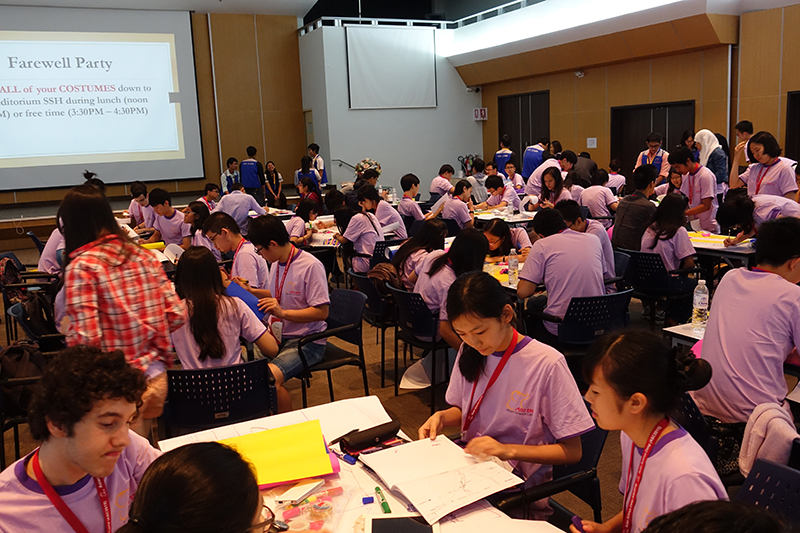
Radio Empowers FarmersIn 2023, 64.2 million East Africans faced acute food insecurity, compounded by communities with low literacy rates, adverse climate instability and poor internet infrastructure. Many lacked the life-sustaining information to aid in the escape from poverty. For Farm Radio International, bridging this gap lies in communication justice, a guiding principle where every person deserves the unalienable right to speak and be informed.

Dialing up Support

Founded in 1975 by George Atkins, Farm Radio International is a Canadian nongovernmental organization (NGO). It works with existing radio stations to improve access to information in sub-Saharan Africa. The organization aims to connect small-scale farmers with life-changing knowledge and opportunities for a stronger voice in their development.

As of 2025, Farm Radio International supports communities across sub-Saharan Africa, a region where approximately 600 million people still lack access to electricity. The charity’s work demonstrates that reducing information loss in rural areas empowers Africans to make informed decisions. This could include knowing when to plant crops, adapting to climate emergencies or addressing health challenges. In sub-Saharan Africa, where 65% of the population relies on radio for news, broadcasters often serve as trusted and vital sources of information.

Following this dynamic, Farm Radio International implemented a network of nearly 1,400 stations across sub-Saharan Africa, all backed by informational resources, content and training. By the end of 2024, the initiative worked with 135 stations across 34 projects, addressing themes like food security, climate flux and gender equality.

Radio Empowers Farmers

Farm Radio International estimates that up to 60% of radio users tune into its programs, with an average of 20% incorporating one recommended practice. While statistically impressive, Farm Radio International prioritizes the impact on individual farmers’ lives. One example in northern Tanzania exhibited how a radio program on agroecology boosted farmers’ average knowledge score about ecologically sustainable agriculture by 62%.

In sub-Saharan Africa, researchers demonstrated how growth from agriculture is 11 times more effective at reducing extreme poverty than any other sector. Therefore, East Africans can expect better nutrition by improving farm systems through increased productivity, higher incomes and broader economic growth. They could also experience increased access to education and a ripple effect of economic activity throughout their communities.

Reflecting on Communication Justice

The vital role of radio as a source of information and support for small-scale farmers in sub-Saharan Africa cannot be overstated. With the longstanding partnership of Farm Radio International and local broadcasters, millions of farmers gain access to life-changing knowledge that empowers them to make informed decisions in the face of challenges like food insecurity.

Through interactive programs and community involvement, these initiatives not only improve agricultural practices but also enhance economic resilience and social equity. As technology continues to evolve, ensuring that radio retains its significance in agricultural communication will be essential for fostering development and empowering marginalized communities across the region.

– Marcus Villagomez

Marcus is based in Galveston, TX, USA and focuses on Technology and Solutions for The Borgen Project.

Photo: Flickr
June 13, 2025
https://borgenproject.org/wp-content/uploads/borgen-project-logo.svg 0 0 Hemant Gupta https://borgenproject.org/wp-content/uploads/borgen-project-logo.svg Hemant Gupta2025-06-13 07:30:302025-06-12 10:28:19Voices of Change: Radio Empowers Farmers in Sub-Saharan Africa
Development, Global Poverty

Human Capital Investment Project Targets Poverty at the Roots

Human Capital Investment Project

In January 2025, Guinea-Bissau launched a $20 million Human Capital Investment Project with support from the World Bank. It aims to reduce poverty through education, health care and social protection investments. As one of West Africa’s most impoverished nations, Guinea-Bissau struggles with food insecurity, low school completion rates and limited access to basic services. Guinea-Bissau’s Human Capital Investment Project tackles these problems by strengthening public systems and targeting support to the country’s most vulnerable communities.

The Human Capital Investment Project

The Human Capital Investment Project initiative will deliver cash transfers to vulnerable households, helping families cover food, school costs and medical needs. It will also distribute school kits to more than 111,000 children to encourage classroom attendance and ease financial pressure on parents. These efforts aim to improve student retention in a country where fewer than 30% of students complete primary school.

The project also expands maternal and child healthcare, especially in rural regions with limited access to clinics. It funds new health workers and social service professionals who support expectant mothers and deliver care in hard-to-reach areas. These trained professionals provide care, help families navigate public services and improve trust in local systems.

The project further supports social programs and community outreach initiatives, fostering long-term development, reducing poverty cycles, and strengthening resilience among Guinea-Bissau’s most vulnerable populations.

Lessons From Similar Poverty-Focused Initiatives

Several global examples show how similar investments can improve the quality of life on a mass scale. In Mozambique, a government-led program in 2022 combined cash transfers with nutrition support, which increased school attendance and child health among impoverished households. Similarly, in Bangladesh, the Maternal Health Voucher Scheme provides prenatal care and financial assistance, helping reduce maternal deaths and increase access to health services.

Kenya also offers a strong example of the likely results of Guinea-Bissau’s project. In 2023, the government trained more than 1,000 community health volunteers who now bring basic medical care and health education to rural families. The program improves access to healthcare services and offers career paths for young professionals in underserved areas.

Guinea-Bissau’s Human Capital Investment Project takes a similar approach to these programs, using targeted investments in people to break the cycle of poverty. Indeed, Guinea-Bissau’s initiative will likely see similar successful results. The project will help build a foundation for long-term economic resilience and better quality of life by focusing on education, health care and social support.

Final Remarks

As the project continues, its success will depend on clear coordination and responsiveness to community needs. However, Guinea-Bissau’s Human Capital Investment Project signals an ongoing shift toward people-centered development. It could offer a model for other countries seeking to improve fragile public support systems and combat systemic poverty.

– Kelsey Eisen

Kelsey is based in San Francisco, CA, USA and focuses on Business and New Markets for The Borgen Project.

Photo: Flickr

June 12, 2025
https://borgenproject.org/wp-content/uploads/borgen-project-logo.svg 0 0 Hemant Gupta https://borgenproject.org/wp-content/uploads/borgen-project-logo.svg Hemant Gupta2025-06-12 07:30:462025-06-14 07:45:01Human Capital Investment Project Targets Poverty at the Roots
Global Poverty, Sports

Soccer Without Borders: How Soccer Is Fighting Poverty

Soccer Without BordersSoccer (football) is regarded as the world’s most popular sport, with massive viewing numbers globally. However, beyond the superstar players’ money and fame, soccer is a powerful tool to combat poverty and create opportunities for marginalized communities. Indeed, around the globe, grassroots soccer programs address critical social issues, from access to education and health care to social inclusion and employment. Here are five global soccer initiatives that have made measurable impacts in reducing poverty and improving lives:

Street Child United

Street Child United (SCU) utilizes soccer as a platform to raise awareness about the struggles of homeless and working children, giving them a voice and helping to secure their rights. SCU’s flagship event, the Street Child World Cup, gathers thousands of vulnerable youths from countries including Brazil, India and Kenya to compete in soccer tournaments alongside workshops on legal rights and advocacy.

Beyond the competition, SCU advocates for vital identity documentation like birth certificates, essential for accessing education and health care. In recent years, SCU has helped secure hundreds of identity documents, impacting children’s ability to attend school and receive medical care. Since its creation, SCU has reached more than 1.4 million in more than 30 countries.

Common Goal

Established by Spanish midfielder Juan Mata in 2017, Common Goal encourages soccer professionals to pledge 1% of their earnings to a collective fund supporting worldwide soccer-based social initiatives. More than 200 players and managers from 48 different nationalities and 60 leagues have joined the movement, contributing to causes such as gender equality, education and social inclusion.

One of the beneficiaries of Common Goal’s funding is Soccer Without Borders in Uganda. More than 1,600 refugee and local youth are served annually by Soccer Without Borders Uganda through soccer, education and community-building programs. In 2023, one of the Soccer Without Borders initiatives, the Kampala Girls League, reached more than 1,000 girls, promoting gender equity and inclusion through soccer.

Kick4Life

Kick4Life is a charity based in Lesotho, a country facing one of the world’s highest HIV rates in the world alongside widespread youth unemployment. The program uses soccer for health education, life skills training and academic support, helping young people improve their chances of escaping poverty. Operating a soccer academy, school and social enterprise hotel, Kick4Life has directly reached more than 200,000 young people with health education programs and HIV testing services.

Additionally, more than 25,000 children have undergone voluntary HIV testing, with more than 1,000 testing positive and receiving ongoing treatment and counseling through referral networks.

Football for Peace

Football for Peace works in fragile and conflict-affected communities worldwide. It uses soccer to bridge ethnic, religious and social divides. Furthermore, Football for Peace runs “peace matches,” educational workshops and leadership camps targeting marginalized youth.

In Colombia, in partnership with the Ankle Foundation and funded by the UEFA Foundation for Children, it implemented a project to promote reconciliation between ex-Revolutionary Armed Forces of Colombia (FARC) combatants and local communities. The initiative involved 615 children of ex-combatants, providing them with soccer training and psychosocial support to facilitate social integration and prevent the resurgence of violence.

Aspire Academy

Aspire Academy, based in Qatar but with a significant scouting and outreach presence in West Africa, identifies promising soccer talent from countries. The Academy provides full scholarships, world-class training facilities, education and nutrition to talented boys from low-income backgrounds. Aspire’s Football Dreams program has scouted more than 3.5 million boys since its inception, with 18 to 20 elite scholarships being handed out annually after a rigorous selection process.

Beyond soccer, the Academy emphasizes academic education and life skills that can help propel young people into a working environment and reduce unemployment. Indeed, many who have successfully reached the Academy have secured professional contracts in Europe and Asia and actively contribute to development in their home communities.

These initiatives help bring change and fight poverty in marginalized and vulnerable regions. As one of the largest sports globally, the reach is limitless, leaving an opportunity for progression. These initiatives are just five examples.

– James Harwood

James is based in England, UK and focuses on Good News and Global Health for The Borgen Project.

Photo: Pexels

June 10, 2025
https://borgenproject.org/wp-content/uploads/borgen-project-logo.svg 0 0 Hemant Gupta https://borgenproject.org/wp-content/uploads/borgen-project-logo.svg Hemant Gupta2025-06-10 07:30:032025-06-10 01:41:53Soccer Without Borders: How Soccer Is Fighting Poverty
Global Poverty, Mental Health, Technology

TikTok Is Addressing Stigma Around Mental Health in the Arab Gulf

Mental Health in the Arab GulfMental health awareness has become increasingly prevalent in the modern day. A study made by the World Health Organization (WHO) in 2019 found that worldwide, 970 million people suffer from mental health issues, predominantly anxiety and depression. Mental health has become a well-discussed issue for much of the Western world. The existence of schemes such as mental health days and mental health first-aiders in the workplace demonstrates many businesses’ commitment to improving their workers’ mental health.

In the Arab Gulf, mental health is often considered a taboo subject. Issues such as depression or trauma can be perceived as shameful and shouldn’t be discussed with others. However, TikTok is now being used as a medium to address this stigma around mental health in the Arab Gulf states.

Perception of Digital Mental Health Campaigns in the Arab Gulf

A 2024 study analyzing responses to a digital mental health awareness campaign in the Gulf Cooperation Council (GCC) demonstrated that mental health remains an incredibly stigmatized topic. The study highlighted prevalently-held beliefs that mental illness does not exist and that such personal issues result from a lack of willpower, laziness or that it is a personal choice to be depressed or anxious.

Many in the survey also asserted beliefs that mental illness holds ties with religious and spiritual deficiencies, proclaiming that issues result from the influences of “Jinn” (evil spirits) or the “evil eye.” They often quoted practices of religious devotion, reciting the Qur’an or regularly praying as the solutions to these problems.

The widespread denial of mental illness throughout the GCC leads to a domino effect of issues, both socially and economically:

  1. Awareness and education around mental health is poor.
  2. Those suffering from issues of anxiety, depression or untreated trauma are unlikely to seek help from either professional services or to confer with others in their communities about their problems.
  3. Without seeking help or as a result of being criticized by others, these issues will likely exacerbate, potentially leading to emotional burnout, job loss, social exclusion or suicide.

Using TikTok To Breach the Stigma Around Mental Health

A few TikTok-based initiatives are currently being used to address the stigma around mental health in the Arab Gulf. As a free and popular digital platform, TikTok is a powerful tool for reaching those without access to formal mental health services. It uses approachable, entertaining ways to promote understanding and communication. Saudi Arabia and the United Arab Emirates (UAE) are the top two countries where TikTok has the most reach, with virtually 138.2% of Saudi Arabia’s population using the platform.

In 2024, TikTok began the “Change-Makers Program.” This initiative promoted creators’ and NGOs’ endeavors using the platform to prompt beneficial community changes. At the program’s launch, TikTok announced a list of 50 of these “Change-Makers,” including the first Change-Maker of UAE, Dr. Jana Bou Reslan. A Lebanese educational psychologist and professor, Bou Reslan has been posting TikTok content since 2022 and has garnered more than 220k followers.

Bou Reslan’s content offers Arabic-language education on how to tackle mental health issues such as high-functioning anxiety and low self-esteem. She also encourages well-being practices and open discussion of mental health. “Good mental health is of utmost importance for thriving communities, influencing everything from education to workplace productivity. Social media has been playing a vital role in reaching out to different audiences and promoting positive and relatable topics within our community,” she said.

Furthermore, in February 2024, TikTok MENAT hosted a Youth Mental Health Awareness Summit in Dubai. The event featured discussions by mental health professionals and TikTok’s safety experts. It focused on how social media can better equip young people in GCC with critical-thinking skills, promote media literacy and strive to build supportive digital communities. These strategies aim to improve the mental well-being of young people while also encouraging the building of digital skills that will improve future job prospects.

Improving Mental Health Awareness Can Help Alleviate Poverty

On the face of it, addressing the stigma around mental health in the Arab Gulf might not appear impactful when it comes to fighting poverty. However, the WHO notes that improving mental health care is inherently linked to reducing inequality and poverty across nations. One of the clearest ways this link manifests is through employment and income potential. Improving employment and income potential. Mental health can have a direct impact on individual employability and the economy as a whole.

According to the 2022 WHO World Mental Health Report, approximately 12 billion workdays a year are lost due to issues associated with anxiety and depression. By promoting open discussions about mental health, introducing workers to stress-reducing techniques and better equipping people for emotional regulation, people are less likely to burn out and hence not lose pay and/or their jobs. Unemployment can also be seen as shameful or indicative of personal failure in the Arab Gulf, especially for men and poor mental health also impacts the ability to find new work.

Another way mental health awareness can contribute to poverty alleviation is by supporting young people. It is estimated that worldwide, one out of seven adolescents exhibit symptoms of mental disorders. In the UAE, 17% to 22% of young people exhibit signs of depression and 28% show symptoms of anxiety. Better mental health awareness and support reduce school dropout rates. Also, by encouraging the diversification of skills in young people into digital literacy, generational poverty can be reduced through new fields of employment. Finally, improving skills in stress management can help with school and work pressures and improve coping skills in economically unstable households.

Final Remarks

In low-income countries, there is roughly one mental health professional per 100,000 persons. With such critically low access to services, free digital-based platforms such as TikTok provide easily accessible education on mental health and culturally appropriate content made in local languages.

They are a good entry point for NGOs looking to help communities. TikTok creators are busy addressing the stigma around mental health in the Arab Gulf to help people learn skills for personal empowerment, provide the means to form digital support networks and give access to advice where formal psychological services are unavailable.

– Reuben Avis-Anciano

Reuben is based in Oxfordshire, UK and focuses on Technology and Global Health for The Borgen Project.

Photo: Unsplash

June 10, 2025
https://borgenproject.org/wp-content/uploads/borgen-project-logo.svg 0 0 Hemant Gupta https://borgenproject.org/wp-content/uploads/borgen-project-logo.svg Hemant Gupta2025-06-10 01:30:022025-06-10 01:16:41TikTok Is Addressing Stigma Around Mental Health in the Arab Gulf
Disability, Global Poverty, Health

Addressing Disability and Poverty in Tunisia

Disability and Poverty in TunisiaAccording to the Multidimensional Poverty Index (MPI), a positive correlation exists between disability and poverty in Tunisia. Disabled people are more than twice as likely to live in poverty. Seventeen indicators determine the MPI, including health care, employment, education, living conditions and physical security. As of 2017, Tunisia’s disability prevalence is approximately 14% within a population of 12 million. Since the 2011 revolution, Tunisia has taken action to reduce disability poverty in its communities. The following article will explain the connection between disability and poverty in Tunisia, amplify Tunisia’s recent achievements in reducing disability-poverty and discuss further improvements.

The Connection Between Disability and Poverty in Tunisia

  1. Educational Setbacks: Mental and physical impairments hinder disabled children from attending school. Oftentimes, educational facilities in developing countries do not have accessible transport for students who require wheelchairs or special equipment. Mental disabilities prevent students from learning at the same rate as their peers. This educational gap has direct links to future unemployment and financial instability for disabled persons. 
  2. Lack of Employment: In Tunisia, 40% of disabled people are unemployed, a critical factor in the prevalence of disability-poverty. Inadequate education, limited legal protection and disability stigma drive unemployment. While the statistic is unknown, women with disabilities are more likely to face discrimination according to the Tunisian General Trade Union.
  3. Poor Access to Health Care: Disabled citizens struggle to obtain quality healthcare. Many healthcare facilities are not wheelchair accessible. Hospitals in developing countries often lack basic equipment such as X-ray machines, exam tables and scales, which prevents service to disabled patients. Healthcare services for disabled patients also tend to be more expensive.
  4. Infectious Disease Prevalence: Infectious diseases, particularly zoonotic diseases, are common in Tunisia and worsen disability-poverty. Specifically, infectious disease may cause disabilities, particularly in childhood, by impairing motor, cognitive and sensory function.
  5. Unsafe Living Conditions: Dangerous environmental factors can instigate disabilities. Poor sanitation and dangerous infrastructure increase the likelihood of developing a physical impairment. Additionally, unsafe living conditions worsen the health of disabled persons, hindering employment and access to special services. This enacts a cycle of poverty. Impoverished conditions worsen disability, and disability encourages poverty’s increase.

Tunisia’s Advancements in Disability-Poverty Reduction

  1. Disability Cards: As of 2012, the Ministry of Social Affairs (MoSA) administers disability cards to Tunisians with physical and mental impairments. These cards allow disabled persons to acquire special services and government protection from discrimination. Disabled persons holding these cards are also ensured transportation, health care, access to recreational areas and employment opportunities.
  2. Government Funding: The Orientation Act 83 is a federal step to prevent disability and poverty in Tunisia. Organizations are funded in their provision of special education, workshops, vocational training and rehabilitation services. A direct effect of this act is the establishment of four special education institutions in Tunisia.
  3. Official Representation: Tunisia’s Convention on the Rights of Persons with Disabilities (CRPD) originated in 2008 and provides government protection to disabled persons. Three stakeholders make up the CRPD: the Ministry of Social Affairs (MoSA), the Ministry of Education (MoE) and the Ministry of Health (MoH). These departments are largely responsible for improving the living conditions of people with disabilities.
  4. Social Organizations: Prior to the 2011 Jasmine revolution, social movements fighting disability-poverty were unheard of. Today, numerous associations exist to protect the welfare of disabled persons. The Tunisian Organization of the Rights of Persons with Disabilities, the Tunisian Association for the Rights of Persons with Disabilities and the Parents and Friends of Persons with Disabilities Association of Tunis are all organizations dedicated to the reduction of disability and poverty in Tunisia.
  5. Election Aid: In 2014, Tunisia implemented the use of sign language in all election-related communication. This applies to voting registration, electoral polls, political speeches and national television programming. In 2019, the country implemented new voting technology — braille and sign language lexicons — further aiding citizens with vision or hearing impairments. As a result, Tunisia’s educational gap is reduced and disabled participation in society has increased.

Barriers in the Fight Against Disability Poverty

  1. Limit Social Stigma: Much of the Tunisian population treats disabled persons as second-class citizens or “charity cases.” Disability stigma results in negative outcomes on employment and educational opportunities for the impaired. Employment’s decrease results in poverty’s increase.
  2. Reliable Enforcement: Although Tunisia has laws to protect the welfare of disabled persons, there is a lack of enforcement of these laws. Disabled citizens’ legal rights are not effectively monitored.
  3. Repair COVID-19 Damage: Disability-poverty increased during the pandemic due to higher unemployment. Not only were jobs harder to find, but disabled persons often require contact assistance, putting them at greater risk for disease transmission. Disabled students struggled with remote education, heightening the education gap. Tunisia’s COVID-19 recovery ended towards the end of 2021, but the impact of the pandemic remains prevalent for the disabled community.
  4. Tunisian Parliament Suspension: The Tunisian Parliament was suspended after the July 25, 2021, constitutional referendum. This suspension has prevented the Parliamentary Commissioner for Persons with Disabilities and other Vulnerable Groups from implementing field programs to aid disability-poverty.
  5. Broaden Disability Diagnosis: Although the disability card has reduced disability poverty in Tunisia, it is difficult to acquire these cards. They are given only after an approved medical assessment. This assessment may not account for all psychological impairments. 

Looking Ahead

Although disability and poverty are still a problem in Tunisia today, significant progress has occurred and points to future improvements. 

– Helen Cusick

Helen is based in Minneapolis, MN, USA and focuses on Good News and Global Health for The Borgen Project.

Photo: Pexels

June 9, 2025
https://borgenproject.org/wp-content/uploads/borgen-project-logo.svg 0 0 Jennifer Philipp https://borgenproject.org/wp-content/uploads/borgen-project-logo.svg Jennifer Philipp2025-06-09 07:30:172025-06-09 01:25:59Addressing Disability and Poverty in Tunisia
Economy, Global Poverty, Poverty Reduction

5 Countries Leading the Fight Against Poverty – And Winning

Fight Against PovertyAround the world, many developing and emerging countries are leading the fight against poverty. Among them, some are achieving remarkable success through innovative strategies.

China 

China has recently made significant investments in rural infrastructure to connect remote populations to economic opportunities, with the ultimate goal of reducing poverty. Between 2006 and 2015, the country, with the support of the World Bank, rehabilitated approximately 1,299 roads. These projects have directly benefited more than 1.3 million people by improving their connectivity and access to essential services. These infrastructure improvements not only enhance access to these essential services but also facilitate economic growth by linking rural areas to larger markets, enabling local businesses to thrive.

Beyond road rehabilitation, China has implemented several other initiatives to enhance rural infrastructure and lead the fight against poverty. For instance, investments in irrigation and drainage facilities have directly improved agricultural production conditions. This is enabling farmers to adjust crop structures, develop large-scale breeding programs and engage in processing and non-agricultural industries, thereby reducing poverty.

Bangladesh

Bangladesh has made significant strides in education and workforce development, increasing literacy rates and creating new job opportunities. The country, still one of the neediest in the world, has been making notable progress through two key areas: education and workforce development. In terms of education, Bangladesh has seen significant improvements in its literacy rate. In 2021, the country’s literacy rate reached 76.36% (15 years old and above), reflecting a 1.45% increase from 2020. This improvement demonstrates the nation’s ongoing efforts to boost educational access and quality.

In addition to its focus on education, Bangladesh has prioritized job creation, with significant growth in the tourism sector. As the industry expands, it is driving the creation of jobs across various fields, “including hospitality, transportation, food services, handicrafts and retail.” This tourism growth is contributing to both economic development and job opportunities, particularly in rural and underserved areas.

Ethiopia 

Ethiopia has been focusing on agricultural development, exemplified by the Agricultural Growth Program. This program has enabled more than 700,000 farmers to benefit from the initiative, leading to a 25% revenue increase. Farmers’ productivity has risen by approximately 10%, contributing to poverty reduction and economic stability in these remote communities.

Furthermore, the International Fund for Agricultural Development (IFAD) collaborates with the Ethiopian government to enhance the population’s living conditions, focusing on agricultural productivity, food security and rural development. IFAD supports smallholder farmers, pastoralists and agro-pastoralists with loans, helping them purchase the necessary equipment to enhance their productivity and escape the cycle of poverty.

Vietnam

Vietnam’s economic reforms and trade liberalization have created millions of jobs and boosted growth. The country was once among the most impoverished in the world. However, its government has achieved remarkable economic growth relatively quickly. Thanks to the Doi Moi campaign, which focused primarily on agricultural reforms, land was redistributed among small farmers, significantly boosting farm productivity and improving food security. This transformation helped lift millions out of poverty and laid the foundation for broader economic development.

However, the reforms extended beyond agriculture. The government implemented measures to reduce the budget deficit, stabilize the economy and attract foreign investment. A key objective was to integrate Vietnam into the global economy by promoting trade liberalization and joining international organizations such as the World Trade Organization (WTO). These efforts led to a surge in exports, the expansion of the manufacturing sector and the creation of millions of jobs, positioning Vietnam as one of the fastest-growing economies in the world.

Rwanda

Rwanda has made significant progress toward achieving universal health care, ensuring that even its most vulnerable citizens can access essential medical services. Since the 1994 genocide, the country has significantly improved health care access, a fact that was evident during the COVID-19 pandemic, when 82% of the population received at least one dose of the vaccine within two years.

Moreover, Rwanda has prioritized the expansion of health care infrastructure to improve accessibility. Since August 2021, the Ministry of Health has established 1,179 health posts nationwide, particularly in underserved communities.

In conclusion, these countries demonstrate that targeted investments in infrastructure, education, agriculture, health care and economic reform can drive significant progress in the fight against poverty. Their diverse strategies offer valuable lessons for other developing nations striving to build more inclusive and resilient economies.

– Eléonore Bonnaterre

Eléonore Bonnaterre is based in London and focuses on Good News for The Borgen Project.

Photo: Pexels

May 10, 2025
https://borgenproject.org/wp-content/uploads/borgen-project-logo.svg 0 0 Hemant Gupta https://borgenproject.org/wp-content/uploads/borgen-project-logo.svg Hemant Gupta2025-05-10 01:30:552025-05-09 04:16:575 Countries Leading the Fight Against Poverty – And Winning
Gender Wage Inequality, Global Poverty

Dismantling Gender Wage Gap in Zimbabwe

Gender Wage Gap in ZimbabweThe gender wage gap in Zimbabwe has had a detrimental impact on women, limiting their economic independence, reinforcing social inequalities and hindering national progress. Although women make up 59.7% of the labor force population, they continue to earn significantly less than their counterparts. This persistent imbalance perpetuates an unstable patriarchal society and denies women full participation in economic growth.

Understanding the Gender Wage Gap

The gender wage gap refers to “the difference between median earnings of men and women relative to median earnings of men.” In Zimbabwe, factors such as unequal access to education influence this difference, with more than 8,000 girls dropping out more than boys. and limited job opportunities. For example, many women work in low-income domestic jobs and earn “less than $5.50 a day.” Even within the same industries as men, women tend to less pay for performing similar work. These statistics are only a partial reflection of what women go through on a day-to-day basis, making it imperative to address the root causes of this inequality.

Root Causes of the Gender Gap in Zimbabwe

  1. Cultural and Social Norms: Patriarchal attitudes significantly dominate many communities in Zimbabwe. Traditional gender roles often prioritize men as breadwinners, while women are expected to take on unpaid caregiving roles. For example, women carry an estimated 79% of the burden of water fetching responsibilities. These norms reduce women’s career prospects and hinder their advancement in the workplace.
  2. Education and Skills Gaps: While gender parity in basic education has improved, disparities persist at secondary and higher levels of education. More girls than boys drop out before completing secondary education, largely due to financial pressure and gendered expectations. Moreover, women are underrepresented. Furthermore, they face difficulties in accessing high-paying, male-dominated (71.21%) careers such as STEM (Science, Technology, Engineering, and Mathematics) fields. This is due to limited access to resources and the prevailing belief that women do not belong in the field.
  3. Discriminatory Work Practices: Lack of enforcement of equal pay laws and limited transparency around wages in Zimbabwe contribute to the gender wage gap and discrimination. Women are less likely to be promoted to leadership roles, even when they have the necessary qualifications and experience. Although Section 65 of the 2013 Constitution guarantees equal pay for equal work, enforcement remains weak. Without accountability, the gender wage gap in Zimbabwe continues to widen.
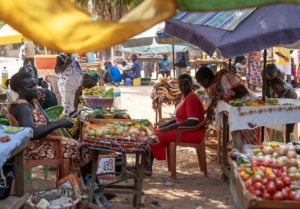
  4. Informal Employment: About 65% of Zimbabwean women work in the informal sector, where wages are often low, unpredictable and unregulated. These jobs usually do not provide social protections such as maternity leave, pensions and health care benefits. For example, only 12.7% of women receive their maternity benefits. Informal employment significantly contributes to the gender wage gap in Zimbabwe. It traps women in low-paying, insecure jobs with no progression.

Steps Towards Closing the Gender Gap in Zimbabwe

  1. Policy Reforms and Enforcement: Zimbabwe introduced the National Gender Payin 2013 and revised it in 2017. Section 65 of the Constitution states “equality in employment and equality of remuneration for similar work among men and women.” This policy aims to eliminate the gender disparities in economic opportunities, including pay, promotion and leadership opportunities. However, implementation remains inconsistent, and more work is necessary to ensure it applies to all. In the education sector, the revitalization of Zimbabwe’s education sector has led to the launch of programs to support female leadership and mentoring in STEM departments, helping more women pursue and succeed in technical careers.
  2. Empowering Women in Leadership: The Zimbabwe Gender Commission (ZGC), established in 2014, actively encourages women’s participation in politics, business and decision-making roles. The commission works to challenge stereotypes, promote women’s rights, empower women economically, raise public awareness and investigate gender-based discrimination. In its 2023 annual report, the ZGC highlighted a key achievement: it conducted targeted training workshops to equip women candidates with the skills and knowledge needed for effective political participation. As a result, 37 women were successfully elected to various political offices.
  3. Promoting Education for Girls: The Girls’ Education Accelerator, launched in collaboration with UNICEF and the Global Partnership for Education, helps girls in Zimbabwe overcome barriers like early marriage and financial hardship. It provides school supplies, menstrual hygiene products and scholarships. Since its implementation, thousands of girls have returned to school and progressed to higher levels of education. These investments equip girls for careers that challenge the traditional income divide.
  4. Support for Informal Workers: The launch of initiatives to provide protections, such as the Women’s Microfinance Bank in 2018, enables women to expand their businesses, move into formal employment and secure financial independence. The Bank provides low-interest loans to women in financial difficulties to empower them economically and socially. By 2021, more than 40,000 women had accessed financial services through the bank.
  5. Public Awareness Campaigns: Organizations like UN Women Zimbabwe and local NGOS run awareness campaigns to shift public attitudes on gender roles, such as releasing a booklet of Impact Stories to encourage support and collaboration. Campaigns focus on challenging stereotypes, promoting shared household responsibilities, creating inclusive economic growth and encouraging men to become allies in gender equality. These efforts aim to reshape cultural norms that sustain the gender wage gap in Zimbabwe.

Looking Ahead

The gender wage gap in Zimbabwe requires further addressing to eliminate it from all aspects of society. Ongoing initiatives and programs have provided hope and empowerment for women that the systemic barriers can be broken down. Empowering women benefits not only them but the nation as well, providing greater stability, prosperity and justice for all Zimbabweans.

– Blessing Nkama

Blessing is based in London, UK and focuses on Politics for The Borgen Project.

Photo: Flickr
May 8, 2025
https://borgenproject.org/wp-content/uploads/borgen-project-logo.svg 0 0 Jennifer Philipp https://borgenproject.org/wp-content/uploads/borgen-project-logo.svg Jennifer Philipp2025-05-08 07:30:482025-05-08 00:59:11Dismantling Gender Wage Gap in Zimbabwe
Page 4 of 67«‹23456›»

Get Smarter

  • Global Poverty 101
  • Global Poverty… The Good News
  • Global Poverty & U.S. Jobs
  • Global Poverty and National Security
  • Innovative Solutions to Poverty
  • Global Poverty & Aid FAQ’s
Search Search

Take Action

  • Call Congress
  • Email Congress
  • Donate
  • 30 Ways to Help
  • Volunteer Ops
  • Internships
  • Courses & Certificates
  • The Podcast
Borgen Project

“The Borgen Project is an incredible nonprofit organization that is addressing poverty and hunger and working towards ending them.”

-The Huffington Post

Inside The Borgen Project

  • Contact
  • About
  • Financials
  • President
  • Board of Directors
  • Board of Advisors

International Links

  • UK Email Parliament
  • UK Donate
  • Canada Email Parliament

Get Smarter

  • Global Poverty 101
  • Global Poverty… The Good News
  • Global Poverty & U.S. Jobs
  • Global Poverty and National Security
  • Innovative Solutions to Poverty
  • Global Poverty & Aid FAQ’s

Ways to Help

  • Call Congress
  • Email Congress
  • Donate
  • 30 Ways to Help
  • Volunteer Ops
  • Internships
  • Courses & Certificates
  • The Podcast
Scroll to top Scroll to top Scroll to top