• Link to X
  • Link to Facebook
  • Link to Instagram
  • Link to TikTok
  • Link to Youtube
  • About
    • About Us
      • President
      • Board of Directors
      • Board of Advisors
      • Financials
      • Our Methodology
      • Success Tracker
      • Contact
  • Act Now
    • 30 Ways to Help
      • Email Congress
      • Call Congress
      • Volunteer
      • Courses & Certificates
      • Be a Donor
    • Internships
      • In-Office Internships
      • Remote Internships
    • Legislation
      • Politics 101
  • The Blog
  • The Podcast
  • Magazine
  • Donate
  • Click to open the search input field Click to open the search input field Search
  • Menu Menu

Tag Archive for: Education

Posts

Gender Equality, Gender Wage Inequality, Global Poverty

Everything To Know About the Gender Wage Gap in Botswana

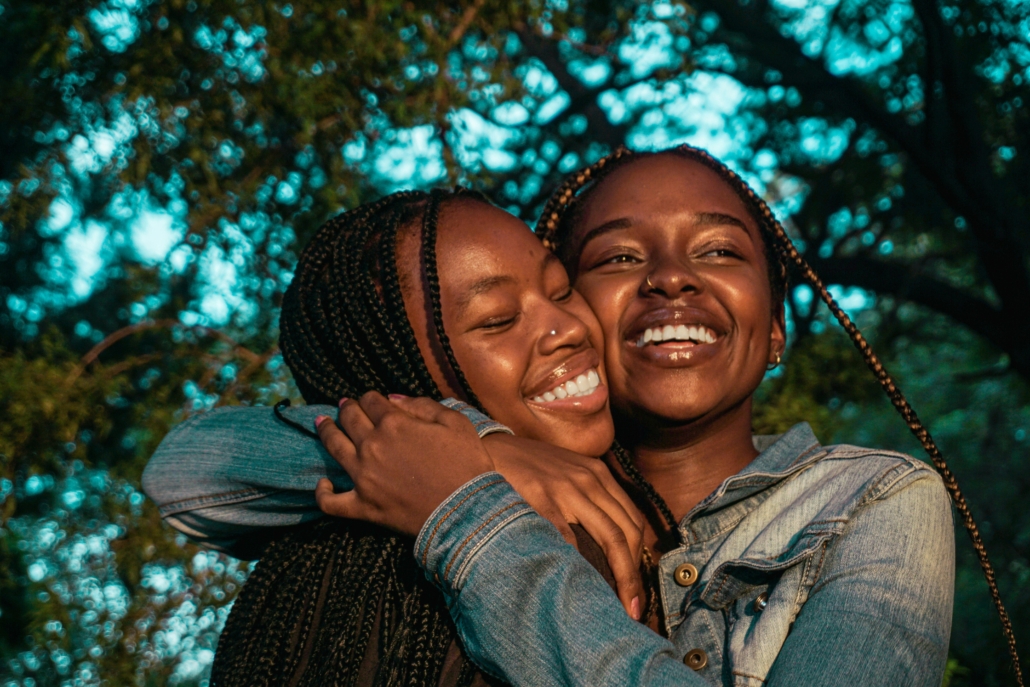
Gender Wage Gap in BotswanaBotswana is an upper-middle-income country in Southern Africa, known for its diverse wildlife. However, for women, the gender wage gap in Botswana persists in employment. Although some policies for women’s rights have made improvements over the years, the country still has further to go in achieving equal pay. 

Wage Differences  

The World Statistics Congress has reported that women in Botswana earn 82.3% of the male average earnings each month. Male citizens earn 17.7% more than their female coworkers, which creates a gender inequality.

According to the World Bank, the Botswana government has commented that it wants to work towards gender equality. In 1996, Botswana supported the UN convention on the Elimination of All Forms of Discrimination against Women. Botswana has also implemented the Economic Inclusion Act of 2021, which aims to help women and targeted citizens contribute to the country’s economic growth.

Legal Acts 

Botswana has implemented some Acts to try and combat the challenges that women face. One of these is the Domestic Violence Act of 2008, which makes domestic violence a criminal offence and helps victims to receive protection. Another piece of legislation in favor of women’s rights is the Abolition of the Martial Power Act of 2004, which abolished the legal right that a husband had over his wife in marriage. 

Botswana has not taken any legal action to protect women from the gender wage gap in Botswana. It still needs to legally address issues such as maternity leave and protecting women from harassment in their jobs. 

The government has shown their support for women in the workplace by supporting programs such as the Women’s Economic Empowerment programme. Oxfam’s program promoted gender equality and aimed to make sure that people valued women’s work.

Disparities for Women in Employment 

Since 1991, vulnerable employment for women has increased in Botswana, as the World Bank reported. Vulnerable employment for women can lead to a lack of social protection and leaves them more at risk of falling into poverty. Among women, vulnerable employment is 29.4%. 

The labor force participation rate for women in 2024 compared to men is less, which could be due to gender-based discrimination. The labor force participation is 73.4% for men and 63.8% for women. However, these statistics are an increase from 1990 statistics.

EntreprenHER Programme 

The EntreprenHER programme is an initiative that is in partnership with De Beers Group and UN Women South African Multi-Country Office. The EntreprenHER programme wants to boost women-owned micro-enterprises across three years until 2026. The program will be across three southern African countries, which are Botswana, Namibia and South Africa. EntreprenHER wants to coach 1,500 women entrepreneurs by 2026. 

This is a move in the right direction for the closing of the gender wage gap in Botswana since it gives women more training to become their own entrepreneurs. Botswana currently has overtaken targets and now has 159 women with capacity building in Improve Your Business training. 

A participant of the program from Botswana, Lemogang Bathobasele, who owns a business called Car Diagnosis Solutions & Repairs and is a mechanic, has said, “I look forward to implementing what I learned this week and growing my business to hire more women electricians.” 

Women’s participation in male-dominated fields helps Botswana become closer to achieving gender equality since this program gives them opportunities in the field that they may not have had otherwise.

Education and Opportunities  

Human Development reports have noted the inequality between men and women in Botswana. Parliament comprises 8.5% women and 91.5% men. This demonstrates the lack of opportunities women receive compared to men which widens this issue of the gender wage gap in Botswana. 

Girls in Botswana have a higher rate of completing lower secondary education, with 90.3% of girls as of 2022 completing lower secondary education compared to boys, which is 86%. This could be considered a move forward with girls receiving their education, which can help them to obtain better-paying jobs. 

The World Bank has stated that many poorer and less educated women work in the private sector but also unpaid family work. This illustrates how women in poverty are more susceptible to the gender wage gap in Botswana.

Bridging the Gap 

While Botswana is actively making changes to their country and creating legal acts to improve women’s rights, it is evident that there is still further to go to close the gender wage gap in Botswana. With the help of programs like EntreprenHER, Botswana will be able to work towards a closer bridge in the gender wage gap.

– Alice Haston

Alice is based in Liverpool, UK and focuses on Good News and Global Health for The Borgen Project.

Photo: Unsplash
August 8, 2025
https://borgenproject.org/wp-content/uploads/borgen-project-logo.svg 0 0 Jennifer Philipp https://borgenproject.org/wp-content/uploads/borgen-project-logo.svg Jennifer Philipp2025-08-08 07:30:492025-08-08 05:14:56Everything To Know About the Gender Wage Gap in Botswana
Artificial Intelligence (AI), Education, Global Poverty

How AI Is Improving Education Systems in the DRC

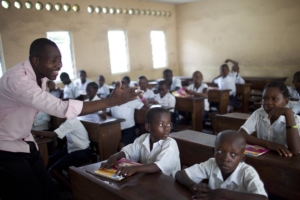
Education in the DRCThe Democratic Republic of Congo (DRC) is enduring one of the most complex humanitarian disasters of modern times. Amid a brutal conflict, political corruption and the pursuit of natural resources, the children of the DRC currently face a raft of life-threatening challenges.

A Nation of Paradox

Despite the DRC being the world’s largest cobalt producer and rich in many natural resources, 28 million Congolese civilians are experiencing acute food insecurity. At a time of great struggle, the people of the DRC suffer at the hands of one of the most persistent and far-reaching conflicts in Africa. An estimated 7.8 million civilians have been internally displaced. At the same time, schools, homes and public infrastructure are destroyed in pursuit of land and resources.

Following years of colonial rule, President Félix Antoine Tshisekedi Tshilombo is accused of contributing to a status quo that perpetrates human rights violations against his people. Hence, DRC ranks among the highest globally in corruption, where wealth fuels conflict and extraction rather than public and economic development. Not only have these issues created an ongoing humanitarian crisis, but they also contribute to unemployment and poverty. More than 70% of the Congolese population lives on less than $2.15 per day.

Education Systems in the DRC

These immense challenges have shattered the education system in the DRC. Around 7.6 million children and half of all girls between the ages of 5 and 17 no longer attend school. Many struggle to complete their studies due to barriers like resource shortages, long distances or economic challenges.

With many schools and education systems destroyed, those operating in the DRC often struggle with overcrowding and underfunding, severely limiting education quality amid ongoing economic and social instability. These compounded challenges lead to low enrollment rates and expose children to serious risks. These include forced recruitment, child labor, violence and deepening poverty, harsh realities in a country where daily survival is already a struggle.

The AI Revolution in Africa

In a changing Africa, AI is set to play a significant role in addressing the challenges faced within public education. By bridging the digital divide and increasing access to quality schooling, AI platforms could prepare students more fully for the demands of a fairer workforce. African EdTech startups have grown rapidly in recent years, offering content that supports learning and teaching in diverse settings. Many now provide materials in African languages and dialects, helping re-empower local communities during uncertain times.

Yet, regardless of AI’s undeniable potential, the DRC ranked 181st globally on the AI Government Readiness Index between 2023 and 2024. This low ranking reflects widespread concerns about government effectiveness and the scalability of AI in underserved rural areas. Despite these hurdles, AI-powered tools now facilitate opportunities for basic educational tools tailored with digital platforms such as Schoolap. These platforms show promise at a time when the DRC’s education system is facing existential threats.

Schoolap

Since its founding in 2017, Schoolap has expanded rapidly, especially after the COVID-19 pandemic accelerated digital learning. The platform now features more than 20,300 educational resources, 6,000 partner schools, 1.9 million registered students and around 105,000 participating teachers across six provinces.

In the face of these many great challenges, by engaging students with innovative adaptive learning platforms, AI is providing children with new and efficient means of education. These means are easier to access and less dependent on their location or socioeconomic status. The app requires users to complete an account form to access its content. This form identifies the learner’s level of study, after which they can access online courses in multiple formats, designed for both primary and secondary students and educators.

Conclusion

The Schoolap platform offers a simple solution as Congolese schools continue to close. It combines digital curriculum management with interactive tools that can address the growing needs of the faltering education systems in the DRC. While the road to long-term safety and security is dangerous, platforms such as Schoolap reveal promising new pathways. They offer more accessible education for the children of a nation deeply affected by war, corruption and the mismanagement of public resources.

– Gabriel John Gunn

Gabriel is based in Paisley, Scotland and focuses on Technology and Global Health for The Borgen Project.

Photo: Flickr

August 8, 2025
https://borgenproject.org/wp-content/uploads/borgen-project-logo.svg 0 0 Hemant Gupta https://borgenproject.org/wp-content/uploads/borgen-project-logo.svg Hemant Gupta2025-08-08 01:30:152025-08-07 10:25:58How AI Is Improving Education Systems in the DRC
Education, Global Poverty

buildOn: Education To Help End Global Poverty

buildOnFor nearly 35 years, buildOn has worked globally to develop programs and build schools, using education as a tool to help end global poverty. Its efforts fuel a broader movement that provides developing countries with the resources to educate their populations properly.

An Overview of buildOn’s Impact

Since 1991, buildOn has been using education to help end global poverty. The organization has constructed more than 2,500 schools throughout its history, impacting more than 346,000 lives.

With the support of global donors, buildOn forms strong partnerships to expand its impact across multiple countries. In 2023, the organization set a new record for the number of schools built worldwide. It extended its literacy programs’ reach in new and existing schools.

Education as a Tool To End Global Poverty

buildOn partners with donors to fight global poverty by building schools in underserved rural communities. Its mission targets regions where access to education remains limited, focusing on countries with the greatest economic need.

Current buildOn school locations include:

  • Burkina Faso
  • Guatemala
  • Haiti
  • Malawi
  • Mali
  • Nepal
  • Nicaragua
  • Senegal

These countries face some of the highest poverty rates globally, with large segments of the population lacking access to quality education. Through its programs, buildOn works to close this gap and create pathways to opportunity for future generations.

Bridging the Education Gap for All Ages

buildOn’s education programs aim to eliminate discrimination in access to education by partnering with rural communities to educate people of all ages, from children to adults and seniors. In Burkina Faso, buildOn’s schools face significant challenges. Many rural areas lack basic infrastructure, forcing students to walk long distances to attend properly built schools in neighboring villages.

To break the cycle of poverty and lack of access to good education, buildOn aims to construct as many fully equipped schools as possible, ensuring each village has proper classrooms in underserved regions. When education becomes accessible to everyone, the chances of lifting communities out of poverty increase significantly. Many children who might otherwise drop out due to distance or poor facilities can now attend school and receive the education they deserve.

buildOn also supports adult learners through re-education programs that equip working adults with essential literacy and numeracy skills to improve their job prospects. In many rural communities, women comprise most adult participants, reflecting buildOn’s focus on empowering women. These programs boost economic opportunities and promote gender equality by giving women a stronger voice in their households and communities.

Final Remarks

Overall, buildOn’s programs aim to end global poverty by eliminating barriers to education through large-scale school development in rural areas. By partnering directly with local communities, buildOn ensures that each school is sustainably built and locally supported. These efforts provide children and adults with lifelong learning opportunities and help communities gain the tools needed to break generational cycles of poverty.

– Angelina Tas

Angelina is based in Cleveland, OH, USA and focuses on Good News and Technology for The Borgen Project.

Photo: Flickr

August 5, 2025
https://borgenproject.org/wp-content/uploads/borgen-project-logo.svg 0 0 Hemant Gupta https://borgenproject.org/wp-content/uploads/borgen-project-logo.svg Hemant Gupta2025-08-05 01:30:402025-08-04 14:42:23buildOn: Education To Help End Global Poverty
Development, Global Poverty

The Impacts of The Smart Rwanda Master Plan

Smart Rwanda Master PlanRwanda continues to make remarkable progress in 2025 by advancing the Smart Rwanda Master Plan. It is a comprehensive national blueprint for the country’s transformation into a knowledge-based economy. This plan coordinates multiple initiatives in clean energy, digital connectivity, education, health and entrepreneurship. Smart Rwanda links urban innovation with rural development to reduce poverty and promote inclusive growth.

While Smart Rwanda serves as the strategic framework, ongoing projects such as the Digital Acceleration Project, Kigali Innovation City (KIC) and the Electricity Access Rollout Program (EARP) demonstrate how Rwanda operationalizes this vision to uplift rural communities and empower youth and women.

Bringing Power to Classrooms and Rural Villages

Through the EARP, Rwanda’s Ministry of Infrastructure aims to electrify nearly 1,000 rural primary schools with off-grid solar power systems by the end of 2025. These installations provide lighting, laptop charging and digital tools that extend study hours and improve learning outcomes in remote regions.

Through public-private partnerships, Rwanda also expanded solar mini-grids to more than 45 villages in the Bugesera District. MeshPower, a key stakeholder, delivers reliable electricity to households and small enterprises. Locals report that access to power has doubled family incomes and created jobs by enabling new economic activities like phone charging stations and tailoring shops.

Expanding Clean Cooking Solutions and Green Model Villages

In partnership with the United Nations Development Program (UNDP) and HomeBiogas, more than 500 Rwamagana and Ngoma Districts households installed biogas digesters. These convert organic waste into clean cooking fuel, reducing firewood use by about 80%. This improvement enhances indoor air quality, reduces respiratory illnesses and saves women and children hours previously spent collecting firewood.

Rwanda scaled its Green Model Village program by upgrading several villages with off-grid solar power systems. These provide reliable electricity and rainwater harvesting installations that ensure year-round clean water access. Furthermore, they provide improve sanitation facilities, eco-friendly toilets and newly built or renovated health posts offering essential medical services. These targeted improvements enable schools to extend learning hours with electricity, reduce waterborne diseases through better hygiene and create local jobs by supporting small-scale agriculture and clean energy enterprises.

Accelerating Electricity Access and Digital Transformation 

Rwanda has rapidly increased electricity access from 6% in 2009 to 75% in 2024 through the EARP. The government leads this effort with strong institutional support from the Ministry of Infrastructure, Rwanda Energy Group and the Development Bank of Rwanda. With more than $1.4 billion in funding, around $750 million from the World Bank, the program combines grid and off-grid solutions to reach underserved areas. Performance contracts ensure accountability as Rwanda moves toward universal electricity access.

Rwanda’s $200 million Digital Acceleration Project, running from 2022 through 2026, further advances Smart Rwanda’s vision. By July 2025, the project reached 55% completion, expanding broadband infrastructure, improving digital public services and fostering innovation ecosystems. This initiative enhances connectivity in rural and urban areas, empowering citizens and businesses to participate in the digital economy.

Building KIC

KIC is a flagship Smart Rwanda project focused on transforming Rwanda into a regional technology and knowledge hub. In May 2024, the Government of Rwanda signed an implementation agreement with the Rwanda Development Board and Africa50 to accelerate KIC’s development. The 61-hectare smart city aims to host universities, research institutions, technology companies and innovation hubs, creating jobs and fostering entrepreneurship for young Rwandans.

Supporting Women and Youth

Smart Rwanda prioritizes gender equality and youth empowerment through targeted skills training and entrepreneurship programs. The World Bank’s $200 million Priority Skills for Growth and Youth Empowerment initiative benefits more than 200,000 young people. The initiative provides young women with market-ready skills and improves access to education.

Projects like Youth Entrepreneurship for the Future of Food and Agriculture generate thousands of jobs and increase female participation in economic activities, aligning closely with Smart Rwanda’s inclusive growth objectives.

A Scalable Model for Rural Development

The Smart Rwanda Master Plan unites infrastructure, digital innovation, energy, education, health and social services into one coordinated framework. The government collaborates closely with international partners, technology providers and communities to ensure that development benefits reach all citizens.

By advancing this master plan, Rwanda offers a replicable blueprint for other countries seeking sustainable and inclusive rural poverty reduction. The continued implementation of Smart Rwanda initiatives in 2025 shows that thoughtful planning and multi-sector collaboration can effectively combat poverty and foster long-term prosperity.

– Kelsey Eisen

Kelsey is based in San Francisco, CA, USA and focuses on Business and Technology for The Borgen Project.

Photo: Flickr

August 4, 2025
https://borgenproject.org/wp-content/uploads/borgen-project-logo.svg 0 0 Hemant Gupta https://borgenproject.org/wp-content/uploads/borgen-project-logo.svg Hemant Gupta2025-08-04 14:00:552025-08-04 13:45:46The Impacts of The Smart Rwanda Master Plan
Education, Global Poverty

Education Reform in Rwanda

Education Reform in RwandaLearning poverty, as defined by the World Bank, is the inability of a child to read and comprehend an age-appropriate text by age 10. This has been a long-standing issue across Africa, with 89% of children experiencing learning poverty throughout Eastern and Southern Africa alone, an issue that was worsened due to the pandemic. However, education reform in Rwanda has helped improve the chances of students to thrive, from creating a more inclusive space to adding training to prepare students for real-world challenges.

Reform: A Little Means a Lot

One approach to education reform in Rwanda is a targeted strategy. Educational reform is a complex process that often attempts to address multiple issues simultaneously. As a result, progress tends to happen gradually and in small increments. However, with help from Educate!, a youth employment and skill-building organization founded by Eric Glustrom and Boris Bulayev, Rwandan schools have focused their efforts on one change in the curriculum: Entrepreneurship. A mandatory class for the upper-secondary school level, Educate! focused its efforts on practical learning rather than memorization and theory.

As of May 16, 2024, the reform has reached every secondary school in Rwanda, impacting 165,000 students annually. Teachers who incorporated the curriculum change and utilized student-centered techniques saw improvement in their students’ soft skills, which are closely linked to workplace success, such as patience and perseverance. In short, narrowing the scope of reform and focusing on one change at a time might sound like a short-term plan, but its benefits can be seen in the long term.

Expansion: Accessibility Is Key to Attendance

Educational reform is an excellent start, but another problem within Rwandan schools is the overcrowding. A typical primary classroom in Rwanda held an average of 73 students. Keeping that many students in one classroom, it becomes clear that not every student will receive the necessary attention they deserve to succeed.

However, thanks to a team-up with the World Bank, Rwanda has added more than 22,500 new classrooms across the country, decreasing the average from 73 students per class to 49. Another bonus of the expansion efforts is that an additional 68,000 students between the ages of 5 and 14 can now access school within a two-kilometer radius, which significantly aids their attendance and energy to learn.

Inclusivity: No Child Will Be Left Behind

Another important step in improving Rwanda’s education has been to sustain a more inclusive environment. This includes adding wheelchair ramps to the newly added schools and gender-segregated bathrooms, which gives students easier access to sanitation and a safe school environment.

In addition to physical changes within the school, Rwanda is also taking measures to introduce early identification of disabilities among students so that they can get the help they need. The Global Partnership for Education has helped Rwanda digitalize educational content and support technology‑based teaching, improving children’s reading and pronunciation skills.

Conclusion

Education reform in Rwanda has come a long way in the past couple of years. Efforts to improve education across Africa have had their fair share of successes and setbacks. However, with the help of global organizations, Rwanda is seeing incredible improvement in keeping up with an ever-evolving environment.

– Matthew Perduk

Matthew is based in Chantilly, VA, USA and focuses on Good News, Global Health for The Borgen Project.

Photo: Wikimedia Commons

August 1, 2025
https://borgenproject.org/wp-content/uploads/borgen-project-logo.svg 0 0 Hemant Gupta https://borgenproject.org/wp-content/uploads/borgen-project-logo.svg Hemant Gupta2025-08-01 03:00:142025-08-01 04:43:43Education Reform in Rwanda
Foreign Aid, Global Poverty, Health

USAID Programs in Côte d’Ivoire

USAID Programs in Côte d'IvoireFrom its establishment in 1961, the United States Agency for International Development (USAID) has been at the forefront of civilian aid and assistance for developing countries. USAID programs in Côte d’Ivoire have increased health, peace, education, political stability and gender inclusivity. But, the nation still has many major problems, from malaria incidence to domestic tranquility, to overcome with the help of USAID. Since the agency’s dissolution, data and documents about its work have become increasingly scarce.

Health Initiatives in Côte d’Ivoire

Côte d’Ivoire has many health issues. Malaria and maternal mortality are specific challenges to the country’s health security. USAID programs in Côte d’Ivoire are focusing on its health security by tackling these and other problems such as HIV/AIDS and child health. USAID training and education initiatives have rapidly increased the learning and adaptation of medical practices, even while the country spends just 3.13% of its GDP on health care. This has led to a more resilient and adept health care system which is seeing better performance every year.

Two Food for Progress USAID programs began that increase food security for the country by processing crops locally instead of exporting raw crops to be processed. This incentivizes more regional trade and partnerships that unify the economic activities of the regions.

Promoting Peace & Education Côte d’Ivoire

Côte d’Ivoire is still healing its wounds from the Second Ivorian Civil War that began with post-election conflict and ended in 2011, which resulted in a UN/French/Ouattara victory (Ouattara being the current illegitimate president’s opposition leader). The U.S. Secretary has recently provided more than $45 million “to help Côte d’Ivoire and its neighbors prevent conflict and promote stability in the face of regional threats.” The U.S. has recently been successful in laxing tensions in the Coastal West Africa region and has provided nearly $300 million in assistance to accomplish such.

The new Millennium Challenge Corporation Compact with the Côte d’Ivoire, valued at $536.7 million, has two major parts:

  1. Accelerate transportation projects aimed at stimulating the country’s short-term economic growth and employment.
  2. Fund educational initiatives to support projects and programs for the youth of the country.

In the education sector, Côte d’Ivoire has successfully brought its primary school enrollment to 102% of the gross population considered of age to be going to primary school. This figure is up from 55% in 1970. The U.S. embassy in Abidjan also offers educational programs for the nation to advance their studies in the U.S. or abroad, including Fulbright Fellowships, Mandela-Washington Fellowship and EducationUSA.

Political Transition & Inclusion in Côte d’Ivoire

The U.S. is strengthening democracy and governance in Côte d’Ivoire through institution building. Politically, there is a major emphasis on greater inclusion of women and youth as these historically marginalized groups will be playing a larger role as the country further develops. Protecting and promoting their rights concurrently increases the country’s political stability and security.

USAID programs in Côte d’Ivoire were actively enabling the $14.2 million Political Transition and Inclusion program, whose goal is to support “national and local government efforts to be more inclusive of citizens’ democratic ambitions, and responsive to their needs and concerns.” This program specifically identified the disconnect between the government and citizens being the most significant challenge the country faces. No current data or documents could be found about the program’s current performance. Beyond this and other USAID initiatives, many more projects exist that incentivize community resilience, modernizing the justice system, and free and fair elections.

Final Thoughts

Côte d’Ivoire has made significant developmental progress, specifically within health care and domestic stability. Whether USAID programs in Côte d’Ivoire make a lasting impact will be seen in the 2025 October elections and future equity and economic metrics.

– Aedan Bingham

Aedan is based in Worcester, MA, USA and focuses on Business and Global Health for The Borgen Project.

Photo: Flickr

July 30, 2025
https://borgenproject.org/wp-content/uploads/borgen-project-logo.svg 0 0 Jennifer Philipp https://borgenproject.org/wp-content/uploads/borgen-project-logo.svg Jennifer Philipp2025-07-30 03:00:102025-07-29 16:07:03USAID Programs in Côte d’Ivoire
Children, Global Poverty, Hunger

#67Strong4Kids: Jennifer Garner Takes Strides of Hope

#67Strong4KidsJennifer Garner, an actress and Save the Children trustee, ran 67 miles in a powerful show of support for the organization’s global efforts to treat children suffering from malnutrition. Garner ran a mile each day for 67 days through the #67Strong4Kids campaign, a fundraising challenge to raise awareness for the $67 it would take to support a child with malnutrition. The challenge was to raise awareness of the costs to provide a complete, six-week course of therapeutic food that could save the life of a severely malnourished child.

Garner has been working as a Save the Children artist ambassador for more than a decade. On Sunday, June 22, she was joined in Santa Monica, California, by Peloton instructor Becs Gentry and hundreds of supporters who took strides of hope to raise awareness and funds for children suffering from malnutrition. This was the final stretch of the run, sponsored by Brooks Running. The attendance was to support the charity’s efforts to provide ready-to-use therapeutic food (RUTF) to children in danger of going hungry globally.

“I’m feeling emotional and just really grateful — grateful to people for seeing what I was doing and either joining in or cheering me on,” says Garner. “It just feels like a nice intention to be out there.”

Child Malnutrition

Around the world, one in five deaths among children aged below 5 is associated with severe acute malnutrition. This condition can cause permanent damage to children’s physical and cognitive development and make them more susceptible to illness.

Garner says, “With climate disruptions, conflict and inequality, more children than ever are suffering from the effects of severe malnutrition, a condition that is preventable and treatable. Our 67 runs may be behind us, but the race for kids’ futures is ongoing. Together, we can help. For only $67, a child can receive a six-week course of RUTF and along with it, a chance at a healthier future. Thank you for partnering with Save the Children by joining with Becs Gentry and me. You are part of the solution!”

As of June 22, the #67Strong4Kids campaign has raised $500,000 to support severely malnourished kids globally.

Garner’s Advocacy Efforts

Garner has advocated on Capitol Hill and brought Save the Children’s early childhood education programs to her state of West Virginia. She traveled to Arkansas, California, Kentucky, Mississippi, South Carolina, Tennessee and Washington to meet with lawmakers, press and philanthropists to raise awareness for the foundation.

Conclusion

Jennifer Garner shared that her decision to run every day “was a small promise that I could keep to myself every day, but would be meaningful for me.” She has set a groundbreaking example by taking strides of hope, where each stride counts.

Her drive to take initiative and accept the #67Strong4Kids challenge has inspired countless runners and fans. Through all of its participants, Save the Children has acquired some of the resources needed to support malnourished children globally.

– Abirame Shanthakumar

Abirame is based in Ontario, Canada and focuses on Celebs for The Borgen Project.

Photo: Wikimedia Commons

July 29, 2025
https://borgenproject.org/wp-content/uploads/borgen-project-logo.svg 0 0 Hemant Gupta https://borgenproject.org/wp-content/uploads/borgen-project-logo.svg Hemant Gupta2025-07-29 07:30:562025-07-29 01:35:59#67Strong4Kids: Jennifer Garner Takes Strides of Hope
Foreign Aid, Global Poverty, USAID

USAID in Ghana: Cuts Could Undermine Progress

USAID in GhanaGhana is entering a critical crossroads. What began as a sudden freeze on U.S. foreign assistance has halted some of the country’s most vulnerable development areas, including health, education, agriculture and governance. With a projected $156 million funding gap, Ghana’s hard-won progress is in jeopardy.

USAID in Ghana

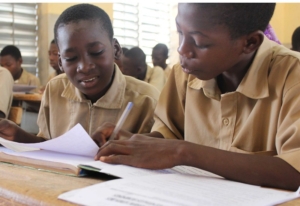
Until recently, USAID contributed about $150 million per year to Ghana. The organization funded efforts in maternal and child health, HIV/AIDS and malaria treatment, education accountability and climate-smart agriculture programs through Feed the Future and other initiatives. Other key programs, such as the Strengthening Accountability in Ghana’s Education System (SAGES), have been suspended, putting the quality of education and support systems for thousands of students at risk.

The Resilience in Northern Ghana (RING II) Systems Strengthening Activity, a $21.9 million initiative being implemented (2022 to 2027), is one of the most severely impacted programs. This initiative aimed to improve nutrition, strengthen economic resilience and improve local governance systems in northern Ghana. It collaborated with 17 district assemblies to enhance health, education and social protection services delivery. Undoubtedly, the USAID has been a critical partner to Ghana for many years, enhancing the livelihoods of millions of Ghanaians with these funds.

Widespread Effects Across Sectors

In Ghana’s fisheries sector, USAID-backed plans for the first Marine Protected Area were abruptly canceled. The cancellation imperiled local economies dependent on small pelagic fish like sardines, anchovies and mackerel, which make up about 60% of local fish landings and serve as a primary protein source for millions.

In agriculture, programs that provided seed, training, climate-smart methods and agribusiness support to rural farmers have stopped, jeopardizing food security in regions already suffering from poverty and climate shocks.

Governance initiatives such as the Performance Accountability Activity (PAA) have also been paused, weakening transparency and citizen participation at the district level. While Ghana’s “Ghana Beyond Aid” agenda gains momentum, the sudden withdrawal of U.S. support highlights the difficulty of fulfilling development goals in fragile systems dependent on international partnership.

Local and Multilateral Allies Step In

John Mahama, President of the Republic of Ghana, has ordered urgent action. He has prompted the government to uncap the National Health Insurance Levy, raising GH¢4.2 billion ($300 million) to fill the USAID funding gap in health services. Some local and multilateral organizations have also stepped in to mitigate the impact. The African Development Bank (AfDB) and SEND Ghana have emerged as critical lifelines during this transition, leveraging financial power and policy advocacy.

In late 2023, the African Development Fund, the concessional arm of the AfDB, approved a $102.6 million budget support grant to Ghana’s Ministry of Finance. The funding stabilized public finances and supported critical health, agriculture and infrastructure sectors. Beyond emergency support, AfDB maintains an active project portfolio worth more than $800 million, financing 23 programs nationwide. By 2025, AfDB had committed to deepening investment in Ghana’s transport systems, private sector innovation and cybersecurity infrastructure, signaling a long-term vision beyond stopgap relief.

Meanwhile, SEND Ghana, a local nonprofit focusing on health equity and budget advocacy, has pressured Parliament to make pro-poor spending a national priority. SEND Ghana calls for the transparent use of revenue from the National Health Insurance Levy. It is pushing for those funds to plug gaps in maternal health, school feeding and public education left behind by USAID’s departure. By issuing regular policy briefs and engaging directly with lawmakers, SEND ensures the country’s most vulnerable citizens don’t fall through the cracks during this funding transition.

SEND Ghana applauded the government for uncapping the National Health Insurance Levy (NHIL) and allocating about $8.8 million to the National Health Insurance Fund (NHIF) in the 2025 budget. The organization described it as a significant step toward sustainable health care financing. It also viewed it as progress toward transparent, inclusive and accountable governance.

Final Remarks

An analysis by the Center for Strategic and International Studies (CSIS) noted that halting foreign aid weakens U.S. geopolitical influence and undercuts global security efforts. Foreign assistance isn’t charity, it’s strategic infrastructure.

– Dela Michel

Dela is based in Rockville, MD, USA and focuses on Good News for The Borgen Project.

Photo: Unsplash
July 29, 2025
https://borgenproject.org/wp-content/uploads/borgen-project-logo.svg 0 0 Hemant Gupta https://borgenproject.org/wp-content/uploads/borgen-project-logo.svg Hemant Gupta2025-07-29 07:30:252025-07-29 02:07:48USAID in Ghana: Cuts Could Undermine Progress
Business, Entrepreneurship and Business, Global Poverty

Devin Hibbard Dismantles the Poverty Cycle With Entrepreneurship

Devin HibbardDevin Hibbard is the cofounder and CEO of BeadforLife and Street Business School. She has demonstrated the power of seeing people’s talents and transforming them into beautiful businesses that help them get out of the poverty cycle.

The Power of Belief

When Devin Hibbard was 19, she traveled to Nepal on a medical relief trip with her parents. There, she witnessed her father save a woman’s life after childbirth. However, just days later, the woman passed away. That moment challenged Hibbard’s worldview.

She began to question everything, feeling the weight of how deeply unfair life can be and lost much of the belief she once held. Since then, Hibbard says she has worked hard to rebuild that belief. “And through working with women living in unspeakable poverty,” she shares, “I’ve learned a lot about the power of belief.”

One Necklace Turned Into One Mission

Later, Hibbard traveled to Uganda and met a woman named Millie, who made jewelry from discarded paper. During the civil war, Millie headed to the slums and did whatever she could to survive. Hibbard bought a necklace from Millie and before leaving Uganda, she and her mother purchased necklaces from each of the 100 women living in the mud homes of the slum.

Once she returned to the U.S., Hibbard hosted an event where she sold the beads. The event was so successful that it inspired her to return to Uganda and launch BeadforLife in 2004, a nonprofit organization that helps women dismantle the poverty cycle through entrepreneurship.

Providing the Tools To Succeed

To provide people in developing countries with the tools to become successful entrepreneurs, Devin Hibbard founded Street Business School. While BeadforLife helped women earn income through jewelry-making, Hibbard realized a more structured approach to business education was needed.

Street Business School (SBS) offers programs in valuable skills to people of all ages, genders and countries. Today, it partners with organizations in 37 countries. It has empowered more than 92,000 individuals, helping to break the cycle of poverty through sustainable change.

Hibbard’s vision for Millie and her beads in Uganda blossomed into a nonprofit that is transforming the lives of thousands, helping them dismantle the poverty cycle. It’s important to recognize that overcoming poverty often requires more than just financial support. It involves providing essential resources and knowledge that empower individuals to achieve long-lasting success.

Knowledge is very powerful, but so is the act of believing, both in oneself and others. By instilling this belief, people can create opportunities that lead to profound change. Together, society can achieve far more than we ever imagined.

Conclusion

Hibbard’s work is a powerful reminder that dismantling the poverty cycle isn’t about charity but unlocking potential. Through entrepreneurship, education and unwavering belief in human capability, she’s helping thousands rewrite their futures. Her impact proves that with the right tools and mindset, lasting change is not only possible, it’s inevitable.

– Knia Parks

Knia is based in Pepper Pike, OH, USA and focuses on Good News for The Borgen Project.

Photo: Flickr

July 29, 2025
https://borgenproject.org/wp-content/uploads/borgen-project-logo.svg 0 0 Hemant Gupta https://borgenproject.org/wp-content/uploads/borgen-project-logo.svg Hemant Gupta2025-07-29 07:30:122025-07-29 01:46:22Devin Hibbard Dismantles the Poverty Cycle With Entrepreneurship
Conflict, Global Poverty, Refugees and Displaced Persons

Positive Developments at Zamzam Camp in Sudan

Zamzam Camp in SudanZamzam refugee camp is approximately 15 kilometers outside El-Fasher, North Darfur, in southwestern Sudan. Many consider this camp to be the largest camp for internally displaced people (IDP) in the world. The government and humanitarian organizations established Zamzam in 2004 to respond to the surge of displaced individuals caused by the outbreak of conflict in the Darfur region.

Zamzam began as a temporary shelter for those fleeing conflict, violence and devastation. Since then, Zamzam has grown into an expansive settlement, hosting 120,000 people, including 54,000 families. Here are six facts about positive developments at Zamzam camp for IDPs in Sudan, despite its current instability.

Education for Children

According to the European Union External Action (EUAA), almost 30 schools within the camp contribute to educating 25,000 enrolled children. Many children in this camp have never been outside due to the conflict, making these schools incredibly important for their development and education.

Support for Children

The United Nations Children’s Fund (UNICEF) has supported children within Zamzam, successfully creating Child-Friendly Spaces (CFS). These safe places aim to help in dealing with the stream of traumatized children and teenagers arriving at this refugee camp. According to UNICEF, an average day in CFS entails taking their minds off the horrors going on throughout the country by working with psycho-social support workers.

Community-Led Initiatives

Despite the conflict and siege, the community has come together to assist in positive developments at Zamzam by helping supply the refugees with food and water. The United Nations (U.N.) has interviewed young people in Sudan who have come together to tackle the famine-stricken conditions in Zamzam. The organization explains that many people go there to volunteer in community kitchens to provide food to the various shelters around the camp.

UN Aid Convoy Security

In 2025, armed groups attacked a U.N. aid convoy, leading to the death of five humanitarian actors working for UNICEF and the World Food Programme (WFP). This devastating attack has increased security for all future aid convoys and the protection of humanitarian actors.

Water Relief From COOPI

An international NGO called COOPI recently delivered clean water, latrines and sanitation kits to around 9,000 people. Since the civil war broke out in 2023, this NGO has amplified its humanitarian efforts in North Darfur and Zamzam. It uses a multi-sectoral approach to provide essential human needs.

SAPA’s Integrated Emergency and Resilience Project

This project from the Sudanese American Physician Association (SAPA) has led to significant humanitarian efforts with the funding of the Schmidt Family Foundation. According to SAPA, this project has provided Zamzam IDP camp with emergency aid, such as food, health care and water relief, to more than 229,000 people.

Additionally, SAPA’s project includes the secondary phase implementation of a long-term recovery/resilience plan. This phase of the project consists of forming a youth development center. Furthermore, the SAPA team designed it to help train future generations in essential trades that will help rebuild Sudan.

In recent years, amid ongoing instability in Sudan, there have been positive developments at the Zamzam camp for IDPs in Sudan, many aimed at improving the quality of life for its residents. From increased humanitarian aid and improved water and sanitation infrastructure to educational initiatives and community-led programs, Zamzam is slowly evolving from a place of emergency shelter to one of cautious hope.

– Emma Dornan

Emma is based in Fife, Scotland and focuses on Good News for The Borgen Project.

Photo: Wikimedia Commons

July 28, 2025
https://borgenproject.org/wp-content/uploads/borgen-project-logo.svg 0 0 Hemant Gupta https://borgenproject.org/wp-content/uploads/borgen-project-logo.svg Hemant Gupta2025-07-28 07:30:452025-07-28 01:43:23Positive Developments at Zamzam Camp in Sudan
Page 3 of 67‹12345›»

Get Smarter

  • Global Poverty 101
  • Global Poverty… The Good News
  • Global Poverty & U.S. Jobs
  • Global Poverty and National Security
  • Innovative Solutions to Poverty
  • Global Poverty & Aid FAQ’s
Search Search

Take Action

  • Call Congress
  • Email Congress
  • Donate
  • 30 Ways to Help
  • Volunteer Ops
  • Internships
  • Courses & Certificates
  • The Podcast
Borgen Project

“The Borgen Project is an incredible nonprofit organization that is addressing poverty and hunger and working towards ending them.”

-The Huffington Post

Inside The Borgen Project

  • Contact
  • About
  • Financials
  • President
  • Board of Directors
  • Board of Advisors

International Links

  • UK Email Parliament
  • UK Donate
  • Canada Email Parliament

Get Smarter

  • Global Poverty 101
  • Global Poverty… The Good News
  • Global Poverty & U.S. Jobs
  • Global Poverty and National Security
  • Innovative Solutions to Poverty
  • Global Poverty & Aid FAQ’s

Ways to Help

  • Call Congress
  • Email Congress
  • Donate
  • 30 Ways to Help
  • Volunteer Ops
  • Internships
  • Courses & Certificates
  • The Podcast
Scroll to top Scroll to top Scroll to top