Street Children in the Comoros
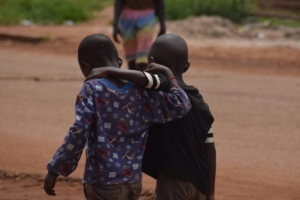
When one thinks about the issue of street children, the Comoros rarely, if ever, come to mind. Yet, the visibility of children working and living on the streets is a growing reality across the country’s three islands: Anjouan, Mohéli and Grand Comore. For many Comorians, encountering groups of children selling goods or soliciting money and cigarettes on the streets has become increasingly common.
Despite this, institutional policies, government data and international reporting on these vulnerable children remain absent. Although a few governmental programs were implemented in 2021 targeting child labor and education, they remain insufficient and fail to address the increasing phenomenon of street children. Similarly, international organizations are predominantly directing their efforts toward combating child labor and addressing de-schooling, leaving street children, especially those without family support, largely overlooked.
Street Children and Poverty
The causes behind the issue of street children in the Comoros are multifaceted. However, extreme poverty stands out as the main factor. In a country where more than 40% of the population experiences poverty, many children resort to street work to secure basic subsistence or help feed their families. Most of them have left the school system, which, although compulsory until age 15, lacks strong enforcement mechanisms to check and enforce school attendance. In 2023, more than 20% of primary school-aged children were out of school in the Comoros, excluding the high absenteeism rates.
Street Children and Parental Migration
Another major cause contributing to this problem, closely linked to extreme poverty, is the migration of many Comorian parents to the French-administered island of Mayotte. This mass migration leaves many children homeless as their parents seek better economic opportunities.
Street Children and Mental Health
Children with disabilities and mental health conditions face higher risks of living and working on the streets. This is due to a lack of proper psychiatric care, exacerbated by the presence of only one psychiatrist in the country and the high cost of medications, alongside educational exclusion. According to the most up-to-date UNICEF report from 2015, 73% of these children did not attend secondary school and only 2.9% progressed beyond secondary education, illustrating the exclusion children with disabilities encounter.
Gender-Based Vulnerabilities
Girls and young women are disproportionately affected by educational exclusion and societal norms that promote submission to male authority. This often leads to mistreatment, sexual abuse, early sexual activity starting as young as 12 and unwanted pregnancies. These factors contribute significantly to the increasing number of young women living on the streets, as some parents repudiate their daughters who have terminated unwanted pregnancies.
Life on the Streets Equates Survival
Once children are on the streets, whether they return home after working or both work and live there, survival becomes the primary goal. The lack of reliable housing exposes youth to physical, sexual and emotional abuse. Health issues such as parasitic diseases, pneumonia, sexually transmissible diseases and HIV are common, compounded by past and present trauma. Without adequate support, children become the perfect targets for drug dealers, both as consumers and sellers.
The absence of comprehensive systems and official data exacerbates their plight. The Comoros lacks social structures to shelter street children, with few competent host families. Children’s judges rarely place them under those families and there are not enough inspectors to follow up. The lack of official and international data on the number of children living and working on the street in the Comoros also worsens the situation, as their abuses remain undocumented and unacknowledged, leaving children vulnerable to aggressors who can commit crimes with impunity and many disappearing without anyone noticing.
Efforts Toward Empowerment
Despite the alarming situation, some organizations like Ticket to Life and MAEECHA are working to address these challenges, offering hope for street children in the Comoros. Ticket to Life provides vocational training and education to street children, children with disabilities, refugees and all of those who suffer from poverty. Since its creation in 2022, it has helped 400 children through scouting and sewing training. It enabled some students to open their sewing shops and become an integral part of their local communities, transforming their future. By 2026, Ticket to Life intends to assist another 2,000 children.
MAEECHA operates in Anjouans and focuses on education equality and support for isolated children through its Education, Care, Support and Inclusion (ECMA) program. Its center of professional insertion helps out-of-school children, including those at risk of street involvement due to family breakdown or abandonment. It provides professional vocational training in several fields, such as agriculture, sewing, electronics, carpentry and culinary arts, targeting about 60 children annually. It is supported by partnerships with French and European organizations promoting apprenticeships and certifications.
Conclusion
The phenomenon of street children in the Comoros is a multifaceted issue rooted in systemic poverty, inadequate social structures and violence. Working and/or living on the streets exposes children to sexual, physical and emotional abuse. While Ticket to Life and MAEECHA are making strides in providing support and comprehensive governmental action, the involvement of international organizations focused on this issue and American aid would help address the root causes of street children. It would also help protect the rights and futures of the Comorian children, especially as an increasing number of them attempt to join the French-administered island of Mayotte, often at the peril of their lives.
– Juliette Delbarre
Juliette is based in London, UK and focuses on Global Health for The Borgen Project.
Photo: Pexels
