Human Capital Investment Project Targets Poverty at the Roots
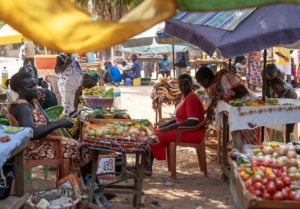
In January 2025, Guinea-Bissau launched a $20 million Human Capital Investment Project with support from the World Bank. It aims to reduce poverty through education, health care and social protection investments. As one of West Africa’s most impoverished nations, Guinea-Bissau struggles with food insecurity, low school completion rates and limited access to basic services. Guinea-Bissau’s Human Capital Investment Project tackles these problems by strengthening public systems and targeting support to the country’s most vulnerable communities.
The Human Capital Investment Project
The Human Capital Investment Project initiative will deliver cash transfers to vulnerable households, helping families cover food, school costs and medical needs. It will also distribute school kits to more than 111,000 children to encourage classroom attendance and ease financial pressure on parents. These efforts aim to improve student retention in a country where fewer than 30% of students complete primary school.
The project also expands maternal and child healthcare, especially in rural regions with limited access to clinics. It funds new health workers and social service professionals who support expectant mothers and deliver care in hard-to-reach areas. These trained professionals provide care, help families navigate public services and improve trust in local systems.
The project further supports social programs and community outreach initiatives, fostering long-term development, reducing poverty cycles, and strengthening resilience among Guinea-Bissau’s most vulnerable populations.
Lessons From Similar Poverty-Focused Initiatives
Several global examples show how similar investments can improve the quality of life on a mass scale. In Mozambique, a government-led program in 2022 combined cash transfers with nutrition support, which increased school attendance and child health among impoverished households. Similarly, in Bangladesh, the Maternal Health Voucher Scheme provides prenatal care and financial assistance, helping reduce maternal deaths and increase access to health services.
Kenya also offers a strong example of the likely results of Guinea-Bissau’s project. In 2023, the government trained more than 1,000 community health volunteers who now bring basic medical care and health education to rural families. The program improves access to healthcare services and offers career paths for young professionals in underserved areas.
Guinea-Bissau’s Human Capital Investment Project takes a similar approach to these programs, using targeted investments in people to break the cycle of poverty. Indeed, Guinea-Bissau’s initiative will likely see similar successful results. The project will help build a foundation for long-term economic resilience and better quality of life by focusing on education, health care and social support.
Final Remarks
As the project continues, its success will depend on clear coordination and responsiveness to community needs. However, Guinea-Bissau’s Human Capital Investment Project signals an ongoing shift toward people-centered development. It could offer a model for other countries seeking to improve fragile public support systems and combat systemic poverty.
– Kelsey Eisen
Kelsey is based in San Francisco, CA, USA and focuses on Business and New Markets for The Borgen Project.
Photo: Flickr
