• Link to X
  • Link to Facebook
  • Link to Instagram
  • Link to TikTok
  • Link to Youtube
  • About
    • About Us
      • President
      • Board of Directors
      • Board of Advisors
      • Financials
      • Our Methodology
      • Success Tracker
      • Contact
  • Act Now
    • 30 Ways to Help
      • Email Congress
      • Call Congress
      • Volunteer
      • Courses & Certificates
      • Be a Donor
    • Internships
      • In-Office Internships
      • Remote Internships
    • Legislation
      • Politics 101
  • The Blog
  • The Podcast
  • Magazine
  • Donate
  • Click to open the search input field Click to open the search input field Search
  • Menu Menu

Tag Archive for: Education

Posts

elderly poverty, Global Poverty

Elderly Poverty in Cameroon

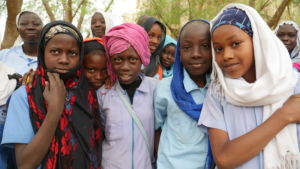
Elderly Poverty in CameroonElderly poverty in Cameroon manifests in several ways. About 12.2% of male elderly heads of households and 21.4% of female elderly heads of households live in poverty. For many, accessing health care is difficult, and the country’s average life expectancy is 60. Only 3.8% of the population is 65 or older. Lack of social insurance allows elderly poverty to persist, which limits opportunities for personal development. 

Health Threats

One of the greatest consequences of elderly poverty in Cameroon is reduced access to health care. Citizens have to pay for services, and availability is often limited in the northern and eastern regions. Additionally, the people in these regions can distrust health services. The elderly are the leaders of households because families value their experience, and many elderly people dislike technology for fear that it devalues that experience.

In 2022, more than 400,000 Cameroonians were living with HIV and health facilities reported more than 9,000 new cases. The infection rate among the elderly in rural areas is 2.6%. HIV-positive Cameroonians in their prime years can struggle to support the elderly. If they die, orphans and widows must depend on the elderly for income, forcing them to continue working despite their age.

Cameroon has used rapid molecular diagnostic tests to identify TB since 2012, but health facilities only reported 24,000 TB patients in 2019, compared with the estimated average of 52,000 TB patients per year, indicating a significant diagnostic gap. In 2021, the mortality rate of TB (excluding people also infected with HIV) was 30 cases per 100,000 people.

Food security is another health concern. In a community in Yaoundé, the nation’s capital, 37.5% of the elderly were food insecure in 2024.

The Cameroonian government spends less than 5% of GDP on health care, and while the 2017 National Social Protection Policy set the goal of increasing coverage, it was unclear as to the methods that would be used.

Limited Social Insurance

As people age and become unable to work, their only source of income is social insurance, making it a necessary response to elderly poverty in Cameroon. The country’s social insurance system only covers those in the formal sector, the portion of the economy that is subject to taxes and social contributions, but the majority of the labor force works in the informal sector. Only 118,000 citizens, less than 0.01% of the population, receive a pension. Widows only receive a survivor pension if they do not have children in the workforce.

Because of this, many Cameroonians rely on family, religious institutions or tontines for support, but these are more volatile than government programs. At the moment, all government programs are contributory, and social safety nets protect 0% of the poorest quintile of the population.

Barriers To Personal Development

Government spending on education has remained at 3% of GDP for the past decade, and tertiary education receives far less funding than primary or secondary education. Along with restrictions on access to tertiary education based on gender, ethnicity or political affiliation, this hinders many Cameroonians’ ability to potentially gain certain types of jobs, which may force them into work with greater health risks and less insurance coverage through their elderly years.

Banking services are largely unavailable outside urban areas, and less than 20% of citizens have access to them. This prevents many people from saving money they can rely on as they age, which could worsen elderly poverty in Cameroon.

Solutions

Positive-Generation, a Cameroonian nonprofit, has collaborated with The Regional Centre for Research and Training in Clinical Management in Fann, Senegal, to improve care for those living with HIV over 50. They prioritize diagnosis and treatment of comorbidities, two or more medical conditions that affect a single patient at the same time. The initiative has reduced the price of drugs for high blood pressure and diabetes. Additionally, the organization has administered free care for cervical cancer and provided education and screenings for more than 1,200 people 50 or older. It also refers patients to organizations that promote healthy aging through exercise and physical therapy.

From 2009 to 2017, the World Bank Group treated 10,000 cases of tuberculosis and taught hygiene practices to avoid contraction of diseases. Health care workers in the village of Kagnol visited all households twice a month to assess health conditions. If necessary, they escort patients to nearby health care facilities.

In response to the lack of social safety nets, the Group’s International Development Association (IDA) established a cash transfers program that has benefited 85,000 households since 2013. The IDA plans to train more than 60,000 young people in entrepreneurship and business development. Training initiatives will allow them to care for themselves financially as they age. 

The International Fund for Agricultural Development (IFAD) has invested in a project to increase production of rice and onion. Furthermore, the project aims to rehabilitate land and build new crop storage facilities. The project targets 216,000 people in the northern and far northern regions. Poverty levels in these regions are particularly high, as well as northwestern and western regions. 70% of these people are adults or elderly, and the IFAD specifically focuses on those with disabilities. 

The IFAD’s Aquaculture Entrepreneurship Development Support Programme similarly identifies the elderly as a target group. The plan includes guidelines for farm contractors to reduce dust and particulates, which pose health risks for the elderly.

Looking Ahead

Many programs have effectively addressed elderly poverty in Cameroon. Improved health care access and agricultural production will continue to let the elderly support themselves. Progress in that area shows this issue can be beaten.  

– Tyler Payne

Tyler is based in Allentown, PA, USA and focuses on Global Health and Politics for The Borgen Project.

Photo: Flickr
May 7, 2025
https://borgenproject.org/wp-content/uploads/borgen-project-logo.svg 0 0 Jennifer Philipp https://borgenproject.org/wp-content/uploads/borgen-project-logo.svg Jennifer Philipp2025-05-07 01:30:042025-05-06 23:52:56Elderly Poverty in Cameroon
Education, Global Poverty, Poverty

Addressing Learning Poverty and Expanding Education in Chad

Education in ChadChad is committed to enhancing primary, secondary and tertiary education. However, 44.8% of its 20 million citizens live in poverty and 94% experience learning poverty. According to the UNESCO Institute for Statistics, learning poverty—the inability to read age-appropriate text by age 10—contributes to low educational attainment. This widespread issue hinders individual progress, exacerbates the country’s human capital deficits and limits efforts to reduce poverty.

Education System in Chad

Chad’s education system consists of primary education (ages 6–11), lower secondary (ages 12–15), upper secondary (ages 16–18) and tertiary education, which includes trade schools, colleges and vocational schools. However, only about 3% of students complete the full program and just as few have access to tertiary education opportunities.

To address these challenges, Chad is committed to achieving Sustainable Development Goal 4 (SDG 4) to ensure inclusive and equitable quality education for primary and secondary students by 2030. With the support of local and international advocates, the country plans to increase government funding for education, improve teacher training, build more schools, prioritize education for girls and foster global partnerships to access additional resources and expertise.

Expanding Education Access in Chad

A standard vocational education program provides training for young adults who have completed formal education. Chad’s education system stands to benefit from such programs, but significant barriers remain. Nearly 49% of primary-aged children are out of school, with gender and socioeconomic status playing a major role in access to education. Additionally, Chad faced a deep educational crisis even before the COVID-19 pandemic and its current high rate of learning poverty requires immediate intervention rather than waiting for students to reach vocational training.

Chad is incorporating non-traditional programs into the education system to address these challenges. With support from various partners, Chad has developed initiatives that provide basic education to children and adults outside the formal system. These programs aim to close skill gaps, offer hands-on learning and accelerate job placement, helping to create more opportunities for those who might otherwise be left behind.

Nonformal Education Centers

The National Education and Civic Promotion program provides nonformal education to support socioeconomic integration across Chad. These centers offer out-of-school youth training in literacy, numeracy and vocational skills in their native languages, equipping them with essential competencies for better opportunities. Remarkably, more than 700 out-of-school children have been “reintegrated into the formal education sector” through nonformal education programs.

Additionally, more than 10,000 out-of-school women have received vocational training, improving their financial stability. Furthermore, more than 42,000 individuals aged 15 and older without formal education have completed literacy programs, underscoring Chad’s commitment to reducing illiteracy and expanding educational opportunities.

This effort aligns with the Global Partnership for Education (GPE) initiative, which awarded Chad a $50 million grant from 2018 to 2023 to address the country’s low literacy rates—where 60% of the population could not read. The grant aimed to expand educational access for both youth and adults while promoting social and gender equality. As a result, the Ministry of National Education and Civic Promotion introduced training programs that included nonformal basic education for adolescents aged 9 to 14, further strengthening Chad’s educational framework.

Other Projects Supporting Chad’s Education System

  1. Project Development Objective (PDOs): The PDOs initiative, established in Chad in 2019 by the World Bank and the International Development Association (IDA), further reinforces Chad’s educational efforts. Its mission is to enhance the skills of Chadian children and young adults, equipping them with the knowledge and competencies needed to contribute meaningfully to their communities. The initiative has provided employment support and improved entrepreneurship opportunities for youth, with more than 10,000 young people enrolled in various programs. Additionally, the project has placed 3,000 youth, 44% of whom are girls, in jobs in N’Djamena and 20 other provinces.
  2. The Center of Professional and Technical Training (CFPT): The CFPT is crucial in bridging the gap between education and employment. CFPT aims to expand opportunities for young people by offering professional and technical training. Its initiatives focus on upgrading existing colleges, providing first-work experiences and facilitating apprenticeships and internships—all designed to improve the transition from school to the workforce. The project has trained more than 1,000 students, equipping them with the essential skills and knowledge needed to succeed in the workforce.
  3. Chad Improving Learning Outcomes Project: In 2022, the IDA awarded Chad a $150 million grant to improve learning outcomes in its basic education programs. This initiative aims to provide students equitable access to quality learning environments. It provides learning opportunities to both in-school and out-of-school students by creating expanded learning spaces, addressing overcrowded classrooms and ensuring more inclusive educational opportunities.

Reflecting on Chad’s Educational Mission

The UNESCO Institute for Statistics emphasizes that schooling does not necessarily equate to learning, highlighting the need for improved education quality. According to UNESCO, poor schooling can lead to higher dropout rates, reinforcing the urgency for reform. In response, Chad’s educational programs focus on enhancing teacher instruction and offering basic skill training to address these challenges in nonformal settings. By refining the Chadian education plan, there is hope that the country’s high rate of learning poverty will gradually decline, creating better opportunities for future generations.

– Pamela A. Fenton

Pamela is based in Wall Township, NJ, USA and focuses on Good News for The Borgen Project.

Photo: Flickr

March 3, 2025
https://borgenproject.org/wp-content/uploads/borgen-project-logo.svg 0 0 Hemant Gupta https://borgenproject.org/wp-content/uploads/borgen-project-logo.svg Hemant Gupta2025-03-03 07:30:362025-03-03 01:05:02Addressing Learning Poverty and Expanding Education in Chad
Global Poverty, Mental Health

Mental Health in Cabo Verde

Mental Health in Cabo VerdeA stunning collection of islands off the coast of West Africa, Cabo Verde is the home of more than 600,000 people. After gaining independence from Portugal in 1975, Cabo Verde quickly built a successful democratic government. Despite economic progress, opportunities remain limited. Droughts have led many to emigrate. Among those who have stayed, many live without access to clean water, nutritious food or adequate housing, impacting mental health.

Mental Health Rate in Cabo Verde

Cabo Verde has made significant progress in all areas since gaining its freedom. The mental health of its people has been no exception. In 2017, there were no reported mental health professionals. Three years later, 11 total psychiatrists, 40 psychologists, 23 social workers, one mental health nurse and one occupational therapist were reported, demonstrating the country’s effort at combating mental health.

Suicide rates have also steadily declined, dropping from 17.46 per 100,000 people in 2013 to 15.23 in 2019. However, nearly 5% of people living in Cabo Verde still experience depression. To combat this, the Cabo Verde government has expanded mental health resources. In addition, it has launched initiatives such as educational conferences to reduce the stigma surrounding mental health.

Reducing Stigma

World Health Day is observed annually on April 7. In 2017, the World Health Organization (WHO) partnered with Cabo Verde’s Ministry of Health and Social Security (MSSS) to organize a conference focused on depression. The conference aimed to tackle the issue without stigma or bias. Under the theme “Depression: Let’s Talk,” the event occurred in the nation’s capital and welcomed everyone to participate. Before the conference, the WHO held press briefings to discuss topics such as stigma, strategies for raising awareness about depression, its impact on those affected and the available resources for support.

A series of events also took place across Cabo Verde on the same date. At the University of Cabo Verde, a roundtable discussion was held with several doctors from the WHO and MSSS, focusing on discrimination in mental health. At the Agostino Neto Hospital Central Hospital in Praia, a “Conversation morning,” was held. Pregnant and new mothers were invited to participate in an open discussion about postpartum depression. Led by the clinical director from the hospital alongside doctors from the WHO, patients were educated on signs of postpartum depression and how to navigate it.

Government Support

The day concluded with a forum on depression at the Government Palace. During the event, the forum’s chairman, Dr. Arlindo do Rosário, emphasized that the work of the WHO and MSSS “further highlight the government’s firm commitment to actually include mental health in our work.”

Recently, Dr. Angel Olider Rojas Vistorte hosted a conference on mental disorders and social media usage in Praia. The event, held in June 2024, was organized by the Jean Piaget University of Cape Verde, the Ibero-American University Foundation and the European University of the Atlantic, where Vistorte is affiliated. The conference aimed to create a safe space for discussing mental health and promoting healthy dialogue about mental health issues. In his lecture, Vistorte went beyond depression, addressing anxiety and eating disorders as potential consequences of excessive social media usage.

Conclusion

Cabo Verde has made notable progress in improving mental health care, reducing stigma and increasing access to mental health professionals. Despite challenges such as poverty and limited resources, the country has seen a decline in mental health disorders and suicide rates. Educational initiatives and open discussions have further supported awareness and progress. These positive strides reflect Cabo Verde’s commitment to better mental health for its people.

– Hannah Pacheco

Hannah is based in Boston, MA, USA and focuses on Good News and Global Health for The Borgen Project.

Photo: Pixabay

February 13, 2025
https://borgenproject.org/wp-content/uploads/borgen-project-logo.svg 0 0 Hemant Gupta https://borgenproject.org/wp-content/uploads/borgen-project-logo.svg Hemant Gupta2025-02-13 01:30:192025-02-13 01:28:20Mental Health in Cabo Verde
Charity, Global Poverty, Volunteer

Students Against Global Poverty

Students Against Global PovertyIn the fight against global poverty, students are a vital and often overlooked aspect of charity initiatives. Students are working with charities alongside their academics to help those most in need through fundraising and volunteering efforts. In an interview with The Borgen Project, Charlotte, a university student working with MEDLIFE, stressed the importance of student participation in fighting poverty and assisting with development projects.

MEDLIFE

MEDLIFE is a global charity that helps to develop low-income communities by improving health care and education. In its efforts to achieve a world free of poverty, MEDLIFE adopts a community-focused approach and offers sustainable solutions to provide long-term aid and improvement. The nonprofit works with local staff and citizens to provide “culturally sensitive” aid and development programs to underserved communities.

Through collaborating with local doctors, the charity ensures that development projects will continue to benefit the community for a longer period rather than solely providing immediate relief. By August 2023, MEDLIFE had more than 30,000 volunteers and had established more than 600 community projects. MEDLIFE focuses on preventative health care through education.

By providing education on key health issues, the organization aims to prevent health care disasters that particularly impact those living in poverty. With a woman dying every two minutes due to childbirth or pregnancy, MEDLIFE’s Mobile Clinics offer specialized educational workshops on women’s reproductive health in efforts to prevent key issues, such as breast or cervical cancers).

Students Working With MEDLIFE

MEDLIFE offers students the chance to directly impact efforts seeking to alleviate the pressures of global poverty. Students can start MEDLIFE societies at a college/university to assist with fundraising efforts and organize volunteer trips to help with specific community projects. In 2024, Students at University College London (UCL) participated in a volunteer trip to Lima, Peru, to directly contribute to the operation of community developments.

In an interview with The Borgen Project, Charlotte reflected on how students working in Lima witnessed people face challenges accessing health care and resources. The students helped to establish and maintain Mobile Clinics specializing in general medicine, dental, obstetrics and gynecology, pharmacy, hygiene and education. Other initiatives also involved assisting with community transformation, such as building parks and stairs. The UCL Society is organizing plans for its next trip; destinations could include Costa Rica or Peru.

When asked whether students are recognized for their roles in fighting global poverty, Charlotte explained that “students often don’t receive enough recognition for their contributions.” Regarding how recognition helps raise awareness, Charlotte commented that “by shining a light on student contributions, we not only validate their efforts but also encourage a culture of social responsibility among peers.”

MEDLIFE is open not only to medical students but also to those studying a wide range of disciplines. When asked about the benefits of this, Charlotte explained how a diverse group of students is extremely useful to the charity. For example, an engineering student can assist in the structured development of the communities and a business or economics student may lead fundraising.

Conclusion

Globally, students work with a wide range of charities to assist in the fight against global poverty. Without help from students, charities could lack the appropriate funds to provide adequate aid to those in need. They are not only providing thousands in fundraising but also have the time and skills to deliver hands-on support.

– Ellie Western

Ellie is based in London, UK and focuses on Global Health and Celebs for The Borgen Project.

Photo: Pexels

February 10, 2025
https://borgenproject.org/wp-content/uploads/borgen-project-logo.svg 0 0 Hemant Gupta https://borgenproject.org/wp-content/uploads/borgen-project-logo.svg Hemant Gupta2025-02-10 01:30:272025-02-09 22:48:41Students Against Global Poverty
Developing Countries, Electricity and Power, Global Poverty

Repurposed EV Batteries: A New Solution to Poverty in India

Poverty in IndiaThe current population of India makes up almost 18% of the world’s total population. Consequently, India’s poverty rates significantly influence global poverty rates. Between the years 2011-2019, India has made substantial strides to reduce its poverty rates. Indeed, urban poverty has been reduced from 14.2% to 6.3%. Furthermore, in rural areas, the decline was from 26.3% to 11.6%.

This news deserves to be heralded as hundreds of millions of people have risen out of poverty. However, there is still much work to do, particularly in rural areas. Estimating rural poverty using 2019 poverty rates and 2020 data shows that about 105 million people in rural India still subsist on less than $2.15 a day.

Rural Poverty in India

Rural poverty in India contributes to high crime rates, low educational attainment, limited job opportunities and poor prospects for escaping poverty. It also restricts access to quality health care, leading to issues such as malnutrition and high infant mortality rates. According to Prime Minister Narendra Modi, India will be a “developed” nation by 2047 after leading the green revolution and excelling in technology, which will ultimately boost the country’s economy. A thriving economy is one thing, but this goal requires proper consideration of the poorest people in rural India. Therefore, more needs to be done to lift rural areas out of poverty in India.

Repurposing EV Batteries

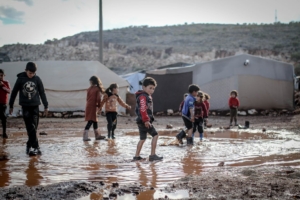
An example of alleviating poverty in India involves repurposing old electric vehicle (EV) batteries to improve manual work efficiency. According to AP News, Nunam, an energy storage company, provided six women in Kenchanahalli with a repurposed EV battery. Previously, they relied on an unstable electrical grid for their tailoring tasks. The women resorted to hand stitching during outages, which often made it impossible to complete orders on time.

AP News reports that these women’s lives have dramatically transformed in the four years since this effective energy source was provided because they are now able to work fewer hours and receive a more consistent wage. Additionally, by reusing these batteries, millions of tonnes of waste that this cleaner-than-fossil-fuels energy source would have produced are avoided.

India has set the ambitious goal of producing 500 gigawatts of clean energy by 2030. The aim is to make the country a global hub for the manufacturing of renewable energy sources like solar. However, it has been reported that India could produce an estimated 340 kilotons of solar power-related waste by 2030.

Upscaling Nunam operations can utilize EV batteries that are no longer suitable for storing solar power into batteries that enhance efficiency in labor-intensive jobs, thereby helping to reduce poverty in rural India. This company’s primary business is reengineering these batteries to give rural Indian towns backup power. Recently, Nunam has experienced an enormous spike in orders, yet there remains a vast untapped potential.

Future Outlook

On a national scale, this effort has significant economic and environmental potential. It can assist in strengthening the economy by lowering dependency on imports such as lithium. Upscaling these processes will create new jobs in the reengineering of these batteries. This type of activity can advance education in rural areas by requiring local technicians with higher levels of expertise. Expanding these initiatives at the regional level will also empower small businesses, like the women in Kenchanahalli, thereby improving living conditions in these rural communities.

Furthermore, since India is at the forefront of green energy, this project could help propel it into a “developed country status.” This can be accomplished by not only prevailing in the global clean energy manufacturing market but also having a well-thought-out recycling strategy that empowers the most impoverished communities from the bottom up. This dual solution that promotes clean energy and empowers India’s poor has vast potential to bridge the gap between urban and rural poverty rates by tackling poverty at its roots.

– William Pickering

William is based in Nottingham, UK and focuses on Technology and Solutions for The Borgen Project.

Photo: Flickr
December 5, 2024
https://borgenproject.org/wp-content/uploads/borgen-project-logo.svg 0 0 Hemant Gupta https://borgenproject.org/wp-content/uploads/borgen-project-logo.svg Hemant Gupta2024-12-05 07:30:552024-12-05 00:10:04Repurposed EV Batteries: A New Solution to Poverty in India
Developing Countries, Education, Global Poverty

Higher Education in Sri Lanka

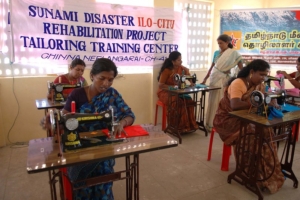
Higher Education in Sri LankaThe higher education landscape in Sri Lanka reflects a nation that has prioritized education since gaining independence in 1948. The commitment to providing education up to the bachelor’s degree has contributed to the country’s impressive literacy rate of 92%. This is of the highest in South Asia, despite ongoing economic and social challenges, including the civil war. While the enrolment rate at secondary school is 99%, this drops to 21% at tertiary level, with women making up 65% of total university enrolment.

Funding State Education

After the end of British colonial rule, Sri Lanka established a state-funded educational system with a national framework in place in 1961, when the government took control of denominational schools. However, public spending on education has been persistently low in the last decade, accounting for only 2% of the gross domestic product (GDP), which fell to a historic low of 1.2% in 2022 due to a global economic crisis. As a result, household private spending on education in Sri Lanka tends to be significantly higher, indicating a gap between government support and the demand for educational services.

Private Higher Education in Sri Lanka

However, while Sri Lanka offers state education, there are more government-approved private universities. Private institutions play a crucial role in higher education, with 27 government-approved private universities compared to 18 public ones. Private universities are under the purview of the Ministry of Higher Education. In contrast, the purview of the University Grants Commission oversees public universities.

The National Human Resource Development Council of Sri Lanka data showed that in 2021, Sri Lanka Institute of Information Technology (SLIIT) was the largest private higher education provider, with 10,402 students. Other providers were the National Schools of Business Management (NSBM), Horizon College of Business and Technology, CINEC Campus and SLTC Campus. Many of these universities have also recently formed partnership arrangements with U.K. universities, enhancing their international recognition.

Recent Developments

The government has recently established the Ministry of Education Science and Technology, aiming to improve the standard of the country’s Science, Technology, Engineering and Mathematics (STEM) education system to a more competitive level. This initiative aims to boost STEM education to attract a competitive market for private providers. However, due to limited opportunities in the free government public universities, 80% of these students seek private higher education pathways.

As a result of the economic crisis in Sri Lanka, middle-class parents have been pushing for their children to join degree pathways after their O-Levels rather than after the General Certificate of Education (GCE) A-level examinations. This means they can graduate three to four years earlier and start their career. This shift allows students to complete degrees in a shorter time frame, immediately entering the workforce and addressing critical skills shortages in the job market. As a result of these developments, there is a clear link between the higher education system and encouraging sustainable economic growth in Sri Lanka.

Final Note

While Sri Lanka has made substantial progress in ensuring access to education, significant challenges remain in higher education enrollment and funding. The rise of private institutions, coupled with government initiatives to enhance STEM education, presents a pathway for improving the employability of graduates and fostering economic growth. Continued investment and strategic planning will be vital in overcoming current challenges and ensuring that Sri Lanka’s higher education system meets the needs of its population and economy.

– Amani Almasri

Amani is based in Durham, UK and focuses on Good News and Technology for The Borgen Project.

Photo: Flickr
November 29, 2024
https://borgenproject.org/wp-content/uploads/borgen-project-logo.svg 0 0 Hemant Gupta https://borgenproject.org/wp-content/uploads/borgen-project-logo.svg Hemant Gupta2024-11-29 01:30:562024-11-28 08:19:30Higher Education in Sri Lanka
Africa, Global Poverty, Nonprofit Organizations and NGOs

A Healthier Future: YEDI Is Empowering Adolescents in Nigeria

Adolescents in NigeriaYouth Development and Empowerment Initiative (YEDI) is a Nigerian nonprofit organization that delivers evidence-based programs aimed at building young people’s health assets, improving access to health services and promoting adherence to healthy behaviors. Since 2011, YEDI has been tackling the significant challenges faced by adolescents and young people in Nigeria.

These challenges include mental health issues, accessing sexual and reproductive health and rights (SRHR) information and services and a lack of quality information about SRHR. YEDI’s commitment to empowering young people is evident through its partnerships and programs, advancing adolescent health and well-being across the country. Through its various programs, YEDI has impacted more than 458,560 young people across Lagos, Kano, Abuja, Akwa Ibom and Rivers State.

The SKILLZ Program

Since 2012, YEDI has partnered with Grassroot Soccer (GRS) to implement the SKILLZ program in Nigeria. The program is delivered through fixed and outreach sites, which serve as safe spaces for young people aged 10-24, as well as the broader population in underserved communities. YEDI’s interventions provide comprehensive sexual and reproductive health education and services, equipping young people to make informed decisions about their health and future. The SKILLZ program also promotes gender equality, empowering young women and girls, as well as young men and boys, to become leaders and advocates within their communities.

The SKILLZ program has impacted at least 370,000 adolescents by providing comprehensive information and services related to SRHR, gender-based violence, gender equality, mental health and substance abuse prevention and treatment. YEDI collaborates with partners across diverse thematic areas, including gender-based organizations, to ensure that survivors of abuse and individuals in need of health care services, such as those requiring HIV/AIDS care, receive adequate counseling, support and treatment. Through its programs, YEDI has referred more than 56,000 people for proper care and treatment, helping them along their recovery journey.

Cultivating Safe Spaces for Young People

YEDI was also part of the consortium that implemented the USAID-funded Youth Powered Ecosystem for Adolescent Health (YPE4AH) project. This initiative aimed to improve the health and well-being of urban, underprivileged, out-of-school and unmarried adolescents aged 15–19 in Kano and Lagos. As part of the project, YEDI established and managed six youth-friendly centers in these cities, which played a crucial role in developing life skills for more than 66,000 out-of-school adolescents in Nigeria.

In addition, YEDI has extensive experience in creating safe spaces for young people. Since 2015, YEDI has managed seven Hello Lagos Youth Friendly Centers in partnership with the Lagos Ministry of Health and the United Nations Population Fund (UNFPA), benefiting about 1,000 young mothers and 100,000 adolescents in Lagos State.

Using Soccer to Engage Adolescents

YEDI uses soccer as a natural hook to engage adolescents on issues related to their health and relationships, identifying innovative ways for them to become champions within their communities. YEDI’s programs are designed to reflect the needs, interests and behaviors of young people while strengthening their SRHR and life skills. Both trained female and male “near-peer” coaches deliver the evidence-based and age-appropriate SKILLZ curriculum, which integrates soccer language, metaphors and activities to promote reflection on gender norms, goal setting and achievement.

The BEAT NTD Project

To combat neglected tropical diseases (NTDs) in Nigeria, YEDI implemented the “BEAT NTD” project in Lagos and Rivers states. This initiative resulted in a 45% increase in awareness and knowledge about NTD prevention and mitigation, improved access to health care and a 10% reduction in the prevalence of NTDs. The project successfully reached a total of 3,101 adolescents in the targeted communities, contributing to better health outcomes in these areas.

Furthermore, the organization actively participates in key networks and community bodies, including the Lagos State Adolescent Health and Development Technical Working Group, the Child Protection Network and the Society for Adolescent and Young People’s Health in Nigeria. These engagements strengthen YEDI’s capacity for impactful collaboration, advocacy and knowledge-sharing, all aimed at advancing adolescent health and well-being across the country.

Conclusion

YEDI plays a vital role in improving the health and well-being of adolescents in Nigeria. By creating safe spaces and engaging youth in meaningful discussions, the organization empowers the next generation to become advocates for their health and communities, paving the way for a brighter and healthier future.

– Staff Reports
Photo: Unsplash

November 24, 2024
https://borgenproject.org/wp-content/uploads/borgen-project-logo.svg 0 0 Hemant Gupta https://borgenproject.org/wp-content/uploads/borgen-project-logo.svg Hemant Gupta2024-11-24 01:30:552024-11-24 01:24:36A Healthier Future: YEDI Is Empowering Adolescents in Nigeria
Economy, Global Poverty, Politics

Poverty and Terrorism: How Economic Inequality Fuels Extremism

How Poverty Fuels TerrorismThe link between poverty and terrorism is complex, involving economic, political and social factors that drive individuals toward extremism. Economic hardship can create environments where extremist groups thrive, as they often exploit the vulnerability of impoverished communities to gain followers. When individuals lack access to stable employment, education and necessities, the appeal of joining extremist movements increases as these groups often promise income, food and social belonging. Understanding the connection between poverty and terrorism is crucial for crafting effective counterterrorism strategies that address root causes rather than just symptoms.

Economic Hardship as a Driver of Extremism

Studies indicate that poverty-stricken regions are more susceptible to terrorism due to the economic vulnerability of their populations. With limited job opportunities and scarce resources, extremist groups can lure impoverished individuals with promises of financial support and security. For instance, research from the United Nations Development Programme (UNDP) found that economic factors played a significant role in driving individuals to join extremist groups. Poverty and unemployment create a fertile environment for radicalization as individuals seek stability and hope in regions where governmental support is lacking.

Social Marginalization and Lack of Education

Poverty often coincides with a lack of educational opportunities, which further exacerbates vulnerability to extremist ideologies. Without access to education, individuals are more susceptible to radical propaganda, as they may lack the critical thinking skills to resist extremist narratives. Alongside this, poor education systems can create a failure to address poverty and unemployment. Addressing educational inequality can be a significant tool in reducing susceptibility and root causes of extremist recruitment.

Political Instability and Weak Institutions

Economic hardship is often intertwined with political instability, as poverty-stricken regions frequently lack robust institutions capable of maintaining law and order. In regions with weak governance, extremist groups can step in to provide services such as food distribution, security and basic health care, essentially becoming a de facto government. This creates a power vacuum that extremist groups exploit, using economic incentives to gain loyalty and recruit members. For instance, areas like the Sahel region in Africa have seen an increase in terrorism partly due to the inability of local governments to provide essential services.

Displacement and Refugee Crises

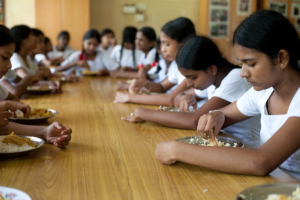
Poverty exacerbates displacement, which in turn fuels terrorism by creating large populations of vulnerable, dislocated individuals who may turn to extremism out of desperation. The United Nations Refugee Agency (UNHCR) reports that displaced populations face extreme economic hardship, often living in dire conditions with limited access to food, shelter and safety. Extremist groups, recognizing this desperation, target refugee camps and displaced communities to recruit new members with promises of stability and sustenance. Compared to only a decade ago, the number of refugees worldwide has more than tripled. Making it more important than ever to address the basic needs of displaced populations to reduce the risk of extremist recruitment.

Economic Development as a Tool Against Terrorism

Countering terrorism requires a multidimensional approach that includes addressing poverty through economic development programs. By investing in job creation, education and infrastructure, governments and international organizations can reduce the appeal of extremist groups. The United Nations advocates for initiatives that focus on youth employment and educational programs that offer alternatives to terrorism. In Africa and the Middle East, for example, initiatives that promote vocational training have helped safeguard youth against extremist ideologies by providing economic opportunities outside of radical groups.

Conclusion

The relationship between poverty and terrorism highlights the need for holistic counterterrorism strategies that address socioeconomic factors. Tackling poverty, improving educational access, strengthening governance and supporting displaced populations are all crucial steps in reducing the appeal of extremist ideologies. Furthermore, by addressing these underlying issues, the global community can work toward a future where economic stability undermines terrorism’s grip on vulnerable populations.

– Harriet Conway

Harriet is based in London, UK and focuses on Politics for The Borgen Project.

Photo: Flickr
November 9, 2024
https://borgenproject.org/wp-content/uploads/borgen-project-logo.svg 0 0 Hemant Gupta https://borgenproject.org/wp-content/uploads/borgen-project-logo.svg Hemant Gupta2024-11-09 01:30:262024-11-10 23:27:04Poverty and Terrorism: How Economic Inequality Fuels Extremism
Africa, Developing Countries, Global Poverty

The Impact of Custos Care Foundation

Custos Care FoundationCustos Care Foundation (CCF), a nongovernmental organization based in Enugu State, Nigeria, aims to promote social justice and reduce poverty and inequality by empowering underprivileged groups through skills development, health care, well-being and basic education. By working closely with local communities and partners, CCF seeks to drive sustainable change in Enugu State and beyond.

The Mama Care Initiative

According to a publication by PubMed, data from the obstetric unit of the University of Nigeria Teaching Hospital (UNTH) in Enugu, Nigeria, shows that between January 2003 and December 2005, there were 49 maternal deaths, 2,131 deliveries and 2,044 live births. This results in a maternal mortality ratio of 2,397.3 maternal deaths per 100,000 live births during the study period. In response, CCF recently launched the “Mama Care Initiative,” a significant milestone in providing one-year health insurance premiums for 1,701 pregnant women across Enugu State’s 17 Local Government Areas (LGAs), with approximately 100 per LGA in the pilot phase.

A notable case involved a baby from the Oji River LGA who was born prematurely at a primary health care facility. The family was unable to secure the funds necessary to transfer the infant to a secondary facility equipped with an incubator. However, with the assistance of CCF, the baby was successfully transferred to the UNTH, where she received the necessary care and support needed for her health and survival.

Child Abuse Awareness and Sensitization

CCF is currently organizing sensitization programs in primary schools across the 17 LGAs in Enugu State to raise awareness about child abuse. This initiative is anchored in two key program areas: social protection and basic education for all. The objective is to educate school pupils in Enugu State about child abuse, including its identification and prevention. So far, CCF has visited 13 schools, reaching approximately 6,000 pupils directly and more than 5,000 indirectly through media campaigns, including social media outreach.

Skills Acquisition Training for Women and Youth

The issue of poverty, exacerbated by unemployment and a shortage of skills, has significantly impacted the living standards of the population. While the current government in the state has made commendable efforts to build workforce capacity, the organization is also dedicated to bridging the capacity gap.

Through the CCF’s “Craft UP Initiative,” the foundation has trained 68 women and youth in the state in vocational skills related to leather work, including shoemaking, bag making and belt production. To further support their endeavors, it established a skills acquisition center focused on tailoring and leatherworking.

This center provides these individuals with the opportunity to utilize our state-of-the-art industrial machines at no cost, enabling them to produce high-quality goods in larger quantities.

Youth Aspire Boot Camp 2024

In 2024, CCF hosted a four-day youth boot camp for 100 young people from Enugu State, consisting of both male and female participants, alongside more than 30 volunteers and resource persons. Participants aged 15 to 20 were selected from various locations across the state, with a commitment to inclusivity that ensured equitable representation across gender, social status and abilities.

The youths acquired a diverse range of skills, including information and communication technology (ICT) competencies such as coding and the creation of 3D and 2D animations. They also developed vocational skills in areas like weaving, tailoring, bead-making, social media marketing and content creation.

Final Remark

By engaging with local partners and communities, Custos Care Foundation not only provides essential services but also cultivates a culture of empowerment and resilience. As it continues to bridge gaps in health, education and vocational training, CCF stands as a beacon of hope for underprivileged groups in Enugu State, driving meaningful progress and inspiring a brighter future.

– Staff Reports
Photo: Flickr

November 5, 2024
https://borgenproject.org/wp-content/uploads/borgen-project-logo.svg 0 0 Hemant Gupta https://borgenproject.org/wp-content/uploads/borgen-project-logo.svg Hemant Gupta2024-11-05 01:30:222024-11-03 01:15:37The Impact of Custos Care Foundation
Education, Global Poverty

Refugee Education in Germany

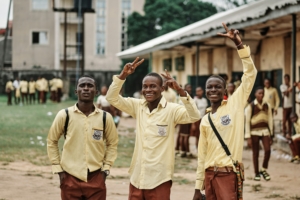
Refugee Education in GermanyIn 2015, conflict in Syria, Afghanistan, Iraq, Libya and other places forced millions of people to leave their homes and become refugees. The flow of migrants entering Europe increased from 153,000 in 2008 to more than a million in 2015.

Education Opportunities for Refugees

During what is known as the “refugee crisis” of 2015, Germany quickly developed a culture of openness, with an emphasis on refugee education. Angela Merkel, then the country’s chancellor, introduced the phrase “Wir schaffen das” (“We can do this”) as a rallying call for the more skeptical citizens of Germany. There were many Germans at the time who doubted the capacity of the welfare state to accommodate such high numbers of new arrivals on top of the demands of the native population. However, the story of Germany’s refugee policy is considered to be one of success today. By 2018, 72% of the asylum seekers had been granted protection and the right to work in Germany. By 2020, half of the asylum seekers who had entered Germany in 2015 had found a job.

One of the central strategies Germany has adopted for accommodating and integrating its migrant population is an investment in education opportunities for refugees. According to the World Bank, there are 15 million displaced school-aged children, more than half of whom are not enrolled in education. If these children were in school, they would be less vulnerable to rights abuses like child labor, forced marriage and violence. Additionally, the consistency of attending school every day in a safe and supportive environment can restore a sense of stability and safety to children who have experienced severe trauma and life disruption.

Barriers to Integration in Germany’s Education System

Although it has been widely recognized that “access to education and language courses are … key to the success of social and labor market integration”, the German schooling system was not designed with this intention in mind. Studies have shown that the German schooling system tends to reproduce and cement already existing social and class distinctions. It can be difficult, therefore, for refugee children to move beyond the social class of their parents, even with a German education. One report cites the fact that frequent relocations in accommodations and being enrolled in a preparatory class separate from native German speakers correlated with a lower chance of gaining further qualifications after completion of the mandatory nine years.

The German Expert Council on Migration and Integration released a report in 2018 suggesting that a barrier to social integration and educational advancement of refugee children is the segregated school system. Some schools implement a parallel schooling system, in which refugee children are taught separately from their German counterparts, sometimes without any native speaker in the classroom. When it came to higher education, refugees again faced considerable barriers. Without institutional provisions like scholarships or waived costs, it was largely the work of volunteers and people working within academia that turned Germany into an example of inclusion when it comes to refugee education. There was a large consensus across academic disciplines that federal funding should be opened up for asylum seekers in Germany.

Looking Forward

Humanitarian organizations filled the gaps where federal policy failed to account for refugee education. An important example of this humanitarianism is the charity Kiron. The charity began its work in 2015, ensuring that forcibly displaced people can continue to access education online. Kiron has now provided remote education for more than 100,000 students since its founding. In 2023, it launched the free program THRIVE, aimed at upskilling displaced women in preparation for the job market.

Additionally, the United Nations High Commissioner for Refugees (UNHCR) has committed to enrolling 15% of refugees in higher education by 2030. Achieving this goal will require efforts from not only humanitarian workers but also governments to ensure inclusive education.

– Io Oswald

Io is based in Paris, France and focuses on Politics for The Borgen Project.

Photo: Flickr
October 24, 2024
https://borgenproject.org/wp-content/uploads/borgen-project-logo.svg 0 0 Hemant Gupta https://borgenproject.org/wp-content/uploads/borgen-project-logo.svg Hemant Gupta2024-10-24 01:30:232024-10-24 00:26:06Refugee Education in Germany
Page 5 of 67«‹34567›»

Get Smarter

  • Global Poverty 101
  • Global Poverty… The Good News
  • Global Poverty & U.S. Jobs
  • Global Poverty and National Security
  • Innovative Solutions to Poverty
  • Global Poverty & Aid FAQ’s
Search Search

Take Action

  • Call Congress
  • Email Congress
  • Donate
  • 30 Ways to Help
  • Volunteer Ops
  • Internships
  • Courses & Certificates
  • The Podcast
Borgen Project

“The Borgen Project is an incredible nonprofit organization that is addressing poverty and hunger and working towards ending them.”

-The Huffington Post

Inside The Borgen Project

  • Contact
  • About
  • Financials
  • President
  • Board of Directors
  • Board of Advisors

International Links

  • UK Email Parliament
  • UK Donate
  • Canada Email Parliament

Get Smarter

  • Global Poverty 101
  • Global Poverty… The Good News
  • Global Poverty & U.S. Jobs
  • Global Poverty and National Security
  • Innovative Solutions to Poverty
  • Global Poverty & Aid FAQ’s

Ways to Help

  • Call Congress
  • Email Congress
  • Donate
  • 30 Ways to Help
  • Volunteer Ops
  • Internships
  • Courses & Certificates
  • The Podcast
Scroll to top Scroll to top Scroll to top