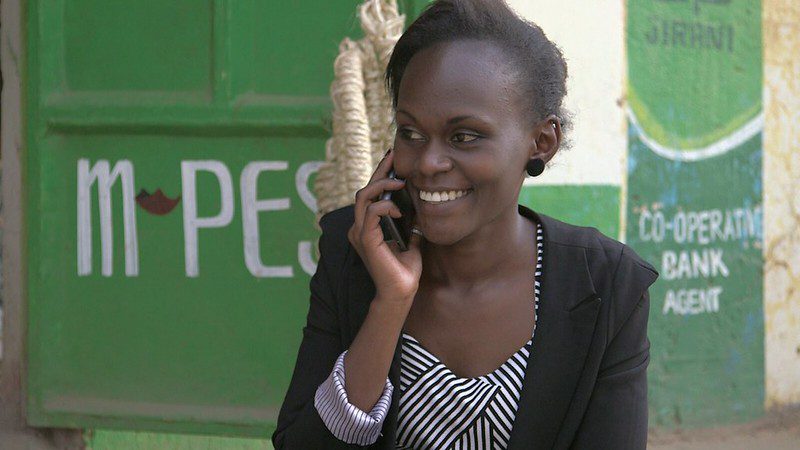
 In 2019, former Presidential candidate Andrew Yang proposed a universal basic income and introduced many Americans to the concept. For the developing nation of Kenya, UBI has been an ongoing research project for years.
Universal basic income is a system in which the citizens of a country receive a recurring payment from the federal government for basic necessities such as food, housing and medicine. The goal is to lessen wealth inequality while fostering a higher standard of life regardless of one’s status in society.
Universal basic income in Kenya started in 2017 as a study to map the effectiveness of supplying money to individual villages. In each village, a different stipend was doled out with varying degrees of frequency. The $30 million UBI program was created with the help of GiveDirectly, a non-governmental organization dedicated to addressing global poverty through direct payments. In both 2019 and 2020, researchers followed up with more than 8,000 people involved in the study. What they found proves the success of universal basic income programs to improve food security, health, and mental and emotional well-being.
How the Cash is Distributed
For this study, it is important to note how the payments were allotted to the 14,474 households that participated. The researchers split counties in rural Kenya into four groups. The people in the first set of villages received $0.75 per day for 12 years. The second group received the same stipend but for only two years and was therefore never surveyed during COVID-19. The third group received a one-time lump sum of $500. Finally, the last division of villages was given nothing to act as a comparison.
Food Insecurity
The comparison group, which received no UBI, reported only 32% food security in the last few years. The three UBI groups who received payments reported a notable decrease in hunger between 5-11 percentage points. The study shows that the first group, which received a recurring amount during 12 years, experienced the smallest hunger levels. This suggests that UBI in Kenya can alleviate hunger, especially when provided in smaller payments over time.
Physical, Mental and Emotional Well-being
Universal basic income in Kenya also affects physical health. About a third of respondents without a stipend said they sought medical attention in the last month. However, those in the UBI groups were healthier, with fewer respondents reporting clinical visits or sick family members. Given the lack of COVID-19 cases in the respective villages, the pandemic did not change the findings.
The researchers also found that degrees of depression varied by the method in which the income was distributed over time. Mental health was considered low in the cashless group. Not all UBI groups benefited; however, the group provided with the $500 lump sum reported high levels of depression. Some researchers speculate that receiving a cash payment in regular increments is more beneficial to one’s mental and emotional well-being.
During the Pandemic
The COVID-19 outbreak has brought to light how beneficial a universal basic income program can be when faced with unforeseen financial setbacks like a pandemic. When the study researchers checked in with Kenya in 2020, the pandemic struck the world. Only 12 cases existed in Siaya and Bomet, where the study was being conducted. Kenya underwent a strict lockdown in March, pushing vulnerable people living in rural communities into even more precarious situations. The study showed that UBI recipients were less likely to engage in social activities or visit a clinic, both of which increase the likelihood of catching the virus.
While the study is new and not fully complete, good signs point toward a permanent UBI in Kenya because of the proven benefits. Universal basic income has the ability to offer financial assistance and stability to lessen the blow of the pandemic for Kenyans. With UBI, Kenya has the potential to help those in desperation and foster a higher standard of living for all.
– Zachary Sherry
Photo: Flickr
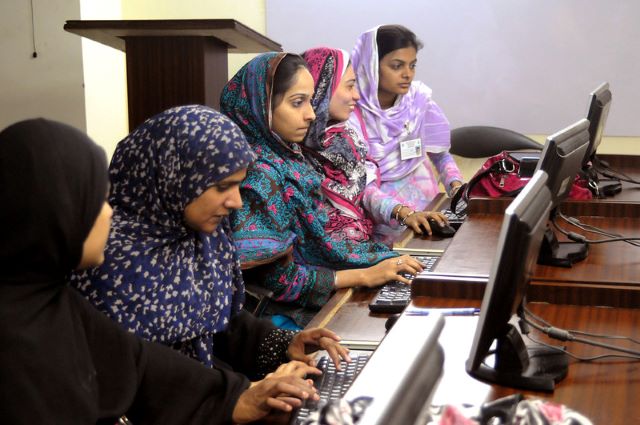 In the wake of COVID-19, economies across the world have been hit hard. Countries alike have seen decreases across all economic sectors as quarantine and stay-at-home orders were mandated in an effort to slow the spread of the virus. People transitioned to working remotely, while millions of others lost their jobs entirely due to market crashes. In an effort to cushion the economic travesty that the pandemic has bought, Microsoft is launching
  The Maldives, an archipelago located near India and Sri Lanka, faces significant food security and hunger challenges. With a population of 515,696 citizens, it is estimated that over
  With the COVID-19 pandemic being a new reality for people all around the world, top medical experts have advised everyone to take a series of precautionary measures to protect themselves against the disease. This includes wearing a face mask, social distancing and regular handwashing. While many have successfully adapted these recommendations into their daily routines, one group that is particularly struggling to do so are young children. However, two Pakistani teenage brothers have put forth an out-of-the-box solution and created a video game to combat COVID-19 in Pakistan.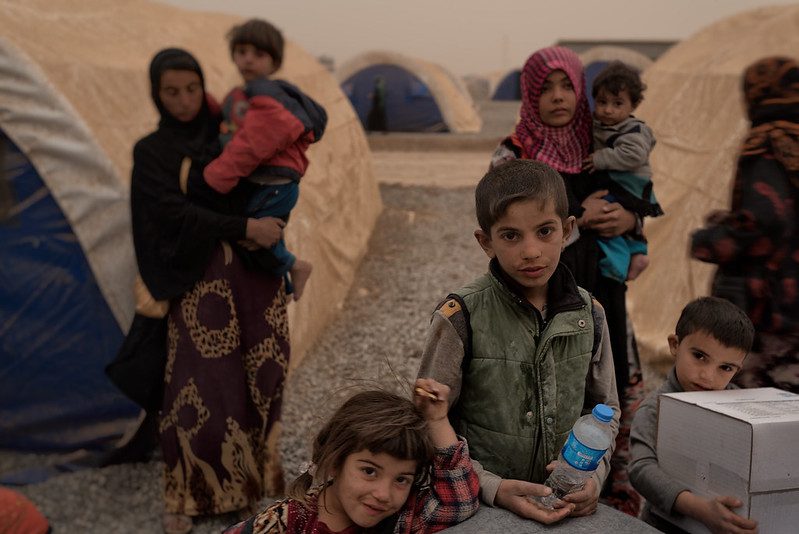
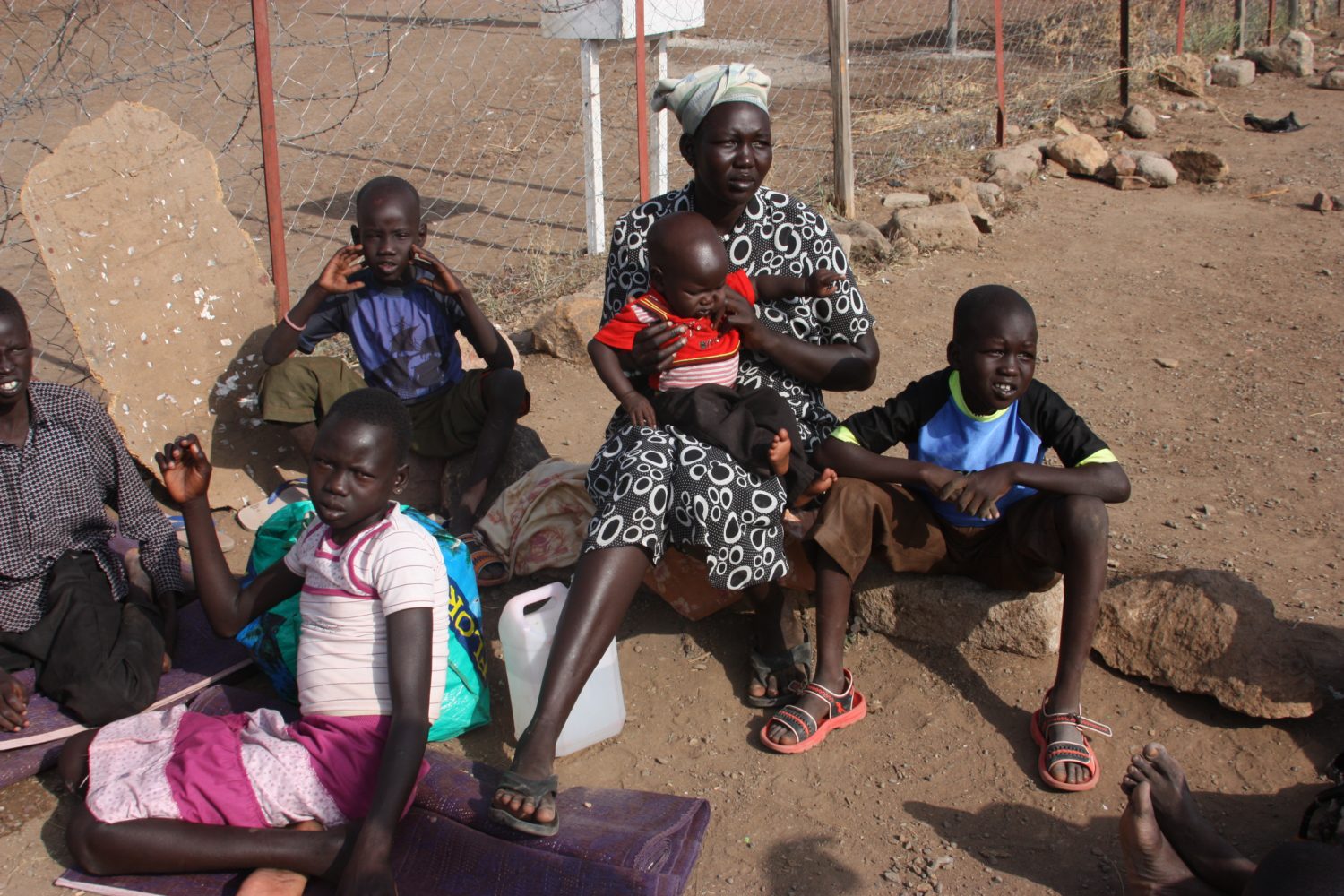 Many refugees in Sudan fled on foot to Egypt to escape violent and impoverished conditions in Sudan. About
  COVID-19 has brought nearly all facets of normal life and governance to a screeching halt. On all fronts, from the economy to the military, the coronavirus has changed the way this planet runs. One area that has been heavily affected by the pandemic but does not get as much attention is international relations.
 The People’s Republic of China has a reputation for excellence in its education system. China has around 1.3 billion people in population and has one of the largest education systems in the world. It has more than 500,000 schools alone. The education system in China is not only substantial but also diverse. There are more than 300 million students and over 14 million teachers.