• Link to X
  • Link to Facebook
  • Link to Instagram
  • Link to TikTok
  • Link to Youtube
  • About
    • About Us
      • President
      • Board of Directors
      • Board of Advisors
      • Financials
      • Our Methodology
      • Success Tracker
      • Contact
  • Act Now
    • 30 Ways to Help
      • Email Congress
      • Call Congress
      • Volunteer
      • Courses & Certificates
      • Be a Donor
    • Internships
      • In-Office Internships
      • Remote Internships
    • Legislation
      • Politics 101
  • The Blog
  • The Podcast
  • Magazine
  • Donate
  • Click to open the search input field Click to open the search input field Search
  • Menu Menu

Tag Archive for: COVID-19

Posts

Disease, Global Health, Global Poverty, Health

Global Health Update: The 2019 Coronavirus

2019 Coronavirus
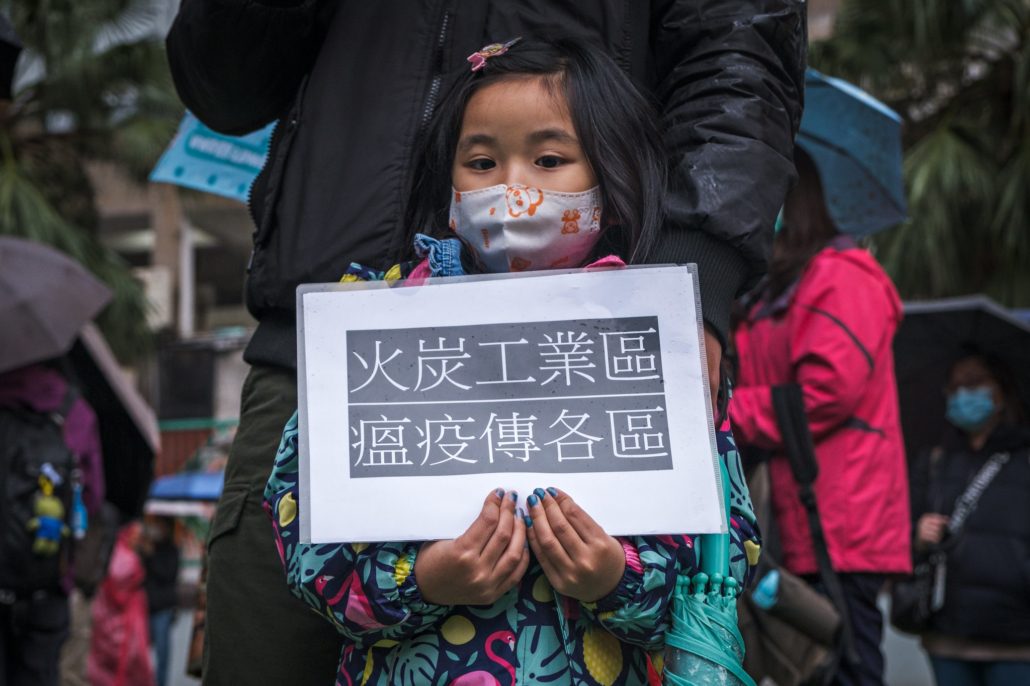
The 2019 coronavirus outbreak in China has infected thousands and killed hundreds of people in Japan, Thailand, Singapore, Germany, France, the United States and other countries. As a result, there are strict preventative measures, as currently, only supportive care exists – meaning there is no definitive cure. Understanding all relevant information about the virus itself and the reaction of the global health community is highly relevant, important and necessary.

The 2019 Coronavirus (2019-nCoV or COVID-19)

Originating in Wuhan, China, the 2019 coronavirus is a viral infection that causes breathing problems. The 2019 coronavirus is within the same family of viruses – but a different strand – that causes Severe Acute Respiratory Syndrome and Middle Eastern Respiratory Syndrome. It transmits from human to human through coughing, sneezing and other moist bodily particles. Symptoms include breathing difficulty, fever and cough, similar to typical viral infections.

Treatment

People can use supportive care for symptom relief, such as fever relief with Tylenol. No one has developed an antiviral for the 2019 coronavirus yet, which would consist of suppression of further viral infection of host cells, rather than viral eradication.

Prevention

The CDC recommends avoiding crowds to reduce the chance of interacting with infected persons. People should also practice hand-washing and good hand-hygiene practices. These measures include avoiding touching eyes, nose and mouth, and covering the mouth and nose when sneezing. Moreover, people should disinfect surfaces frequently.

Monitoring

Those individual(s) who might have traveled on a plane or are concerned about becoming infected should monitor for symptoms. Symptoms are likely to occur between two to 14 days after traveling to China or interacting with individuals(s) who have traveled to China. Contact with the 2019 coronavirus can occur within six feet of a person and/or can occur directly when touching moist bodily particles. If symptoms occur, one should notify and visit a doctor’s office immediately.

Global Health Response

The WHO International Health Regulations Committee first met to advise the Director-General on disease control and prevention strategies. WHO then visited Wuhan, China in January 2020 to establish a plan with China’s President, Xi Jinping, in treating existing patients and containing the virus. Globally, WHO is currently conducting research to find a viable treatment for COVID-19; the U.S. is simultaneously conducting a vaccine trial to prevent further spread. WHO and various international health ministries are gathering up funding, projected to be about $675 million, to support the Strategies Preparedness and Response Plan. The plan outlines preparedness protocol for countries, in particular, those with limited health systems, to stop virus transmission, treat patients and collaborate between countries to carry out all necessary operations.

Global Response

Many countries and organizations, such as the United Nations International Children’s Emergency Fund, Belarus, Brunei, Cambodia, Egypt, Iran, Japan and Pakistan among many others, are sending medical supplies and equipment to help China in addressing COVID-19 treatment needs. Doctors in China are administering care to patients in temporary treatment centers while other health officials are managing supplies and equipment to ensure appropriate use. Furthermore, various Chinese companies are investing in research; other organizations are fundraising to support disease control efforts. Chinese city locals and groups are also coming together to lend a hand in stopping the outbreak.

Globally, support is even coming in from philanthropists, international businesses and foreign aids. For example, the Bill and Melinda Gates Foundation has donated $100 million. These efforts are all contributing to research, treatment and prevention funds. Foreign aid from the U.S. comes in the form of a medical advisory board going to China to work with its health officials while the European Union is providing $11 million USD for research on the virus.

Information regarding the 2019 coronavirus is emerging daily. Health organizations, governments, non-government organizations and businesses are pulling resources to contain the illness and its outbreak.

– Hung Le
Photo: Flickr

February 25, 2020
https://borgenproject.org/wp-content/uploads/borgen-project-logo.svg 0 0 Lynsey Alexander https://borgenproject.org/wp-content/uploads/borgen-project-logo.svg Lynsey Alexander2020-02-25 07:15:422024-05-29 23:15:09Global Health Update: The 2019 Coronavirus
Economy, Global Poverty, Migration

Poverty in Oman: Past, Present, and Future

poverty in oman

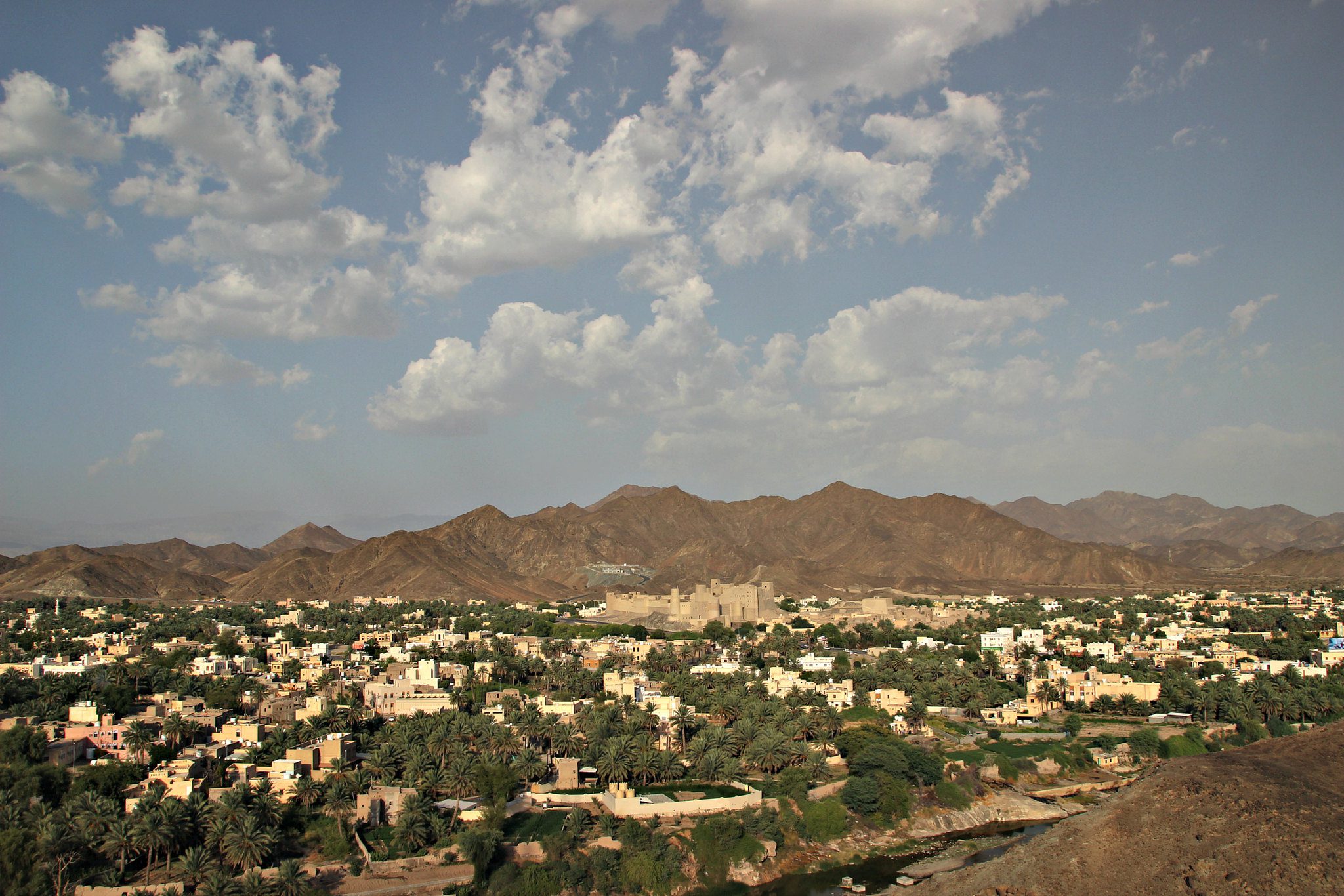
Oman is a country in the Arabian Peninsula bordering Saudi Arabia, Yemen and the United Arab Emirates, which places it in the southeastern coast of the region. The coastal regions of the country benefit from fertile soil and a beautiful landscape with impressive mountains. Despite the country’s strong agriculture and its oil, it has recently faced an economic downturn following its big investments in social welfare, causing oil prices to drop and the budget to decrease.

Economic Crisis

The aforementioned economic downturn of the country was due to a protest during the Arab Spring in 2011. The citizens demanded more employment opportunities, economic benefits, and a crackdown on the government’s corruption, which is an absolute monarchy led by the Sultan of Oman. While the government did respond to the protest by providing social welfare benefits, the result was an unmanageable budget that contributed to the poverty in Oman. The biggest concern on the economy of Oman is related to the shifting prices of oil, as the country is highly dependent on oil to generate revenue. In fact, oil can account for somewhere between 68% and 85% of the country’s entire revenue generated in a year. This is why Oman suffered a budget deficit of $13.8 billion in the year 2016, the same year global oil prices dropped.

Wages and Migrant Inequity

While the statistics don’t indicate a high rate of the country’s nationals being under the poverty line, poverty in Oman primarily affects migrant workers. Omani nationals benefit from a minimum wage at $592 a month in addition to a $263 allowance. Migrant workers in Oman do not have access to these benefits and are compensated with low wages.

Many countries in the Middle East, including Oman, employ female migrants to work in households. They are tasked with taking care of the children, cooking, and doing daily chores. Oman has at least 130,000 of these female migrant workers, and they face poor working conditions. This includes lower wages than initially promised, excessively long working hours and, according to interviews with about 59 of the workers, there are even cases of physical and sexual abuse from employers.

A Plan Forward

The state is at risk of major deficits in its budget in a case where oil prices drop, as was the case in the year 2016. To solve this, the sultan has been seeking alternative ways for generating revenue in order to reduce the risk of another economic downturn. The country has already made progress by making a development plan in 2016 to decrease its oil dependency. The plan seeks to open doors in industrialization and privatization, diversifying its sources of revenue.

According to the CIA, “The key components of the government’s diversification strategy are tourism, shipping and logistics, mining, manufacturing, and aquaculture.” Despite Omani nationals struggling to find employment opportunities due to migrant workers’ lower wages in earlier years, the country has seen an increasing number of citizens entering the job market recently. To highlight some of the progress Oman has made in previous years, its tourism industry has been opening up and contributing to the country’s GDP. 32 new hotels opened in 2018 to add over 3000 rooms to accommodate tourists, which put the country at an expected tourism growth rate of about 13% between 2018 and 2019.

COVID-19 Influence

Reports in recent months have shown a spike in Covid-19 cases among migrant workers in the Arabian Gulf countries, including Oman. Living conditions for these workers tend to be cramped and they lack access to necessary equipment and care for protection against the virus. Back in April, 16 NGOs sent letters to the gulf countries with recommendations to protect migrant workers amidst the pandemic. These recommendations include providing equal testing, medical access and continued wages for workers no longer able to work in these conditions.

While Oman has yet to respond to the letters, there has been a decline in Covid-19 daily cases over the past week. It peaked at an estimated 2164 new cases on July 13th but has been declining. In comparison, on July 15th, there were an estimated 1157 new cases.

Despite facing an economic downturn in 2016, the country has made strategic progress by diversifying its sources of revenue and decreasing its dependency on oil. These changes can greatly alleviate poverty in Oman.

– Fahad Saad
Photo: Flickr

April 26, 2017
https://borgenproject.org/wp-content/uploads/borgen-project-logo.svg 0 0 Borgen Project https://borgenproject.org/wp-content/uploads/borgen-project-logo.svg Borgen Project2017-04-26 01:30:062024-06-05 04:37:54Poverty in Oman: Past, Present, and Future
Page 23 of 23«‹212223

Get Smarter

  • Global Poverty 101
  • Global Poverty… The Good News
  • Global Poverty & U.S. Jobs
  • Global Poverty and National Security
  • Innovative Solutions to Poverty
  • Global Poverty & Aid FAQ’s
Search Search

Take Action

  • Call Congress
  • Email Congress
  • Donate
  • 30 Ways to Help
  • Volunteer Ops
  • Internships
  • Courses & Certificates
  • The Podcast
Borgen Project

“The Borgen Project is an incredible nonprofit organization that is addressing poverty and hunger and working towards ending them.”

-The Huffington Post

Inside The Borgen Project

  • Contact
  • About
  • Financials
  • President
  • Board of Directors
  • Board of Advisors

International Links

  • UK Email Parliament
  • UK Donate
  • Canada Email Parliament

Get Smarter

  • Global Poverty 101
  • Global Poverty… The Good News
  • Global Poverty & U.S. Jobs
  • Global Poverty and National Security
  • Innovative Solutions to Poverty
  • Global Poverty & Aid FAQ’s

Ways to Help

  • Call Congress
  • Email Congress
  • Donate
  • 30 Ways to Help
  • Volunteer Ops
  • Internships
  • Courses & Certificates
  • The Podcast
Scroll to top Scroll to top Scroll to top