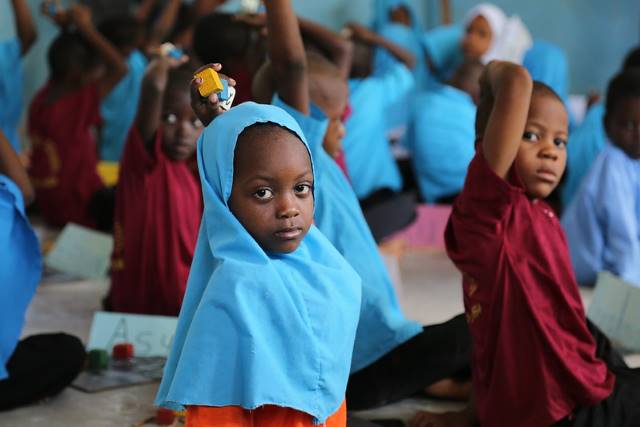
 Tanzania has faced difficulty in promoting its own economic development in the past. While Tanzania has made progress, its progress has slowed over the past decade. As a result, Tanzania is improving its education to reduce poverty in the country.
Challenges and Progress in Tanzania
Tanzania is a country that has experienced severe poverty levels throughout its history. Yet over the past decade, the country has also made significant strides in reducing its poverty rate. While in 2007 Tanzania had a poverty rate of 34.4%, with more than a third of the population living under the poverty line, that number had fallen to 28.2% by 2012 and again to 26.4% by 2018.
This data shows a clear improvement in Tanzania’s poverty levels but it also reveals a slowing of the progress being made in fighting poverty in the country, with a roughly 6% reduction of the poverty rate between 2007 and 2012 and a roughly 2% reduction of the poverty rate from 2012 to 2018. Nearly 50% of Tanzania’s population still fall below the extreme poverty income line, meaning they are living on less than $1.90 a day.
While Tanzania’s economic progress had already been slowing in the last few years, the arrival of the COVID-19 pandemic is on track to hinder the country’s economic development even further. Both the formal and informal economies of Tanzania have been impacted by the effects of the pandemic, with Tanzania’s tourism industry being especially crippled.
The Tanzanian government estimates that only about 437,000 people will visit Tanzania from outside the country this year, which is a significant reduction from the 1,867,000 tourists estimated in 2019. It is predicted that Tanzania will lose around 146,000 jobs due to this drop in tourism.
Education Challenges in Tanzania
Yet, Tanzania is improving its education to reduce poverty among its poorer populations. In an effort to reduce poverty, the Tanzanian government has made investments in education over the past decade. Since 2007, Tanzania’s government has worked to provide free education for all its people and from 2011 to 2016, it increased its education spending budget by more than half. This led to a sharp increase in the rate of primary education enrollment but by 2012 this rate had fallen by nearly 20%.
While the efforts of Tanzania’s government to make education free have been broadly effective, many impoverished communities in Tanzania still struggle to access formal education. The cost of the tuition itself is only part of the total cost of education and many impoverished people in Tanzania are unable to afford the costs of traveling to and from school. In some rural parts of Tanzania, students have to travel nearly 15 miles every day just to receive an education.
As a result, many people in Tanzania choose to forgo formal education, with more than half of Tanzania’s rural population being illiterate.
Possible Solutions to Improve Education
Investing more in transportation systems for students may help to alleviate some of the financial burdens that impoverished communities face. Investing in teachers may also help Tanzania overcome its low education rate, as many public schools in Tanzania have many more students than available teachers. According to UNICEF, for every trained teacher at the pre-primary level of public education in Tanzania, there are roughly 131 students, meaning that many public schools in Tanzania end up being understaffed. By investing more funding into training teachers, the Tanzanian government could further improve its public education systems, which would improve career opportunities among its poorest communities.
Taking Action
Tanzania’s government has recognized the need to improve education among its populace. Currently, UNICEF is working with Tanzania’s President’s Office Regional Administration and Local Government to bring increased education opportunities to more communities throughout the country. By working with the government, UNICEF hopes to develop policies that will allow for more effective and accessible systems of education to be established within the next year.
Tanzania’s economic development has faced significant roadblocks in the past, with the COVID-19 pandemic being especially detrimental. However, it is clear that Tanzania is improving its education to reduce poverty among its population. To reduce poverty rates and improve career opportunities, the Tanzanian government is investing in better education for its citizens. With the help of organizations such as UNICEF, Tanzania may see a lower poverty rate than ever before.
– Marshall Kirk
Photo: Flickr
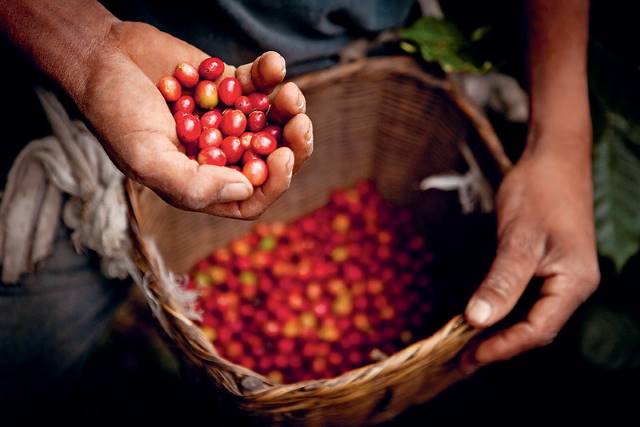
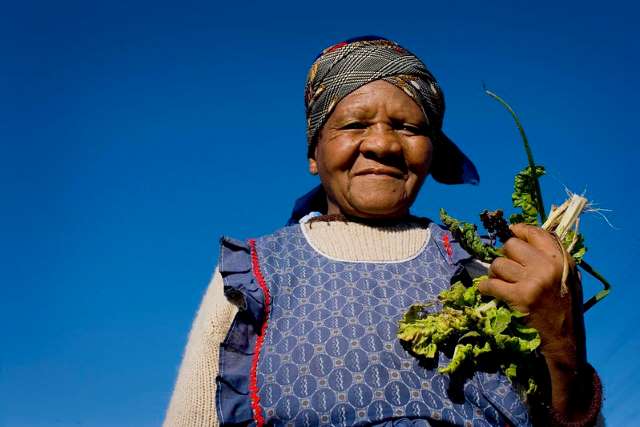 With the COVID-19 pandemic causing global economic downturns, food insecurity and unemployment, many communities in developing countries have turned to small-scale farming and home gardening as a solution. When the pandemic took full effect in March 2020, an upward trend in gardening around the world followed. In developing countries where access to food was dangerously inhibited by the pandemic’s economic effects, embracing small-scale gardening became crucial. To navigate a food crisis, residents of various developing countries embraced gardening and its many benefits, plotting gardens wherever they could find land. In addition to helping communities survive a food crisis by staving off hunger and providing necessary nutrients, gardening also supports struggling local economies and improves mental health. Gardening is helping people survive a pandemic and has taken root to assist communities to cope with the crisis.
 The United Nations Development Programme (UNDP) helped establish three solar microgrids in rural Yemeni communities. Earlier this year, the British charity Ashden honored the scheme as one of 11 recipients of its prestigious Ashden Awards. These annual awards recognize initiatives whose efforts to deliver sustainable energy have produced important social and economic advantages.
 University of Southern California (USC) has a course called “Innovation In Engineering and Design for Global Crises.” As part of the class, a team of USC undergraduates visited the Moria refugee camp to learn from and engage with the displaced peoples about their experiences. The need for more livable housing was the impetus for students’ project development. The result was Torch Tile — an adaptable, low-cost, user-friendly
 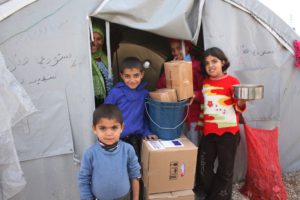 The Syrian conflict continues to rage through this pandemic. The locus of fighting has shifted to the provinces of Idlib and Aleppo. Since 2019, the Syrian government — with support from Russia — has engaged in various bombing campaigns in the region and sent ground forces as well. Idlib is clearly feeling the effects of this violence. The need for aid in the province grows alongside the increasing size of the humanitarian crisis. One particularly important but overlooked aspect of the devastation in Idlib is the rising cost of food. Child hunger in Idlib is a result of the rise in levels of food among the youth due to price increases.
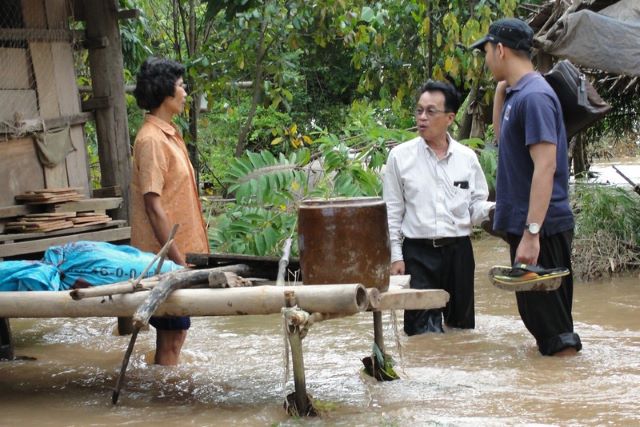 Traditionally, the people of Southeast Asia benefitted from small floods that enriched the soil and prevented bigger floods. However, human interference with the rivers has disrupted their natural ecological processes and increased long-term damage. The disruption of crops, destruction of land and the displacement of people due to flooding increases poverty, especially during Southeast Asia’s current economic crisis. Mitigating steps are necessary to prevent the harmful effects of floods in Southeast Asia.
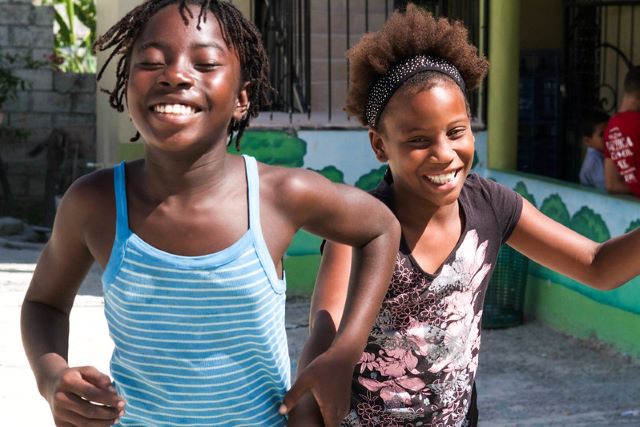 Cabarete Sostenible began as a response to the COVID-19 crisis by providing emergency food aid to families in need in Cabarete, Dominican Republic. Its Festival of Masks aimed to raise money for further emergency food relief efforts, community farming and educational initiatives for the community.
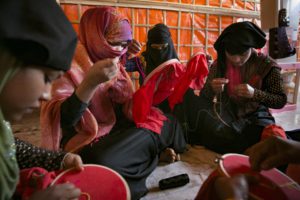 Low-income areas with a high population density are at the highest risk of contracting the coronavirus. This threat is very prevalent in the Rohingya refugee camps, especially for women and girls.
 It is a struggle to deal with a family member having cancer emotionally, physically and financially. The burden of paying for a family member’s hospital bills makes it difficult to pay for other things like food, shelter and clothing. The Max Foundation in Argentina has stepped up to this challenge