• Link to X
  • Link to Facebook
  • Link to Instagram
  • Link to TikTok
  • Link to Youtube
  • About
    • About Us
      • President
      • Board of Directors
      • Board of Advisors
      • Financials
      • Our Methodology
      • Success Tracker
      • Contact
  • Act Now
    • 30 Ways to Help
      • Email Congress
      • Call Congress
      • Volunteer
      • Courses & Certificates
      • Be a Donor
    • Internships
      • In-Office Internships
      • Remote Internships
    • Legislation
      • Politics 101
  • The Blog
  • The Podcast
  • Magazine
  • Donate
  • Click to open the search input field Click to open the search input field Search
  • Menu Menu

Tag Archive for: COVID-19

Posts

Global Poverty

Immunization in Pakistan Resumes During COVID-19

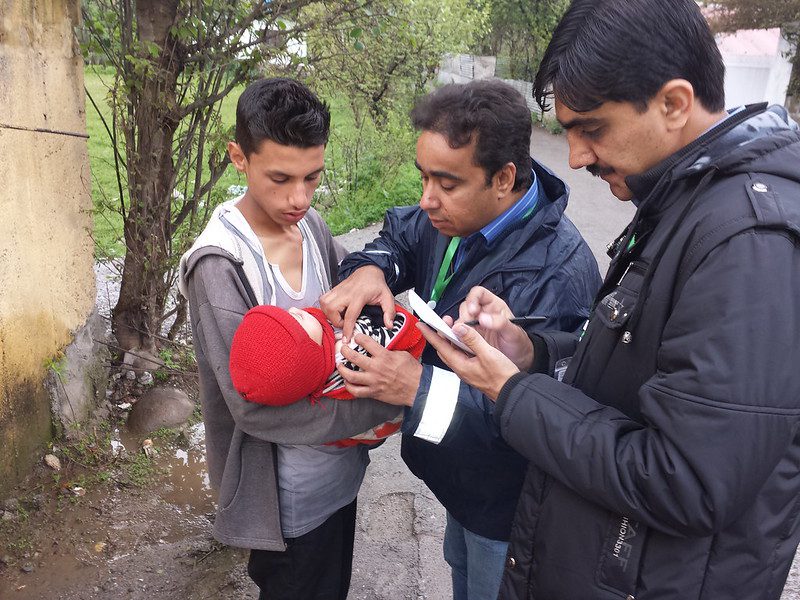
immunization in pakistanDuring the COVID-19 pandemic, 63 polio cases were reported in Pakistan. Four months after the COVID-19 outbreak occurred in Pakistan, more than 50 million children did not receive a polio vaccination, as immunization in Pakistan was delayed. At the end of July 2020, Pakistan was able to complete a round of vaccinations to cover 780,000 children.
Vaccinations and COVID-19

On April 1, 2020, Pakistan went into a nationwide lockdown for a month due to COVID-19. During the lockdown, immunization in Pakistan reduced by more than 50%. This reduction occurred mainly in impoverished regions and areas that were far from service delivery.

Healthcare workers’ contracting COVID-19 led to a halt in immunization services in some areas. More than 150 Expanded Programme on Immunization healthcare workers contracted COVID-19. Additionally, shortages of personal protective equipment (PPE) further reduced immunization, as healthcare workers were concerned about the risk of transmission while providing immunizations without proper PPE.

Transportation Interruptions Delay Immunization

Many immunizations in Pakistan were not delivered due to flight disruptions from COVID-19. Reduced immunization in Pakistan can lead to new outbreaks of other preventable diseases, like measles. The Khyber Pakhtunkhwa Province, an area with a large refugee population and limited healthcare access, has already seen an increase in measles cases.

The lack of public transportation available during the pandemic also made it difficult for many to travel to receive immunizations. People who are at high risk of contracting COVID-19 were often afraid to go out in public and get immunized.

New mothers in particular were not willing to risk the travel to hospitals to get their children vaccinated. One new mother expressed her concern that the absence of vaccinations could lead to contracting preventable diseases, but she was also worried about the coronavirus. Furthermore, multiple private and public hospitals were overwhelmed with COVID-19 and did not allow babies and mothers to receive their immunizations.

WHO’s Restrictions Led to Vaccination Difficulties

After the World Health Organization advised countries to postpone their immunization campaigns, Pakistan halted its door-to-door polio immunization program. The postponement of mass vaccination programs may lead to 117 million children worldwide not receiving a measles vaccine. Countries that have low immunization rates are at the highest risk. Pakistan’s routine vaccination campaign for tuberculosis, for example, reached only 66% of its slated coverage this year, compared to 88% in 2019.

In Karachi, the Health Education and Literacy Programme (HELP) works to support maternal and child health and maximize vaccination coverage. Founder of HELP, Dr. D. S. Akram, said that the delay in immunization could lead to hundreds of thousands of young Pakistanis missing their tuberculosis and polio vaccines. On average, 12,000 to 15,000 children are born in Pakistan every day. Since polio is still endemic in Pakistan, the suspension of the door-to-door polio immunization program may lead to more outbreaks in the future.

Once Pakistan started to come out of its lockdown in May 2020, clinics began to reopen in an effort to continue vaccination campaigns. Pakistan faced two obstacles in attempting to increase routine vaccinations: both opening hospitals and ensuring that parents felt safe to bring their children there. Hospitals had to ensure not only that there were enough vaccinations in supply but also that parents would be willing to get their children immunized.

In Pakistan, children who belong to poor households are affected by vaccination coverage the most. The reduction of immunization in Pakistan has occurred mainly in slum areas, where it is difficult to deliver healthcare products. Despite the delay in immunization caused by COVID-19, Pakistan continues to adapt in its efforts to return to routine vaccination.

– Ann Ciancia
Photo: Flickr

September 22, 2020
https://borgenproject.org/wp-content/uploads/borgen-project-logo.svg 0 0 Kim Thelwell https://borgenproject.org/wp-content/uploads/borgen-project-logo.svg Kim Thelwell2020-09-22 16:03:542020-09-22 16:03:54Immunization in Pakistan Resumes During COVID-19
Global Poverty

Yemen’s Coronavirus Crisis Threatens An Already Unstable State

Yemen's Coronavirus Crisis
Yemen’s civil war and the resulting violence considered currently the ‘worst humanitarian crisis in the world,” a crisis that is heavily rooted in the regional divide coupled with resource insecurity. The coronavirus pandemic which broke out at the beginning of 2020 and spread globally has only increased the strain on war-torn countries. Yemen’s coronavirus crisis strained the country’s already heavily underfunded healthcare system and its ability to reach the most vulnerable.

The Conflict in Yemen thus far:

To understand just how urgent the need is to address the coronavirus crisis in Yemen, one must first understand the already raging crisis for Yemeni civilians caught in this conflict.

  • The Civil War:                                                                                                                                                                                                  The civil war in Yemen started in 2015 and has caused an already poor country to continue to deteriorate under the strain of war. The conflict’s main actors are the government on one side and the Houthi led rebels on the other. The civil war has in many ways acted as a front for the proxy war raging between the two hegemons of the region: Saudi Arabia (which backs the government forces) and Iran (which backs the Houthi forces). Most of the conflict occurs on the west side of the country, where many of the major ports are located. This has heavily affected the ability for humanitarian aid to get to vulnerable civilians. These resources vary from food, water, to medical supplies. In addition, the final destination of the aid that is being delivered to Yemen is being contested by major aid donors like the World Food Programme. The organization has accused the Houthi rebels who control the northern part of the country of stealing aid meant for civilians according to a June report by Al Jazeera.

Results of the conflict in Yemen:

  • 20 million civilians are food insecure
  • 10 million are considered ‘at risk for famine”
  • 12 million children depend on humanitarian aid
  • Since 2015 the “number of airstrikes has averaged to 12 a day”

Results of Coronavirus in Yemen:

Around 80% of the country is dependent on humanitarian assistance. The United Nations (UN) has projected that there could be more casualties as a result of COVID-19 than have “been caused from the last 5 years of conflict, which is estimated at 100,000.”

Due to COVID-19, the number of children left without access to educated has more than tripled, totaling 7.8 million children. Aden, a major city in Yemen is struggling with a rising casualty count with “roughly 950 deaths in the first half of May” reported by CNN. Yemen is currently fighting two other major contagious diseases, and the rise of COVID-19 as a third has affected Yemen’s ability to distribute funding and medical resources, as they are already scarce due to the conflict casualties and the other viruses. (CNN) Many cities have filled hospitals to their full capacity and cannot admit any more people despite the growing number of cases (CNN).  People are being turned away due to a lack of access to ventilators (with some cities having less than 20 total). (CNN)

Steps being taken to control Yemen’s coronavirus crisis:

The dead are not allowed to be visited and mourned by friends and family to prevent social gathers and spread of the virus.

UN Refugee Agency (UNHCR) is” increasing aid to Yemen” to address the COVID-19 crisis and its effects on civilians affected by the conflict (Al Jazeera). The situation in Yemen is bleak and represents the worst of what a global pandemic can do to a country whose systems and infrastructures are depleted from years of war. The best hope Yemen has for addressing their civilians in need is to use the aid they receive from the Un and similar actors and seek out the most vulnerable populations first and prioritize investing in more medical necessities like ventilators and other essential equipment.

– Kiahna Stephens

Photo: Pixabay

September 22, 2020
https://borgenproject.org/wp-content/uploads/borgen-project-logo.svg 0 0 Kim Thelwell https://borgenproject.org/wp-content/uploads/borgen-project-logo.svg Kim Thelwell2020-09-22 15:44:552020-09-22 15:44:55Yemen’s Coronavirus Crisis Threatens An Already Unstable State
Global Poverty, Malaria

5 Things Everyone Should Know about Healthcare in Eritrea

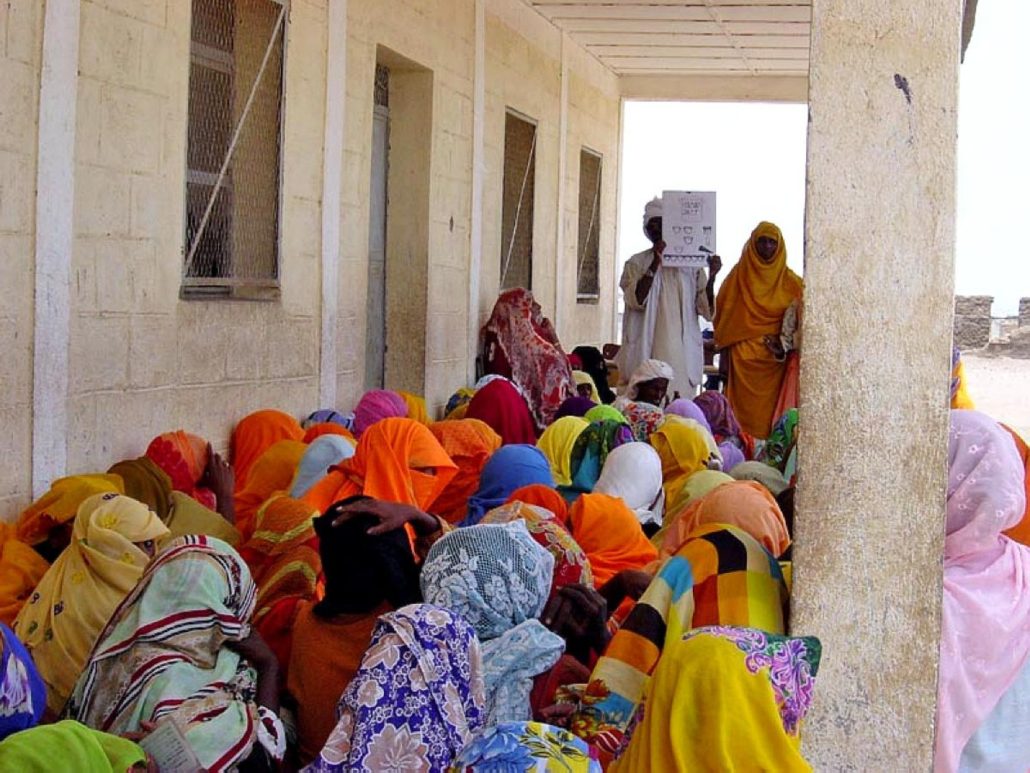
healthcare in Eritrea Eritrea is a small country in Northeast Africa, with a population of 3.2 million people. Eritrea gained independence in 1993 and remains one of the poorest countries in the world. Considering the total population, 66% of Eritreans live below the poverty line. Also, almost 33% of the population lives in extreme poverty — surviving on less than $1 per day. Eritrea is also a politically unstable country and calamities, such as war and natural disasters have contributed to the poverty level in Eritrea. Healthcare in Eritrea is another area in which the country is struggling. Although Eritrea has made great strides in life expectancy, maternal health and disease control — it does not measure up to other countries’ healthcare around the world. To learn more about the country’s health system, here are five things everyone should know about healthcare in Eritrea.

5 Things Everyone Should Know About Healthcare in Eritrea

  1. Resources are scarce. Eritrea currently has around six physicians and 75 midwives for every 100,000 people. While most of Eritrea’s healthcare providers are located in urban areas, 80% of the population that lives in rural areas is often omitted from healthcare provisions.
  2. Malaria is a major public health concern. Considering the total population, 70% live in areas that are at high risk for the disease. To rectify this, Eritrea’s government has been implementing widespread public health strategies. The government uses both national and community-based education programs to provide awareness of the disease. Besides this, the government is creating preventative strategies, such as the distribution of insecticide-treated nets (ITNs) to households across the country. Due to these efforts, more than 60% of people own at least two ITNs.
  3. Private healthcare facilities are few and far between. While private doctors are present in rural and urban areas, they are usually very expensive and only serve a small percentage of the population. There are two types of healthcare facilities in Eritrea — healthcare centers and emergency rooms. Only in emergencies can patients be admitted to hospitals without an appointment. For all other instances, people must consult with a local doctor in advance, to be admitted to a hospital.
  4. Infant mortality is decreasing and life expectancy is increasing. In Eritrea, infant mortality rates are lower than average (for sub-Saharan Africa). As the rest of the world watches global, infant mortality rates rise — the country has been taking steps to further decrease them. In 2018, the infant mortality rate was 31.3 deaths per 1,000 children born. In terms of life expectancy, Eritrea has made incredible strides. Since 1960, the life expectancy in Eritrea has increased by nearly 30 years and the average life expectancy is at 65 years (as of 2016).
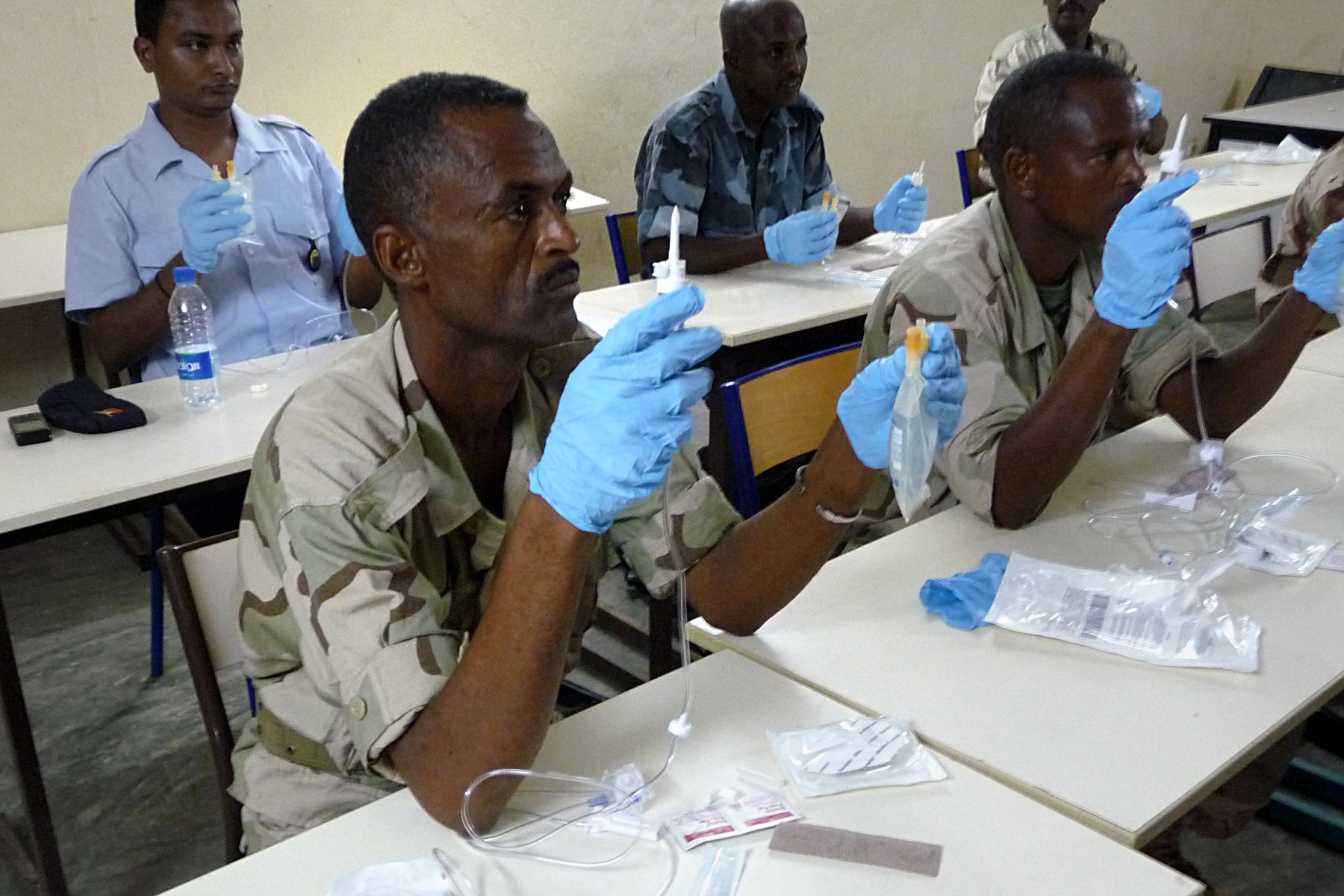
  5. Healthcare in Eritrea is improving. In 2010, Eritrea published its National Health Policy, which outlined the country’s plans to improve its healthcare system. One goal of the policy includes hiring more healthcare workers (especially ones skilled in the treatment of non-communicable diseases). A second goal is to make technological improvements to allow for distanced training of healthcare workers. Final goals include increasing the quality and quantity of resources and adapting its healthcare worker distribution to be highly mobile and dispersed.

An Outstanding Record

While Eritrea is a relatively young country, it is making great strides in its healthcare system. It has one of the most robust healthcare infrastructures in the region. Eritrea’s response to COVID-19 shows the country’s ability to mobilize its government and healthcare system, to protect its people. Because of this, Eritrea has the lowest rate of infection and fewest deaths within the Horn of Africa. Hopefully, healthcare in Eritrea will only continue to improve.

– Hannah Daniel
Photo: Pixnio

September 16, 2020
https://borgenproject.org/wp-content/uploads/borgen-project-logo.svg 0 0 Kim Thelwell https://borgenproject.org/wp-content/uploads/borgen-project-logo.svg Kim Thelwell2020-09-16 11:11:012024-05-29 23:11:065 Things Everyone Should Know about Healthcare in Eritrea
COVID-19, Food & Hunger, Food Insecurity, Food Security, Global Poverty, Water Crisis

Innovation and Food? Ask the UAE

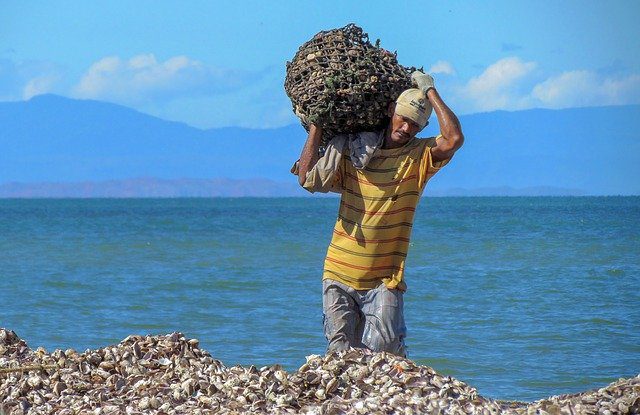
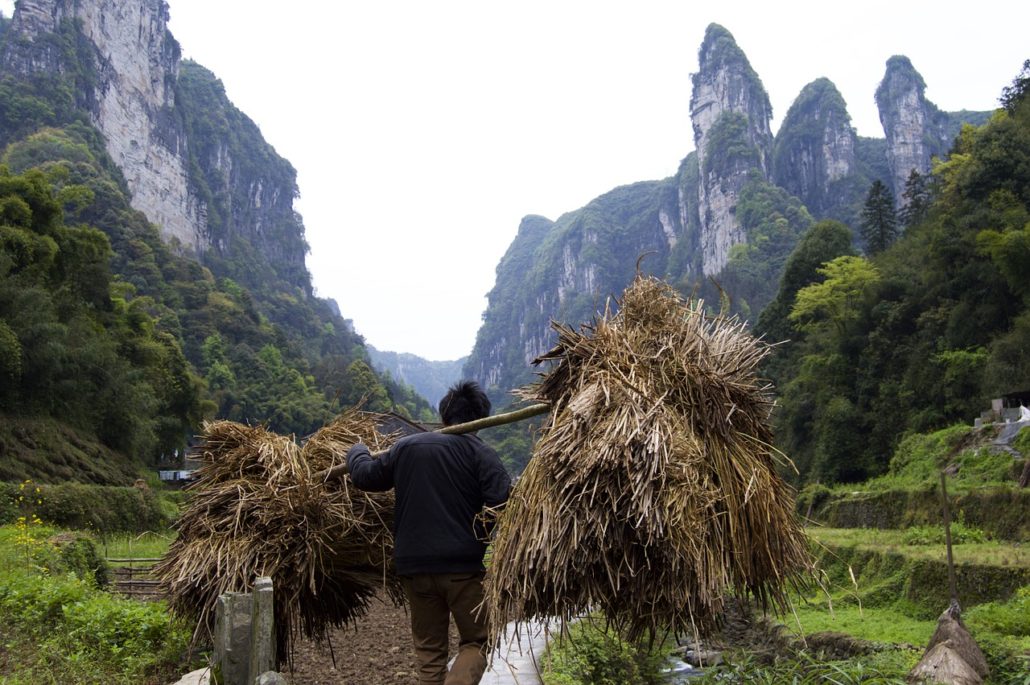
Food Security and Innovation ProgramAs the world encounters one issue after another, food insecurity increases in countries with inadequate resources or less-than sufficient agriculture systems. With the pandemic at the helm and climate change an ongoing phenomenon, to survive these stressful times, innovative strategies are necessary. In this advanced society, new ways are necessary to process, distribute and reshape food production. Connections between food security and innovation seem far-fetched, but the United Arab Emirates/UAE’s food security and innovation program has found state-of-the-art techniques that relieve their people of this struggle.
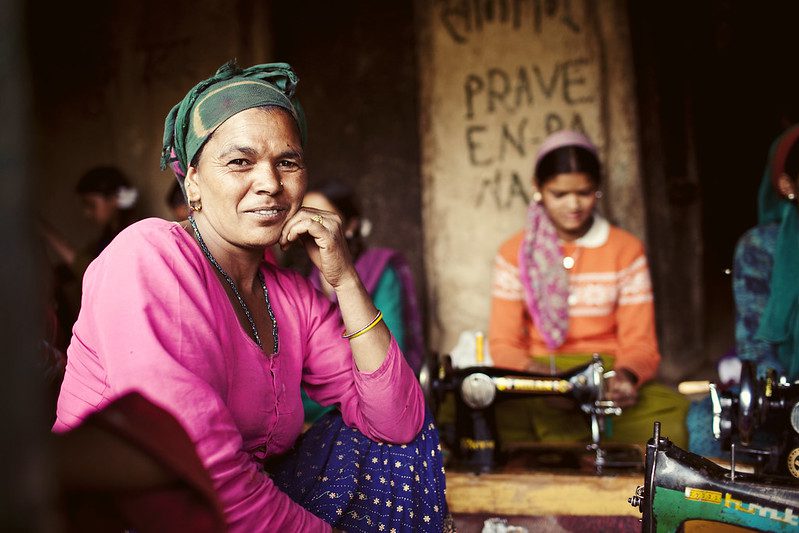
Key Constraints Facing Food Security

The UAE aims to rank in the top 10 in the Global Food Security Index by 2021, and number one by 2051. In this arid region, however, traditional farming is next to impossible from limited water for irrigation and an unequal ratio between people and the UAE’s production. Due to these hardships, the country is reliant on its imports. For a food-dependent country, when disaster hits, food systems are unstable.

While there are several reasons for poor food production in the UAE, the scarcity of water contributes heavily. Most of the water in the country is recycle and reused, but this process can only occur for a given amount of time. Given that traditional agriculture utilizes a significant amount of water, UAE’s food security and innovation program is the answer. . To combat the issue of their unstable food system, the UAE has set up the FoodTech Challenge. This global competition seeks out innovative solutions for the country to address food production and distribution.

Vertical Farming: An Innovative Farming Technique

In response to the FoodTech Challenge, the company Smart Acres has provided a technique that utilizes vertical farming to support the UAE’s food security and innovation program. Vertical farming consists of vertically stacked plants, providing more produce per square area, resembling green walls as displayed in shopping centers. Smart Acres used South Korean vertical farming technology to decrease water usage and monitor temperature and nutrients. Regarding the UAE’s water issue, vertical farms save over 90% of the water in comparison to conventional farming methods. The constant flow of water across the plants provides the necessary nutrients for all the plants to grow. This high-tech design allows the company to produce clean crops without any chemicals and negligible interference.

Although the farm has not been implemented yet, this form of food production is expected to produce 12 cycles of crops annually; the farm will expand from Abu Dhabi to the rest of the country gradually. By using vertical farming, this technique expects to produce approximately 8,000 kilograms of lettuce and other leafy greens per cycle. In addition to the increased number of crops, the variety is also expected to increase and include items, such as strawberries, arugula, potatoes, etc.

Aquaculture Farming: Decreasing the Dependence of Imports

On average, the UAE consumes 220,000 tons of fish annually. However, imported food is 90% of the UAE’s diet, suggesting that advancements in the country’s aquaculture would be beneficial. To aid the seafood industry in the UAE, the Sheikh Khalifa Marine Research Center has taken the responsibility to use advanced technology to harvest marine organisms. The center utilizes photo-bioreactors to generate food for juvenile fish.

In addition to manufacturing primary live food for marine organisms, UAE’s food security and innovation program also include water recycling technologies, where water is cycled through fish tanks to reduce water consumption. To make aquaculture a more efficient and sustainable system in the country, the center is establishing a disease diagnostic laboratory, which will reduce the number of disease-related deaths associated with marine life.

While many countries face tumultuous times currently, UAE’s food security and innovation program seems to be a ticket out of poverty. Through the FoodTech Challenge, the country has found multiple viable options to strengthen its food system. With water scarcity, a large problem regarding food production, both vertical and aquaculture farming, has found a way to recycle the limited water and attend to other problems the UAE faces, such as dependence on imports from other countries. The challenge is open to the entire country, increasing the country’s opportunity in establishing a sustainable system. Through these systems, the UAE’s food security and innovation program is well on its way to stabilizing its food security and achieving its goal as a titleholder in the Global Food Security Index.

– Aditi Prasad
Photo: Flickr

September 16, 2020
https://borgenproject.org/wp-content/uploads/borgen-project-logo.svg 0 0 Kim Thelwell https://borgenproject.org/wp-content/uploads/borgen-project-logo.svg Kim Thelwell2020-09-16 06:34:482020-09-16 06:34:48Innovation and Food? Ask the UAE
Global Poverty, Health

Job Guarantees and Fighting Poverty

job guarantees
As global unemployment and food insecurity (as a result of the COVID-19 pandemic) rise — there is a great need for innovative macroeconomic solutions to mitigate the adverse effects of these crises on the world’s poor. The idea of a federal job guarantees has become more popular lately. This perhaps is a response to the mass international unemployment and recession caused by the COVID-19 pandemic.

Job guarantee programs, which have been implemented across the world, involve mass public employment for all people who are seeking a job. These programs are helping to lift millions out of poverty while also offering non-monetary health benefits. Creative ideas like job guarantee programs are imperative to consider when seeking solutions for the devastating harm that the COVID-19 pandemic has caused to the world’s poor.

The Benefits of Employment

Employment offers the obvious benefit of the income and the corresponding ability to provide for oneself and one’s family, monetarily. Mass public employment can reduce the need for many social welfare programs and replace them with salaries earned from substantive, productive and helpful work. In certain scenarios, job guarantees can provide healthcare, childcare and other benefits to the world’s poor.

Job guarantees can also provide individuals with non-monetary benefits that only employment can offer. Employment and higher income have been consistently correlated with better physical and mental health. Yet another reason why this type of program can be incredibly beneficial. Employment has also been linked to lower mortality rates and a reduced risk of depression and other mental illnesses. Furthermore, working individuals feel a higher sense of self-esteem and even recover more quickly from sickness, when employed.

Where It Has Worked

Countries across the world, most famously India and Argentina, have implemented employment guarantee programs. In Argentina, the government started the “Plan Jefes y Jefas” program in response to the country’s 2001 financial collapse. This program sought to improve public infrastructure such as sanitation, roads and schools by guaranteeing employment to any heads of households for a maximum of 20 hours per week.

The program specifically targeted female heads of households, as women are often left out of the labor force in Argentina and are quick to be labeled “unemployable.” In fact, 71% of the beneficiaries of the program were women. At the time, Argentina was classified as a developing economy — proving that job guarantees can thrive outside of the developed world.

In 2005, the Indian government passed the Mahatma Gandhi National Rural Employment Guarantee Act (MGNREGA) — which provided guaranteed jobs to India’s poorest rural population. The program has been an unprecedented success in raising wages for rural workers, helping women enter the workforce, increasing access to healthy foods and education and decreasing the number of people who unwillingly leave their home villages to seek employment in cities.

The program reached more than 54 million households, underscoring its ease of access. The success of the Indian job guarantee program demonstrates how transformative these types of programs are in fighting extreme poverty.

The Power of a Job Guarantee

Along with the individual relief that job guarantees provide, they also offer significant macroeconomic benefits. Job guarantees empower workers and increase their bargaining power against global conglomerates. Also, job guarantees can increase consumer spending and therefore boost tax income for developing governments. In that same vein, it is these very types of governments that would benefit greatly from the increased revenue. These programs can help steady the economy during recessions while also maintaining inflation through stabilizing purchasing power.

Job guarantee programs have serious potential to effectively fight poverty while also providing benefits to the governments that administer them. These programs have the potential to provide income, power, health benefits and other opportunities to the world’s poor. Moreover, as proven tools in the fight against global poverty, their use may be paramount.

– Garrett O’Brien
Photo: Flickr

September 15, 2020
https://borgenproject.org/wp-content/uploads/borgen-project-logo.svg 0 0 Kim Thelwell https://borgenproject.org/wp-content/uploads/borgen-project-logo.svg Kim Thelwell2020-09-15 07:53:252024-05-29 23:23:11Job Guarantees and Fighting Poverty
Aid, Global Poverty, Politics

Poverty and Politics in Venezuela

Politics in Venezuela
Venezuela is the most poverty-stricken country in Latin America. The nation’s position in poverty has led to Venezuelan citizens requiring aid from the United States, more so than any nation in Latin America. Some argue that poverty in Venezuela is mainly due to the politics in Venezuela. Notably, the politics within the country receive influence from both inside and outside parties. Below is an introduction to how the politics of Venezuela has influenced these seven facts about poverty in Venezuela.

7 Facts About Poverty in Venezuela

  1. The average person living in Venezuela lives on 72 cents per day.
  2. Inflation has decreased the value of the Venezuelan currency.
  3. Although it is rich in oil, it does not export enough of it to boost its economy.
  4. The U.S. has placed sanctions on Venezuelan trade, further accentuating poverty in Venezuela.
  5. Almost 5 million people have immigrated from Venezuela in the past 5 years because of the extreme poverty levels there.
  6. “Multidimensional poverty” affects 64.8% of homes in Venezuela (“multidimensional poverty” includes aspects of poverty other than just income).
  7. The income poverty rate is at 96%.

How Politics in Venezuela Plays a Role in Poverty

The President of Venezuela, Nicolás Maduro, has not allowed Venezuelans to receive aid from the U.S. The U.S. does not recognize Maduro as the legitimate president and that makes it much more difficult for Venezuelans to receive the aid that they desperately need. Also, Maduro has control over the country’s military. Therefore, people do not have much of a choice, but to follow him or to risk their lives.

Maduro has denied the U.S.’s foreign aid so that it does not go to the people suffering from poverty in Venezuela. He does not want to lose his power and if the aid is given to the people that oppose him, it could give them an edge that they need to overthrow him. Additionally, he mistrusts the U.S. because of incidents in the past. Maduro (and others) suspect that USAID worked alongside companies in the U.S. to cause a coup in Cuba. All of this was said to be under the guise of foreign aid.

A Hopeful Newcomer

Enter a new player — Juan Guaido. Guaido was elected by the National Assembly as president because Nicolás Maduro unconstitutionally kept the power of the presidency after his term was over. The U.S. officially recognizes Guaido as the president of Venezuela, even though he has no real power yet. Also, only around 20% of Venezuelan citizens approve of Maduro. He is a ruthless leader who allows for the occurrence of violence within his country.

Moving Forward in the Wake of COVID-19

Countries in Asia, such as Russia and China, are backing Maduro. However, the European Union is about to follow suit with many other nations and recognize Guaido as the President of Venezuela. The current state of the world has not helped any country, Venezuela is no exception. The country was already in crisis before the pandemic and now COVID-19 has made it even harder for them to get back on their feet.

With that said, hope is not lost. If there is any country with the capabilities to find a way to get the people of Venezuela what they need to survive, it is the U.S. The pandemic has caused people to take a hard look at the world around them and re-analyze many decisions. People all over are rising to the challenge and the Venezuelan crisis should be no different.

– Moriah Thomas
Photo: Pixbay

September 15, 2020
https://borgenproject.org/wp-content/uploads/borgen-project-logo.svg 0 0 Kim Thelwell https://borgenproject.org/wp-content/uploads/borgen-project-logo.svg Kim Thelwell2020-09-15 06:53:182020-09-15 06:53:18Poverty and Politics in Venezuela
Child Poverty, Global Poverty

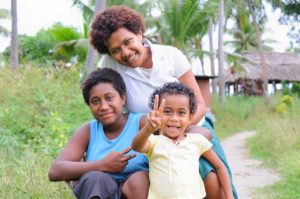
7 Facts About Inequality in China

inequality in chinaChina, a vast country harboring nearly 1.4 billion people, is situated in East Asia. In 1944, China, one of the four Allied powers during the Second World War, became a pillar in forming what would later become the United Nations. Furthermore, China has become one of the fastest growing nations throughout the world. Despite its longstanding partnership with the U.N. and its rapid economic growth, widespread inequality and poverty still exist in China. Here are seven facts about inequality in China.

7 Facts About Inequality in China

  1. Income inequality is due to many systemic factors. Location within the country, families, lineage and hukou (home registration) play a vital role in individuals’ income. Another element is the swift economic expansion that has overtaken the country, which many view as a necessity for the country’s development.
  2. Rapid economic expansion has both hindered and helped China. In 1978, China opted to expand its economy, which has made its GDP rise by nearly 10% annually. The swift growth has allowed over 850 million people — more than half of the population — to remove themselves from poverty. However, 373 million people still make $5 a day on average in China. Due to China’s rapid expansion, inequality across social, economic and environmental spheres persists.
  3. The merit-based Hukou system plays a pivotal role in the income gap between urban and rural locations. Moreover, it hinders rural workers from migrating and contributing to the larger urban centers spread across the country. China’s eastern seaboard is home to numerous densely populated cities, which has left the western regions predominantly rural. This system favors the upper echelon of society while discriminating against former farmers from villages.
  4. China has 23 provinces, yet five are autonomous. These self-governing regions include Taiwan, Hong Kong and Macau. Taiwan is considered a province yet it still has its currency, localized government and the national flag. Hong Kong and Macau are considered administrative regions, with the former set to be absorbed by the mainland in the coming years.
  5. In 1979, Mao Zedong, founding father of the People’s Republic of China, implemented a one-child policy that aimed to control the rapidly growing nation. More than three decades later, the country changed the policy to allow for two children per family in 2015. Despite strict efforts to diminish the surge in population, China still has a large proportion of children across all developing nations and a significant child poverty issue.
  6. Child poverty is a big issue in a country of nearly 1.4 billion. China holds one out of every five children across the developing world. Child poverty in China is a generational issue that can be traced back to family dynamics. However, the country is providing social assistance for children attending their education and for being fed an adequate amount. This strategy is known as a conditional cash transfer, and it helps children climb out of poverty.
  7. Healthcare hurts the poor. Nearly 200 million farmers have fled their respective regions to find work in cities, but the China has adopted a “pay first, claim later” form of healthcare. China has aimed to tackle healthcare through its rural poverty alleviation program; however, high medical expenses have adversely affected rural populations.

Despite China’s rapid economic growth, the country has suffered and experienced backlash over its imbalance in the social welfare of its citizens, its impact on climate change and the economy. These facts about inequality in China highlight elements that have played a role in perpetuating inequality and how it has predominantly affected those from rural settings. However, the country is determined to turn the tide on these challenges and has made headway moving forward, supported by the U.N.

– Michael Santiago
Photo: Needpix

September 11, 2020
https://borgenproject.org/wp-content/uploads/borgen-project-logo.svg 0 0 Kim Thelwell https://borgenproject.org/wp-content/uploads/borgen-project-logo.svg Kim Thelwell2020-09-11 09:09:042024-05-27 09:27:587 Facts About Inequality in China
Global Poverty, Health

COVID-19’s Impact on Maternal Healthcare in Zimbabwe

Maternal Healthcare in Zimbabwe
The COVID-19 pandemic has changed the structure and function of healthcare systems all across the globe as a great influx of patients to hospitals has led to a strain on medical personnel and funding. Some of the greatest losses that healthcare systems are taking around the world due to this COVID-19 strain are the reduction or the complete elimination of certain specialties or services for a specific population. In Zimbabwe, a country in Southern Africa with a population of around 14.4 million, pregnant women and new mothers have suffered from a lack of quality maternal healthcare.

Inaccessibility

Pregnant women and new mothers in Zimbabwe face a difficult challenge, not only because the funding of a lot of maternal healthcare units has been depleted, but because of the dangers in commuting to the health centers or hospitals.

The lockdown in Zimbabwe due to the pandemic has been strictly enforced and has inspired an increase in violence on the streets. If a woman cannot find a medication or reach a local pharmacy during its newly limited hours, she may have to travel past checkpoints and on streets that contain a higher amount of police brutality than normal. There are several accounts of women deciding to stay home as it would be a greater risk to travel.

The restricted travel limits medical attention for pregnant women (check-ups and childbirth) and postpartum treatment (both physical and mental). Without the ability to contact people personally or to travel for help, women who have just given birth have a higher risk of postpartum depression and of physical complications as they live their lives in quarantine.

Violence

There has been an uptick in violence in the new pandemic-stricken world, especially for the women of Zimbabwe. Police patrolling the streets are often violent and “have not been sympathetic to pregnant women, insisting the need for a clearance letter from the police sanctioning movement.”

Additionally, pregnant women and new mothers at home are subject to more domestic violence. The restriction of movement makes leaving an abusive situation even more difficult. In combination with the aforementioned inhibition in the disbursement of contraceptives, assault in the home is a cause of an increase in unplanned pregnancies.

Mistreatment

Because of the fear of COVID-19 transmission within hospitals, women in Zimbabwe are asked to come into the hospitals only when they are deep into their labor and nearly giving birth outside of the hospital doors. Pregnant women who have started labor are often not permitted to enter health facilities because they are not close enough to delivery. When they do enter the hospital, mothers are often mistreated — not being permitted to have a companion or to stay long enough after giving birth.

This mistreatment and inaccessibility lead to an increase in complications for mothers and children during birth as they often arrive too late to the hospital for proper delivery or they give birth at home. Due to the mistreatment and lack of accessibility, women may also have unsafe “underground” abortions, which can lead to severe health complications.

Lack of Resources

If mothers can reach a healthcare facility, they often do not receive the treatment they need because of a lack of resources. Health facilities and clinics in Zimbabwe have drained supplies and funding during the pandemic. Physicians can no longer give out contraceptives or educate women on family planning due to a shortage. Family health planning services also had to cut down their educational programs. The lack of education and accessibility has increased the amount of unplanned teenage pregnancies as well as an increase in maternal mortality.

Aid

Though there have been many discouraging events for maternal healthcare in Zimbabwe, there has been a recognition of the events that are unfolding and several organizations are making great progress in fighting for maternal healthcare rights.

The White Ribbon Alliance (WRA) is a nonprofit, international coalition that fights for “reproductive, maternal and newborn health” among other rights relating to women’s freedom. This organization has created powerful campaigns in the wake of COVID-19’s impact on maternal care such as Respectful Maternal Care, which helps to educate others about women’s health and the rights they are entitled to when giving birth. This campaign can help stop the mistreatment of women and keep them safe during treatment and delivery.

Maternal healthcare in Zimbabwe faces many hurdles in becoming is safe and accessible. Childbirth and postpartum care have suffered because of the strict environment in the streets and healthcare facilities that the coronavirus has brought on. With organizations like the WRA, these women can gain access to the quality healthcare they need.

– Jennifer Long
Photo: Flickr

September 11, 2020
https://borgenproject.org/wp-content/uploads/borgen-project-logo.svg 0 0 Kim Thelwell https://borgenproject.org/wp-content/uploads/borgen-project-logo.svg Kim Thelwell2020-09-11 08:13:572024-05-29 23:23:00COVID-19’s Impact on Maternal Healthcare in Zimbabwe
Economy, Global Poverty

Barter for Better Fiji: Community Response to COVID-19

barter for better fiji
On the beautiful island of Fiji, a staggering 40% of the country’s GDP comes from the tourism industry. Therefore, when COVID-19 hit the island (and the rest of the world), many people found themselves out of a job. However, the local population found a solution. In the middle of a pandemic, Marlene Dutta set up a Facebook page called Barter for Better Fiji to allow for Fijians to procure essential items without causing undue financial stress.

While bartering has always been a part of Fiji’s economy, this Facebook page is notable for its scope. The page has already amassed over 180,000 members as of August 2020. Considering the island has a total population of 900,000 people, that means this 180,000 figure represents 20% of the country’s entire population engaged in this bartering process.

Poverty in Fiji

Bartering is becoming more prevalent in Fiji due to the increase in unemployment as a result of the new coronavirus. Almost 5% of the country’s population has lost their job due to the lack of tourism and that is in addition to 28.1% of the country living below the national poverty line. Fijians also suffer from malnourishment and at one point in the early 2000s, 40% of children suffered from childhood hunger.

Much of the poverty in Fiji can be attributed to the political instability in the country, but not all of it. The military coup in 1987 was the start of these conflicts and the turmoil has only increased Fiji’s poverty level. However, politics are not completely to blame because there is also drastic housing inequality; an estimated 140,000 people live in “substandard housing conditions.” All of these factors have contributed to Fiji’s current poverty levels and the pandemic has only made matters worse.

Bartering in Fiji

The Barter for Better Fiji Facebook page has many purposes. It helps the people in Fiji deliver essential resources to each other when finances are scarce. It is a form of mutual aid, which is essentially community members helping each other for a mutual benefit. Interestingly, this type of aid has come into the mainstream across the world, during the pandemic. Most importantly, for some people — this aid can be life-saving.

Fijians barter essential resources as well as everyday goods and services. People trade fresh produce for cleaning services or animals for transportation. Some people started bartering for fun and now help their friends and neighbors by donating items for bartering. As a whole, the bartering economy has allowed Fijians to take care of one another and provide for themselves and their families during a pandemic.

Uniting a Community

The best part about the Facebook group is how it has engaged the community. The founder of the group has been amazed at the good faith and compassion she has seen among the people of Fiji. She posits that it promotes an economy of kindness — one where people take a moment to help out their neighbors, even if they have never before spoken. As Fiji has shown, when life is centered around a caring community, there is a mutual benefit that permeates society.

– Hannah Daniel
Photo: Flickr

September 11, 2020
https://borgenproject.org/wp-content/uploads/borgen-project-logo.svg 0 0 Kim Thelwell https://borgenproject.org/wp-content/uploads/borgen-project-logo.svg Kim Thelwell2020-09-11 01:48:252020-09-11 01:48:25Barter for Better Fiji: Community Response to COVID-19
Global Poverty, Water, Water Crisis

Water Insecurity in Kosovo & COVID-19

Water Insecurity in KosovoThe World Bank has secured aid for Kosovo to help the country’s water security efforts during the COVID-19 pandemic. On June 10, 2020, the World Bank approved a budget of $27.4 million to invest in aid to address water insecurity in Kosovo. The new “Kosovo Fostering and Leveraging Opportunities for Water Security Program,” implemented nationwide, will reach struggling regions within the country, such as Morava e Binces — the driest area of all.

COVID-19 and Water Security

In a statement from the World Bank, the manager for Kosovo, Marco Mantovanelli, stated that addressing Kosovo’s water crisis is even more important during the COVID-19 pandemic. Access (or lack thereof) to clean water for drinking and sanitation has a direct impact on the COVID-19 crisis. The World Bank representative described clean water as an “essential barrier to preventing virus spread and protecting human health from COVID-19 and similar diseases.”

The World Resources Institute (WRI) reports that hand washing is one of the primary combatants against a disease like COVID-19. Additionally, both water management and security impact the spread of a disease like COVID-19. Without proper storage, water shortages occur and people have limited access to water for sanitation. Water management (pollution control and distribution) directly impacts the quality and quantity of water accessible  to the population. WRI reports that improving both domestic and industrial water waste treatments improves water quality and helps improve issues related to water use for sanitation and health.

Water in Kosovo

Kosovo’s water crisis is only worsened by the virus as the crisis existed before the COVID-19 pandemic. The issues of water pollution are rooted in Kosovo even from when it was a province in the former Yugoslavia. It was the most polluted province then and now, a majority of the Kosovo municipalities have no form of treatment plants for wastewater. Additionally, the World Bank reports that Kosovo has the lowest water storage level in the region — as well as high pollution levels.

The new water security plan will address some key issues in water security. These issues include management of resources, water storage, addressing natural disasters and their impacts, dam safety, updating equipment and facilities and general emergency preparedness.

The Impact on Struggling Regions in Kosovo

While the entire country will benefit from the plan, the strategy will specifically benefit the driest region in Kosovo — Morava e Binces. Morava e Binces has had significant problems with water access for its civilian population. The region has suffered greatly with water access interruptions. Some of these interruptions last hundreds of days. However, with the implementation of the new plan, the World Bank estimates 190,000 people will be positively impacted in the Morava e Binces region alone.

The World Bank’s approved aid will begin work on installing new and updated equipment, replan the water storage processes, and make additional renovations to dam maintenance and safety. This aid program is an essential step in ending water insecurity in Kosovo. While the COVID-19 pandemic has complicated an already existing, water security problem within Kosovo, government initiatives are a good, forward step.

– Kiahna Stephens
Photo: Pixabay

September 11, 2020
https://borgenproject.org/wp-content/uploads/borgen-project-logo.svg 0 0 Kim Thelwell https://borgenproject.org/wp-content/uploads/borgen-project-logo.svg Kim Thelwell2020-09-11 00:58:172020-09-11 00:58:17Water Insecurity in Kosovo & COVID-19
Page 15 of 23«‹1314151617›»

Get Smarter

  • Global Poverty 101
  • Global Poverty… The Good News
  • Global Poverty & U.S. Jobs
  • Global Poverty and National Security
  • Innovative Solutions to Poverty
  • Global Poverty & Aid FAQ’s
Search Search

Take Action

  • Call Congress
  • Email Congress
  • Donate
  • 30 Ways to Help
  • Volunteer Ops
  • Internships
  • Courses & Certificates
  • The Podcast
Borgen Project

“The Borgen Project is an incredible nonprofit organization that is addressing poverty and hunger and working towards ending them.”

-The Huffington Post

Inside The Borgen Project

  • Contact
  • About
  • Financials
  • President
  • Board of Directors
  • Board of Advisors

International Links

  • UK Email Parliament
  • UK Donate
  • Canada Email Parliament

Get Smarter

  • Global Poverty 101
  • Global Poverty… The Good News
  • Global Poverty & U.S. Jobs
  • Global Poverty and National Security
  • Innovative Solutions to Poverty
  • Global Poverty & Aid FAQ’s

Ways to Help

  • Call Congress
  • Email Congress
  • Donate
  • 30 Ways to Help
  • Volunteer Ops
  • Internships
  • Courses & Certificates
  • The Podcast
Scroll to top Scroll to top Scroll to top