• Link to X
  • Link to Facebook
  • Link to Instagram
  • Link to TikTok
  • Link to Youtube
  • About
    • About Us
      • President
      • Board of Directors
      • Board of Advisors
      • Financials
      • Our Methodology
      • Success Tracker
      • Contact
  • Act Now
    • 30 Ways to Help
      • Email Congress
      • Call Congress
      • Volunteer
      • Courses & Certificates
      • Be a Donor
    • Internships
      • In-Office Internships
      • Remote Internships
    • Legislation
      • Politics 101
  • The Blog
  • The Podcast
  • Magazine
  • Donate
  • Click to open the search input field Click to open the search input field Search
  • Menu Menu

Archive for category: Women’s Empowerment

Developing Countries, Development, Education, Gender Equality, Global Poverty, Women's Empowerment

3 Organizations Working to Improve Girls’ Education

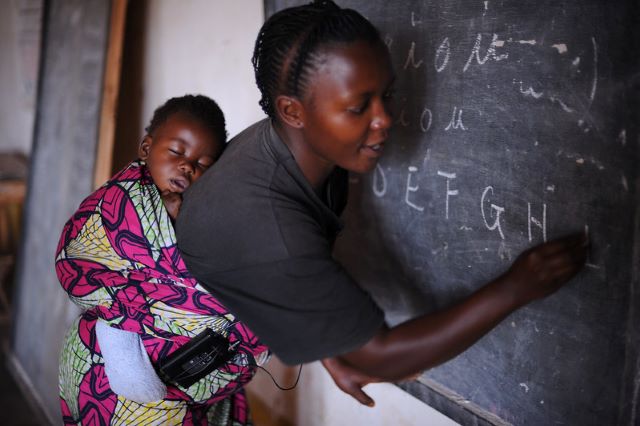
improve girls' educationAll around the globe, young girls are forced to end their educational careers early as gender inequality is still quite common. Lack of schooling for young girls limits female participation in the workplace and reinforces patriarchal societies. As of 2018, worldwide totals of illiterate girls from the ages of 5 to 25 outnumbered illiterate boys in the same age group by 12 million. Yet,  global female participation in schooling has grown by 16% since 1995. The momentum gained in the past 25 years looks to continue as three important organizations have released plans to improve girls’ education in 2020 and beyond.
3 Organizations Working to Improve Girls’ Education

  1. The World Bank. As a global economic institution, the World Bank joined the fight to preserve girls’ education years ago. In fact, the bank launched a seven-year plan in 2016 that focuses on improving all women’s rights, going beyond just education. However, the World Bank identified educational opportunities as a key way to break the cycle of injustice and has subsequently created separate funding solely to advance female schooling. In May 2020, the World Bank has already allocated a total of $1.49 billion to improving education for women of all ages, both primary and secondary. This will not only help girls learn to read and write but will also lead to women entering the workplace in countries where men are the ones who hold jobs.
  2. The United Nations. Many know the U.N. as the global agency where countries discuss peace deals and trade contracts. While this is true, the U.N. also has sectors dedicated to human rights advocacy. An entire branch, known as the United Nations Girls Education Initiative (UNGEI), works with developing countries to devise plans that enhance educational opportunities for girls. Being under the umbrella of the United Nations adds a level of legitimacy that some nonprofits seeking to improve girls’ education are unable to achieve. The UNGEI has a wide range of contributors and currently consists of 24 global and regional partners, four regional partnerships and nearly 50 associated country partnerships. Recently, the U.N. released the 2030 Sustainable Development Goals and worked with the UNGEI to add equal educational opportunity for girls as a part of this vision. Girls around the world, especially those living in developing countries, are at the center of this vision, which can lead to powerful global change.
  3. Girls Education Challenge (GEC). Back in 2012, the government of the United Kingdom made global equal education a primary focus. The government joined forces with U.K. Aid to tackle this issue. Together, the two created a groundbreaking 12-year commitment called the Girls Education Challenge (GEC). The first phase of the GEC, which was a huge success, ended in 2017. For the second phase, which will continue until 2024, the U.K. is looking to expand its impact to encompass more than 40 projects in nearly 20 nations. With hundreds of millions of dollars now raised for the GEC, its own research suggests that more than 800,000 young girls are learning in schools and are on the path to finishing their education. With four years remaining in the GEC, the United Kingdom’s impact on girls’ education will continue to bring equal opportunities well into the 2020s.

Education, Gender Equality and Poverty Reduction

The World Bank, the U.N. and the U.K. are trying to create fair schooling policies but are also breaking down social barriers in the developing world. Global society is trending in the right direction for gender equality but the international community still has much work to do. All efforts to improve girls’ education can and will be a catalyst for change.

– Zachary Hardenstine
Photo: Flickr

February 2, 2021
https://borgenproject.org/wp-content/uploads/borgen-project-logo.svg 0 0 Lynsey Alexander https://borgenproject.org/wp-content/uploads/borgen-project-logo.svg Lynsey Alexander2021-02-02 01:31:282024-05-30 07:56:073 Organizations Working to Improve Girls’ Education
Advocacy, Developing Countries, Education, Gender Equality, Global Poverty, Poverty Reduction, Women and Female Empowerment, Women's Empowerment, Women's Rights

She’s the First and the Girls’ Bill of Rights

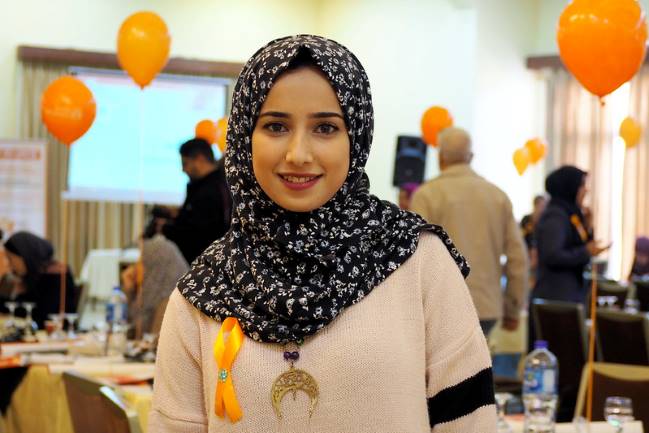
She’s the First Across the globe, women face harsh inequalities in education and the promotion of other crucial rights. Women make up more than two-thirds of the world’s illiterate population, receive lower wages, experience gender-based violence and are forced to adhere to strict societal gender norms that prevent their progression. This is especially the case in developing countries. She’s the First is an organization where the progression of women is a central focus.
She’s the First

She’s the First, a nonprofit organization, recognizes the benefits of prioritizing women and gender equality. When females are educated and empowered, they can earn up to 20% more as an adult for each additional year of schooling completed. They are also then more likely to be in healthy relationships, have fewer but healthier children, are less likely to marry early and are more likely to make an impact in the world. These reasons are why She’s the First puts girls first by promoting women’s equality and education.

Putting Girls First

She’s the First promotes girls’ education and equality. It provides funding to different community-based organizations that can implement culturally efficient ways for girls to attend school as well as afterschool programs where they can further their education while simultaneously learning about life skills and reproductive health. She’s the First also runs training and conferences around the globe. These conferences amplify girls’ voices around the world, inspiring them to become leaders in their own communities. As of the end of 2019, She’s the First reached 11,000 girls, had a presence in 21 countries and provided training for 52 community-based organizations.

Girls’ Bill Of Rights

She’s the First is a co-organizer of the Girls’ Bill of Rights, a declaration of the rights all girls are entitled to, written by girls, for girls. More than 1,000 girls from 34 countries contributed to the list, created on the 2019 International Day of Girl and presented to the United Nations. The Girls’ Bill of Rights advocates for the promotion of girls’ rights like quality education, equality, leadership, sexual education and reproductive rights, protection from harmful cultural practices, free decision-making and more. To support the Girls’ Bill of Rights, supporters can use the hashtag “#GirlsBillOfRights”, co-sign the bill or make a public pledge of support.

Women’s Empowerment and Poverty Reduction

She’s the First is an organization that works toward complete equality for women worldwide, especially in regards to education. Currently, women face a significant disadvantage, especially those who are uneducated. If women are given education and equality, they can lift themselves out of poverty since education is directly related to lowering poverty levels. She’s the First spreads this idea by creating culturally efficient ways for girls to go to school and further their education in developing countries. The organization also advocates for women’s rights through the Girls’ Bill of Rights. She’s the First plays a crucial part in empowering women and helping them to lift themselves out of poverty.

– Seona Maskara
Photo: Flickr

February 2, 2021
https://borgenproject.org/wp-content/uploads/borgen-project-logo.svg 0 0 Lynsey Alexander https://borgenproject.org/wp-content/uploads/borgen-project-logo.svg Lynsey Alexander2021-02-02 01:30:512021-02-02 03:03:10She’s the First and the Girls’ Bill of Rights
Global Poverty, Violence Against Women, Women's Empowerment, Women's Rights

Haya Joint Programme Reduces Violence Against Women in Palestine

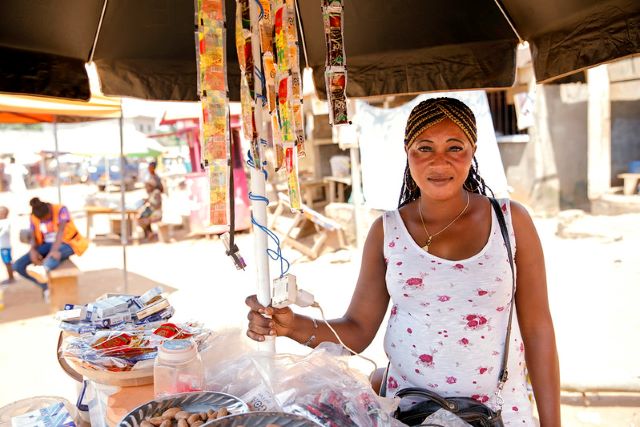
Haya Joint ProgrammeThe Haya Joint Programme, in partnership with United Nations efforts, is working to reduce violence against women in the West Bank and Gaza Strip. A vital resource protecting women and girls, the program works toward achieving gender equality for generations to come.
Program Background

The Haya Joint Programme is a Palestinian human rights program aimed at ending violence against women through education and intervention. The government of Canada funds the initiative, which works with a variety of United Nations organizations, such as U.N. Women, U.N. Office on Drugs and Crime and the U.N. Population Fund. The Haya Joint Programme also works with Palestinian law enforcement and government agencies to implement efforts at local levels.

The program seeks to change existing attitudes about gender violence through community education. It accomplishes this by teaching educators intervention techniques for those facing domestic violence. Furthermore, the program pushes for essential legislative change to provide further legal protection for women.

Forensic Training for Gender Violence Justice

The Palestinian Central Bureau of Statistics reports that an overwhelming number of women have experienced violence by a partner. This emotional and physical hardship has directly affected more than half of all women in the Gaza Strip and 30% of women who have ever married in the West Bank. Only 1% ever reported these events to law enforcement.

In a press release on January 5, 2021, U.N. Women announced its collaboration with the Haya Joint Programme. The announcement indicated a plan to increase forensic science training at the West Bank’s only forensic lab for cases of domestic violence. Training includes instruction of lab equipment, preserving crime scene evidence and forming opinion evidence on behalf of gender violence survivors. In the last year alone, the lab assisted with presenting forensic evidence to the court for 1,690 cases.

Moreover, this training aids in the identification and prosecution of perpetrators in cases of sexual assault and homicide. Police, crime scene and family protection officers also received training for handling and preserving crime scenes through this program.

Training for Teacher Intervention

Another crucial aspect of the Haya Joint Programme is to increase education and awareness surrounding gender and domestic violence. The program conducts training courses for teachers on topics related to intervention and legal rights for women and girls in Palestine.

In the last year, the Palestinian Centre for Human Rights held multiple training sessions with the Haya Joint Programme for educators teaching in United Nations Relief and Works Agency (UNRWA) schools in the Gaza Strip. The training sessions include lessons on how teachers can recognize gender violence among students and provide counseling and other resource referrals to those who need it. Teachers also learn about women’s legal rights in instances of violence and the courses of legal action to take.

The program has had to adapt to COVID-19 precautions in the last year but conducted its training sessions via Zoom during November and December. These sessions were still widely attended by 129 teachers and females accounted for 103 attendees.

A Global Issue

The Haya Joint Programme notes that these efforts to diminish violence against women are in alignment with the United Nations Sustainable Development Goals for 2030. Goal 5 is to reach gender equality by working to increase women’s education, increasing the number of women in government positions and reducing domestic violence.

With one in five women experiencing intimate partner violence every year, initiatives like the Haya Joint Programme are essential. Fortunately, the program is attempting to reduce the prevalence of these offenses by supporting women and girls in obtaining justice. The Haya Joint Programme focuses on core problems by working directly on factors like securing legal rights and changing attitudes. As its efforts are paramount to Palestine’s prosperity, the program looks toward a successful future.

– June Noyes
Photo: Flickr

January 28, 2021
https://borgenproject.org/wp-content/uploads/borgen-project-logo.svg 0 0 Yuki https://borgenproject.org/wp-content/uploads/borgen-project-logo.svg Yuki2021-01-28 01:30:442024-05-30 07:56:22Haya Joint Programme Reduces Violence Against Women in Palestine
Developing Countries, Global Poverty, Women's Empowerment

The Tony Elumelu Foundation Helps Africa

Tony Elumelu FoundationThe ongoing COVID-19 pandemic is affecting nations around the world, including the nations of Africa. Many African nations responded to the pandemic with strict lockdowns and social distancing initiatives, often stronger than that of European nations. However, the people of Africa face a much more severe economic impact. Although poverty reduction measures have been met with success across the continent, roughly 500 million Africans still live in extreme poverty. The sub-Saharan areas of Africa have the highest rates of poverty in the world, estimated at 55% in 2014. Foreign direct investment is down by 40% and 49 million more Africans could fall into extreme poverty in the world’s first global poverty increase since 1988. The Tony Elumelu Foundation hopes to reduce poverty in Africa through entrepreneurship.

The Tony Elumelu Foundation

A nonprofit operating since 2010, the Tony Elumelu Foundation (TEF) fights global poverty in Africa through the funding of entrepreneurs and small enterprises, These are the very types of businesses that the pandemic impacted most, both across the world and in Africa. With an endowment of $100 million, the organization has already had significant success propagating what it terms “Africapitalism,” which is the use of the private sector for economic growth and development.

The EU Partnership

In December 2020, the European Union (EU) announced a formal partnership with the Tony Elumelu Foundation. The plan comes as part of two broader EU strategies: the EU External Investment Plan and the EU Gender Action Plan. It involves technical training and financial support for 2,500 female African entrepreneurs in 2021 across all 54 African countries through 20 million euros in increased capital. Speaking on the partnership, Tony Elumelu, the founder of the TEF, expressed delight in being able to partner with the EU and said the partnership will create great opportunities for African women who have “endured systemic obstacles to starting, growing and sustaining their businesses.” The Commissioner for EU International Partnerships, Jutta Urpilainen, stated that empowering female entrepreneurs is an integral part of creating sustainable jobs and growth.

How Entrepreneurship Helps

In Central Africa, approximately 71% of jobs are in the informal sector. These jobs are particularly vulnerable to lockdowns. The strict measures put in place as responses to COVID-19 have left many of these people jobless. Entrepreneurship creates more stable jobs and allows a country to be more self-sufficient and can be just as effective as foreign or philanthropic aid in fighting poverty.

Even after the effects of the pandemic subside, Africa still has much to do to eradicate poverty. Fostering entrepreneurship is an innovative approach to this economic problem, one that the Tony Elumelu Foundation has seen significant results with, with more than 9,000 entrepreneurs mentored before the partnership with the EU. The full impact of these endeavors remains to be seen but the potential exists for African entrepreneurs to have a major impact on poverty in Africa. The TEF’s partnership with the EU will only intensify these positive impacts.

– Bradley Cisternino
Photo: Flickr

January 26, 2021
https://borgenproject.org/wp-content/uploads/borgen-project-logo.svg 0 0 Yuki https://borgenproject.org/wp-content/uploads/borgen-project-logo.svg Yuki2021-01-26 07:25:262021-01-28 13:54:34The Tony Elumelu Foundation Helps Africa
Global Poverty, Women's Empowerment

The Fight Against Poverty in Honduras

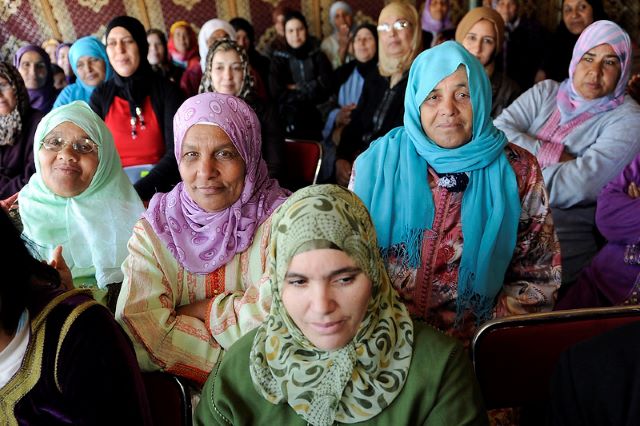
Fight Against Poverty in HondurasHonduras, a country of 10 million people, suffers from extreme poverty. In fact, more than 60% of its population lives below the poverty line. However, within the country, communities are building paths to financial stability through entrepreneurship. Fortunately, an organization called Honduras Threads has joined the fight against poverty in Honduras.
About Poverty in Honduras

The Central American country of Honduras is slowly raising itself out of the depths of poverty. However, it is still facing quite a few challenges. With 60% of its population living in rural areas, its economic divide is significant.

On average, six out of 10 homes live on less than $3.80 a day in rural parts of the country. Moreover, Honduras is a challenging place to establish a business or find work. In fact, it is the 115th country out of 190 on a scale of ease of doing business, meaning success rates are low. In relation, Honduras’ working population primarily consists of young adults and youth. Those between the age of 12 to 30 years old are facing an unemployment crisis. Yet, out of adversity comes innovation, and women in various cities outside of Tegucigalpa are working together to fight poverty in Honduras.

Honduras Threads

Honduras Threads, established in 2002, is a nonprofit organization that the Episcopal Church of the Incarnation in Dallas created. It is a direct result and response to Honduran communities that require help becoming financially stable. Thus, the nonprofit created an enterprise of women-led businesses to fight against poverty in Honduras. So far, there are five locations in the mountains of Central Honduras.

At the Honduras locations, the only volunteers in the initiative are the 10 women in the co-op. Most other volunteers reside stateside. Though there is quite a bit of distance, the connection between the church and the Honduran communities has only grown stronger throughout the 16 mission trips the Honduras Threads has taken each year since it began. Often, the team keeps in touch throughout the year via WhatsApp and email to plan and conduct business.

Supplying Honduras Threads

The organization, alongside the local women, decided on embroidery as the product of choice. As young children, the women learned to sew, embroider and complete applique work. Therefore, they wanted to use their skills to create products that would grow their local economies.

U.S. volunteers collect, donate and send supplies to the villages so that the women can use the resources to make products. With the high-quality fabrics the women receive, the women create one-of-a-kind works. The types of pieces they produce include:

  • Pillows
  • Stickwork banners and hangings
  • Ornaments
  • Table placemats
  • Commissioned work

Furthermore, people can buy these items via Honduras Threads’ website, various churches and multiple festivals and markets.

Fighting Poverty in Honduras With Business

Overall, the organization’s goals are to empower women through entrepreneurialism and build a sustainable income source. As a bonus, the nonprofit also works with the communities to educate them on areas like politics and accounting. Thus far, the nonprofit has helped nearly 80 women, 225 families, five villages and around 2,200 people. Additionally, it has sold more than 7,000 items and given more than $300,000 to local communities.

Ultimately, the women of Honduras Threads are working to transform their lives. With their newly acquired knowledge and support, Honduran women have been able to make impressive progress in the fight against poverty in Honduras.

– Sallie Blackmon
Photo: Flickr

January 20, 2021
https://borgenproject.org/wp-content/uploads/borgen-project-logo.svg 0 0 Lynsey Alexander https://borgenproject.org/wp-content/uploads/borgen-project-logo.svg Lynsey Alexander2021-01-20 08:31:012024-05-30 07:56:18The Fight Against Poverty in Honduras
Global Poverty, Women's Empowerment, Women's Rights

AlNour: Helping Disabled Women in Morocco

AlNourWomen’s agency and equal rights can help to significantly reduce poverty. When evaluating the development of a country, the role of women should not be overlooked. When women are empowered through literacy and education, they become more productive members of society that contribute to global poverty reduction. AlNour is a Moroccan business that allows women in Morocco to be part of the labor force, especially disabled women.
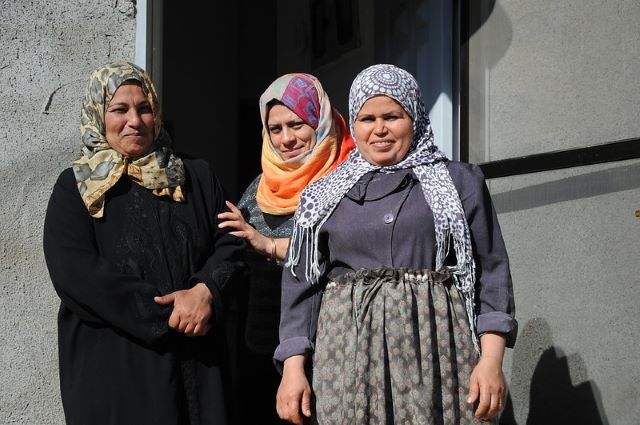
Cultural Norms Limit Women

Oftentimes women do not have the same opportunities as their male counterparts to receive education, engage in the labor force or own property. This is partly because of cultural norms that limit women to domestic responsibilities. By reducing unpaid domestic work, women become empowered and capable of obtaining income security and sustainable livelihoods, which significantly diminishes poverty levels.

Gender Inequality in Morocco

Gender inequality and the lack of women in the labor force in Morocco are related and ongoing issues. The nation, which is located in northwestern Africa, ranked 137 out of 149 countries according to the 2018 World Economic Forum’s Global Gender Gap Report and ranked 141 out of 149 countries for women’s economic participation and opportunity. Although there were reforms in 2011 to increase the participation of women in the labor force in Morocco, and specifically within the government, women largely remain underrepresented in elected positions.

The economy would benefit from an increase in women’s participation. The IMF examined the relationship between gender inequality and growth and found that policies that better integrate women into the economy would greatly improve growth. As of 2019, if as many women worked as men worked, “income per capita could be almost 50% higher than it is now.”

The participation of women in the labor force in Morocco increases economic development and therefore reduces global poverty. But, how can women become more active citizens in society? The answer can be found by examining an organization called AlNour, which serves as an important example of how to best empower women.

AlNour: A Women’s Empowerment Organization

AlNour is a textile and embroidery business that provides an outlet for women to participate in the labor force in Morocco, thereby contributing to the economic development of the country as a whole. AlNour, which means “the light” in Arabic, began in 2013 after Patricia Kahane, originally from Austria, began the enterprise as a means of offering disabled Moroccan women sources of income through textile production and embroidery. The business employs disabled female workers who face a double disadvantage in Morocco due to their disabilities and gender.

The organization not only provides women with work but also offers training programs for languages, professional and artisan skills. The company has a van that allows women to easily and safely travel to and from work and also has a child care center for working mothers. Furthermore, the company offers free breakfast and lunch daily. The business has partnered with local shops to distribute its products and it also has a website, which features a range of items from home accessories to clothing.

AlNour serves as a rich example of how an organization can alter the lives of many and even impact an entire country. By developing sustainable solutions that not only invest in education but also emotional and financial support, women can break free from traditional roles and gender stereotypes, while simultaneously promoting financial inclusivity and bettering the nation entirely.

Gender Equality Progress in Morocco

There is light and hope for women in Morocco, as significant progress has been made. For example, the revision of the family code to expand the rights of women in marriage, guardianship, child custody and access to divorce is a monumental stride. The creation of a 14-week paid maternity leave clause was also introduced. Additionally, “the first and most advanced gender budgeting initiative in the Middle East and Central Asia region was launched in Morocco in 2002.”

While policies and laws that support gender equality such as the gender budget initiative are undoubtedly important, creating sustainable organizations like AlNour is an equally essential step in order to create a system that allows women to personally and professionally prosper from the ground level upward, consequently helping the economic development of Morocco as a whole.

– Marielle Marlys
Photo: Flickr

January 14, 2021
https://borgenproject.org/wp-content/uploads/borgen-project-logo.svg 0 0 Yuki https://borgenproject.org/wp-content/uploads/borgen-project-logo.svg Yuki2021-01-14 04:17:462021-01-14 04:17:46AlNour: Helping Disabled Women in Morocco
Developing Countries, Global Poverty, Poverty Reduction, Women's Empowerment

SunBox Solar Kits Bring Cheap Electricity to Gaza

SunBox Solar Kits For the 1.9 million Palestinians who live in the Gaza strip, electricity is a privilege. Due to a lack of available energy, people experience regular blackouts that disrupt their daily lives. These blackouts keep residents from fully enjoying the benefits of electricity, such as regular internet access and lighting. Fortunately, local engineer and entrepreneur, Majd Mashhawari is bringing cheap electricity to families through her new invention, SunBox. Mashhawari’s SunBox solar kits provide clean solar power to households, providing off-the-grid energy and internet access.

Electricity in Gaza

One diesel power plant produces almost all electricity for Gaza but it is not able to produce enough electricity to power the region at all times. Because of restrictions on exports and imports in Gaza, the plant only has access to a restricted amount of imported fuel. As a result, it has been forced to implement a system of rolling blackouts. According to SunBox founder, Mashhawari, hospitals in Gaza receive 10 hours of electricity a day, which the hospitals can afford to supplement with private generators. Everyone else lives on three to five hours of electricity a day unless they can pay for a generator.

If people in Gaza had reliable access to electricity, they would be able to cook, refrigerate food, run businesses effectively, access the internet and study after dark. The first two activities boost health, while the latter three increase earnings and success. Access to electricity has a strong impact on reducing poverty.

SunBox Solar Kits

SunBox solar kits could be the key to ending Gaza’s electricity crisis. SunBox has provided solar energy for 300 families since the company’s launch two years ago. Its solar kits have produced 600,000 watts of energy so far. As a small business, it employs 35 people, helping to combat Gaza’s high unemployment rates.

SunBox solar kits consist of one or two solar panels, a battery and a solar device. The panels are attached to the roof of a building and the solar device provides internet access and a plug-in for electrical devices. These kits provide 1,000 kilowatts of solar energy to consumers in a region where most days are sunny. The battery typically takes only three hours to recharge fully.

Business-wise, SunBox has profited from its “sharing is caring model.” People who cannot afford to pay for the $350 kits can buy the kit with other families, sharing the costs and the electricity. SunBox has also installed kits at desalination plants, helping to power the creation of clean water.

Female Entrepreneur: Majd Mashhawari

SunBox is the brainchild of Mashhawari, who understands the need for better electricity in Gaza because she grew up there. The territory began conducting electrical blackouts when she was 12. Mashhawari went on to attend the Islamic University of Gaza, where she majored in civil engineering. She has put her degree to good use, developing two products so far that help tackle Gaza’s unique infrastructure needs. These products are GreenCake and SunBox.

Mashhawari’s first product, GreenCake, was a building block made from ash and rubble. The Israel-Hamas war in 2014 had damaged many buildings in Gaza and rebuilding was difficult because of limits on cement imports. Mashhawari saw the need for cheap building materials that could be made from domestically available substances. Her team conducted experiments, eventually designing a cheap, durable building block made from ash and rubble, two elements that were abundant in Gaza. After her success in launching GreenCake in 2016, Mashhawari went on to create SunBox in 2018.

Mashhawari’s work has come to wider attention because of a TED Talk she gave in 2019 about her inventions. During her TED Talk, Mashhawari touted the success of her products and the need to find creative solutions to difficult problems. She also recalled that when she attended university, her school’s civil engineering program had a female-to-male ratio of one to six. Mashhawari stressed her devotion to supporting other female scientists, proudly describing how SunBox was hiring and training both female and male engineers.

Local Inventions Address Poverty

Mashhawari’s products show the inventiveness of local entrepreneurs and their ability to create solutions that are tailored to their region. She developed her products to address the specific needs of her fellow people, granting them a better way of life. Her designs are cheap and environmentally friendly and because of her dedication to hiring female engineers, her company supports female education and economic empowerment. In the fight against global poverty, it is encouraging to be reminded that there are locally developed, environmentally friendly and cost-effective solutions.

– Sarah Brinsley
Photo: Flickr

January 13, 2021
https://borgenproject.org/wp-content/uploads/borgen-project-logo.svg 0 0 Yuki https://borgenproject.org/wp-content/uploads/borgen-project-logo.svg Yuki2021-01-13 05:43:262024-12-13 18:02:19SunBox Solar Kits Bring Cheap Electricity to Gaza
Developing Countries, Gender Equality, Global Poverty, Technology, Women's Empowerment

Bridging the Digital Gender Gap

Digital Gender GapAs the world becomes more technologically advanced and digitally connected, access to technology remains an issue, especially in developing countries. More so, the digital gap between women and men continues to expand, with 300 million fewer women than men using mobile internet, creating a 20% gap. The lack of access to digital devices for these women means being denied essential services including employment opportunities, financial resources, educational resources and medical information. There are several global initiatives trying to bridge the digital gender gap between women and men.

Safaricom

In Kenya, women are 39% less likely than men to have access to mobile internet despite women making up 51% of the Kenyan population. Safaricom, a mobile network in Kenya, therefore created a partnership with Google to offer an affordable smartphone, the Neon Kicka with Android GO, compromising 500 megabytes of free data for the first month. The mobile network believes that empowering a woman empowers an entire community and focuses on the following three barriers: affordability, relevance and digital skills. The company ensured that the price point was the lowest it could be and featured important content including access to health information and educational content to highlight the smartphone’s daily relevance for women. Safaricom recognizes that many women are not familiar with Gmail accounts and therefore developed a guide covering the basics of smartphone use.

Novissi

Togo, a country in West Africa currently run by its first female prime minister, launched a digital cash transfer program called Novissi. Its goal is to provide aid to informal workers during the COVID-19 pandemic, covering residents of three urban areas under lockdown. Many underserved women tend to be excluded from COVID-19 relief digital cash transfer programs launched by governments since they either do not have access to digital bank accounts or are uninformed. Through Novissi, women receive a monthly sum of $20, whereas men receive $17, to support the cost of food, communication services, power and water. The three additional dollars allocated to women account for the fact that women are more likely to be informal workers and take care of a family’s nutritional needs.

Wave Money

In Myanmar, Wave Money has become the number one mobile financial service, with 89% of the country benefiting from its agents. Since Wave Money deals with 85% of rural areas in the country, money enters and leaves from nearly every state and facilitates familiarity with the service. The financial service created a partnership with GSMA Connected Women to allow greater access to financial services for women. Through this partnership, women are encouraged to run Wave Money shops in Myanmar, providing them with extra income even if they live in very remote areas of the country.

Telesom Simple KYC Account

It can be challenging for women to acquire the identity documents necessary to open accounts with service providers. In Somaliland, Telesom created a simplified know-your-customer (KYC) account, allowing women that do not possess an ID to sign up for mobile money services. The service solely requires a name, date of birth, image and contact details, favoring accessibility and reducing the digital gap between women and men.

Equal Access International Partnership with Local Radio Station

In Nigeria, women and girls are denied access to technology due to the fear of moral decline that accompanies the widespread culture. Equal Access International recognizes the need to address societal norms for women and amplify women and girls’ voices. In an effort to do so, Equal Access International partnered with a local radio station in order to create a show that tackled cultural taboos and promoted women and girls using digital technologies. The episodes last 30 minutes and cover weekly themes including common misconceptions about the internet, internet safety and moral arguments regarding women and the internet.

Closing the Digital Gender Gap

Despite a digital gender gap that exists between women and men, organizations around the world are making an effort to foster a sense of inclusion and empowerment for women and girls to become familiar and encouraged to take on the digital world that is constantly emerging.

– Sarah Frances
Photo: Flickr

January 13, 2021
https://borgenproject.org/wp-content/uploads/borgen-project-logo.svg 0 0 Lynsey Alexander https://borgenproject.org/wp-content/uploads/borgen-project-logo.svg Lynsey Alexander2021-01-13 01:30:442024-06-07 05:08:11Bridging the Digital Gender Gap
Global Poverty, Government, NGOs, Women's Empowerment, Women's Rights

Gender Equality in Ethiopia Makes Headway

Gender Equality in Ethiopia
Ethiopia faces many struggles, but the land where coffee originates from has many accomplishments as well. The continuous gender equality progression in Ethiopia is one of them. Gender-based roles constitute a significant part of the Ethiopian culture. It is also the primary reason for many families’ extreme poverty. However, through policy reform and promoting women’s political participation, noteworthy change in bridging the gaps between women and men is visible.

Policy Reforms Encourage Gender Equality in Ethiopia

Thanks to two reforms, research suggests that gender equality in Ethiopia is progressing. One reform is the Family Code, which was revised in 2000 with new developments. The re-evaluated version of the Family Code states that women receive equal rights throughout the marriage. This pertains to the entire term of their marriage, the duration of the divorce and after the finalization of the divorce. The revisions also note that the individuals must equally split all assets. As a result, the report states that women were less likely to involve themselves in domestic work. Instead, women found more sustainable employment outside of the household, which encourages their independence.

The second reform is the community-based land registration initiated in 2003. Ethiopia’s population has strong gender norms that tend to favor men and subordinate women in power roles. Research results show that as women migrate from the north of Ethiopia to the southern region, they tend to lose societal and household status. Women also have their “bargaining power” revoked from them, which can relate to property rights and ownership. However, this reform emphasizes the implementation of property rights for married women by creating “joint certification.”

A significant sign of independence in Ethiopia is property. However, men typically have land ownership in marriages. This reform opposes this gender-based norm in Ethiopia and allows women to access economic and political opportunities. When women own land, it increases their chances of earning money and controlling their own lives. Rules set by their husbands no longer have to confine them. They are also less likely to be victims of domestic violence. Ethiopian women who own property are significantly less likely to experience domestic violence within their marriages than women who do not own property.

Women’s Political Participation Rises

Women currently make up 37% of congress in Ethiopia. Considering only 22% of women represented congress in 2010, there has been significant progress ever since. However, the Ethiopian government’s values and trustworthiness will remain in question until women account for at least 50% of the parliamentary seats.

The country also needs to make political careers more accessible to women. The “motherhood penalty” requires women to attend to constant family duties and responsibilities, such as breastfeeding and always being present for the children. Endless motherly duties can hinder women’s potential political careers due to the amount of time it takes up. This is especially true if a women’s marriage is based on strong religious beliefs. Certain religious beliefs in Ethiopia tend to prohibit women from acquiring independence and hinder women’s decision-making abilities.

DCA

In Ethiopia, society perceives women as individuals requiring leadership from others and not as individuals able to lead. However, recent years’ progression contradicts that idea. The organization DCA (Dan Church Aid) emphasizes the idea of women empowerment. It holds and spreads the belief that every woman deserves fundamental human rights “economically, socially and culturally.”

DCA was created in 1995 to promote gender equality in Ethiopia. Since then, the organization has helped more than 3.2 million people in the world’s most impoverished countries deprived of everyday opportunities. Due to the continuous contribution of DCA and recognition from Ethiopia’s government regarding the encouragement of gender equality, the women of Ethiopia can seek more political positions and close those gender gaps within communities.

– Montana Moore
Photo: Flickr

January 12, 2021
https://borgenproject.org/wp-content/uploads/borgen-project-logo.svg 0 0 Yuki https://borgenproject.org/wp-content/uploads/borgen-project-logo.svg Yuki2021-01-12 07:30:572024-05-30 07:53:29Gender Equality in Ethiopia Makes Headway
Developing Countries, Global Poverty, Women, Women's Empowerment

Entrepreneurship: Initiatives Help Yemeni Women

Help Yemeni WomenOn top of the constant violence occurring in Yemen, almost 13% of the population face unemployment. Most women in Yemen work as homemakers, but a 2012 study, Measuring Women’s Status in Yemen, shows that almost one in two women (47%) would like to start their own business. Initiatives in Yemen offer women free business training, skills training and loans to help Yemeni women generate an income.

The Small and Micro Enterprises Promotion Service Agency (SMEPS)

SMEPS came to Yemen in 2005 and works to enhance the lives of Yemeni citizens through the creation of jobs and skills training. SMEPS has taught Yemeni women the best growing, harvesting and post-harvesting techniques for coffee beans. Yemeni women helped create a coffee that entered the gourmet market at a premium price. SMEPS also helped coffee farmers in Yemen. The aim was to create business resilience by expanding the production of farmers through improving the value chain by using modern technologies and better farming methods.

In 2010, SMEPS partnered with The International Labour Organization (ILO) to provide business training for women entrepreneurs. ILO came to Yemen in 1965 and has created opportunities for citizens to rise out of poverty. In one year, the workshops targeted around 500 Yemeni women who had taken out a loan to either start a small business or expand their existing businesses. The second phase of the program aims to reach 2,000 more women. Results indicate that after the training courses, the women had a higher level of business knowledge and competence to start or improve their own businesses. Overall, the women improved their quality of life with the income they earned.

SPARK’s Agri-Business Creation Programme (ABC)

SPARK came to Yemen around 2012 to assist citizens in agriculture, helping them earn an income from their crops. SPARK created a program called Agri-Business Creation (ABC) to help agri-entrepreneurs through training, mentoring and business plans. The program has notably assisted Yemeni women in developing agricultural businesses. Four female-run businesses were awarded microloans to expand their business after the training they received in business skills from SPARK’s ABC program. The loans help Yemeni women to generate more products and expand their businesses. Besides seeing an increase in income, the success of their work contributed to a boost in confidence and a sense of independence in the women.

The Deutsche Gesellschaft für Internationale Zusammenarbeit (GIZ) GmbH

GIZ came to Yemen in 1965 and assisted citizens with basic necessities and the provision of educational opportunities. First, GIZ helped Yemeni women develop businesses. Nearly 200 women attended training on how to develop a successful business idea and how to establish a business. Many women found prosperity in their new businesses and employed other women to assist them in their work. Secondly, around 300 women with existing businesses received additional business training via coaching. After the training, many women tripled their income and hired more women to work for them. Lastly, GIZ created opportunities for homemakers to sell handmade goods overseas. GIZ took handmade baskets made by Yemeni women to Germany and showed off their goods in exhibitions. This strategy helped 300 women in rural areas earn a steady income.

Although the raging war in Yemen has resulted in high unemployment, organizations like SMEPS, SPARK and GIZ offer programs and strategies to help  Yemeni women earn an income by developing entrepreneurial businesses.

– Samantha Rodriguez-Silva
Photo: Flickr

January 11, 2021
https://borgenproject.org/wp-content/uploads/borgen-project-logo.svg 0 0 Yuki https://borgenproject.org/wp-content/uploads/borgen-project-logo.svg Yuki2021-01-11 07:30:472024-05-30 07:55:55Entrepreneurship: Initiatives Help Yemeni Women
Page 24 of 54«‹2223242526›»

Get Smarter

  • Global Poverty 101
  • Global Poverty… The Good News
  • Global Poverty & U.S. Jobs
  • Global Poverty and National Security
  • Innovative Solutions to Poverty
  • Global Poverty & Aid FAQ’s
Search Search

Take Action

  • Call Congress
  • Email Congress
  • Donate
  • 30 Ways to Help
  • Volunteer Ops
  • Internships
  • Courses & Certificates
  • The Podcast
Borgen Project

“The Borgen Project is an incredible nonprofit organization that is addressing poverty and hunger and working towards ending them.”

-The Huffington Post

Inside The Borgen Project

  • Contact
  • About
  • Financials
  • President
  • Board of Directors
  • Board of Advisors

International Links

  • UK Email Parliament
  • UK Donate
  • Canada Email Parliament

Get Smarter

  • Global Poverty 101
  • Global Poverty… The Good News
  • Global Poverty & U.S. Jobs
  • Global Poverty and National Security
  • Innovative Solutions to Poverty
  • Global Poverty & Aid FAQ’s

Ways to Help

  • Call Congress
  • Email Congress
  • Donate
  • 30 Ways to Help
  • Volunteer Ops
  • Internships
  • Courses & Certificates
  • The Podcast
Scroll to top Scroll to top Scroll to top