• Link to X
  • Link to Facebook
  • Link to Instagram
  • Link to TikTok
  • Link to Youtube
  • About
    • About Us
      • President
      • Board of Directors
      • Board of Advisors
      • Financials
      • Our Methodology
      • Success Tracker
      • Contact
  • Act Now
    • 30 Ways to Help
      • Email Congress
      • Call Congress
      • Volunteer
      • Courses & Certificates
      • Be a Donor
    • Internships
      • In-Office Internships
      • Remote Internships
    • Legislation
      • Politics 101
  • The Blog
  • The Podcast
  • Magazine
  • Donate
  • Click to open the search input field Click to open the search input field Search
  • Menu Menu

Archive for category: Women’s Empowerment

Gender Equality, Global Poverty, United Nations, Women's Empowerment

Women in Science and Global Development

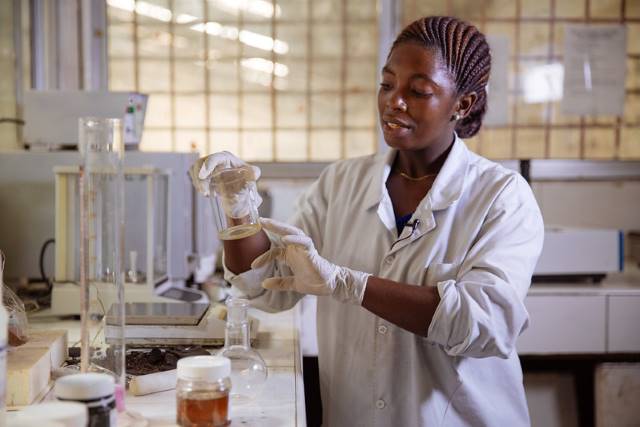
Women in ScienceGender equality is vital for alleviating global poverty. Women represent 70% of the world’s most poverty-stricken people. Consequently, women need more opportunities in the job market and increased access to health and education resources in order to truly thrive. Uplifting and empowering women all over the world will lead to greater progress with global poverty reduction efforts. In particular, women in science have the potential to ignite impactful breakthroughs.
Society, Culture and Bias

Women’s empowerment starts with the foundation of education. Research shows that, as it stands, only 30% of the world’s researchers are women. One can explain this by cultural beliefs and social norms inhibiting women from pursuing a scientific education and career.

The gender gap in science underscores a societal bias. Furthermore, because the majority of researchers are men, research is less likely to head in the direction of improving the struggles and concerns that women face. Providing more opportunities in science and technology for women would help promote technological breakthroughs and progress for the betterment of both genders.

Women in Science

Data shows that although the share of women in science differs according to specific countries, women have experienced global underrepresentation in scientific and technological fields. For instance, in 2016, women represented 55% of all researchers in Tunisia, the highest rate in Africa. Alternatively, women comprised only 5% of all researchers in Chad.

According to the UNESCO Institute for Statistics (UIS), the average share of women researchers in Africa was 24.8% in 2016. This is approximately 4% lower than the already low international average of 28%.

Gender Equality and Development

For decades, the U.N. has supported gender equality and women’s empowerment. For instance, it adopted the Convention on the Elimination of All Forms of Discrimination against Women (CEDAW) in 1979, a landmark agreement putting women at the center of human rights issues and global development.

Gender equality also plays a crucial role in global development. Women’s empowerment is part of the 17 U.N. Sustainable Development Goals adopted in the 2030 Agenda for Sustainable Development. These goals represent a global partnership aiming to end poverty, promote education and health, reduce inequalities and more.

The U.N. gender equality goal (SDG 5) focuses on various targets such as ending discrimination against women, preventing the violent treatment and exploitation of women and ending child marriage and female genital mutilation. Target 5.5. entails ensuring “Women’s full and effective participation and equal opportunities for leadership at all levels of decision-making in political, economic and public life.” This target definitely extends to the scientific arena where women’s participation would mean scientific breakthroughs geared toward improving the struggles of women.

What is the OWSD?

The Organization for Women in Science for the Developing World (OWSD) is a program unit of UNESCO. This program unit has been supporting women scientists in developing countries since 1987. Supported by the Swedish International Development Cooperation Agency (SIDA), the “OWSD provides research training, career development and networking opportunities for women scientists throughout the developing world.” Since 1988, more than 470 women in developing countries have received fellowships and more than 270 have graduated. The OWSD grants fellowships in various fields such as biology, agriculture, medicine, engineering and physical sciences.

The main goal of the OWSD is to encourage and support women’s roles in technological and scientific fields as well as in leadership. In doing so, the organization underlines the importance of the representation of women in scientific and technological progress in developing countries. The OWSD also emphasizes the need for collaboration between women scientists to build a global network to continue assisting women in science.

The Role of Women

Women’s empowerment represents a key part of reducing global poverty and can also positively impact global peace. Women’s empowerment links to a country’s prosperity. Countries that offer women equal employment opportunities also have lower poverty rates and a higher GDP. Women also play a significant role in the success and development of children. Research shows that women are likely to invest 90% of their income into the household. Income would go toward securing the basic needs of the family, enrolling children in school and investing in healthcare.

Gender equality promotes social and economic developments. In turn, a strong and durable economy can help build peaceful societies. As Michelle Bachelet, the U.N. Women executive director, stated in 2013, “There can be no peace, no progress as long as there is discrimination and violence against women.”

Women’s Empowerment for Global Development

According to the OWSD, in many developing countries women make up the majority of caregivers and agricultural workers.”If women are included as both participants in scientific research and as the beneficiaries of scientific research” the results will be highly impactful. By giving women consideration, resources and agency, the OWSD contributes to significant progress in developing countries. The organization not only contributes to scientific and technological progress but also endorses gender equality and fundamental human rights all around the world.

– Soizic Lecocq
Photo: Flickr

April 22, 2021
https://borgenproject.org/wp-content/uploads/borgen-project-logo.svg 0 0 Kim Thelwell https://borgenproject.org/wp-content/uploads/borgen-project-logo.svg Kim Thelwell2021-04-22 01:31:322024-06-06 00:59:33Women in Science and Global Development
Global Poverty, Women's Empowerment

The Artisan Nation and Female Empowerment in India

Female Empowerment in India
Danielle Chiel is an Australian philanthropist who founded The Artisan Nation in 2020. This is the second organization that Chiel has founded. Additionally, she strives to improve female empowerment in India. Chiel started knitting at the age of 10. She realized that she could teach her craft to women and subsequently help improve their lives.

The Artisan Nation

The Artisan Nation is an organization working in India. This organization defines itself as a “nation that is not bound by geography, language or culture.” Rather, it is one that is united “by passion, creativity and talent.” Furthermore, the Artisan Nation has one unifying goal to increase the health and wellness of women and people in the villages the organization works in. It accomplishes this in four ways:

  1. Providing face masks for the women and their families.
  2. Delivering fresh drinking water to villages.
  3. Helping the villages receive more balanced foods in local stores.
  4. Offering medical assistance such as workouts, dietitians, psychologists and blood tests.

The Artisan Nation also strives to establish financial independence for women by providing consistent work, smartphones, lessons on how to use the phones and financial literacy courses.

The organization currently supports five villages in Southern India. However, Chiel hopes to reach more in the future. Each village needs $10,000 to support the workers and provide “balanced” lives for everyone in the village. While companies can get involved by cooperating as members of the Artisan Nation, Chiel encourages individuals to get involved as well. Donating just $10 can help fund a village.

KOCO

Chiel first created the organization Knit One Change One (KOCO) to improve female empowerment in India. It employs women in Tamil Nadu, India and provides them with classes in English, mathematics and knitting. These women hand-knit garments for 12 brands from various countries around the world. Since these jobs offer full-time employment, KOCO gives these women the opportunity to be financially independent and support their families. KOCO employed 200 women in 2019, but Chiel hopes that the organization will eventually employ 40,000 women.

Qiaoxifu in China

While Chiel fosters female empowerment in India and poverty reduction with her programs, other initiatives are using textile work to do the same. China’s program called Qiaoxifu has employed over 120,000 impoverished women in the textile, tourism and e-commerce sectors. In one sewing factory in the Henan Province, the workers make about $440 a month. Whether it is in Chiel’s organizations or the Qiaoxifu program, these initiatives help women become more financially independent, empowered and able to support their families.

– Sophie Shippe
Photo: Flickr

April 21, 2021
https://borgenproject.org/wp-content/uploads/borgen-project-logo.svg 0 0 Kim Thelwell https://borgenproject.org/wp-content/uploads/borgen-project-logo.svg Kim Thelwell2021-04-21 01:30:322021-04-20 13:04:45The Artisan Nation and Female Empowerment in India
Global Poverty, Women's Empowerment

The STRYDE Program: Rural Women Entrepreneurs

STRYDE Program
The Strengthening Rural Youth Development through Enterprise (STRYDE) program has been helping women in developing countries develop and learn entrepreneurial skills as well as partner them with mentors. A mere 28% of Africa’s labor force consists of stable-wage jobs. The other 72% consists of income mainly from farming. Many African youths choose to move to the city, seeking better work opportunities. However, according to TechnoServe, 70% of youth remain in rural areas. These areas have a large absence of training and job opportunities.

Ndinagwe Mboya, STRYDE and Training

In Mbeya, Tanzania, one woman has managed to reinvent how the world views women entrepreneurs, especially young women. Ndinagwe Mboya, a 22-year-old, managed to revive her father’s struggling egg incubation businesses. Through lessons available through the STRYDE program, Mboya decided to capitalize on her family’s farm. Through STRYDE’s business plan competition, she won $165. She then used that money to purchase more eggs and subsequently raise more chickens. In a period of 45 days, she was able to triple her original profits. From this increase, she spread to working with other animals by breeding pigs and rabbits. She now earns $210 a month.

TechnoServe states that Business Women Connect has worked to empower women with the ingenuity and experience necessary to make their businesses thrive. The goal is to increase connection to mobile savings technologies and to provide greater access to vital business skills. The STRYDE program began in 2011 when Technoserve and the Mastercard Foundation partnered to ease the adversity of rural youth in Africa through financial independence.

By November 2020, more than 68,000 rural youths gained technical and soft skills through training. The curriculum includes the development of personal effectiveness, future plans, communication and confidence. Across Kenya, Rwanda and Uganda, 15,000 rural youths received sessions such as skills training, aftercare and mentoring. These sessions provided the knowledge necessary to expand their business opportunities.

STRYDE Program Models

The STRYDE program focuses on two main models.

  1. The Peer to Peer Model: Through this model, youths receive training directly from local Technoserve staff, such as Mboya. Approximately 70% of participants have received training through this model.
  2. Partnerships Model: About 30% of trainers have utilized the Partnerships Model, in which youths obtain training through partnerships, such as Vocational Training Institutions.

Mboya has become a mentor for other women entrepreneurs, taking part in a three-week training program designed for business counselors. Mboya takes pride in her work, teaching other Tanzanian businesswomen how to succeed in entrepreneurship and grow their businesses through the STRYDE curriculum. According to Technoserve, the STRYDE program taught Mboye to believe in herself and her abilities as an entrepreneur.

Successes of the Project

The average participant of the program has seen an increase in income by 133% and more than 48,000 youths total having benefited from the training institutions. STRYDE participants in Tanzania totaled 15,773, 61% of those being women. In Tanzania alone, the TechnoServe partnership has established eight Vocational Training Centers and eight local NGOs and community-based organizations (CBO).

The STRYDE program allows entrepreneurial women, such as Mboya, to gain the confidence and skills needed to succeed in a mainly male-dominated field.

– Nina Eddinger
Photo: Wikimedia Commons

April 20, 2021
https://borgenproject.org/wp-content/uploads/borgen-project-logo.svg 0 0 Yuki https://borgenproject.org/wp-content/uploads/borgen-project-logo.svg Yuki2021-04-20 01:30:382021-04-17 21:25:18The STRYDE Program: Rural Women Entrepreneurs
Developing Countries, Global Poverty, Women's Empowerment

How ImpactHER Empowers African Businesswomen

African BusinesswomenWomen own only 29% of businesses in sub-Saharan African. Because of socio-cultural and structural barriers, starting and running a successful business is especially difficult for women entrepreneurs. ImpactHER, a women-led nonprofit, has been empowering African businesswomen for the past four years.

Impediments for African Female Entrepreneurs

Barriers and adversities prevent African businesswomen from entering local and global markets. Many African women lack opportunities in education, personal wealth and tools to enter the market compared to their male counterparts. In 2019, Souhayata Haidara, special adviser to Mali’s Minister of Environment and Sustainable Development, discussed with the Africa Renewal information program, the importance of educating women. She stated how lucky she is to have completed school before getting married. Often cultural expectations force women to drop out of school to marry. She reiterated that economic empowerment for women begins with education.

Even if a woman obtains a proper education, she may still find it difficult to start a business because of collateral requirements. Many African women do not own collateral or assets like land or a car. This leads to banks and investors financially excluding African women, which makes it difficult for African women entrepreneurs to access capital to launch and operate their businesses. In Tanzania, for example, although women have land ownership rights, customary law dictates that women cannot inherit land from their husbands or fathers.

Sociocultural barriers also prevent African women from becoming entrepreneurs. Women miss out on opportunities because they are often the main caretakers for children and oversee unpaid domestic work. Sociocultural barriers force domestic responsibilities onto women which often prevents them from having time to start a business.

Female Entrepreneurs for Economic Growth

Successful African businesswomen are crucial for a strong economy. Estimates say that gender gaps in employment and entrepreneurship cost economies about 15% of their GDP. Female-led businesses expand productivity, increase household incomes and diversify the local and national economy. With successful women’s economic empowerment, a country’s economy becomes stronger, meaning it is on track for poverty eradication.

ImpactHER

Efe Ukala founded ImpactHER in 2017, a nonprofit organization that trains and prepares African female entrepreneurs to become market leaders. Since 2017, ImpactHER has reached more than 45,000 women-led businesses in 89 countries, with more than 20,000 female African entrepreneurs trained.

In a March 2021 presentation organized by Global Minnesota, Ukala revealed that in 2020 alone, ImpactHER helped more than 10,000 African businesswomen and connected African female entrepreneurs to institutional capital to the value of $577,000. ImpactHER also rendered technology transformation services to more than 5,000 African businesswomen. ImpactHer accomplishes these tasks through its programs.

  • The AdvanceHER program assists African businesswomen in expanding their businesses and market presence. This program aims to transform African female entrepreneurs into market leaders.
  • The UpliftHER program provides African businesswomen with information on how to become investor-ready.
  • ConnectHER teaches African female entrepreneurs how to network and choose the right investors for their businesses.

ImpactHER and COVID-19

COVID-19 disproportionally impacted women-led businesses. Once COVID-19 arrived, ImpactHER jumped into action. ImpactHER sent 30 African presidents letters that advocated for women-targeted stimulus packages, relaxation of collateral requirements by African banks, disbursement of stimulus packages from a gender-lens perspective by African governments and extending the repayment period for loans. ImpactHER also co-authored a policy brief with U.N. Women and Affirmative Finance Action for Women in Africa.

After assessing the needs of African businesswomen in the time of COVID-19, ImpactHER assisted African female entrepreneurs in:

  • Rendering technology to create e-commerce websites
  • Creating market strategies to sustain the market during COVID-19
  • Finding therapeutic services for women facing psychological fear resulting from the pandemic and business uncertainty

Since its founding in 2017, ImpactHER has assisted thousands of African women entrepreneurs. There is still more to accomplish when it comes to advancing African businesswomen, especially with the presence of COVID-19. But, with programs like ImpactHER, African businesswomen will continue to receive the tools to recover and move forward.

– Bailey Lamb
Photo: Flickr

April 17, 2021
https://borgenproject.org/wp-content/uploads/borgen-project-logo.svg 0 0 Kim Thelwell https://borgenproject.org/wp-content/uploads/borgen-project-logo.svg Kim Thelwell2021-04-17 04:29:242024-12-13 18:02:29How ImpactHER Empowers African Businesswomen
Developing Countries, Development, Gender Equality, Global Poverty, Women's Empowerment

Gender and the African Continental Free Trade Area Agreement

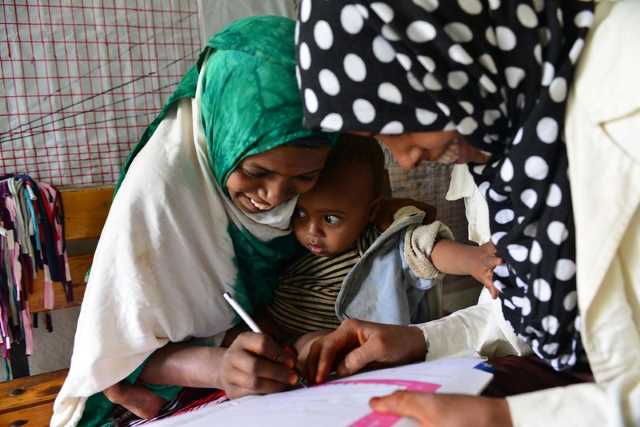
African Continental Free TradeGender inequality in the workforce is an issue that affects women globally. Women account for 60% of all jobs globally but earn only 10% of all income. In addition, 70% of women experience financial exclusion, which contributes to gender inequality in Africa. Barriers to educational opportunities are also factors of gender inequality with up to 4 million girls that have not enrolled in the educational system. Advancing women’s involvement and opportunity in the African economy will aid in closing the gender gap. The African Continental Free Trade Area (AfCFTA) agreement aims to economically transform Africa and women are an important part of this process.
The African Continental Free Trade Area Agreement

The AfCFTA agreement came into effect on January 1, 2021, and created one of the largest free trade areas in the world. AfCFTA created a new market of 1.3 billion people across Africa. This accounts for a combined gross domestic product (GDP) of $3.4 trillion. According to the World Bank, AfCFTA has the potential to take up to 30 million Africans out of extreme poverty and increase the incomes of 68 million Africans who live on less than $5.50 a day.

The provisions of the agreement include lowering trade tariffs between participating countries and other beneficial regulatory measures. Overall, AfCFTA aims to completely reshape African markets and boost the economy with the creation of new jobs, increased industrialization and increased trade within Africa. In addition, women will benefit from the agreement by improving their access to trade opportunities and stimulating wage gains by up about 10.5%.

Boosting Women-Owned Businesses

The AfCFTA can boost women’s roles in jobs across different sectors like the agricultural sector. In agricultural jobs, AfCFTA can expand markets for exports and widen opportunities available to women. With increased industrialization and diversification, the AfCFTA can benefit women’s manufacturing and wage employment in manufacturing industries. Higher-skilled jobs will also become more available and accessible to women. In addition, significant benefits are present for women entrepreneurs. Regional value chains support smaller women-owned businesses. The chains allow larger firms to use smaller women-owned businesses as suppliers.

The SheTrades Project

Empowering Women in the AfCFTA project also addresses the gender gap. The purpose of the SheTrades project is to support women-owned businesses so that they can experience the free trade benefits under AfCFtA. The project focuses on capacity building, networking and advocacy as a means to achieve this. The project works with more than 50 women’s business associations to raise awareness of prioritizing women in terms of AfCFTA and discuss recommendations for prioritizing women as well as policy advocacy strategies. It also works to provide a platform for women’s business associations to work with each other as well as policymakers.

Addressing Gender Inequality

Women are key stakeholders in the development of the African economy under AfCTA, consisting of 70% of informal traders.

AfCFTA also recognizes the importance of gender in trade relations in Africa by stating the importance of incorporating gender inequality in the context of trade and the economy. A method of fighting gender inequality in Africa is through gender mainstreaming. Gender mainstreaming is defined as, “a process of assessing the implications for women and men of any planned actions, including legislation, policies or programs in all areas and at all levels.” Strategies like gender mainstreaming are addressed and applied in several countries’ AfCTA National Implementation Strategies.

Implementation of further gender gap-related policies can strengthen the impact that the African Continental Free Trade Area agreement has on Africans and help to eradicate gender inequality in Africa.

– Simone Riggins
Photo: Flickr

April 13, 2021
https://borgenproject.org/wp-content/uploads/borgen-project-logo.svg 0 0 Kim Thelwell https://borgenproject.org/wp-content/uploads/borgen-project-logo.svg Kim Thelwell2021-04-13 01:31:412024-05-30 22:23:10Gender and the African Continental Free Trade Area Agreement
Global Health, Global Poverty, Women's Empowerment

Female Empowerment in Politics & Maternal Mortality

Female Empowerment in PoliticsThe high rate of preventable maternal mortality rates in developing countries continues to be a cause of concern. The World Health Organization (WHO) defines maternal mortality “as the death of a woman from pregnancy-related causes during pregnancy or within 42 days of pregnancy.” Maternal mortality occurs almost entirely (99%) in low-income countries. The maternal mortality ratio (MMR) of impoverished countries estimates 239 maternal deaths per 100,000 live births. This rate is 12 per 100,000 in high-income countries. Research shows that female empowerment in politics links to reduced maternal mortality rates.
Reasons for High Maternal Mortality in Developing Countries

  • Inadequate access to skilled birth assistance services
  • Insufficient prenatal and postnatal care
  • A lack of education
  • Gendered policy preferences, meaning maternal health is not typically a priority or target in male-dominated governments

Female Representation in Government

Global female representation in government has increased to more than 20% while maternal mortality has declined by 44% since 1990. Is this a cause-and-effect scenario or merely coincidence? A recent study titled, “Maternal Mortality and Women’s Political Participation” offers data to support that it is not just happenstance and that female empowerment in politics has a direct effect on maternal mortality levels.

In 2020, female participation in parliament reached 24.9% globally. One reason for the rise in women’s representation in government is the fact that several countries are adopting gender quotas. Gender quotas secure a number of seats in government for women. At least 130 countries have adopted gender quotas and have an average of 26.9% female representation. Countries that have implemented quotas have seen maternal mortality decline at an accelerated rate. Estimates have determined that gender quota application results in an average of a 9-12% drop in maternal mortality.

Female Policymakers Prioritize Women’s Health

Health is a vital contributing factor in empowering women. Women statistically prioritize policies aimed at improving female conditions at a higher rate than their male counterparts. These policies often target issues such as education, child marriage and maternal health. Countries with gender quotas in place show an estimated 8-11% rise in “skilled birth attendance” and a 6-11% rise in the use of prenatal care.

A paper that Cambridge University published in 2016 asserted that an increase of only 1% in women’s representation in government resulted in five fewer maternal deaths and 80 fewer infant deaths out of 100,000 live births. These studies and statistics conclude that women’s participation in legislatures improves the health of its female constituents.

Eradicating Maternal Mortality

Female empowerment in politics contributes to the Sustainable Development Goals (SDGs). The Sustainable Development Goals, which the U.N. established, include reducing maternal mortality (SDG 3.1) and increasing the number of women in government (SDG 5.5). These goals are complementary to each other. By working toward SDG 5.5, which is to “Ensure women’s full and effective participation and equal opportunities for leadership at all levels of decision-making in political, economic and public life,” it is reasonable to conclude that the world could achieve, SDG 3.1, which is to “reduce the global maternal mortality ratio to less than 70 per 100,000 live births” by 2030, in tandem.

– Rachel Proctor
Photo: Flickr

April 12, 2021
https://borgenproject.org/wp-content/uploads/borgen-project-logo.svg 0 0 Kim Thelwell https://borgenproject.org/wp-content/uploads/borgen-project-logo.svg Kim Thelwell2021-04-12 01:30:552024-05-30 22:23:02Female Empowerment in Politics & Maternal Mortality
Global Poverty, Women's Empowerment

Bill to Fight Violence Against Women in Iran

Violence Against Women
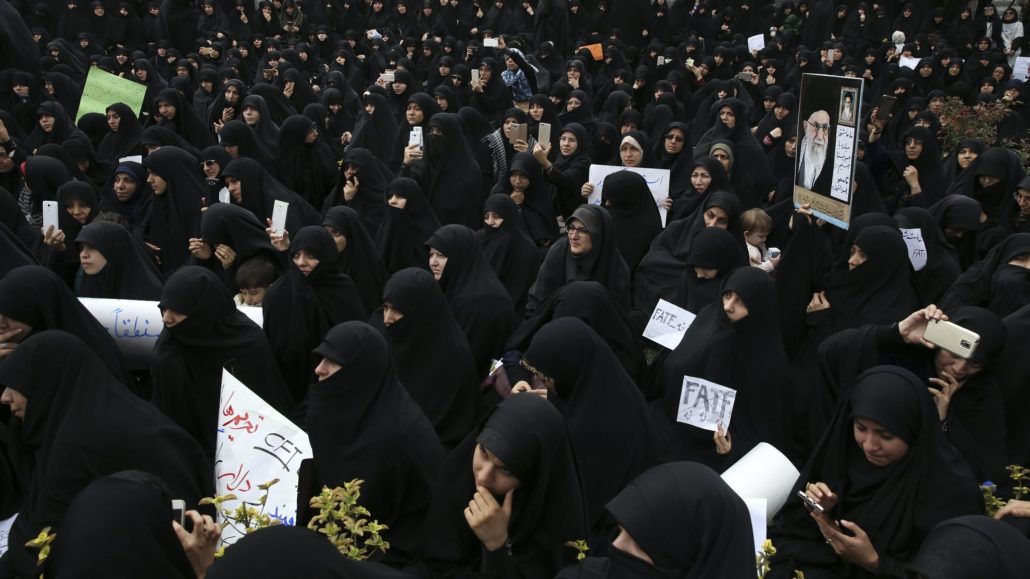
The bill titled the Protection, Dignity and Security of Women Against Violence has been under review and edits since 2013. In September 2019, Iran’s legislation approved the bill and now, parliament and the Guardian Council will review it. The vice president for women and affairs Masoumeh Ebtekar is spearheading the bill. Masoumeh Ebtekar entered her position in 2017 and has pushed for reform to protect women from violence. This bill aims to address the issue of domestic violence against women in Iran. For the past 17 years, Iranian women have been campaigning and fighting for a bill that protects women from violence. Here is some information about violence against women in Iran.

Women in Iran

Iranian women frequently receive treatment as second-class citizens and devaluing due to gender-based discrimination. Iranian women also frequently face physical, sexual and psychological abuse. In Iran, domestic abuse is not illegal, leaving women venerable to violence. If a woman’s husband is abusive, the only legal action a woman can take is to have her husband financially support her for the first three months after separation.

The Iranian judicial system systemically discriminates against women in other ways as well. For example, women are legally responsible at 9 years old, whereas the system charges men as adults at 13 years old.

Violence Against Women During the COVID-19 Pandemic

In 2020, female-aimed violence in Iran skyrocketed during the COVID-19 pandemic. It caused public outrage and led to the birth of Iran’s own Me Too movement, sparking protests and demand for reform and equality.

Many public events charged the civil discourse. One of the most public events of violence in 2020 involved Romina Ashrafi, a 14-year-old girl. Her father beheaded her in what he called an honor killing. This act of terror sparked a demand for change, forcing Iran’s legislation to approve and pass the long-awaited bill regarding violence against women. As Iranian researcher Tara Sepehri Far said, “For decades, Iranian women have been waiting for comprehensive legislation to prevent violence against women and prosecute their abusers.”

The Protection, Dignity and Security of Women Against Violence Bill

The bill intends to address violence through education. In fact, it will implement educational courses for teachers, parents and students to help others recognize when a woman is at risk of violence and help bring awareness and knowledge to the subject of abuse against women. The bill will also implement legal support for women in abusive situations, including safe houses and medical and psychological aid for women. It will also initiate training for medical workers to equip them on how to help women seek help in abusive situations.

Another major reform of the bill requires law enforcement to redesign how it approaches violence against women. Before this bill, many lawyers and law enforcement were wary of taking on domestic abuse cases, often regarding violence cases against women as a family issue, not rather than a state issue. This bill now requires judiciaries and law enforcement to seriously address the topic and consider them a public safety issue.

Looking Ahead

This bill is a positive step toward ending violence against females; however, Iran must also address the bill’s shortcomings. The bill does not aim to end or address marital rape or child marriage, or even domestic abuse, thus leaving these essential topics in silence.

However, this bill is worthy of recognition for progressing protection for women in Iran. Women in Iran have been fighting for a voice and change and this bill is a powerful reminder that growth and change do happen. While it will not end women’s fight for safety and equality right away, it is a worthy beginning showing that the Iranian government now recognizes that domestic violence and discrimination are significant issues.

– Rachel Wolf
Photo: Flickr

April 10, 2021
https://borgenproject.org/wp-content/uploads/borgen-project-logo.svg 0 0 Kim Thelwell https://borgenproject.org/wp-content/uploads/borgen-project-logo.svg Kim Thelwell2021-04-10 11:42:172021-04-20 11:42:29Bill to Fight Violence Against Women in Iran
Global Poverty, Poverty Eradication, Women, Women's Empowerment

A Women-Led Association to Improve Lives in Mexico

Improve Lives in MexicoBefore the COVID-19 pandemic, moderate poverty in Mexico had declined from 25.7% in 2016 to 23% in 2018, although 29 million people continued living in impoverished conditions. Prior to 2018, Mexico’s multidimensional poverty rate, which includes income poverty as well as factors such as access to food and education, had dropped to about 42% of the population, thereby improving lives in Mexico. However, according to CONEVAL, a public agency that measures poverty, the effects of COVID-19 could mean that 56% of the country, or 70 million Mexicans, may not earn enough to cover their basic needs. This number represents an increase of around 50% more poverty in the past 24 months. Mexican women-led associations and businesses are leading the way to reduce poverty and improve lives in Mexico.

COVID-19 and Poverty

The effects of COVID-19 could eliminate decades of poverty reduction. Global GDP fell 5.2% in 2020, but, Latin America’s drop in real GDP was expected to be closer to 7%, according to the World Bank. The IMF calculates an economic recession of 6.6% in Mexico. By June 2002, more than a million jobs were already lost due to the pandemic.

As a result, Latin America’s second-largest economy, Mexico, could be among the countries in the region that are affected worst. Up to 17 million Mexicans may soon be living in extreme poverty — an increase from 11 million in 2019.

Women Entrepreneurs in Querétaro

In the state of Querétaro, Mexico, a women-led and women-founded association is helping to lift women and their families out of poverty. Established in 2010, Mujeres y Ambiente SPR de RL de CV has combined forces with an environmentally-minded Spanish company, along with the Mexican government and Autonomous University of Querétaro, to develop cosmetics based on local medicinal plants. Mujeres y Ambiente helps women entrepreneurs in Querétaro to expand their own agricultural micro-businesses, thereby helping them to become economically self-sufficient.

Eulalia Moreno Sánchez, along with her two daughters, Ángeles and Rosa Balderas, formed a Women and Environment group in the La Carbonera community. Through consolidating micro-businesses such as selling earthworm humus, mushrooms, medicinal plants, vegetables and aromatic plants, the women utilize the cultivated raw materials which they use in their products, to help the community produce a sustainable income.

International Support for Mexican Women

The Nagoya Protocol came into force in Mexico in 2014. This international agreement supports the equitable sharing of benefits from the use of genetic resources that come from traditional knowledge. Under the agreement, the women of rural Querétaro signed the first-of-its-kind permit between Mexico and Spain, which provides access to the genetic resources of traditional medicine plants cultivated in Mexico. The agreement fairly compensates local producers for their knowledge and their work, thus improving lives in Mexico. The community gets to preserve its ecosystem’s genetic resources and the women’s traditional knowledge based on medicinal plants. Members of the association are offered jobs as well as research and business opportunities.

In 2016, Sanchez and her daughters began to export lemon balm, or Toronjil, for the Spanish cosmetics company Provital. Since then, they have signed additional agreements to produce other medicinal plants for the company. With support from the UNDP (Global Environment Facility), the project establishes the legal framework for ensuring the right to protect biodiversity.

Preserving Biodiversity and Creating Jobs

In addition to alleviating poverty, the association’s goals include stabilizing the soil, cultivating a nursery and conserving biodiversity. Cosmetic products are developed from the women’s traditional knowledge about local herbs and medicinal plants. The entrepreneurs are part of the cosmetics industry’s sustainable supply chain and they serve as an example of successful conservation through the sustainable use of biodiverse resources. These activities have allowed the women to derive an income, create more jobs and open up markets, offering a way to reduce poverty and improve lives in Mexico.

– Sarah Betuel
Photo: Flickr

April 10, 2021
https://borgenproject.org/wp-content/uploads/borgen-project-logo.svg 0 0 Lynsey Alexander https://borgenproject.org/wp-content/uploads/borgen-project-logo.svg Lynsey Alexander2021-04-10 08:43:292024-05-30 22:23:14A Women-Led Association to Improve Lives in Mexico
Global Poverty, Women's Empowerment

ABLE Creates Jobs for Women in Ethiopia

Creates Jobs for Women in Ethiopia
Live fasionABLE is a slogan that transcends the fashion industry. It promotes sustainable practices in creating quality products and focuses on empowering women. The shift to ethically sourced products has grown in popularity among the younger generations. ABLE is one fashion business that strives to provide jobs for women in Ethiopia, as well as internationally.

ABLE in Ethiopia

ABLE’s mission is to challenge the culture of the fashion industry by creating transformative opportunities for women. It aims to provide quality products to improve people’s livelihood in Ethiopia. Thus, the business provides many women opportunities for employment. This is one way that ABLE contributes to alleviating global poverty.

ABLE provides jobs for women in Ethiopia exiting the sex trafficking industry. Employed women manufacture scarves and aid in production. The company trains and equips women to make beautiful, cultural and quality scarves. Less than 38.8% of women held positions in the workforce globally in 2020, highlighting the need for businesses like ABLE to prioritize hiring women.

About 80% of women living in rural areas of Ethiopia work in agricultural cultivation and production and rarely receive any compensation for their work. Furthermore, fathers and husbands often place strict restrictions on women. USAID states that one in three women in Ethiopia experiences one type of physical, emotional or sexual abuse in their lifetime. Providing employment opportunities for women increases their autonomy and financial independence.

Employment Opportunities

Women who receive employment are able to provide an avenue for their children and communities to thrive through economic empowerment. According to author Ain Wright, there are five different policy approaches to closing the gender gap in Ethiopia: welfare, efficiency, anti-poverty, equity and empowerment. ABLE utilizes all five of these strategies for women that it hires.

The welfare and the efficiency approach go hand in hand. Providing women with the means to support themselves motivates and empowers them to actively support their communities. Additionally, all women receive encouragement to discover their voices through the strategy of empowerment, anti-poverty and equity.

Gender Equality

One challenge in increasing employment for women remains deeply rooted in cultural expectations and gender norms. ABLE has a commitment to creating a culture based on equality and rebuilding women’s lives. The fashion industry offers the highest number of jobs to women globally. Yet, only 2% of these women receive a fair wage. ABLE posts its wages on its website for the public to see, allowing consumers to understand the importance of their purchase.

As ABLE grew, it expanded its network to provide jobs for women in Ethiopia, Mexico, India, Brazil and Nashville, U.S. The company partners with local communities to assist in developing individual economies rather than developing itself into a major fashion corporation. ABLE also believes that telling people’s stories affects consumer awareness. Women with employment there created a podcast to tell their stories of strength and hopes for the future. The podcast and products continue to build consumer awareness, alleviate poverty and empower women.

ABLE is making great strides to grow as a company and maintains its role as an ethically sourced fashion brand. Its efforts have created more jobs for women in Ethiopia, empowering them their families and their communities. Moving forward, it is essential that other fashion companies shift to sustainable and ethical practices.

– Kate Lucht
Photo: Flickr

April 2, 2021
https://borgenproject.org/wp-content/uploads/borgen-project-logo.svg 0 0 Kim Thelwell https://borgenproject.org/wp-content/uploads/borgen-project-logo.svg Kim Thelwell2021-04-02 07:31:172021-03-31 06:30:10ABLE Creates Jobs for Women in Ethiopia
Global Poverty, Human Trafficking, Women's Empowerment

Supporting Women in Barbados Combats Trafficking

Women in BarbadosHuman trafficking is prevalent in the Caribbean, including the island of Barbados. Trafficking is the act of transporting a person with the intention of forced or coerced labor. Research conducted by the Criminal Justice Research and Planning Unit (CJRPU) indicates that women’s involvement in drug trafficking is more prevalent among those who are uneducated and live in circumstances of poverty with little economic opportunity. The financial rewards of drug trafficking are appealing to women dealing with extreme economic hardship and poverty. Women are involved in trafficking more often than men. Specifically, mothers fall victim to trafficking to take care of their children and help their families out of poverty. Anti-trafficking efforts support women in Barbados and other Caribbean islands.

Caribbean Institute for Women in Leadership

The Caribbean Institute for Women in Leadership (CIWiL), together with several partners, works to create a more favorable environment for female leadership. The CIWiL is a multi-partisan organization without political affiliations that strengthens female leaders’ decision-making in Barbados. Its work is primarily achieved through building initiatives. Currently, webinars are accessible through the CIWiL website. The webinars are about leadership, politics and socio-economic subjects. The website has other political and economic resources such as initiatives for Young Women in Leadership (YWiL) in the Caribbean. One of these initiatives took place in October 2020 in Antigua and Barbuda. This program worked on building personal development skills for women ages 18 to 25 who are actively passionate about public leadership.

Efforts to Support Entrepreneurship

In July 2011, the CIWiL began its activity in Barbados to support events and initiatives that empower female entrepreneurs. In February of the same year, the Barbados government’s Bureau of Gender Affairs held a workshop to celebrate the Day of Women of the Americas for Leaders. The workshop hosted women in the Caribbean who are actively aspiring political or public leaders, helping them learn and build on their leadership skills. The Bureau is confident that supporting entrepreneurship will aid women in Barbados and be an efficient way to combat human trafficking. Developing the country’s economy helps decrease poverty in the country. Providing outlets for businesses to grow also creates significant opportunities for women to explore healthier income avenues.

HIV/AIDS Prevention

The Caribbean is leading at number two for the highest HIV/AIDs prevalence rate in the world. USAID launched a five-year initiative in 2015 to support the Caribbean’s efforts to combat the virus. The Bureau of Gender Affairs declares women’s health a pertinent issue, that if addressed, will support women trafficked in Barbados. From July to September 2011, the Bureau conducted a series of workshops addressing HIV/AIDS. The workshops discussed women’s susceptibility to HIV/AIDS and how to create more awareness and understanding of the topic. The event successfully implemented supportive measures for women in Barbados, including educational tools.

Barbados-United States Partnership

The U.S. Embassy Bridgetown Public Affairs Section (PAS) is trying to implement a new fixed grant system for Barbados. There are about 24 grants awarded for up to $24,000 each. These grants hope to strengthen the Barbados relationship with the U.S. Department of State. The more economically beneficial relationships Barbados has, the greater the opportunity to decrease poverty. Providing women trafficked in Barbados with more options for quality work is imperative to stop the lure of trafficking.

Commitment to Anti-Human Trafficking

Barbados will continue to be successful with its measures to support women and stop human trafficking. The Bureau of Gender Affairs is putting stress on expanding women’s economic status through productive initiatives that provide more opportunities for women in Barbados vulnerable to human trafficking. These anti-human trafficking efforts are the start of increased female empowerment in Barbados and the rest of the Caribbean.

– Libby Keefe
Photo: Flickr

March 31, 2021
https://borgenproject.org/wp-content/uploads/borgen-project-logo.svg 0 0 Kim Thelwell https://borgenproject.org/wp-content/uploads/borgen-project-logo.svg Kim Thelwell2021-03-31 01:27:382024-05-30 22:23:08Supporting Women in Barbados Combats Trafficking
Page 22 of 54«‹2021222324›»

Get Smarter

  • Global Poverty 101
  • Global Poverty… The Good News
  • Global Poverty & U.S. Jobs
  • Global Poverty and National Security
  • Innovative Solutions to Poverty
  • Global Poverty & Aid FAQ’s
Search Search

Take Action

  • Call Congress
  • Email Congress
  • Donate
  • 30 Ways to Help
  • Volunteer Ops
  • Internships
  • Courses & Certificates
  • The Podcast
Borgen Project

“The Borgen Project is an incredible nonprofit organization that is addressing poverty and hunger and working towards ending them.”

-The Huffington Post

Inside The Borgen Project

  • Contact
  • About
  • Financials
  • President
  • Board of Directors
  • Board of Advisors

International Links

  • UK Email Parliament
  • UK Donate
  • Canada Email Parliament

Get Smarter

  • Global Poverty 101
  • Global Poverty… The Good News
  • Global Poverty & U.S. Jobs
  • Global Poverty and National Security
  • Innovative Solutions to Poverty
  • Global Poverty & Aid FAQ’s

Ways to Help

  • Call Congress
  • Email Congress
  • Donate
  • 30 Ways to Help
  • Volunteer Ops
  • Internships
  • Courses & Certificates
  • The Podcast
Scroll to top Scroll to top Scroll to top