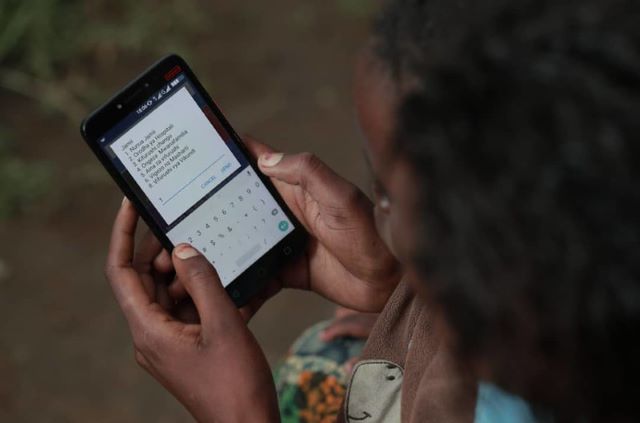
 As the world becomes more technologically advanced and digitally connected, access to technology remains an issue, especially in developing countries. More so, the digital gap between women and men continues to expand, with 300 million fewer women than men using mobile internet, creating a 20% gap. The lack of access to digital devices for these women means being denied essential services including employment opportunities, financial resources, educational resources and medical information. There are several global initiatives trying to bridge the digital gender gap between women and men.
Safaricom
In Kenya, women are 39% less likely than men to have access to mobile internet despite women making up 51% of the Kenyan population. Safaricom, a mobile network in Kenya, therefore created a partnership with Google to offer an affordable smartphone, the Neon Kicka with Android GO, compromising 500 megabytes of free data for the first month. The mobile network believes that empowering a woman empowers an entire community and focuses on the following three barriers: affordability, relevance and digital skills. The company ensured that the price point was the lowest it could be and featured important content including access to health information and educational content to highlight the smartphone’s daily relevance for women. Safaricom recognizes that many women are not familiar with Gmail accounts and therefore developed a guide covering the basics of smartphone use.
Novissi
Togo, a country in West Africa currently run by its first female prime minister, launched a digital cash transfer program called Novissi. Its goal is to provide aid to informal workers during the COVID-19 pandemic, covering residents of three urban areas under lockdown. Many underserved women tend to be excluded from COVID-19 relief digital cash transfer programs launched by governments since they either do not have access to digital bank accounts or are uninformed. Through Novissi, women receive a monthly sum of $20, whereas men receive $17, to support the cost of food, communication services, power and water. The three additional dollars allocated to women account for the fact that women are more likely to be informal workers and take care of a family’s nutritional needs.
Wave Money
In Myanmar, Wave Money has become the number one mobile financial service, with 89% of the country benefiting from its agents. Since Wave Money deals with 85% of rural areas in the country, money enters and leaves from nearly every state and facilitates familiarity with the service. The financial service created a partnership with GSMA Connected Women to allow greater access to financial services for women. Through this partnership, women are encouraged to run Wave Money shops in Myanmar, providing them with extra income even if they live in very remote areas of the country.
Telesom Simple KYC Account
It can be challenging for women to acquire the identity documents necessary to open accounts with service providers. In Somaliland, Telesom created a simplified know-your-customer (KYC) account, allowing women that do not possess an ID to sign up for mobile money services. The service solely requires a name, date of birth, image and contact details, favoring accessibility and reducing the digital gap between women and men.
Equal Access International Partnership with Local Radio Station
In Nigeria, women and girls are denied access to technology due to the fear of moral decline that accompanies the widespread culture. Equal Access International recognizes the need to address societal norms for women and amplify women and girls’ voices. In an effort to do so, Equal Access International partnered with a local radio station in order to create a show that tackled cultural taboos and promoted women and girls using digital technologies. The episodes last 30 minutes and cover weekly themes including common misconceptions about the internet, internet safety and moral arguments regarding women and the internet.
Closing the Digital Gender Gap
Despite a digital gender gap that exists between women and men, organizations around the world are making an effort to foster a sense of inclusion and empowerment for women and girls to become familiar and encouraged to take on the digital world that is constantly emerging.
– Sarah Frances
Photo: Flickr
 On top of the constant violence occurring in Yemen, almost
  A staggering
 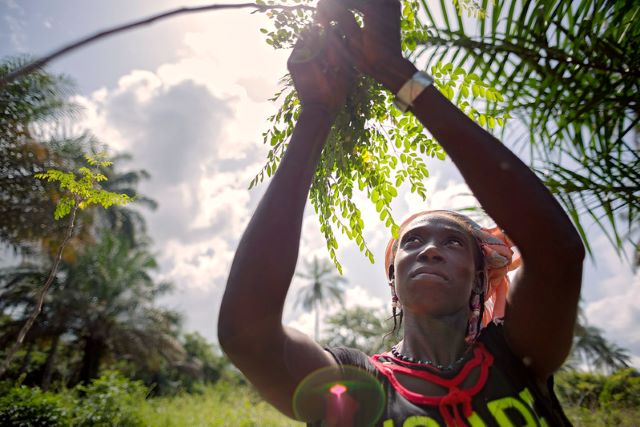 Kuli Kuli is a company that sells products made from the moringa tree, a superfood that is high in vitamins, antioxidants, plant proteins and anti-inflammatory properties, with twice the nutrient value of kale. The company’s products consist of energy bars, tea shots and a variety of powders and smoothie mixes.
 Since 2018, Albanian law has changed in ways that are finally giving women and girls more protection against violence. To respond to the current COVID-19 pandemic, various NGOs and the Albanian government have adapted once again to help survivors and victims. Here is how new policies in Albania are protecting women and girls.
 A small country located within Central America, south of Mexico, Guatemala has one of the
  Globally, it is estimated that at least 150 million people, or
 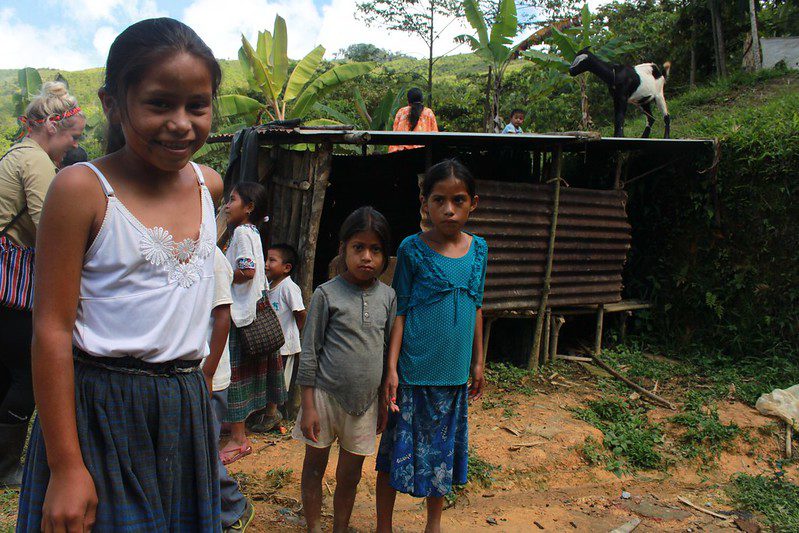 Period poverty in Guatemala weighs heavily on the country’s women and girls. The lack of access to hygiene management education and proper sanitation tools forces young girls out of school for days at a time. As young girls grow up in Guatemala, they are met with a challenge. Specifically, their menstruation cycle. Not only is this a milestone in their personal lives but also a limitation. The lack of access to necessary feminine products forces girls to stay home for days. However, as technology evolves and resources are found, many organizations are working to end period poverty in Guatemala and beyond.
 With the