• Link to X
  • Link to Facebook
  • Link to Instagram
  • Link to TikTok
  • Link to Youtube
  • About
    • About Us
      • President
      • Board of Directors
      • Board of Advisors
      • Financials
      • Our Methodology
      • Success Tracker
      • Contact
  • Act Now
    • 30 Ways to Help
      • Email Congress
      • Call Congress
      • Volunteer
      • Courses & Certificates
      • Be a Donor
    • Internships
      • In-Office Internships
      • Remote Internships
    • Legislation
      • Politics 101
  • The Blog
  • The Podcast
  • Magazine
  • Donate
  • Click to open the search input field Click to open the search input field Search
  • Menu Menu

Archive for category: Water

Global Health, Sanitation, Technology, Water

No Ordinary Novel: The Drinkable Book

In the age of tablets and e-books, there is one book everyone should have a hard copy of.

It doesn’t matter where you live or who you are, millions of people die each year from drinking contaminated water. That’s why the humanitarian organization WaterIsLife has partnered up with the advertising agency DDB to develop The Drinkable Book.

The Drinkable Book looks normal on the outside and is just a few inches thick with about 20 printed pages, but on the inside the book contains the gift of fresh water.

The book not only contains step-by-step instructions on how to purify drinking water, including simple things like washing hands and not leaving trash near a water source, but its pages are also filters to help purify water around the world.

“One of WaterisLife’s biggest challenges (beyond providing clean water) is teaching proper sanitation/hygiene, so this was a perfect opportunity to not only introduce the new filters, but also to do it in a way that meaningfully addresses both problems,” said Brian Gartside, the senior designer of The Drinkable Book in an interview with Slate.

Each page of The Drinkable Book is coated in bacteria-killing silver nanoparticles and can be torn out and used as a water filter. The pages kill the bacteria that cause cholera, E.coli and typhoid, among other diseases and can last up to a month each time they are used.

“A lot of water issues aren’t just because people don’t have the right technology, but also because they aren’t informed why they need to treat water to begin with,” says Theresa Dankovich, the chemist who developed the filter paper.

To use the book, you rip one of the pages in half and slide it into the filter box — which doubles as a cover for the book — and pour contaminated water through. After a few minutes, the bacteria in the water is reduced by 99.9%  and is comparable U.S. tap water.

“Our main goal is to reduce the spread of diarrheal diseases, which result from drinking water that’s been contaminated with things like E. coli and cholera and typhoid,” Dankovich says in the interview. “And we think we can help prevent some of these illnesses from even happening.”

Trying to prevent diseases caused by contaminated water truly aids in the fight against global poverty. Helping those people without access to a clean water source fight contaminants and battle disease means the people who would have previously been ill have a chance to live.

This chance could mean they have the opportunity to work, to open a new business, to expand to new markets or even visit other countries, and have more resources to make life better for themselves and the place they grew up in.

WaterIsLife printed an initial run of 100 copies in English and Swahili to be sent to Kenya and distributed among the impoverished people there, but the brand also plans to distribute The Drinkable Book around the world.

– Cara Morgan

Sources: HuffPost, NPR, Slate, TheGistOfWater
Photo: Design Boom
May 27, 2014
https://borgenproject.org/wp-content/uploads/borgen-project-logo.svg 0 0 Borgen Project https://borgenproject.org/wp-content/uploads/borgen-project-logo.svg Borgen Project2014-05-27 04:00:082024-12-13 17:53:52No Ordinary Novel: The Drinkable Book
Water

Water Rationing in Venezuela Begins

“We are facing the worst drought Venezuela has had in almost 100 years,” said Hugo Chávez, the late Venezuelan President in 2010. The drought problems have not improved, and as the country faces issues from an incredibly dry season, officials on May 6 have implemented water rationing in the capital Caracas and nearby regions. This will leave some six million people without water three days a week.

Venezuela’s dry season has, moreover, extended longer than normal, adding to the drought the country has been facing. There are three water reservoirs surrounding the capital city, and one of them has already reached record lows, falling below minimum capacity. The rationing plan is set to last for four months, lasting until August or September.

Critics are blaming the current president Nicolás Maduro and the socialist government for the severity of the problem though, rather than the weather.

“Instead of waiting for storage ponds to dry, the government should have implemented a less burdensome, water-saving plan months ago,” said Carlos Ocariz, mayor of the capital’s Sucre district. He went on to say that no new reservoirs had been built during the last 15 years, possibly leading to the severity of the problem today.

Other reservoirs, though, still contain enough water for the moment. The Camatagua reservoir can continue providing water for 820 more days, according to the country’s environment minister, Miguel Rodríguez. But even when fully operating, the water supply in the capital is below international standards, only providing enough water for household use and not enough to meet commercial and industrial needs.

The drought has caused other problems for Venezuela. Hydropower provides up to two-thirds of the produced electricity, and with the lack of rainfall, power shortages are a constant worry for citizens in rural areas. According to critics, management and underinvestment are also to blame for the shortages.

Neighboring country Colombia is also suffering from the drought, prompting the country to reduce gas exports to Venezuela. This is to ensure that Colombia has enough fuel to run its own power plants, putting further pressure and reliance onto Venezuelan hydropower.

Furthermore, protests occurring in Venezuela have been occurring for more than two months, fueled by resource shortages, crime and inflation. With a lack of constant access to water and related services, the protests could continue to get worse. Already, the unrest has seen 41 deaths as well as over 700 injured.

As the El Nino weather continues in the region, the country faces a water shortage that could cause many problems across the board for Venezuela. The choice by the government to start rationing the water should help ensure a continued supply for the citizens for now, however. With any luck, and with officials hoping the rationing program will only be needed until August, Venezuelans won’t have to suffer long until the rainy season returns to abate the country’s water shortage.

– Matthew Erickson

Sources: ABC News, BN Americas, New York Times: Venezuela looks to Wind and Nuclear Power, New York Times: Electricity Emergency, Raw Story, Reuters
Photo: Construction Week Online

May 11, 2014
https://borgenproject.org/wp-content/uploads/borgen-project-logo.svg 0 0 Borgen Project https://borgenproject.org/wp-content/uploads/borgen-project-logo.svg Borgen Project2014-05-11 04:00:262024-05-26 23:35:35Water Rationing in Venezuela Begins
Global Poverty, Water

Just a Drop: Creating Access to Clean Water

Imagine getting up every morning and walking miles just to get a drink of water. And what if that water, the only source of potable water in the area, was full of infectious bacteria? That is the struggle that Gertrude Namakon faced in Uganda, as do many others the world over. Every 20 seconds, a child dies from a water-related disease, something developed countries with steady access to drinking fountains and faucets do not have to deal with.

However, organizations like Just a Drop are working to fix this. Founded in 1998 by Fiona Jeffery, Just a Drop has a simple goal of providing clean water to people who need it. The international aid charity focuses on funding individual projects around the world to help address water needs worldwide.

Improving access to water is important for a multitude of reasons, such as helping relieve poverty, female equality and education as well as saving the lives of children. Nearly 780 million people like Gertrude do not have access to clean water, and many must travel a significant distance every day to bring that unsafe water back to their homes for cooking, cleaning and sanitation purposes. In rural India, up to 22% of a woman’s day is retrieving water, taking time away from education and time away from making money through business or trade.

Just a Drop wants this to change. “Our main mission is to convey the message that just 1 pound or $2 can give one child clean water for nearly ten years; therefore if each of us gives a little then collectively we can make a huge difference,” says Fiona Jeffery. By raising funds from donations from individuals and businesses, they are able to fund projects to go to these rural areas. The projects are community based, building up both the structures like wells and fountains for the water, and also the maintenance and management structures to help out in the long term.

Just a Drop has helped 31 countries by funding over 130 projects worldwide. These projects in turn have helped nearly 1.5 million people, like Ugandan Gertrude Namakon. By building a well and water pump near her school, Gertrude doesn’t have to walk miles to reach drinkable water. “It will make a big difference to my life,” she says. “It will be wonderful to be able to get clean water from a well without being sick all the time.”

Jeffery says, “Life without water is an endless struggle but with it, so many things are possible.” If a child dies every 20 seconds due to unclean water, they do not get that chance. By both raising awareness about the issue, and funding the projects to fix it, Just a Drop is doing a lot to help out the too many people at risk due to unsafe, hard-to-reach sources of water all over the world.

To volunteer, or to donate, go to JustaDrop.org.

– Matthew Erickson

Sources: Just a Drop: What We Do, Just a Drop: 6 Reasons to Support Just A Drop, Oxford, Water, Travel Research Online
Photo: Red Orbit

May 10, 2014
https://borgenproject.org/wp-content/uploads/borgen-project-logo.svg 0 0 Borgen Project https://borgenproject.org/wp-content/uploads/borgen-project-logo.svg Borgen Project2014-05-10 04:00:252024-05-26 23:35:21Just a Drop: Creating Access to Clean Water
Activism, Development, Gender Equality, Global Poverty, Water

Coca Cola Leading the Way for Sustainability

Coca-Cola has continued to be a responsible citizen in the global community through empowering women around the world along with aspiring to conserve the world’s natural resources. Coca-Cola has pushed for better agriculture over the past few years along with providing better agricultural principles and clean water for Africa.

Coca-Cola believes that women are the key to economic growth and reducing global poverty. In fact, The Food and Agriculture Organization (FAO) estimates that if women and girls have just as much access as men and boys do to agricultural resources like farming this could increase production by 20 to 30 percent. This could tremendously aid in farm production in developing countries.

In addition, Coca-Cola South Africa has teamed up with UN women to ensure growth in women entrepreneurship. Women in South Africa are receive training in areas of business and marketing to help prepare them for the current job market. In turn, many of these women will be opening small retail stores selling Coca-Cola products and with the help of Hand in Hand, the partner in the program, estimates predict to have over 25,000 South Africa women running their own businesses by 2015. This is not only expanding Coca-Cola, but the overall business in South Africa.

All the same, Coca-Cola is making use of new technology for their products and services to invest in these developing countries’ futures by creating new business models which can improve the lives of millions and reduce global poverty. Nevertheless, Coca-Cola strives to improve the quality of life for low-income families by providing opportunities which were among the least in these areas, while conserving the environment.

Coca-Cola demonstrates the qualities of a caring citizen for the world with the development of Ekocenters, which provide basic human needs such as clean water, vaccines, food and electricity in developing countries. The developing nation’s biggest issue is the need for basic human necessities in order to continue to develop and reduce global poverty. Therefore, these technological advancements can aid as well, by providing the necessary tools to move beyond poverty.

Coca-Cola is aiming to give back by creating a goal for the year 2020 to improve the company’s water-use efficiency. Also, Coca-Cola has created programs to help get water back to the communities through watershed efforts like the Coca-Cola Africa Foundation’s Replenish Africa Initiative and helping to bring safer water to communities around the globe. Accordingly, the Replenish Africa Initiative works by improving access to water and sanitation. This then promotes better hygiene and the reduction of illness and disease. In turn, this helps the community at large by improving health, the environment and helping to promote sustainable water for the environment.

Coca-Cola is transforming communities by empowering women and investing in the future of these small businesses. This will in turn bring more opportunities to the development of the community, along with improving the environment by conserving natural resources that are valuable to all countries, and bringing basic human needs to these areas’ doorsteps.

– Rachel Cannon 

Sources: Coca Cola, Harvard Kennedy School
Photo: Flickr

April 11, 2014
https://borgenproject.org/wp-content/uploads/borgen-project-logo.svg 0 0 Borgen Project https://borgenproject.org/wp-content/uploads/borgen-project-logo.svg Borgen Project2014-04-11 04:00:442024-05-26 23:26:03Coca Cola Leading the Way for Sustainability
Children, Education, Water

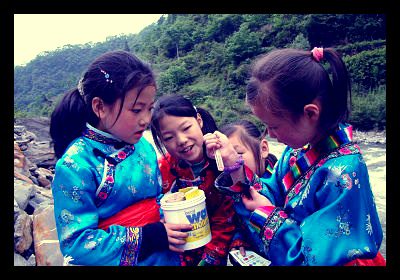
China’s Water School

Chinas_Water_School
Life as we know it owes a great debt to water. We ourselves are comprised of nearly 70 percent water and can’t live without a regular dose. However millions around the world still live without a reliable, clean water source.

As it turns out, our most precious resource is not nearly as abundant in potable form as human demand requires.

In fact, water is so scarce that 780 million people have no access to clean drinking water. In some cases, as with China’s Yangtze River, the poor quality of the water is in part caused by human activity and waste.

Fortunately China is investing in its water security by bringing school children out of the classroom and to the Yangtze in order to promote conservation and sustainable practices.

Since 2008 this experimental school program has focused on education for sustainable development (ESD). The so-called “Water School” is designed to get China’s children active in the protection and safe treatment of their water resources.

UNESCO and other international organizations are praising the program as a revolutionary and fundamental step for the protection of our vital resources. These organizations hope to sponsor similar programs across the globe by spreading awareness of the positive effects China’s water school has produced.

The program has already involved approximately 130,000 students and 200,000 community members, creating a new intellectual base that is deeply in touch with issues of conservation and water treatment.

Part of the program is to build children’s sense of responsibility to the Yangtze’s natural resources, and also to provide them with experiential learning. Tasks like monitoring PH levels and the health and biodiversity of local ecosystems aim to create a more secure future not just for the water, but also for the wildlife and vegetation that also rely on the river.

According to the project website, “The Water School for a Living Yangtze provides opportunities for young people living in different parts of the Yangtze River Basin to link their learning with the indigenous knowledge, traditional practice, and belief systems of local and more distant communities.”

The other major development for the water school is the way it uses the Yangtze, which cuts through the interior of the continent, as a unifying structure between the variety of cultures that live beside its waters. In that sense, the river acts as a vehicle for social development and promulgates shared responsibility for such a critical natural resource.

– Chase Colton

Sources: UNESCO, Water School, UN Water
Photo:

April 10, 2014
https://borgenproject.org/wp-content/uploads/borgen-project-logo.svg 0 0 Borgen Project https://borgenproject.org/wp-content/uploads/borgen-project-logo.svg Borgen Project2014-04-10 10:28:542024-06-04 03:01:17China’s Water School
Global Poverty, Water

Water As A Tool For Peace

Last month, on February 24th, the U.S. Agency for International Development (USAID) released a new report, the Water and Conflict Toolkit. The toolkit is part of a series that explores the ways in which development assistance can assess and manage key risk factors that are associated with conflict and instability in developing countries.

One major contributing factor to conflict is in fact, water.

Water is a human necessity, essential for both survival and development. Its management can be complex, as it often generates competition between divided parties.

USAID is using this toolkit to try to mitigate these effects and promote effective water management. This will not only increase access to water and increase agricultural productivity, but also unite communities and lead the way towards peacebuilding.

This is the first time that USAID has created such a water strategy. During the five-year effort USAID hopes to ensure that 10 million more people have access to drinking water, 6 million have improved access to sanitation, and 3 million have improved access to agricultural productivity.

The report noted the multiple challenges that will be faced, with population growth and movement to urban areas at the top of the list. Other factors that also need to be taken into account include agricultural and industrial demands, corrupt governance, water politics, pollution and climate change.

A number of leaders spoke at the launch of the Water and Conflict Toolkit, held at the Woodrow Wilson International Center in Washington, D.C. Among them was Gideon Bromberg, the Israeli director of EcoPeace/Friends of the Earth Middle East.

Bromberg highlighted the particular importance of this report, noting that the toolkit is about much more than just conflict.

“It’s put very much in the forefront the possibilities of peacebuilding. Water is an opportunity in areas where there aren’t many opportunities.”

He used the example of the Jordan River to show how effective water management can generate the will for change.

The Jordan River has its headwaters in Syria and borders Israel, the West Bank, and Jordan. Over the past 50 years, about 96% of its freshwater has been diverted for agricultural and domestic use and the river’s flow has dropped substantially.

In 2013, a committee of local leaders got together and successfully passed an initiative to pump water regularly from Lake Kinneret into the lower Jordan River, to revitalize the overused ecosystem.

Bromberg explained the change that this grassroots, bottom-up initiative generated,

“I had a water minister from both sides come and say ‘You guys, you environmentalists, you’re dreamers, you’re tree-huggers! Water is too scarce! We’re not going to waste water to allow it to flow down the River Jordan. Were not going to allow water to go beyond our borders and empower the other side, the enemy.’ Well, that was said to us a decade ago. Today, that same leadership is carrying the flag of rehabilitating the Jordan River. This is their project, this is their political leadership, this is their success.”

Public awareness and community mobilization were key to the success of the Jordan River initiative.

The Water and Conflict Toolkit will hopefully be another resource that can be used to effectively manage water, mitigate conflict, and promote peacebuilding among communities.

– Mollie O’Brien

Sources: New Security Beat, All Africa, USAID
Photo: Aqua Rocks

March 30, 2014
https://borgenproject.org/wp-content/uploads/borgen-project-logo.svg 0 0 Borgen Project https://borgenproject.org/wp-content/uploads/borgen-project-logo.svg Borgen Project2014-03-30 04:00:262024-05-26 23:23:02Water As A Tool For Peace
Global Poverty, Water

February Brings Dry Spell to Singapore

February 2014 was the driest month in Singapore since 1869. Only seven brief sprinkles fell, giving the area an underwhelming .2 mm of rain. Malaysia has also felt the drought’s impact, as the state of Selangor and the country’s capital, Kuala Lumpur, have begun water rationing.

Singapore relies heavily on Malaysia for its water supply, importing nearly 60% of its water from the region. Under a 1962 water agreement, Singapore imports most of its water from the Malay state of Johore. The agreement has caused tension between the two countries in the past, and Singapore has decided not to pursue a renewal of the agreement past its 2061 expiration.

Therefore, Singapore has increasingly focused on improving its water self-sufficiency. Currently, Singapore’s Minister for the Environment and Water Resources estimates that Singapore could potentially provide up to 55% of the country’s water needs. The government has increasingly emphasized building up desalination and recycled water technology while also pushing to increase the country’s water catchment area.

Unfortunately, Singapore’s current water supply does not stack up to the potential effects of the current drought. The National Environment Agency predicts the dry spell will continue into early March. With the poor weather set to continue in both Singapore and Malaysia, water consumption in the area must decrease accordingly.

Resultantly, the Singaporean government has started a public campaign urging water conservation. It has encouraged citizens to cut down on washing cars, irrigating plants and to be more conscious about switching off water faucets and fountains in between use.

Through increasing the water consciousness of its citizenry, Singapore hopes to effectively combat its water shortage.

As of yet, the drought in Singapore has not had a profound effect on the lives of Singaporeans. However, it has reaffirmed Singapore’s vulnerability to water shortages and droughts and demonstrated the need for water conservation initiatives within the city-state. If Singapore will achieve water-self sufficiency it must prepare itself to withstand episodes such as the current drought.

–Martin Levy

Sources: Today Online, BBC News, NEA, Singapore Infopedia
Photo: Brohenson Files

March 14, 2014
https://borgenproject.org/wp-content/uploads/borgen-project-logo.svg 0 0 Borgen Project https://borgenproject.org/wp-content/uploads/borgen-project-logo.svg Borgen Project2014-03-14 04:00:002024-05-26 23:18:23February Brings Dry Spell to Singapore
Advocacy, Developing Countries, Development, Disease, Food & Hunger, Food Aid, Food Security, Global Health, Global Poverty, Health, Human Rights, Hunger, Inequality, Sanitation, Water

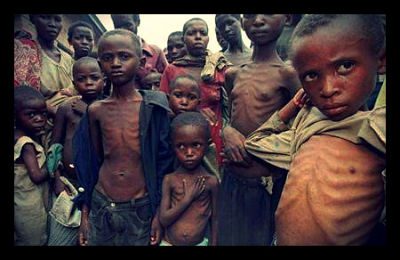
5 Facts About Hunger in Rwanda

hunger_rwanda
The Republic of Rwanda is a small sovereign state in the Eastern part of Central Africa. Rwanda ranked at 166 of 187 countries on the UNDP Human Development Index in 2011. Rwanda also has the highest population density in the region with 416 people per square kilometer.

Low income, limited natural resources, and food and water insecurity pose a problem for citizens in Rwanda every day. In the years following the Rwandan Genocide in 1994, international rebuilding efforts have been on the ground trying to make sustainable changes to alleviate some of the hunger and water issues.

Here are five facts that explain the state of hunger in Rwanda and how it may change in the coming years:

  1. The 1994 Rwandan Genocide marked the end of the ceasefire signed the year before that stopped the fighting of the Rwandan Civil War. The war began between two ethnic groups the Hutu and Tutsi. The Genocide began when the plane carrying the Hutu supported president Juvenal Habyarimana was shot down and he, along with several other members of the government, were killed. The genocide lasted 100 days and an estimated 800,000 to 1,000,000 people were killed. The fallout from the Rwandan Genocide is the cause for much of the instability in the region that lasts today.
  2. Secondary school attendance in Rwanda is one of the lowest in the world and the literacy rate is 55%.
  3. Approximately 65% of the population has access to safe, clean drinking water
  4. 45% of children under 5 years of age are malnourished.
  5. Over 67,000 refugees from neighboring countries currently reside in Rwanda.

Even though there is a lot of strain on the country today, organizations have been working with the government to address one of Rwanda’s major problems: food insecurity. Agriculture was the country’s main sector before the genocide, and since then, major efforts have been made to make it profitable one more.

Updating the agricultural practices is what the World Food Programme credits with directly reducing the number of food insecure people.

The country hopes that with the reliance on agricultural programs it will improve its GDP to US$900 by the year 2020, up US$380 from its current GDP. Rwanda was also the first country to sign the Comprehensive Africa Agriculture Development Programme (CAADP), meaning that addressing malnutrition and food insecurity is one of the government’s main priorities.

Even though Rwanda still has a long way to go, the government has been taking steps in the right direction that could provide a template for other countries in the region to follow.

– Colleen Eckvahl

Sources: World Food Programme, World Vision
Photo: Rising Continent

February 26, 2014
https://borgenproject.org/wp-content/uploads/borgen-project-logo.svg 0 0 Borgen Project https://borgenproject.org/wp-content/uploads/borgen-project-logo.svg Borgen Project2014-02-26 22:20:472024-05-24 23:56:425 Facts About Hunger in Rwanda
Global Poverty, Water

Polar Vortex Impact on Low-Income Families

polar_vortex
January’s “Polar Vortex” broke records for the lowest temperatures in many cities that had lasted for 50 years to 100 years. Millions of people across the East coast and Midwest endured temperatures much below normal and all 50 states experienced freezing temperatures. Southern states, not used to freezing weather, were ill-prepared to handle it. Fox News reported that there were 21 deaths related to the cold. The homeless population was particularly vulnerable. America’s poor suffered the worst effects of the extreme cold weather; not only the homeless, but also families on social assistance and the working poor.

Cuts to Energy Assistance

Many low-income families across the country were not able to heat their homes this winter due to last year’s budget cuts. In 2013, Congress cut funding to the Low Income Home Energy Assistance Program by $155 million. Since 2010 funding for this program has dropped from $5.1 billion to $3.32. While many families cannot sufficiently heat their homes, approximately 300,000 families cannot afford to heat their homes at all.

Both the number of households receiving aid and the amount of aid households receive has been cut. Since 2010, the percentage of heat covered by the Low Home Income Energy Assistance Program has dropped from 52.5 percent to 41.5 percent. As this funding has been cut, the cost of fuel has gone up; the cost of electricity has risen by 7 percent since last year and the cost of natural gas has risen by 14 percent.

Low-Income Families Struggle to Heat Their Homes

Three children died in Hammond, Indiana in January 2013 in a house fire when their parents used propane space heaters to heat their home. Andre Young was renting a house for himself, his wife and their five children but had been unable to pay their utility bills. Their water, gas and electricity had been cut off for several months.  When a spark from the propane heater engulfed the house in flames, Andre ran inside to try and save his children, all under 7 years old. He was able to save two children before he collapsed in the snow outside of the house. A 4-year-old, a 3-year-old, and a seven month old baby died. Andre was sent to hospital in critical condition.

The average family in Indiana spends $530 on heat between November and March, but that cost would have been much higher this winter. The combination of the cuts to energy assistance and the abnormally cold winter has left many families unable to cover the cost of heating their homes.

Choosing Between Health and Food

In 2013, Congress cut spending on food stamps and 47 million Americans lost food stamp benefits. The high cost of heating during this year’s polar vortex has left many poor families having to choose between heating their homes and feeding their kids. There has been an increase in the use of food banks and soup kitchens this year. Feeding America recently reported that 46 percent of its clients have to choose between paying for food and paying heating and other utility bills.

– Elizabeth Brown

Sources: Huffington Post, Huffington Post, Think Progress, Salon
Photo: Midtown Blogger

February 22, 2014
https://borgenproject.org/wp-content/uploads/borgen-project-logo.svg 0 0 Borgen Project https://borgenproject.org/wp-content/uploads/borgen-project-logo.svg Borgen Project2014-02-22 04:00:182024-06-05 01:57:10Polar Vortex Impact on Low-Income Families
Global Poverty, Sanitation, Water

Tendulkar and UNICEF: Hygiene and Sanitation

tooth brushing
UNICEF signs Tendulkar as Goodwill Ambassador: “Thanks for allowing me to start this wonderful second innings of my life. I’m looking forward to being an ambassador for UNICEF and serve to the best of my ability. This is an innings that is really important to me, so I will try my best,” – Tendulkar.

Recently, the well-known Cricket star Sachin Tendulkar (AKA Master Blaster) and UNICEF joined forces. Tendulkar is now the UNICEF Ambassador for South Asia and will focus primarily on hygiene and sanitation needs.

“I humbly accept the responsibility for being Ambassador for UNICEF in South Asia. I look forward to working with children and communities in the region, urging them to use toilets and wash their hands. Following simple practices can contribute to a hygienic lifestyle which is important for the good health of children and women across the world,” stated Tendulkar during a signing ceremony in November.

UNICEF hopes that Tendulkar will be able to raise an incredible amount of awareness for these issues through his successful career as a Cricket star. Tendulkar is newly retired from India’s team but not before he was able to become the first cricket player to ever bat a double hundred in a one a day international.

With his far reaching reputation as being the greatest cricketer pushing South Asians toward better sanitation practices should have a large impact. South Asia is number two when it comes to the highest number of underage five deaths. It is also an area where the largest amounts of people do not have access to toilets.

There is definitely a connection between these issues and child mortality rates.  Besides Tendulkar’s newest partnership with UNICEF, in past years he has made many contributions to the well-being of others. Tendulkar has definitely offered his share of good deeds throughout his career, although the deeds have been kept mostly out of the public eye until now. Starting next year Tendulkar will begin his journey with UNICEF by visiting several countries to spread the word about Sanitation.

– Amy Robinson

Sources: UNICEF
Photo: Giphy.com

January 18, 2014
https://borgenproject.org/wp-content/uploads/borgen-project-logo.svg 0 0 Borgen Project https://borgenproject.org/wp-content/uploads/borgen-project-logo.svg Borgen Project2014-01-18 04:00:282024-05-25 00:52:28Tendulkar and UNICEF: Hygiene and Sanitation
Page 51 of 57«‹4950515253›»

Get Smarter

  • Global Poverty 101
  • Global Poverty… The Good News
  • Global Poverty & U.S. Jobs
  • Global Poverty and National Security
  • Innovative Solutions to Poverty
  • Global Poverty & Aid FAQ’s
Search Search

Take Action

  • Call Congress
  • Email Congress
  • Donate
  • 30 Ways to Help
  • Volunteer Ops
  • Internships
  • Courses & Certificates
  • The Podcast
Borgen Project

“The Borgen Project is an incredible nonprofit organization that is addressing poverty and hunger and working towards ending them.”

-The Huffington Post

Inside The Borgen Project

  • Contact
  • About
  • Financials
  • President
  • Board of Directors
  • Board of Advisors

International Links

  • UK Email Parliament
  • UK Donate
  • Canada Email Parliament

Get Smarter

  • Global Poverty 101
  • Global Poverty… The Good News
  • Global Poverty & U.S. Jobs
  • Global Poverty and National Security
  • Innovative Solutions to Poverty
  • Global Poverty & Aid FAQ’s

Ways to Help

  • Call Congress
  • Email Congress
  • Donate
  • 30 Ways to Help
  • Volunteer Ops
  • Internships
  • Courses & Certificates
  • The Podcast
Scroll to top Scroll to top Scroll to top