• Link to X
  • Link to Facebook
  • Link to Instagram
  • Link to TikTok
  • Link to Youtube
  • About
    • About Us
      • President
      • Board of Directors
      • Board of Advisors
      • Financials
      • Our Methodology
      • Success Tracker
      • Contact
  • Act Now
    • 30 Ways to Help
      • Email Congress
      • Call Congress
      • Volunteer
      • Courses & Certificates
      • Be a Donor
    • Internships
      • In-Office Internships
      • Remote Internships
    • Legislation
      • Politics 101
  • The Blog
  • The Podcast
  • Magazine
  • Donate
  • Click to open the search input field Click to open the search input field Search
  • Menu Menu

Archive for category: Water

Global Poverty, Water

Water Quality in Vanuatu

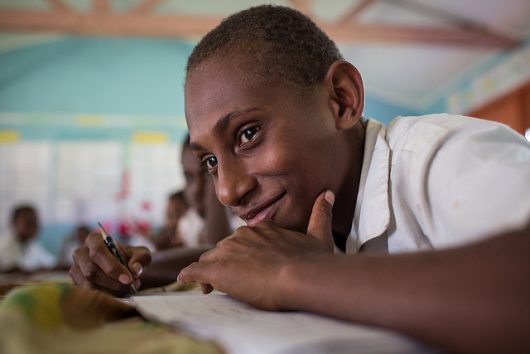
Vanuatu is a South Pacific island group famed for its beautiful beaches, world-class diving and ancient culture. Beauty aside, the island has dealt with a number of issues surrounding its water quality and the reliability of its water system.

Because the island is inhabited in part by tourists who visit sporadically, maintaining reliable water sources for the entire island population can prove to be quite difficult. Furthermore, the island community predicts that the risk of pollution and climate-related changes will affect and likely lessen the availability of clean water sources in years to come.

Water quality in Vanuatu is paramount to sustaining the island’s natural environment and its booming tourist industry. As a result, Vanuatu’s Ministry of Lands and Natural Resources works constantly to ensure that citizens and visitors have access to sufficient quantities of clean water to perform basic functions including drinking, cooking and sanitation.

One obstacle that many island communities face is the lack of freshwater sources available nearby. The island’s Ministry of Water emphasizes providing equitable access to clean water sources for all communities to support public health and promote social and economic development. Vanuatu’s main strategy to access fresh water is through groundwater drilling, which provides the urban areas of Port Vila and Luganville with clean water for daily tasks.

While accessing clean water in one of the country’s large cities may not be difficult, a major concern lies in providing rural communities with clean water. One way that Vanuatu addresses this concern is through the use of smaller hand pumps in rural areas as an alternative to groundwater drilling machinery. Another effective method is rainwater catchments which are slightly less reliable and require monitoring of weather patterns.

Perhaps the most important concern for the island country of Vanuatu is the fragile and limited nature of their freshwater sources. As a precaution, water resource officers patrol rivers and other water sources and monitor the river flow to predict droughts or flooding. Water resource employees also conduct water quality testing to ensure that the local and visiting populations are protected from water-borne diseases that plague the area such as scabies, skin diseases and malaria.

Water quality in Vanuatu is constantly and effectively monitored by the government and natural resource employees to ensure that the island’s biggest asset, its natural beauty, remains intact. The island community’s continuous prioritization of water control and resource preservation is extremely effective to combat the issues that many water-locked areas face.

– Sarah Coiro

Photo: Flickr
July 16, 2017
https://borgenproject.org/wp-content/uploads/borgen-project-logo.svg 0 0 Borgen Project https://borgenproject.org/wp-content/uploads/borgen-project-logo.svg Borgen Project2017-07-16 07:30:462024-05-28 00:03:01Water Quality in Vanuatu
Global Poverty, Water

Water Quality in Malaysia

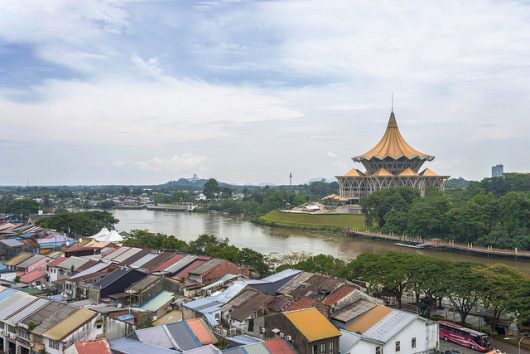
Water Quality in MalaysiaAccess to clean drinking water is crucial in order to sustain life. For some nations, this is a major dilemma. Thus, water quality in Malaysia is currently of some concern.
Malaysia is experiencing rapid urbanization and population growth. This rapid growth leads to an increased demand for water and spiked levels of water pollution. These factors seriously harm the water quality in Malaysia.

Various human, domestic, industrial, commercial and transportation wastes trickle into the water supply. Polluting water sources consequently creates serious health hazards.

Water quality in Malaysia, as well as access to water in general, is a major problem. The primary pollutants present in the water are Biochemical Oxygen Demand, Ammoniacal Nitrogen and Suspended Solids. These are consequences of untreated or only partially treated sewage.

Lakes and reservoirs serve as domestic, industrial, agricultural, hydroelectric, navigational and recreational sources of water. Since 98 percent of the water originates from rivers, river pollution is a serious concern.

Malaysia has departments like the Department of Environments to take charge of the water quality problem. The Department of Environments is responsible for tracking the water quality in Malaysia using Water Quality Index and National Water Quality Standards. The National Water Quality Monitoring Programme added new rivers in the area to control the presence of Biochemical Oxygen Demand, Ammoniacal Nitrogen and Suspended Solids.

With the development of the Department of Environments to control the water quality problem and the National Water Quality Monitoring Program to decrease pollutants in the water supply, water quality in Malaysia is improving significantly. Malaysia receives 25,000 cubic meters of renewable water for each person each year from this river system.

This system significantly improves the water quality in Malaysia. However, the country lacks a nationally recognized standard for water quality. Several agencies manage the system, but they have no legal ties or obligations to follow certain policies.

Malaysia continues to work on improving its water quality through these fragmented agencies, but these efforts are not enough to completely salvage the quality. Fixing the fragmentation is a step in the right direction for Malaysia. Additionally, outside organizations such as the World Wildlife Fund are working in Malaysia.

Focusing on creating a cohesive and binding system in Malaysia would improve the water quality while also ensuring that agencies have a legal obligation to comply with monitoring practices.

– Katelynn Kenworthy

Photo: Flickr

July 16, 2017
https://borgenproject.org/wp-content/uploads/borgen-project-logo.svg 0 0 Borgen Project https://borgenproject.org/wp-content/uploads/borgen-project-logo.svg Borgen Project2017-07-16 07:30:402024-05-28 00:02:59Water Quality in Malaysia
Global Poverty, Water

Improving Water Access in Cabo Verde

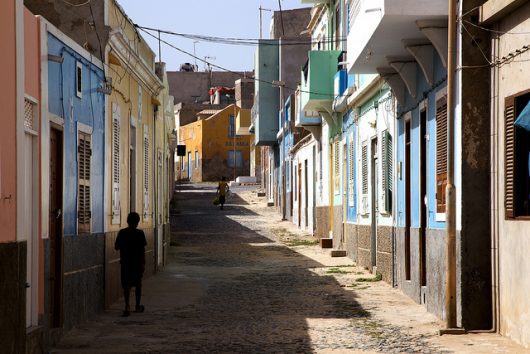
water access in Cabo VerdeSitting off the coast of West Africa, the islands of Cabo Verde are surrounded by ocean. Unfortunately, more than half the population does not have access to clean, running water. Accessing water in Cabo Verde is a difficult issue. It can take up to an hour for some to reach the nearest fountain. However, the Millennium Challenge Corporation (MCC) is working with the Cabo Verde government in order to improve water access in Cabo Verde.

Limited water access primarily affects women and the poor,  groups not often represented in policy dialogue. Trips to retrieve water can take hours. Often the public tap is empty, thus requiring a longer trip to the next available fountain. More than half of those without water receive it from these community fountains. The rest receive it from private tankers, meaning the poorest pay the most for water. The time it takes to retrieve the water limits possibilities to earn income and educational opportunities.

There are many risks associated with these time-consuming trips to retrieve water. Women and girls are most often on these water trips, and  sexual harassment and violence are significant threats. Additionally, potentially-contaminated water makes possible dangerous water-borne illnesses such as cholera.

Fifty-nine percent of people in Cabo Verde have access to piped water in their home. More concerning, only 20 percent of the population connects to a sewer, and 27 percent must resort to open defecation. As a result, this makes sanitation standards difficult and allows diseases to spread even more rapidly.

Partnering with the government, the MCC is working to develop improved clean water access in Cabo Verde, from providing clean tap water systems to installing safe waste-water removal. The MCC is currently working on connecting 13,000 families, with single mothers in the lead, to clean water and sanitation infrastructure. Additionally, they are planning their strategies based on the input of the women and other disenfranchised populations.

With women and the poor becoming involved in the decision-making process, they can tailor the project to fit their needs and increase the likelihood of success. Improved water access in Cabo Verde will thus  allow women to participate in the economy by pursuing educational and employment opportunities and reduce their risk of harassment and water-borne illnesses.

The improved quality of life that will accompany improved water access in Cabo Verde is clear. With the voices of women and the poor now being heard, the future of Cabo Verde is consequently very promising.

– Kelly Hayes

Photo: Flickr

July 16, 2017
https://borgenproject.org/wp-content/uploads/borgen-project-logo.svg 0 0 Borgen Project https://borgenproject.org/wp-content/uploads/borgen-project-logo.svg Borgen Project2017-07-16 07:30:062024-05-28 00:03:00Improving Water Access in Cabo Verde
Global Poverty, Water

Harvesting Rainwater in Zimbabwe Amid Drought


Over the last few years, Zimbabwe has been in a major drought due to climate change. According to NewsDay, the residents of this African country have experienced “suffocating dry spells with uncertainties on when exactly the rains [will pay them] the long-awaited visit.”

The uncertainty of rain has led many Zimbabweans, especially children, to become undernourished and thirsty at all times. With 90% of agriculture being rain-fed, most of the food sources are also being destroyed.

This is where the international NGO Practical Action steps in. These expert problem solvers have developed a way to contain the little rain that does fall and allow it to be used for everyday water needs by harvesting rainwater in Zimbabwe.

Practical Action states that one key source of clean water is through “harvesting rainwater as it falls and retaining it in the soil or in tanks below ground.” There are a couple of methods it has come up with to help store rainwater, for both irrigation and drinking purposes.

First, by constructing divots into the earth, people can trap the rainwater instead of letting it run off the land. This better sustains crops, which improves nutrition.

A second way to capture and store rainwater is with tanks. Practical Action gives many examples of how to do this, including water falling off of roofs, flowing out of dams or gathering up in puddles. Underground or above ground, tanks are useful for collecting rainwater and storing it for an indefinite amount of time until it is needed.

There are many benefits to this innovation. Harvesting rainwater in Zimbabwe can be done whether there is a little sprinkle or a storm. The Zimbabwe National Water Authority said: “The claim that rainwater harvesting is only possible when the rains are heavy is, unfortunately, one of the biggest misconceptions that have scuttled rainwater harvesting efforts in the past.”

People can harvest rainwater year-round, so Zimbabwean families can see more impactful results.

Zimbabwe local and Rainwater Harvesting Chairman Tias Sibanda has noticed a change in his life due to his use of this system. He remarked: “Thanks to the water harvesting techniques shown to us by Practical Action… and with the contour field structures, we are now more ‘food secure’ and have no worries about soil loss.”

Harvesting rainwater in Zimbabwe could be a hugely beneficial technique to keep families healthy and happy for the duration of the drought.

– Sydney Missigman

Photo: Flickr

July 16, 2017
https://borgenproject.org/wp-content/uploads/borgen-project-logo.svg 0 0 Borgen Project https://borgenproject.org/wp-content/uploads/borgen-project-logo.svg Borgen Project2017-07-16 01:30:072024-05-28 00:02:58Harvesting Rainwater in Zimbabwe Amid Drought
Global Poverty, Water

Water Quality in Qatar


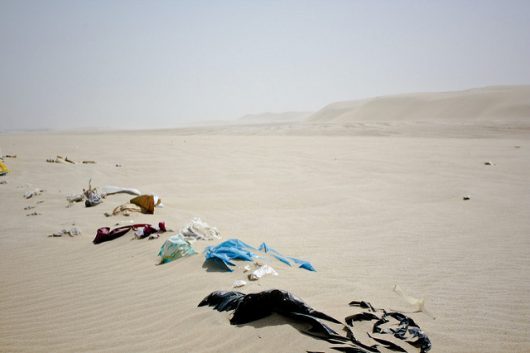
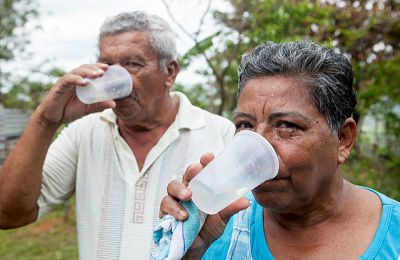
The water quality in Qatar is improving, and experts say that both the tap and bottled water is usually safe to drink. However, those who live in the country should be cautious with imported water.

According to the Qatar Environment and Energy Research Institute, or QEERI, tap and bottled water in Qatar is “very safe to drink.” The organization conducted a study looking at 113 samples of tap water and 62 samples of bottled water with favorable.

Based on QEERI’s findings, the water quality in Qatar complies with guidelines set by both the World Health Organization and the United States Environmental Protection Agency.

QEERI confirmed that the water did not contain dangerous levels of contaminants, such as lead and arsenic, which can affect the taste and smell of the water in addition to causing health problems.

Nora Kuiper, a leading researcher for the project, said that the quality of water in Qatar is superior, contrary to any preconceived notions that residents might have.

“The quality of Qatar’s drinking water is very high, higher than many local consumers think,” Kuiper said.

Candace Rowell, another researcher for this project, said that the most important outcome of the study was finding that tap and bottled water are comparably safe.

“The real takeaway message is that tap water in the country is just as safe as bottled water, either locally produced or imported brands,” Rowell said.

The main concern that the study addressed was that imported water was not always up to standards. According to QEERI, some samples of imported water showed higher concentrations of contaminants, such as arsenic.

According to Doha News, researchers have expressed concerns regarding the mineral content and how this affects the water quality in Qatar. The study found that while water is typically free from harmful chemicals and bacteria, it can lack vital minerals. According to this article, at least 50 percent of Qatar’s water supply requires extensive salt removal due to the country’s limited access to freshwater.

Jerome Nriagu, a professor emeritus at the School of Public Health and Research and the Center for Human Growth and Development at the University of Michigan said that this “synthetic” water lacks essential minerals.

“By constantly drinking water with low potassium and magnesium, you increase the risk of getting obesity and hypertension, and [certain] metabolic disorders,” Nriagu said.

Nriagu said that it would be beneficial for officials to add essential minerals to better the water quality in Qatar.

“We’re not getting enough from our foods to start with, and now drinking [this type of] water compounds the problem,” Nriagu said.

– Leah Potter

Photo: Flickr

July 15, 2017
https://borgenproject.org/wp-content/uploads/borgen-project-logo.svg 0 0 Borgen Project https://borgenproject.org/wp-content/uploads/borgen-project-logo.svg Borgen Project2017-07-15 07:30:342024-05-28 00:02:58Water Quality in Qatar
Development, Global Poverty, Water

Successful Improvement of Water Quality in Paraguay


As of March 2017, there have been vast improvements regarding the water quality in Paraguay. WaterAid named Paraguay a top-10 country in improving rural access to clean water. This came after the country implemented a multitude of successful policies and innovations. Government efforts, along with the volunteer work of citizens, helped Paraguay completely transform the way its people get water. It almost doubled the number of rural citizens with clean water access.

For its indigenous and rural populations, in particular, poor water quality in Paraguay used to be a large issue that affected the health and lives of its citizens. In 2000, over 50% of Paraguay’s population did not have access to clean water. Water could only be gathered through reservoirs that collected rainwater. These were extremely unreliable, unsanitary and likely to dry up during the hotter seasons. During times of drought, rural citizens often resorted to drinking from nearby rivers and other unsafe sources of water.

After addressing water quality as an issue of high importance, Paraguay achieved huge success to ameliorate this issue. Despite plentiful freshwater reserves, the country had difficulty providing all citizens with access to this resource. However, when access to clean water was named a priority Millennium Development Goal, the Paraguayan government began making ambitious changes. The original goal was for Latin American countries to halve the number of people that lacked access to safe drinking water. Paraguay vastly overachieved, and over 94% of its citizens now have access to clean water.

The majority of this progress began in 2007 when access to clean water was deemed a basic human right in the country. Law 3239, the Law on Water Resources, was a key piece of legislation in Paraguay, which states that “inhabitants [should] have access to drinking water…and every natural person has a right to access to a minimum quantity of drinking water per day that is sufficient for the satisfaction of their basic needs.”

Another important change was the re-arrangement of certain political institutions. For example, the National Service of Environmental Sanitation of Paraguay became part of the Department of Health. This made access to clean water an issue of public health services.

Additionally, citizen volunteer initiatives and community service agencies were imperative for this shift. Rural communities maintain water and sanitation boards. Families pay these boards a small fee, and in return, the boards set water tariffs to operate the water systems.

– Julia Morrison

Photo: Flickr

July 15, 2017
https://borgenproject.org/wp-content/uploads/borgen-project-logo.svg 0 0 Borgen Project https://borgenproject.org/wp-content/uploads/borgen-project-logo.svg Borgen Project2017-07-15 01:30:012020-06-02 12:34:06Successful Improvement of Water Quality in Paraguay
Global Poverty, Water

Water Quality in Austria

Water Quality in Austria
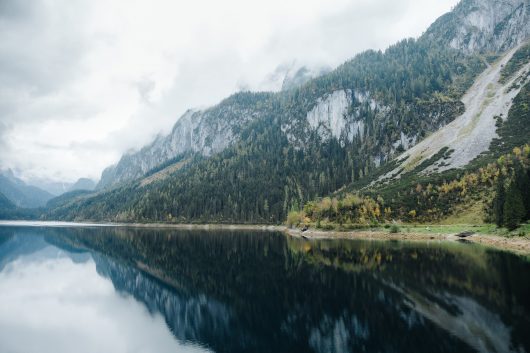
Austria is a large European country with a population of more than 8.5 million people. The water quality in Austria is quite good compared to other places around Europe. It is a developed country with infrastructure that allows the nation access to clean drinking water.

The annual precipitation in Austria is around 1,100 mm making it one of the most water-wealthy countries in Europe and around the world. About half of the drinking water in Austria comes from groundwater resources while the other half comes from springs. Water consumption amounts to approximately 135 liters a day per person.

Having clean drinking water is the most important thing a country can have, it is essential for citizens living a healthy lifestyle. Using it for purposes such as showering, washing laundry, sanitation and personal hygiene is essential for allowing a household to run smoothly. Austria has no shortage of that availability.

Austria does not just look toward always improving their water situation, they are looking to help out countries that are still developing and don’t have the access to clean water. The Austrian Development Agency has supported developing countries in their efforts in setting up a water supply that is sustainable and is able to produce clean water. Austria is a country that is powerful enough to help the countries around it and prioritizes giving access to clean water and sanitation to people in Albania, Moldova, Mozambique, Palestine and Uganda. Aid of this nature is something that all developed countries with clean water can do to help out the countries where most live in poverty with no access.

The water quality in Austria is one of the best in the world. Not only are they constantly improving their own water systems, but they are also looking to help out other countries.

– Brendin Axtman

Photo: Flickr

July 14, 2017
https://borgenproject.org/wp-content/uploads/borgen-project-logo.svg 0 0 Borgen Project https://borgenproject.org/wp-content/uploads/borgen-project-logo.svg Borgen Project2017-07-14 07:30:532024-05-28 00:02:18Water Quality in Austria
Global Poverty, USAID, Water

Ghana’s Groundwater, USAID and Coca-Cola

Ghana's Groundwater
The Water and Development Alliance (WADA), a water management program designed by the United States Agency for International Development (USAID) and Coca-Cola, provides communities in Latin America, Middle East, Asia, and Africa with safe water access and sanitation. Since its conception in 2005, WADA has implemented 35 projects. After 10 years, WADA provided 600,000 people with reformed water access and 250,000 people with improved sanitation.

Between 2005 and 2014, WADA reached Uganda, Guatemala, Sierra Leone, El Salvador, and Ghana. WADA engages with these communities with several objectives. First, they establish participatory, sustainable water and watershed resources management to benefit people and ecosystems. Second, they increase access to community water supply and sanitation services. Third, WADA fosters improved behaviors and sanitation hygiene for positive health impacts. Finally, they promote efficient and sustainable productive use for water to protect the environment and provide economic benefits to communities.

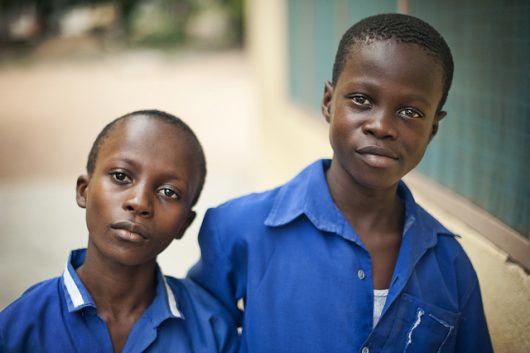
WADA’s work in Ghana is a perfect example of the program’s endeavors. Ghana’s groundwater is the primary source of water for small rural towns, and it also has exceptionally high concentrations of fluoride. Fluoride affects calcium’s strength in the human body, a reaction that children are susceptible to. The reaction threatens the development of tooth enamel, resulting in decay, discoloration and severe pitting. The high fluoride content in Ghana’s groundwater is particularly dangerous for children. According to Water.org, “seventy percent of all diseases in Ghana are caused by unsafe water and sanitation.” The program directly improved water access for 4,000 families.

WADA also reformed five schools in Ghana’s Sekondi/ Takoradi Metropolitan Assembly. Schools often lack clean water for handwashing and latrines to properly dispose of waste. The program trained more than 40 teachers on hygiene behaviors and latrine facility maintenance. Furthermore, it created school hygiene clubs, installed 40 handwashing stations and 7 latrines. The project serviced approximately 5,400 students with safe water access and sanitation. Since 2007, WADA has serviced 8,000 schoolchildren.

Through the Water and Development Alliance, USAID and Coca-Cola has successfully changed thousands of lives around the world. This organization is a perfect example of how corporations and aid organizations can work together in order to reduce global poverty. Hopefully, other alliances such as this one can continue to improve the state of the world.

– Tiffany Santos

Photo: Flickr

July 14, 2017
https://borgenproject.org/wp-content/uploads/borgen-project-logo.svg 0 0 Borgen Project https://borgenproject.org/wp-content/uploads/borgen-project-logo.svg Borgen Project2017-07-14 01:30:442024-05-28 00:02:59Ghana’s Groundwater, USAID and Coca-Cola
Global Poverty, Water

Top Water Quality in Switzerland

Water Quality in Switzerland
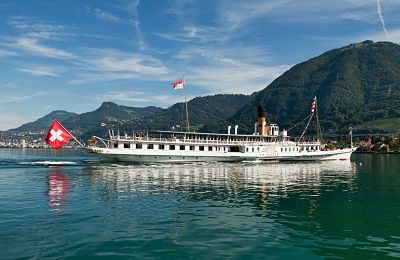
Switzerland is one of the more well-known countries in Europe that has a population of just over eight million people in 2015. There have been some issues in the past, but over the last 30 years, the water quality in Switzerland has improved big time. The chemical levels have fallen over the years and it has become some of the safest water to drink and interact with in Europe.

The water has been the subject of some very strict rules and standards over the years. There is a lot of water that is available and the water quality does change from region to region within the country. There is bottled water available to the citizens, yet the tap water is considered superior to the bottled water available. Around the world, it is rare for tap water to be considered better than bottled water.

The water quality in Switzerland has risen extensively over the years. With new wastewater treatments, as well as treatments across the board on all water quality, there have been massive reductions in the amount of water that is contaminated across the country. The lakes have been some of the most contaminated waters in the country with a lot of pollution and chemicals within the waters. It has now become very safe to drink from and swim in whereas in the past it was not.

Switzerland has a lot of reserves to fall back on, which differs from a lot of countries around Europe and around the world. Switzerland has about 100 different lakes within the country that provide a lot of reserves of water and the ever-improving water quality of these lakes has helped the overall quality in the country. Just 2% of the annual rainfall makes it back into the process of purifying and getting the water right to make it safe to drink.

The phosphorous levels in all of the major lakes and rivers in Switzerland have dropped off significantly from 1980. The majority of the bodies of water in 1980 were between 100 and 200. Today, they are all below 100. There are other contaminants finding their way into the waters that have officials more worried than what has been problematic over the years.

The water has become safer and safer over the years in Switzerland. They have become a country to look at and see how it has improved its situation with pollution and contaminants and overcame inadequate water.

– Brendin Axtman

Photo: Google

July 14, 2017
https://borgenproject.org/wp-content/uploads/borgen-project-logo.svg 0 0 Borgen Project https://borgenproject.org/wp-content/uploads/borgen-project-logo.svg Borgen Project2017-07-14 01:30:382024-05-28 00:02:37Top Water Quality in Switzerland
Global Poverty, Water

Eight Facts About Water Quality in Panama

Water Quality in Panama
As one of the most prosperous and developed countries in Central America, Panama is a leader in the area regarding sanitation and water quality. Current estimates say that 93% of Panamanians have access to an improved water source, while 69% have access to improved sanitation. Despite these numbers, there have been many challenges in recent years pertaining to water quality in Panama, especially in rural areas.

  1. Many of Panama’s improvements in water quality occurred in the 1990s after Ernesto Perez Balladares was elected president in 1994. The privatization of water and electric companies helped to improve conditions as the country continued to invest in urban areas.
  2. Data from the World Bank showed an increase in the percentage of those that have access to an improved water source from 83.8% up to 94.7% between 1990 and 2015.
  3. The Instituto de Acueductos y Alcantarillados Nacionales (IDAAN) has been responsible for water quality in Panama for more than 50 years. IDAAN recently set up a tariff system to help cover investment costs as their expenses increase.
  4. In 2013, 840,000 of the country’s population of 3.8 million did not have 24-hour access to water, while 600,000 lacked access to a potable supply, and 30,000 relied on tank trucks to deliver drinking water.
  5. A 15-day rainstorm in December of 2010 created a clog in purification equipment in a water treatment plant, resulting in a month-long shutdown that hindered more than a million residents’ access to water in Panama City.
  6. Recent studies about the effects of climate change have suggested that periods of flood and drought may threaten both Panama’s water quality and the water supply in the Panama Canal. This may pose a huge threat to Panama’s shipping industry, as it takes 52 million gallons of water to move just one ship through the canal.
  7. One recent threat toward water quality in Panama has been the agricultural runoffs in rural areas that may contain pesticides, animal feces and other contaminants. After facing pressure to confront this issue in 2015, Panama’s National Assembly created the Ministry of the Environment to focus on giving rural residents consistent access to clean water.
  8. If present trends continue, Panama hopes to increase drinking water coverage for both urban and rural areas above 90 percent by 2020.

While the country has made tremendous progress in the last few decades, water quality in Panama remains an issue due to poor response to problems such as drought and runoff. In the near future, Panama will have to respond to changes brought about by climate change and other factors to ensure the continued health and prosperity of their nation.

– Nick Dugan

Photo: Flickr

July 13, 2017
https://borgenproject.org/wp-content/uploads/borgen-project-logo.svg 0 0 Borgen Project https://borgenproject.org/wp-content/uploads/borgen-project-logo.svg Borgen Project2017-07-13 07:30:492020-06-04 10:20:04Eight Facts About Water Quality in Panama
Page 33 of 57«‹3132333435›»

Get Smarter

  • Global Poverty 101
  • Global Poverty… The Good News
  • Global Poverty & U.S. Jobs
  • Global Poverty and National Security
  • Innovative Solutions to Poverty
  • Global Poverty & Aid FAQ’s
Search Search

Take Action

  • Call Congress
  • Email Congress
  • Donate
  • 30 Ways to Help
  • Volunteer Ops
  • Internships
  • Courses & Certificates
  • The Podcast
Borgen Project

“The Borgen Project is an incredible nonprofit organization that is addressing poverty and hunger and working towards ending them.”

-The Huffington Post

Inside The Borgen Project

  • Contact
  • About
  • Financials
  • President
  • Board of Directors
  • Board of Advisors

International Links

  • UK Email Parliament
  • UK Donate
  • Canada Email Parliament

Get Smarter

  • Global Poverty 101
  • Global Poverty… The Good News
  • Global Poverty & U.S. Jobs
  • Global Poverty and National Security
  • Innovative Solutions to Poverty
  • Global Poverty & Aid FAQ’s

Ways to Help

  • Call Congress
  • Email Congress
  • Donate
  • 30 Ways to Help
  • Volunteer Ops
  • Internships
  • Courses & Certificates
  • The Podcast
Scroll to top Scroll to top Scroll to top