• Link to X
  • Link to Facebook
  • Link to Instagram
  • Link to TikTok
  • Link to Youtube
  • About
    • About Us
      • President
      • Board of Directors
      • Board of Advisors
      • Financials
      • Our Methodology
      • Success Tracker
      • Contact
  • Act Now
    • 30 Ways to Help
      • Email Congress
      • Call Congress
      • Volunteer
      • Courses & Certificates
      • Be a Donor
    • Internships
      • In-Office Internships
      • Remote Internships
    • Legislation
      • Politics 101
  • The Blog
  • The Podcast
  • Magazine
  • Donate
  • Click to open the search input field Click to open the search input field Search
  • Menu Menu

Archive for category: Water

Global Poverty, Water

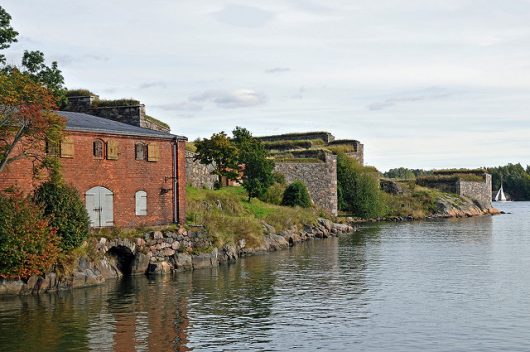
The Truth About Water Quality in Finland

water quality in finland pollution
The water quality in Finland was not always known for being astonishingly clean as it is today.

Before Finland earned the name of a country with some of the cleanest tap water in the world, researchers discovered that the water supply was filled with cancer-causing materials. At this time, citizens referred to their tap water as “ugly water.”

Thanks to the panic and uproar that the discovery of this dirty water caused, Finland’s tap water is now ranked among the cleanest in the European Union.


Evaluating Water Quality in Finland


Just as in most countries, however, drinking the natural water in Finland is certainly not in anyone’s best interest. With sheep, other forms of livestock, and pulp factories in the area, drinking from downstream is not recommended.

Although Finland’s drinking water is up to par, ecology reports demonstrate that water quality for aquatic life remains questionable.

This is mostly due to the large amounts of agricultural production in Finland, causing nutrient over-growth in lakes and rivers. It is the responsibility of farmers and other individuals to do their part in keeping pollutants out of Finland’s waterways.

Finland is also working to restore pathways for fish in order to help with the recent extinction of migratory fish stocks. These pathways surpass dams in a variety of 20 Finnish waterways.

Water quality in Finland is monitored by researchers in a laboratory that includes water from each individual local treatment plant.

Most of the tap water in Finland originates from Lake Päijänne, traveling 120 km to where the water is then treated in pools and safely dispersed into the homes of locals. The rest of the small portion of tap water recipients are receiving their water from a groundwater plant.

After years of fighting against impure and polluted waters, water quality in Finland ranks among the greatest in the world. That is, as long as individuals refrain from drinking downstream.

– Noel Mcdavid

Photo: Flickr
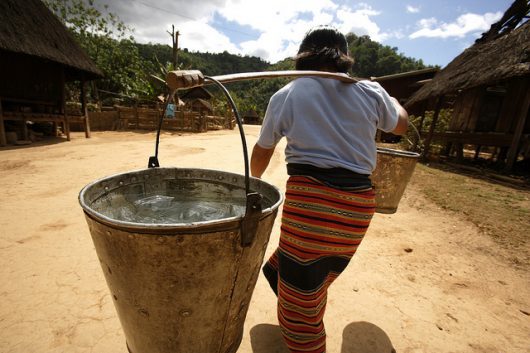
July 23, 2017
https://borgenproject.org/wp-content/uploads/borgen-project-logo.svg 0 0 Borgen Project https://borgenproject.org/wp-content/uploads/borgen-project-logo.svg Borgen Project2017-07-23 01:30:202020-06-11 09:16:14The Truth About Water Quality in Finland
Global Poverty, Water

The Importance of Water Quality in Laos

Water Quality in Laos
Although Laos is one of the poorest countries in Asia, it has rich natural resources. More than 85% of the land lies within the Mekong River Basin. About 80% of Laotians work in agriculture and live in rural areas. Water quality in Laos is an essential part of life and development in the country.

The usage of water in Laos is 82% agricultural, 10% industrial, and 8% domestic. Agriculture uses water for irrigation, fisheries, plantation, and livestock. There is approximately 270 billion cubic meters of available water, of which 5.7 billion is used and the remaining 264.3 billion remains in the rivers.

There is currently a hydropower boom in Laos. The country has the potential to produce 23,000 megawatts of electricity. Currently, it only utilizes 5% of that capacity. By selling electricity to neighboring countries, Laos is seeking to become the “battery” of Southeast Asia.


Hydropower and Water Quality in Laos


Hydropower, however, has had problematic effects on the water quality in Laos and neighboring countries. In 2013, villagers in Cambodia complained that dam-building on the Mekong River in Laos was ruining the water downstream. The villagers couldn’t drink the water anymore because it was muddy and full of silt.

In 2016, the Malaysian company Mega-First and the government of Laos launched the Don Sahong dam. Work began without approval from the Mekong River Commission, and in spite of protests by regional NGOs and the downstream communities in Vietnam and Cambodia. The Laotian government plans to build nine more dams on the Mekong River and hundreds more on other rivers and tributaries in the region.

Scientists contend the dams pose an environmental threat to fish migration and food security. The delta of the Mekong River already experienced significant sediment loss, and a dam will make it worse. The Mekong Delta is crucial to the Vietnamese economy, as it produces 50% of the country’s staple crops and 90% of its rice exports.

Ecology specialist Nguyen Huu Thien, a scientist based near the Mekong Delta in Vietnam, contends that “if the delta cannot support its population of 18 million, then people will have to migrate– migrate everywhere. The dams are sowing the seeds of social instability in the region.”

The condition of the Mekong River will define the socioeconomic framework of entire communities in Laos and its neighboring countries. Laos may get an economic boost from its dams for now, but in the long term, the health of Laos and its rivers are intertwined.

– Hannah Seitz

Photo: Flickr

July 22, 2017
https://borgenproject.org/wp-content/uploads/borgen-project-logo.svg 0 0 Borgen Project https://borgenproject.org/wp-content/uploads/borgen-project-logo.svg Borgen Project2017-07-22 01:30:562024-12-13 17:58:22The Importance of Water Quality in Laos
Global Poverty, Water

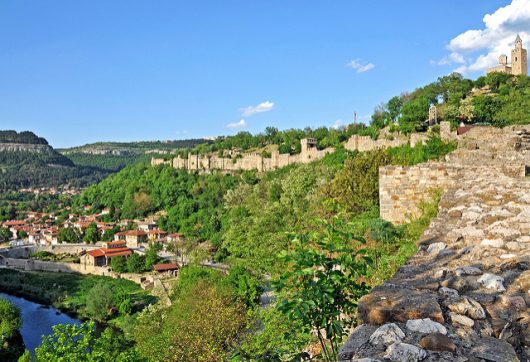
On Improving Water Quality in Bulgaria

Water Quality in Bulgaria
Bulgaria is a European country with a population of over 7.1 million. There is a history of unsafe drinking water throughout the country. Bulgaria has imposed heavy monitoring and various bans to help improve the situation. While the water quality in Bulgaria hasn’t always been up to par with other nations around the world, the nation has made some positive gains over the last few years.

Despite having 60 rivers flowing through the country, Bulgaria’s freshwater sources are scarce. The largest river is the massive Danube River, which travels through much of Europe, flows through 470 kilometers of Bulgaria. Rivers provide a potential source of clean water that could improve the water quality for Bulgaria’s citizens and in the near future.

On top of some of the problems already present, drought has ravaged the country, and the demand for drinkable water has increased. Scientists have forecasted additional droughts in the coming summer. Additionally, multiple heat waves continue to hit Bulgaria as the summer progresses.

Many districts in Bulgaria have had ongoing issues with low-quality drinking water. In 2012, 18 of the 28 Bulgarian districts reported contaminated drinking water. Water quality continues to be the worst in the southern districts of the country, most notably the district of Pazardzhik. The World Health Organization (WHO) reported in 2012 that the district was well over the set limit of multiple contaminants.

Since joining the European Union in 2007,  the nation has issued bans for four sources of drinking water in Bulgaria due to poor water quality.

The future of Bulgaria depends on cleaning up rivers and waterways, as well as improving water retention. In addition, Bulgaria is working towards developing water treatment facilities around the country.

Water quality in Bulgaria varies throughout the country, but with proper infrastructure and treatment, there is potential for all of Bulgaria to have access to clean drinking water.

– Brendin Axtman

Photo: Flickr

July 21, 2017
https://borgenproject.org/wp-content/uploads/borgen-project-logo.svg 0 0 Borgen Project https://borgenproject.org/wp-content/uploads/borgen-project-logo.svg Borgen Project2017-07-21 01:30:152020-06-24 07:50:10On Improving Water Quality in Bulgaria
Global Poverty, Water

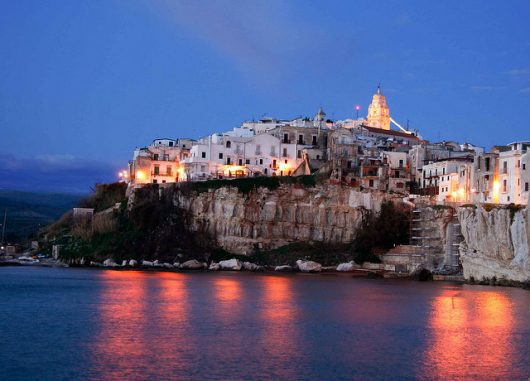
Superb Water Quality in Italy Still Needs Improvements


Italians, the descendants of the water-savvy and water-loving Romans, still maintain a potable supply of drinking water today. Overall, the water quality in Italy is excellent. Italy’s drinking water is safe to drink and widely available, with public fountains running fresh drinking water throughout many major cities.

These fountains, called “nasoni,” which means “big noses” in Italian, provide high-quality and free drinking water in cities like Rome and Florence for locals and tourists alike. Florence regulates its water with a strict code of 61 parameters. Florentine officials examine the chemicals in the water and its microbiology using these parameters to ensure potability.

Both rural and urban populations in Italy have 100 percent access to improved water sources, making water quality in Italy superb, even better than the United States, which comes in at 99 percent access to improved water sources.

Although all Italians have access to improved water sources, the water quality in Italy does vary slightly by city. Naples, for example, has lower quality water than most other major Italian cities. The water in Naples “may be safe to drink” according to a tourist water safety website. However, strains of local E. coli are present within Naples’ tap water. Locals are accustomed to these strains of E. coli, but tourists and other visitors are not. Therefore, the water is safe for locals, but visitors require a transition period in order to drink the water without experiencing unpleasant after-effects, such as diarrhea.

The inferiority of Naples’ drinking water compared to other Italian cities could be due to the toxic waste and immense pollution in Naples. Some claim that the mafia dumped hazardous industrial waste on agricultural lands outside of Naples, creating pollution problems. More obvious pollutants are the immense piles of garbage lining the streets of Naples and the litter on its surrounding farmlands.

Although pollution threatens health and safety standards in Naples, the city fights against it by cleaning up dirtied areas and installing spaces for outdoor recreation. By 2014, the city of Naples created a larger beachfront for pedestrian use and a bicycle lane lining its coast. Additionally, large portions of Naples’ bay have been cleaned, allowing for swimmers to retake the water.

Decreasing pollution creates tangibly increased standards of health and safety, including better water quality in Italy. Additionally, reigning in pollution increases the quality of living for residents of a city, as it provides greener and more appealing outdoor spaces, encouraging physical activity for its residents.

– Mary Kate Luft

Photo: Flickr

July 20, 2017
https://borgenproject.org/wp-content/uploads/borgen-project-logo.svg 0 0 Borgen Project https://borgenproject.org/wp-content/uploads/borgen-project-logo.svg Borgen Project2017-07-20 07:30:222020-06-21 12:11:59Superb Water Quality in Italy Still Needs Improvements
Global Poverty, Water

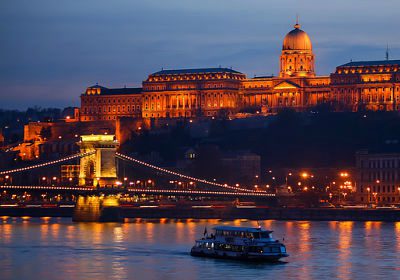
The Current Problems with Water Quality in Hungary

Water Quality in Hungary
Hungary is a landlocked country located in the central Danube Basin. It is divided into The Great Plains, the Transdanube and the Northern Hills areas. Hungary is a fairly small country but is known for great biodiversity. This biodiversity is threatened by some of Hungary’s most serious problems: air and water pollution. Pollution disrupts the water quality in Hungary, especially the Danube River, quite significantly. These pollutants come from industrial and large-scale agriculture.

A recent reservoir failure flooded many towns in Hungary with red toxic mud. In October 2016, a dam holding waste products such as arsenic and mercury collapsed. It was said to have released about 184 million gallons of this red mud. The toxic mud negatively impacted the water quality in Hungary, polluting the Danube even further.

Another danger to the water quality in Hungary is caused by human alterations to the Danube for the purpose of navigation. Intentions to deepen the dam for easier boat passage have changed the way the traditional floodplain landscape and water flows into the deltas. This not only affects the water quality but also endangers the wildlife and habitats near those areas. Scientists worry that the improper mining of these dams could lead to something even worse than the toxic red mud scare. They say that, without the correct techniques or repairs, there could be catastrophic repercussions should they fail. More dangerous toxic chemicals such as cyanide could spill into the river and completely ruin the water quality in Hungary.

With more than 90 percent of Hungary relying solely on groundwater, and with 47 out of 108 groundwater bodies considered to be “possibly at risk,” the water quality in Hungary remains in jeopardy. Something must be done to reverse the rising levels of pollution and stop the harm to the environment.

One potential solution comes from a European Union-funded project that brings clean drinking water to those in Hungary affected by polluted groundwater. The National Water Management Administration is responsible for organizing 33 projects that have already brought clean water to 227 communities. They are currently working to complete these projects in time to qualify for 100 billion HUF in financing from the European Union. These projects are the greatest hope to improve water quality in Hungary at this time.

– Katelynn Kenworthy

Photo: Flickr

July 20, 2017
https://borgenproject.org/wp-content/uploads/borgen-project-logo.svg 0 0 Borgen Project https://borgenproject.org/wp-content/uploads/borgen-project-logo.svg Borgen Project2017-07-20 07:30:182024-05-28 00:03:09The Current Problems with Water Quality in Hungary
Global Poverty, Water

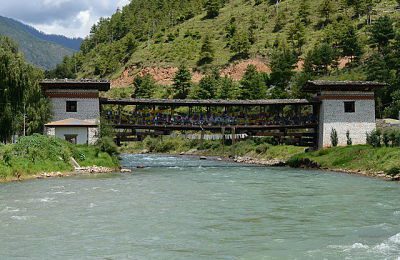
Water Quality in Bhutan Improves After New Government Policies

Water Quality in BhutanBhutan, a country among the Himalayan Mountains, has been making remarkable strides to provide safe drinking water for citizens. These efforts are apparent in the adoption of the Bhutan Drinking Water Quality Standard and the recent National Water Symposium.

The Bhutan Drinking Water Quality Standard was adopted in 2016 by the National Environment Commission to protect public health and improve water quality. Unclean water has been traced to numerous diseases, such as cholera, fluorosis and typhoid fever. Before the standard was adopted, water providers had no obligations to conduct water testing and treatment. This left the 745,000 Bhutanese citizens with potentially hazardous water.

According to the standards document, the objectives are:

  1. To set safe concentrations of nationally relevant drinking water parameters.
  2. To contribute towards a progressive improvement of drinking-water quality management (e.g. sampling, testing, reporting and documentation) by all service providers.
  3. To strengthen the application of water safety planning in all drinking-water systems.
  4. To contribute towards increased public awareness of drinking-water safety.
  5. To build a national drinking-water quality database.
  6. To improve accountability of all stakeholders in the provision of a safe-for-drinking water supply.

To further ensure better water quality, Bhutan hosted a National Water Symposium (NWS) on May 9, 2017. The NWS will improve water quality in Bhutan by devising a system of water management and sustainability. Organizers of the Symposium gathered 60 water sanitation professionals to decide priority focus areas for the twelfth Five Year Plan (FYP), a series of five-year economic goals.

One of these focus areas is supplying and conserving safe drinking water for families. Climate change’s effects in the region have made water conservation a significant concern. While Bhutan has one of the highest per capita water availabilities in the world, the rapidly melting glaciers and snow in the country’s often cold region pose a threat to future water availability. The Symposium will identify ways to manage and conserve natural water resources to improve water quality in Bhutan.

According to the Bhutan Times article, “National Water Symposium Brings Experts Together,” event organizer Lyoncchen Tobgay said that “managing water resources and providing continuous safe drinking water to every household is one of the flagship projects prioritized in the twelfth FYP.”

With the new standards and efforts from participating agencies from the National Water Symposium, Bhutan’s water quality should vastly improve over the next few years.

– Marie Adigwe

Photo: Google

July 19, 2017
https://borgenproject.org/wp-content/uploads/borgen-project-logo.svg 0 0 Borgen Project https://borgenproject.org/wp-content/uploads/borgen-project-logo.svg Borgen Project2017-07-19 07:30:072024-05-28 00:03:07Water Quality in Bhutan Improves After New Government Policies
Global Poverty, Water

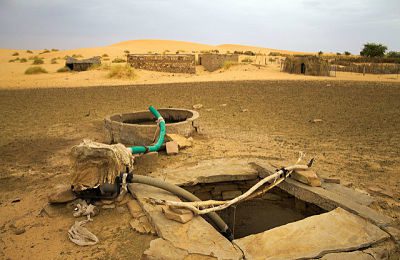
The Complex Issue of Water Quality in Mauritania

Water Quality in Mauritania
Water quality in Mauritania is affected by contradictory factors—the region receives little rain but is also at near-constant risk of flooding.

The southern part of the country gets 26 inches of rain annually while Nouakchott, the capital, only gets 5.5 inches. This isn’t too surprising, considering that Mauritania is mostly made up of desert and averages a temperature of over 100 degrees Fahrenheit for more than half the year, but most of the rainfall occurs over a short period of time in August and cannot be properly absorbed into the ground.

This absorption problem is due to the fact that Nouakchott is below sea level and therefore prone to frequent floods caused by rising sea levels. Rainfall only adds to pre-existing pools of stagnant water. And, because Mauritania lacks permanent drainage infrastructure, the water becomes a carrier for illnesses such as malaria and dengue fever. This is compounded by the fact that many in the region who live in poverty lack plumbing and are forced to dispose of solid waste in the stagnant water. Waste, in turn, damages temporary drainage setups.

Lacking water infrastructure for drainage, sanitation, plumbing and everyday use, the people of Mauritania rely on vendors for their drinking water. Vendors are sometimes miles away, so people commonly transport water in barrels or on donkeys.

Very few trees survive in Mauritania due to its desert climate as well as the fact that the rising water is exclusively salty.

Despite the many conflicting factors that threaten water quality in Mauritania, a 2011 review of the country’s status contended that there had been significant increases in the percentages of both rural and urban populations’ access to drinking water from 1990 to 2008, especially in the case of rural populations, which saw a 21 percent increase. The report identifies small piped networks and water wells as structures that are effective in helping people in rural areas of Mauritania access clean water. Unsurprisingly, the report claims “major financing” is needed to build more permanent supply and sanitation solutions.

– Caroline Meyers

Photo: Flickr

July 18, 2017
https://borgenproject.org/wp-content/uploads/borgen-project-logo.svg 0 0 Borgen Project https://borgenproject.org/wp-content/uploads/borgen-project-logo.svg Borgen Project2017-07-18 07:30:472020-06-17 17:28:51The Complex Issue of Water Quality in Mauritania
Global Poverty, Water

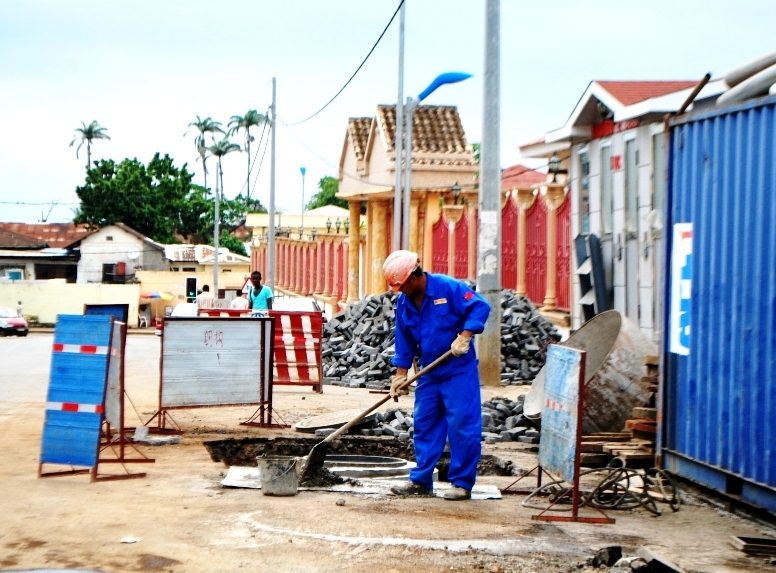
Poor Water Quality in Equatorial Guinea

Water Quality in Equatorial Guinea
The small country of Equatorial Guinea lies on central Africa’s west coast. Equatorial Guinea is an upper-middle class income country with a Gross National Income (GNI) higher than most other African countries. Much of this is due to the country’s oil production. However, despite the affluence of Equatorial Guinea, it has a comparatively low human development index rating. The water quality in Equatorial Guinea ranks near that of a much poorer sub-Saharan country.

Human Rights Watch reports that, in 2011, up to $125 million dollars was supposed to be spent to improve the water quality in Equatorial Guinea. Instead, the country spent 50 percent of its budget (originally approved for $783 million, but later estimated at $1.5 billion) on urban infrastructure. $80 million was spent on sports, which is more than was first budgeted for that sector. Meanwhile, only $60 million was spent on potable water, education and health combined as of June 30, 2011—a mere three percent of the expenditures that year.

Water quality in Equatorial Guinea is very poor in terms of access. Fewer households in Equatorial Guinea have access to safe water than most other countries. In 2002, just 60 percent of schools had a reliable water source. Sanitation has also been a regular problem area in schools. As of 2009, only 43 percent of Equatorial Guinea’s population had a safe and reliable water source, and only 51 percent had access to proper sanitation.

By 2015, access to clean water had risen by just a few percentage points. Still, just over half of the population had adequate access to water.

The poor often pay the most for and have the least access to clean water. Limited access to clean water and sanitation increases the risk of widespread health issues, especially for young children. The World Health Organization estimates that 1.5 million children die from diarrhea each year worldwide. This figure is composed primarily of children that live in developing countries and are younger than five. Equatorial Guinea’s under-five mortality rate is 8.9 percent higher than the average for sub-Saharan Africa.

Water quality in Equatorial Guinea should be considerably better than it is. There is no larger gap between the Gross National Income and the human development index rating in any African country other than Equatorial Guinea. Spending large amounts of money on infrastructure can be helpful, but only if it benefits rural and urban citizens. The country should make the health of its citizens a higher priority and create a realistic and appropriate annual budget.

– Emma Tennyson

Photo: Flickr

July 18, 2017
https://borgenproject.org/wp-content/uploads/borgen-project-logo.svg 0 0 Borgen Project https://borgenproject.org/wp-content/uploads/borgen-project-logo.svg Borgen Project2017-07-18 07:30:202024-06-04 01:17:46Poor Water Quality in Equatorial Guinea
Global Poverty, USAID, Water

Sanitation and Safe Water Quality in Swaziland

Swaziland is a small landlocked country in southern Africa that borders South Africa and Mozambique. The country is known for having the highest rate of HIV/AIDS prevalence in the world. Most of the country’s 1.3 million inhabitants live in poverty, with 69 percent of people being below the poverty line. The water quality in Swaziland remains unsafe for a large part of the population.
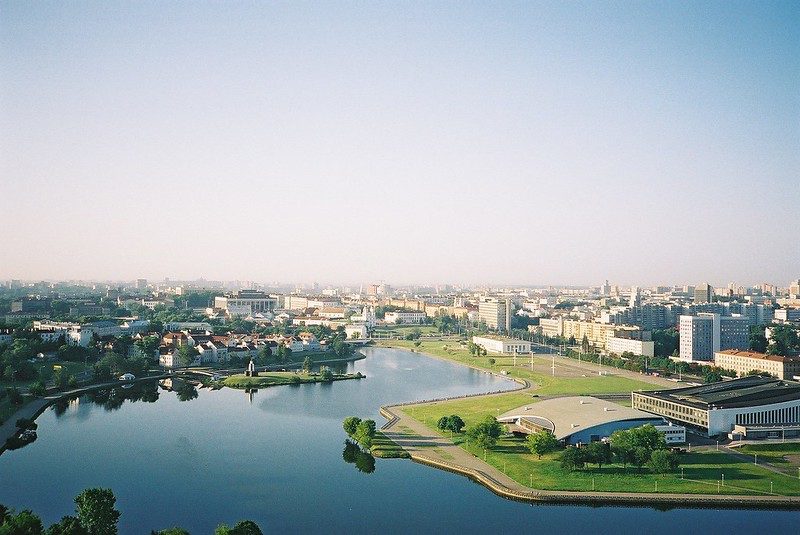

Three hundred and thirty thousand Swazis lack access to safe water, while 500,000 people do not have adequate sanitation. This is especially concerning for a country with so many HIV/AIDS patients that have weakened immune systems and therefore are more susceptible to waterborne diseases. The lack of safe water quality in Swaziland also causes the death of 200 children per year.

The Swazi government tried to offer assistance by drilling boreholes throughout the country, leaving the future management of the boreholes to its users. However, since locals could not afford to pay for the boreholes’ maintenance, the wells became dilapidated.

USAID and nonprofits such as WaterAid have taken measures in order to improve the water quality in Swaziland.

WaterAid lobbies the Swazi government to ensure that there is funding for water services to poor citizens. It also educates communities about simple and efficient ways to maintain safe water sources and toilets. In 2016, WaterAid provided 1,000 people with safe water and 1,000 people with better sanitation.

USAID has specifically focused on schools and the methods in which they obtain and use their water. They have set up programs that teach schools how to establish and maintain adequate sanitation systems. They have also provided schools access to clean drinking water. Additionally, with the introduction of new and effective methods for having safe water and good sanitation,

USAID was able to help schools create their own vegetable gardens to improve student nutrition. These programs have been set up in 57 schools and have improved the lives of around 9,000 students.

– Anna Gargiulo

Photo: Flickr

July 18, 2017
https://borgenproject.org/wp-content/uploads/borgen-project-logo.svg 0 0 Borgen Project https://borgenproject.org/wp-content/uploads/borgen-project-logo.svg Borgen Project2017-07-18 01:30:362024-06-05 02:12:15Sanitation and Safe Water Quality in Swaziland
Developing Countries, Global Poverty, Water

A Newfound Governmental Focus: Water Quality in Belarus

Water Quality in Belarus
A former member of the Soviet Union, Belarus has been under the control of President Alexander Lukashenko since 1994. The country has almost 10 million citizens and is known for its suppression of free speech. Belarus currently depends on Russia for most of its energy supply and trade deals.

The country has a history filled with oppression and this manifests in the poverty seen in Belarus. As of 2014, 17.8 percent of citizens lived on an income below the level needed to support themselves. Equal access to clean drinking water is key to lifting communities and families out of poverty. In the past decade or so, water quality in Belarus improved, inspiring hope that poverty will continue to decrease.

Belarus has more than enough water sources to satisfy the needs of citizens. The roadblock to safe drinking water for everyone is pollution and an inability to distribute resources equally. Laws regarding ownership of bodies of water can cause conflict, especially when waterways border other states.

Environmental pollution is a huge issue for Belarus. It was the area of the Soviet Union most affected by the Chernobyl nuclear power plant accident, and the consequences of that can still be seen today. The cities in Belarus are also very polluted due to industrial pursuits, and waste from factories can compromise water supplies.

Currently, 100 percent of Belarus has access to drinking water sources. Seven percent still does not have access to properly sanitized water, but these statistics are very encouraging when compared to other countries.

Without proper precautions, drinking water has a high risk of being contaminated and is not safe to drink due to a high iron content. The Water Supply and Sanitation Project worked to supply Belorussians with clean water. Funded by the World Bank, this project gave over 300,000 citizens access to a safe source of drinking water.

With the government’s newfound focus on improving the water quality in Belarus, equal access to clean water should be attainable.

– Julia Mccartney

Photo: Flickr

July 17, 2017
https://borgenproject.org/wp-content/uploads/borgen-project-logo.svg 0 0 Borgen Project https://borgenproject.org/wp-content/uploads/borgen-project-logo.svg Borgen Project2017-07-17 07:30:272020-06-17 18:24:57A Newfound Governmental Focus: Water Quality in Belarus
Page 32 of 57«‹3031323334›»

Get Smarter

  • Global Poverty 101
  • Global Poverty… The Good News
  • Global Poverty & U.S. Jobs
  • Global Poverty and National Security
  • Innovative Solutions to Poverty
  • Global Poverty & Aid FAQ’s
Search Search

Take Action

  • Call Congress
  • Email Congress
  • Donate
  • 30 Ways to Help
  • Volunteer Ops
  • Internships
  • Courses & Certificates
  • The Podcast
Borgen Project

“The Borgen Project is an incredible nonprofit organization that is addressing poverty and hunger and working towards ending them.”

-The Huffington Post

Inside The Borgen Project

  • Contact
  • About
  • Financials
  • President
  • Board of Directors
  • Board of Advisors

International Links

  • UK Email Parliament
  • UK Donate
  • Canada Email Parliament

Get Smarter

  • Global Poverty 101
  • Global Poverty… The Good News
  • Global Poverty & U.S. Jobs
  • Global Poverty and National Security
  • Innovative Solutions to Poverty
  • Global Poverty & Aid FAQ’s

Ways to Help

  • Call Congress
  • Email Congress
  • Donate
  • 30 Ways to Help
  • Volunteer Ops
  • Internships
  • Courses & Certificates
  • The Podcast
Scroll to top Scroll to top Scroll to top