• Link to X
  • Link to Facebook
  • Link to Instagram
  • Link to TikTok
  • Link to Youtube
  • About
    • About Us
      • President
      • Board of Directors
      • Board of Advisors
      • Financials
      • Our Methodology
      • Success Tracker
      • Contact
  • Act Now
    • 30 Ways to Help
      • Email Congress
      • Call Congress
      • Volunteer
      • Courses & Certificates
      • Be a Donor
    • Internships
      • In-Office Internships
      • Remote Internships
    • Legislation
      • Politics 101
  • The Blog
  • The Podcast
  • Magazine
  • Donate
  • Click to open the search input field Click to open the search input field Search
  • Menu Menu

Archive for category: Water

Global Poverty, Water, Water Quality, Water Sanitation

The Water Crisis and the Top 10 Clean Water Solutions

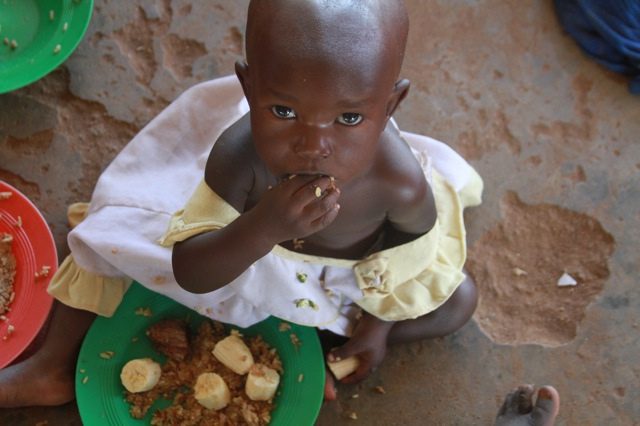
top 10 clean water solutionsWorldwide, 844 million people do not have access to clean water, meaning that one in nine people are living with water unsafe for human consumption. This is referred to as The Water Crisis.

The Water Crisis surpasses its effect on global health by affecting children, education, economics and women. Every 90 seconds, a child dies from a water-related disease. Children are often tasked with collecting water for their families, taking time away from education opportunities. School attendance increases with increased access to clean water.

Globally, there is a $260 billion deficit each year due to lack of basic water and sanitation. With the provision of clean water, time and effort previously spent collecting water can refocus on other opportunities. Universal access to basic water and sanitation could result in a $32 billion reduction in healthcare costs.

Women are disproportionately affected by The Water Crisis, as they spend an estimated six hours collecting water every day; this time could be spent on education, family life and work.

The water crisis and its detrimental effects can be resolved with the provision of basic water and sanitation; this resolution can be reached with the top 10 clean water solutions.

Top 10 Clean Water Solutions:

  1. Educate: Educate the population to change consumption and lifestyle habits.
  2. Innovate and Conserve: Water sources, such as aquifers and rainwater, are prone to evaporation and unpredictability. The invention of new water conservation techniques will counteract this issue.
  3. Recycle: Recycling wastewater decreases water imports and encourages self-sufficiency in developing countries.
  4. Agriculture and Irrigation: Approximately 70 percent of the world’s fresh water is used for agriculture. Improving agriculture and irrigation practices can appropriately distribute clean water for human consumption.
  5. Water Catchment and Harvesting: Areas without clean water rely on water catchment systems. Efforts to establish water harvesting systems provide independent control of resources.
  6. Infrastructure: Poorly managed infrastructure devastates the economy by wasting resources, increasing costs, diminishing quality of life and facilitating the spread of water-related diseases. Improved infrastructure conserves resources and enhances quality of life.
  7. Water Credit: The Water Credit Initiative utilizes microfinancing to provide affordable loans to those who require additional help in establishing clean water solutions.
  8. Water Equity: Water Equity relies on social impact investing to increase funds for water and sanitization loans.
  9. New Ventures: New Ventures funds research and development of new approaches to The Water Crisis.
  10. Global Engagement: Global Engagement is the foundation for lasting change on local and international levels

Although these are the top 10 clean water solutions, they are not the only solutions to The Water Crisis. Clean water access improves health, education and work opportunities for families across the world.

– Carolyn Gibson

Photo: Flickr
January 17, 2018
https://borgenproject.org/wp-content/uploads/borgen-project-logo.svg 0 0 Borgen Project https://borgenproject.org/wp-content/uploads/borgen-project-logo.svg Borgen Project2018-01-17 01:30:562019-11-11 22:25:12The Water Crisis and the Top 10 Clean Water Solutions
Global Poverty, Water, Water Quality

Perceptions of Water Quality in South Korea Today

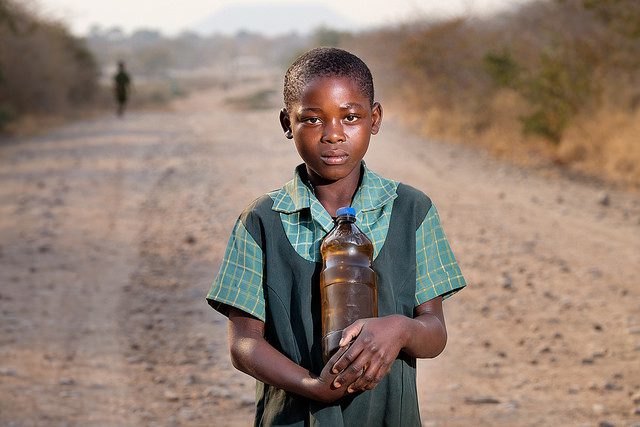
water quality in south koreaOver the past several decades, water quality in South Korea has remained poor due to poorly-operated water management services and sewage systems. It was not until the 1970s that the Korean government made headway in improving its water services, with help from the World Bank and other nations.
Perceptions Today

According to The Korea Herald, in 2013, the Environmental Ministry conducted a survey of 12,000 South Koreans, and only 10 percent responded that they drank tap water, whether boiled or not. Meanwhile, 55 percent said they only drank tap water after boiling it.

This is despite experts’ opinions that Korean tap water is some of the best in the world. A 2003 United Nations report ranked water quality in South Korea as the eighth highest in the world, ahead of that in the United States (twelfth highest). Incidentally, in 2013, 82 percent of Americans surveyed indicated that they drank tap water.

Why the Disconnect?

Koreans, at least as of 2013, seem to be living in the past on this issue. According to The Korea Herald, 30 percent of those surveyed cited concerns about old water tanks and pipes for their wariness toward tap water, and 28 percent were worried about reservoir sanitation.

Indeed, those were once major issues. The World Bank reports that, in Korea, in “the late 1980s, accelerated urbanization took its toll, and surface and underground water bodies became polluted.”

Then, in the 1990s, the chemical phenol was leaked into the water supply, which caused severe illness to those who drank it. Meanwhile, several reported cases of ‘red water’ increased awareness of aging, rusting underground pipes.

But today, the same concerns are nonissues. Korea’s water and wastewater service are very nearly universal. The Korean government continually monitors tap water quality against a minimum of 59 criteria, including pH levels. Old public pipes have been replaced with new, rust-proof ones, and city governments have offered subsidies for people who want to replace pipes in their private residences.

The water is clean, say the experts. Pain can leave muscle memory, but in time even that fades. If Koreans continue to come together to demand only the highest standards from those they charge with regulating their water systems, they should have nothing to worry about when it comes to drinking tap water.

– Chuck Hasenauer

Photo: Flickr

November 22, 2017
https://borgenproject.org/wp-content/uploads/borgen-project-logo.svg 0 0 Borgen Project https://borgenproject.org/wp-content/uploads/borgen-project-logo.svg Borgen Project2017-11-22 01:30:152019-11-20 07:27:33Perceptions of Water Quality in South Korea Today
Global Poverty, Water

Water Supply in Cuba

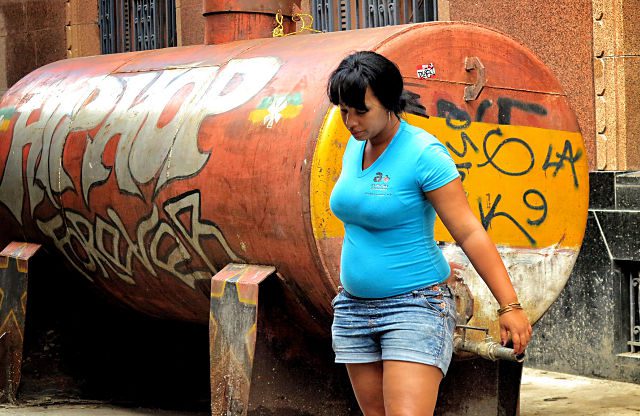
Water Supply in CubaAlthough Cuba is known for its water-filled landscapes, like the many rivers and turquoise springs that bubble up from time to time, the country faces issues with the water quality and supply. The water supply in Cuba has been affected due to a recent drought, resulting in a struggle to provide clean, fresh water to its citizens.

Over the past three years, Cuba has been facing one of the worst droughts of the century. This drought is affecting nearly 50 percent of the land in Cuba, and it is caused by a climate pattern known as “El Niño”. The El Niño phenomenon is when trade winds off the Pacific Ocean bring warm weather that quickly heats surface water. This effect has occurred in previous years but has increased drastically over the past three years.

Water reservoirs and dams have been affected, with some dams even falling below 50 percent capacity. Out of the 168 municipalities in Cuba, 141 have been directly affected by the effects of this drought. Havana, Cuba’s capital city, relied on tanker trucks from neighboring areas to help provide water to 120,000 people that were in desperate need in mid-2016.

Not many people consider how this drought is affecting day to day life for Cubans. Many families must purchase filtered water since the water supply in Cuba has decreased due to the drought, and this filtered water is not cheap. The average cost for 5 liters of filtered water is 15 Cuban pesos, which is equivalent to $15. This can be a financial burden on a family who has to ration this water for drinking among all its members, as well as to clean vegetables and fruits to eat.

The high price of water also means that many families can’t provide enough water for their pets or livestock, so animals are dying and getting sick all throughout the country.

The soil itself has become damaged as well, with some reports saying that nearly 75 percent of the soil is drier than desired. This has greatly affected the agricultural production, with many farms producing less than 50 percent of what they usually grow. This now means that not only is there a limit on water, but on food as well.

Cuba and the European Union have been working on a solution to not only solve the current drought problem but also to stop future droughts from becoming this large of an issue. The World Food Programme, the United Nations Development Programme, and the Mivimiento por la Paz have all partnered with the European Union and Cuba to develop these solutions.

Currently, the European Union is providing €600,000 in funding for two projects being developed in Cuba. The first project’s goal is to strengthen the preparedness plans in Cuba as well as the response and early warning systems.

The second project will focus more on a technical solution, by increasing the hydrological networks to increase the water supply in Cuba, as well as increasing its meteorological capacity so they can anticipate these patterns sooner.

– Scott Kesselring

Photo: Flickr

November 6, 2017
https://borgenproject.org/wp-content/uploads/borgen-project-logo.svg 0 0 Kim Thelwell https://borgenproject.org/wp-content/uploads/borgen-project-logo.svg Kim Thelwell2017-11-06 01:30:462024-05-29 22:29:04Water Supply in Cuba
Food & Hunger, Food Security, Global Poverty, Hunger, Water

Protect Drought Vital to End Hunger in Uganda

Hunger in UgandaLocated between South Sudan and the Democratic Republic of Congo, while also struggling against the Lord’s Resistance Army, hunger in Uganda is a major issue that the country, as well as 800,000 refugees, are facing every day. Uganda as a whole produces more food than it consumes, but because of the prevalence of poverty in the country, many of its 39 million people cannot afford to buy all of the food they need.
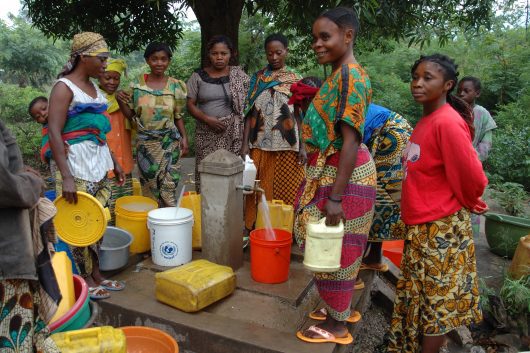
Only 4 percent of households in Uganda have had food security over the past six years. This is related to the food shortages and destitute diets that have also come from dealing with climate change, urbanization, the inconsistencies of Ugandan policies and poor public financing.

Hunger in Uganda has also been caused by the lack of water. A growing population has led to stresses on water and sanitation services. 24 million people in rural areas do not have access to water, which has increased the incidence of water-related diseases such as diarrhea and dysentery. Each week, 30,000 deaths are caused by unsafe water.

The lack of food has led to malnutrition among children, including refugees. It has been estimated that 33 percent of children under five are enduring chronic undernourishment and stunted growth. Only one in three children actually have food to eat during the day, while stunting affects 29 percent of children and rises to 40 percent in certain areas and among refugees.

Organizations like Action Against Hunger have made efforts to help Uganda. They focus on nutrition, health and care practices, and have helped 148,420 people. They have been able to reach some of the most vulnerable children in refugee settlements and treat life-threatening malnutrition. Action Against Hunger has helped strengthen the local capacity while training locals to be able to provide treatment. They have plans to help prevent malnutrition as well as to gather more information on malnutrition in order to prevent it in the future.

The World Food Programme also helps Uganda by providing cash and food assistance to people in need. They have also set up the “cash/food-for-work” program to ensure there is food during the lean seasons. This program helps communities build tree farms, orchards, irrigation systems, water ponds and dams to help them better endure droughts.

While the poverty rate in Uganda has declined from 31 to 19.7 percent, the fact that the population is still growing means that the number of poor people has not decreased. To combat this, the work the aforementioned groups are doing is vital to help Ugandans become self-sufficient in growing food and end hunger in Uganda.

– Chavez Spicer

Photo: Flickr

November 5, 2017
https://borgenproject.org/wp-content/uploads/borgen-project-logo.svg 0 0 Kim Thelwell https://borgenproject.org/wp-content/uploads/borgen-project-logo.svg Kim Thelwell2017-11-05 07:30:342024-05-29 22:27:40Protect Drought Vital to End Hunger in Uganda
Water

Walking With Water: Africa’s Solar-Powered Water Carts

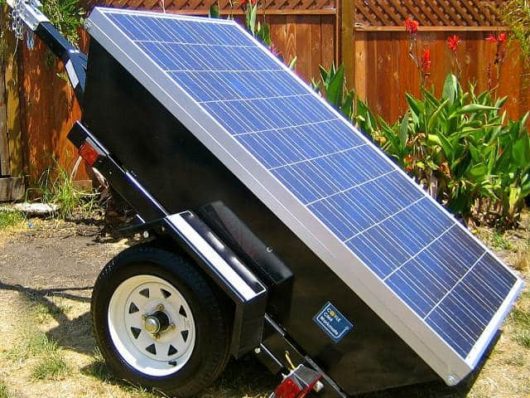
Africa's Solar Powered Water CartsAccording to the United Nations Office of the High Commissioner for Human Rights (OHCHR), the average distance that women and children in Africa and Asia walk to collect water is 6 kilometers. Often, they find that their destination contains unclean water that is unsafe for human consumption. Women and children, whose job is to collect water, are too busy to focus on self-empowering opportunities, such as education or health concerns, perpetuating the cycle of poverty in their local communities. But help could very well be on its way, thanks to a new, potentially lifesaving product known as the Watt-r. It is the very first of Africa’s solar-powered water carts.
The concept of the Watt-r is simple: this cart aims to make carrying water from sources to villages much easier and significantly more efficient. The cart is powered by clean, environmentally friendly solar energy, rather than human labor. Furthermore, the cart’s capacity is far more than a pair of human hands: in a single trip, it will likely be capable of carrying up to a dozen 20-liter containers of water. This is the same amount of cargo that 25 people would be able to carry.

When not in use, the cart stores solar energy for locals in villages to power cell phones and other small electronics, while the entrepreneur using it sells water.

The creators behind Africa’s solar-powered water carts have stated that they hope their product will go beyond transporting water – this could include crops, medicine, tools and many other types of cargo safely and efficiently.

However, the question still remains: how will it foster economic growth, if people are still walking to collect water?

Ultimately, the Watt-r’s goal is to not only improve the speed and efficiency of collecting water but also foster entrepreneurship of those collecting it. The creator of this product, Jose Paris, estimates that an entrepreneur making daily micro-payments on the cart would be able to pay it off in a mere three years. “There is a market for this service already and people are paying for it”, he says, citing already-existent kiosks in Nairobi selling cans of water in the streets.

Africa’s solar-powered water carts have the potential to completely revolutionize communities that employ them. The increase in transport efficiency and speed, electricity provision, and entrepreneurial opportunity allows them to be employed by the world’s 663 million who currently struggle to access reliable or clean water sources – and empower them to improve the stability of water, income and opportunity in their lives.

– Brad Tait

Photo: Google

October 22, 2017
https://borgenproject.org/wp-content/uploads/borgen-project-logo.svg 0 0 Kim Thelwell https://borgenproject.org/wp-content/uploads/borgen-project-logo.svg Kim Thelwell2017-10-22 01:30:112024-06-05 23:55:31Walking With Water: Africa’s Solar-Powered Water Carts
Global Poverty, Water

Full Belly Improves Hygiene, Sanitation and Water in Tanzania

Water in TanzaniaMore than 35 percent of the world’s population lacks access to improved sanitation. Worldwide, millions of people are infected with, or are dying from, water or hygiene-related diseases. The issue of water in Tanzania is critical, especially in relation to sanitation.
Currently, 85 percent of schools do not have hand washing facilities. Children attend school all day without being able to wash their hands, subjecting themselves and their communities to countless illnesses and infections. The need for hygiene education and sanitation facilities in schools is imperative. Hand soap is one of the simplest and most powerful ways to prevent disease; however, the inability to access soap and the limited availability of water in Tanzania makes this modest daily task a commodity. Water scarcity is closely related to sanitation and hygiene complications.

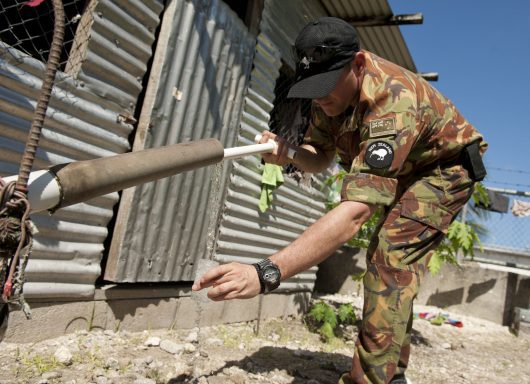
The Full Belly Project, based in Wilmington, North Carolina, developed a hand washing station that is made completely of recycled materials and uses 90 percent less water than other current hand washing systems. Ten of these life-saving systems were built and installed in and around Arusha, Tanzania in the spring of 2016.

This project received additional funding through a Clif Bar Family Foundation grant to build and install more systems in the summer of 2017. The project was executed with the goals of providing three months of soap for each installed station and providing education on the importance of hand washing, sanitation and the conservation of water in Tanzania.

The Full Belly Project’s hand washing station is built from recycled materials that are abundant in most regions. A large part of the Full Belly Project’s mission is to alleviate global poverty by providing tools to those in need, which in turn improves their lives and helps generate income. The organization encourages self-efficacy rather than providing handouts.

The hand washing system only requires an oil drum, half of a truck tire, soda bottles, bits of steel and a pail full of cement. Although the Full Belly Project and volunteers build the systems, the materials are found locally and the systems can be recreated by members of the community. “Our contact in Tanzania had already gathered all of the needed materials when our volunteers arrived,” said Amanda Coulter, Executive Director of the Full Belly Project, “The volunteers built five hand washing stations and taught community members so that they could create an additional five.”

The most significant feature of the hand washing system is its ability to conserve water. This is vital considering the scarcity of water in Tanzania, where most healthcare facilities and schools have no water source within 500 meters.

Soda bottles are filled with water from the nearest water source and by attaching bolts to the lids of the bottles, the openings use only 10 percent of the amount of water that other systems waste. In addition to conserving water, the system reduces the need to revisit the water source, which can be as far as 500 meters from the system.

The Full Belly Project has not only aided in addressing some of the most pressing health needs in Tanzania, it has given local civilians the knowledge and training required to recreate the hand washing stations. The life-saving ability of the Full Belly Project’s hand washing station showed its full potential with the recent widespread outbreaks of Cholera, a water and hygiene-related bacteria.

Full Belly Project volunteers were also able to bring eight rocker water pumps to Tanzania. The rocker water pump is an irrigation device that allows farmers to get more food from two acres of land and more income than ever before. The device draws water from 30 feet and can pump five gallons of water each minute. This kind of productivity is unprecedented because of the scarcity of water in Tanzania. “Our volunteers built them, packed them up as access carry-on luggage – that’s a funny story going through security,” Coulter laughed, “and they were able to deliver them to Massiah Women’s Groups and Orphanages in Tanzania that are pursuing agricultural programs.” The rocker water pumps are also made completely of recycled materials and can be recreated like so many of the Full Belly Project’s devices.

The Full Belly Project has made immense impacts worldwide; however, “our local impacts shouldn’t be forgotten,” Coulter said. “Volunteers come in and we are able to teach them about the problems other people face and how they can help; they get to make contributions and are really able to see their significance in the lives of others.” The Full Belly Project continues to provide help to those in need, through education and sustainable living programs, as seen through the hand washing system and rocker water pump installations in Tanzania.

– Jamie Enright

Photo: Flickr

October 14, 2017
https://borgenproject.org/wp-content/uploads/borgen-project-logo.svg 0 0 Kim Thelwell https://borgenproject.org/wp-content/uploads/borgen-project-logo.svg Kim Thelwell2017-10-14 01:30:172024-05-23 23:15:44Full Belly Improves Hygiene, Sanitation and Water in Tanzania
Food & Hunger, Global Poverty, Water

The Continued Struggle Against Poverty in Greenland

Inescapable Poverty: Greenland Continues to StruggleLocated between the Arctic and Atlantic Oceans is the world’s largest island, Greenland. Ironically, it is also the least populated country in the world, with about 57,728 people as of July 2016. Nevertheless, it is not safe from the problems that plague the world today. The Central Intelligence Agency reports that 16.2 percent of the population lived below the poverty line in 2015. This is a serious problem, given the country’s already small population.
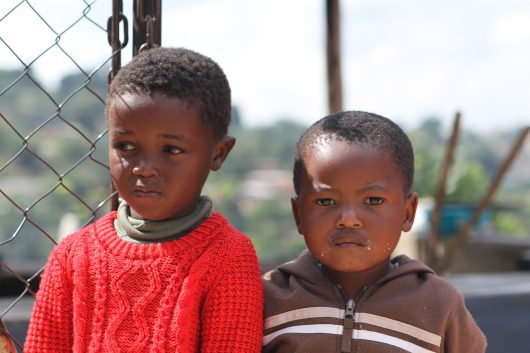
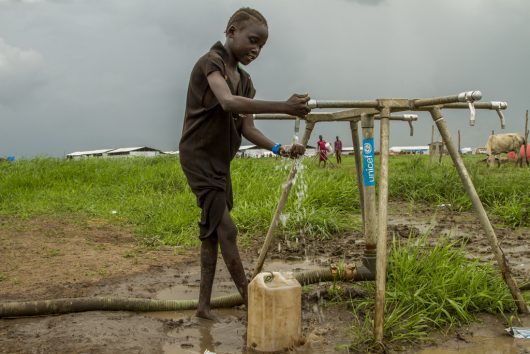
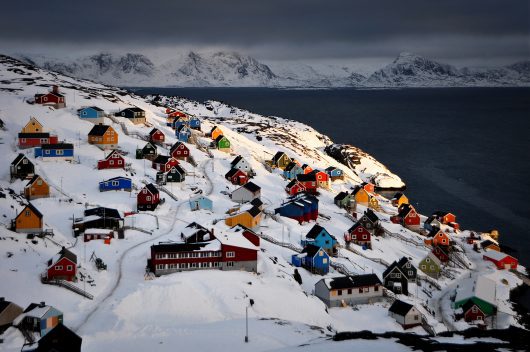
Famous for its Arctic landscapes in the north and sheep farms in the south, Greenland is often a tourist destination, with tourism having grown 20 percent in 2015 and 2016.

However, what countless people do not see when they travel to Greenland is the poverty and the helplessness of individuals around the country. The signs of poverty in Greenland are the same as everywhere else. The inability to afford food and inadequate living conditions are rampant. Furthermore, Project World reports that “many people in Greenland do not have water or sanitation capabilities in their homes, particularly in rural areas, because there is no national grid to supply these services”. Additionally, climate change is affecting the daily lives of indigenous people who live in the Arctic region, as global warming causes erosion, which destroys homes and heritage sites.

Approximately 88 percent of Greenland’s population is Greenlandic Inuit, an indigenous group of people. These people rely on traditional methods of obtaining food, which mainly include fishing, hunting and gathering. The Arctic Monitoring and Assessment Program reports that unpredictable shifts in the number of animals, “travel safety in changing ice and weather conditions present serious challenges to human health and food security”.

Many people wonder what contribution they can make to alleviate this suffering. The best way to eliminate poverty is by directly donating to organizations that support financially disadvantaged individuals. Global associations like UNICEF and the International Rescue Committee all work to eliminate human suffering in the world. While the latter focuses on refugees primarily, it also provides aid to people who live in disastrous conditions.

However, donations are not the only way to improve the lives of these people. Another method is fundraising. Many of these organizations support both large and small-scale projects that raise money for the association.

There is also the opportunity to educate. Many times, people do not realize that almost everywhere, there are people who cannot afford an appropriate living space, food, water and other essential resources. By attending city council meetings, starting a conversation with neighbors, or even visiting schools and universities to inform the community about the widespread poverty in the world, a huge difference can be made.

It is important to realize that such tragic circumstances can be prevented, as long as people come together to solve the underlying problem. These different methods of support all contribute to alleviating poverty in Greenland.

– Sheharbano Jafry

Photo: Flickr

October 7, 2017
https://borgenproject.org/wp-content/uploads/borgen-project-logo.svg 0 0 Kim Thelwell https://borgenproject.org/wp-content/uploads/borgen-project-logo.svg Kim Thelwell2017-10-07 01:30:202024-05-29 22:27:17The Continued Struggle Against Poverty in Greenland
Global Poverty, Water

How to Help People in Tuvalu

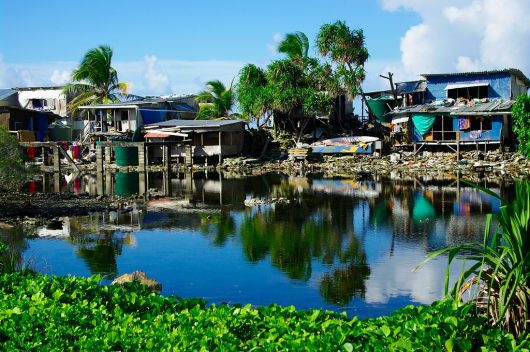
How to Help People in TuvaluTuvalu is a tiny Pacific nation with a population of about 10,000 people. While the population may be small, the people of Tuvalu face significant threats, with the foremost being climate change. Tuvalu sits only two meters above sea level and some experts think the group of islands could eventually vanish if sea levels keep rising. It is one of the most vulnerable countries in the world when it comes to being affected by climate change.

Here are some ideas on how to help people in Tuvalu:

  1. Encourage your representatives to support cutting carbon dioxide emissions.
    Climate change is already beginning to affect Tuvalu. While emergency response to flooding and other natural disasters is important, the most important long-term solution is for countries all over the world to make swift cuts in emissions, until the world reaches what scientists say is a safe level of carbon dioxide in the atmosphere – 350 parts per million.
  2. Donate water or other necessary supplies in the event of an emergency.
    When Tuvalu has experienced flooding or other weather disasters in the past, several humanitarian organizations have responded promptly. However, climate change also exacerbates droughts. One of the biggest problems that can occur during a drought is a lack of safe, clean water. Many on the island will have to ration water. A household of six to nine people is allotted just 40 liters of water per day. This means that basic water needs are only just being met in these conditions.
  3. Express the importance of keeping the U.S. in the Paris climate accord to the White House.
    In 2015, Enele Spoaga, the Prime Minister of Tuvalu, asked European leaders to help save Tuvalu ahead of the negotiations for the Paris climate accord. Spoaga warned that a climate that was even 2 degrees celsius warmer would mean that Tuvalu would eventually disappear under water. Later that year, leaders from around the world agreed to take steps to limit future global warming. However, President Trump has recently said he wants to take the U.S. out of the Paris climate accord. Since the U.S. is a large, highly industrialized and influential country, the effects of it leaving the Paris climate accord would be devastating. If you would like to help protect Tuvalu from the effects of severe climate change, consider calling the White House and expressing your concern about this issue.

Tuvalu is in a uniquely frightening position, since its very existence is under threat from climate change. However, as people realize the dangers of climate change, more and more will hopefully seek to learn about how to get involved to help people struggling in Tuvalu.

– Brock Hall

Photo: Flickr

September 29, 2017
https://borgenproject.org/wp-content/uploads/borgen-project-logo.svg 0 0 Kim Thelwell https://borgenproject.org/wp-content/uploads/borgen-project-logo.svg Kim Thelwell2017-09-29 01:30:502020-07-17 08:14:58How to Help People in Tuvalu
Aid, Global Poverty, Water

How to Help People in Swaziland

SwazilandSwaziland is a small, landlocked country in southern Africa with a population of approximately 1.1 million. An estimated 63 percent of the population lives below the national poverty line, and 350,000 people are food insecure and in need of food aid. Swaziland also has one of the highest incidence rates of HIV/AIDS in the world, with nearly 26 percent of people aged 15 to 49 living with the disease. The average life expectancy is only 49 years so, as a result, 45 percent of children are left orphaned or vulnerable at a young age. Here are just some of the primary ways in which humanitarian organizations and the Swazi government are working to help people living in poverty in Swaziland.

Helping Vulnerable Children Access Necessary Resources

Due to the high prevalence of HIV/AIDS which predominantly affects the country’s younger population, many children have lost one or both of their parents. Parents of children who are HIV-positive often cannot afford retroviral therapy. Many HIV-positive children are cut off from basic health services and education. One in 10 children in Swaziland is severely malnourished. There is also a low school enrollment rate of 60.1 percent, with one in five primary-school-aged children not enrolled in primary school.

Organizations such as SOS Children’s Villages and the World Food Programme are currently working on providing orphaned and vulnerable children with access to education and healthcare services. SOS Children’s Villages provides daycare and medical assistance in three different locations in Swaziland. The World Food Programme also provides nutritious meals to children at community-led daycare centers throughout the country. The project aims to provide vulnerable children with both nutrition and access to social services such as early childhood education, psychosocial support and basic healthcare services.

Providing Treatment for HIV/AIDS and TB

With 26 percent of people aged 15 to 49 living with HIV, the prevalence of HIV/AIDS has also greatly depleted Swaziland’s labor force. Tuberculosis (TB) is also one of the leading causes of death in the country, although 80 percent of TB patients are also infected with HIV. In order to combat the spread of these diseases, the Centers for Disease Control and Prevention (CDC) and the Swazi Ministry of Health work together to broaden the scope of HIV testing and antiretroviral treatment in Swaziland. Since 2012, thousands have been provided with access to antiretroviral treatment, HIV testing and counselling services. In addition to helping those in need, combating HIV will also help ease the strain HIV puts on the Swazi economy.

Providing Communities with Sustainable Sources of Clean Water

Approximately 330,000 people in Swaziland do not have access to a source of clean water, and half a million people do not have access to adequate sanitation. Every year, over 200 children under the age of five die due to diarrhoeal diseases caused by poor water and sanitation conditions in Swaziland. The high incidence of HIV/AIDS only makes the need for safe water and hygiene even greater.

This is why organizations such as WaterAid and the Thirst Project have made it their goal to provide a source of clean water to all those in Swaziland who do not currently have one. WaterAid works with local communities to introduce affordable technologies that can be easily maintained by the communities themselves. It also lobbies the Swazi government to ensure water and hygiene are prioritized and budgeted for.

The Thirst Project also works to bring clean water sources to communities and hopes to have provided all Swazi communities in need with safe water by 2022. “They build something sustainable, that’s not going to dry up even though there are tremendous droughts right now in Swaziland,” states Paola Pozzaglia Nilsen, an adviser for a local chapter of the Thirst Project in New York. Nilsen added that clean water is an integral part of how to help people in Swaziland as it helps communities to become self-sufficient, healthier, and safer.

By investing in the nutrition and education of children, the treatment of diseases like HIV/AIDS and tuberculosis and the construction of clean water sources, progress toward eradicating poverty in Swaziland can begin to happen.

– Amanda Quinn
Photo: Flickr

September 29, 2017
https://borgenproject.org/wp-content/uploads/borgen-project-logo.svg 0 0 Kim Thelwell https://borgenproject.org/wp-content/uploads/borgen-project-logo.svg Kim Thelwell2017-09-29 01:30:132024-05-28 00:03:07How to Help People in Swaziland
Global Poverty, Water

UNICEF Declares Children Rights to Clean Water

Clean Water

Each year, 289,000 children under the age of five die due to diseases caused by poor water quality and sanitation. This means that one child dies every two minutes and 800 children die per day because they do not have access to clean water or proper sanitation.

On August 29, UNICEF made a statement that declared that access to clean water is a right – not a privilege – and that in countries facing conflict or instability, clean water must be made a priority. The lack of clean water and sanitation is particularly alarming in areas that are in the middle of conflicts; more than 180 million people in crisis-ridden areas do not have access to clean drinking water.

To ensure that children are given their rights to clean water and sanitation, UNICEF has developed an initiative called WASH, which stands for water, sanitation and hygiene. Their goal is to achieve universal access to sanitation, hygiene and safe drinking water by 2030. Through a team that works in more than 100 countries, UNICEF has been able to provide close to 14 million people with clean water and more than 11 million with toilets.

UNICEF is not the only group working to improve access to clean water and sanitation. Pure Water for the World is a nonprofit organization that works closely with underserved communities in Central America and the Caribbean, which gives residents the resources and knowledge to be involved in water projects in their communities. In their 18 years of existence, they have reached more than 750,000 people in Haiti and Central America with solutions to water, sanitation and hygiene problems. Pure Water for the World seeks local and international volunteers and donations to keep the organization running.

Water for Good specifically targets the Central African Republic in its efforts to increase access to clean water and sanitation. They use local businesses for supplies and resources to start sustainable water programs, with over 90 percent of them being functional long after Water for Good has done their part.

Charity: Water is another nonprofit organization that provides clean water to struggling populations. They rely on private donors to fund their operation costs, so all of the money donated to Charity: Water goes directly into funding water projects. The company also follows up each water project with a detailed report of its results and locations, so donors can know exactly where their money has gone.
All of these nonprofits are working toward UNICEF’s ultimate goal – to have worldwide equal access to clean water, sanitation and hygiene for children – which is, as UNICEF states, not a privilege, but a right.

– Téa Franco

Photo: Flickr

September 21, 2017
https://borgenproject.org/wp-content/uploads/borgen-project-logo.svg 0 0 Kim Thelwell https://borgenproject.org/wp-content/uploads/borgen-project-logo.svg Kim Thelwell2017-09-21 01:30:052024-06-11 02:48:32UNICEF Declares Children Rights to Clean Water
Page 29 of 57«‹2728293031›»

Get Smarter

  • Global Poverty 101
  • Global Poverty… The Good News
  • Global Poverty & U.S. Jobs
  • Global Poverty and National Security
  • Innovative Solutions to Poverty
  • Global Poverty & Aid FAQ’s
Search Search

Take Action

  • Call Congress
  • Email Congress
  • Donate
  • 30 Ways to Help
  • Volunteer Ops
  • Internships
  • Courses & Certificates
  • The Podcast
Borgen Project

“The Borgen Project is an incredible nonprofit organization that is addressing poverty and hunger and working towards ending them.”

-The Huffington Post

Inside The Borgen Project

  • Contact
  • About
  • Financials
  • President
  • Board of Directors
  • Board of Advisors

International Links

  • UK Email Parliament
  • UK Donate
  • Canada Email Parliament

Get Smarter

  • Global Poverty 101
  • Global Poverty… The Good News
  • Global Poverty & U.S. Jobs
  • Global Poverty and National Security
  • Innovative Solutions to Poverty
  • Global Poverty & Aid FAQ’s

Ways to Help

  • Call Congress
  • Email Congress
  • Donate
  • 30 Ways to Help
  • Volunteer Ops
  • Internships
  • Courses & Certificates
  • The Podcast
Scroll to top Scroll to top Scroll to top