• Link to X
  • Link to Facebook
  • Link to Instagram
  • Link to TikTok
  • Link to Youtube
  • About
    • About Us
      • President
      • Board of Directors
      • Board of Advisors
      • Financials
      • Our Methodology
      • Success Tracker
      • Contact
  • Act Now
    • 30 Ways to Help
      • Email Congress
      • Call Congress
      • Volunteer
      • Courses & Certificates
      • Be a Donor
    • Internships
      • In-Office Internships
      • Remote Internships
    • Legislation
      • Politics 101
  • The Blog
  • The Podcast
  • Magazine
  • Donate
  • Click to open the search input field Click to open the search input field Search
  • Menu Menu

Archive for category: Water

Water, Water Quality, Water Sanitation

Right to Water: The Impact of Water Quality Around the World

Right to Water
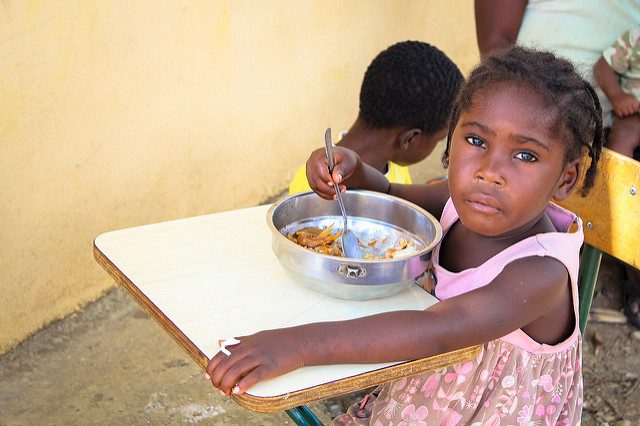
In July 2010, the United Nations recognized and made a stance that clean water and access to sufficient water is a right for every human being. It has been eight years since the stance was made, and many since have asked: how far has the world come in regards to ensuring better water quality to every human being?

Right to Water

In 2010, there were 2.5 billion people worldwide who didn’t have access to proper sanitation and clean drinking water; eight years later, the figure stands at 2.1 billion people. By no means small, this improvement serves as a positive omen and beginning for a future of continued progress.

But complete improvement in water quality, unfortunately, doesn’t just happen overnight. There are currently at least 2 million people around the world whose water source is contaminated with feces. Although there are many organizations who have stepped up to help those in developing countries regain their right to water, here are three programs and initiatives that have made significant impacts on the current water crisis.

WASH

WASH is a program run by the World Health Organization (WHO) that stands for WHO’s focus on different aspects of water, sanitation and hygiene. The mission of WASH is to provide leadership in water, sanitation and hygiene by making statements, influencing policy and coordinating and collaborating with others.

The services from WASH can reduce healthcare-related infections, increase trust in provided services and increase efficiency in aid provided in healthcare institutions. Today, many facilities lack WASH services — 38 percent don’t have an improved water source, 19 percent don’t have improved sanitation and 35 percent lack water and soap for hand-washing.

The most recent campaign by WASH and WHO — “It’s in your hands. Prevent sepsis in healthcare” — educated others on how quickly sepsis can spread through poor hand hygiene. This education is extremely needed as roughly 30 million people deal with this organ disfunction around the world.

Water.org

Water.org is a non-profit that provides local water projects with local water partners in various countries. One of the key ideas of water.org is to have the communities responsible feel like owners of the specific project. Water.org strives to have the community involved in every aspect of their projects.

Water.org has reached 13 countries, including Honduras. In this nation, water.org reached 14,000 people who are in need of either safe water or improved sanitation. This non-profit is currently working on the construction of a community water system, and health and hygiene education in Honduras. By focusing on these goals, more than 3,600 people in two different Honduras communities will gain access to clean water.

charity: water

Using 100 percent of all public donations to fund water projects, charity: water has funded 28,389 water projects for 8.2 million people around the world. Charity: water’s  efforts have given these people their right to water, and have also funded water programs in 26 countries around the world.

The organization also has a variety of solutions they offer to communities who don’t have access to clean water, including rainwater catchments, water purification systems, hand-dug wells and bio-sand filters.

No matter where or who, good or bad, each person around the world is making some sort of impact on the current water crisis. From littering to pouring cooking oil down the drain, daily actions can have substantial impacts on rivers and waterways in local communities. While there are many organizations that provide funds and support to those without clean water, there are many ways an individual can help with the current water crisis. Here are five ways that water quality can be improved in local communities.

Five Ways to Improve Water Quality

  1. Don’t put anything in storm drains, this includes grass and tree clippings.
  2. Don’t pour grease down drains.
  3. Properly dispose of pet waste.
  4. Appropriately dispose of fluorescent light bulbs and automotive fluids.
  5. Never litter.

It is important for each and every person, no matter where they are, to do their part to maintain safe and clean water, and to always remember that the right to water applies to everyone.

– Victoria Fowler
Photo: Flickr
July 10, 2018
https://borgenproject.org/wp-content/uploads/borgen-project-logo.svg 0 0 Borgen Project https://borgenproject.org/wp-content/uploads/borgen-project-logo.svg Borgen Project2018-07-10 01:30:132019-09-25 12:08:47Right to Water: The Impact of Water Quality Around the World
Food & Hunger, Nonprofit Organizations and NGOs, Water

Addressing Food and Water Shortages in the Dominican Republic

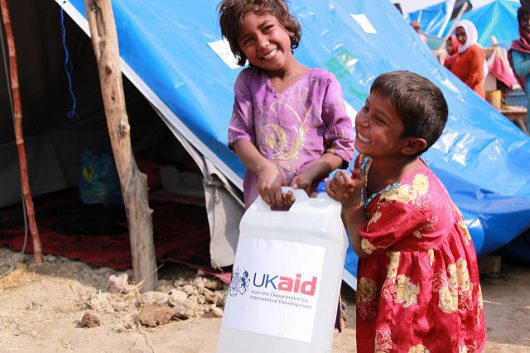
Food and Water Shortages in the Dominican RepublicNatural disasters are causing food and water shortages in the Dominican Republic, but the non-profit organization SERV International brings dry food goods and water filters to provide citizens with the basic necessities they need after severe storms hit.
Natural Disasters Bring Food and Water Shortages

Between 1980 and 2008, 40 natural disasters have affected 2.65 million people in the Dominican Republic, according to the Global Facility for Disaster Reduction and Recovery.

Hurricane season for the Caribbean Islands lasts from June to November, according to the Global Facility for Disaster Reduction and Recovery. Hurricanes bring heavy rains and high winds that can cause damage to infrastructure and crops. Flash floods and landslides are common aftereffects of these destructive storms.

Because agricultural jobs employ more than a fifth of the citizens in the Dominican Republic, the devastation of crops due to natural disasters not only destroys food for people to eat but also causes a loss of jobs. One of their most valuable crops, sugarcane, is the most affected by natural disasters, according to The World Bank.

Hurricanes and other tropical storms can also destroy pipes and sewage systems, leaving behind water polluted by fecal matter, which is where cholera thrives. The CDC defines cholera as an infectious bacterial disease that is contracted from drinking contaminated water. Side effects of this disease are vomiting, diarrhea and possible death. As of June 18, there have already been 56 confirmed deaths from cholera in the Dominican Republic this year.

On the opposite side of the spectrum, prolonged droughts are also frequent hazards that can cause food and water shortages in the Dominican Republic. UNICEF warns that droughts make finding clean water difficult and could potentially lead to malnutrition.

What is SERV International doing to help?

SERV International is a Christian-based organization that sends missionaries to deliver food and clean water to underdeveloped countries all over the world.

Katie Kasha, who is the daughter of the founder and CEO of SERV, talked to The Borgen Project about her experiences in the Dominican Republic in 2014 and 2015 after Hurricane Sandy had hit the previous year. “It all starts with food,” Kasha said. “As a result of going into communities and giving food, we have been able to build relationships and invest into those communities by planting wells and churches.”

Kasha and the rest of the SERV team have brought food to a small village called San Jose as well as a few other small sugarcane villages. Kasha described the food as a dehydrated blend of lentils, soy protein, potatoes, carrots and other vegetables.

Rachel Chapman, a sophomore at Brenau University, accompanied Kasha and the other missionaries on both trips in order to address the food and water shortages in the Dominican Republic. “When we got to the village the thing that was very interesting to me was that the people there were afraid of the rain and rainwater because of the storms they had experienced,” Chapman said. “I found it really ironic that water…the one thing needed to survive was the thing they were most scared of.”

“The villagers drank from a stone trough about 8 foot long and 4 foot deep,” according to Chapman. “There was a nasty lime green film covering the water and when you looked into the trough you could see the growth in the walls.” SERV brought water filters in hopes of providing the villagers with clean water. Chapman added that one water filter will last a family in the Dominican Republic for five years.

Kasha and Chapman will both return to the Dominican Republic in the future to continue giving out food to families and treating filthy water for those that have been affected by destructive natural disasters.

– McKenzie Hamby
Photo: Flickr

July 9, 2018
https://borgenproject.org/wp-content/uploads/borgen-project-logo.svg 0 0 Borgen Project https://borgenproject.org/wp-content/uploads/borgen-project-logo.svg Borgen Project2018-07-09 01:30:172024-05-29 22:43:02Addressing Food and Water Shortages in the Dominican Republic
Global Health, Water

Thirsty for Quality: How Water Impacts Mental Health

Water Impacts Mental Health
While June is a “cloud cover” month in Africa, temperatures are still considered sweltering hot during the summer months. While some areas of the world are fortunate to have sanitary water, Niger does not. On Niger’s hottest days of the year, temperatures can range from 83 to 106 degrees Fahrenheit.

Not having quality water and safe sanitation practices can make it a challenge to keep cool and hydrated in the Sahara. While clean water impacts overall health, there are many ways water impacts mental health as well.

The Lack of Water in Niger

Water is a basic human necessity to live. Because the body is made up of at least 60 percent water, the body needs water to help regulate body temperature and empty waste.

Half the population of Niger does not have access to clean water. This means that the people of Niger do not have access to proper drinking water, hygiene methods, spaces to rid their bodies of waste and are unable to replenish their bodies with water, causing just over 11,500 deaths of children under five years old each year.

How Water Impacts Mental Health

Among physical health concerns, clean water and proper hydration also affect mental health. Three ways water impacts mental health are:

  1. Circulation
  2. Mood and energy
  3. Ability to process

If a person is not inputting water into their system as quickly as it is being released, the body becomes dehydrated. However, prior to physical symptoms or awareness, the brain’s neurons have already detected dehydration within the body, lowering circulation, energy and the ability to cognitively function or process.

The brain and the heart are the two main reservoirs of water within the human body. When the body is dehydrated it affects circulation, which means lack of blood flow and oxygen to the brain, altering physical and mental activity.

Because lack of water can cause such fatigue, this can have a quick impact on mood stability and cognitive function. For example, fatigue might accompany anxiety or irritability, causing a higher emotional reaction to circumstances. It also affects the way in which men and women process or perceive surroundings, tasks and situations. Dehydration, whether physical, mental or both, can cause a lack of concentration, reaction time, memory, and reasoning.

Improving Water to Improve Mental Health in Niger

In 2011, the World Bank and World Health Organization partnered with the African Minister’s Council on Water to make financing sanitation efforts in 2015 and beyond a priority in 32 countries, including Niger. These efforts include making sanitation, hygiene and quality water a political priority, founding community-led programs and providing quality water to disadvantaged areas.

The amount of water that one should replenish back into the body depends on the person, activity and climate. Given that Niger residents reside in 80 percent of the Sahara Desert, residents of Niger may need to replenish their bodies with more water than the average person. While safe water is essential for drinking, cooking and keeping clean, water impacts mental health in such a way that it is essential for emotional and mental well-being also.

– Ashley Cooper
Photo: Flickr

June 24, 2018
https://borgenproject.org/wp-content/uploads/borgen-project-logo.svg 0 0 Borgen Project https://borgenproject.org/wp-content/uploads/borgen-project-logo.svg Borgen Project2018-06-24 01:30:562019-10-06 19:34:26Thirsty for Quality: How Water Impacts Mental Health
Water

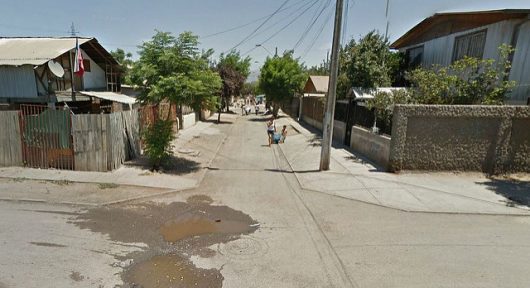
10 Important and Relevant Facts About Poverty in Santiago

poverty in Santiago


Santiago, Chile is a magnetic city that draws many people in because of the city’s alluring cultural life. Chile’s industry is mostly congregated in the Greater Santiago region.

Cultural Importance in Santiago

The industries consist of textiles, shoes, clothes, food products, copper mining and metallurgy have made this region prosperous. As a result, there has been a rise of a growing financial district known for its stock exchange and banking.

Even though Santiago is often viewed as an industrial hub, many in this prosperous city are left with little and struggle to survive. To recognize the needs of Santiago, here are 10 key facts about poverty in Santiago.

10 Key Facts About Poverty in Santiago

  1. Poverty rates are on the rise. Recent studies have shown a rise in the city’s poverty levels. Although Santiago remains below the national poverty rate of 15.2 percent, poverty in Santiago increased by about 1 percent between 2007 and 2010. Poverty levels grew by 1.4 percent, while the gap between the rich and poor dropped by 5.1 percent.
  2. Low-income families receive healthcare. Primary healthcare centers provide an array of services and are an essential part of the healthcare network. Preventative services are incentivized and the populations are divided into sectors to have a regular source of care. However, PHCs do not have sufficient resources.
  3. Water is commodified. Millions of people are left without water and warning for several days. Privatization of water was established in 1981 under General Pinochet. Grievances with the commodification of water has been exacerbated by the growing loom of climate change and the ultimate disappearance of the glaciers.
  4. Health education is lacking. Health education is lacking and many of the city’s poorest residents develop preventable diseases as a result. Addison Williams, an aid volunteer, noted the inadequate health education and stated the resulting conditions present. Preventable diseases that often plague animals are common among the children that play on the street. The CDC reported that Chagas disease is a great risk for those living in “poor-quality housing.” Although no vaccines or drugs can prevent the infection, better housing conditions, bed nets, and residual-action insecticides are effective preventative measures.
  5. Government implemented ‘Operation Site’ to alleviate housing inequalities. The population of Santiago doubled between 1940 and 1960, resulting in a housing crisis. The Ministry of Housing was established in 1965, and soon began to implement ‘Operation Site,’ which offered land to the residents. The system did not have clear guidelines, nor clear initiatives. Some families were given a wooden house, while others were given electricity and running water but no house. Today, the consequences of ‘Operation Site’ remain unclear and debated. Opponents say that the poor were social segregated. However, the results have been largely beneficial for those living in the government-sponsored spots.
  6. The poorest families live in a campomento. A campomento, or shanty town, exists because of abrupt growth in urban areas. In the campomento, poverty in Santiago is evident and the city’s poorest residents have found a home. The communities are often surrounded by trash and homes are constructed from remaining wood and doors that had been disposed of prior. Roofs are fabricated by metal scrapped sheets found within the dumps. There are no floors. Instead the residents of the campomento use rugs to cover the dirt.
  7. Santiago’s rich and poor are divided. The wealthiest part of the city, northeastern Santiago, is a stark contrast to the poorest areas in the south and northwestern parts. Centers of culture are congregated at the center of the city. Shopping malls and new cultural buildings are being placed in already high-income parts of the city. In the south, where poverty in Santiago is evident, important buildings, like high schools, are being underdeveloped. Instead, these regions are known for landfills and jails. Luis Valenzuela, Universidad Católica’s Observatory of Cities executive director, believes that parks could be used as a tool to improve low-income areas.
  8. The average salary is $861. The industrial and financial center of Chile, Santiago generates 45 percent of the country’s GDP. Job prospects have been high, and the economy has seen growth; however, the average salary is just $861.
  9. Average education for Heads of Household is nine years. In some of the most poverty-stricken neighborhoods of Santiago, such as Lo Espejo, only one out of five youths have access to higher education. Moreover, the average family’s head of household has only reached nine years of education. Many students do not place much of an importance on education; instead, many often turn to illegal activities. Andrew Ireland, worked for a semester in Centro Abierto Santa Adriana (CASA). The organization has sought to keep children enrolled in school. CASA has provided a place for community children to stay during the day when they were not at school. The organization has proven successful in offering a safe place to study and for the children to stay out of trouble.
  10. UNESCO Santiago attended an Assessment for Global Learning. A World Bank Symposium compiled an array of experts to develop tools and approaches to monitor learning. UNESCO Santiago was in attendance, a clear indication that change in Santiago’s education is necessary. The symposium dealt with various questions about measuring learning and how governments can utilize these tools.

Aid groups, such as the Chilean Red Cross have implemented tactics to improve healthcare in Santiago. They are trained to respond to epidemic controls, as well as promoting healthcare education and preventing diseases. Among the highest of the International Federation of Red Cross’s goals is fostering community empowerment.

– Stefanie Babb
Photo: Flickr

June 22, 2018
https://borgenproject.org/wp-content/uploads/borgen-project-logo.svg 0 0 Borgen Project https://borgenproject.org/wp-content/uploads/borgen-project-logo.svg Borgen Project2018-06-22 01:30:452024-06-12 07:49:3210 Important and Relevant Facts About Poverty in Santiago
Global Poverty, Water, Women's Empowerment

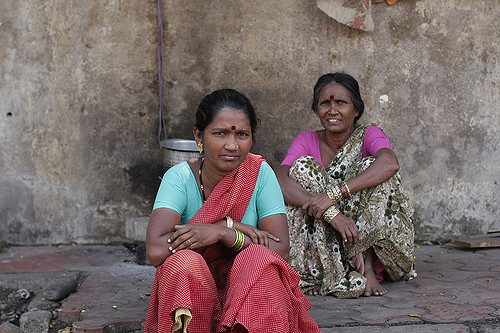
How the Women + Water Alliance Is Saving India’s Garment Industry

Women + Water Alliance
More often than not, consumers find “Made in India” inscribed below the brand label on their clothes. This is a common reminder that India is the fifth largest exporter of apparel to the United States; its garment industry was valued at $3.471 billion in November 2017. But the thriving industry is hindered by a lack of access to clean water and poor sanitation and hygiene. To improve the incomes and health of the employees in the Indian garment industry, which is comprised of 80 percent women, the U.S. Agency for International Development (USAID) and Gap Inc. have launched the Women + Water Alliance.

The Need to Support Women

Like other garment exporting countries, India fails to meet basic standards of health, natural resource management and population control. For instance, India contributes close to one-fifth of the world’s freshwater pollution because of the unregulated dyeing of garments. Women and girls, who spend almost 150 million hours collecting water annually, regularly come in contact with dye chemicals present in the water and are most impacted by pollution.

As a result of the contamination, they do not have access to clean, safe water or facilities for the appropriate disposal of hygiene products. WaterAid, an international charity organization, stated that women and girls spend 97 billion hours annually searching for toilets, risking their safety to do so. Women juggle household work with seeking better water, sanitation and hygiene (WASH), losing out on the opportunity to remain healthy and earn a steady income.

The Women + Water Alliance

On March 22, 2017, World Water Day, USAID and Gap Inc. launched the Women + Water Alliance. It was created in the hopes of increasing awareness about WASH and improving the stature of women disadvantaged by a lack of access to clean water. The alliance works through Gap Inc.’s existing Personal Advancement & Career Enhancement (PACE) program in garment-producing communities. PACE provides women with nearly 80 hours of training on communication and time management skills, designed to increase their efficiency in the industry. It also introduces them to logic and reasoning skills required for decision making and problem-solving, important tools for leadership positions. Adolescent girls are also supported by the program and are equipped with valuable skills needed to build a future for themselves in the garment industry.

Another key aim of the alliance is to support women’s access to WASH services. The approach is gender-sensitive, designed to recognize the different requirements of female sanitary needs. The PACE program also teaches young girls the importance of safe hygiene practices, which is being supported through infrastructural implementation by organizations like CARE and Water.org.

By empowering women through such measures, the Women + Water Alliance is aimed at increasing the number of income earners per household, accelerating their freedom from the poverty trap. When women are educated on the importance of hygiene, they remain healthy for many years. One of the biggest obstacles to breaking out of poverty is when unhealthiness and ailments prevent people from working to earn incomes, and with no income there is no treatment for the condition, leading to an early death without poverty relief. By ensuring better health through increased access to clean water and an understanding of good sanitation practices, this alliance is tackling poverty in a major way.

A Trickle-Down Effect

The Women + Water Alliance treats water as a human right, promoting the message that both men and women should have equal access to it. By reducing the gender inequality in Indian society, women are able to become agents of change and assume positions with more power and decision making. When they are more educated, women will feel like they have an equal position in society, making for an overall healthier community not plagued by feelings of oppression and marginalization. Hence, investing broadly in women’s involvement in the apparel industry can have a local trickle-down effect, where more women aspire to be like the skilled workers in the PACE program and so join the program. This multiplies the intended effect of increased income earners per community.

Clothing is a basic commodity, and supporting the industry behind the brands ensures that more people can rise out of poverty. Tackling access to water is a stepping stone to improving conditions in India and liberating more women, but this would not be possible without American funding.

– Sanjana Subramanian
Photo: Flickr

June 16, 2018
https://borgenproject.org/wp-content/uploads/borgen-project-logo.svg 0 0 Borgen Project https://borgenproject.org/wp-content/uploads/borgen-project-logo.svg Borgen Project2018-06-16 01:30:032019-10-12 11:40:33How the Women + Water Alliance Is Saving India’s Garment Industry
Developing Countries, Global Poverty, Water

Seven Ways to Provide Water for Developing Countries

Water for Developing Countries
What’s the problem with water? It’s scarce, and is deficient for more than 844 million around the world. One in nine people on the globe lack access to water, but the problem isn’t just supply and demand — it’s miseducation and mismanagement.

The old saying goes, “Give a man a fish and he eats for a day. Teach him to fish and he eats for a lifetime.” In economically and socially challenged countries, governments and people lack the knowledge and skill to properly tap into and manage resources like water supply. Water.org and the United Nations are great allies for suffering nations, but education is key. Here are a few ways to help developing nations solve their water problem.

7 Ways to Provide Water for Developing Countries

  1. Rainwater Harvesting: By the year 2020, UNESCO predicts a worldwide water shortage; but for developing countries, this shortage is now. A unique way to teach these nations water salvage and management is through rainwater harvesting. Rainwater harvesting means capturing, diverting and storing non-potable water for later use.In Cameroon, harvesting rainwater saves dozens of lives daily, suppressing cases of cholera caused by unsafe flood waters. Gathering rainwater works in a four-part process — either active or passive. Active harvesting addresses the needs of human life, wildlife and irrigation. Passive is more for green life — landscape and gardening.

    The passive process follows the same process with the exception of treatment and usage, and addresses the survival of plant and soil life. The Active Process, on the other hand, involves the following steps:

    • Collection – Catch rainwater on a surface like a roof and then directing it into a storage container.
    • Storage – Depending on the size of the populace (city/town), this step involves clean barrels, tanks and/or reservoirs to catch as many gallons of water as possible.
    • Treatment – The screening of water for debris and bugs via the use of fine mesh or cloth to help sift waste and rubbish from the water. Boiling the water for a few minutes prior to use kills disease and parasites in the water.
    • Usage – Uses smaller cisterns for distribution, and it’s imperative to use only what one needs.
  2. Recycle Grey Water: Safe drinking water isn’t the only concern. There is a scarcity of water for bathing and sanitation. Recycling is one of more ways to provide water for developing countries. Recycling water helps with water conservation and management. Grey water is leftover gently used water from baths, laundry and cooking, and if kept free from feces, filtered grey water is safe for reuse.
  3. The SODIS Method: Discovered in the 1980s by Lebanese scientists, the SODIS method is an inexpensive way to bring clean water to poor countries. SODIS, also called Solar Water Disinfection, works by sitting a PET bottle filled with clear water in the sunlight for hours. The process reduces viruses, bacteria and diarrheal diseases in the water.
  4. Dew and Fog Harvesting: Dew and fog are alternative sources of freshwater, and harvesting both requires little to no expense. The process is simple: hang harvesting nets vertically to catch fog droplets and make them flow down into a reservoir. The mesh catches debris, keeping the water clean for multiple uses.
  5. Draw Water from the Air: Developing governments can supply water to their nations by harvesting water from humid air.  Atmospheric Water Generators, created by Watergen, generate water from thin air. This method involves dehumidifying clean air through a heat exchange system. The heat cools the air and concentrates water vapor, which then gets stored in an internal tank until it’s ready for use. Atmospheric Water Generators (AWGs) are energy efficient and low-cost.
  6. Desalination: Salt makes up 95.6 percent of the Earth’s water; unfortunately, someone from a developing nation can’t walk down to the seashore and quench their thirst. Desalination offers hope by turning salt water into fresh water. This technology doesn’t shy away from cost, but with help from organizations like Ride4Water, poor countries can produce more fresh water for consumption and sanitation from its saltwater counterpart.
  7. Lifestraw: Lifestraw helps make contaminated water safe to drink and is a method of bringing potable water to undeveloped nations. Introduced in 1994, this unique technology uses a cloth filter to block contaminating diseases, making water secure to drink.

There are numerable ways to provide water for developing countries. These options speak directly to governments seeking solutions to providing water to their nations while enlisting the help of other organizations.

– Naomi C. Kellogg
Photo: Flickr

June 13, 2018
https://borgenproject.org/wp-content/uploads/borgen-project-logo.svg 0 0 Borgen Project https://borgenproject.org/wp-content/uploads/borgen-project-logo.svg Borgen Project2018-06-13 01:30:452024-05-29 22:42:43Seven Ways to Provide Water for Developing Countries
Global Poverty, Water

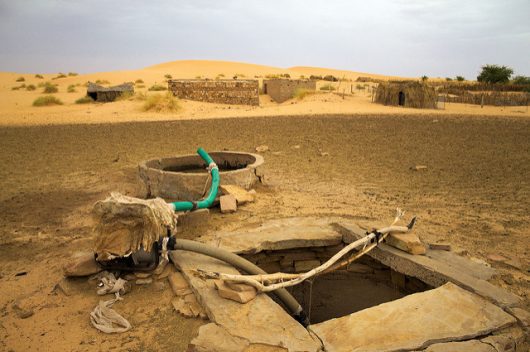
How Wells in Africa Can Ease the Continent’s Water Crisis

wells in Africa
In most developed nations across the globe, water is taken for granted. What is so vital for existence is easily dispensed from numerous faucets in each home.

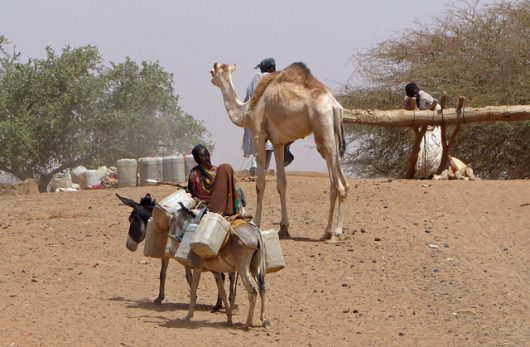
However, in less developed nations, particularly across Africa, water is much more difficult to come by.  Across the continent, the number of people without access to quality water has increased by 66 million since 1990. Many are forced to spend hours per day collecting heavy water from far away sources. Others use contaminated water that is ridden with bacteria and unsafe for consumption. Still others go without.

Wells in small towns and villages provide an effective way to address issues surrounding proper sanitation and access to high quality drinking water.  Here are five reasons that water wells in Africa are the smart choice for progress and investment.

How Water Wells in Africa Can Solve Water Scarcity

  1. Only 16 percent of people living in Sub-Saharan Africa have access to drinking water through a household faucet. This means that 84 percent must find access to water outside of their home.With the climate being so arid and a very small portion of the population living near the largest water sources, many have very limited access to water. The Congo River Basin holds over 30 percent of the water supply for the whole continent but less than 10 percent of the continent’s people.Coupled with the lack of education surrounding water quality, this creates a dangerous situation for consumption of contaminated water. Wells in Africa can provide a convenient and safe source of water for many of its inhabitants.
  2. Disease from water-borne illness is at a high. For example, in Africa, over two million children die from illnesses brought on due to poor water each year.A startling one in eight people drink water that could potentially kill a human being. Another one in three drink water that is deemed unclean, amassing to 330 million people consuming unsafe water. Kids across the continent miss more than 440 million school days due to water-related diseases.Beyond clean drinking water, the World Health Organization estimated that in 2004, only 59 percent of the world’s population had access to adequate sanitation systems. This lack of hygiene surrounding water usage takes up 50 percent of hospital beds across Africa on any given day, creating costs and using precious resources.
  3. The benefits from a well outweigh the cost. While the cost of wells in Africa varies by location, on average the positive impact that a well has on people’s lives outweighs the building cost.As well as helping to improve living conditions, wells also create positive economic responses. It is estimated that $1 invested in clean water and sanitation yields a $9 return. This is due to the economic stimulation that a well can bring about.This increased productivity stems from fewer sick days taken and more kids, particularly girls, staying in school. Additional money is saved from the lack of hospitalization. While the implementation cost of a well can be high, a single well in Africa can meet the basic daily needs of nearly 2,000 people and last for over 20 years.
  4. Wells can help foster gender equality. It is commonplace for young girls to drop out of school due to a lack of proper sanitation facilities and familial expectations to collect water.With water sources sometimes being several hours each way and jugs weighing up to 40 pounds when filled, water collection is a full-time job. If wells are introduced, girls may have increased opportunity to obtain an education, bolstering their standing within society and contributing to their own prospects and economic prospects at large.
  5. Rural areas continue to face huge barriers to quality water access. While quality water and adequate sanitation are ongoing battles for both rural and urban areas, more people are affected by the issue at the rural level. 84 percent of those who do not have access to a clean water source live in rural areas.Aid and funding do not match this demonstrated need, however, as aid for rural areas is declining and aid for urban areas has increased by 60 percent since 2000. Wells provide an excellent solution for rural areas as a single well can function as a water source for an entire village.

The water crisis in Africa is one that is affecting millions of lives daily. The construction of wells in Africa is a potential solution to an issue that must be dealt with in order to reach a more stable and equal global society.

– Jessie Serody
Photo: Flickr

June 3, 2018
https://borgenproject.org/wp-content/uploads/borgen-project-logo.svg 0 0 Borgen Project https://borgenproject.org/wp-content/uploads/borgen-project-logo.svg Borgen Project2018-06-03 16:17:512019-10-19 17:30:18How Wells in Africa Can Ease the Continent’s Water Crisis
Global Poverty, Water

Global Partners Provides Clean Water in Tajikistan

Clean Water in Tajikistan
In an effort to address one of Tajikistan’s greatest needs, a team of engineers in partnership with the humanitarian organization Global Partners is working to provide clean water in Tajikistan. The rural areas in which the team focuses its efforts are among the poorest in the country and are unable to start large projects on their own. The Global Partners team provides communities with the funds, structure and knowledge to improve their standard of living.

Tajikistan’s Long Road to Poverty Reduction

Tajikistan has maintained its third-world status due to many hardships in the country’s past. For 70 years Tajikistan was occupied by the Soviet Union, only finding independence in 1991 when the Soviet Union dissolved.

However, civil war soon broke out as communists and democratic forces fought for control over the new government. By the time a ceasefire was declared in 1994, thousands had died and more than 250,000 people had been displaced. Fighting continued intermittently throughout the country until June 1997, when a peace agreement organized by the United Nations officially ended the conflict, beginning the first period since the country’s independence without strife.

As the country has attempted to recover from this devastating war, a new constitution has established legislative, executive and judicial branches of government and endeavored to spur new development. Fortunately, much-needed growth has come, as Tajikistan has seen swift drops in poverty, with rates falling from 83 percent to 47 percent between 2000 and 2009 and then again from 37 percent to 31 percent between 2012 and 2016.

However, many areas continue to face problems despite the decline in monetary poverty. Clean water, electricity and modern medicine are all luxuries in most parts of Tajikistan as infrastructure is continually weak and ineffective.

Clean Water in Tajikistan Communities Key to Their Development

Attempting to build successful communities and advance the capabilities of local workforces, Global Partners has been an effective force for humanitarian relief in more than 20 countries, now focusing its efforts in Afghanistan, China and Tajikistan. Recognizing the need rural people have for clean water in Tajikistan, Global Partners established a team of engineers that began working in the country three years ago.

The team works to provide reliable sources of clean water in Tajikistan by finding nearby groundwater springs and laying pipework to the community. Additionally, the volunteers provide the village’s men with jobs, working alongside them and training them on how to maintain and repair the water system.

While the group is headquartered in Dushanbe, the capital of Tajikistan, most of their work is conducted in mountain villages around the city, where poverty has a greater hold on the people. For the past three years, the team has worked in seven villages, having supplied clean water to four, and beginning work in two more this summer.

Matthew Biggs, an engineer who has been working with the Global Partners team since November 2017, told The Borgen Project, “We’ve seen the effects of receiving access to clean water several times; even the prospect of renewable clean water is enough to revitalize a village. Giving such a basic need to these people has permanently changed their lives for the better and given a foothold for them to continue to reach higher standards of living.”

The work Global Partners is doing to provide clean water in Tajikistan continually addresses the most prevalent needs of the people.

– Sarah Dean
Photo: Pixabay

June 3, 2018
https://borgenproject.org/wp-content/uploads/borgen-project-logo.svg 0 0 Borgen Project https://borgenproject.org/wp-content/uploads/borgen-project-logo.svg Borgen Project2018-06-03 01:30:052019-10-19 17:33:42Global Partners Provides Clean Water in Tajikistan
Developing Countries, Sanitation, Water

WASH United: Working to Achieve Clean Water, Sanitation and Hygiene 

water, sanitation and hygiene
Undernutrition is a major cause of disease and death that affects millions of people worldwide. A direct cause of undernutrition is disease indirectly related to factors such as contaminated drinking water and poor sanitation and hygiene. WASH United aims to fulfill the basic human right to clean drinking water and sanitation as recognized by the United Nations General Assembly in 2010.

Water, Sanitation and Hygiene the Building Blocks of Global Health

Since 2010, the United Nations International Children’s Emergency Fund (UNICEF) has been working to improve water, sanitation and hygiene services and practices in more than 100 countries worldwide. Last year, nearly 14 million people were provided with access to clean water and more than 11 million with basic toilets.

WASH is the unified term for water, sanitation and hygiene. Although each is a separate issue, success in one category is dependent on the other. For example, without clean water, basic hygiene is not possible; without toilets, sources of water become polluted. By focusing efforts on these dependent factors, WASH United hopes to increase the awareness of and access to clean drinking water, sanitation and hygiene.

Water

Each year 800,000 children are killed by diarrhea caused by dirty water, poor sanitation and lack of hygiene skills. This is more than the number of children killed by AIDS, malaria and measles combined. UNICEF reports that the risk of diarrhea can be reduced by almost 50 percent by washing hands with soap before eating and after using the toilet. WASH United works to make hand washing a habit for everyone through interactive games and positive messaging.

Sanitation

Worldwide, 2.4 billion people lack access to a hygienic toilet while 946 million have no access to a toilet of any kind. Instead, they use open places in and around their communities such as railroad tracks and ditches. Even with access, there are tens of thousands of toilets in South Asia and sub-Saharan Africa that are abandoned and unused. WASH United strives to change attitudes through innovative tools around sanitation and create a demand for toilets. 

Hygiene

A 2013 UNICEF study reported that one out of three girls in South Asia knew nothing about menstruation before starting their period, while 48 percent of girls in Iran and 10 percent of girls in India believed that menstruation is a disease. WASH United aims to educate women about important components of hygiene during menstruation and work closely with communities to motivate positive practices. 

To date, WASH United has reached 500 million people through campaigns and media work and has trained 200,000 children in good WASH behavior. However, there is still work to do. WASH United aims to achieve water, sanitation and hygiene for all people by 2030, and aspires to reach the World Health Assembly global nutrition targets by 2025. These targets include: 

  • A 40 percent reduction in the number of children under five years of age who are stunted
  • A 50 percent reduction of anemia in women of reproductive age
  • A 30 percent reduction of low birth weight
  • Increase the rate of exclusive breastfeeding in the first 6 months up to at least 50 percent
  • Reduce and maintain childhood wasting to less than 5 percent

Although there is still much to achieve, WASH United has already impacted the lives of millions. To date, it has reached 500 million people through campaigns and media work and has trained 200,000 children in good water, sanitation and hygiene behavior.

– Anne-Marie Maher
Photo: Flickr

May 20, 2018
https://borgenproject.org/wp-content/uploads/borgen-project-logo.svg 0 0 Borgen Project https://borgenproject.org/wp-content/uploads/borgen-project-logo.svg Borgen Project2018-05-20 07:30:502024-05-29 22:42:27WASH United: Working to Achieve Clean Water, Sanitation and Hygiene 
Nonprofit Organizations and NGOs, Water, Water Quality, Women and Female Empowerment

The Water Project: How Poor Water Quality Impacts Kenyan Girls

The Water Project
The average American family uses roughly 552 gallons of water each day, while the average African family uses about five gallons of water per day. Girls in the sub-Saharan country of Kenya are robbed of their right to receive an education due to water scarcity.

Education Delayed Due to Water Scarcity

The literacy rate of females over the age of 15 in Kenya was 74 percent in 2016. The Education Policy and Data Center reported that 88 percent of children between the ages of six and 13 attend primary school; however, the report notes that many of the children attending primary school are outside of the official age range, meaning they are not attending school often enough to stay on schedule with the curriculum.

Instead of attending school, many girls spend their time carrying a 40-pound water can full of dirty water from sources miles away from their homes. This exhausting task leaves many girls unable to receive a formal education. Even if a girl is not burdened by the responsibility of journeying for hours to fetch water for her family, if schools cannot provide water, they are unable to run their programs.

How Does The Water Project Make a Difference?

The Borgen Project spoke with Lisa Sullivan, the director of marketing and communications at The Water Project, who provided insight into just how monumental of a difference it makes when clean water is readily accessible to girls.

The Water Project is a nonprofit organization located in Concord, New Hampshire that provides reliable water projects to communities in sub-Saharan Africa. In western Kenya, The Water Project sponsors a community-led organization that is represented by a powerful, strong Kenyan woman named Catherine Chepkemoi. This woman works for empowerment in Kenya, specifically for younger girls, by teaching them about hygiene and water sanitation.

Sullivan stated, “These women are essentially cultivating future women leaders. When they are not gathering water, they are able to stay in class and compete with the boys.”

The organization spends time in western Kenya, addressing water quality by installing rain tanks at schools and protecting springs. Eastern Kenya is constantly in a drought; the region once had four rainy seasons a year, but is now down to one. With such limited rainfall, the organization provides water for people to use for bathing and sanitation.

Improvements in Water and Education Have Wide-Ranging Effects

The Water Project website reports that “for every 10 percent increase in women’s literacy, a country’s whole economy can grow by up to 0.3 percent.” Women can increase economic growth because they tend to invest in their own communities. Women will invest in their children’s education because they aspire to send them to schools and college.

Sullivan points out that “once you bring in water, now not only are they eating healthy, they are not spending their money on medical bills, which allows them to save their money and place it back into their communities.”

If a community in Kenya invests in an irrigation pump, it will allow them to sell more goods, generate more income and expand the opportunity for families to send their children to college–all because of access to clean water.

The Water Project is supporting an agent of change for Kenyan women and girls. It continues to reinforce female empowerment and furnish clean water. Kenyan girls now have a better chance to gain an education and participate in the development of their country.

– Angelina Gillispie

Photo: Flickr

May 19, 2018
https://borgenproject.org/wp-content/uploads/borgen-project-logo.svg 0 0 Borgen Project https://borgenproject.org/wp-content/uploads/borgen-project-logo.svg Borgen Project2018-05-19 01:30:242019-11-28 14:50:28The Water Project: How Poor Water Quality Impacts Kenyan Girls
Page 27 of 57«‹2526272829›»

Get Smarter

  • Global Poverty 101
  • Global Poverty… The Good News
  • Global Poverty & U.S. Jobs
  • Global Poverty and National Security
  • Innovative Solutions to Poverty
  • Global Poverty & Aid FAQ’s
Search Search

Take Action

  • Call Congress
  • Email Congress
  • Donate
  • 30 Ways to Help
  • Volunteer Ops
  • Internships
  • Courses & Certificates
  • The Podcast
Borgen Project

“The Borgen Project is an incredible nonprofit organization that is addressing poverty and hunger and working towards ending them.”

-The Huffington Post

Inside The Borgen Project

  • Contact
  • About
  • Financials
  • President
  • Board of Directors
  • Board of Advisors

International Links

  • UK Email Parliament
  • UK Donate
  • Canada Email Parliament

Get Smarter

  • Global Poverty 101
  • Global Poverty… The Good News
  • Global Poverty & U.S. Jobs
  • Global Poverty and National Security
  • Innovative Solutions to Poverty
  • Global Poverty & Aid FAQ’s

Ways to Help

  • Call Congress
  • Email Congress
  • Donate
  • 30 Ways to Help
  • Volunteer Ops
  • Internships
  • Courses & Certificates
  • The Podcast
Scroll to top Scroll to top Scroll to top