• Link to X
  • Link to Facebook
  • Link to Instagram
  • Link to TikTok
  • Link to Youtube
  • About
    • About Us
      • President
      • Board of Directors
      • Board of Advisors
      • Financials
      • Our Methodology
      • Success Tracker
      • Contact
  • Act Now
    • 30 Ways to Help
      • Email Congress
      • Call Congress
      • Volunteer
      • Courses & Certificates
      • Be a Donor
    • Internships
      • In-Office Internships
      • Remote Internships
    • Legislation
      • Politics 101
  • The Blog
  • The Podcast
  • Magazine
  • Donate
  • Click to open the search input field Click to open the search input field Search
  • Menu Menu

Archive for category: USAID

Topics covering about USAID

Children, Global Poverty, USAID

Breastfeeding to Combat Malnutrition in Ghana

Malnutrition in GhanaMalnutrition in Ghana has cost its economy $2.6 billion annually or 6.4% of gross domestic product (GDP) due to increased health care costs, additional burdens on the educational system and lower productivity by its workforce, according to a new United Nations report.

In the Northern Region, malnutrition is much more prevalent with 20 percent of children under five being underweight. As a result, there is a high stunting rate of 32.4 percent. The region is also plagued by high rate of micronutrient deficiencies such as anemia and vitamin A deficiency.

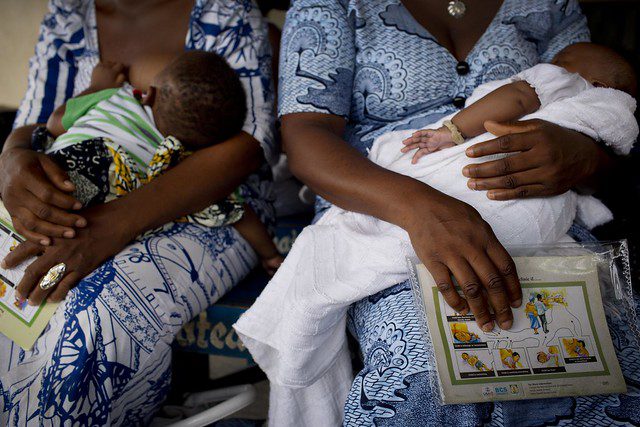
The USAID Resiliency in Northern Ghana (RING), a collaborative project dedicated to sustainably reducing poverty and improving livelihoods and nutritional status of vulnerable populations, called for exclusive breastfeeding to combat malnutrition in Ghana.

“Mothers should stick to [exclusive] breastfeeding for the first six months after which they can introduce the sour foods to children,” nutrition officer of the USAID-RING Project, Kristen Kappos underscored.

Kappos also implored health workers, volunteers and farmers to continue raising people’s awareness on breastfeeding within their operational zones.

As far back as 1991, Ghana adopted the Baby-Friendly Hospital Initiative (BFHI) to promote and support the practice of exclusive breastfeeding. However, exclusive breastfeeding rate has remained unchanged for two decades at 64.7%, far lower than the World Health Organization would prefer.

According to a recent study, knowledge gaps in key nutritional areas, especially infant and young child feeding, are the main reason leading to a low rate of exclusive breastfeeding in Ghana.

About 26% of the mothers studied were unable to define exclusive breastfeeding and 22% of them said breastmilk only was not sufficient to meet the nutritional needs of the child. They believed that the child may not be satisfied and could die if fed with only breastmilk for six months. Nearly 90% of the mothers did not know that breast milk could be expressed, stored safely and given to the child when the mothers were absent.

In addition, cultural factors also create challenges for mothers to breastfeed. The majority of the mothers showed a lack of confidence in expressing and storing breastmilk, a taboo in the local context.

Interventions must be designed to increase women’s confidence and dispel their misconceptions regarding breast milk, USAID-RING Project urged. Meanwhile, Hajia Ayishetu Bukari, Central Gonja district director of Ghana Health Service, also emphasized the need for employers to create and maintain conducive workplaces for exclusive breastfeeding practices.

– Yvie Yao
Photo: Flickr

November 1, 2016
https://borgenproject.org/wp-content/uploads/borgen-project-logo.svg 0 0 Borgen Project https://borgenproject.org/wp-content/uploads/borgen-project-logo.svg Borgen Project2016-11-01 01:30:572024-06-04 01:17:44Breastfeeding to Combat Malnutrition in Ghana
Global Health, Global Poverty, USAID

What is the Global Health Innovation Act?

What is the Global Health Innovation Act?
On Dec. 18, 2015, the Global Health Innovation Act (H.R. 2241) was passed with bipartisan support in the U.S. House of Representatives. The bill is projected to advance U.S. leadership in global health innovation.

Introduced by Representative Albio Sires, D-NJ, the Global Health Innovation Act aims to strengthen global health research and development programming at the U.S. Agency for International Development (USAID) by requiring the agency to submit an annual report to Congress on the development and use of new health technologies in the agency’s programs, projects and activities.

“I am proud to support this legislation, which will help effectively address health needs around the world. As USAID continues to expand its research and development of these technologies, it is important that Congress continue to play its important role of oversight in ensuring the Agency’s investments make clear progress towards its stated goals,” said Sires.

Global health has experienced great progress over the last 50 years. Child mortality rates around the world have declined by 70 percent. In the last two decades alone, 50 million children were saved and people are living 21 years longer on average.

Yet nearly 9 million people are still dying every year from infectious diseases and other health challenges. Current technology alone is inadequate in combating systemic and emerging global health threats. New vaccines, drugs, diagnostics and other health technologies are critical in advancing global health.

The Global Health Innovation Act shines a light on and supports health innovations that are affordable, culturally appropriate, accessible and functional in settings that may have unreliable electricity, lack access to clean water and refrigeration and under-resourced health infrastructures.

The bill is currently in the Senate Committee on Foreign Relations.

The Borgen Project is working to build support for this bill and encourages everyone to e-mail their Senators and voice their support for global health innovations.

– Rodalyn Guinto

Photo: Flickr

October 24, 2016
https://borgenproject.org/wp-content/uploads/borgen-project-logo.svg 0 0 Borgen Project https://borgenproject.org/wp-content/uploads/borgen-project-logo.svg Borgen Project2016-10-24 12:09:242024-06-05 04:10:54What is the Global Health Innovation Act?
Education, Global Poverty, USAID

How USAID is Improving Access to Education in Niger

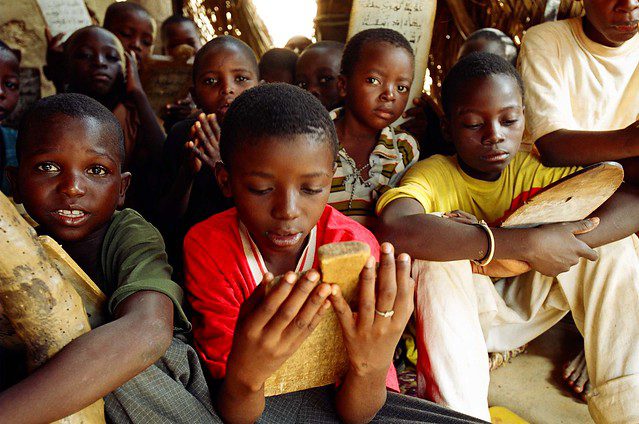
Education in NigerWith a stable democracy and no civil war, it would seem that Niger is ripe for progress compared to many other African nations. Yet Niger struggles with extreme poverty and ranks last on the U.N.’s Education Development Index. In 2003, the government instated a 10-year plan for education reform, but little progress in both quality of and access to education in Niger was made.

Niger’s history as an independent republic is very brief and rather bleak. According to the BBC, after gaining independence from France in 1960, Niger faced political instability, drought and widespread poverty. Slavery was only just outlawed in 2003 but remains a problem to this day.

Fortunately, in a peaceful 2010 election, Mahamadou Issoufou became president of Niger and since then the nation has been relatively stable politically. However, the nation remains one of the “poorest peaceful [countries] in the world.”

Limited access to education in Niger is a significant contributor to widespread and ongoing poverty in the nation. According to the U.N., average expected years of schooling in Niger is 5.4, compared to 16.9 in the U.S.

Niger’s adult literacy rate is a staggering 15.5% and only 5.2% of the population have at least some secondary education. These figures, among others, cause Niger’s education system to rank 187/187 nations ranked in the 2013 U.N. Human Development Report.

2013 also marked the 10 year anniversary of the plan for education reform; in the same year, USAID became involved in the effort to increase access to education in Niger.

A 2007 evaluation of the PDDE (from the French “Programme Décennal pour le Développement de l’Éducation”), revealed that Niger’s education system had improved quantitatively, but not qualitatively. That is to say, access to education improved — access to primary education increased nationally from 51% to 65% – but quality remained sub-par.

USAID aims to increase access to quality education in Niger. Higher quality education in Niger would mean a safer and more welcoming environment for female students, which currently have a 44 percent enrollment rate after sixth grade, increased parental involvement, and strengthened community links to education.

According to their website, the objectives of USAID are “to increase access to quality education in schools through an improved physical and social environment; and to increase early grade reading achievement by promoting a culture of reading.”

USAID calls their program “Niger Education and Community Strengthening.” By addressing the low education rates through the lens of community, USAID will have a sense of the cultural aspects that contribute to Niger’s struggling education system.

Working with the community as well as the Millennium Challenge Corporation will fortify USAID efforts to decrease the 18% gender gap in education and increase the 5.2% education rate.

– Sabrina Yates

Photo: Flickr

August 18, 2016
https://borgenproject.org/wp-content/uploads/borgen-project-logo.svg 0 0 Borgen Project https://borgenproject.org/wp-content/uploads/borgen-project-logo.svg Borgen Project2016-08-18 01:30:562024-12-13 17:54:49How USAID is Improving Access to Education in Niger
Global Poverty, USAID

USAID Works to Improve Poor Water Quality in Indonesia

Poor water quality in Indonesia

Climate change, poor urban infrastructure and pollution resulting from rapid urban development and environmental destruction have led to poor water quality in Indonesia.

Although Indonesia enjoys 21 percent of the total freshwater available in the Asia-Pacific region, nearly one out of two Indonesians lack access to safe water, and more than 70 percent of the population rely on potentially contaminated sources.

Poor water quality in Indonesia is directly related to a life of poverty, as poor individuals are unable to afford clean drinking solutions.

To combat poverty and improve the lives of individuals, USAID has partnered with local governments and civil society organizations to weaken the agents of poor water quality in Indonesia by strengthening biodiversity and climate change resilience.

Climate Change

Climate change threatens to disrupt seasonal variations and thus water quality in Indonesia. The dry season may become more arid which would drive water demand, and the rainy season may condense higher precipitation levels into shorter periods, increasing the possibility of heavy flooding while decreasing the ability to capture and store water.

Increased flood conditions and rainfall facilitate the spread of disease in areas where the population lacks access to clean water and sanitation.

USAID works with the Indonesian government to help the most vulnerable areas of Indonesia become more resilient to climate change effects. The agency builds local government and civil society organizational capacity to understand the effects of climate change and to implement climate change solutions in agriculture, water and natural resources management.

More than 13,000 people have been trained in climate change adaptation strategies and disaster risk reduction. As a result, USAID has worked with more than 360 communities to develop action plans addressing the impacts of climate change, which in effect improves the poor water quality in Indonesia.

Environmental Destruction

Environmental destruction associated with unmanaged development and deforestation has left many parts of Indonesia extremely vulnerable to landslides, tsunamis and floods.

An environmental disaster furthers the cycle of poverty in Indonesia as individuals are left with even fewer resources than before. The country has lost around 72 percent of its forest cover over the last 50 years.

Large barren hillside areas and the underlying soils, both subject to heavy precipitation, greatly increase the likelihood and severity of floods. When flooding does occur, urban infrastructure is quickly overwhelmed which leads to sewage spillover and further contamination.

To combat environmental destruction and improve water quality in Indonesia, USAID works to conserve and strengthen biodiversity in Indonesia. The agency does so by building capacity in national and local government bodies and associated civil society actors, and by entering partnerships, to promote and strengthen sustainable land-use practices and management in four provinces.

Projects developed by USAID focus on conserving large swaths of lowland and peat forest with high concentrations of biodiversity.

Pollution

Indonesia has become a pollution hotspot due to its economic development and rapid urbanization. Waste from commercial and industrial processes is increasingly making its way into both groundwater and surface supplies affecting water quality in Indonesia. Moreover, Indonesia’s urban slums particularly lack wastewater treatment to combat the growing pollution.

The basic sanitation infrastructure necessary to prevent human excrement from contaminating water supplies is virtually nonexistent. Households simply dispose their domestic waste directly to a river body.

Since many Indonesians are poor and have no access to piped water, they use river water for drinking, bathing and washing. Around 53 percent of the population obtains water from sources contaminated by raw sewage, which greatly increases human susceptibility to water-related diseases.

To improve the poor water quality in Indonesia by combating the effects of pollution, USAID has facilitated access to clean water for more than 2 million people and basic sanitation to more than 200,000 people.

These actions have built one more step for individuals in Indonesia to walk out of poverty, as their low income does not inhibit them from enjoying clean drinking water.

– Alexis Pierce

Photo: Pixabay

August 8, 2016
https://borgenproject.org/wp-content/uploads/borgen-project-logo.svg 0 0 Borgen Project https://borgenproject.org/wp-content/uploads/borgen-project-logo.svg Borgen Project2016-08-08 01:30:212024-12-13 17:54:52USAID Works to Improve Poor Water Quality in Indonesia
Global Poverty, USAID

USAID to Assist in Zimbabwean Drought Crisis

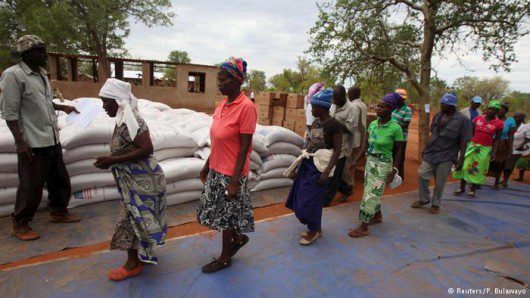
USAID FundsIn the southern African country of Zimbabwe, according to Deutsche Welle, the number of individuals requiring emergency food aid has increased from three to four million, as the nation is caught in a severe drought, induced by one of the most forceful El Niño weather patterns of the last 50 years. In response to the crisis, according to the United Nations World Food Program (WFP), the U.S. government has contributed an additional $10 million adding to the $25 million contributed to drought relief since June 2015 via the U.S. Agency for International Development (USAID).

This extra emergency food aid will secure adequate supplies for 600,000 rural Zimbabweans who are experiencing their second straight year of drought due to the devastation generated by El Niño. $5 million of the donation, which was officially handed over to the WFP by U.S. Ambassador to Zimbabwe, Harry K. Thomas Jr., will be used to provide emergency food supplies and cash allocations for the most at risk Zimbabweans.

The supplementary funds from USAID will allow the WFP to reach more emergency food aid to Zimbabwe’s most at-risk individuals. The WFP noted that in addition to revitalizing existing operations in eight districts already receiving assistance (Zvishavane, Mudzi, Hwange, Binga, Chiredzi, Mwenezi, Kariba and Mbire) it will add three more districts: Chipinge, Mangwe and Uzuma Maramba Plungwe, to reach those most in need of emergency food aid. “With this funding, we will continue to pursue our goal to reach zero hunger in Zimbabwe by investing in resilience-building activities while meeting the immediate needs of the most vulnerable people during this difficult time,” said WFP Zimbabwe County Director Eddie Rowe.

The additional $5 million USAID funds will be used by the WFP to resume its Productive Asset Creation program. This will, said the WFP, allocate monthly food rations or cash transfers to the most disadvantaged Zimbabweans in exchange for labor on community possessions such as irrigation schemes, dip tanks and dams. The assistance will improve rural infrastructure and at the same time improve economic conditions for those rural populations.

In response to the emergency food aid crisis, the WFP also plans to extend its relief program for those who have been hardest hit by food insecurity in Zimbabwe.

The calamitous weather conditions in the country have been a major cause of the extensive crop failure and livestock deaths across the country. The WFP reports that Zimbabwe’s 2014/15 agricultural season recorded a 51 percent decline in maize production compared with the 2013/14 season due to drought, which was exceptionally severe in the south of the country.

These exceptional circumstances have thus propelled the WFP to adjust their relief program and extend it, due to the extreme and ominous impact of El Niño. WFP’s seasonal relief, intended to help individuals through difficult pre-harvest months, typically is in operation from October to March. This year, for the first time, food and cash assistance will continue throughout 2016 and into 2017.

– Heidi Grossman

April 17, 2016
https://borgenproject.org/wp-content/uploads/borgen-project-logo.svg 0 0 Borgen Project https://borgenproject.org/wp-content/uploads/borgen-project-logo.svg Borgen Project2016-04-17 01:30:312024-12-13 17:54:16USAID to Assist in Zimbabwean Drought Crisis
Aid, Food & Hunger, Food Aid, Global Poverty, USAID

Hope on the Horizon: Increase in Food Assistance for Iraq

Food Assistance in IraqAn increase in food assistance for Iraq will become a reality thanks to the U.S. Agency for International Development (USAID). The U.N. World Food Program (WFP) in Iraq will receive an additional $20 million in emergency food assistance per an announcement from Stuart E. Jones, U.S. Ambassador to Iraq, made on Feb. 29, 2016, according to USAID.
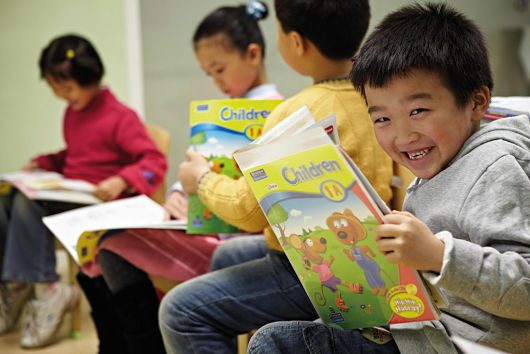
With this new support, provided through USAID’s Office of Food for Peace (FFP), the U.S. government has contributed nearly $623.8 million to support humanitarian activities in Iraq since the 2014 fiscal year, according to USAID’s Iraq-Complex Emergency Fact Sheet.

The new funding will support the distribution of household food parcels, including beans, dry peas, flour, oil and rice — and immediate response rations for vulnerable populations comprising ready-to-eat food items, such as beans, biscuits, canned meat, canned peas and dates according to USAID’s Iraq-Complex Emergency Fact Sheet.

USAID is helping the WFP reach 1.5 million displaced and conflict-affected Iraqis throughout the country according to USAID’s Feb. 29, 2016 press release.

This significant boost in aid has the potential to help Iraqis who were adversely impacted by cuts to the WFP last year. In August 2015, the WFP was forced to cut back food assistance due to a funding shortfall, according to the U.N.

“Unfortunately, lack of funds and the rise in the number of displaced Iraqis forces us to reduce the size of the food rations we provide to tens of thousands of families living outside camps,” said Jane Pearce, WFP representative and country director in Iraq, in an August 2015 press release.

This recent increase in food assistance for Iraq comes at a crucial time. The food and medicine shortage in Iraq resulted in the death of approximately 20 children and older persons in recent weeks according to a report by the International Organization for Migration (IOM).

Between December 2015 and January 2016, the price of some food commodities in Fallujah increased by more than 800 percent, according to the WFP; as of late February, a 110-pound bag of rice cost $400 and a 110-pound sack of wheat flour was priced at $550, reported the IOM.

There is hope that this increase in food assistance for Iraq is a sign of more good to come for internally displaced persons living in the country.

– Summer Jackson

Sources: UN, USAID 1, USAID 2
Photo: Wikipedia

March 23, 2016
https://borgenproject.org/wp-content/uploads/borgen-project-logo.svg 0 0 Borgen Project https://borgenproject.org/wp-content/uploads/borgen-project-logo.svg Borgen Project2016-03-23 01:29:532024-06-11 02:48:18Hope on the Horizon: Increase in Food Assistance for Iraq
Education, Global Poverty, USAID

Five IGO Plans For Global Educational Improvement In 2016

Five-IGO-Plans-For-Global-Educational-Improvement-In-20162015 was an active and often successful year for global education in terms of aid and education programs. UNESCO and USAID have several programs that will continue to be enforced into 2016. The following list of International Governmental Organization, or IGO plans provide various global education agreements.
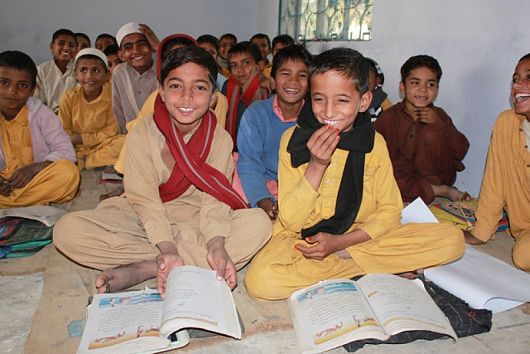

1. UNESCO’s International Institute for Educational Planning

This program is designed for communicating the importance of a quality primary and secondary education. The site includes education reports on several countries, suggestions for improving learning outcomes such as a “contextualized [education] to each regions specific realities,” and financial strategies for covering program costs.

The learning portal has been accessible since January 2016, from anywhere and at no cost to individuals.

2. The Joint Programme

This program,continuing enforcement in 2016, consists of educational focus in Mali, Nepal, Niger, Pakistan, Sudan and Tanzania. The program lists its four main components:

  • Improving the quality of education in the regions
  • Increasing relations between health and education sects
  • Creating an enabling environment
  • Advancing the data and evidence-base

The program is unique in that it seeks to eliminate the social problems young girls deal with beginning in puberty. It seeks to educate girls about the risks of pregnancy, and their rights to refrain from young and enforced marriages.

3. UNESCO And Panasonic

UNESCO has entered a public-private relationship with Panasonic, launching the program Strengthening Schools for Education for Sustainable Development in Myanmar. The program seeks to teach young children to read while promoting sustainable and effective global citizen lifestyles.

It will also advocate the principles of protecting the environment, ethical and civil principles and sustainable development.

Additionally, Panasonic has donated 500 Eneloop Solar Storage Units to 40 schools for an effective learning environment. The Chief Representative of Panasonic expresses their hopes the donation will be useful to students studying late at night and during power outings.

4. USAID in Jordan

Through USAID, the U.S. Government plans to build 25 new schools in Jordan in collaboration with the Let Girls Learn Initiative. With overcrowded classrooms the norm in urban Jordan, the plan is to construct more schools. The initiative will be available to 25,000 children each year.

The funds will be directed towards 70 percent of girls’ schools, also available to the thousands of Syrian refugees finding safe haven in Jordanian schools. The initiative will be particularly advantageous for girls in Jordan who are known to have limited access to education.

5. USAID’s Enrichment Initiative To Increase Literacy At The Primary School Level

This initiative is planned to continue into March 2016 in Jamaica. The program has successfully shown improvements in literacy in 2015. This has been accomplished through integrating technology into lessons and advocating for parental and teacher participation. To date, the program has reached 43,000 students and hopes to reach thousands more in 2016.

UNESCO claims that worldwide 250,000 children are not learning the basic skills needed to successfully participate in society and receive a decent livelihood. Furthermore, the organization explains that it isn’t enough to increase student enrollment alone, but also the quality of the education they’re receiving.

– Mayra Vega

Sources: UNESCO 1, USAID 1, UNESCO 2, UNESCO 3
Photo: Google Images

February 10, 2016
https://borgenproject.org/wp-content/uploads/borgen-project-logo.svg 0 0 Borgen Project https://borgenproject.org/wp-content/uploads/borgen-project-logo.svg Borgen Project2016-02-10 01:30:082024-12-13 18:05:38Five IGO Plans For Global Educational Improvement In 2016
Education, Global Poverty, USAID

Improving Education in Pakistan’s Sindh Province

sindh province

The United States Agency for International Development (USAID) recently pledged more than $100 million towards improving education in Pakistan‘s Sindh Province. The funds will go towards the Sindh Reading Program (SRP) which will work to improve reading and mathematics in primary school.

The Sindh Reading Program is a five-year initiative that works under the umbrella of the Sindh Basic Education Project (SBEP). The SRP aims to address critical issues that are affecting reading and mathematics scores in primary school. It will do this through continuous teacher development, improving student assessment, providing supplementary materials and promoting family involvement.

A crucial component of the SRP is its focus on improving teacher performance. The program will provide 25,000 teachers with professional development opportunities in order to improve their instructional competencies in reading and mathematics.

New lesson plans will also be provided to the teachers to increase student engagement. The format of the teachers’ lesson plans will become activity-based, which will result in a positive student-teacher relationship.

USAID’s program manager for Sindh Basic Education, Dr. Randy Hatfield, added to this sentiment when he said, “USAID is striving for quality assurance of teaching and learning practices in schools by creating avenues that empower teachers in the classroom.”

So far, the USAID-funded program has distributed more than 120,000 teaching and reading resources in almost 1,500 schools in the Sindh province. This is in an effort to reach the SRP’s goal of reaching 750,000 students through improved teaching, learning and assessment testing in grades K-5.

The program also hopes to enroll 100,000 out-of-school children, of which there are more than four million in Sindh province. The goal is for these children to reenter school, and have a greater likelihood of escaping poverty. The program also aims to enroll the parents of these children in literacy programs.

The SRP works under USAID’s Sindh Basic Education Project. The SBEP is similar to the SRP in its goals but differs in scope. Instead of focusing only on improving reading and mathematics, SBEP aims to improve Sindh’s education as a whole.

SBEP’s main objective is to increase student enrollment. It achieves this by creating school environments that are conducive to learning and renovating or constructing schools that were harmed by the 2010 floods.

USAID’s SBEP also has a goal of increasing girls’ enrollment and improving the nutrition of the students.

To date, the USAID-funded SBEP has achieved the construction of 26 new schools, the financing of seven schools, 1000 new girls enrolled in primary classes and a survey of student nutrition. Dr. Hatfield praised the program’s success when he said “We welcome and appreciate these strategic interventions by US Government, which are facilitating fulfillment…for children between the ages of five and 16 in Pakistan.”

Through its Sindh Reading Program, the Sindh Basic Education Project hopes to lower the 10 percent illiteracy rate in its province. Considering the statistically proven relationship between poverty and illiteracy, SBEP hopes to increase literacy to lower poverty.

– Andrew Wildes

Sources: Chemonics, Daily Times, Language and Literacy for All, Sbep, USAID
Picture: Google Images

January 19, 2016
https://borgenproject.org/wp-content/uploads/borgen-project-logo.svg 0 0 Borgen Project https://borgenproject.org/wp-content/uploads/borgen-project-logo.svg Borgen Project2016-01-19 01:30:172024-12-13 17:54:10Improving Education in Pakistan’s Sindh Province
Food & Hunger, Food Security, USAID

USAID Ramping up Fight Against Food Insecurity in Ethiopia

food_insecurity_in_Ethiopia
Over the next five months, the El Niño weather system is expected to continue dropping torrential rains in East Africa and causing severe droughts in Ethiopia, which is facing conditions not seen in three decades.

According to the USAID, the number of people facing food insecurity in Ethiopia will likely increase from 2.9 million to over 8 million by the beginning of 2016. But officials say they are ready and confident that systems are in place to mitigate the worst effects of this annual meteorological phenomenon.

“Improved early warning, the establishment of the Productive Safety Net Program (PSNP), as well as serious engagement from the government of Ethiopia means that we are not likely to see the kind of famine conditions witnessed in Ethiopia in earlier decades,” said USAID Director of Food for Peace, Dina Esposito.

Her remarks accompanied the announcement that USAID will commit an additional $97 million to bolster PSNP for at-risk communities in the region.

The Productive Safety Net Program was launched in 2005 by the government of Ethiopia with support from the World Food Programme (WFP) to provide immediate relief from low crop yield and create agricultural sustainability moving forward.

PSNP provides regular food and income transfers to food insecure households over six-month periods during dry seasons, and it obligates aid recipients to participate in training programs on sustainable farming, land rehabilitation and water management.Food_Insecurity_in_Ethiopia

Katana Kusiya, a participant of PSNP in 2009, said that the aid was enough to feed her family of 11 for one month. In exchange, she received training on building wells and capturing rainwater efficiently. This training will hopefully result in communities like Katana’s relying less on sustenance farming and moving toward productive farming.

By investing in the safety net, development partners are hopeful that rural communities will develop an ability to resist the shock of unfavorable weather patterns, like El Niño, and become less food insecure in the long term. In its first three years, the program reached 7.5 million people and delivered 78,000 tons of food.

This newest commitment by USAID will include 154,000 tons of direct food assistance and a $58 million donation to the Catholic Relief Services for the transfer of an additional 105,700 tons of food.

The organizations are acting quickly to provide these transfers in order to ensure that 3.5 million vulnerable households, including refugees from neighboring Somalia, Eritrea and South Sudan receive aid in a timely manner.

For UNICEF Executive Director Anthony Lake, El Niño also presents an opportunity to re-engage the conversation about linkages between climate change and food insecurity in countries like Ethiopia during the upcoming climate conference in France.

Severe weather patterns regularly devastate agricultural productivity in developing countries, leading to famine and loss of life. “[El Niño’s] intensity and potential destructiveness should be a wake-up call as world leaders gather in Paris,” he said.

In the meantime, USAID is working quickly to provide the government of Ethiopia with all the support it needs to prevent loss of life this season. $600 million in aid, they estimate, will be required to effectively deal with the emergency.

– Ron Minard

Sources: AllAfrica, BBC, IB Times, WFP
Photo: UN Multimedia, Wikipedia

December 2, 2015
https://borgenproject.org/wp-content/uploads/borgen-project-logo.svg 0 0 Borgen Project https://borgenproject.org/wp-content/uploads/borgen-project-logo.svg Borgen Project2015-12-02 01:30:152024-05-27 09:28:25USAID Ramping up Fight Against Food Insecurity in Ethiopia
Development, Global Health, Global Poverty, Health, USAID

USAID Grants Palladium Health Policy Plus

palladium_health_policy_plus

USAID tasked Palladium with implementing Health Policy Plus (HP+), which is a five-year $185 million project that focuses on strengthening health policy, financing, governance and advocacy in developing countries.

The initiation of Palladium Health Policy Plus is in perfect timing with the establishment of the new Global Sustainable Health Goal (SDGs).

It directly focuses on Goal 3, which is to “ensure healthy lives and promote well-being for all at all ages,” and goal 17: “strengthen the means of implementation and revitalize the global partnership for sustainable development.”

Palladium is greatly experienced in leading initiatives on social and economic development. They have led projects in 84 countries in collaboration with the U.S. Government and World Bank.

Ed Abel, president of Palladium’s U.S. business unit, said: “We are grateful to USAID in recognizing Palladium’s leadership in bringing positive impact to its global effort to end extreme poverty and promote resilient, democratic societies through health policy and financing.”

HP+ builds upon the previous Health Policy Project (HPP) that ended on Sep. 29, 2015. HPP was active from 2010 to 2015 and was implemented in 48 countries worldwide.

The USAID-funded HP+ was initiated on Aug. 28, 2015. Palladium plans on using the following “four pillars” to achieve success: International Development, Strategy Execution Consulting, Research Development and Training and finally Impact Investing.

These approaches will also take into account gender equality and equity issues, family planning and reproductive health (FP/RH), maternal and child health (MCH) and HIV and AIDS.

Palladium will be working in collaboration with Avenir Health, Futures Group Global Outreach, Plan International USA, Population Reference Bureau, RTI international, The White Ribbon Alliance for Safe Motherhood and ThinkWell.

Suneeta Sharma, HP+ Director, commented: “We’re looking forward to collaborating with USAID, health ministries and civil society actors worldwide to foster more equitable, sustainable, rights-based health services, supplies and delivery systems using evidence-based approaches for decision making and resource allocation.”

– Marie Helene Ngom

Sources: PRNewswire, Federal Grants, UN Sustainable Development, Palladium
Photo: Rachel Yang

October 26, 2015
https://borgenproject.org/wp-content/uploads/borgen-project-logo.svg 0 0 Borgen Project https://borgenproject.org/wp-content/uploads/borgen-project-logo.svg Borgen Project2015-10-26 01:30:162020-06-24 18:05:44USAID Grants Palladium Health Policy Plus
Page 23 of 33«‹2122232425›»

Get Smarter

  • Global Poverty 101
  • Global Poverty… The Good News
  • Global Poverty & U.S. Jobs
  • Global Poverty and National Security
  • Innovative Solutions to Poverty
  • Global Poverty & Aid FAQ’s
Search Search

Take Action

  • Call Congress
  • Email Congress
  • Donate
  • 30 Ways to Help
  • Volunteer Ops
  • Internships
  • Courses & Certificates
  • The Podcast
Borgen Project

“The Borgen Project is an incredible nonprofit organization that is addressing poverty and hunger and working towards ending them.”

-The Huffington Post

Inside The Borgen Project

  • Contact
  • About
  • Financials
  • President
  • Board of Directors
  • Board of Advisors

International Links

  • UK Email Parliament
  • UK Donate
  • Canada Email Parliament

Get Smarter

  • Global Poverty 101
  • Global Poverty… The Good News
  • Global Poverty & U.S. Jobs
  • Global Poverty and National Security
  • Innovative Solutions to Poverty
  • Global Poverty & Aid FAQ’s

Ways to Help

  • Call Congress
  • Email Congress
  • Donate
  • 30 Ways to Help
  • Volunteer Ops
  • Internships
  • Courses & Certificates
  • The Podcast
Scroll to top Scroll to top Scroll to top