• Link to X
  • Link to Facebook
  • Link to Instagram
  • Link to TikTok
  • Link to Youtube
  • About
    • About Us
      • President
      • Board of Directors
      • Board of Advisors
      • Financials
      • Our Methodology
      • Success Tracker
      • Contact
  • Act Now
    • 30 Ways to Help
      • Email Congress
      • Call Congress
      • Volunteer
      • Courses & Certificates
      • Be a Donor
    • Internships
      • In-Office Internships
      • Remote Internships
    • Legislation
      • Politics 101
  • The Blog
  • The Podcast
  • Magazine
  • Donate
  • Click to open the search input field Click to open the search input field Search
  • Menu Menu

Archive for category: Activism

Information and stories on social activism.

Activism, Advocacy, Global Poverty

5 Famous YouTubers Who Give Back

Youtubers
YouTube has become one of the largest, most influential mediums in the world. According to the website, YouTube has more than one billion users in 75 countries, watching hundreds of millions of hours each day.

More than one million channels receive proceeds from their videos due to the YouTube Partner Program, and a small amount of these channel owners make six figures per year.

Elite YouTubers Zoella, Jack and Finn Harries, and Hank and John Green are a part of the select group who achieved super-stardom from their videos.

However, these YouTubers have more than just a high-paying salary in common. They all participate in numerous charities to give back to those who are struggling.

Zoe Sugg

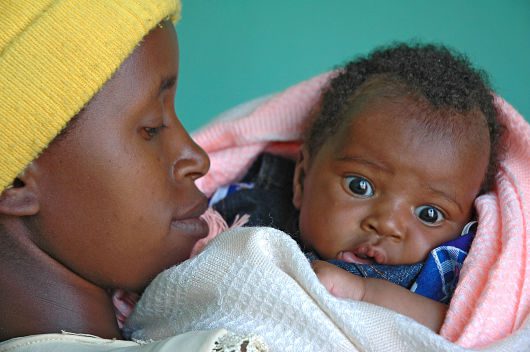
With about eight and a half million viewers subscribed to her fashion and beauty blog, Zoe Sugg, also know as Zoella, donates some of her time to raising awareness for fatal diseases. Sugg starred in “The Comic Relief Bake Off” in February that funded vaccinations for babies in Uganda. Sugg has also worked with Trekstock, which gives support to young adults with cancer.

“Doing what I do, I get to meet a lot of young people that have been through the stresses and the traumas that go with [cancer],” Sugg said.

Along with this, Sugg is the first digital ambassador for Mind, a mental health charity and has participated in fundraising for the Stroke Association and Band Aid 30.

Jack and Finn Harries

Identical twins Jack and Finn Harries run the YouTube channel JacksGap that has more than 180 million views. The channel’s videos feature the brothers traveling the world, occasionally stopping to film a video for charity. In March of 2013, the twins posted a video about their time in South Africa visiting some Comic Relief projects. More than five million people live with HIV in Africa, according to the video.

“We were shocked to hear how serious the issue had become, but excited to see what was being done to help and meet the people behind the project,” Jack Harries said.

Jack and Finn Harries have helped raised awareness for this issue, because their video now has over two million views.

The twins have also helped The Rainbow Centre, Teenage Cancer Trust and Charity: Water.

Hank and John Green

Another set of philanthropic YouTube siblings with the channel name VlogBrothers hold an online presence of about two and a half million subscribers, and they use this power to promote their charity projects. Hank and John Green created Project for Awesome in 2007.

“During Project for Awesome, thousands of people post videos about and advocating for charities that decrease the overall level of world suck. As a community, we promote these videos and raise money for the charities,” Hank and John Green said.

The charity has taken place for seven years, and last year, the project raised over one million dollars.

Aside from this success, the brothers have also taken part in Partners in Health.
For more information about these YouTubers, visit youtube.com/zoella, youtube.com/jacksgap, and youtube.com/vlogbrothers.

– Fallon Lineberger


Sources: BBC, Boohoo, Charity Water, Mind, Prizeo 1, Prizeo 2, Project for Awesome, YouTube 1, YouTube 2, YouTube 3, YouTube 4, YouTube 5, YouTube 6, YouTube 7
Photo: Telegraph
 

July 1, 2015
https://borgenproject.org/wp-content/uploads/borgen-project-logo.svg 0 0 Borgen Project https://borgenproject.org/wp-content/uploads/borgen-project-logo.svg Borgen Project2015-07-01 14:01:452024-12-13 17:54:005 Famous YouTubers Who Give Back
Activism, Children, Global Poverty, Health

Fetal Alcohol Syndrome: A Global Issue

fetal_alcohol_syndrome
In the United States, alcohol is required to have a warning label informing pregnant mothers that alcohol consumption can cause birth defects to their unborn children. Even so, children are still born with Fetal Alcohol Syndrome (FAS). Globally, FAS is also an issue, especially in areas where there is a lack in education and a strong cultural tie to alcohol consumption.

FAS is caused when a mother drinks alcohol during her pregnancy. The alcohol passes through the umbilical cord, acting as a solvent on the developing child’s brain. The Center for Disease Control and Prevention warns that “Drinking alcohol during pregnancy can cause miscarriage, stillbirth, and a range of lifelong physical, behavioral, and intellectual disabilities.” There is no amount of alcohol that is safe to drink while pregnant, nor is there an appropriate time frame to consume alcohol during a pregnancy.

There are several physical and cognitive conditions that a person with FAS can suffer from, including having a hard time with school and learning, poor judgment and reasoning, a lack of empathy, shorter height or lower body weight than average and hyperactivity, to name just a few.

FAS is one of the most prevalent cognitive conditions to affect children, yet it is also the easiest to prevent. Quite simply, a woman should not drink any alcohol if she is pregnant, trying to become pregnant, or not properly preventing pregnancy.

Moreover, FAS has no cure. Once a child is diagnosed, the only treatment is psychological and/or physical therapy to help the person live with the disability.

FAS does not discriminate — children can be born with FAS along every socioeconomic, racial and educational strata. The prevalence of drinking among the poor, usually as a cultural event or tradition, distinguishes FAS as a poverty-related issue.

South Africa is one nation that understands the urgent need for education about FAS. According to the World Health Organization (WHO), “Fetal alcohol spectrum disorder is the most common birth defect in South Africa, by far more common than Down syndrome and neural-tube defects combined.” While the issue is a national one, rural communities in South Africa have a cultural history of alcohol consumption, especially in the wine-making regions.

Nongovernmental organizations (NGOs) have made great strides in trying to eliminate FAS from affecting future generations in South Africa. NGOs such as FASfacts and the Foundation for Alcohol Related Research (FARR) have created educational training to help those most at risk in their country. This is especially important, since FARR estimates that up to “Twenty percent of the [South African] population [was] affected by alcohol exposure during pregnancy.”

Australia has undertaken a similar effort to help their aboriginal communities. Those involved in the movement remind readers that, “as in many disadvantaged communities around the world, alcohol abuse was common half a decade ago. The high consumption of alcohol resulted in high numbers of alcohol-related deaths and suicides, and widespread violence and crime” (WHO).

Alcohol abuse resulted in many children being born with FAS in the aboriginal communities. These children are at risk to continue with the same choices their parents made, with the greater disadvantage of having the lower judgment skills associated with FAS.

The Lililwan Project has been created to help the aboriginal community treat people with FAS and provide educational information regarding alcohol consumption.

In short, FAS does not have to be a chronic generational disorder. Thanks to various educational programs around the globe, more and more people are understanding the dangerous implications that are associated with alcohol consumption during pregnancy. Future generations do not need to be affected by a cognitive disorder that is completely preventable.

– Megan Ivy

Sources: CDC, FARR, FASfacts, WHO 1, WHO 2
Photo: Ruth Shafer Photography

July 1, 2015
https://borgenproject.org/wp-content/uploads/borgen-project-logo.svg 0 0 Borgen Project https://borgenproject.org/wp-content/uploads/borgen-project-logo.svg Borgen Project2015-07-01 10:00:562024-05-27 09:25:14Fetal Alcohol Syndrome: A Global Issue
Activism, Advocacy, Global Poverty

How Advocacy Groups Work

advocacy_groups
Advocacy takes on a broad range of meanings and connotations in our society. Advocacy and advocacy groups are terms that generally conjure up images of the 1960s Civil Rights Movement or the numerous groups today, which advocate for a whirlwind of causes like environmental protection, expanded access to healthcare or even poverty reduction. The Oxford English Dictionary defines an advocacy group as “a group of people who work together to achieve something, especially by putting pressure on the government…usually on behalf of people who are unable to speak for themselves.”

What the Oxford definition illuminates is the difference between an advocacy group and, say, a non-governmental organization (NGO). While advocacy groups and NGOs share several similarities and may even have the same objective, advocacy groups have a special emphasis on altering public policy, while an NGO or grassroots organization might try to work around or outside of the public sphere. Sometimes, organizations pursue advocacy as well as field work.

Advocacy groups have a variety of ways to affect public policy as well as public opinion. These ways include disseminating relevant information about the issue which they raise, engaging local communities to become involved in an issue and, perhaps most importantly, directly lobbying government leaders to create policies that will help address the issue.

In the case of the U.S. Civil Rights Movement, many demonstrations, local campaigns, publications and direct lobbying of U.S. leaders led to the Civil Rights Act of 1964. Outreach and education of the general public was, and is, highly important to any successful advocacy venture because the primary way that public policy is shaped is through the demands of the constituency and the pressure they put on their representatives to support or create legislation that reflects their interests.

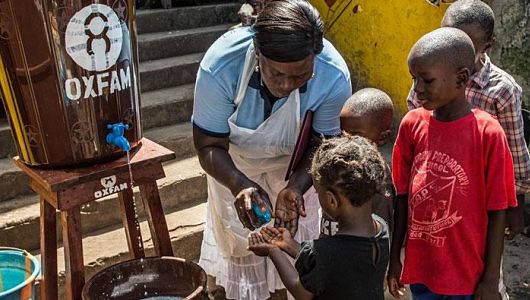
One example of a well-known advocacy group is Oxfam International. Founded in 1995, their name derives from an early predecessor to their organization, the Oxford Committee for Famine Relief, a group which advocated for the delivery of emergency aid to people caught in the midst of World War II. Today, Oxfam supports a wide variety of poverty reduction and economic development ventures, pursuing issues which constitute a fulfillment of basic human rights.

Oxfam International is a combination advocacy group and grassroots non-governmental organization, working both on the policy level and directly coordinating and delivering services to people internationally. The organization has 17 chapters in different countries, as well as advocacy offices in high-impact government centers such as Brussels and Washington, D.C.

The Sierra Club is another famous, long-standing advocacy group, which was founded in the U.S. by conservationist John Muir in 1892. Originally, the group was formed to lobby for the conservation of vast tracts of U.S. land, which resulted in the establishment of Yosemite National Park and other wilderness areas.

The Sierra Club, because its mission is environmental conservation, is naturally more predisposed to pure advocacy; that is, lobbying U.S. leaders and organizing demonstrations. They have influenced the passage of several pieces of legislation including the Clean Air Act, Clean Water Act and Endangered Species Act.

The Borgen Project also operates as a classic advocacy group. This is because the greatest potential for poverty reduction comes through U.S. policies and institutions, rather than private or public donations funding fieldwork outside the policy sphere. The Borgen Project’s aim is to help people become aware of the need to fight poverty internationally, help them become civically engaged and, therefore, directly influence government leaders to adopt policies that strengthen poverty reduction efforts.

– Derek Marion

Sources: Oxfam, Sierra Club Oxford English Dictionary
Photo: Oxfam

June 30, 2015
https://borgenproject.org/wp-content/uploads/borgen-project-logo.svg 0 0 Borgen Project https://borgenproject.org/wp-content/uploads/borgen-project-logo.svg Borgen Project2015-06-30 01:30:092024-05-27 09:25:22How Advocacy Groups Work
Activism, Development, Technology

4 Charity Apps and Websites

charity_apps
Making a difference has become increasingly easy in the technological age. Various mobile charity applications, websites and internet services have made effortless giving entail just another click of a button in one’s daily routine. Here are four digital platforms that allow you to give while doing the things you already do, without spending an extra penny:

1. Tab for a Cause

Tab for a Cause is a browser extension that resets a user’s homepage to a customizable Tab for a Cause page. Every time a user opens a tab, this page is displayed. Tab for a Cause generates between 1/10 and 1/3 of a cent of ad revenue with every opened tab because of the various advertisements displayed on the page. For every tab opened, users receive a “heart” which they can allocate to different causes of their choice including human rights, water, education, health and the environment. The money generated is allocated accordingly at the end of each quarter to corresponding charities that have partnered with the company. The site reports that it has raised over $135,000 for charity since its launch.

2. Charity Miles

Charity Miles pairs users with corporate sponsors that donate to charity for every mile users bike, run or walk. When users are ready to exercise, they can open the app to select one of nine non-profit organizations and then proceed with their routine. While the app is open, an advertisement from the sponsor is displayed. The charity app uses mobile GPS services to measure distance traveled. Biking earns up to 10 cents per mile, while walking and running earns up to 25 cents per mile. Sponsors include Timex Sports, Johnson & Johnson and Kenneth Cole.

3. Feedie

Feedie is a mobile charity app that is an excellent effortless giving tool for foodies who love to share their experiences with others. The app allows users to check in at participating restaurants around the United States, take a picture of the food and share it via social media. For every picture, participating restaurants donate 25 cents for the publicity. This pays for approximately one meal from The Lunchbox Fund, which distributes daily meals to at-risk students in South Africa.
Therefore, every photo of a meal translates into the provision of a real meal to a child in need.

4. Check-in for Good

Check-in for Good is a mobile app that allows users to raise money for causes when they check-in at participating businesses on their mobile devices. When consumers download the app, they have the opportunity to choose the causes that they want to support and find local businesses that support those causes. When they check-in using GPS services on their phones, the businesses donate a small amount to the given cause. Participating businesses also provide promotional offers through the app, which gives consumers a good deal. Users have control of whether or not they want to share their check-ins on social media. They can also use geo-targeted advertising to find new businesses to explore. Behind the scenes, the platform allows fundraising groups to ask local businesses to make micro-donations when someone checks-in with an offer to support that group. This allows consumers to save money and businesses to expand their reach, along with raising money for specific causes.

While these charity apps and websites may not produce life-changing results on an individual scale, the donations can certainly add up.

– Arin Kerstein

Sources: ABC News, Check-in for Good, Feedie, Life Hacker, Nonprofit Quarterly, Tab for a Cause
Photo: Verizon

June 28, 2015
https://borgenproject.org/wp-content/uploads/borgen-project-logo.svg 0 0 Borgen Project https://borgenproject.org/wp-content/uploads/borgen-project-logo.svg Borgen Project2015-06-28 01:43:002024-05-27 09:25:154 Charity Apps and Websites
Activism, Advocacy, Philanthropy, Volunteer

What Does it Mean to Be Philanthropic?

What-is-Philanthropic
What does it mean to be Philanthropic? Philanthropy is a noun that the Oxford English Dictionary defines as the “love of mankind” and “the disposition or active effort to promote the happiness and well being of others.” In our current society, the word philanthropic tends to be an interchangeable term with entrepreneurial. As those who are seen as philanthropic tend to be those individuals who are financially involved with an organization promoting effort to help those in need.

This current view on philanthropy by society is harmful in the way that it seems to prevent, or even stigmatize, philanthropic efforts on the small scale. These small-scale efforts can be seen as insignificant and unrealistic by a public assuming that only grandiose donations from entrepreneurial individuals can make a difference, which is a major factor for why many people do not get involved with social problems.

Philanthropy at its core is having a love for humanity, and there are many ways for people to become involved. Individual efforts over long periods of time can be as effective, if not more so, as a grand one-time financial gesture. While an entrepreneurial spirit can help with the sustainability of a philanthropic organization, they should not rely solely on financial gain. This would defeat the purpose of trying to make positive change.

Other than participating financially, volunteering time and effort to a philanthropic cause can make a difference in helping create positive change.

So as philanthropy exists to benefit others, it should be no surprise that participating in these efforts can help create a personal benefit and fulfillment within the individual. In recent studies regarding volunteer work and its physical benefits, the results showed a 22 percent reduction in mortality of the volunteer work participants. It has been proven that when an individual is involved with the helping of their fellow man, the reward center in the brain that produces the neurotransmitter dopamine creates a feeling of fulfillment and greater happiness, or a “helper’s high.” In addition, there are many other benefits to an individual volunteering within philanthropic organizations, such as better pain management and lower blood pressure.

To be philanthropic is to express love for all of mankind and to help in any way. While the majority of individuals choose to participate financially, it is important to realize that not all philanthropic ventures need this. Choosing to volunteer can help these philanthropic organizations continue to make a positive change within our society.

– Alysha Biemolt

Sources: Oxford English Dictionary, Inc., Huffington Post
Photo: Blake Rubin

June 27, 2015
https://borgenproject.org/wp-content/uploads/borgen-project-logo.svg 0 0 Borgen Project https://borgenproject.org/wp-content/uploads/borgen-project-logo.svg Borgen Project2015-06-27 01:58:352024-12-13 17:51:36What Does it Mean to Be Philanthropic?
Activism, Global Poverty

Top Businesses Doing the Most Good for the World

businesses

1. Intel
As of 2014, Intel became a conflict-free microprocessor manufacturer. According to Fast Company, this means that Intel does not source its raw materials from areas involved in armed conflict and human rights issues in order to make its processing devices. The company established this goal in 2012. Ever since, the company has worked to verify more conflict-free suppliers. Intel now looks to produce all of its products in the same way. This decision has a huge social impact because it places people above profit, demanding smelting companies to do the same if they wish to continue selling to Intel.

2. Warby Parker
The eyeglass company follows the TOMS business model: buy one, give one. At Warby Parker, every pair of glasses bought donates the equivalent dollar amount to Warby’s nonprofit partners, like VisionSpring. The money is then used to train aspiring optometrists in developing countries to properly conduct basic eye exams and how to sell eyeglasses to their communities at affordable prices. The great thing about Warby’s business approach is that it aims to create sustainable change by investing in building livelihoods. The Warby Parker website explains the importance of a single pair of frames: a single pair can increase productivity by 35 percent and increase monthly earnings by 20 percent. Today, 703 million people do not have access to eyewear, but thanks to Warby Parker, more than 18,000 people in over 35 countries have improved their eyesight.

3. TOMS
The founder of the “one-for-one” model has clothed the feet of more than 2 million children and has increased maternal healthcare participation by 42 percent as a result of shoe donations. TOMS’ work also enrolled 1,000 new students in Liberian primary schools and identified 100 children as malnourished, thanks to shoe-integrated health screenings in Malawi. The business currently works with more than 100 giving partners and aids more than 70 countries worldwide. Not only does TOMS work to give shoes, but the company also invests in supporting responsible shoe industries, providing safe water and quality education, training birth attendants and supplying birth kits. TOMS even works with bullying prevention centers in the United States by funding programs and training crisis employees to run Crisis Text Line.

4. Roshan Telecom
Afghanistan’s leading telecommunications provider is also one of the world’s most socially responsible businesses. It is a certified B Corporation, which means that it meets high and demanding standards for ethical business practices. It also works to proactively further the social and economic welfare of less developed areas. In 2014, the company expanded internationally, bringing its professional and humanitarian services along to countries like Burundi, Uganda and Tanzania. The Aga Khan Fund for Economic Development, another humanitarian player, largely owns Roshan Telecom. Together, they provide e-learning, telemedicine and environmentally friendly educational facilities. Roshan also works in East Africa to establish and strengthen mobile infrastructure.

5. Oliberté
The fair-trade, eco-friendly footwear factory supports workers’ rights in sub-Saharan Africa. Tal Dehtiar, the founder of Oliberté, began his work in 2009, partnering with factories and suppliers in Africa. In 2012, the company moved into its own factory in Addis Ababa, Ethiopia. In September 2013, it became the world’s first Fair Trade Certified™ footwear manufacturing factory. Oliberté follows the motto “Trade. Not aid.” It works to create social enterprise by providing safe and ethical working environments, in addition to recycling profits into factory and job creation. So far, Oliberté has locations in Ethiopia, Liberia and Kenya. Dehtiar is looking to develop more factories in Cameroon, the Democratic Republic of the Congo, Uganda and Zambia. The ultimate goal is to enable a healthier generation, where men and women can earn a salary, kids can go to school and one proud family can give birth to another.

6. Bloomberg Philanthropies
The Foundation Center follows founder Michael R. Bloomberg’s humanitarian works. The American politician, business mogul and philanthropist served as the 108th Mayor of New York City and dedicated his life to investing in a better, cleaner and safer future. Bloomberg Philanthropies focuses on bettering public health, education, the environment, government innovation and the arts, among many others. Bloomberg Philanthropies’ work is quantifiable and supported by data. For example, The Foundation invested $53 million over a five-year time frame to fix the overfishing problem in Brazil, the Philippines and Chile. So far, 7 percent of the world’s fisheries, and counting, are being revived, thereby bringing back countless jobs and livelihoods in addition to revitalizing ocean life. As of 2013, Bloomberg Philanthropies distributed $452 million to humanitarian projects worldwide.

7. Sanergy
Sanergy works to provide sustainable sanitation in urban slums. So far, the company has opened 701 Fresh Life Toilets, each of which comes with toilet paper, sawdust, soap, and water for handwashing, according to the Sanergy website. Each toilet also provides a waste receptacle, a sanitary bin for women, a mirror, a coat hook and a solar lantern for early morning or nighttime trips. Access to the facilities is priced, but it is comparable to informal settlements. Fresh Life Toilets prices even offer more bang for their buck because they include all the products and services that other toilets do not offer. Thanks to Sanergy, waste removal is safer, more sanitary and even eco-friendly, as the waste is converted into fertilizer and electricity. Since the company’s start, 5,446 metric tons of waste have been properly transported and treated, and 727 jobs have been created.

– Lin Sabones

Sources: Fast Company, Warby Parker, TOMS, Oliberté, Sanergy
Photo: Designed Good

June 26, 2015
https://borgenproject.org/wp-content/uploads/borgen-project-logo.svg 0 0 Borgen Project https://borgenproject.org/wp-content/uploads/borgen-project-logo.svg Borgen Project2015-06-26 08:00:182024-12-13 17:51:32Top Businesses Doing the Most Good for the World
Activism, Charity

Charity for Every Millennium Development Goal

Millennium Development Goal
Looking to gain some good karma? A Millennium development goal can address many issues ranging from health to HIV/AIDS. This list recommends one great way to support each of the latter four Millennium Development Goals. All charities listed have a score of 96 or higher on Charity Navigator. To see part one of this article, please click here.

Millennium Development Goal 5: Improve Maternal Health

Where to donate: Direct Relief

Women in low-income countries are at a startling disadvantage when it comes to maternal health. Worldwide, a woman dies from complications during pregnancy or childbirth every two minutes. Even more shocking is the fact that 90 percent of these women die from preventable conditions.

One of Direct Relief’s chief programs works to improve the health of mothers in impoverished countries. The organization’s health services train and equip midwives, provide emergency obstetric care and treat birth-related injuries.

Charity Navigator recently ranked Direct Relief at the top of its “10 of the Best Charities Everyone’s Heard Of” list. When donating to Direct Relief, you can choose to either direct your gift specifically to their Maternal and Child Health programs or let the organization use the money where it is most needed.

Millennium Development Goal 6: Combat HIV/AIDS, Malaria and Other Diseases

Where to donate: United Nations Foundation Nothing But Nets

Malaria, a disease transmitted by infected mosquitoes, kills over 600,000 people every year. In sub-Saharan Africa, malaria is the leading killer of children; one child dies from the disease every 60 seconds.

In 2006, Rick Reilly published an article in Sports Illustrated challenging his readers to donate to the fight against malaria. His column inspired the creation of Nothing But Nets, which in the past nine years has worked with hundreds of thousands of individuals to distribute bed nets throughout Africa. The organization has also partnered with some big names, including the World Health Organization, the National Basketball Association’s NBA Cares and the Bill and Melinda Gates Foundation.

The idea behind Nothing But Nets is simple: when bed nets keep out mosquitoes, fewer people are infected with malaria. The insecticide-treated nets also kill mosquitoes, which helps slow the spread of the disease. This life-saving strategy is also relatively cheap; it costs only $10 to send a net to a family in sub-Saharan Africa.

Millennium Development Goal 7: Ensure Environmental Sustainability

Where to donate: Global Greengrants Fund

Want an organization that works to promote sustainability and social justice? Since 1993, Global Greengrants has provided worthy communities with grants to help them face environmental and social challenges. According to the organization’s website, “Global Greengrants believes local people know best how to address the environmental issues impacting their own lives.”

The Global Greengrants Fund supports over 5,300 projects in 163 countries. Before giving a grant, the organization’s team of Grant Advisors carefully reviews which projects will receive funding. Once chosen, grant recipients use the money to combat issues such as fresh water shortages, biodiversity loss and land rights violations. Women in Ghana, for example, used a Greengrant to prevent a mining company from destroying their freshwater spring. Community members in Indonesia used their Greengrant to keep palm-oil companies from illegally clear-cutting local rainforests.

Millennium Development Goal 8: Global Partnership for Development

What to donate: Your time!

Millennium Development Goal 8 is especially complex. It calls for fairer trade practices, better debt relief services, affordable access to pharmaceutical drugs and new technologies and increased aid for the world’s poorest countries. While all these targets may seem overwhelming, you can advocate to make your support for them heard.

Time can be just as valuable a donation as money. Call or email your Congressional representatives and ask them to support bills such as the Food for Peace Reform Act of 2015. The act would allow U.S. global food aid to reach over eight million more people while saving an estimated $440 million.

Another important bill to support is the Electrify Africa Act, which addresses the target of MDG 8 that calls for increased availability of technology in developing regions. The bill was passed by the House in 2014 but never made it through the Senate. Show your Congressional leaders that the Millenium Development Goal like this matter to you by making a 30-second phone call.

– Caitlin Harrison

To see part one of this article, please click here.

Sources: Direct Relief, Nothing But Nets, Global Greengrants Fund, The Borgen Project
Photo: Flickr

June 18, 2015
https://borgenproject.org/wp-content/uploads/borgen-project-logo.svg 0 0 Borgen Project https://borgenproject.org/wp-content/uploads/borgen-project-logo.svg Borgen Project2015-06-18 08:01:562020-07-17 11:01:34Charity for Every Millennium Development Goal
Activism, Advocacy

Five Companies Dedicated to Helping the World’s Poor

Five Companies Dedicated to Helping the World’s PoorPeople often do not know where to start when looking to help the world’s poor. One of the best ways to help is to use one’s purchasing power to support businesses whose mission is to also help those in poverty.

TOMS Shoes has a wonderful business plan: for every one pair of shoes that is purchased, one pair of shoes is given to a person in need. But they are not the only company that is dedicated to helping people out of poverty through their business plan.

The five businesses listed below are not a comprehensive list of dedicated companies by any means, but they are committed to using their products and platform to help those in poverty around the world with the most basic needs, specifically water, health and education.

Three Avocados

Three Avocados donates their profits to help provide clean water in Uganda and education initiatives in Nicaragua. The organization grows coffee bean in both countries. The Three Avocados website reports over 20,000 people in Uganda have been impacted by the company’s involvement in providing clean water. Consumers are able to buy sustainable coffee beans while helping people who need clean water and better education.

World Crafts

World Crafts operates in several countries around the globe empowering the artisans through fair trade initiatives. A number of the artisans are women who produce their goods as a means to raise their family out of poverty, such as the Miao women of China. Through embroidering beautiful designs onto various bags and such, the women are given the chance to raise their economic status and send their children to secondary school.

Hand in Hand

Hand in Hand creates artisan soaps that have a one to one donation ratio, which means that buying one bar of soap allows the company to donate one bar of soap and a month of clean water to people in Haiti. Clean water and proper hygiene through the use of the soap will, in part, help cut down on diseases in the area. The company is also committed to sustainable and environmentally safe ingredients for their soaps.

Ornaments 4 Orphans

Ornaments 4 Orphans operates on several levels. First, ornaments are created in areas stricken with poverty to boost the economy, and second, the proceeds from selling the ornaments are used to help children in need. Orphans in areas of poverty are prone to illness, sexual exploitation and lack of education. By using the proceeds to help orphans, the children are given a chance to create a brighter future than they might have had otherwise.

Starbucks and Oprah Chai

Starbucks offers a drink called the Oprah Chai. A portion of the money earned whenever a drink is purchased will go directly to Oprah Winfrey’s charity, the Leadership Academy Foundation. The foundation pledges to bring education opportunities, especially opportunities for higher education, to girls in South Africa.

While buying from these companies will directly help individuals in need, more can and should be done. Purchasing these products, as well as items from other responsible companies, will help raise awareness for the efforts needed to help people out of poverty. Consider using birthdays, graduations and other holiday events to make an impact in someone else’s life.

The list above barely touches the scope of companies that are doing good on the global scale. For even more ideas, check out Shop With Meaning to find other companies dedicated to helping those in poverty around the world.

– Megan Ivy

Sources: Three Avocados, WorldCrafts, Hand in Hand Soap, Ornaments 4 Orphans, Starbucks, ShopWithMeaning
Photo: Style Quotidien

June 17, 2015
https://borgenproject.org/wp-content/uploads/borgen-project-logo.svg 0 0 Borgen Project https://borgenproject.org/wp-content/uploads/borgen-project-logo.svg Borgen Project2015-06-17 13:22:522024-05-27 09:24:20Five Companies Dedicated to Helping the World’s Poor
Activism, Advocacy, Government, Politics and Political Attention

After the White House: How Past Presidents Continue to Make a Difference

presidents
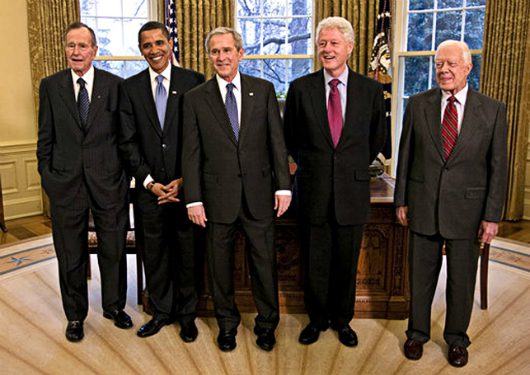
Although President Obama has only 20 months left of his presidency, he can still do a lot of good once outside the Oval Office. Here are four ways former presidents made a difference for the world’s poor:

George Bush: The former Republican president is well known for his AIDs relief work in Africa. While in office, President Bush signed the President’s Emergency Plan for AIDS Relief. The program significantly increased access to antiretroviral drugs on the African continent, saving millions of lives. That effort set the stage for his post-presidential humanitarian work with First Lady Laura Bush through the George W. Bush Institute. Located at the Bush Center in Dallas, the organization promotes global health and human rights through a variety of programs. Through the Pink Ribbon Red Ribbon initiative, for instance, the president and first lady are working to reduce deaths associated with cervical and breast cancer in the developing world.

Bill Clinton: Following his presidency, Mr. Clinton sought to address humanitarian issues worldwide. The Bill, Hillary and Chelsea Clinton Foundation has quickly become a cornerstone in the fight for improved global health, economic development, gender equality and environmental protection. Founded in 2001, the Foundation includes a wide range of humanitarian endeavors. The Clinton Health Access Initiative, for example, works to improve healthcare infrastructure, while the Clinton Development Initiative stimulates economic growth by increasing access to financial services for entrepreneurs in the developing world. The Foundation also has a strong track record in promoting the well being of women and girls across the globe.

George H. W. Bush: At 90-years-old, George Bush Sr. is the oldest president on this list, besting fellow nonagenarian Jimmy Carter by a few months. The elder Bush shows no signs of slowing down though; he’s gone skydiving on his 80th, 85th and 90th birthdays, and leads an active life. The president has been just as active in promoting public service through his Points of Light organization, which encourages volunteerism worldwide. The network boasts 250,000 service projects every year across 30 countries. That adds up to 30 million hours of volunteer service each year.

Jimmy Carter: President Carter has had many roles in his life: peanut farmer, Governor of Georgia, President of the United States—but he has perhaps found his great success as an international humanitarian. He is one of four presidents to receive a Nobel Peace Prize, but the only one to do so after leaving office. Most of his efforts have involved The Carter Center, which was founded in 1982 and takes “Waging Peace, Eradicating Disease, Building Hope” as its motto. The Center has targeted a wide range of diseases, including guinea worm, river blindness, trachoma and lymphatic filariasis. Thanks to the president’s efforts, the prevalence of guinea worm disease has been reduced by 99.99 percent since 1986.

– Kevin McLaughlin

Sources: The Clinton Foundation, The George W. Bush Institute, Points of Light
Photo: Flickr

June 17, 2015
https://borgenproject.org/wp-content/uploads/borgen-project-logo.svg 0 0 Borgen Project https://borgenproject.org/wp-content/uploads/borgen-project-logo.svg Borgen Project2015-06-17 11:50:002024-06-07 04:52:04After the White House: How Past Presidents Continue to Make a Difference
Activism, Children, Education, Global Poverty

5 Organizations Fighting Poverty in Mexico

poverty_in_mexico
According to a study made by the Mexican government agency, Consejo Nacional de Evaluación de la Política de Desarollo Social (CONEVAL), there were 53.3 million people living in poor conditions in 2012.

This number equates to 45.4 percent of Mexico’s total population.

In Mexico, poverty is strictly linked to the decisions and actions that the government takes. According to a newspaper from Guadalajara, Jalisco, the secretaries of social development from the different Mexican states only invest between the four and five percent of their budget to social programs that do not just focus on poverty.

Education, health care, nutrition, shelter and clean water are some of the aspects that many organizations are working on to bring to the Mexican poor citizens:

1) VAMOS!

This is a non-profit organization based in Vermont that fights to offer education and job opportunities to the poor in Cuernavaca, Morelos, Mexico. The organization also offers basic human services to these people living in poor conditions.

2) Children International

This organization provides assistance to children and families that live in extreme poor conditions. Their mission is to bring real change to those living in poverty. This organization is based in Kansas, and operates in different countries such as Colombia, Ecuador, Guatemala, India, Honduras and, of course, Mexico. Their agency in Mexico is located in Guadalajara, Jalisco.

3) Flying Samaritans

This is a non-profit organization, based in California, that operates free medical clinics in the state of Baja California, Mexico. The organization counts with different professionals such as nurses, dentists, physicians, pilots, and translators that offer their work at no charge to people in rural areas that have no access to medical care.

4) Project Amigo

This is an organization founded by California businessman Ted Rose based in Cofradia de Suchitlan, Colima. The organization focuses in providing marginalized, disadvantaged, poor children in the state of Colima, Mexico with education. Project Amigo has the belief that education is a powerful key that can benefit the children’s future. The organization provides scholarships, material support, health care and supports the children to continue studying even during a college level.

5) TECHO

Techo is a non-profit organization present in Latin America and the Caribbean that focuses on eliminating poverty. This organization is lead by young volunteers that promote community development by providing solutions to families living in slums, foster social awareness and action, and advocate politically in order to promote changes that could stop poverty from emerging.

All these organizations focus on overcoming poverty and creating a better life quality for Latinos and Mexicans that live in poor conditions and lack of access to some basic needs.

According to CONEVAL, in the years of 2010 and 2012 there was a decrease in the percentage and number of people that had an educational backwardness, lacked access to health services, quality and living spaces, basic housing services, and nutrition.

The results and efforts that these individual non-profit organizations have obtained, each with their own beliefs, missions, and methods, are a big contribution to the Mexican poor community, creating change and providing opportunities to the ones in need.

– Diana Fernanda Leon

Sources: CONEVAL, INFORMADOR.MX, VAMOS!, Children International, Flying Samaritans, Project Amigo, Techo
Photo: Flickr

June 16, 2015
https://borgenproject.org/wp-content/uploads/borgen-project-logo.svg 0 0 Borgen Project https://borgenproject.org/wp-content/uploads/borgen-project-logo.svg Borgen Project2015-06-16 17:01:412024-06-04 03:53:025 Organizations Fighting Poverty in Mexico
Page 27 of 56«‹2526272829›»

Get Smarter

  • Global Poverty 101
  • Global Poverty… The Good News
  • Global Poverty & U.S. Jobs
  • Global Poverty and National Security
  • Innovative Solutions to Poverty
  • Global Poverty & Aid FAQ’s
Search Search

Take Action

  • Call Congress
  • Email Congress
  • Donate
  • 30 Ways to Help
  • Volunteer Ops
  • Internships
  • Courses & Certificates
  • The Podcast
Borgen Project

“The Borgen Project is an incredible nonprofit organization that is addressing poverty and hunger and working towards ending them.”

-The Huffington Post

Inside The Borgen Project

  • Contact
  • About
  • Financials
  • President
  • Board of Directors
  • Board of Advisors

International Links

  • UK Email Parliament
  • UK Donate
  • Canada Email Parliament

Get Smarter

  • Global Poverty 101
  • Global Poverty… The Good News
  • Global Poverty & U.S. Jobs
  • Global Poverty and National Security
  • Innovative Solutions to Poverty
  • Global Poverty & Aid FAQ’s

Ways to Help

  • Call Congress
  • Email Congress
  • Donate
  • 30 Ways to Help
  • Volunteer Ops
  • Internships
  • Courses & Certificates
  • The Podcast
Scroll to top Scroll to top Scroll to top