• Link to X
  • Link to Facebook
  • Link to Instagram
  • Link to TikTok
  • Link to Youtube
  • About
    • About Us
      • President
      • Board of Directors
      • Board of Advisors
      • Financials
      • Our Methodology
      • Success Tracker
      • Contact
  • Act Now
    • 30 Ways to Help
      • Email Congress
      • Call Congress
      • Volunteer
      • Courses & Certificates
      • Be a Donor
    • Internships
      • In-Office Internships
      • Remote Internships
    • Legislation
      • Politics 101
  • The Blog
  • The Podcast
  • Magazine
  • Donate
  • Click to open the search input field Click to open the search input field Search
  • Menu Menu

Archive for category: Poverty

Child Poverty, Children, Developing Countries, Education, Global Poverty, Health, Poverty

Things to Know About Child Poverty in Costa Rica

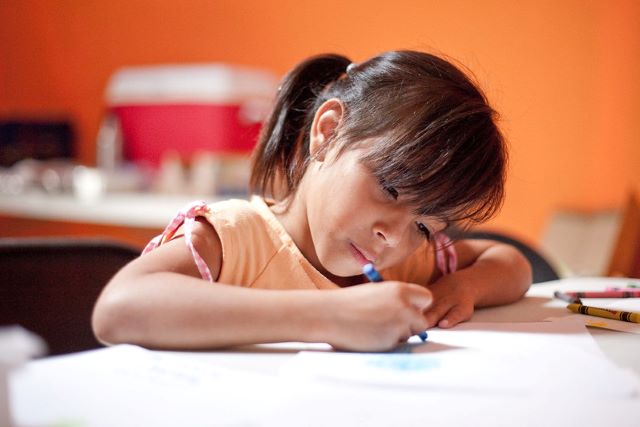
child poverty in costa ricaDespite being one of the most progressive countries in Latin America in terms of free education, no military and access to health care, there are still many people living in poverty in Costa Rica and the youngest people are oftentimes hit the hardest. More than 65% of impoverished Costa Ricans are younger than 35 years old and children younger than age 18 make up the largest group of the impoverished. Additionally, many of the children facing child poverty in Costa Rica are Indigenous. When it comes to children, issues include child labor, child mortality and disparities in education.

4 Things to Know About Child Poverty in Costa Rica

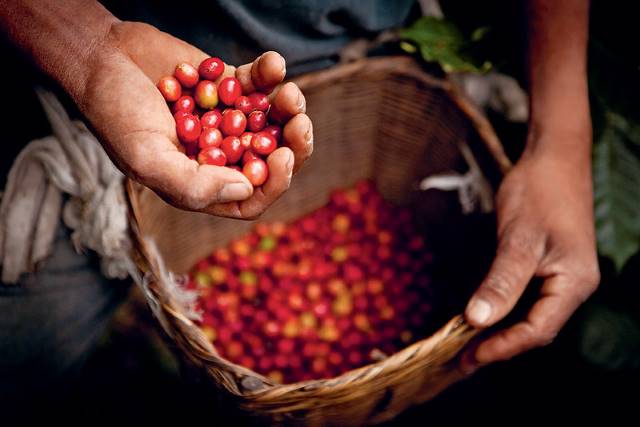
  1. Primary school in Costa Rica is free and mandatory. Free primary level education gives many children access to the education system. However, many children who come from impoverished families or rural areas miss out on education because they need to work to provide for their families. In 2020, 316 primary-aged children were not attending school and about 4% of lower secondary school-aged children were out of school. As a country that is a major producer of coffee, agricultural work and harvesting is a priority in Costa Rica. In fact, during the coffee bean harvest, the teachers and students in impoverished regions in Costa Rica go to the farms to work in order to afford school supplies.
  2. Costa Rica has a large number of child trafficking victims. In 2011, Costa Rica noted 36,000 orphans. Due to lacking family structures or dysfunctional families, many vulnerable children are at risk of exploitation, drug abuse and gang violence.
  3. Low child mortality rates. Costa Rica has the longest life expectancy in Latin America and an effective health care system and has also made strides in child mortality. In 2020, the mortality rate of children younger than 5 stood at 7.9 per 1,000 lives births, according to World Bank data, down from 96 in 1960. Child mortality rates are higher among children who are born into families living below the poverty line, Indigenous families or rural families.
  4. Violence against children in Costa Rica is a concern. In fact, Costa Rica noted about 700 sexual violence cases in 2009, according to Humanium, though organizations believe many more cases go unreported. The physical and psychological abuse and violence that children endure have serious consequences for their development and health.

SOS Children’s Villages

SOS Children’s Villages initially started with a commitment to caring for orphaned or abandoned children throughout the world. There are SOS Children’s Villages in three cities in Costa Rica: San José, Limón and Cartago. SOS Children’s Villages aim to address child poverty in Costa Rica.

The organization provides Costa Rican children with daycare, education, medical services and vocational training, sports facilities and playgrounds. SOS Children’s Villages takes in children whose parents cannot take care of them. The organization has a comprehensive approach: preventing child abandonment, offering long-term care for children in need and empowering young people with the resources to reach their full potential.

The organization’s YouthCan! program trains adolescents to enhance their skills and competencies in order to achieve employment. In Costa Rica, where almost 100,000 young people faced unemployment in 2016, the youth development program lasts for three to 12 months. The program consists of life skills training, employability training and helping the youth find jobs and further training opportunities.

Through organizations like the SOS Children’s Villages, child poverty in Costa Rica can reduce.

– Naomi Schmeck
Photo: Flickr
January 12, 2021
https://borgenproject.org/wp-content/uploads/borgen-project-logo.svg 0 0 Yuki https://borgenproject.org/wp-content/uploads/borgen-project-logo.svg Yuki2021-01-12 07:30:112022-03-23 03:41:36Things to Know About Child Poverty in Costa Rica
Global Poverty, Poverty

The Malbec Miracle: Wine Defeats Depression

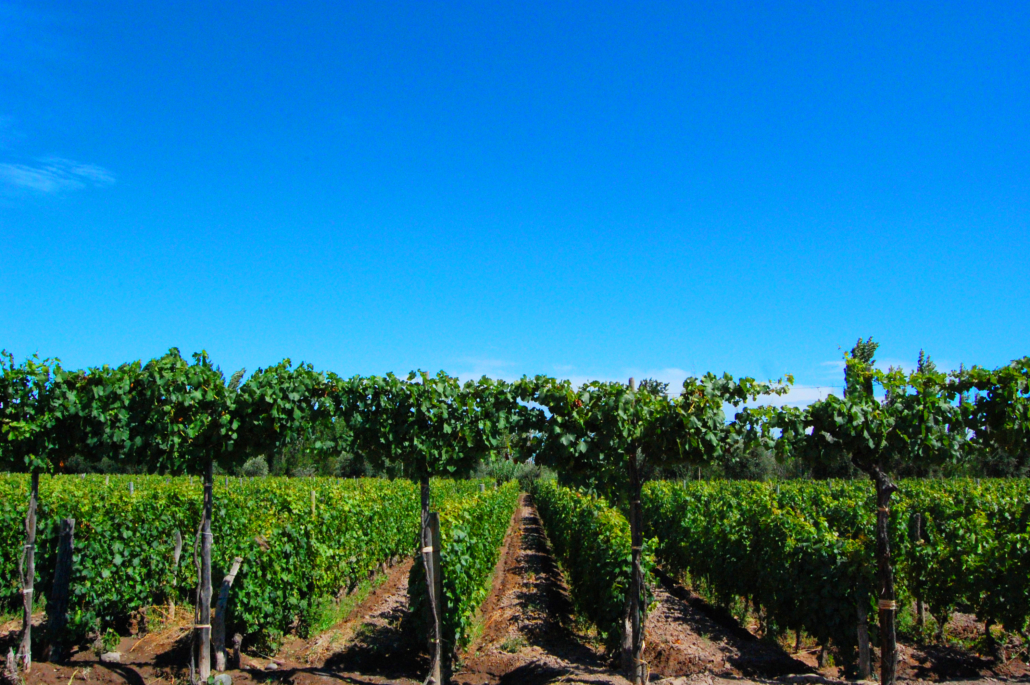
The Malbec MiracleIn the early 1900s, Argentina was a rising star. The country had an excellent climate, cheap land, and a strategic location for trade. Soon enough, Argentina had one of the fastest-growing economies in the world. People expected skyscrapers and cities to replace rural land. This, however, did not come to pass. Argentina’s economic growth suddenly faded, and poverty rates grew. From 1975 to 1990, Argentina suffered from military dictators and constant political conflict. It seemed to be over for the rising star. Then, in a small province called Mendoza, the Malbec miracle changed everything.
A Turn of the Century Depression

The wine, as a commodity, was not new to Argentina. In fact, the country’s wine industry was a large reason for its economic success in the early 1900s. Introduced by European settlers, Argentina’s temperate climate was perfect for growing wine. Argentina also does not have a large presence of Phylloxera, an insect that destroys vineyards. The province of Mendoza, with its high altitude and intense sunlight, is particularly suitable for growing wine. Unfortunately, Argentina’s wine industry fell along with its overall economy during a major recession from 1998 to 2002. This was due to a dependence on domestic demand.

Around 90% of the wine produced in Argentina was consumed locally. When poverty started to increase, people could no longer buy wine. Argentina’s economy hit record lows in the late 1980s. And, the grape variety called Malbec was unknown and dismissed by many as a “poor-mans grape.” It was clear that Argentina needed a miracle.

Economic Success

Argentines could not grow the Malbec grape. It was very susceptible to parasites and needed high elevation and perfect weather for cultivation. Most of the world had forgotten about the grape. But, Mendoza’s high elevation and parasite free environment made it perfect to grow Malbec. Improvements in technology and growing methods made the Malbec into fine wine. In the 1990s, Argentina started to focus on exporting its wine. This proved to be a tremendous success, with fine wine exports increasing from $7.5 million in 1990 to $120 million in 2001. Since most of the wine exported was Malbec, the once-forgotten grape proved instrumental in Argentina’s economic recovery.

Argentina Today

The Malbec miracle had impacts far beyond the wine industry. Argentina now had a reputation for producing fine wine. This opened the doors for foreign investment and tourism. People all over the world wanted to visit Mendoza. With this new identity, as the world’s premier country for Malbec wine, Argentina’s economy continued to grow despite numerous setbacks including the 1998-2002 Great Depression. Upon Argentina’s economic recovery, the poverty rate decreased dramatically from 44% in 2002 to 16% in 2007.

The strong wine industry continued to create jobs and ensure global interest in the country. Now, Argentina is the fifth-largest wine producer in the world. The country also maintains its title as the Malbec grape producer, growing more than 75% of all Malbec in the world. This success can be largely attributed to Mendoza, which produces about 80% of Argentina’s wine.

Looking Forward

The Malbec miracle has completely revitalized Argentina’s image throughout the world. Mendoza’s economic success has largely reduced poverty for everyone in the country. Although Argentina is no longer the star many thought it would be, dramatic events like the Malbec miracle have changed things for the better. Argentina now has a significant place in the global market, with its wine industry leading the way. Mendoza remains the gold standard for Malbec wine, with the once-forgotten “poor man’s grape” having become the miracle that made Argentina into what it is today.

– Evan Weber
Photo: Flickr

January 5, 2021
https://borgenproject.org/wp-content/uploads/borgen-project-logo.svg 0 0 Yuki https://borgenproject.org/wp-content/uploads/borgen-project-logo.svg Yuki2021-01-05 15:25:342021-01-05 15:25:34The Malbec Miracle: Wine Defeats Depression
Global Poverty, Poverty, USAID, Women, Women and Children, Women and Female Empowerment

The Suaahara II Project: Improving Health in Nepal

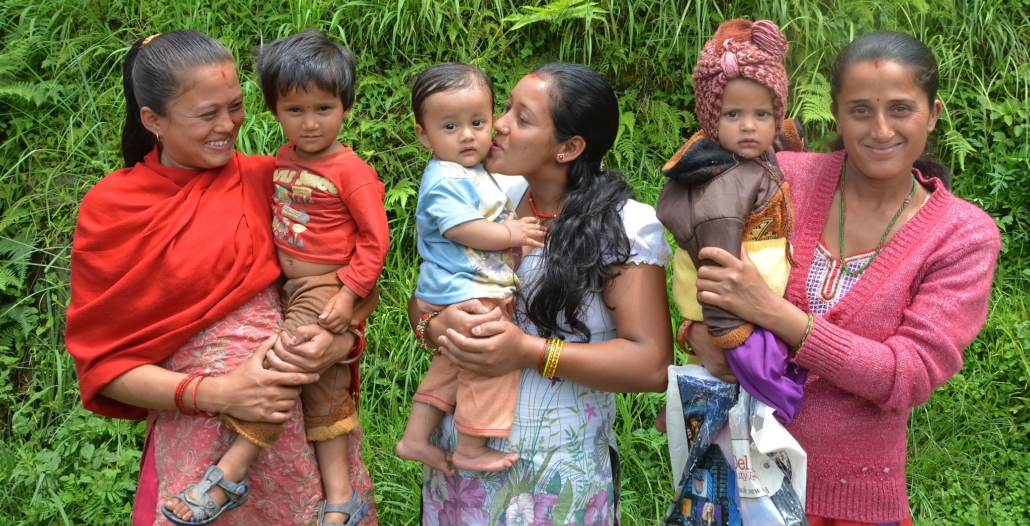
Suaahara II ProjectIn Nepal, 36% of children who are under the age of five remain underdeveloped in terms of growth and health despite progress in recent years. Through cooperation with USAID, the Nepalese Government and local private sector groups, Hellen Keller International (HKI) has provided impactful services that have helped rectify the systematic obstacles causing these health issues. Hellen Keller International is a non-profit organization that aims to reduce malnutrition. The Suaahara II project takes a pivotal role in these efforts.

What is the Suaahara II Project?

One of HKI’s most notable services is the Suaahara II project, which started in 2016 and was initially set to end in 2021. However, it will now extend to March 2023 due to COVID-19. Operating in 42 of Nepal’s districts with a $63 million budget, HKI partnered with these six organizations for the project:

  • Cooperative for Assistance and Relief Everywhere, Inc. (CARE)
  • Family Health International 360 (FHI 360)
  • Environmental and Public Health Organization (ENPHO)
  • Equal Access Nepal (EAN)
  • Nepali Technical Assistance Group (NTAG)
  • Vijaya Development Resource Center (VDRC)

Hellen Keller International’s primary role in the Suaahara II project deals with the technical assistance of child and maternal nutrition. This means that its tasks are oriented around building the skills and knowledge of health workers. This includes teaching health workers how to adequately measure and evaluate assessments; additionally, another technical facet relies on promoting governance that invests in nutrition.

A Multi-Sectoral Approach

Kenda Cunningham, a senior technical adviser for Suaahara II who works under HKI, told The Borgen Project that the Suaahara II consortium has taken a “multi-sectoral approach.” She believes in the importance of this as it pushes individuals to “learn and think beyond their sector.” The Suaahara II Project’s demonstrates its integrated strategy in the initiatives below:

  1. The WASH program focuses on water, sanitation and hygiene through WASHmarts, which are small shops dispersed across districts that sell sanitary products like soap and reusable sanitary pads. Kenda explained how this has helped “bridge a gap” so that poorer households can access hygiene enhancing products. This also allows assistance from private actors, who can expand their markets in rural areas.
  2. The Homestead Food Production program (HFP) encourages households to grow and produce micronutrient-rich foods through vegetable gardening and raising chickens, for example. As a result, 35 districts have institutionalized HFP groups.
  3. The Bhancchin Aama Radio Program is a phone-in radio program that runs twice every week. It hosts discussions among marginalized communities and demonstrations for cooking nutritious foods. It has encouraged the Nepalese to socially and behaviorally alter their health habits.

Advancements from Suaahara I

The Suaahara II project’s contribution to improved health and nutrition in Nepal is also illustrated in its progression from the Suaahara I project’s framework. In addition to understanding the changes made in household systems and at a policy level from Suaahara I, Cunningham told The Borgen Project that technological developments have elevated the Suaahara II Project’s impact in Nepal.

Specifically, smartphones expedite the data collection process when studying trends pertaining to the 2 million households across the districts. The development of new apps provided more households with access to smartphones and key information. This therefore allowed officers to transition from pursuing “a mother-child focus to a family focus” in terms of the Suaahara II project’s accommodations and services.

Challenges with Suaahara II

While the Suaahara II Project has led to institutional and social enhancements regarding health and nutrition, some districts had access to the project earlier. This created a dissonance in the rate of health improvements amongst the districts. Cunningham reported that “far western areas are much more remote and therefore disadvantaged and food insecure.”

This inconsistency was largely due to the “Federalism” that took place in Nepal in 2017, which was a decentralization process that created 42 municipalities for 42 districts. Since every municipality has a different political leader, some districts had the advantage of assistance from foreign NGOs while others did not because their leaders rejected involving foreign NGOs. In these cases, as Cunningham explained, it is like “you are creating your own NGOs from the ground up.”

Suaahara II Achievements

These obstacles, however, have not been pertinent enough to counter the consortium’s efforts in fulfilling the Suaahara II project’s objectives. For example, a primary objective for Suaahra II is to increase breastfeeding amongst babies under six months of age. Exclusive breastfeeding of children under six has increased from 62.9% in 2017 to 68.9% in 2019, according to data that Cunningham shared with The Borgen Project.

Expanding children’s access to diverse and nutritious foods is another objective that has been achieved under the Suaahara II project. The dietary diversity among women of reproductive age (WRA) has increased from 35.6% in 2017 to 45.3% in 2019, according to Cunningham. Given the efficient rate of improvement in women and children’s health, governance and equity in only the first two years of the Suaahara II project, it can be inferred that the consortium will continue to progress in achieving its targets among the Nepalese in the three years that remain.

Regarding how HKI has responded to challenges with the Suaahara II project, Cunningham said  “[We] don’t use a one size fits all approach.” The advancements in Nepal’s health and nutrition systems can be largely attributed to HKI’s multifaceted and integrated strategy, a model that could yield prosperity in the rest of the developing world.

– Joy Arkeh
Photo: Flickr

December 30, 2020
https://borgenproject.org/wp-content/uploads/borgen-project-logo.svg 0 0 Yuki https://borgenproject.org/wp-content/uploads/borgen-project-logo.svg Yuki2020-12-30 01:30:152024-05-30 07:53:30The Suaahara II Project: Improving Health in Nepal
Global Poverty, Poverty

How Ethnic Violence in Ethiopia Deepens Poverty

How Ethnic Violence in Ethiopia Deepens PovertyOver the past two decades, Ethiopia has experienced explosive economic growth, lifting millions out of poverty in the process. Between 2000 and 2016, the share of citizens living in absolute poverty dropped from 40%, the highest in Africa, to 24%. Under Prime Minister Abiy Ahmed who was appointed in 2018, the nation has also opened up politically. However, a persistent scourge for the country that has continued under Ahmed is ethnic violence.
Ethiopia is a melting pot of more than 80 ethnolinguistic groups all living under one multi-ethnic federation. Long-simmering conflicts over access to land and political power have frequently boiled over into violence. While ethnic conflict is tragic, it also has tangible and concrete impacts on the economic prospects of impoverished Ethiopians. Ethnic violence in Ethiopia is endemic in Oromia, the country’s most populated region, and the Amhara region, home to some of the most impoverished people on the planet.

Ethnic Strife in Oromia

Oromia makes up approximately one-third of Ethiopia’s total area and is home to 37 million people. The region has achieved significant food insecurity reductions in recent years. Still, an astonishingly high number of people, especially children, face impoverishment. In Oromia, 90% of children younger than 18 experience multidimensional poverty. This high number of vulnerable residents pairs poorly with the area’s history of ethnic tensions.

Despite being the largest Ethiopian ethnic group, the Oromos have not held power in modern Ethiopia. Consequently, Oromos have banded together within ethnic-nationalist movements, such as the Oromo Liberation Front, in order to push for political empowerment. The narratives promoted by such outfits have often been accusatory and hostile toward other ethnic groups. Ethnic resentment is baked into the Oromia region’s identity.

In 2018, the outlook in Oromia became particularly fraught. In the spring of that year, a scarcity of productive farmland led to an intense conflict between Gedeos and Gujis, two smaller ethnic groups. In the fall, Oromos clashed with other communities in two neighboring provinces. Just in the first seven months of the year, more than 800,000 Oromian residents had been forced to flee their homes due to conflict and become internally displaced.

Internally displaced persons (IDPs) is a label that covers far too many Ethiopians in Oromia and beyond. Ethiopia was home to 2.9 million IDPs in 2018, the most in any country. Unfortunately, becoming internally displaced is often a precursor to falling into poverty. Farmers who fled Oromia in 2018 left their land behind, abandoning their entire livelihoods and becoming entirely dependent on outside humanitarian support. A World Bank report on the world’s forcibly displaced observed that displacement-induced poverty “condemns generations — mostly women and children — to a life on the margins.”

Luckily, Ahmed’s government has managed to break through some of the major fault lines, including between Oromos and southern Somali groups. The thousands of Gedeos facing displacement within Oromia two years ago have mostly been able to return. Yet to the north, the struggle of one ethnic group demonstrates that a steady home is no guarantee of prosperity.

The Plight of the Amhara

Under the Ethiopian monarchy, Amharas dominated the country’s government. However, since the overthrow of the emperor in 1974, the community has suffered a steep fall from grace. Similar to Oromia, poverty is inescapable for many in the Amhara region with 26% of the population living below the poverty line and 91% of children suffering multi-dimensional deprivation.

Due to poverty’s catastrophic toll, the Amharans lead the world in one undesirable area: The prevalence of trachoma, a disease that blinds millions of the world’s impoverished. Spread by flies and poor hygiene, the disease thrives in Amhara, where 84% of the population lives in rural areas and 47% of households lack access to safe drinking water. Entire villages complain of poor eyesight and intense pain that, without treatment, leads to blindness.

Adding to their misfortune, other ethnic groups demonize the Amharas for their involvement in the country’s imperial history, inspiring a sense of victimhood among Amharas that only creates new waves of conflict. In 2018, authorities of the neighboring Benishangul-Gumuz region accused ethnic Amharas of killing 200 people over a land dispute. One year later, Amhara’s regional president was murdered by the region’s own security chief, who had links to Amharan ethnic-nationalist groups, in a suspected coup attempt. This shocking development vastly destabilized the region and emboldened radical ethnic armed groups.

The aftermath of the assassination demonstrates another upshot of ethnic violence in Ethiopia that can worsen poverty: Profound instability. Following the coup attempt, a harsh crackdown on Amhara ensued, including the arrest of 250 people and, dismayingly, a total internet shutdown. Growing internet access across Ethiopia and other African nations is hailed as a major step forward developmentally, but internet shutdowns reverse this progress and exact millions of dollars in economic losses.

A More Inclusive Future

While the government’s efforts to quell ethnic violence in Ethiopia and its resulting human impacts have not always been successful, Ahmed has inspired hope that peace is achievable. The creation of a national commission focused on ethnic reconciliation is a step forward, as is the prime minister’s promise to reform the country’s federal system. In Amhara, the distribution of antibiotics has led to a major decrease in trachoma prevalence. Hopefully, Amharans who had their vision saved can soon open their eyes to a brighter future ahead— for them and all Ethiopians.

– Jack Silvers
Photo: Flickr

December 24, 2020
https://borgenproject.org/wp-content/uploads/borgen-project-logo.svg 0 0 Yuki https://borgenproject.org/wp-content/uploads/borgen-project-logo.svg Yuki2020-12-24 07:30:252022-03-29 04:00:22How Ethnic Violence in Ethiopia Deepens Poverty
Food Security, Global Poverty, Poverty, Poverty Eradication

How Urban Farming Can Help Reduce Poverty

Urban Farming Can Help Reduce Poverty

The United Nations reports that over 2.5 billion people live in urban areas today and the rate of urbanization is only accelerating. By 2025, it is estimated that 3.5 billion people will live in urban areas, nearly half of the world’s population. People’s way of life is changing and the way people access their food also needs to adapt, which is where urban farming comes in. Urban farming can help reduce poverty in addition to an array of other benefits.

Challenges of Urbanization

Historically, moving to a city has been associated with increased opportunity and wealth, driven by more and better jobs and the promise of upward momentum and a better life. Today, the reality of urbanization is much different. Urbanization in low-income countries is growing exponentially and marked by poverty, unemployment and food insecurity. Many people move to the city from rural areas to escape over-population, violence, disease and hunger. As a direct result of this, about one billion people live in urban slums without access to sanitization, clean water or enough food or work. To survive, many people have resorted to growing their own food wherever they can. This is known as urban agriculture or urban farming and in many places, it is becoming the front line of food production.

What is Urban Farming?

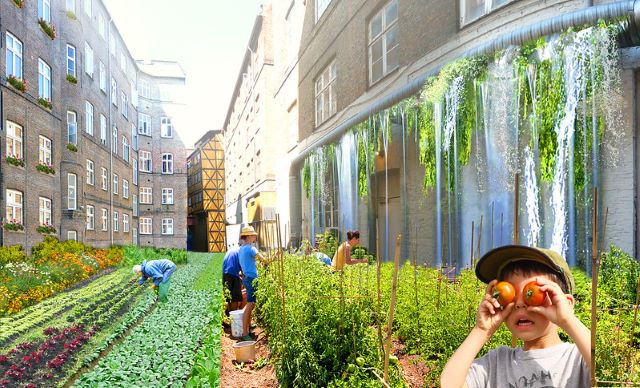
Urban farming is a local food system of growing plants and raising livestock in and around cities, as opposed to traditional rural areas. Today, 800 million people around the world rely on urban agriculture for access to fresh, healthy foods. Urban agriculture is versatile, allowing for different crops to be grown. This provides urban communities with direct access and control over nutritious and locally-produced food, which creates jobs and boosts the local economy. Urban farming is also good for the environment and positively impacts household food security. All of these factors result in poverty reduction, which helps quickly developing urban areas.

Financial Incentives

Urban agriculture requires workers to harvest, care for, sell and maintain crops and animals. This has a huge impact on families struggling to find employment by creating jobs and supporting livelihoods. Additionally, it makes fresh food cheaper, allowing people in low-income areas access to affordable produce. Urban farming can help reduce poverty because when more people have jobs and are able to buy, it fuels the economy, creating even more opportunities. The Food and Agriculture Organization of the United Nations (FAO) sees how important urban agriculture is in poverty reduction efforts and has helped over 20 city governments implement multidisciplinary actions to optimize policies, financial incentives and training programs to low-income farmers in order to “improve horticultural production systems.”

Environmental Benefits

Cities, especially highly populated ones, face many environmental challenges. These may include lack of greenspace, heat capture, pollution, lack of biodiversity and poor air quality. Urban farming can reduce the negative effects of these concerns. By decreasing carbon dioxide in the air, providing environments for different species to thrive and decreasing the environmentally costly process of importing food from other places, urban agriculture is environmentally beneficial.

Success Stories

Across the world, urban farming is helping people and seeing success in many communities. RotterZwam, located in Rotterdam, Netherlands, is a “circular system” mushroom farming operation that uses coffee grounds used by local businesses to fertilize the plants. The facility itself is solar-powered and delivers products with electric cars. Another organization based out of London, England, uses the same circular system method. Called GrowUp Urban Farms, the farm grows crops and farms fish simultaneously by utilizing their symbiotic relationship. Both farms are good for the environment and jobs and are also booming local businesses.

Overall, urban farming can help reduce poverty in a number of important ways. It improves local economies by stimulating commerce and creating jobs, helps the environment and provides healthy, affordable food to local communities.

– Noelle Nelson
Photo: Flickr

December 14, 2020
https://borgenproject.org/wp-content/uploads/borgen-project-logo.svg 0 0 Yuki https://borgenproject.org/wp-content/uploads/borgen-project-logo.svg Yuki2020-12-14 05:34:202024-05-30 07:55:20How Urban Farming Can Help Reduce Poverty
Global Poverty, Poverty, Poverty Eradication

Increasing Minimum Wage in Geneva

minimum wage in GenevaIn an effort to combat rising poverty rates caused by Switzerland’s COVID-19 economic recession, the canton of Geneva has voted to implement a minimum wage of $25 an hour, which is roughly equal to $4,100 a month according to the 41-hour Swiss workweek. Reportedly, the highest minimum wage in the world, the vote came after recent media footage showed thousands of people waiting for food aid, thus highlighting the city’s apparent struggle with poverty. Low-wage service workers and vulnerable groups, such as undocumented workers, who have been hit particularly hard by the pandemic stand to directly benefit from the initiative to increase the minimum wage in Geneva.
The Minimum Wage Argument

Minimum wage hikes are a longstanding, though controversial method to combat poverty. Pro arguments for minimum wages state that it increases the overall standard of living, boosts worker morale, and, if the wages are good enough, moves people out of poverty. On the contrary, economists have noted that the well-meaning increase can actually create job loss, increase inflation and labor market competition, thereby adding to poverty rates. Opponents in Geneva used this claim of job loss to sway the vote against the initiative but the attempt was responded to by Alexander Eniline of the Swiss Labour party as “baseless.” Though it is important to note the number of people in a household and how many of them work, studies show that minimum wages can reduce poverty when coupled with in-work benefits or other national policies aimed at supporting low-income households. With this in mind, Switzerland’s extensive social security coverage and welfare policies may be strong enough to offset the negative effects of a minimum wage increase.

Details of the Minimum Wage in Geneva Vote

This proposal to introduce a minimum wage to Geneva was not the first of its kind. In 2011, then again in 2014, the measure was widely rejected by the canton. Similarly, the most recent vote which was proposed through the country’s popular initiatives ballot on September 27, 2020, barely passed, with 42% of voters against the implementation. Media reports question whether Switzerland’s economic fallout following COVID-19 and the surprising response to free food distribution have pushed the vote over the edge.

On one side, Michael Grampp, a chief economist in Switzerland, stated, “It definitely helped push the vote towards almost 60%,” while Mauro Poggia, Geneva State Counselor, did not agree that COVID-19 had a large impact on the vote. Though the pandemic’s amount of influence remains unclear, the wage increase has been viewed as a collective act of solidarity with the city’s growing poor population.

The wage increase comes into effect on November 1 and will benefit 30,000 low-wage workers, which amounts to about 6% of the canton. According to Groupement Transfrontalier Européen, which is an organization supporting cross border workers, two-thirds of those benefitting will be women.

Increasing Minimum Wage: Is it Enough?

Standing as one of the most expensive cities to live in in the world, the minimum wage initiative is estimated to be barely enough to push Swiss workers above the poverty line. While $25 an hour may seem high when compared to the U.S. federal minimum wage of $7.25, Geneva’s average cost of rent for two people is roughly $3,250. This leaves less than $1000 left for food, utilities and other necessities.


Though Switzerland’s strong social security policies have kept the economic effects of COVID-19 from devastating Geneva, the city’s population is hopeful that the measure of increasing minimum wage in Geneva will give low-wage workers another boost. Campaigners have called it a “step towards equality” and a more “dignified” way of living.

– Anastasia Clausen
Photo: Flickr

December 7, 2020
https://borgenproject.org/wp-content/uploads/borgen-project-logo.svg 0 0 Kim Thelwell https://borgenproject.org/wp-content/uploads/borgen-project-logo.svg Kim Thelwell2020-12-07 06:35:092024-06-04 01:17:58Increasing Minimum Wage in Geneva
Global Poverty, Health, Poverty

5 Facts About Poverty in the Central African Republic

Poverty in the Central African Republic
The Central African Republic (CAR) is a landlocked country in Africa, neighboring Chad, Sudan, Cameroon and more. Although CAR has an abundance of natural resources, including gold, diamonds, uranium and oil, it is one of the poorest nations in the world. Following violence and political turmoil in 2013, the country is still recovering. Here are five important facts about poverty in the Central African Republic.

5 Facts About Poverty in the Central African Republic

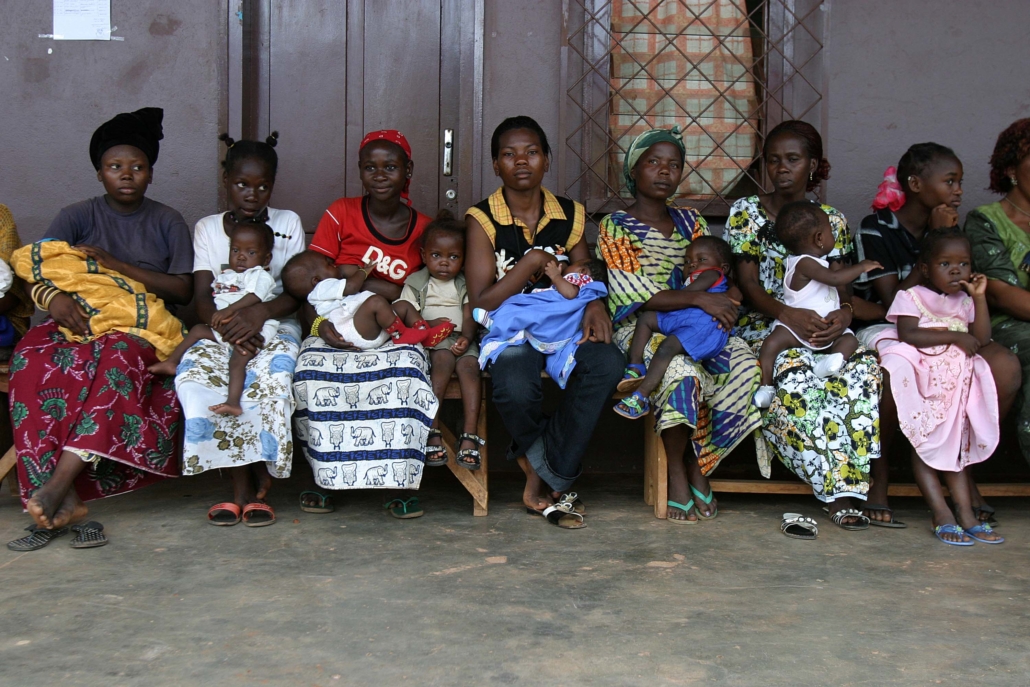
  1. The Numbers: Approximately 71% of the Central African Republic’s population lives below the international poverty line. Additionally, due to violence and conflict, there are around 613,114 refugees from the Central African Republic and 641,292 internally displaced persons (IDPs) in the country, as of November 2020. Health is also a major concern, with a maternal mortality rate of 882 per 100,000 live births.
  2. History of Poverty and Conflict: There are many reasons why the Central African Republic has such high poverty rates. The main reason lies in the history of the nation. After CAR gained independence from France in 1960, it had religious rivalries, a variety of ethnic groups and multiple political ideologies. The conflict between different religious and social groups as well as competition over resources caused widespread instability throughout the country. This culminated in a more recent outbreak of violence in 2013, which has left more than half of its population in need of humanitarian assistance.
  3. Major Health Conditions: The leading causes of death in the Central African Republic include tuberculosis, diarrheal diseases, HIV/AIDS, lower respiratory infections and malaria. In 2018, malaria, a mosquito-borne disease, was reported at a rate of 347.3 cases per 100,000 people. This represents a significant decrease from previous years, as there were approximately 471 cases per 100,000 people in 2004. Additionally, there are approximately 100,000 people living with HIV in CAR.
  4. Life Expectancy: Life expectancy in the Central African Republic is among the lowest in the world. As of 2020, it is only 53.35 years. This is a 0.64% increase since 2019 when the life expectancy was 53.01 years. Life expectancy is low in the CAR due to widespread violence and displacement as well as the aforementioned health concerns. In addition to malaria and HIV, more than 40% of the population suffers from chronic malnutrition. On a positive note, the life expectancy of the CAR has been steadily improving since the early 2000s; in 2002, the life expectancy in the CAR was only 44.29 years.
  5. Education and Literacy: The literacy rate in the Central African Republic is also one of the lowest in the world, at 37.4% in 2018. The CAR is struggling to provide high-quality education for its children, particularly girls. Many girls find themselves dropping out of school because of the societal pressures to marry and have children. Only 65% of girls enter the first year of primary school and only 23% of them finish the six years of primary school.

Solutions

Currently, organizations like the World Food Program (WFP), USAID and the International Rescue Committee (IRC) are working to alleviate poverty in the Central African Republic and address the humanitarian crisis. Efforts include distributing food to internally displaced people, providing specialized nutrition packages for pregnant women, rebuilding educational infrastructure and recovering clean water sources. Moving forward, it is essential that these humanitarian organizations and others continue to provide aid and support to the nation.

– Alison Choi
Photo: Flickr

November 10, 2020
https://borgenproject.org/wp-content/uploads/borgen-project-logo.svg 0 0 Kim Thelwell https://borgenproject.org/wp-content/uploads/borgen-project-logo.svg Kim Thelwell2020-11-10 13:02:182024-05-30 07:52:495 Facts About Poverty in the Central African Republic
Global Poverty, NGOs, Philanthropy, Poverty

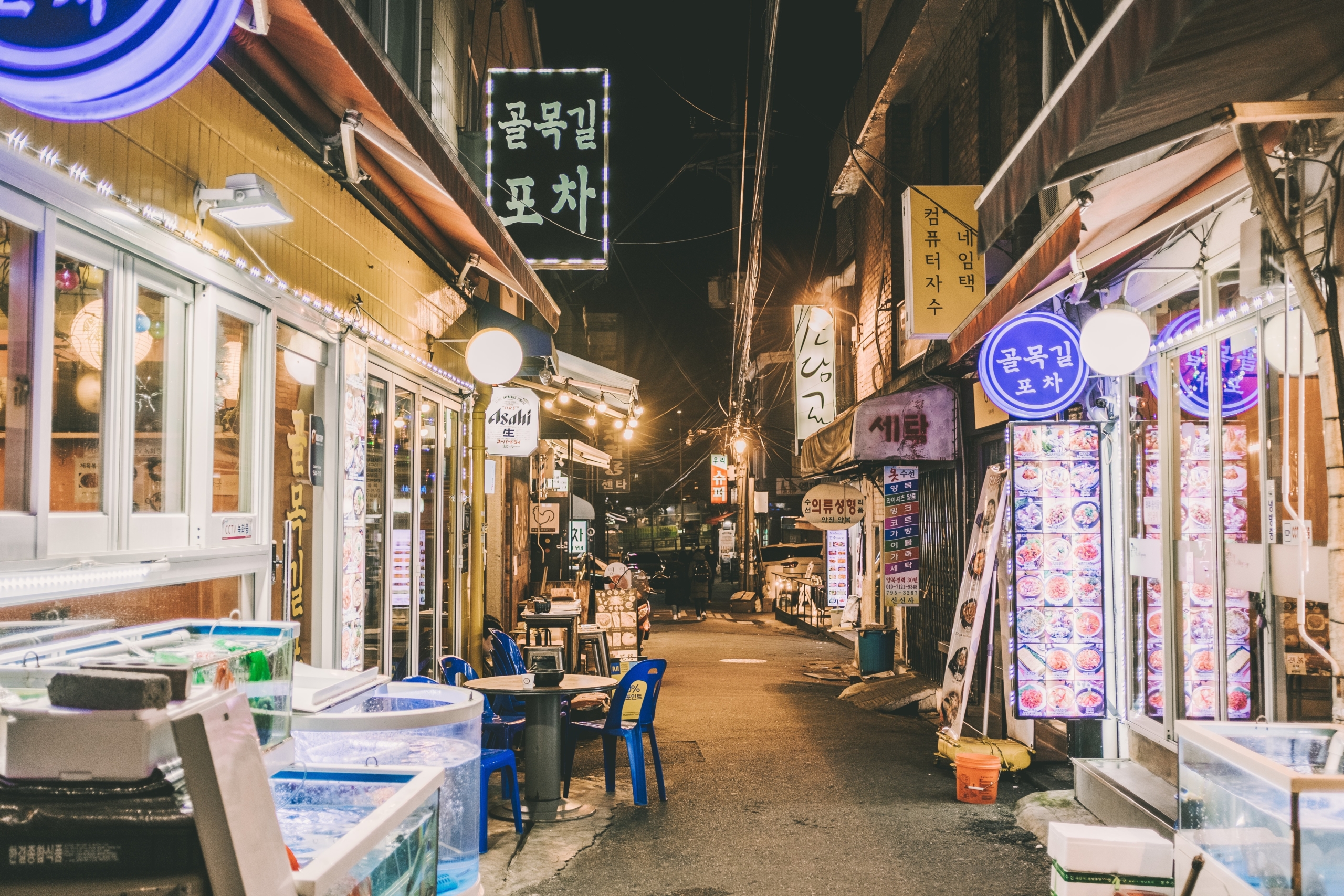
The Success of Philanthropy in South Korea

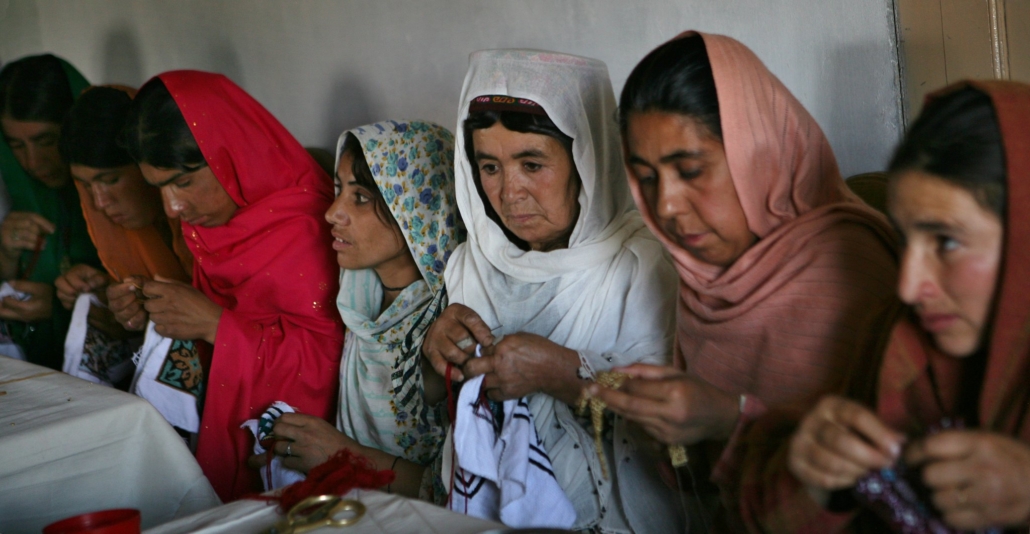
Philanthropy in South KoreaThe Republic of South Korea carries one of the most uplifting stories of increased education and economic improvement. South Korea faces poverty among the elderly and an education gap between the rich and poor. Despite that, the country has launched effective policies for poverty reduction. These efforts expand beyond the scope of just South Korea. This article will cover advancements in national poverty reduction. It will focus on South Korea’s global poverty reduction and philanthropy efforts through organizations such as World Friends Korea and the Korean International Cooperation Agency.
Poverty in South Korea

South Korea has evolved tremendously in terms of poverty reduction and economic improvement. In 1945, around the end of the Japanese colonization, South Korea was one of the poorest countries in the world. In the 1950s, after the Korean war, 80% of the urban population was below the poverty line. Today, South Korea’s literacy rate is 96% and its poverty rate is close to 14%. This decrease in poverty and illiteracy is largely due to extensive education policies and NGOs within Korea.

The Beautiful Foundation

In the late 1980s, democracy consolidated in South Korea. Various NGOs promoted humanitarian principles and rights, create a flow of social-political interactions and offer a voice to citizens. In 2002, estimates determined that there were 60,000 nonprofits in South Korea. While many international NGOs such as UNICEF, the Red Cross, UNDP and Planned Parenthood have had chapters and projects in South Korea, there are plenty of organizations in the nonprofit sector native to Korea. Established in 1999, Beautiful Foundation is one of the largest Korean nonprofits.

The Beautiful Foundation dedicates itself to creating an impartial society where people practice sharing by spreading wealth across society. The organization has had a great influence on philanthropy in South Korea. The 1% Sharing initiative, for example, encourages all Koreans to contribute 1% of their salary or income to any campaign or cause they believe in. These contributions are even open to individuals that do not live in Korea. The Beautiful Foundation has used these donations for disaster relief, child hunger and even social issues.

Philanthropy within Corporate Korea

South Korean corporations represent almost 40% of Korean philanthropy while the remaining 60% comes from individuals’ charity. Korean corporations such as Samsung have used social media to promote and inspire others to give through online sites. Samsung has also launched campaigns such as Samsung Hope for Children which helps children access education and medical treatment through donations of products and financial assistance.

Hyundai, another large corporation in South Korea, has launched campaigns such as the Hope on Wheels program, which helps children with cancer. Since it began its philanthropic efforts, Hyundai has given $72 million to pediatric research.

Government Role in NGOs and Philanthropy

Although these organizations are non-governmental, the government still plays a significant role. Most NGOs receive government grants. Additionally, certain government factions or ministries, such as the Korean Department of Health and Welfare, host annual conferences to bring organization leaders, government officials, corporate workers and academic scholars to discuss further development and new philanthropic strategies and ideas.

Many NGOs are also policy-oriented and must meet with government officials to achieve their goals. NGOs can campaign for a range of socio-economic issues such as income disparity and economic inequality. For instance, the Citizens’ Coalition for Economic Justice (CCEJ), which is the oldest NGO in Korean history to address social welfare issues, persuaded the Korean administration in the 1990s to change housing eviction policies. It also lobbied for the construction of more homes which the government agreed to.

South Korea Gives Back to the World

South Korea has evolved from a country receiving international aid, to a flourishing economy ready to give back. The country is the world’s 12th largest economy and began its international philanthropy in the 1990s. The Korean International Cooperation Agency (KOICA), established in 1991, distributes aid to promote economic and social development in poorer countries. Worlds Friends Korea, which is similar to the U.S. Peace Corps, has worked with KOICA to reduce poverty and provide opportunities for growth. Since 1990, World Friends Korea has sent around 50,000 volunteers and has been active in 96 countries.

South Korea has also been involved in security and reconstruction efforts in developing countries such as Afghanistan. In 2010, the Korean Province Reconstruction Team (PRT) worked to strengthen local governments, administrative competence and productivity, as well as provide support for agriculture, education and medical services in the Parwan Province.

South Korea pulled itself out of poverty through strict education policies, massive technological and economic advancements and an abundance of support from NGOs. After seeing poverty worldwide, the people of Korea honed in on the values of sharing and the long tradition of giving. South Korean philanthropy was born out of “self-actualization” and the desire to accept and help others. From giving to its own people to giving worldwide, from corporate philanthropy and NGOs to government-oriented organizations, South Korea has truly encompassed philanthropy.

– Nada Abuasi
Photo: Unsplash

October 28, 2020
https://borgenproject.org/wp-content/uploads/borgen-project-logo.svg 0 0 Kim Thelwell https://borgenproject.org/wp-content/uploads/borgen-project-logo.svg Kim Thelwell2020-10-28 01:30:562024-06-05 02:36:47The Success of Philanthropy in South Korea
Food Aid, Food Security, Hunger, Poverty

Hunger in Mexico: The Continuing Fight

Hunger in Mexico

Mexico struggles with multiple food-related health issues that range from malnutrition to obesity. Many families do not have access to the proper nutrients that their bodies need. However, this is not because of a lack of resources but rather because they cannot afford the available food. Approximately 36% of Mexicans are poor, with 7% in extreme poverty, making hunger in Mexico a significant problem. 

A Failed Crusade Against Hunger

Almost 22 years ago, in January 2013, and in the face of over seven million Mexicans living in extreme poverty, President Peña Nieto created the National Crusade Against Hunger. The program was designed not only to fight poverty and hunger in Mexico but also to completely eradicate both. The program centered around five main objectives: to achieve zero hunger through adequate food provisions, improve child nutrition rates, increase monetary income and food production for rural farmers, minimize food loss during transportation and promote internal community awareness. The Crusade allowed Mexicans in local communities to choose what objectives they wanted to focus on. The hope was for the program to address the diverse needs of varying regions. 

However, two years after the Crusade began, Mexico’s National Council for the Evaluation of Social Development Policy observed that it had made no substantial progress towards the five listed goals. Additionally, the Federal Auditor’s Office found that the program only covered approximately 60% of the population. Moreover, those that the program did cover failed to report adequate data on the aid received. After advising that the program be shut down in 2018, the Federal Auditor’s Office labeled the Crusade a failure. 

The Hunger Project

The Hunger Project (THP) has been a long-time supporter of hunger reduction efforts in Mexico, having worked with the people of Mexico for over 30 years. (As a prominent Mexican citizen, Mexico’s country director of The Hunger Project had participated in the activities of the Crusade). By providing training, education and monetary support, THP aims to teach communities how to take care of themselves long-term. In 2024, THP is particularly targeting indigenous and marginalized communities in rural areas, working to bring them to self-reliance. The current recipients include elderly indigenous women entrepreneurs, indigenous girls and adolescents, mothers, children under 5 and families, as well as indigenous men. Their work includes nutrition intervention, “indigenizing” food systems, training to build sustainable food security and Eat Well programs.

Global FoodBanking

In 2023, Mexico’s network of (56) food banks (Red de Bancos de Alimentos de Mexico, BAMX), a certified member of the Global FoodBanking Network, served almost 2.5 million people (over 847,000 children) and supported over 2,000 community service agencies with over 70,000 volunteers. GFN focuses worldwide on solving challenges to food security, hunger and sustainability. 

Saving Food, Reducing Hunger

Roadrunner Food Bank, established in 1979 in Albuquerque, New Mexico, is the largest food bank in the state and a member of Feeding America. In the summer of 2024, RFB signed an agreement with BAMX to establish the International Food Exchange Project. Through a food rescue process, millions of pounds of quality but “unsaleable” fruits and vegetables that would otherwise be unused and wasted, will have an outlet, first through BAMX food banks, with any excess going to southwestern U.S. food banks. Says Dana Yost, president and CEO of RFB, “[T]he big win is that it increases nutritious food access to people facing hunger whether they live here [New Mexico] or in Mexico. After all, hunger has no border.” The process will include the participation of growers, producers, exporters and other partners. One task will be to identify donor support and funding needs. The project is currently a pilot effort, but the intention is eventually to create a guide to the project that will allow it to expand. While food rescue and food sharing are not new concepts, this is the “first of a kind” arrangement between binational food banks and can become a model for similar efforts between other countries.

– Staff Reports
Photo: Flickr
Updated: October 28, 2024

October 21, 2020
https://borgenproject.org/wp-content/uploads/borgen-project-logo.svg 0 0 Kim Thelwell https://borgenproject.org/wp-content/uploads/borgen-project-logo.svg Kim Thelwell2020-10-21 01:39:532024-10-28 16:46:42Hunger in Mexico: The Continuing Fight
Global Poverty, Poverty

6 Facts About Poverty in Pakistan

Poverty in Pakistan
Pakistan, a country in South Asia, is part of the Indian subcontinent bordering India on the east side and Afghanistan on the west. Although Pakistan’s economy is growing at an exceptional rate, its population has not reaped much of the benefits of this economic growth. There are many factors to this uneven wealth distribution and high poverty rate. In order to understand the wealth gap and poverty situation, here are six facts about poverty in Pakistan.

6 Facts About Poverty in Pakistan

  1. The percentage of people in poverty in Pakistan in 2018 was 31.3%. According to the Business Recorder, the percentage of people in poverty in Pakistan could jump to 40%. By numerical standards, the poverty population will increase from 69 million to 87 million by the end of 2020. A value of 87 million is quite high in proportion to the country’s population of 212.2 million.
  2. In 2018, Pakistan suffered a macroeconomic crisis. The government had accrued a budget deficit of $18 billion by the end of 2018. As a result, this forced the government to limit its spending. The economic growth slowed significantly. The recent COVID-19 pandemic has further brought the economy to an almost standstill. This has forced the government of Pakistan to cut down on its spending. When a country’s economy shrinks, the government stops funding many welfare programs. Consequently, the people at the margins of poverty suffer, further increasing poverty in Pakistan.
  3. The COVID-19 pandemic has disproportionately affected the poverty-stricken citizens in Pakistan. These people consist of women, children, the elderly and people with disabilities. They are far more likely to suffer from malnutrition and their health may be weak. Thus, the virus tends to spread in poverty-stricken communities faster. The U.N. has recommended that Pakistan should increase its essential health services to people in poverty because of their weaker health status. In order to improve the economy, the U.N. also recommended that Pakistan should pass fiscal and financial stimuli. This can alleviate the debt and help many people in Pakistan financially. As a result, it may prevent the poverty rate from increasing or at least slow down the growth rate.
  4. The United Nations Development Programme (UNDP) has established a COVID-19 secretariat at Pakistan’s planning commission. Its mission is to help stabilize the economic crisis occurring in Pakistan. The planning commission will also provide social programs to help the citizens who COVID-19 affected. However, its main focus is on providing social programs to residents living in poverty. The planning commission has succeeded in assisting Pakistan in its crisis management amid this pandemic.
  5. Many children in Pakistan take up low-paying jobs in order to provide for themselves and their families. Many of these jobs are hazardous and dangerous. However, the children have no choice but to do them in order to receive any form of payment to feed themselves and their families. By 2018, Pakistan has made efforts to limit child labor and indentured servitude. Citizens still largely ignore and dismiss many of these laws, mainly due to children who willingly work in order to alleviate their families from poverty and hunger. However, Pakistan has made moderate advancements in diminishing and banning hazardous forms of child labor for children.
  6. There is some good news in Pakistan’s fight against poverty. In 2015, Pakistan’s then prime minister Nawaz Sharif launched a health care scheme for the poor. The scheme has largely been a success since it expanded. In 2019, the current prime minister of Pakistan Imran Khan stated that he envisions a future for Pakistan where it can be a welfare state similar to the Scandinavian countries. So far, his administration is working on furthering this vision by raising income taxes on the wealthy and instigating more welfare programs. In addition, the government is doing its best to continue fighting poverty and providing social programs and health care to the poor amid the COVID-19 pandemic. The government will provide financial stimulus checks to its citizens ($70, or 11,717.89 Rupees). This program is called the “Ehsass Programme.” So far, this modest social welfare program has helped many Pakistani families financially. Additionally, the government is planning more programs in order to help its citizens amid the pandemic.

Concluding Thoughts

Pakistan’s poverty rate has decreased in recent years. However, the country’s current economic crisis, mixed with its fight against the COVID-19 pandemic, has put many Pakistani citizens out of jobs. This has further increased the poverty rate. The government of Pakistan is doing its best to fight both the COVID-19 pandemic and poverty in Pakistan. So far, the government has provided many social welfare programs at a scale that they have never done in history until now. Much more is necessary for the country to defeat poverty.

– Sadat Tashin
Photo: Flickr

October 20, 2020
https://borgenproject.org/wp-content/uploads/borgen-project-logo.svg 0 0 Kim Thelwell https://borgenproject.org/wp-content/uploads/borgen-project-logo.svg Kim Thelwell2020-10-20 19:31:152022-05-12 11:21:116 Facts About Poverty in Pakistan
Page 9 of 27«‹7891011›»

Get Smarter

  • Global Poverty 101
  • Global Poverty… The Good News
  • Global Poverty & U.S. Jobs
  • Global Poverty and National Security
  • Innovative Solutions to Poverty
  • Global Poverty & Aid FAQ’s
Search Search

Take Action

  • Call Congress
  • Email Congress
  • Donate
  • 30 Ways to Help
  • Volunteer Ops
  • Internships
  • Courses & Certificates
  • The Podcast
Borgen Project

“The Borgen Project is an incredible nonprofit organization that is addressing poverty and hunger and working towards ending them.”

-The Huffington Post

Inside The Borgen Project

  • Contact
  • About
  • Financials
  • President
  • Board of Directors
  • Board of Advisors

International Links

  • UK Email Parliament
  • UK Donate
  • Canada Email Parliament

Get Smarter

  • Global Poverty 101
  • Global Poverty… The Good News
  • Global Poverty & U.S. Jobs
  • Global Poverty and National Security
  • Innovative Solutions to Poverty
  • Global Poverty & Aid FAQ’s

Ways to Help

  • Call Congress
  • Email Congress
  • Donate
  • 30 Ways to Help
  • Volunteer Ops
  • Internships
  • Courses & Certificates
  • The Podcast
Scroll to top Scroll to top Scroll to top