• Link to X
  • Link to Facebook
  • Link to Instagram
  • Link to TikTok
  • Link to Youtube
  • About
    • About Us
      • President
      • Board of Directors
      • Board of Advisors
      • Financials
      • Our Methodology
      • Success Tracker
      • Contact
  • Act Now
    • 30 Ways to Help
      • Email Congress
      • Call Congress
      • Volunteer
      • Courses & Certificates
      • Be a Donor
    • Internships
      • In-Office Internships
      • Remote Internships
    • Legislation
      • Politics 101
  • The Blog
  • The Podcast
  • Magazine
  • Donate
  • Click to open the search input field Click to open the search input field Search
  • Menu Menu

Archive for category: Poverty

Child Marriage, Global Poverty, Poverty

The Fight Against Child Marriage in Palestine

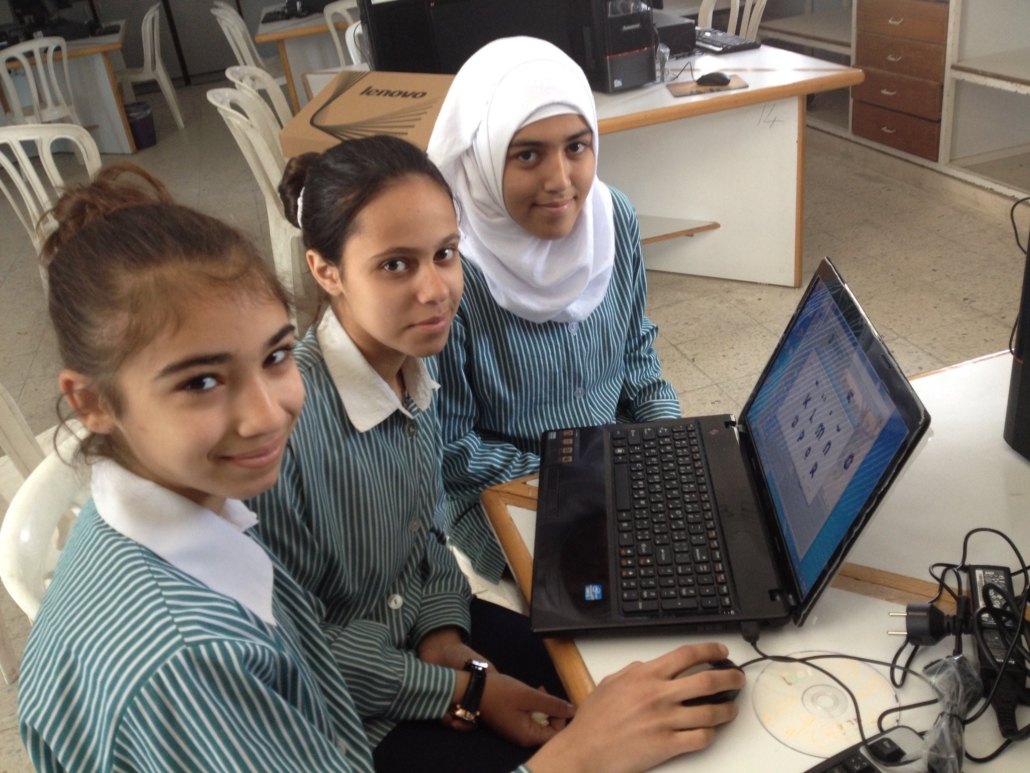
Child Marriage in Palestine
In 2014, the State of Palestine ratified the Convention on the Elimination of All Forms of Discrimination Against Women and the Convention on the Rights of the Child. These treaties aim to protect children from child marriage in Palestine. However, child marriage is still a threat to children due to gender discrimination and economic struggle.

The Main Causes of Child Marriage in Palestine

Gender discrimination is among the causes of child marriage in Palestine. Children living in the Gaza Strip and West Bank, especially girls and women, suffer gender-based violence throughout their communities and even in their families. Some girls face physical, sexual and psychological abuse. In 2015, the Women’s Affairs Center (WAC) reported that 65% of women married before 18 experienced at least one act of violence in the Gaza Strip. Although Palestine produced laws and treaties to help women and children, many of them are incredibly broad. In addition, they are subject to varying degrees of interpretation by the police and legal institutions. Because of the number of gender-based attacks, families use marriage to protect these girls from poverty, sexual harassment and assault. However, marriages frequently lead to more negative effects for these child brides.

The necessity for economic survival also ties in with the prevalence of child marriage in Palestine. Political instability has led to widespread poverty with more than half of families in Palestine living below the poverty line. A 2019 survey showed that the highest rate of child marriage exists in encampments and the Jordan Valley. These areas also struggle the most with education. According to this report, families in this area have turned away from the socioeconomic and demographic transitions that have taken place in the West Bank over the past two decades. While the rate of child marriage has decreased through Palestine, certain areas still have issues keeping their children safe.

The Effect of Child Marriage in Palestine

Child marriage is a violation of basic human rights. Consequently, it often results in early pregnancy and social isolation. In addition, many child brides have minimal school experience, which is reinforcing the cycle of poverty. In the West Bank, 21.3% of girls have had a live birth below 18, and in the Gaza Strip, the number is 23.8%. Pregnancy-related deaths are the leading cause of death in both married and unmarried girls below the age of 18.

Child marriage has many long-term effects on children’s psyche. It negatively affects any likelihood of a future healthy relationship and employment. This forceful engagement brings out trust issues, leaving victims of child marriage isolated and vulnerable to exploitation and abuse. Many of these child brides do not receive any support. Furthermore, child brides’ social wellbeing frequently declines as well. Child marriage has many long-term effects on a child’s physical, psychological and social health.

The Men Who Stand Against Child Marriage in Palestine

Freeh Abu T’ema is one of the first 20 ambassadors of change working to persuade their community to stop early marriages. After two of the ambassadors came to his house to stop his daughter’s wedding, he realized that the marriages of young girls is unethical and decided to join the ambassadors to advocate for change. The two ambassadors who visited him were Mossa Abu Taema and Wael Abu Ismael. These men had undergone training from a community-based organization, the Future Brilliant Society, as part of the U.N. Women’s Regional Men and Women Gender Equality Programme.

This organization focuses on educating men on gender equality issues to promote gender equality. This training helped them become advocates for change. As a result, the group expanded to more than 30 men in eastern Khan Younis (and the Gaza Strip) and prevented 50 marriages and counting.

Freeh Abu T’ema and the rest of the ambassadors raise awareness by educating people in their communities. Teaching people, protesting early marriage and donating to charities are ways to raise awareness about early marriage in Palestine.

– Aahana Goswami
Photo: Flickr
July 7, 2021
https://borgenproject.org/wp-content/uploads/borgen-project-logo.svg 0 0 Jennifer Philipp https://borgenproject.org/wp-content/uploads/borgen-project-logo.svg Jennifer Philipp2021-07-07 01:30:142024-06-06 01:05:36The Fight Against Child Marriage in Palestine
Children, Education, Poverty

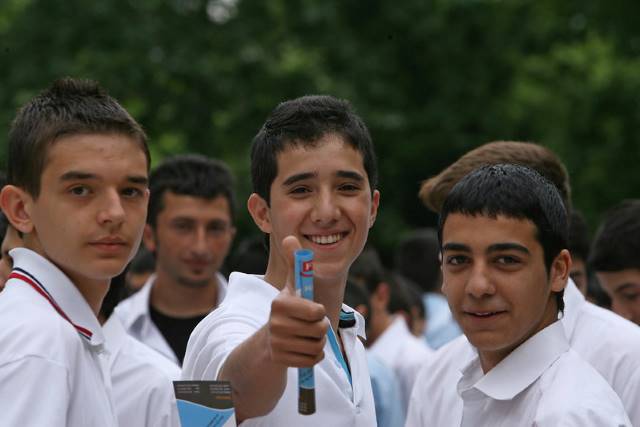
Addressing Turkish Educational Inequality

Turkish Educational InequalityWith the COVID-19 pandemic creating economic distress in Turkey, the need for NGOs, nonprofits and organizational aid is bigger than ever. One NGO, the Darüşşafaka Society, is providing much-needed support for one of Turkey’s most vulnerable populations: children. As Turkey’s oldest non-governmental organization in the field of education, the Darüşşafaka Society has served as a model for combating Turkish educational inequality and remains one of the most prominent NGOs in Turkey today.

Low Enrollment Rates in Turkish Schools

In comparison to the majority of EU countries, Turkey has a larger issue with educational enrollment. In 2016, Turkey hit a peak in terms of the percentages of out-of-school adolescents since 2012. The UNESCO Institute of Statistics found that approximately 523,363 Turkish adolescents were unenrolled, surpassing the previous year by almost 100,000 youths.

While this number has declined in recent years, 2019 data from the Organization for Economic Cooperation and Development (OECD) found that the percentage of Turkish 15-to-19-year-olds who were unemployed and out of school was 17% still far above the average 6.6% for OECD countries.

Academic and Socioeconomic Inequality in Turkey

A contributing factor to these numbers is Turkish educational inequality, which impacts technological access, enrollment rates and academic performance overall.

In 2020, the COVID-19 pandemic exacerbated the issue of Turkish educational inequality. Reports indicate the true severity of the situation, stating that 20% of Turkish students had internet connection issues in 2020, limiting online learning accessibility and resources for students across the country. Additionally, the financial stress of the pandemic put many families in a tight spot, unable to afford necessary tools like school supplies, computers and technological resources. Households were also unable to pay for data and the internet to connect to online classes.

The History of Darüşşafaka Society

For many needy children and families, relief has come in the form of the Darüşşafaka Society. Darüşşafaka Society is the oldest Turkish NGO in the field of education, originally founded in 1863 as a part of Cemiyet-i Tedrisiyye-i İslamiye or the Islamic Education Society. High-standing intellectuals in Turkey founded Darüşşafaka Society in order to establish formal education channels for needy children and orphans, teaching basic skills like reading, writing and math when governmental efforts fell short.

In more than 100 years since its founding, Darüşşafaka Society has become an integral part of the fight against Turkish educational inequality, providing educational and financial support to needy and orphaned students and expanding on its original mission by constructing a physical campus in Istanbul. The Society offers full scholarships to students as well as complete coverage of all healthcare, living and academic expenses. These costs are covered through donations made to The Society. The initiative also strives for scholarship support to its students during their tertiary studies.

Success Stories

The Society’s impact on Turkish educational inequality can be seen through the stories of students, faculty and alumni. One such story is that of Dr. Nahit Çakar, a professor of anesthesiology at Istanbul University who was admitted to Darüşşafaka after struggling to pay for education. Çakar, while not an orphan, was a student with significant financial hardships that prevented accessibility to prestigious schools.

Çakar says, “We learned about friendship, camaraderie. We were a group of people coming from the same deprivation and poverty.” After graduating from Darüşşafaka, Çakar went on to become a doctor and professor, aiming to pay forward the gift of education.

Funding for Darüşşafaka Society comes primarily from local community donors, but The Society has also found itself in the sights of international corporations in recent years. A 2011 interview with Saffet Karpat, chairman of the Procter & Gamble Turkey Board of Directors, highlighted the “Dream to Reality” flagship project with the Darüşşafaka Society as part of the company’s social responsibility campaign in Turkey. The program has helped more than 10,000 students with projects in the fields of science, photography and music, throughout the course of one year.

Darüşşafaka Society Today

According to Darüşşafaka’s website, the current student cohort amounts to a little less than 1,000 students, many of whom were previously learning in disadvantaged classrooms with up to 60 other students. The success of Darüşşafaka’s students is in part due to the improved learning environments that it provides. For instance, as a result of its rigorous focus on science, Darüşşafaka’s robotics team has become a significant contender in the FIRST Robotics Competition, an annual international STEM and robotics championship held in the U.S.

Comprised entirely of orphaned and disadvantaged students, the team has won championship-division awards since its start in 2009 and was most recently presented with awards in both the Long Island and Houston championships in 2019.

Breaking the Cycle of Poverty

According to the Global Partnership for Education, an equal chance at education for students of all backgrounds could reduce international economic disparities by 39%. With the continued efforts of organizations like Darüşşafaka Society, youth in need, disadvantaged and orphaned students will continue to be provided with opportunities to rise out of poverty through education.

– Madeleine Youngblood
Photo: Flickr

May 12, 2021
https://borgenproject.org/wp-content/uploads/borgen-project-logo.svg 0 0 Kim Thelwell https://borgenproject.org/wp-content/uploads/borgen-project-logo.svg Kim Thelwell2021-05-12 07:30:162024-05-30 22:23:31Addressing Turkish Educational Inequality
Global Poverty, Poverty

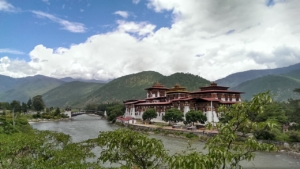
Updates on SDG 6 in Bhutan

SDG 6The 2030 Agenda for Sustainable Development was established in 2015 and contains seventeen goals. These goals, known as SDGs, were developed to improve global health and well-being. Bhutan was one of the many nations to adopt this agenda. Although they have been specifically focusing on SDG 1 (no poverty), SDG 13 (climate action) and SDG 15 (life on land), this South Asian country is also heavily focusing on SDG 6. SDG goal 6 primarily focuses on water sanitation and management being universally accessible. In fact, billions of people currently do not have access to safe drinking water or sanitation. As of 2017, only 58% of Central and South Asian countries had the ability to use soap and water to wash their hands at home. However, Bhutan has been making positive progress in their SDG goal 6.
Government Initiatives for SDG Goal 6

In 2018, Bhutan’s government launched its 12th National Five Year Plan. The agenda contains many SDGs in order to reduce poverty levels. Within the plan, the government has also developed National Key Result Areas (NKRA) to maintain accountability for its initiatives. There are three NKRAs that center on safe drinking water. NKRA 17 specifically targets sustainable water by focusing on maintaining proper irrigation and sanitation for quality water. The agenda plans to create at least six new programs dedicated to this goal, including a flagship program that will prioritize this issue.

While the Bhutan government has increased its focus on SDG 6, there is still room for improvement. According to the Annual Health Bulletin 2017, 4.1% of its citizens experience open defecation due to no access to hygienic toilets and proper water sanitation. Inequalities within this country also result in unequal access to clean water, especially in rural areas. However, more than 90% of rural homes in the country have improved water quality.

Global Partnerships

Bhutan works with many global organizations to improve clean water within their country. The organization Sanitation and Water for All is a multi-national partnership that focuses on achieving universal access to water sanitation by working to implement the SDGs. Bhutan joined this organization in 2017 and is currently upgrading older toilets and developing a map for accessible safe water.

Bhutan also partners with the SNV Netherlands Development Organization (SNV), a nonprofit organization that focuses on the SDGs and global poverty. SNV, Bhutan’s Public Health Engineering Division and Ministry of Health developed the Rural Sustainable Sanitation and Hygiene Programme (RSAHP). Their mission is to develop more water, sanitation and hygiene (WASH) protocols in the Bhutan government. This program has increased sanitation to almost 99% in certain districts.

The Water for Women initiative is a program by the Australian government that works with Bhutan. The program also partners with SNV. Both organizations developed Beyond the Finish Line – Sustainable Sanitation and Hygiene for All to improve rural water sanitation in Bhutan. This project focuses on the impact quality sanitation can have on many factors, including decreasing poverty levels and increasing gender equality.

Bhutan is making headway in its work to achieve the SDG 6. Although there is always room for improvement, Bhutan’s governmental policies, programs and its global partnerships will further aid their positive progress toward more accessible water sanitation. The drive can be heard in statements made by the King of Bhutan, Jigme Khesar Namgyel Wangchuck, who said, “Where we live must be clean, safe, organized, and beautiful, for national integrity, national pride, and for our bright future. This too is nation-building.”

– Mia Banuelos
Photo: Pixabay

May 11, 2021
https://borgenproject.org/wp-content/uploads/borgen-project-logo.svg 0 0 Kim Thelwell https://borgenproject.org/wp-content/uploads/borgen-project-logo.svg Kim Thelwell2021-05-11 01:31:152021-05-11 03:47:32Updates on SDG 6 in Bhutan
Global Poverty, Poverty

5 Facts About Somalia’s Poverty Crisis

Somalia's Poverty Crisis
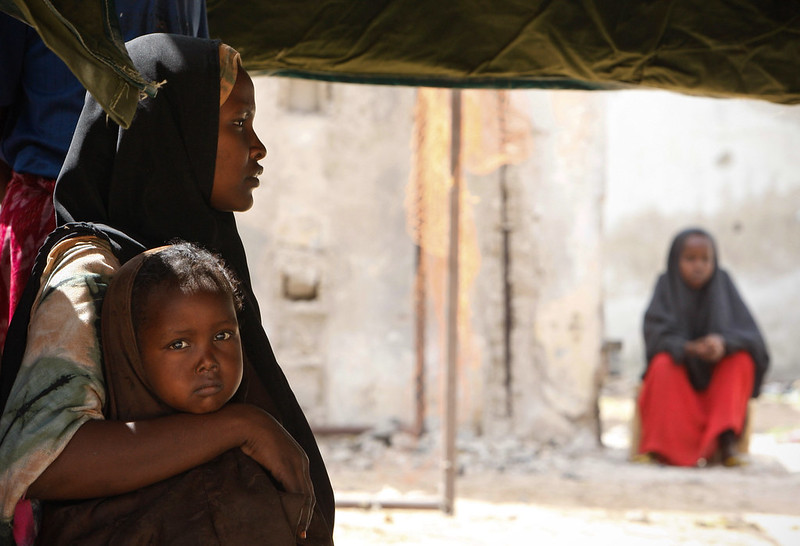
Once ancient Egypt’s “Garden of Eden,” Somalia is facing extreme poverty amidst a civil war and growing corruption. With a growing number of pirates and terrorists, the country’s youth are at extreme risk. This article lists five facts about Somalia’s poverty crisis, how these forces are plaguing the nation and what some are doing to improve conditions.

5 Facts About Somalia’s Poverty Crisis

  1. Piracy: According to Gale General, Somalia is a haven for pirates. This is because there is no national army or police force to prevent piracy; rather, crooked regional and local warlords are happy to receive tribute and grant franchises. This factors into why national crises and famines occur in Somalia. Unfortunately, there are few options for shipping companies trying to avoid or dispel pirate attacks. There are, however, options to end Somalia’s pirate problem. The hiring of private security for vessels would prevent attacks but is costly and the International Maritime Bureau discourages it. Another option is to avoid the Gulf of Aden completely, however, this is also expensive as it would make transportation 20 to 30 days longer. The last option is the most possible: for shipping companies to operate an insurance-laden vessel.
  2. Poverty Among Youth: According to UNDP statistics, Somalia has a poverty rate of 73%, with 70% of the population being under the age of 30. Meanwhile, 67% of Somalian youth do not have employment. Save the Children reports this rate is among the highest globally. These statistics do not come without good news. Nearly 69,000 young Somalians converted to social transfers to increase their purchasing power. This translates to nearly 10,000 households, 3,000 of which include children under the age of 5. Forty thousand Somalians received asset protection, better food security and general life improvements. Translating to about 6,000 households, they are now able to promote sustainable, strong and peaceful livelihoods. All of this occurred in 2015 alone.
  3. Education: Among the struggles many Somalians face is difficulty accessing education. Somalian children usually begin their education later, though this is due to cultural influence rather than poverty. However, the number of schools is so sparse that the distance alone is a major obstacle. Although, in 2015, 3,000 youths received free education and employment promotion activities, which has indirectly helped 20,000 individuals. From the first half of the year, 65.8% of youths who have graduated from Technical & Vocational Education Training centers found good jobs that met their new expertise.
  4. Health: Life expectancy in the country is horrifically low, averaging about 52 years from birth. Civil warfare and instability have made it difficult for humanitarian aid to reach people in need. Groups have experienced limitations in providing health care and other basic needs due to excessive looting, threats by Al-Shabab directed to aid workers and a lack of security. According to the World Health Organization (WHO) and Parasitic Control and Transmission, 3 million children require regular treatment for intestinal worms and 300,000 more for schistosomiasis. By the time Médecins Sans Frontières International left Somalia, nearly 2,000 staff members provided free primary health care, malnutrition treatment, epidemic response and immunization campaigns. In 2012 alone, 59,000 Somalians received vaccinations. Currently, the World Health Organization (WHO) has a commitment to expanding coverage for vaccine-preventable diseases, reducing HIV/AIDS, malaria and tuberculosis cases and strengthening healthcare programs.
  5. Civil Unrest: Al-Shabab is a terrorist organization fighting to enforce its distorted view of a fundamentalist Islamic state. The group has been one of the main causes of warfare and unrest in Somalia. When famine plagued the nation between 2010 and 2012, the group worsened conditions by putting pressure on humanitarian aid such as MSF. This resulted in 260,000 Somalians dead, half of which were under the age of 25. With the help of the African Union Mission, the Somalian government has since decreased Al-Shabab-controlled regions but roadblocks and checkpoints are still full of armed terrorists.

Looking Ahead

Despite the growth of terrorist organizations and attacks against humanitarian aid, many organizations have a commitment to providing foreign aid and helping during Somalia’s poverty crisis. WHO has dedicated its efforts to expanding coverage for vaccine-preventable diseases, building capacity for reductions in diseases and strengthening programs concerning health for women and children. It is also working on strengthening the health system and preparing for any outbreak and crisis responses. Save the Children also has three core areas for aid including sensitive social protection, sensitive livelihoods and transitions to work. To the dismay of Al-Shabab, these brave volunteers are too stubborn to abandon Somalia. One day, hopefully, the country will become the “Garden of Eden” once again.

– Marcella Teresi
Photo: Flickr

May 7, 2021
https://borgenproject.org/wp-content/uploads/borgen-project-logo.svg 0 0 Lynsey Alexander https://borgenproject.org/wp-content/uploads/borgen-project-logo.svg Lynsey Alexander2021-05-07 07:31:162024-05-29 23:15:505 Facts About Somalia’s Poverty Crisis
Global Poverty, Poverty

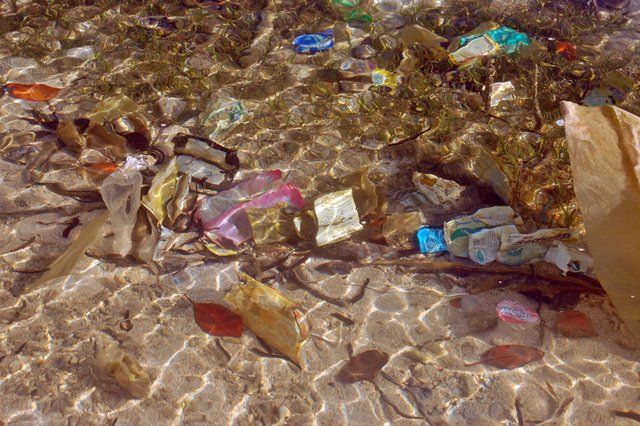
Leaders Tackle Plastic Waste in Indonesia

Plastic Waste in IndonesiaPlastic waste in Indonesia is a significant problem but the government and other actors are now taking action to address it. Indonesia’s plastic waste problem causes multiple environmental and economic issues, which exacerbates poverty. New measures and efforts could help get the country on the right track and improve the prospects of many.
The Plastic Waste Crisis

Indonesia is currently dealing with a waste crisis both on land and in the oceans surrounding the country’s islands. Indonesia is the second-largest contributor to the abundance of plastic waste in the ocean. This waste has harmful economic consequences for the country and its people.

Indonesia currently produces 6.8 million tons of plastic waste per year, with only about 10% of it ending up in recycling centers. About 625,000 tons of annual plastic waste ends up in the oceans. Landfills are typically in very close proximity to communities, leading to toxic wastewater seeping into nearby farmland and hindering the growth of crops.

This also flows into rivers, impacting the livelihoods of those who depend on the river’s water. The fishing industry also suffers from the impact of plastic pollution in the oceans as marine life is affected. Viral videos of trash-choked beaches in tourist destinations like Bali also alarm the tourist industry, a huge boon for Indonesia’s economy. There is concern about the potential impact of this excessive pollution on tourism. Fortunately, the issue has received acknowledgment and there are plans to address the problem of plastic waste in Indonesia.

Individual and Community Action

Individuals, groups and the government are stepping up to end and mitigate the plastic waste crisis in Indonesia. Awareness of the problem is the first step. Local Indonesians have played a significant role in starting movements and increasing awareness.

For example, Melati and Isabel Wijsen established the environmental nonprofit Bye Bye Plastic Bags when they were just 12 and 10 years old. Bye Bye Plastic Bags has become one of the largest environmental nonprofits in Bali and is helping to educate children on the environmental harm of plastics.

Another individual, Mohamad Bijaksana Junerosano, founded the social enterprise Waste4Change. It educates the populace on sorting and sustainably managing waste.

Community cleanup initiatives have also become popular recently. Beach cleanups are simple and effective ways to get people involved. In August 2018, more than 20,000 people mobilized in 76 locations across Indonesia for a one-day beach cleanup that also raised awareness of the waste crisis.

Government Action

Both local and national levels of government have taken the most important steps to end the crisis of plastic waste in Indonesia. The island of Bali banned all single-use plastics at the end of 2018. The capital of Jakarta also banned single-use plastic bags in its shopping centers and street markets in 2020.

Indonesia’s national government has rolled out a very ambitious plan to end the plastic waste problem. It aims to minimize marine plastic waste by 70% by 2025 and be entirely rid of plastic pollution by 2040. Indonesia created five action points to make it easier to meet these overall goals:

  • Reduce or replace plastic use by avoiding single-use plastic packaging
  • Rethink the designs of plastic products and packaging to allow for multiple-use and recycling
  • Double the current plastic waste collection of 39% to 80% by 2025
  • Double current recycling capacity by investing in infrastructure capable of processing an additional 975,000 tons of plastic annually
  • Develop or expand on proper waste disposal infrastructure that can process an additional 3.3 million tons of plastic waste annually

Though reducing plastic waste in Indonesia and its oceans is a challenge, ordinary people and the government of Indonesia are taking proactive steps. These efforts will have a positive impact on livelihoods, the economy and the health of people. The future looks bright for a cleaner Indonesia.

– Clay Hallee
Photo: Flickr

April 23, 2021
https://borgenproject.org/wp-content/uploads/borgen-project-logo.svg 0 0 Yuki https://borgenproject.org/wp-content/uploads/borgen-project-logo.svg Yuki2021-04-23 07:30:252021-04-22 18:06:47Leaders Tackle Plastic Waste in Indonesia
Charity, Developing Countries, Development, Global Poverty, Poverty, Poverty Reduction

Fighting Poverty in South America

Fighting Poverty in South America
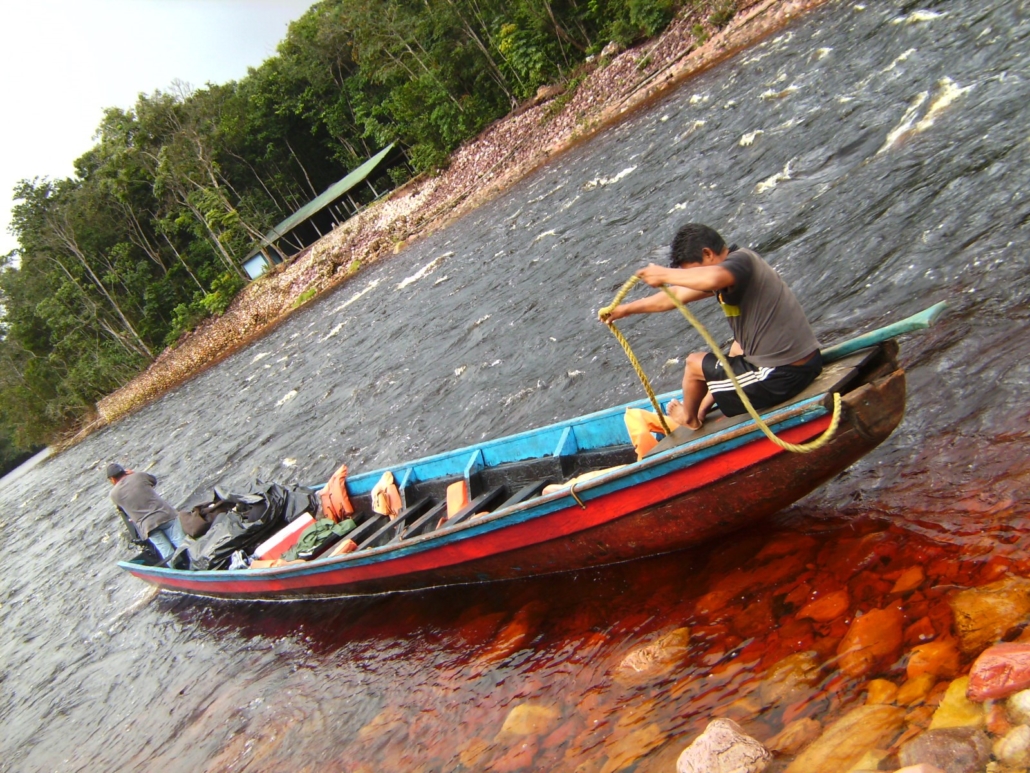
A long history of imperialism, turmoil and instability has manifested itself into modern issues of poverty in South America. Countless grassroots and nongovernmental movements are providing help to the poor in this region. Many funds often drown in the complexities of bureaucratic and organizational structures, unfortunately. One individual is repurposing the term “influencer culture.” This refers to the social leverage that internet users with clout have. Aaron Murphy is creating mini-docuseries for awareness and sharing his personal payment service usernames. He is raising funds at a global scale that he directly pumps into the community. He is fighting poverty in South America through social media and videos.

Aaron Murphy

Aaron Murphy traveled to South America on a backpacking trip to learn Spanish. He now wanders across states in the region — mainly Ecuador, Peru, Colombia and Venezuela — to empower families and communities. His entire journey is available for public access on his social media, specifically his YouTube and Tik Tok accounts. His posts and videos often include an effort to promote awareness along with a call to action. Notably, the content available on these platforms provides a candid view into the everyday life of people living in poverty in South America.

The intent is not to romanticize a serious issue. Instead, he aims to connect with his viewers, sharing the very human reality beyond the understanding of people who live with less. He includes mini-documentaries and conducts interviews with residents. Murphy willfully makes an effort to understand the communities he is in. Murphy has also vocalized part of his videos’ purpose is to remind viewers of the privileges and blessings they experience daily.

Vlogs and Awareness

Murphy’s posts calling people to action have gained large traction recently, especially on Tik Tok. The app’s algorithm works to boost trending videos and topics. His audience is growing along with efforts to support his organization. Murphy provides continuous updates on different projects, giving followers a transparent view of where their proceeds go. His videos also focus on documenting dialogue between individuals and families. He also translates what they say into English subtitles.

Murphy films his videos into vlogs. They cater to a younger audience and have a natural look. One series of videos prompted a wave of global action at the beginning of March 2021. Murphy was following a Venezuelan native community without quality access to housing and food. In the first video and caption, he showed the livelihood of the struggling community. He then urged followers to donate through Paypal and Venmo. Followers raised $12,000 after Murphy posted the video. This gave the Murphslife team the ability to provide the community beds for 112 huts.

The Murphslife Foundation

The Murphslife Foundation accepts funds through Patreon, Venmo, Paypal and Cash App to go towards its efforts fighting poverty in South America. It is a largely unique approach to tackling poverty in South America, though an effective one for convenient participation among younger activist communities. The organization has no connection to any tax-exempt status. Perhaps a testament to its efficacy, the organization is a young and rapidly growing one.

Oftentimes, there is little opportunity to provide direct help for international causes. Initiatives to eradicate poverty in South America have become saturated and commodified in ways similar to that of an enterprise. The nonprofit and not-for-profit organizations affect the people negatively. This takes place, though the organizations are important within the larger picture of a long-term solution to poverty.

It has an association with nationalities and governances, forced through sanctions and other diplomatic complications. Potential donors dull the impact of a donation when dissuaded from giving to charities for these political complications. Murphslife shows how short-term results are also incredibly effective solutions to help those in need. Going forward, hopefully, other organizations and influencers will follow Murphy’s model of fighting poverty in South America. This will help them anchor their support in the fight to end poverty as a whole.

– Danielle Han
Photo: Flickr

April 15, 2021
https://borgenproject.org/wp-content/uploads/borgen-project-logo.svg 0 0 Kim Thelwell https://borgenproject.org/wp-content/uploads/borgen-project-logo.svg Kim Thelwell2021-04-15 20:18:552024-12-13 18:02:27Fighting Poverty in South America
Global Poverty, Poverty

Corruption in Russia and Its Effects on Poverty

Corruption in Russia and Its Effects on Poverty
In 2018, the Russian government set the goal of halving poverty levels in the country by 2024. However, recent revelations of corruption among Russian officials threaten progress towards such a goal. One is the case of President Vladimir Putin’s usage of ₽100 billion, about $1 billion, of stolen taxpayer money to build his extravagant palace. Here is an explanation of corruption in Russia and its effects on poverty.

“Comrade Capitalism”

Corruption in Russia is primarily based on the merging of public services and private interests. In 2005, President Putin created a $1 billion program to improve the country’s healthcare system, as average life expectancy declined significantly after the fall of the Soviet Union. According to a 2014 Reuters investigation titled “Comrade Capitalism,” this program helped to fund the construction of President Putin’s palace on the Black Sea and enrich two of his closest associates, Dmitry Gorelov and Nikolai Shamalov.

Shamalov was involved in the construction and preparation of new hospitals. Gorelov and Shamalov used multiple intermediaries to increase their profits while providing medical equipment to the Russian government. One of those intermediaries was a company based in Washington, D.C., that received approximately $50 million for providing construction materials for President Putin’s palace.

Poverty in Russia During COVID-19

Although the Reuters investigation is 7 years old, its revelations of Russian corruption are particularly timely during the COVID-19 pandemic. Working-class cities in Russia have experienced the most impact. A report from The Moscow Times covers Ivanovo, Russia, a city located four hours away from Moscow that was once the center of Russia’s textile industry but has struggled during the pandemic. High unemployment rates and low monthly salaries contribute to a broader trend of doctors leaving the city seeking employment elsewhere. Since many of the available jobs in the city are in construction, security and shop work, most residents are unable to shelter in place to control the spread of COVID-19. As a result, all hospitals in the city are almost at full capacity. Moreover, the city’s healthcare chief is looking to purchase more refrigerators because the morgues are full.

Expanded Social Welfare in Russia

In response to the increased poverty rates that the pandemic caused, the Russian government has expanded social welfare programs. The most successful and widely used type of social assistance is cash transfers. The integration of cash transfers with employment support and social inclusion services was highly successful in the Republic of Tatarstan. The Republic of Tatarstan created a program called the Tatarstan Social Assistance System Development Project in collaboration with the World Bank. Since the establishment of this program, an increase in opportunities and financial support has occurred for people in Tatarstan. Thankfully, experts expect this trend to continue.

“Palace for Putin” Hits a Nerve

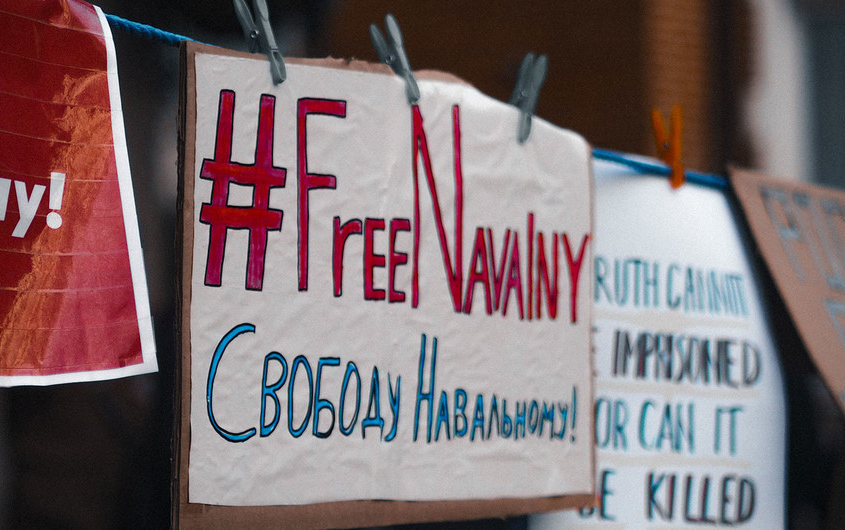
Alexei Navalny, President Putin’s most public political rival, wrote a documentary in January 2021 called “Palace for Putin.” It covered President Putin’s rise to power, the extent of his estate on the Black Sea and the people in his immediate circle that enrich themselves at the expense of the Russian people. Navalny’s team enlisted the help of an outraged palace contractor to provide an insider view of the secretive estate. Leaked floor plans of the palace reveal countless swimming pools, halls and extra bedrooms for entertaining guests. The property also has a hockey rink and amphitheater, in addition to other lavish accommodations.

For many Russians experiencing a decreased standard of living and increased inequality, this documentary was the last straw. On January 23, 2021, protests broke out as a result of Navalny’s recent arrest and corruption in Russia. While other protests of Russia’s recent history took place exclusively in big cities, these are quite different. Not only are the protests spread across the country, but younger generations are leading them. Hundreds of thousands of people took to the streets, some in temperatures far below freezing, to express their frustrations.

Although the protests were mostly peaceful, police forcefully dispersed protests, citing COVID-19 concerns, and detained thousands of protesters, violating the freedom of assembly outlined in the Russian constitution. Navalny’s February 2, 2021 trial and sentencing for violating parole further attracted protesters, hundreds of whom authorities arrested outside of the Moscow court where the hearing took place.

Response from the United States

On September 23, 2020, Representative James P. McGovern [D-MA-2] introduced a resolution condemning Russian authorities for the suspicious poisoning of Alexei Navalny and calling for an investigation of the poisoning as use of chemical weapons, which is a violation of international law. The resolution passed in the House of Representatives on November 18, 2020.

One week after taking office, President Biden had his first phone call with President Vladimir Putin, in which they agreed to extend New START, the U.S.-Russia arms control deal. President Biden also confronted him about the recent SolarWinds hack and the arrest of Alexei Navalny. The U.S. president’s tone with President Putin was less sympathetic than that of his predecessor. Additionally, the Biden administration has taken interest in the recent protests in Russia. This is because they reveal weaknesses in Russian domestic politics that tarnish Putin’s image as a leader with complete control. The renewed desire for honesty and accountability among the Russian people presents an opportunity for the United States to engage with Russian society.

Moving Forward

Corruption in Russia is extremely frustrating to the average citizen. With corruption among top national officials, Navalny’s arrest and pandemic-induced decreased living standards, it is clear to see why. In order for average Russian lives to improve, the social safety net must undergo expansion. If Russia continues following the example of the Republic of Tatarstan and the Biden administration continues to invest in the well-being of Russian citizens, corruption in Russia and its effects on poverty should slowly but surely improve.

– Sydney Thiroux
Photo: Unsplash

March 30, 2021
https://borgenproject.org/wp-content/uploads/borgen-project-logo.svg 0 0 Kim Thelwell https://borgenproject.org/wp-content/uploads/borgen-project-logo.svg Kim Thelwell2021-03-30 07:31:062021-03-29 10:15:38Corruption in Russia and Its Effects on Poverty
Global Poverty, Poverty

Healthcare in Montserrat: Sustainable Development Plan 2008-2020

Healthcare in Montserrat
Montserrat is a territory of the United Kingdom residing in the eastern Caribbean. According to the United Nations, about 5,375 people live in Montserrat. Poverty plagues the territory. Thus, the need for adequate healthcare in Montserrat is more evident than ever.

Poverty in Montserrat

According to the Country Poverty Assessment, about 36% of Montserrat’s population falls below the poverty line. Additionally, a third of those living in poverty are under 15 years of age. Henceforth, children in Montserrat fall victim to the harshest reality of poverty. Moreover, about 10% of Montserrat citizens living in poverty are above 30 years of age. Montserrat’s National Sustainable Development Plan of 2008-2020 is the key to advancing the development within the territory. This development has enriched the economy and improved living conditions for citizens.

The Necessity of Universal Healthcare

In October 2020, the need to implement universal healthcare was evident. John Allen spoke at a Financial Informational Month Symposium. He implored that universal healthcare is key to maintaining every citizen’s health. Poverty consumes the majority of the population. Thus, the high price tag on healthcare services limits people’s ability to seek help.

Illnesses accounted for the top three leading causes of death for children ages 5 and younger in 2010. There were 601 cases of acute respiratory infections, 132 cases of influenza and 94 cases of gastroenteritis. Furthermore, a large portion of children is at risk of being underweight, overweight and obese. About 28.4% of adolescents suffered from anemia as well. In addition, about 12.5% of all childbirths were from adolescent pregnancies from 2006 to 2010. Adults are hospitalized primarily due to obstetrics delivery, urinary tract infections, influenza, diabetes, gastroenteritis and hypertension. The elderly population particularly suffers from hypertension and diabetes. Although communicable diseases have received effective treatment, diseases such as HIV/AIDS are still prevalent. On the other hand, chronic diseases such as malignant neoplasms, diabetes and hypertension continue to be a major concern for Montserratians.

Sustainable Development Plan 2008-2020

About 9.4% of Montserrat’s general revenue goes into the Ministry of Health and Social Services. The Sustainable Development Plan also contributes to accelerating Montserrat’s economic development. This plan aims to implement short-term goals every five years. The framework of these policies includes at least one of the following: economic management, human development, environmental management and disaster mitigation, governance and population.

Today, Montserrat is focusing on the Medium Term Economic Policy for 2017-2021. The Medium Term Economic Policy’s mission statement is to foster sustainable growth with benefits for all. The goal of this policy is to reduce Montserrat’s dependence on the United Kingdom by building upon its local economy. Utilizing these economic growth strategies helps the economy recover from disasters such as volcanic eruptions.

While Montserrat’s current primary healthcare system is effective, individuals who seek secondary care struggle to locate such services. Unfortunately, only one hospital in Montserrat offers secondary and tertiary healthcare services. The Ministry of Health and Social Services set a goal to lower the cost of secondary and tertiary healthcare services by 2020. Additionally, full-time university students, senior citizens, children under 16 years of age, multifarious public servants and prisoners receive protection the 2002 Public Health Act. Thus, they are exempt from paying healthcare bills. Also, the Civil Service Association Health Insurance plan covers families of public servants.

Developing New Hospitals

In February 2020, the government signed a contract joining Article 25, an international architectural organization that is based in the United Kingdom. Montserrat has set architectural advancements in motion to improve hospitals. Furthermore, the government stated that Montserrat has become globally competitive in the market of medical technology and supplies. The Ministry of Health and Social Services oversees new designs for hospitals based on health facility architecture portfolios located within Article 25.

The New National Hospital Project of Montserrat began construction in late 2020. New healthcare initiatives are bringing the hope of better health and economic growth to those living in poverty. As a result of government action and organizations’ outreach, healthcare in Montserrat is improving steadily.

– Lauren Tabor
Photo: Flickr

March 21, 2021
https://borgenproject.org/wp-content/uploads/borgen-project-logo.svg 0 0 Jennifer Philipp https://borgenproject.org/wp-content/uploads/borgen-project-logo.svg Jennifer Philipp2021-03-21 16:34:572024-05-30 07:56:45Healthcare in Montserrat: Sustainable Development Plan 2008-2020
Poverty

Poverty and Plastic Pollution in the Sundarbans

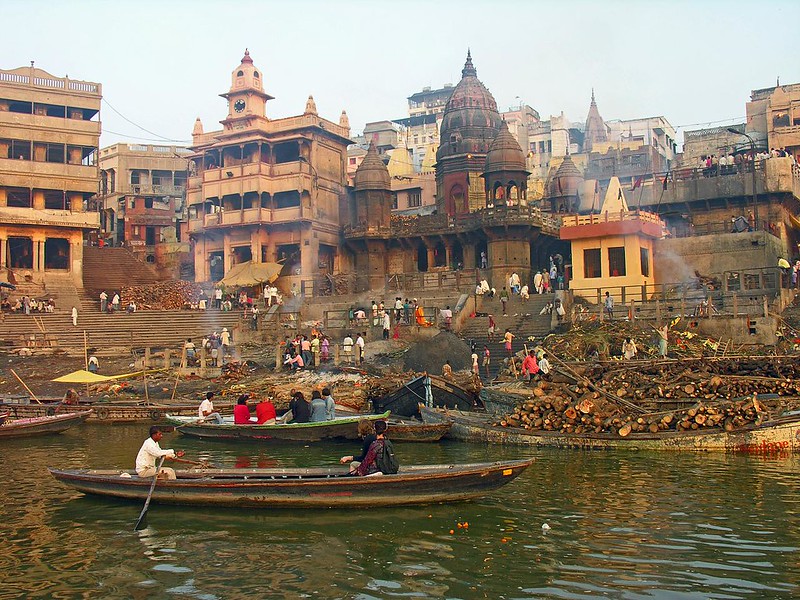
Plastic Pollution and Poverty in the SundarbansFrom space, the “Beautiful Forest,” or the Sundarbans, looks like a dreamscape — dark mangrove forests nestled among a lacy lattice of luminous streams that snake into the Bay of Bengal. Zooming closer reveals grimmer realities. The Sundarbans are a part of the world’s largest delta, the Ganga-Brahmaputra delta, covering most of Bangladesh and large amounts of West Bengal in India. Home to more than 100 million people, it is one of the most densely populated regions globally and faces extreme poverty and plastic pollution.
Fringed by the large arc of the Bay of Bengal, the coastal population here relies on the ocean, upstream rivers, rich delta soils, monsoons and mangrove forests for its livelihood. Primary industries are marine and freshwater fishing, rice farming and tourism. Life here teeters on a fragile balance with nature. Annual monsoons cause floods and rising ocean levels threaten to submerge the lands. However, they also bring fertility and rich aquatic life that are vital to the livelihood of millions.

A particularly grave human-made threat to this delicate coastal ecosystem is plastics. Plastics pour into the bay from upstream rivers and neighboring areas and choke the coastal lands with the locally generated waste.

Impact of Plastic Pollution in the Sundarbans

The plastic in the food supply chain gravely impacts the fishery industry of the delta region, as evident in its clogged mangroves and plastic-choked fish farms. Plastic also pollutes the population’s primary food source: fish and other aquatic life. As plastics disintegrate into fundamental particles, they make their way into the biota and eventually into humans, causing many health issues.

The area’s waste-blanketed beaches also deter tourism. Accumulations of plastic mar beautiful coastlines due to poor infrastructure and waste management.

Additionally, increasing plastic use by ever-growing populations depletes natural resources and poisons life-giving food sources. This creates conditions for poverty and unsustainable living in the Sundarbans. Reducing plastic accumulation in the ocean and coastal areas of the Bay of Bengal is critical and needing concerted, multi-pronged actions.

Addressing the Plastic Pollution Issues at the Source

Measuring and identifying pollution problems upstream, as with the National Geographic-led Ganges Sea to Source Expedition project, will be vital to deploying preventive solutions closer to their source. Projects such as this one seek to understand the plastics’ journey in the river, tracking the patterns, volumes and trajectory into the ocean. The Ganges, one of the world’s largest rivers, is a principal source of water into the Bay of Bengal and a principal source of its plastics. The Ganges and two other rivers are estimated to empty one to three billion microplastics into the Bay of Bengal each day.

Waste Management Programs

Waste management programs to reduce plastic in the ocean and neighboring coastlines are critical in this fight against poverty and plastic pollution. Such programs can include installing waterway bins and collectors in the bay and plastic collection programs in coastal areas. Such programs have the added benefit of employing local labor in building these infrastructures. However, solutions such as installing obstructive bins in the ocean have their limitations. A push to longer-term restructuring and design will be necessary while relying on short-term solutions.

Awareness and Innovative Products

Large-scale education campaigns on anti-littering and plastic-use awareness are also crucial to addressing current pollution challenges. Encouraging reuse, responsible disposal of wastes and moving to environment-friendly alternatives in daily life can help slow the current plastic pollution rates.

In the long term, establishing programs that focus on bio-friendly products and innovations offers the best route out of the current predicament. Boosting programs and research in topics that rethink current practices and modes of plastic-dependent systems can also stimulate the local economy and employment while generating viable solutions. Levying taxes to deter plastic use should also be considered within a broader governance and policy framework.

As gloomy as the Sundarbans’ current pollution circumstances seem, there are many paths to reversing plastic’s impacts in the Bay of Bengal while boosting labor in local populations with innovation, research and collective action.

– Mala Rajamani
Photo: Flickr

March 13, 2021
https://borgenproject.org/wp-content/uploads/borgen-project-logo.svg 0 0 Kim Thelwell https://borgenproject.org/wp-content/uploads/borgen-project-logo.svg Kim Thelwell2021-03-13 07:30:132021-05-27 09:13:23Poverty and Plastic Pollution in the Sundarbans
Global Poverty, Poverty

How Alcohol Consumption in Sri Lanka is Keeping People in Poverty

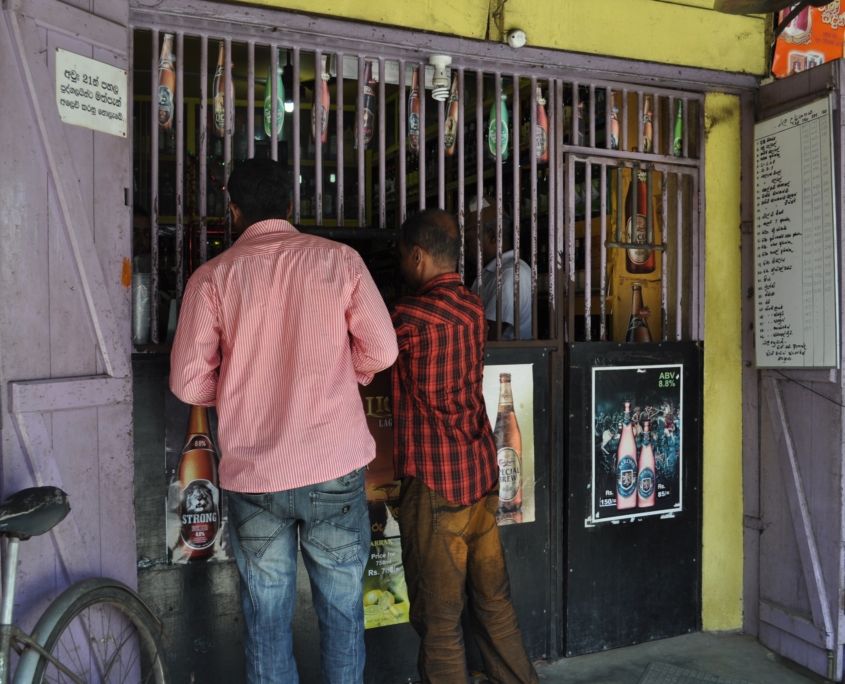
Alcohol consumption in Sri Lanka
The Center for Disease Control of the United States (CDC) recognizes 54 different severe, persistent diseases or medical conditions that are directly caused by alcohol consumption. Globally 3,3 million people succumb to alcohol-related diseases, accidents or incidents, making alcohol responsible for 5.3% of all deaths. Alcohol consumption in Sri Lanka has significantly increased in recent years creating social and economic burdens for the developing nation.

Costs of Alcohol Consumption

In 2015, the costs resulting from alcohol-caused conditions in Sri Lanka were nearly $886 million constituting 1.07% of the nation’s gross domestic product. A study that a Norwegian researcher, Bergljot Baklien, and Sri Lankan Professor, Diyanath Samarasinghe, conducted showed that 10% of male participants were spending more on alcohol than they earned in wages. Furthermore, another study found that families from the two lowest income brackets spent 40% of their total income on alcohol, showing the troubling spending habits in impoverished households and the importance Sri Lankans place on alcohol.

The cost of alcohol consumption in Sri Lanka consistently prevents individuals from lifting themselves out of poverty. Consuming alcohol is most common among low-income workers and farmers who earn their wages daily. Alcohol workers often miss work resulting in a loss of wages or jobs and loss of productivity for the country. Many drinkers become indebted to loan sharks for the rest of their life or have to pawn valuables to get cash for liquor.

The Alcohol Culture in Sri Lanka

Major events, parties and celebrations are all presumed to have alcohol present as a social expectation or requirement. A social norm has arisen in which people, mostly men, behave inappropriately at such events without consequences. High rates of alcohol consumption in Sri Lanka have led to frequent incidents of domestic violence, road accidents, violent crimes, self-harm and its most persistent consequence: poverty.

Alcohol can be a sign of financial comfort; often used to celebrate economic success and create a sense of social solidarity. While creating solidarity in a community can be positive, in Sri Lanka, the intertwined, impoverished communities tend to pull each other down rather than help to lift each other up. The accepted culture of daily alcohol consumption in disadvantaged communities has allowed toxic social dynamics to develop.

Furthermore, the consumption of alcohol undergoes underreporting in Sri Lanka. This can be a major obstacle and makes it difficult to find proper interventions and government policies. The underreporting can stem from shame, guilt, denial or a simple misunderstanding regarding the money that Sri Lankans spend on alcohol. Additionally, the most practiced religion in Sri Lanka, Buddhism, strengthens the above-explained problem since the consumption of the substance contradicts Buddhist beliefs.

Possible Cures and Solutions

The Sri Lankan government is aware of the costs of high alcohol consumption rates not only for the financial welfare of the nation but also for the safety of all of its citizens. Therefore, the government has implemented bans on alcohol advertisements and look for new methods to reduce consumption.

In order to effectively lower alcohol consumption in Sri Lanka, the government is seeking to take further steps. One is increasing the alcohol tax to reduce the affordability for the poor community. The hope is to wipe out the drinking culture in disadvantaged areas. Additionally, the government must fund research to collect accurate data on consumption rates to create evidence-based policies and drive down alcohol consumption in Sri Lanka.

– Veronica Booth
Photo: Flickr

March 11, 2021
https://borgenproject.org/wp-content/uploads/borgen-project-logo.svg 0 0 Kim Thelwell https://borgenproject.org/wp-content/uploads/borgen-project-logo.svg Kim Thelwell2021-03-11 14:08:022021-03-31 14:08:15How Alcohol Consumption in Sri Lanka is Keeping People in Poverty
Page 7 of 27«‹56789›»

Get Smarter

  • Global Poverty 101
  • Global Poverty… The Good News
  • Global Poverty & U.S. Jobs
  • Global Poverty and National Security
  • Innovative Solutions to Poverty
  • Global Poverty & Aid FAQ’s
Search Search

Take Action

  • Call Congress
  • Email Congress
  • Donate
  • 30 Ways to Help
  • Volunteer Ops
  • Internships
  • Courses & Certificates
  • The Podcast
Borgen Project

“The Borgen Project is an incredible nonprofit organization that is addressing poverty and hunger and working towards ending them.”

-The Huffington Post

Inside The Borgen Project

  • Contact
  • About
  • Financials
  • President
  • Board of Directors
  • Board of Advisors

International Links

  • UK Email Parliament
  • UK Donate
  • Canada Email Parliament

Get Smarter

  • Global Poverty 101
  • Global Poverty… The Good News
  • Global Poverty & U.S. Jobs
  • Global Poverty and National Security
  • Innovative Solutions to Poverty
  • Global Poverty & Aid FAQ’s

Ways to Help

  • Call Congress
  • Email Congress
  • Donate
  • 30 Ways to Help
  • Volunteer Ops
  • Internships
  • Courses & Certificates
  • The Podcast
Scroll to top Scroll to top Scroll to top