• Link to X
  • Link to Facebook
  • Link to Instagram
  • Link to TikTok
  • Link to Youtube
  • About
    • About Us
      • President
      • Board of Directors
      • Board of Advisors
      • Financials
      • Our Methodology
      • Success Tracker
      • Contact
  • Act Now
    • 30 Ways to Help
      • Email Congress
      • Call Congress
      • Volunteer
      • Courses & Certificates
      • Be a Donor
    • Internships
      • In-Office Internships
      • Remote Internships
    • Legislation
      • Politics 101
  • The Blog
  • The Podcast
  • Magazine
  • Donate
  • Click to open the search input field Click to open the search input field Search
  • Menu Menu

Archive for category: Poverty

Children, Developing Countries, Education, Global Poverty, Health, Poverty

Addressing Childhood Blindness

Childhood BlindnessFounded by West Virginian Doctor VK Raju, the Eye Foundation of America responds to the ubiquity of childhood blindness. Though less common in industrialized nations, blindness affects many societies throughout the world. Globally, 2.2 billion people cope with cases of vision impairment or blindness, 12 million of which are preventable. According to the foundation, combating childhood blindness may be the most cost-effective health intervention.

Eye Foundation of America

Most instances of vision impairment result from eye conditions. When eye conditions obstruct the visual system and one or more of its functions, if not treated quickly and effectively, vision impairment leads to permanent blindness.

Dr. Raju, the creator of Eye Foundation of America (EFA), grew up in Rajahmundry, Andhra Pradesh, India. His medical career in ophthalmology brought him to his current residence of Morgantown, West Virginia. Following his journey from east to west, Dr. Raju strengthened his ties to India and other developing countries through EFA.

Childhood vision impairments have an impact on education as learning is done 80% through vision. Therefore, EFA revolves around a singular mission: eradicating childhood blindness. The principles of service, teaching and research, underscore operations of the foundation. EFA sets up medical clinics across the world focused on training staff on ophthalmological procedures, screening local populations for eye conditions and maintaining a functional vision for the youth.

In four decades, EFA made notable strides in combating childhood blindness and overall blindness. In 30 countries across the world, EFA trained and educated more than 700 doctors and medical staff, conducted three million vision screenings and saved the vision of more than 350,000 people through essential procedures.

Early Intervention Prevents Blindness

In an interview with The Borgen Project, Dr. Raju affirms the importance of proper sight for children, without which “the child becomes a problem to themselves, a problem to the family and a problem to society.”

Reducing childhood blindness requires early intervention. If health care personnel identify eye conditions in a child’s first two years of life, the visual cortex still has time to develop and function properly. Conversely, if doctors neglect vision problems during this critical period of growth, the brain cells may never learn to see.

Disparities Between Access and Affordability

Dr. Raju traces the pervasiveness of childhood blindness to accessibility and affordability rather than incidence. He offers his home state of West Virginia as an example. In 2018, the U.S. Census Bureau documented the West Virginia poverty rate at 17.8%, which is 6% above the national rate of 11.8%. Despite relative poverty, Dr. Raju asserts that West Virginia residents enjoy excellent health care and ophthalmological treatment, regardless of whether they have insurance.

Two-thirds of the 1.4 million cases of childhood blindness occur in developing countries where Dr. Raju sets up the majority of EFA’s clinics. Accordingly, The World Health Organization (WHO) reports, “The burden of visual impairments and eye conditions tends to be greater in low and middle-income countries and underserved populations, such as women, migrants, indigenous peoples, persons with certain kinds of disability and rural communities.”

Vision Impacts Global Poverty

Mahatma Gandhi once famously declared, “Be the change you wish to see in the world.” For Dr. Raju, the change is to see. Though often taken for granted, vision enables children to read, write and learn through seeing. Vision impacts education and education impacts poverty. Dr. Raju’s foundation addresses overall global poverty by addressing childhood blindness.

– Maya Gonzales
Photo: Flickr

October 20, 2020
https://borgenproject.org/wp-content/uploads/borgen-project-logo.svg 0 0 Kim Thelwell https://borgenproject.org/wp-content/uploads/borgen-project-logo.svg Kim Thelwell2020-10-20 03:15:082020-10-20 03:15:08Addressing Childhood Blindness
Food Security, Hunger, Poverty

Hunger in Maldives: The FAO Assists

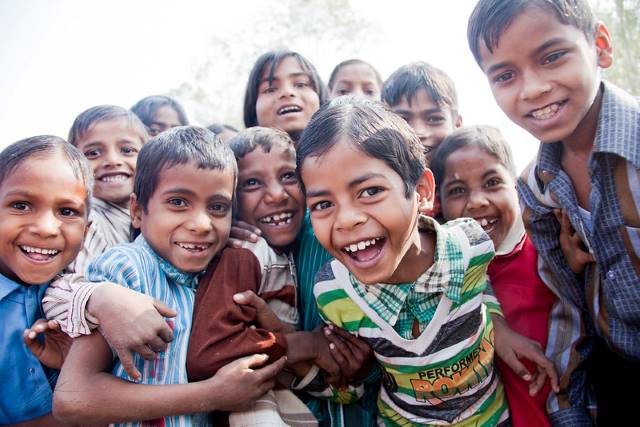
The Maldives, an archipelago located near India and Sri Lanka, faces significant food security and hunger challenges. With a population of 515,696 citizens, it is estimated that over 10.3% are battling hunger. However, increased efforts have been made to combat this rise in hunger in the Maldives.
Problem in Numbers

With various scattered islands in the Maldives, it must be noted that most citizens live in urban areas. However, despite this setting, 17.3% of children in the Maldives are underweight, while 10.6% are wasted, a condition where a child’s muscle and fat tissues dissolve away to the bone.

It is estimated that only 47.8% of babies are exclusively breastfed during their first six months of life. As a result, many infants do not receive the essential nutrients needed for healthy development, which could lead to significant health problems in the future.

Alongside the impact of malnutrition on children, it is important to highlight that the adult population also experiences a significant burden, with  42.6% of women of reproductive age suffering from anemia.

Causes of Hunger and Poverty

Various factors cause food insecurity in the Maldives. One major factor is poverty, which has been exacerbated by a decline in tourism. Tourism is estimated to contribute to two-thirds of the nation’s GDP, so the recent border closures due to COVID-19 have had a severe impact on the livelihoods of the citizens. With one-third of adult males and a quarter of females engaged in tourism-related occupations, thousands have lost their jobs, making it harder for people to provide food and other necessities for their families.

Climate change, environmental degradation and declining ocean health threaten food security in the Maldives. Rapid temperature changes, flooding and drought impact agricultural yields, reducing the ability to produce food locally.

Another contributing factor to the hardships many families face is the decline in fish exports. Since fisheries after tourism represent a significant portion of the GDP, many families that rely on fishing as their primary source of income have experienced severe financial impacts.

Road to Change

Despite the rising hunger rates among the population of the Maldives, several organizations have mobilized to assist those in need. A prominent organization in this effort is the Food and Agriculture Organization of the United Nations (FAO), which is committed to advancing both fisheries and agriculture in the Maldives.

The FAO’s primary objective was to reassess the situation in the Maldives and create opportunities to grow the fishery and agriculture sectors. By establishing a stable framework, the organization enabled thousands to secure new jobs in the agriculture industry while increasing demand for specific goods.

Additionally, the FAO focused on teaching sustainable practices to hundreds of Maldivian farmers. By supporting small-scale farms, the FAO significantly boosted production in underprivileged communities. The organization also equipped farmers with the tools and knowledge to thrive amid climate change. This included providing methods to enhance the productivity of their crops, livestock and fisheries despite challenging climatic conditions.

Despite significant support from the FAO, the Maldives still struggles to adequately feed its entire population. While organizations like the FAO can provide short-term assistance, long-term solutions require active involvement from the government. To effectively reduce hunger, the Maldivian government must collaborate with nonprofit organizations to improve food security nationwide. By working together, NGOs and the Maldivian government can help decrease the overall hunger rate in the Maldives.

– Aditya Padmaraj
Photo: Flickr 

Updated: November 1, 2024

October 19, 2020
https://borgenproject.org/wp-content/uploads/borgen-project-logo.svg 0 0 Kim Thelwell https://borgenproject.org/wp-content/uploads/borgen-project-logo.svg Kim Thelwell2020-10-19 02:21:182024-11-03 17:31:23Hunger in Maldives: The FAO Assists
Global Poverty, Poverty

Poverty in the Southern Philippines: UN Supports Citizens in Bangsamoro

Poverty in the Southern Philippines: How the UN is Working to Support Citizens in BangsamoroBangsamoro is an autonomous region in the southern Philippines that has dealt with decades of conflict, natural disasters and poverty. Its majority Muslim population has little support from the government, leaving many vulnerable to the financial impacts of COVID-19. Its infrastructure is still developing as it only gained greater autonomy in 2019. With help from the U.N., the government is focusing on creating long term solutions. The government hopes to better respond to crises and provide essential aid to the citizens of Bangsamoro.


The History of Bangsamoro

The Philippines has experienced long periods of conflict concentrated mainly in Mindanao, an island that makes up a large portion of Bangsamoro. Clashes between Muslim separatist groups and the government have been fueled by the desire for wider self-rule and autonomy in the region. While little outreach towards Muslim communities has made it difficult to know the true numbers of Muslims in the Philippines, they remain a minority with various studies estimating that they make up anywhere from 6 to 11% of the population.

Moreover, after several decades of conflict between insurgent groups and the government, the Bangsamoro Organic Law was signed by the president in 2018 to provide a path to autonomy. In addition, an election in the Bangsamoro region ratified the law and the territory became autonomous in January 2019. The Philippine government gradually transferred power to prominent separatist groups like the Moro Islamic Liberation Front (MILF) which agreed to aid in the transition.

Poverty, Displacement and COVID-19 in Bangsamoro

One-third of the Philippines’ poor population lives in Mindanao. The World Bank identifies that economic advancement in the region is key to reduce poverty in the entire country. A major factor affecting the financial stability of individuals (specifically in Mindanao) is displacement. The Internal Displacement Monitoring Centre (IDMC) cites conflict and natural disasters as the main perpetrators of displacement. The Philippines lies in the Pacific Ring of Fire meaning it experiences a high risk of floods, storms and earthquakes. Typhoon Kammuri, which hit the Philippines in December 2019, displaced over 1.4 million people. In terms of conflict-related displacement, violence between smaller rebel groups fighting for the full independence of Bangsamoro and the military still occurs. This conflict mainly focused on Mindanao displaced 183,000 people in 2019.

The Philippines has the highest number of COVID-19 cases of any country in Southeast Asia. Coupled with little government support or social protections, the economic effects of COVID-19 have left a lot of families in vulnerable situations. With government measures being largely viewed as uncoordinated, case counts continued to rise despite the several lockdowns that were put in place. For low-income households, taking preventative measures against COVID-19 is difficult, especially for those who have large families to support.

U.N. Aid to Bangsamoro

The U.N.’s main focus in Bangsamoro is supporting vulnerable children and families. The organization cites that 74.3% of families were considered poor in 2018. More than two-thirds of children in Bangsamoro were in poverty. This is one of the highest child poverty rates in all of the Philippines. These individuals face more financial risks due to the effects of conflict and natural disasters on the region. To bridge the gap between the high poverty rates and the lack of government aid, the U.N.’s Food and Agriculture Organization and Children’s Fund recently partnered with the government. The U.N.’s work will focus on building long-term structures for social aid, collecting data on poverty and strengthening emergency responses in the region.

Due to a history of instability, Bangsamoro is still a struggling region. The threat of COVID-19 has hindered development and caused a lot of financial devastation. As a result, this contributes to poverty in the Southern Philippines. The Philippines’ government has taken major steps towards progress by granting the region more autonomy. The government partners with the U.N. to provide essential and long term aid to vulnerable populations. With a sustained push for long-lasting solutions, the region will be able to progress both politically and financially.

– Ann Marie Vanderveen

Photo: Flickr

October 17, 2020
https://borgenproject.org/wp-content/uploads/borgen-project-logo.svg 0 0 Kim Thelwell https://borgenproject.org/wp-content/uploads/borgen-project-logo.svg Kim Thelwell2020-10-17 10:00:532024-06-11 23:17:19Poverty in the Southern Philippines: UN Supports Citizens in Bangsamoro
Global Poverty, Poverty

3 Factors Impacting Poverty in Palau

3 Factors Impacting Poverty in Palau
Palau is an independent island group in the Pacific located just southeast of the Philippines. In July 2020, Palau recorded a population of 21,685 people. The latest data from 2006 shows that 24.9% of people were living below the national poverty line. Despite this figure, the quality of living in Palau is actually among the highest in the Pacific. There are three factors that impact poverty in Palau; tourism, geographic location and non-communicable disease.

A number of factors make it difficult for Palau to maintain a healthy and growing economy. Palau’s economy relies mainly on the tourism industry, with trade-in fishing and agriculture as secondary industries. Because of its reliance on tourism and its remote location, Palau is vulnerable to external economic shocks or other global events. Since gaining independence in 1994, Palau has come a long way with achievements like universal access to healthcare, quality education and the formation of valuable regional and global partnerships. It has also moved towards a gradual reduction in poverty but still struggles with this issue.

In the 2019 United Nations Sustainable Development Goals (SDGs), Palau identified the eradication of poverty in all its forms as its primary goal. To achieve this goal, Palau currently focuses primarily on supporting its economy, strengthening its agriculture industries and improving health services.

Tourism

Because Palau’s economy heavily relies on tourism, the small island nation is particularly susceptible to global factors that affect tourism rates. In 2019, Palau reported a GDP growth rate of -1.8%, showing a declining economy which was expected to continue declining in 2020 to 9.5% following a slump in tourism. The COVID-19 crisis is especially damaging to Palau’s economy as it has caused tourism to fall to an unprecedented low. Palau’s reliance on tourism poses a risk to its overall economic stability and vulnerability to poverty. High tourism rates are highly variable and dependent on global events.

In order to best take advantage of its tourism industry, Palau developed the Palau Responsible Tourism Policy Framework in 2015. This aims to pursue a more sustainable and lucrative tourism industry by moving from a high-volume industry to one focused more on low-volume tourism but with a high-value experience. Palau will achieve these goals through coordinated management between the public and private sectors, community awareness and a focus on attracting high-value consumers with new marketing strategies. This shift will help make revenue from tourism in Palau less volatile. Therefore, it will contribute to a more stable economy and promote sustainable growth.

Geographic Location

As a small group of islands in the Pacific, Palau’s geographic location and topography make it susceptible to factors that can exacerbate poverty. Pacific islands are often vulnerable to cyclones, violent storms, tidal surges, drought and other natural disasters. As a result, it can wreak havoc on infrastructure and natural resources. Additionally, Palau’s topography is mountainous, and only about 2.2% of its land is arable. Because of its minimal arable terrain, Palau is currently unable to satisfy food demand with domestic production. Consequently, Palau is highly dependent on foreign food imports. This accounts for roughly 86% of Palau’s food expenditures for imported foods. This dependence on imported foods can be dangerous because even short disruptions in food shipments can result in the depletion of food stocks.

To address this issue, Palau has created a Policy to Strengthen Resilience in Agriculture and Aquaculture. It sets a target to meet 50% of food requirements with local production by 2020. New practices in pursuit of this goal include switching to more resilient crops. As a result, it can withstand natural disasters and saltwater intrusion, increase the number of farms and better manage farmland. Between 2015 and 2017, land used for agriculture increased from 306 hectares to 503. The number of commercial farms rose from 16 to 19. In addition, more students enrolled in agriculture at Palau Community College.

Non-Communicable Diseases

As part of its third 2019 Sustainable Development Goal (SDG), Palau indicates that non-communicable diseases are a factor causing people to fall into poverty. The report reveals that the main non-communicable diseases in Palau include cardiovascular diseases, cancer, diabetes, lung diseases and mental health disorders. These diseases are at extremely high levels in Palau. It accounts for more than 80% of deaths and reduced life expectancy. In 2011, the government declared a state of emergency in regard to non-communicable diseases. Additionally, the government addresses the issue through the promotion of healthy choices in schools and workplaces. It focuses on beginning preventative education in early childhood. To combat the proliferation of disease overall, Palau is vowing to strengthen its health systems. The country will provide accessible and quality hospitals and primary and preventative services.

While Palau generally experiences a higher standard of living than some of its neighbors, economic instability, geographic factors and non-communicable diseases contribute to poverty. However, measures are occurring to strengthen and improve each of these sectors. Through these efforts, Palau is optimistic that it can become more resilient and achieve its goal to eradicate poverty.

– Angelica Smyrnios
Photo: Flickr

October 15, 2020
https://borgenproject.org/wp-content/uploads/borgen-project-logo.svg 0 0 Lynsey Alexander https://borgenproject.org/wp-content/uploads/borgen-project-logo.svg Lynsey Alexander2020-10-15 07:31:202024-05-30 07:52:203 Factors Impacting Poverty in Palau
Global Poverty, Poverty

Ending the Cycle of Poverty and Obesity

Ending the Cycle of Poverty and Obesity
The McDonald’s Big Mac, one of the most famous burgers around the world, has a fair list of tempting qualities. It comes with two pure beef patties, the special Big Mac sauce, lettuce, onions, pickles and melted American cheese, sandwiched between two sesame seed buns. Its taste is well-known and for many, a tempting meal choice. But, perhaps the most tempting quality of the Big Mac is its price. All 550 calories of the Big Mac come to a total of about $5.70 in the U.S. That price is even lower around the world. In fact, the Big Mac can cost as low as $1.86 in South Africa. That stands in stark contrast to the price of more healthy food options. For example, a gallon of organic whole milk costs $6.98 at Walmart, about 22% more than an entire Big Mac. Price differences in healthy versus processed foods lead to a difficult decision for the consumer, especially if they are from a low-income household. The healthy choice becomes hard. Does their economic position sentence them to Big Macs and processed food? It is time to end the cycle of poverty and obesity.

Why is Eating Healthy is Hard?

According to most recent estimates, about 734 million people live on less than $1.90 a day. Additionally, about four out of five Americans will experience poverty or economic hardship at some point in their lives. Hundreds of millions of people are struggling every day to make ends meet and the all too common casualty of their struggle is their health.

According to the Harvard School of Public Health, eating healthy food costs about $1.50 more per day than eating a heavily processed diet. This number may seem small at first glance but adds up to an extra $2,200 per year for a family of four. They must choose between organic or conventional chicken, which can be a price difference of at least 50%. People living in poverty are simply unable to afford healthy food, resulting in a lack of nutrients, a diet lacking in energy-dense foods and even higher obesity rates.

The Link Between Poverty and Fitness

Food and exercise go hand in hand when it comes to overall physical health. Unfortunately, there is also a relationship between poverty and a lack of exercise. Nationwide studies have found that sedentary lifestyles are more prevalent in the poorest counties in the U.S. The correlation between inactivity and poverty is due to a myriad of reasons. For one, finances limit non-essential expenses like gym memberships, sports participation or paying for exercise equipment. Parks and sports facilities are also more regularly in affluent, not poor neighborhoods. One must even take safety into account because poor neighborhoods may have higher crime rates. The possibility of crime discourages parents from allowing their kids to play outside, discourages joggers and forces people to stay inside. Healthy food and sufficient exercise is a luxury. Many cannot afford such an expense to the detriment of their well-being.

The Cycle

Poverty can lead to obesity. Obesity can lead to poverty. The cycle of poverty and obesity together is a dangerous trap that imprisons many. For example, poverty leads to no access to healthy food and exercise, eventually leading to obesity. Obesity leads to further health complications and illnesses which may leave a person saddled with expensive medical bills. Lack of health, in general, leads to lower energy levels and even worsening mental health so that a person is unequipped with the energy and confidence to change their economic standing. Thus, obesity perpetuates poverty. The question is, how can society help break this dangerous cycle? Thankfully, some organizations are coming up with answers.

Unilever

Unilever is an organization that both identified the problem and produced solutions. Its recognition of the cyclical relationship between obesity and poverty encouraged the organization to release meal plans and brands affordable to all types of incomes around the world. Unilever has dedicated itself to making food that is nutritious and delicious so that making a healthy choice is easy. Unilever’s brands include Knorr, Hellmann’s, Lipton and more. Its options are sustainable and affordable with prices below the market average. Unilever also sells food through discount channels and donates to food banks to expand healthy meals to all populations.

Low-income communities often do not receive the chance to be healthy. The lack of gyms and affordable food traps them in the cycle of poverty and obesity. Thankfully, other food brands, gyms and organizations reaching out to low-income communities have joined Unilever. They are expanding health to all demographics, pointing people away from poverty and towards health.

– Abigail Gray
Photo: Flickr

October 15, 2020
https://borgenproject.org/wp-content/uploads/borgen-project-logo.svg 0 0 Kim Thelwell https://borgenproject.org/wp-content/uploads/borgen-project-logo.svg Kim Thelwell2020-10-15 01:31:082024-05-30 07:52:27Ending the Cycle of Poverty and Obesity
Child Poverty, Food & Hunger, Food Security, Poverty

Food Insecurity on the Islands: Hunger in Fiji

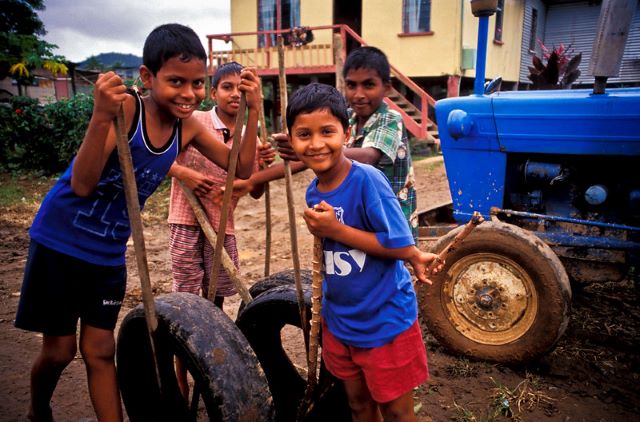
hunger in fijiFiji, a country bordering both Tonga and Futana, has faced increased obstacles with food security. It is estimated that amongst the population of 926,276 citizens, over 250,000 individuals are battling poverty and hunger. However, increased efforts have been made to combat this rise in hunger in Fiji.
Problem in Numbers

It is estimated that over 35% of Fiji’s population is below the national poverty line. With the income of households drastically declining, thousands of families do not have the proper resources to thrive.

Fiji children are also heavily impacted, further contributing to the increased rate of hunger in Fiji. It has been recently estimated that over 40% of Fiji’s children are malnourished. A majority of children in Fiji suffer from “protein-energy malnutrition”, meaning that they do not consume enough vital and nutritious foods for their bodies.

The Causes

The lack of food distribution in Fiji points towards a variety of factors. A primary cause is due to Fiji’s political instability and corruption. Additionally, with tourism making up a majority of Fiji’s GDP, the COVID-19 pandemic has led to decreased budgets and widespread unemployment.

Climate change has also affected hunger in Fiji. Cyclones have led to massive agricultural losses, resulting in widespread losses of income and the destruction of food that would be derived from the agricultural crops.

Another cause contributing to the hunger in Fiji is the increased dropout rates among children. With the majority of Fiji’s population battling poverty, children are often instructed to leave school in search of work. From grueling street work to harsh agricultural labor, children earn very little over the years.

In 2016 it was estimated that over 55% of children at primary school age were not attending school. This low schooling rate leaves many children uneducated, unskilled and closed off to stable job opportunities which in turn leaves them unable to afford basic necessities as adults.

The Road to Change

However, despite the increased rates of hunger among the Fiji population, organizations have stepped up to aid the needy. A prominent organization is Moms Against Hunger, which has dedicated itself to providing food for the individuals battling poverty. Moms Against Hunger has recruited numerous volunteers and has delivered over 250,000 food packages to families in need. Under the COVID-19 pandemic, hundreds of families received enough food to last several months.

Another impactful organization is HELP International, which looks to empower and educate individuals in need. HELP International focused its efforts in the nutrition sector, teaching individuals nutritional guidelines, financial literacy and the importance of schooling. Through these efforts, thousands of families can learn to manage a budget, eat well and pursue higher education.

Additionally, Aggie Global seeks to educate farmers on sustainable practices. Under a team of various volunteers, Aggie Global hosted workshops to teach farmers about crop control, production tricks and sustainable solutions. After conducting these workshops, hundreds of farmers were able to boost production, increasing the amount of food distributed to the public.

The Future

Despite organizations looking to aid those in need, Fiji continues to face problems in feeding the entirety of its population. The efforts from nonprofit organizations provide short-term relief but Fiji is in great need of government assistance to see great and lasting change.

For Fiji to see an immense reduction in its hunger rate, the government must act alongside nonprofit organizations to provide for families. In addition, the Fiji government must prioritize the youth and support and encourage the pursuit of higher education. With increased positive influence and support from Fiji’s government, poverty-stricken families all over Fiji would benefit, lowering the overall hunger rate.

– Aditya Padmaraj
Photo: Flickr

October 14, 2020
https://borgenproject.org/wp-content/uploads/borgen-project-logo.svg 0 0 Kim Thelwell https://borgenproject.org/wp-content/uploads/borgen-project-logo.svg Kim Thelwell2020-10-14 05:57:432024-06-06 00:43:15Food Insecurity on the Islands: Hunger in Fiji
Global Poverty, Poverty

Tackling Homelessness in Burkina Faso

Homelessness in Burkina Faso
Homelessness in Burkina Faso is a crisis in a long list of crises. Aside from the ongoing challenges that confront the landlocked West African nation, housing shortages have escalated for over 18 million inhabitants. The woes of the former French colony are plentiful, but Burkina Faso’s U.N. advisor, Miriame Fofaso, sees hope in Burkina Faso’s future.

A Brief History

  • In 1960, Burkina Faso gained independence from France, which had held the nation as a protectorate since 1896.
  • Since the 1960s, the region has had a number of military coups and juntas laying the foundation for ongoing destabilization.
  • People knew Burkina Faso as Upper Volta until 1984 when the country decided to break with its colonial past.
  • Burkina Faso has inclement weather (floods, droughts, etc.) which continue to put stress on housing, food, clean water and several mainstays of infrastructure and economic health.
  • In April 2020, flooding wiped out internally displaced persons (IDPs: Burkinabé residents) camps and washed away homes, businesses, agricultural harvests and livestock.
  • Militant groups have carried out countless terrorist attacks throughout the countryside. Groups like the Al Qaeda-inspired Jama’at Nusrat al-Islam wal Muslimin (JNIM) and the
    Islamic State of the Greater Sahara (Sunni Islamists) have increased by several hundred since 2015.
  • Refugees from surrounding war-torn countries (Mali, the Central African Republic and more) add to the homeless crisis.
  • Homelessness in Burkina Faso is a struggle, as the weather and raids have displaced a staggering number (700,000) of Burkinabé citizens, of whom 40% live off $1.25 per day. Due to these issues, current data on homelessness is sparse. Some sources claim a 100% increase in homelessness (1 million), as compared to early in 2020 (450,000).

The needs of the Burkinabé are growing, according to Jerry-Jonas Mbasha, the health cluster coordinator for the World Health Organization (WHO) in Burkina Faso. The landlocked nation had 1,929 COVID-19 cases as of September 27, 2020.

Within the homeless population, there is also susceptibility to disease due to a lack of basic needs like clean water, health care, basic hygiene and sanitation. This includes diseases that were already present before the pandemic, like cholera, dengue fever and yellow fever to name a few.

COVID-19 Relief

In an unfortunate, but not unforeseen turn of events, COVID-19 has ravaged the countryside in almost apocalyptic fashion. The International Organization for Migration (IOM), a United Nations entity that appeals to public and private partners, raised $37.8 million to aid 480,000 people in June 2020. The organization has provided health kits, community and IDP camps awareness campaigns regarding the virus, providing temporary housing and more.

The European Civil Protection and Humanitarian Aid Operations, an arm of the European Union, has also added to the relief funding, earmarking €22.5 million to aiding the country’s humanitarian aid needs. But the economic impact has already disrupted economic viability for families, whether it be lockdown measures or children’s school cancellations.

A New Hope

Homelessness in Burkina Faso seems hopeless and endless, with the coronavirus adding to the stresses of a county already on the brink. That is unless Mariame Fofana is involved. Fofana serves as the Burkinabé Ambassador Deputy Permanent Representative at the U.N. Social Development Commission. The commission is devoted to developing housing relief in the impoverished nations of the U.N.

Under her tenure, she has successfully lobbied for the funding of 35,000 new government housing units from the U.N. In a session from earlier this year, she drew attention to the opportunity for solutions, saying that “2020 provides a chance for the international community and the Commission to take stock of its work in social development [….] underlining the need to prioritize poor and vulnerable people.”

Fofana has advocated for anti-poverty investments for several years. Fofana serves on the Group of 77, an international organization of developing nations within the U.N. that advocates for the needs of developing countries.

At a 2019 International Day for the Eradication of Poverty meeting, through her French-accented English, she conveyed sympathy for her people. Noting the terrorist attacks that had ravaged the Burkinabé countryside, she called on younger generations to fend off discouragement and depression. ‘Young people? Who better than you, through your innocent eyes, can make us better aware of a need to build a world of solidarity, prosperity, and security? Where all children, without exception, will benefit from the full enjoyment of their right[s].”

Fofana represents a light for homelessness in Burkina Faso and an international hope for the Burkinabé population. Perhaps in the future, that hope will prevail.

– Christopher Millard
Photo: Flickr

September 28, 2020
https://borgenproject.org/wp-content/uploads/borgen-project-logo.svg 0 0 Jennifer Philipp https://borgenproject.org/wp-content/uploads/borgen-project-logo.svg Jennifer Philipp2020-09-28 06:30:102024-12-13 18:02:07Tackling Homelessness in Burkina Faso
Global Poverty, Poverty

3 Innovative Solutions Reducing Poverty in Pakistan 

innovative solutions Poverty in Pakistan
The COVID-19 pandemic has led to a major health care crisis in Pakistan. It also reversed years of effort into the elimination of poverty. The poverty rate declined from 64% to 24% in 2015 which occurred over a period of 20 years. However, with the arrival of COVID-19, the poverty rate in Pakistan could increase to 40% according to the International Monetary Fund (IMF).

Impacts of the Pandemic on Pakistan

Pakistan’s GDP growth is also predicted to decline by 3% as a result of the pandemic. In addition, agriculture accounts for 20% of Pakistan’s GDP and 43% of its labor force. The continuation of lockdowns with no end in sight is negatively affecting transportation, labor and the consumer market. Consequently, it affects the millions of people working in the agriculture industry. Around 17 million children and youth are missing important vaccinations for diseases such as polio. Moreover, several million more people are suffering from food insecurity due to the pandemic, bringing the total to 43 million. Those most at risk are the people who live below the poverty line and groups such as women, children, senior citizens, the disabled and minorities.

As more and more of these people fall below the poverty line, Pakistan is coming up with different innovative solutions that can cater to the millions of people that are experiencing multidimensional poverty.

3 Innovative Solutions to Reducing Poverty in Pakistan

  1. Ehsaas Program: The Pakistani government launched a scheme in 2019 known as the “Ehsaas Program.” With the coronavirus and lockdowns stifling the income of millions of daily wagers, the program quickly implemented a new project called the Ehsaas Emergency Cash Program. Under this initiative, low-income Pakistanis can gain access to financial assistance through text messages. As of right now, the program is helping 12 million families throughout the country. It provides stipends of 12,000 PKR ($72) each which families are using to buy food rations.
  2. The Benazir Income Support Programme (BISP): BISP is a federal scheme that launched back in 2008. Its purpose was to provide unconditional cash support to help alleviate struggling families living in poverty in Pakistan. It remains the largest support program in Pakistan. BISP distributed approximately 90 billion PKR ($542 million) to 5 million low-income Pakistanis. Additionally, the program uses tools such as its BISP debit cards to make cash transfers convenient. The program especially helps women and low-income Pakistanis from minority groups to gain access to financial assistance.
  3. Kamyab Jawan Program: Kamyab Jawan Program is the first of its kind in Pakistan. Launched by Prime Minister Imran Khan and his government, this program provides assistance and resources to youth on a national level. Through this platform, the country’s youth ages 15 to 29 will benefit from youth empowerment programs, loans for youth entrepreneurs and startups, youth legislations and youth councils. Through this program, Pakistani youth are finally being integrated into civil institutions and given opportunities to lift themselves out of poverty.

While poverty in Pakistan has been an issue, these innovative solutions are proving successful at reducing poverty in Pakistan. Through their continued work, the quality of life for Pakistan’s people should only improve.

– Abbas Raza
Photo: Flickr

September 26, 2020
https://borgenproject.org/wp-content/uploads/borgen-project-logo.svg 0 0 Lynsey Alexander https://borgenproject.org/wp-content/uploads/borgen-project-logo.svg Lynsey Alexander2020-09-26 05:21:092022-05-12 10:55:223 Innovative Solutions Reducing Poverty in Pakistan 
Global Poverty, Poverty

5 Facts About Poverty in Mongolia  

Poverty in Mongolia
The country of Mongolia resides in the center of the Asian continent. Mongolia is home to diverse landscapes ranging from mountains to pasturelands and deserts. With a population of 3.2 million people, the nation hosts a number of significant poverty issues. Here are five facts about poverty in Mongolia.

5 Facts About Poverty in Mongolia

  1. Economic Danger: Expectations have determined that COVID-19 will set Mongolia’s economy back significantly. Economic growth rose from 5.4% to 7.2% in 2018 but dropped to 5.1% in 2019. The copper and gold mining industry, which is worth an estimated $3 trillion, could suffer as the country attempts to contain the virus.
  2. Income: As of 2019, the average annual income for the Mongolian household equated to approximately $1,681.24, a rate that has been increasing in recent years. According to the World Bank, the Mongolian poverty line is at 1,998,960 MNT or $795.8 per year. As of 2018, nearly one-third of the country lives in poverty. Furthermore, 15% of Mongolian citizens hover above this line and are in danger of falling beneath from slight industrial fluctuations.
  3. Living Conditions: This particular region of eastern Asia has a notoriously brutal climate, with winter night temperatures plummeting to -40 degrees Celsius. According to a segment from TRT World, some homeless in the nation’s capital must live underground to survive. Dorjgotov Altanstengel, a homeless resident in Ulaanbaatar, resorts to sleeping between burning hot pipes in the sewage for warmth. There is a growing homelessness concern in the urban sectors of Ulaanbaatar, as thousands are at risk of eviction and displacement while redevelopment plans are underway. For the impoverished with a home in the nation’s capital, conditions are still far from adequate. Around 9% of Mongolia’s capital citizens live in poverty. Living conditions include living in tents without running water, heating or plumbing.
  4. Children in Poverty: Poverty in Mongolia is most prevalent among the young. Approximately one-third of the population consists of children. Two out of five poor people are youths under the age of 15. Children who work to support their families closely match the hours of adults, averaging about 13 hours a week. According to the International Labour Organization (ILO), about 56,000 children from ages 5 to 17 are involved in child labor, and more than half of them work in hazardous conditions.
  5. Rural vs Urban: The rural and urban sides of Mongolia are progressing at astonishingly different rates. More than two-thirds of the population now live in urban areas, yet poverty has been declining significantly in rural areas. In rural areas, poverty declined from 9% to 30.8% in just two years. During this same time frame, poverty remained unchanged in urban areas at 27%. In addition, with surging populations in urban areas, six out of 10 impoverished people now live in heavily populated areas.

Looking Forward

Financial experts are hopeful about Mongolia’s future. Some expect that the copper and gold mining industry will make large strides in economic growth and development if the global pandemic can contain itself and not have prolonged effects.

Multiple NGO projects are currently at work to abolish poverty in Mongolia. Asral, for example, is a nonprofit organization dedicated to keeping Mongolian families and children out of poverty. Its projects range from providing direct aid to poor communities to educating women on how to secure jobs. Other organizations focus on educating the public, such as the Asia Foundation. In addition to Mongolia, the Asia Foundation has reached 20 other countries on the Asian continent, promoting women’s education and involvement in politics as well as supporting local efforts to maintain peace in conflicted regions.

These five facts about poverty in Mongolia show that important changes are still necessary to help reduce poverty in the country. The poor heavily depend on charities and aid donations, so bringing awareness to such conditions is a step in the right direction.

– Amanda J. Godfrey
Photo: Flickr

September 24, 2020
https://borgenproject.org/wp-content/uploads/borgen-project-logo.svg 0 0 Jennifer Philipp https://borgenproject.org/wp-content/uploads/borgen-project-logo.svg Jennifer Philipp2020-09-24 13:33:072024-05-30 07:52:415 Facts About Poverty in Mongolia  
Global Poverty, Politics, Poverty

Dr. Bret Gustafson on Energy, Poverty and Politics 

energy, poverty and politics
Americans are burning through fossil fuels at historically high rates. The U.S. Energy Information Administration reports that the U.S. ranks number one in top energy producers and consumers as of 2019. While the domestic effects of oil, gas and coal consumption may feel familiar, the industry’s impact reaches beyond U.S. borders, influencing energy, poverty and politics.

In an interview with The Borgen Project, Dr. Bret Gustafson, professor of sociocultural anthropology at Washington University in St. Louis and author of “Energy and Empire: Bolivia in the Age of Gas,” explained the interplay among energy, poverty and politics.

Socioeconomic and Ecological Consequences of Fossil Fuels

Gustafson views the connection between fossil fuels and poverty as a paradox. Large profits bolster the wealth of companies and their owners rather than those living and working near industrial hubs of fossil fuel extraction. Similarly, many of the resource-rich countries that source of much of the world’s fossil fuels seem to benefit far less than the countries they supply.

The regions involved in fossil fuel production exist as “sacrifice zones.” These zones are so named because the social and environmental rights of people nearby are forfeited for profit. Gustafson argues that corporate heads of fossil fuel companies realize their industry’s detriment. However, the “logic of the corporate CEO is that anything that is negative can be paid for.”

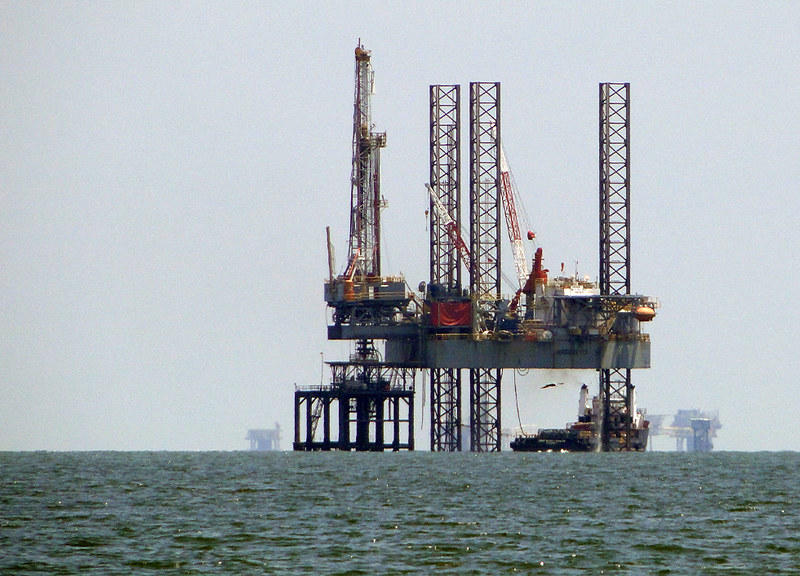
Fossil fuels also wreak environmental and social destruction. From extraction to transportation, drilling and mining may lead to accidents, toxic spillage and water/air pollution. Moreover, fossil fuel production involves human risk. In fact, between 2008 to 2012, 34 fatalities and more than 1,400 injuries resulted from offshore oil rigs.

The Industry’s Role in US Politics: Subsidies and Lobbying

Energy, poverty and politics intersect in the U.S. as well. Despite evidence of socioeconomic and ecological harm, fossil fuel industries enjoy favorable political support in the U.S. Credible estimates of annual domestic fossil fuel exploration and production subsidies range between $10 billion and $52 billion per year. These estimates are likely to remain high with the current administration’s goal of “energy dominance,” a term synonymous with President Trump’s efforts to ramp up fossil fuel production and end the “war on coal.”

The fossil fuel industry and some U.S. politicians maintain a symbiotic relationship. The oil and gas industry was the fourth-largest industry spender in the U.S. for political lobbying in 2019.  In addition, from 2017 to 2018, companies tethered to fossil fuels spent nearly $360 million in campaign donations and lobbying. Koch Industries, ExxonMobil and Chevron were the leading spenders. In comparison, renewable energy industries spent $26 million during the same period of time.

A Sustainable Future in Energy, Poverty and Politics

Successfully addressing issues tied to energy, poverty and politics will likely require parallel streams of infrastructural change and public pressure. Experts at the Environmental and Energy Study Institute advocate for more efficient reconfigurations of the energy grid, such as a shift to electric transportation and renewable-powered buildings.

Gustafson believes awareness and protest will catalyze the political action necessary to make these changes mainstream. “It won’t happen by itself,” he says. “We need people in the street, marching, demonstrating.”

Though the fossil fuel industry operates within complicated socioeconomic and political contexts, individuals can walk, bike, vote or protest in the short-term for just, sustainable energy.

– Maya Gonzales
Photo: Flickr

September 19, 2020
https://borgenproject.org/wp-content/uploads/borgen-project-logo.svg 0 0 Jennifer Philipp https://borgenproject.org/wp-content/uploads/borgen-project-logo.svg Jennifer Philipp2020-09-19 10:00:512024-05-29 23:23:31Dr. Bret Gustafson on Energy, Poverty and Politics 
Page 10 of 27«‹89101112›»

Get Smarter

  • Global Poverty 101
  • Global Poverty… The Good News
  • Global Poverty & U.S. Jobs
  • Global Poverty and National Security
  • Innovative Solutions to Poverty
  • Global Poverty & Aid FAQ’s
Search Search

Take Action

  • Call Congress
  • Email Congress
  • Donate
  • 30 Ways to Help
  • Volunteer Ops
  • Internships
  • Courses & Certificates
  • The Podcast
Borgen Project

“The Borgen Project is an incredible nonprofit organization that is addressing poverty and hunger and working towards ending them.”

-The Huffington Post

Inside The Borgen Project

  • Contact
  • About
  • Financials
  • President
  • Board of Directors
  • Board of Advisors

International Links

  • UK Email Parliament
  • UK Donate
  • Canada Email Parliament

Get Smarter

  • Global Poverty 101
  • Global Poverty… The Good News
  • Global Poverty & U.S. Jobs
  • Global Poverty and National Security
  • Innovative Solutions to Poverty
  • Global Poverty & Aid FAQ’s

Ways to Help

  • Call Congress
  • Email Congress
  • Donate
  • 30 Ways to Help
  • Volunteer Ops
  • Internships
  • Courses & Certificates
  • The Podcast
Scroll to top Scroll to top Scroll to top