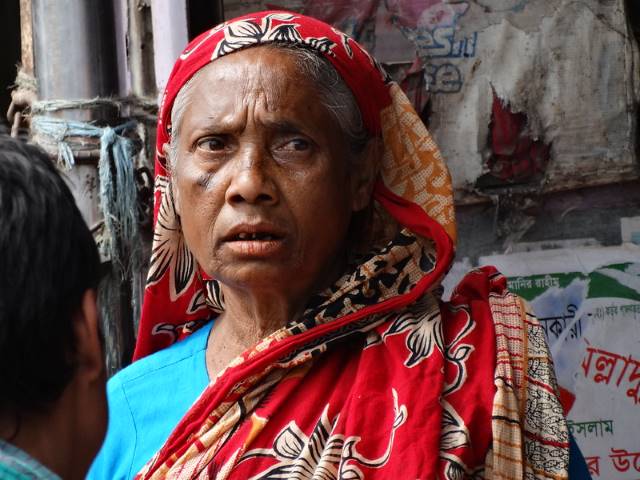
 The world currently has approximately 720 million people over the age of 65. By 2050, about 22% (36 million) of Bangladesh’s people are projected to be in this age category. With this in mind, it is important that this growing demographic is taken care of. In particular, the poverty affecting the elderly in Bangladesh is a concern that should be attended to.
Elderly Poverty in Bangladesh
Bangladesh is one of the most impoverished countries and the effects of poverty are felt hardest by vulnerable populations like the elderly. The Global AgeWatch Index ranks countries by how well their older populations are faring socially and economically. Bangladesh is considered a distinctly tough country for older people as HelpAge International ranked Bangladesh 67th out of 96 countries on the 2015 Global AgeWatch Index.
The organization notes that a considerable amount of the hardship inflicted upon older people in Bangladesh is due to natural disasters and extreme weather. Cyclones, floods, and heatwaves destroy the homes and livelihoods of elderly people. Additionally, HelpAge notes that elderly people in Bangladesh are often refused healthcare due to ageism within the country’s public health system.
Elderly people in Bangladesh also struggle to maintain a dependable income since finding employment is harder with age, especially with common and physically demanding jobs like rickshaw pulling or soil digging. As in many other lower-income countries, elderly people in Bangladesh have to look for employment in old age due to inadequate livelihood support and insufficient social security measures.
While by no means exclusive to Bangladesh, another problem that the elderly face in Bangladesh is stigma, as pointed out by Dr. Atiqur Rahman. The stigma described is one that views the elderly as unproductive, unhealthy and needing intensive and constant care. Dr. Rahman describes the idea of the elderly being a burden as both morally and economically incorrect.
Old Age Allowance Program
The Old Age Allowance (OAA) program is a government social pension scheme that assists the elderly in Bangladesh. Originally implemented in 1997, the program provides welfare payments to qualifying elders in order to help them get by. The overall size of the program was rather small at its inception, supporting about 400,000 people. Since then, the OAA has come to cover 4.4 million elderly in Bangladesh and the size of the payments increased from 100 to 500 Bangladeshi takas (around $6). Granted the growth is a step in the right direction, the program is not yet at a point where it can help in the broad sense. Elderly poverty has still increased since it started. The OAA program accounts for a minuscule portion of Bangladesh’s budget (0.53%) and covers only 2.25 million elderly people.
Additionally, much of the fund is going to the wrong people. A study by the University of Dhaka’s Bureau of Economic Research and HelpAge International discovered that elderly people who are not impoverished are getting 50% of the total benefits and about 33% of the fund is going to those who are younger than the eligible age. Another study found that local governments lack the knowledge and interest to properly target relevant beneficiaries most in need.
Organizations Supporting the Elderly in Bangladesh
HelpAge International provides early warning systems for potential natural disasters. In times of these disasters, the organization ensures the elderly have shelter, food and access to services. For long-term relief, HelpAge restores livelihoods by supporting small business enterprises with low-cost community loans. The organization also provides training for healthcare workers to treat conditions affecting the elderly and works on improving healthcare infrastructure and referral systems for the elderly.
The Care First Foundation is an organization that offers the elderly in Bangladesh risk monitoring, referrals, counseling, medicine and medical support, home care and activities. Its goal is to expand its initiatives to alleviate elderly suffering through proper community support and services.
With more support from organizations and improvements to the social support system provided by the government, the elderly in Bangladesh can thrive and not just simply survive.
– Sean Kenney
Photo: Flickr
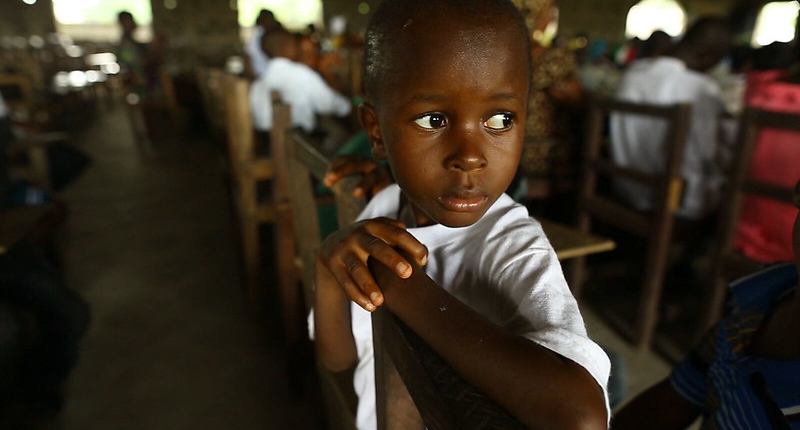 Liberia is located along the western coast of Africa’s rough and diverse terrain.
 Of the United Nations 17 Sustainable Development Goals, the first one sets an ambitious target. To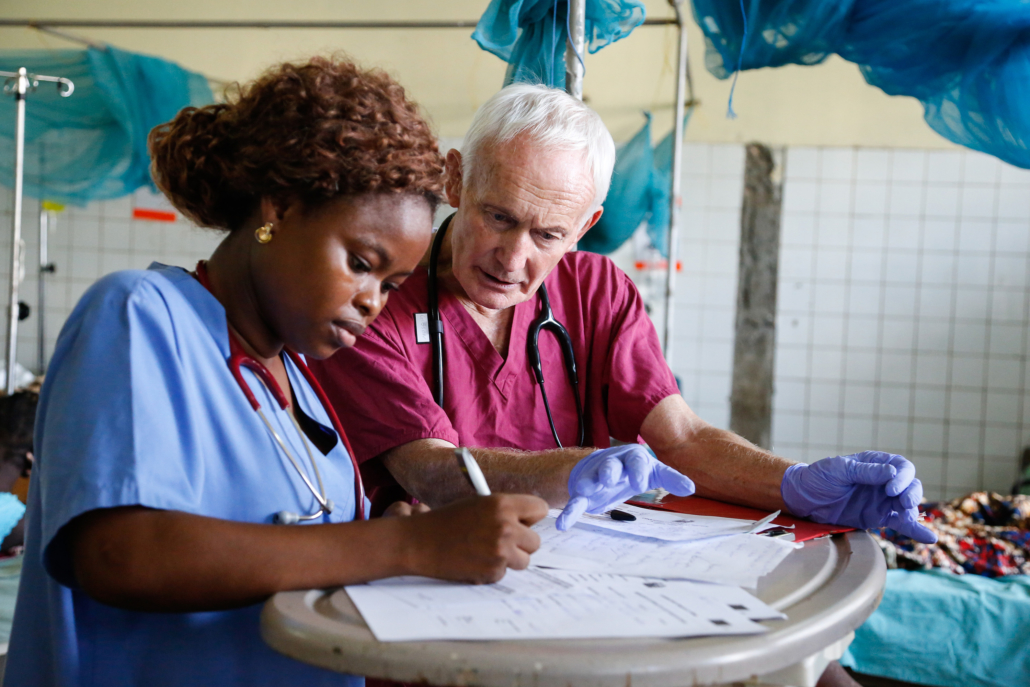
 The global video game industry is valued at $140 billion and Africa is primed to take a piece of the action. Between 2014 and 2018, the number of African gamers rose from 23 million to a staggering 500 million, opening up a lucrative opportunity for the African gaming industry to become a major player. Video games in Africa have the potential to transform poverty in the continent.
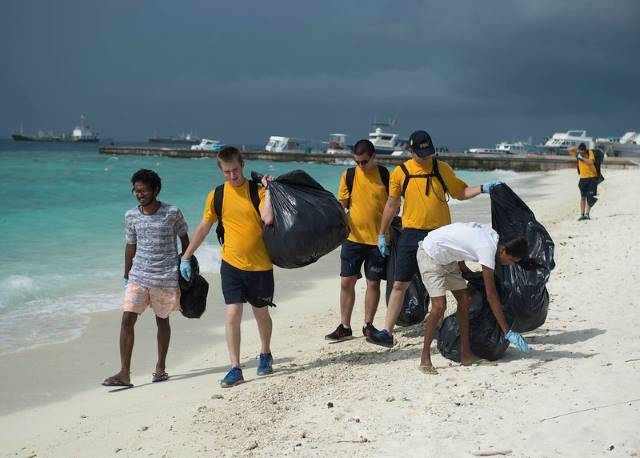 Seven years ago,
 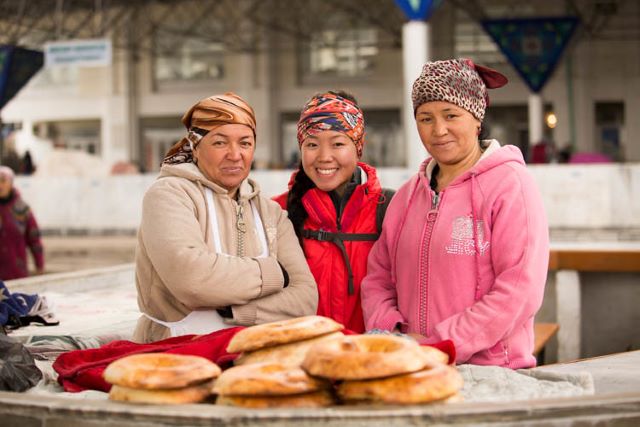 The Central Asian nation, Uzbekistan, has a population of just over 33.6 million. Recently, President Shavkat Mirziyovev made history, becoming the first Uzbekistani President to acknowledge the poverty epidemic in the nation. Mirziyovev announced that somewhere between four to
  The threat of stepping on landmines understandably leaves communities in fear of utilizing valuable farmland, traveling freely to school or rebuilding after conflict. Landmines affect impoverished communities significantly more than others as it is often the poor who are pushed into these dangerous areas. A landmine-free world is the goal of several organizations.