 Charlette N’Guessan, a 26-year-old Ivorian and CEO of the BACE Group based in Ghana, is the first woman to win the United Kingdom’s Royal Academy of Engineering’s Africa Prize for Engineering Innovation. N’Guessan and her team earned £25,000 ($32,000) with the 2020 award for their BACE API digital verification software.
BACE API Facial Recognition Software
BACE API verifies identities remotely and instantaneously using artificial intelligence (AI) and facial recognition by matching the live photo of the user to the image on their official documents. This use of live images and video rather than still images is unique to BACE API and improves the success rate in matching faces and verifying that the images are of real people rather than preexisting photos. Judges for the Africa Prize stated that facial recognition software in Africa is becoming increasingly important and BACE API is just the beginning.
Issues in Identity Verification for Africans
Most facial recognition tools on the market use white faces in their dataset, which leads to higher rates of misidentification of black faces. BACE API, however, was designed with the express intention of improving the design of facial recognition software in Africa. The algorithm of BACE API is designed to draw from a more diverse data set to address racial bias and bolster its accuracy.
Moreover, N’Guessan stated that she created the BACE API tool to address high rates of identity fraud and cybercrime in Ghanian banks. Financial institutions in Ghana spend approximately $400 million per year identifying their users. Not only is BACE API more functionally accurate but it is also convenient as no special hardware is needed and the software can be combined with existing identification apps. So far, the software is being used in two financial institutions for identity verification and one event platform to manage attendee registration.
Identity Verification and Poverty
Facial recognition software in Africa has recently become an important tool to address poverty. There are approximately 1.1 billion people worldwide who lack an official ID, 500 million of whom live in sub-Saharan Africa and 40% of whom are under the age of 18. Women are disproportionately more likely to lack identity documents compared to men. The population of people without an official ID are unable to access basic socio-economic and legal rights, including healthcare, education, voting and legal protection in court. Moreover, people without identity documents are barred from entering the formal economy, for example, starting a business or gaining official employment. The widespread lack of official identification is largely due to the difficulties, inconveniences and expense of registering for an ID, including the common requirement for multiple forms of ID for different functions.
Digital technology, however, is leading the charge to address unequal access to ID’s and basic services, and BACE API is a unique solution to this issue by serving as a one-stop-shop for remote identification. After verifying their identity through the program, users gain access to necessary financial services, education and voting rights.
BACE API’s Benefits During COVID-19
During COVID-19, BACE API is a viable alternative to the in-person verification processes used by most such as fingerprints or personal appearances. Companies and organizations can now remotely authenticate and onboard people without ever meeting them.
Moreover, the demand for healthcare and welfare programs has skyrocketed in the wake of the widespread economic downturn. With BACE API, governments are relieved of the burden of identity verification and can operate more efficiently to provide essential services to people struggling during COVID-19.
– Neval Mulaomerovic
Photo: Flickr
 More individuals depend on the
 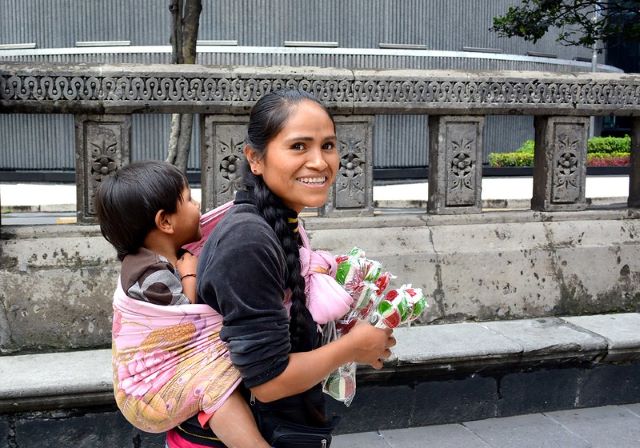 As internet connectivity expands around the globe so do the benefits of blockchain technology and its potential to better the lives of those living in poverty. In Mexico, accessible financial services and insurance programs are vital to the improvement of the quality of life of Mexicans living below the poverty line. Saldo.mx, a blockchain startup in Mexico, helps facilitate this access.
 A staggering
 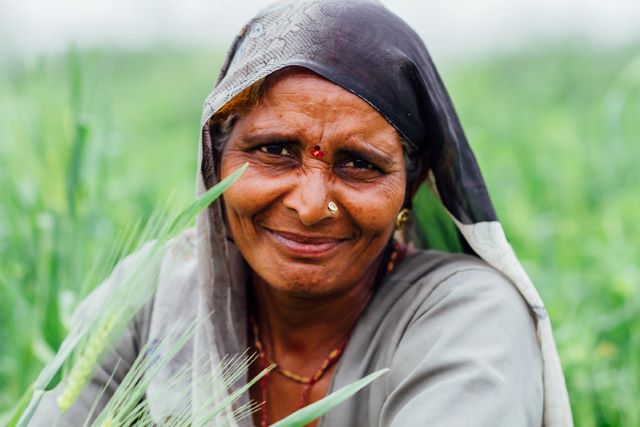 Forests provide food, medicine, fodder and energy for
 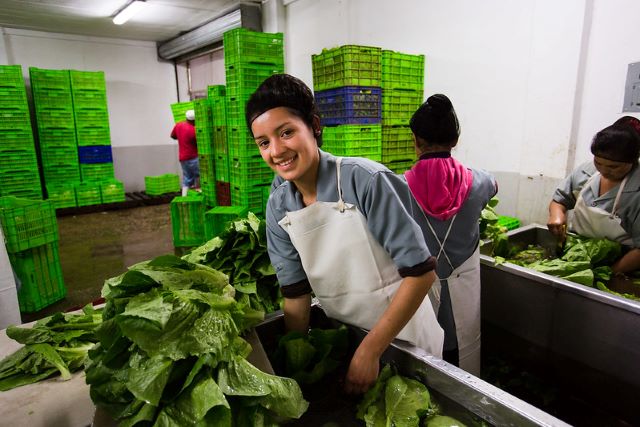 For several years, El Salvador’s farmers have struggled to meet the increased demand of local supermarkets and restaurant chains. Food safety standards have been particularly difficult to meet, especially with a lack of local processing plants. However, these issues are being addressed by Accesso El Salvador’s partnerships with Feed the Future Partnering for Innovation, Super Selectos and Spring Genetics. Together, Accesso and these partner organizations are expanding El Salvador’s markets to improve the quality, quantity and profit of local Salvadoran products.
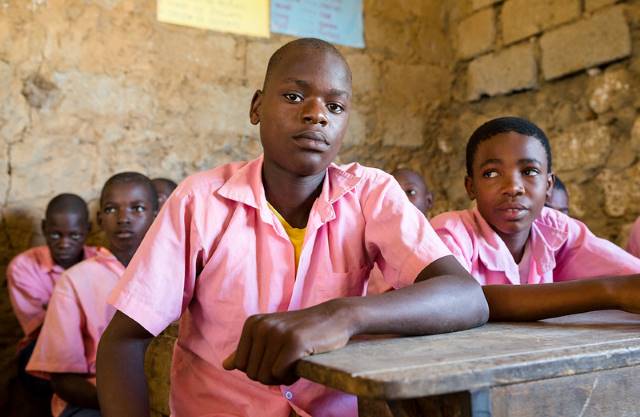 Many countries in sub-Saharan Africa have found the majority of their populations living below the poverty line. With many efforts to eliminate poverty in these countries, there are visible and dramatic changes in the lifestyle and the overall economies of many African nations. The most notable changes have come from Kenya, showing some great economic advances between the years 2005 and 2015. Taking a look at the numbers, in 2005,
 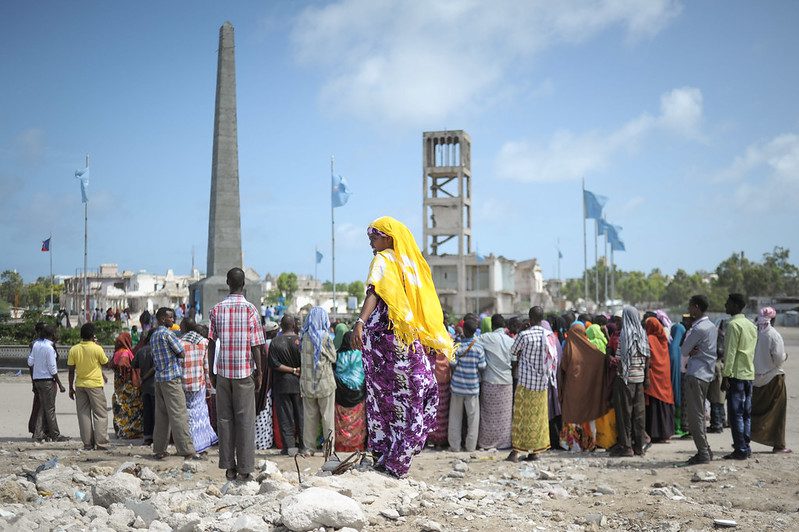 From massive technological improvements to the ever-growing global communications network, world progress has proved exponential in the past 30 years. One such area of improvement is the global poverty crisis. While we advocate for further intervention within affected communities, it’s appropriate to step back occasionally and admire some victories made to this point. Since 1990, the
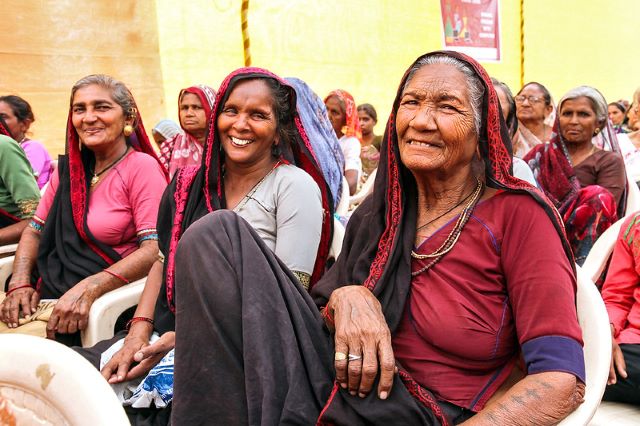
 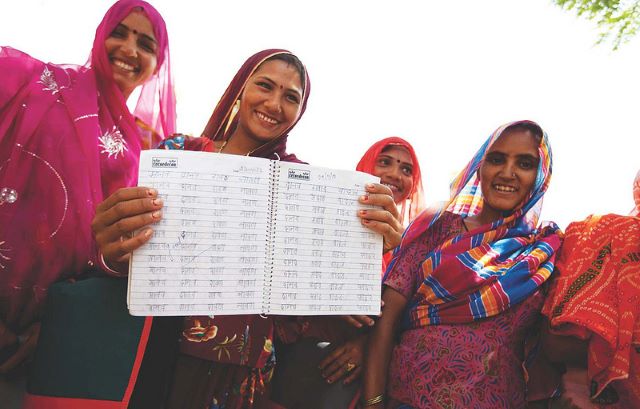 Globally, women are faced with the invisible burdens of gender inequality which are entrenched deeply within institutional structures and communities as a whole. These prejudices may limit a woman’s access to higher employment and assistance programs, ultimately leading to higher rates of poverty, especially among women of color. As of 2018, the
 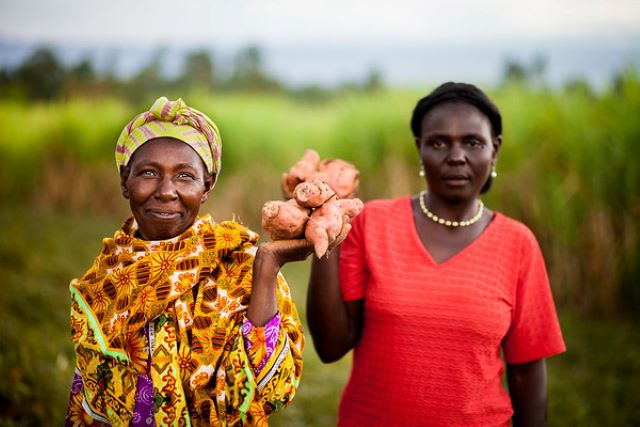 On November 30, 2020, USAID announced a joint operation with the Swiss Agency for Development and Cooperation and the IKEA Foundation to contribute $30 million to Aceli Africa to help bridge the financing gap experienced by many African agribusinesses. The grant is estimated to have a tremendous impact and will unlock $700 million in financing for up to 750 African agribusinesses in Tanzania, Kenya, Rwanda and Uganda.