• Link to X
  • Link to Facebook
  • Link to Instagram
  • Link to TikTok
  • Link to Youtube
  • About
    • About Us
      • President
      • Board of Directors
      • Board of Advisors
      • Financials
      • Our Methodology
      • Success Tracker
      • Contact
  • Act Now
    • 30 Ways to Help
      • Email Congress
      • Call Congress
      • Volunteer
      • Courses & Certificates
      • Be a Donor
    • Internships
      • In-Office Internships
      • Remote Internships
    • Legislation
      • Politics 101
  • The Blog
  • The Podcast
  • Magazine
  • Donate
  • Click to open the search input field Click to open the search input field Search
  • Menu Menu

Archive for category: Poverty Reduction

Information and stories about poverty reduction.

Global Poverty, Poverty Eradication, Poverty Reduction

Eradicating Rural Poverty for the Maonan in China

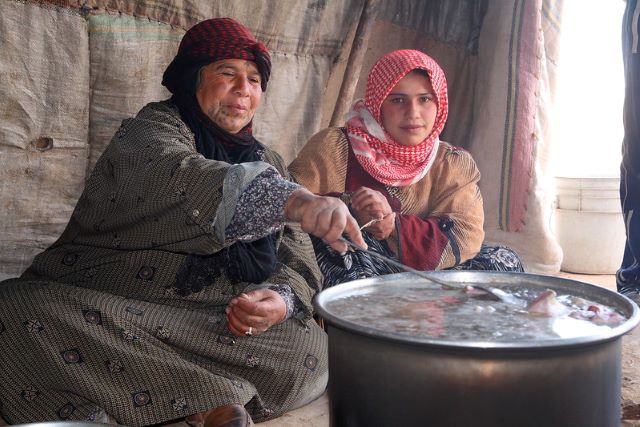
eradicating rural povertyThe Huanjiang Maonan Autonomous County lies in Guanxi in southern China. A majority of China’s Maonan ethnic group live here in rural villages. Once considered one of China’s most impoverished places, the poverty rate has now dropped to under 2% thanks to efforts by the Chinese Academy of Sciences (CAS). By using advanced farming techniques and relocating people to more arable areas, CAS has provided a model for eradicating rural poverty in China.
CAS Goals

Just over 100,000 Maonan live in China, most in small rural villages. About 70,000 of them live in Huanjiang. In the 1990s, Maonan farmers grew mostly corn and sweet potatoes, barely scraping by. The Chinese government identified Huanjiang as one of the most impoverished counties in China.

Maonan villages were located in mountainous, rocky regions known as karst landscapes. These areas are prone to desertification and are unsuitable for farming. CAS started the Kenfu Huanjiang Ecological Migration Pilot Zone in 1996. Its two goals were to relocate people to new villages in areas more suitable for agriculture and to improve the livelihoods of those that refused to relocate.

New Farming Techniques and Solutions

CAS introduced advanced farming techniques that better suit the area. An important change was the shift from farming to livestock. Huanjiang is highly flood-prone so CAS helped plant various grasses that can support animals. Zeng Fuping, a researcher with CAS who has been in Huanjiang since 1994, remarked that “the farmers were unsure initially and they questioned growing something that they could not eat.” However, the results speak for themselves. Income has increased tenfold since the introduction of 200 cattle into the region in 2001. Not only do the grasses support livestock but they also help prevent soil erosion. They have helped prevent widespread desertification, which is a common problem in karst landscapes. This serves as a model for maintaining arable land in karst areas across China.

Eradicating Rural Poverty

The speed of poverty reduction in Huanjiang has been staggering. In 1996, the average resident only earned the equivalent of $45 per year. That number rose to $835 in 2012 and $1600 in 2019.

In 2015, more than 14,000 Maonan people in Huanjiang lived below the Chinese poverty line of $345 per year. This accounted for around 22% of all Maonan peoples living in the county. By 2019, less than 1.5% of Maonan lived in poverty, amounting to 548 people. Due to the efforts of CAS, Huanjiang is no longer an area of extreme poverty in China.

In all of Guanxi, CAS has helped facilitate 400,000 people with relocation to new villages. This includes a majority of the Maonan community. Poverty percentages in Huanjiang have dropped to single digits. Livestock farming has reduced soil erosion and given locals much more disposable income. UNESCO dubbed this strategy the “Kenfu Model” and it is an important example of eradicating rural poverty in China.

– Adam Jancsek
Photo: Flickr

January 25, 2021
https://borgenproject.org/wp-content/uploads/borgen-project-logo.svg 0 0 Yuki https://borgenproject.org/wp-content/uploads/borgen-project-logo.svg Yuki2021-01-25 07:50:392021-01-25 07:50:39Eradicating Rural Poverty for the Maonan in China
Global Poverty, Poverty Reduction

The Benefits of Aquaculture for Poverty Reduction

Aquaculture for Poverty Reduction
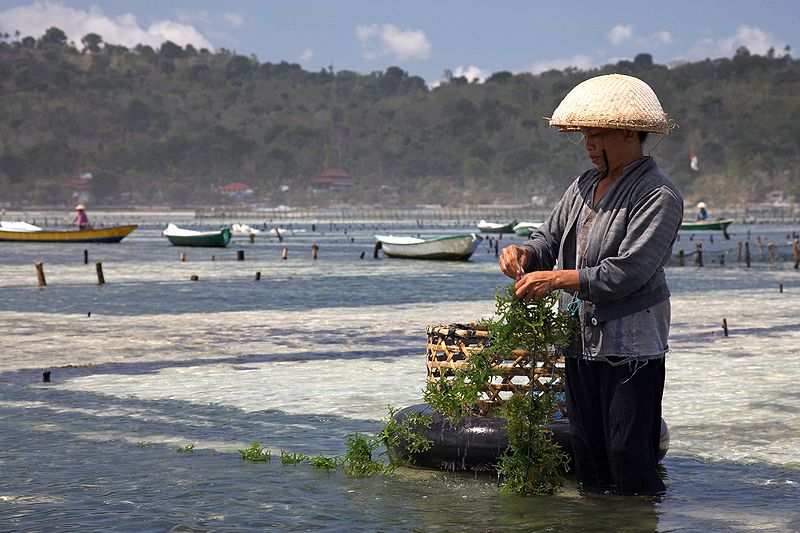
Can aquaculture reduce global poverty while improving ocean health and the renewable energy crises? The short answer is that aquaculture for poverty reduction is possible. Aquaculture is the farming of aquatic animals and plants, such as fish or seaweed. Aquaculture is prominent in coastal communities, particularly in eastern regions of the world. Here is how such a simple concept could resolve the complex aforementioned issues.

Progressing the Sustainable Development Goals

In 2015, the United Nations established the 17 Sustainable Development Goals (SDGs) with the intent to create a “blueprint to achieve a better and more sustainable future for all.”

The first goal is to “end poverty in all its forms everywhere” and the eighth goal is to “promote sustained, inclusive and sustainable economic growth, full and productive employment and decent work for all.”

In order to fulfill both of these goals, countries must prioritize creating decent jobs and incentivizing productive employment to create sustainable economic growth. Aquaculture provides employment opportunities for those impoverished in coastal and rural communities across the globe and provides nutritious food that can often be hard to access without monetary resources. A prime example of aquaculture’s socioeconomic contribution to said communities is that of the Mwenezi district of Zimbabwe. Members of the district were facing decreased employment availability due to severe weather conditions. Their dilemma caught the attention of several NGOs that introduced fish farming as a way to increase employment opportunities. Not only did employment opportunities increase, but household income and food security increased as well.

Ocean Health: Nitrogen

In 2014, between 18.6 and 37.2 million tons of nitrogen that people used for global fertilization ended up in the ocean. As a result, 245,000 square kilometers of the ocean suffered from hypoxia. Hypoxic areas, also known as dead zones, cannot support marine life as there is not enough oxygen dissolved in the water.

If global production of seaweed reaches 500 million tons by 2050, the World Bank estimates that the ocean could absorb 10 million tons of nitrogen. That is just 30% of the predicted amount of nitrogen that enters the ocean. This would undoubtedly improve oceanic conditions for marine life by preventing dead zones.

Ocean Health: Carbon Sequestration

Part of carbon sequestration is the long-term storage of carbon to mitigate the effect of greenhouse gases on the ocean. Excessive carbon dioxide in the atmosphere causes ocean acidification and negatively impacts the health of marine life. Carbon dioxide lowers the pH of the ocean making it more acidic than usual, and in turn reduces the availability of minerals that corals, mollusks and other organisms use to form shells. Increased seaweed production would combat the amount of carbon dioxide added to seawater from greenhouse gas emissions. For example, 500 million tons of seaweed could absorb 135 million tons of carbon. Moreover, due to the positive effect of carbon sequestration, the profitability of seaweed farming could increase.

Renewable Energy

Seaweed farming, a subset of aquaculture, has the potential to create a highly efficient form of renewable energy called biomass. Biomass is material that comes from plants or animals and can be effective for energy production. In 2015, nearly 5% of the United States’ energy came from biomass, making it the largest form of renewable energy. According to the Advanced Research Projects Agency-Energy (ARPA-E), seaweed farming in the United States could reach production levels of up to 500 million tons of algae which would provide more energy than 23 billion gallons of gasoline.

Dry seaweed has a carbohydrate content of roughly 50%, which people can use for biofuel production. In concurrence with ARPA-E, the World Bank stated that if 500 million tons of dry seaweed underwent harvesting annually, it would produce around “1.25 billion megawatt-hour’s worth of methane or liquid fuel.” This amount of renewable energy would equate to 1.5% of the 85 billion megawatt-hours of fossil fuels used worldwide in 2012.

Global Aquaculture Alliance

The Global Aquaculture Alliance (GAA) is an international non-governmental organization (NGO) that began its operation in 1997. Its mission is to “promote responsible aquaculture practices through education, advocacy and demonstration.” The following are successful manifestations of this mission and shows the benefits of aquaculture for poverty reduction.

In 2019, GAA conducted an educational campaign called Aquaculture 101. The purpose was to spread awareness and inform people on the basics of aquaculture, particularly those skeptical of fish farming. GAA has also funded a joint project with the Marine Ingredients Organisation to better understand fisheries in Southeast Asia that are responsible for providing raw material for fishmeal production. While the fishmeal sector has grown exponentially over the course of 50 years, the two organizations seek to better understand the challenges undermining management practices so that they may make informed suggestions. Furthermore, Best Aquaculture Practices, a subset of GAA, has seen a 15% increase in producers operating in 36 countries from 2010 to 2019. Producers include processing plants, farms, feed mills, hatcheries and reprocessors. This is an incredible trajectory that shows the GAA’s impact on aquaculture across the globe.

Aquaculture for poverty reduction has proven to effective while providing decent employment opportunities to create sustainable economic growth. Moreover, it has shown its capacity to improve the health of the ocean and provide new forms of renewable energy so that the world may sustain its current energy standards. Organizations like the Global Aquaculture Alliance and the Marine Ingredients Organisation are working toward these goals so that the world may become a more habitable place for all.

– Mary Qualls
Photo: Wikipedia Commons

January 20, 2021
https://borgenproject.org/wp-content/uploads/borgen-project-logo.svg 0 0 Jennifer Philipp https://borgenproject.org/wp-content/uploads/borgen-project-logo.svg Jennifer Philipp2021-01-20 01:30:172024-05-30 07:56:11The Benefits of Aquaculture for Poverty Reduction
Developing Countries, Global Poverty, Poverty, Poverty Eradication, Poverty Reduction

Paulownia Trees Reduce Poverty in Uzbekistan

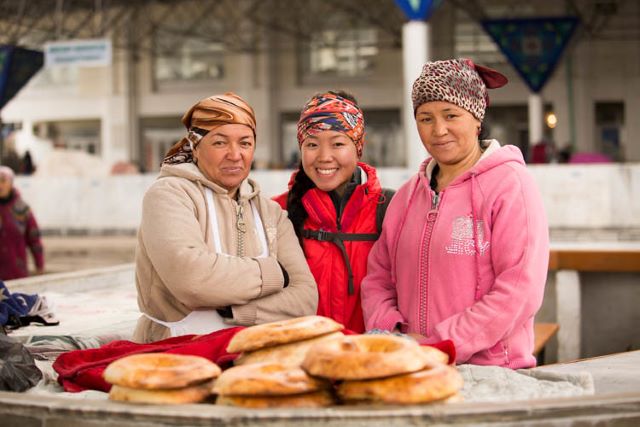
Paulownia TreesThe Central Asian nation, Uzbekistan, has a population of just over 33.6 million. Recently, President Shavkat Mirziyovev made history, becoming the first Uzbekistani President to acknowledge the poverty epidemic in the nation. Mirziyovev announced that somewhere between four to five million people currently live in poverty in Uzbekistan. The administration subsequently constructed anti-poverty measures and efforts to boost the economy. One woman in Uzbekistan took initiative, investigating how Paulownia trees can aid in poverty reduction.

A Proactive Mission

Sojida Jabborova, a Uzbekistani woman, observed both the poverty crisis within her country and the successful poverty reduction measures taken in China to create a plan. Under Mirziyovev’s reform campaign and insistence to study Chinese practices, Jabborova found the versatile Paulownia trees and entered the business world.

Each part of the Paulownia tree can be utilized to lift communities out of poverty. They are capable of adapting to poor soil, fertilizing it and purifying the air of harmful gases. Paulownia leaves can be used to feed livestock, they contain nectar for bees and other insects and their wood is sturdy enough to be used for houses and furniture. In 2018, Jabborova negotiated with Chinese business partners to deliver seeds and seedlings to Uzbekistan where they are now grown in experimental fields in four different regions. She has not stopped the investigation into how Paulownia trees can aid poverty reduction, continuing presentations and experiments on various products.

Uzbekistan Reform Campaign

Once in office in 2017, President Mirziyovev began multiple reforms to lift Uzbekistan out of economic depravity and better the livelihoods of its citizens. Poverty reduction has moved to top priority in Uzbekistan as the government granted $700 million to be spent on anti-poverty efforts in 2020. The administration believes to reduce poverty in Uzbekistan, they must first address unemployment and bolster entrepreneurship. This includes improving the tourism industry, improved training for essential trades and heightening economic literacy for citizens, particularly women.

Uzbekistan established a partnership with China to investigate and solve issues of unemployment, gender inequality and poverty in early October 2020. The Institute for Tourism Development in Uzbekistan has engaged in a joint research project to link tourism and poverty reduction. The plan for Uzbekistan is to increase the production of exports, expand the industry, boost small businesses, and in the long-term, improve government regulations and education regarding these fields.

Innovative Entrepreneurship Leading to Solutions

Sojida Jabborova was once a dentist in Uzbekistan, however, she was driven by the critical state of poverty in her country to find a solution. The reform campaign created the perfect atmosphere for Jabbarova to begin her work as the nation honed in on entrepreneurship and financial literacy in women especially. The partnership between China and Uzbekistan, with Beijing as the model for Uzbekistan’s progress, provided Jabbarova with the knowledge and support to begin experimentation with Paulownia trees. In the beginning, Paulownia trees were only grown on 19 acres and now they are grown in fields in Fergana, Bukhara, Samarkand and Tashkent.

Poverty Reduction in a Global Pandemic

Sojida Jabbarova’s efforts in exploring how Paulownia trees can aid in poverty reduction is crucial. Her spirit along with the dedication of the Uzbekistani administration to place poverty reduction at the top of the to-do list will surely mean progress. These efforts have been constrained by the global pandemic where the administration focused on protecting lives and businesses and maintaining headway in the fight against poverty. The administration has centered on healthcare, financial support and social assistance in the fight against COVID-19.

The administration’s efforts for poverty reduction are substantial and the alliance with China has brought great insight on how to best lift citizens from poverty and kickstart a downtrodden economy. Jabbarova and her Paulownia tree fields are a success story for poverty reduction efforts and the overall reform campaign begun by President Mirziyovev.

– Lizzie Herestofa
Photo: Flickr

January 15, 2021
https://borgenproject.org/wp-content/uploads/borgen-project-logo.svg 0 0 Yuki https://borgenproject.org/wp-content/uploads/borgen-project-logo.svg Yuki2021-01-15 00:41:432021-01-15 00:41:43Paulownia Trees Reduce Poverty in Uzbekistan
Global Poverty, Poverty Reduction

How Private Sector Jobs Can End Poverty

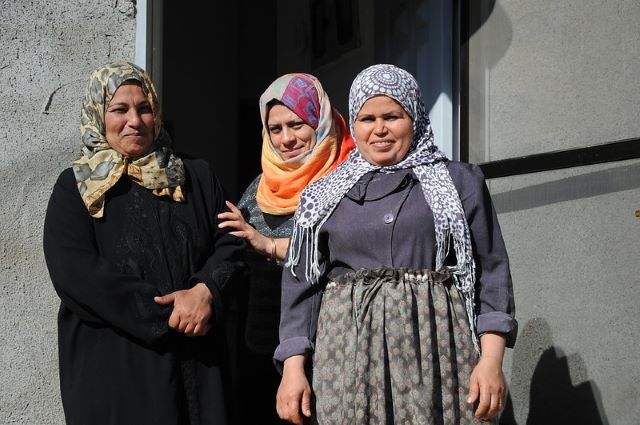
Private Sector JobsThe private sector makes up nine out of 10 jobs in the global market and with about 735 million people living at or below the extreme poverty line, it is essential that this vulnerable population has access to private sector jobs. The private sector, also known as the citizen sector, is owned by private corporations rather than the government and companies all around the world make up the majority of the economy with private sector jobs. Companies within the private sector can greatly benefit from providing people living in poverty with jobs as an investment that will lead to global poverty reduction.
The Role of the Private Sector in Poverty Reduction

It is crucial that the private sector takes responsibility for providing jobs, even in situations that require extensive training and infrastructure, as an investment in people living in poverty will lead to competition within the market as well as exponential growth within the company. The Global Impact Sourcing Coalition (GISC) created a toolkit to provide private sector companies with the skills and knowledge necessary to reduce poverty through employment. This toolkit outlines the benefits of workplace inclusion for people living in extreme poverty, not only from an economic standpoint but as a social responsibility as well. Outlined in the toolkit is the importance of networking and creating opportunities for people to fight poverty.

Microlending as a Poverty Reduction Tool

The Foundation for Economic Education (FEE) prioritizes microlending from the private sector as a source of poverty alleviation. Microlending is the act of loaning out very small amounts of money to self-employed individuals living in developing countries by banks and institutions. The FEE highlights a famous example of this, Grameen Bank, founded by Muhammed Yunus in Bangladesh in 1983. The Grameen Bank makes loans of $30 to $200 per person and has been able to reach millions, majority of whom are females who use the money to buy supplies in order to make and distribute their products. This is just one example of private sector work being done to connect people with limited access to resources to the job market and create opportunities.

Social Impact Matters

Traditionally, poverty has been a focus of governments rather than private companies and institutions, however, recently, partnerships between these two have been sought as the U.N. Sustainable Development Goals are focused on poverty alleviation. These partnerships between governments and private organizations are focused in areas of development, education, health, agriculture and climate change, all of which prioritize private sector jobs to fight poverty. One motivation for the private sector to participate in expanding its labor force to vulnerable communities is that of reducing reputational risks and beneficial brand awareness. PYXERA Global looks into the opportunities provided by public-private partnerships through the lens of economic development and explains that customers are now more than ever likely to consider the social impact of a specific company when it comes to purchasing products.

Social Responsibilities of the Private Sector

In order for private sector jobs to fight poverty, it is essential that organizations and corporations take social responsibility to invest in vulnerable populations that will lead to long-term positive impacts for the global economy. Strategies to employ impoverished communities in the private sector workforce have already been put in place and will continue to be essential in both alleviating poverty and expanding the global economy.

– Caroline Pierce
Photo: Flickr

January 13, 2021
https://borgenproject.org/wp-content/uploads/borgen-project-logo.svg 0 0 Kim Thelwell https://borgenproject.org/wp-content/uploads/borgen-project-logo.svg Kim Thelwell2021-01-13 07:30:362024-05-30 07:55:47How Private Sector Jobs Can End Poverty
Developing Countries, Global Poverty, Poverty Reduction, Women's Empowerment

SunBox Solar Kits Bring Cheap Electricity to Gaza

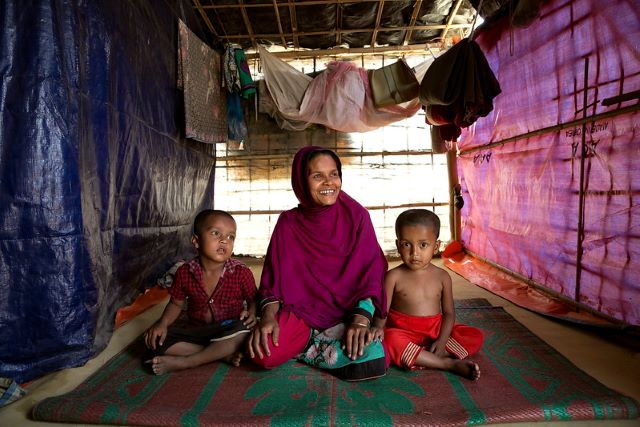
SunBox Solar Kits For the 1.9 million Palestinians who live in the Gaza strip, electricity is a privilege. Due to a lack of available energy, people experience regular blackouts that disrupt their daily lives. These blackouts keep residents from fully enjoying the benefits of electricity, such as regular internet access and lighting. Fortunately, local engineer and entrepreneur, Majd Mashhawari is bringing cheap electricity to families through her new invention, SunBox. Mashhawari’s SunBox solar kits provide clean solar power to households, providing off-the-grid energy and internet access.
Electricity in Gaza

One diesel power plant produces almost all electricity for Gaza but it is not able to produce enough electricity to power the region at all times. Because of restrictions on exports and imports in Gaza, the plant only has access to a restricted amount of imported fuel. As a result, it has been forced to implement a system of rolling blackouts. According to SunBox founder, Mashhawari, hospitals in Gaza receive 10 hours of electricity a day, which the hospitals can afford to supplement with private generators. Everyone else lives on three to five hours of electricity a day unless they can pay for a generator.

If people in Gaza had reliable access to electricity, they would be able to cook, refrigerate food, run businesses effectively, access the internet and study after dark. The first two activities boost health, while the latter three increase earnings and success. Access to electricity has a strong impact on reducing poverty.

SunBox Solar Kits

SunBox solar kits could be the key to ending Gaza’s electricity crisis. SunBox has provided solar energy for 300 families since the company’s launch two years ago. Its solar kits have produced 600,000 watts of energy so far. As a small business, it employs 35 people, helping to combat Gaza’s high unemployment rates.

SunBox solar kits consist of one or two solar panels, a battery and a solar device. The panels are attached to the roof of a building and the solar device provides internet access and a plug-in for electrical devices. These kits provide 1,000 kilowatts of solar energy to consumers in a region where most days are sunny. The battery typically takes only three hours to recharge fully.

Business-wise, SunBox has profited from its “sharing is caring model.” People who cannot afford to pay for the $350 kits can buy the kit with other families, sharing the costs and the electricity. SunBox has also installed kits at desalination plants, helping to power the creation of clean water.

Female Entrepreneur: Majd Mashhawari

SunBox is the brainchild of Mashhawari, who understands the need for better electricity in Gaza because she grew up there. The territory began conducting electrical blackouts when she was 12. Mashhawari went on to attend the Islamic University of Gaza, where she majored in civil engineering. She has put her degree to good use, developing two products so far that help tackle Gaza’s unique infrastructure needs. These products are GreenCake and SunBox.

Mashhawari’s first product, GreenCake, was a building block made from ash and rubble. The Israel-Hamas war in 2014 had damaged many buildings in Gaza and rebuilding was difficult because of limits on cement imports. Mashhawari saw the need for cheap building materials that could be made from domestically available substances. Her team conducted experiments, eventually designing a cheap, durable building block made from ash and rubble, two elements that were abundant in Gaza. After her success in launching GreenCake in 2016, Mashhawari went on to create SunBox in 2018.

Mashhawari’s work has come to wider attention because of a TED Talk she gave in 2019 about her inventions. During her TED Talk, Mashhawari touted the success of her products and the need to find creative solutions to difficult problems. She also recalled that when she attended university, her school’s civil engineering program had a female-to-male ratio of one to six. Mashhawari stressed her devotion to supporting other female scientists, proudly describing how SunBox was hiring and training both female and male engineers.

Local Inventions Address Poverty

Mashhawari’s products show the inventiveness of local entrepreneurs and their ability to create solutions that are tailored to their region. She developed her products to address the specific needs of her fellow people, granting them a better way of life. Her designs are cheap and environmentally friendly and because of her dedication to hiring female engineers, her company supports female education and economic empowerment. In the fight against global poverty, it is encouraging to be reminded that there are locally developed, environmentally friendly and cost-effective solutions.

– Sarah Brinsley
Photo: Flickr

January 13, 2021
https://borgenproject.org/wp-content/uploads/borgen-project-logo.svg 0 0 Yuki https://borgenproject.org/wp-content/uploads/borgen-project-logo.svg Yuki2021-01-13 05:43:262024-12-13 18:02:19SunBox Solar Kits Bring Cheap Electricity to Gaza
Developing Countries, Global Poverty, Poverty Reduction, Sustainable Development Goals

Public Development Banks Unite to Reach SDGs

Public Development BanksIn November 2020, the world’s 450 Public Development Banks (PDBs) gathered at the first-ever global summit, the Finance in Common Summit. The summit emphasized that PDBs have an essential role in meeting the U.N. Sustainable Development Goals (SDGs) that encompasses both short-term responses and sustainable recovery measures. The commitment of PDBs to a joint effort in support of vulnerable communities around the world is an unprecedented step toward inclusive global development.

Public Development Banks

Public Development Banks are essential to the global economy and play a key role in fighting extreme poverty and hunger by bridging finance and public policy. PDBs are supported or controlled by governments but are legally and financially independent. Investments by PDBs made up 10% of yearly public and private investments in 2018, though all PDB investments are public, allowing the banks to openly and actively direct finances toward the evolution of international economic order and inclusion of declining countries with fewer limitations. This makes PDBs especially effective at supporting change for institutions, economies and infrastructure that reflects their public mandate to work in favor of entrepreneurs and vulnerable groups, such as women and children. None of the financing done by PDBs is related to consumers, individual accounts or credit.

A Cause for Cooperation

Conditions in areas suffering from extreme poverty are declining due to climate change and COVID-19. Developing countries have limited capacity to adapt their unstable agricultural methods and systems to changing climates. The capacity that does exist, including aid received, has been strained by the COVID-19 pandemic and the economic and social issues that accompany it. Common hardships have shed light on the need for united relief efforts that reach all regions and societies, and Public Development Banks have taken action by joining in unprecedented discussion and collective decisionmaking. The desired outcome was a diverse and collaborative movement to achieve the SDGs and respond to the challenges arising from COVID-19 and climate change.

The Future of PDB Financing

The developments made at the Finance in Common summit are clearly communicated in a joint declaration made by all 450 PDBs. The Public Development Banks came to a consensus for aligned strategies and investments that will support sustainable growth in societies and the global economy, all while prioritizing eco-friendliness. Future activity of PDBs will be targeted at attaining the SDGs and responding to a changing climate. Another outcome of the summit was a group of PDBs that will focus investments on rural sectors and agriculture around the world to help eradicate poverty and hunger.

Steps that PDBs have committed to taking together include transitioning investments to support low-carbon and climate-resilient solutions, renewable and clean energy and ecosystem restoration. Also on the global PDB agenda is improving the accessibility of education, housing, hygiene and sanitation as well as advancing social and financial inclusion. These measures were developed with the world’s most vulnerable in mind: young people and the elderly, members of rural communities, refugees and small-scale producers, among others. The alliance of PDBs is dedicated to achieving these goals while upholding best practices in finance and global inclusion.

PDBs Fighting Global Poverty

Public Development Banks have displayed a capacity to serve as leaders in the fight against extreme poverty and hunger. Their landmark summit can be a model for future progress toward equality in all parts of the world. In the middle of widespread crisis and instability, such international cooperation is needed more than ever.

– Payton Unger
Photo: Flickr

January 13, 2021
https://borgenproject.org/wp-content/uploads/borgen-project-logo.svg 0 0 Yuki https://borgenproject.org/wp-content/uploads/borgen-project-logo.svg Yuki2021-01-13 01:30:182021-01-13 04:23:39Public Development Banks Unite to Reach SDGs
Developing Countries, Education, Global Poverty, Health, Poverty Reduction, Technology

BACE API: Identity Verification Helps Poverty in Africa

BACE API:Charlette N’Guessan, a 26-year-old Ivorian and CEO of the BACE Group based in Ghana, is the first woman to win the United Kingdom’s Royal Academy of Engineering’s Africa Prize for Engineering Innovation. N’Guessan and her team earned £25,000 ($32,000) with the 2020 award for their BACE API digital verification software.

BACE API Facial Recognition Software

BACE API verifies identities remotely and instantaneously using artificial intelligence (AI) and facial recognition by matching the live photo of the user to the image on their official documents. This use of live images and video rather than still images is unique to BACE API and improves the success rate in matching faces and verifying that the images are of real people rather than preexisting photos. Judges for the Africa Prize stated that facial recognition software in Africa is becoming increasingly important and BACE API is just the beginning.

Issues in Identity Verification for Africans

Most facial recognition tools on the market use white faces in their dataset, which leads to higher rates of misidentification of black faces. BACE API, however, was designed with the express intention of improving the design of facial recognition software in Africa. The algorithm of BACE API is designed to draw from a more diverse data set to address racial bias and bolster its accuracy.

Moreover, N’Guessan stated that she created the BACE API tool to address high rates of identity fraud and cybercrime in Ghanian banks. Financial institutions in Ghana spend approximately $400 million per year identifying their users. Not only is BACE API more functionally accurate but it is also convenient as no special hardware is needed and the software can be combined with existing identification apps. So far, the software is being used in two financial institutions for identity verification and one event platform to manage attendee registration.

Identity Verification and Poverty

Facial recognition software in Africa has recently become an important tool to address poverty. There are approximately 1.1 billion people worldwide who lack an official ID, 500 million of whom live in sub-Saharan Africa and 40% of whom are under the age of 18. Women are disproportionately more likely to lack identity documents compared to men. The population of people without an official ID are unable to access basic socio-economic and legal rights, including healthcare, education, voting and legal protection in court. Moreover, people without identity documents are barred from entering the formal economy, for example, starting a business or gaining official employment. The widespread lack of official identification is largely due to the difficulties, inconveniences and expense of registering for an ID, including the common requirement for multiple forms of ID for different functions.

Digital technology, however, is leading the charge to address unequal access to ID’s and basic services, and BACE API is a unique solution to this issue by serving as a one-stop-shop for remote identification. After verifying their identity through the program, users gain access to necessary financial services, education and voting rights.

BACE API’s Benefits During COVID-19

During COVID-19, BACE API is a viable alternative to the in-person verification processes used by most such as fingerprints or personal appearances. Companies and organizations can now remotely authenticate and onboard people without ever meeting them.

Moreover, the demand for healthcare and welfare programs has skyrocketed in the wake of the widespread economic downturn. With BACE API, governments are relieved of the burden of identity verification and can operate more efficiently to provide essential services to people struggling during COVID-19.

– Neval Mulaomerovic
Photo: Flickr

January 13, 2021
https://borgenproject.org/wp-content/uploads/borgen-project-logo.svg 0 0 Jennifer Philipp https://borgenproject.org/wp-content/uploads/borgen-project-logo.svg Jennifer Philipp2021-01-13 01:30:042021-01-13 02:34:29BACE API: Identity Verification Helps Poverty in Africa
Developing Countries, Global Poverty, Health, Poverty Reduction, Water Crisis, Water Quality, Water Sanitation

Efforts to Reduce Pollution in the Ganges River

Ganges RiverMore individuals depend on the Ganges River in India than there are people in the United States. More than 400 million people live at the basin of the Ganges, making it one of the most important natural water resources in the world. A holy river in the Hindu faith, the Ganges River (or Ganga) is used to bathe, cook, wash clothes, conduct funerals and more. Entire businesses along the basin depend on the river, adding an economic dependence to it as well. Due to this immense usage, pollution has run rampant. The Ganga Action Parivar estimates that “2.9 billion liters of wastewater from sewage, domestic and industrial sources are dumped” in the river every single day. Pollution reduction in the river is a top priority to prevent hundreds of millions of Indians from facing water insecurity.

The World Bank Assists

In 2011, the World Bank targeted the Ganges River pollution issues by launching the National Ganga River Basin Project (or NGRBP). A $1 billion initiative, the NGRBP looked to create bank investments in the water sanitation department and develop better waste management control in India. While this did prove to be a step in the right direction, the Ganges still saw a rise in pollution. India’s inability to properly dispose of waste outpaced the World Bank’s project. After nine years, the World Bank looked to bolster its contribution to the fight to save the Ganges as more and more Indians were becoming sick. In June 2020, the Second Ganga River Basin Project received approval from World Bank directors despite the bank focusing on COVID-19, proving how dire the situation at the basin truly is. An 18-year commitment, this second NGRBP adds another $380 million to clean up the Ganges until 2038.

Ganga Action Parivar’s Impact

Along with international help from the World Bank, India also made pollution control a national issue. An array of agencies have come about in India centered around the purification of the Ganges. For over a decade, the Ganga Action Parivar (GAP) has taken a diplomatic approach to fight water pollution. Through communication with government officials, media outlets and fundraising, the GAP looks to bring awareness to the issue and demand action from within India. In 2016, the GAP launched the National Ganga Rights Act and began asking for support for it. The act detailed how there are both natural environmental and human rights on the line with the continued pollution of the Ganges River. More than just a body of water, the Ganges is an epicenter of religion, prosperity and life. Creating a natural rights act helps to ensure that action will mobilize to protect the water resource and that is exactly what the GAP has set out to do.

The Year 2020 and Beyond

The year 2020 has been a promising year for pollution reduction in the Ganges River. The World Bank launched and financed its second project centered around cleaning the water back in June 2020. New research suggests that there has also been a natural cleansing that has taken place over the past few months. Since COVID-19 forced India to shut down, the Ganges’ usage has dropped. In a video released by BBC News, just a mere 10% drop in usage throughout the pandemic has led to significant improvement in the sanitation of the Ganges. For years now, India’s government has been trying to find ways to heal the Ganges. While India and the world fight the COVID-19 virus, the Ganges River is healing. Once the lockdown ends, the work of the World Bank and GAP will be vital to keep the momentum going. If pollution rates continue to climb, India will have a water crisis on its hands. Sanitizing and protecting the Ganges is instrumental in helping India reduce its poverty rates and preserving a crucial water resource.

– Zachary Hardenstine
Photo: Flickr

January 12, 2021
https://borgenproject.org/wp-content/uploads/borgen-project-logo.svg 0 0 Yuki https://borgenproject.org/wp-content/uploads/borgen-project-logo.svg Yuki2021-01-12 01:30:242024-06-04 01:03:19Efforts to Reduce Pollution in the Ganges River
Developing Countries, Global Poverty, Poverty Reduction

Saldo.mx: Blockchain Startup in Mexico

Blockchain Startup in MexicoAs internet connectivity expands around the globe so do the benefits of blockchain technology and its potential to better the lives of those living in poverty. In Mexico, accessible financial services and insurance programs are vital to the improvement of the quality of life of Mexicans living below the poverty line. Saldo.mx, a blockchain startup in Mexico, helps facilitate this access.

Blockchain Startup in Mexico

A blockchain startup in Mexico has utilized the security of blockchain technology to meet the needs of Mexicans living in poverty. Saldo.mx offers Mexicans a secure and easy-to-use platform on which they can pay their bills using remittance money from abroad.

This is a significant development in the Mexican fintech market as Mexico receives billions of dollars in remittances from the United States each year, with $10.6 billion reaching Mexico in the third quarter of 2020 alone.

Especially during a time of economic crisis caused by the COVID-19 pandemic, the ability to securely receive timely remittances is crucial for the financial security of Mexicans who rely on remittance payments for their survival.

Saldo’s services have the capacity to reach millions of Mexican customers, as it has been estimated that by the end of 2020, upwards of 81 million Mexicans will have internet access and thus the ability to quickly receive and utilize much-needed cash without having to wait for physical cash to arrive from abroad.

Consuelo: Access to Affordable Insurance Plans

One of Saldo’s newer services is Consuelo, which allows users to find fixed health and life insurance policies. Consuelo uses blockchain technology to connect its users to an insurance plan with a “smart contract,” which eliminates the need for a claim adjuster and gives the users direct access to affordable plans.

By removing a costly middleman and lessening the financial bureaucratic burden on customers, Consuelo gives its users a chance at obtaining health and life insurance and decreases long-term financial insecurity concerns.

Consuelo also helps uninsured Mexicans bypass the bureaucratic messiness of the national public healthcare system, which is supported by numerous uncoordinated social security institutes. This allows for better continuity of care by allowing Mexicans to remain with the same doctor by staying on their plan provided by Consuelo rather than facing the possibility of having to switch to another doctor through the national system after losing their jobs.

The Diverse Applications of Blockchain Technology

Innovation is not confined to affluent areas of developed countries. Especially in the age of the internet, new solutions can be developed and rapidly disseminated from any part of the world and can impact the lives of millions. In Mexico, receiving international transfers of money and gaining access to affordable health and life insurance plans can be difficult for the unbanked and those without stable employment. Startups like Saldo exemplify the potential of internet entrepreneurship and blockchain technology in helping lift the global poor out of poverty.

– John Andrikos
Photo: Flickr

January 11, 2021
https://borgenproject.org/wp-content/uploads/borgen-project-logo.svg 0 0 Yuki https://borgenproject.org/wp-content/uploads/borgen-project-logo.svg Yuki2021-01-11 07:30:352024-06-04 01:17:59Saldo.mx: Blockchain Startup in Mexico
Global Poverty, Poverty Reduction, Women's Empowerment, Women's Rights

An Effort for Women’s Economic Empowerment

Women's Economic EmpowermentA staggering 2 billion impoverished people worldwide, particularly women, face financial and economic exclusion. Females are the most impoverished in the world and women earn on average only 60-75% of what men earn. Investing in women’s economic empowerment plays a crucial role in reducing poverty and establishing equality between men and women.

Gender Equality for Global Economic Advancement

The 2017 National Security Strategy states that societies that empower women in their civic and economic lives are more prosperous and peaceful. Studies show that gender equality contributes to advancing economies and sustainable development as well as overall poverty reduction.

CARE defines women’s economic empowerment as the process by which women increase their rights to economic resources and power to make decisions that benefit themselves, their families and their communities. It is the transformative process that helps females move from limited economic power to possessing skills, resources and opportunities to compete equitably in markets and control economic gains. Women’s economic empowerment involves transforming the historically-limiting laws, policies, practices and norms through change and advocacy.

Discrimination and exploitation disproportionately affect women. Women often end up in low-wage jobs and fill very few senior positions. Without secure employment, women lose access to economic assets, such as land and loans, which limits opportunities to participate in economic and social policies. Furthermore, many women are responsible for the majority of housework, which leaves little time to pursue employment or other economic opportunities. On average, women devote between one and three hours more a day to housework than men and two to 10 times the amount of time a day to child, elderly and sick care.

Additionally, laws in many countries determine what jobs women can do or give men the right to prevent their wives from accepting jobs.

Call to Action on Women’s Economic Empowerment

In October 2020, U.S. officials and 31 U.N. Member States virtually signed the Call to Action on Women’s Economic Empowerment, which encourages countries to address legal restrictions regarding women’s economic participation. Predictions are that if an equal number of men and women participate in the global economy, the gross domestic product (GDP) could increase by $12 trillion by 2025.

Improved financial security means women can afford health care, purchase essentials for their children and play a leadership role in their communities. Typically, women who decide where, when and how to spend their money see improvements in their social and economic status. Financially independent women also increase the level of resources devoted to their children.

Girl Power and the Future

There is strong evidence showing positive links between women’s economic empowerment and health outcomes for women and their families. This includes benefits in nutrition, better family planning and decreased maternal and child mortality. Other studies have found that increasing the share of income for women may provide greater investment in children’s education and result in reductions in gender-based violence. Overall, women’s economic empowerment benefits not just women but the entire world.

– Rachel Durling
Photo: Flickr

January 11, 2021
https://borgenproject.org/wp-content/uploads/borgen-project-logo.svg 0 0 Yuki https://borgenproject.org/wp-content/uploads/borgen-project-logo.svg Yuki2021-01-11 07:30:062024-05-30 07:55:47An Effort for Women’s Economic Empowerment
Page 24 of 63«‹2223242526›»

Get Smarter

  • Global Poverty 101
  • Global Poverty… The Good News
  • Global Poverty & U.S. Jobs
  • Global Poverty and National Security
  • Innovative Solutions to Poverty
  • Global Poverty & Aid FAQ’s
Search Search

Take Action

  • Call Congress
  • Email Congress
  • Donate
  • 30 Ways to Help
  • Volunteer Ops
  • Internships
  • Courses & Certificates
  • The Podcast
Borgen Project

“The Borgen Project is an incredible nonprofit organization that is addressing poverty and hunger and working towards ending them.”

-The Huffington Post

Inside The Borgen Project

  • Contact
  • About
  • Financials
  • President
  • Board of Directors
  • Board of Advisors

International Links

  • UK Email Parliament
  • UK Donate
  • Canada Email Parliament

Get Smarter

  • Global Poverty 101
  • Global Poverty… The Good News
  • Global Poverty & U.S. Jobs
  • Global Poverty and National Security
  • Innovative Solutions to Poverty
  • Global Poverty & Aid FAQ’s

Ways to Help

  • Call Congress
  • Email Congress
  • Donate
  • 30 Ways to Help
  • Volunteer Ops
  • Internships
  • Courses & Certificates
  • The Podcast
Scroll to top Scroll to top Scroll to top