• Link to X
  • Link to Facebook
  • Link to Instagram
  • Link to TikTok
  • Link to Youtube
  • About
    • About Us
      • President
      • Board of Directors
      • Board of Advisors
      • Financials
      • Our Methodology
      • Success Tracker
      • Contact
  • Act Now
    • 30 Ways to Help
      • Email Congress
      • Call Congress
      • Volunteer
      • Courses & Certificates
      • Be a Donor
    • Internships
      • In-Office Internships
      • Remote Internships
    • Legislation
      • Politics 101
  • The Blog
  • The Podcast
  • Magazine
  • Donate
  • Click to open the search input field Click to open the search input field Search
  • Menu Menu

Archive for category: Poverty Reduction

Information and stories about poverty reduction.

Global Poverty, Poverty Reduction

International Efforts to Reduce Poverty in Laos

Poverty in Laos
The Lao People’s Democratic Republic, or Laos, is a landlocked country in Southeast Asia. One of the fastest-growing economies in the world, the country has halved its poverty rate in the past 20 years. This is an impressive feat for the import-heavy country given that less than 5% of its land is suitable for agriculture. Poverty in Laos, however, remains a formidable issue. Laos faces a significant wealth gap between its capital Vientiane and poorer rural areas. Foreign aid and international efforts strive to reduce poverty in Laos.

The World Bank and the Poverty Reduction Fund

Created in 2002, the Poverty Reduction Fund (PRF) linked Laos to the international community through the World Bank, aiming to reduce poverty in Laos. The goals of the PRF have progressed over time, reducing poverty at a grassroots level and helping the Laotian poor achieve self-sustainability.

PRF has positively impacted more than 10,000 Laotian women and their families – self-help groups in different villages provide microloans, monthly household income has increased exponentially over the years and nutrition centers, roads and schools are constantly improving and serving Laotian villagers.

In December 2019, the World Bank approved additional funding of $22.5 million as a soft loan to Laos. This loan supports the Laotian government’s National Nutrition Strategy, which seeks to improve rural conditions by developing agricultural infrastructure.

The Asian Development Bank

The Asian Development Bank (ADB) grants loans, technical assistance and equity investments to promote development in Asian countries. ADB has assisted poverty-reduction operations in Laos since 1968 and still finances assistance to the country. As of 2019, it has provided Laos with a total of $2.91 billion.

ADB generally focuses on sustainable development in Laos but also funds education to achieve social and economic development. Because of its early involvement in Laos, ADB’s efforts have yielded impressive results, having connected more than 20,000 households to electricity and water and providing education facilities to more than 100,000 Laotian students.

The United Nations Development Program’s Brand Laos Initiative

The United Nations Development Program (UNDP) fights global poverty, seeking sustainable development and global equality. UNDP has several ongoing projects in Laos supporting gender parity and government transparency. One notable initiative is a project it calls Brand Laos – a mission fighting for a unique Laotian brand and niche.

Brand Laos researches Laotian economic niches in order to create a unique marketable perspective for the country, finding viable products for farmers, producers and service providers. This economically benefits Laos, raising income for agricultural workers and producers. A Laotian niche could reduce poverty while bringing spurring development.

In particular, these types of projects seek high-quality products for international markets where consumers pay extra for ethically produced foreign products. Brand Laos has looked into products and services such as tea, silk-based clothing and ecotourism.

Conditions in rural Laotian households have improved drastically in recent decades, thanks to these international efforts. The Laotian national poverty rate was 46% in 1992 and fell to 23% in 2015. Additionally, households have greater access to electricity, water and even extraneous symbols of development like smartphones. The continued work should increasingly reduce poverty in Laos.

– Maggie Sun
Photo: Flickr

July 17, 2020
https://borgenproject.org/wp-content/uploads/borgen-project-logo.svg 0 0 Jennifer Philipp https://borgenproject.org/wp-content/uploads/borgen-project-logo.svg Jennifer Philipp2020-07-17 01:30:252024-05-29 23:15:20International Efforts to Reduce Poverty in Laos
Global Poverty, Poverty Reduction

3 Things to Know About Poverty Reduction in Chile

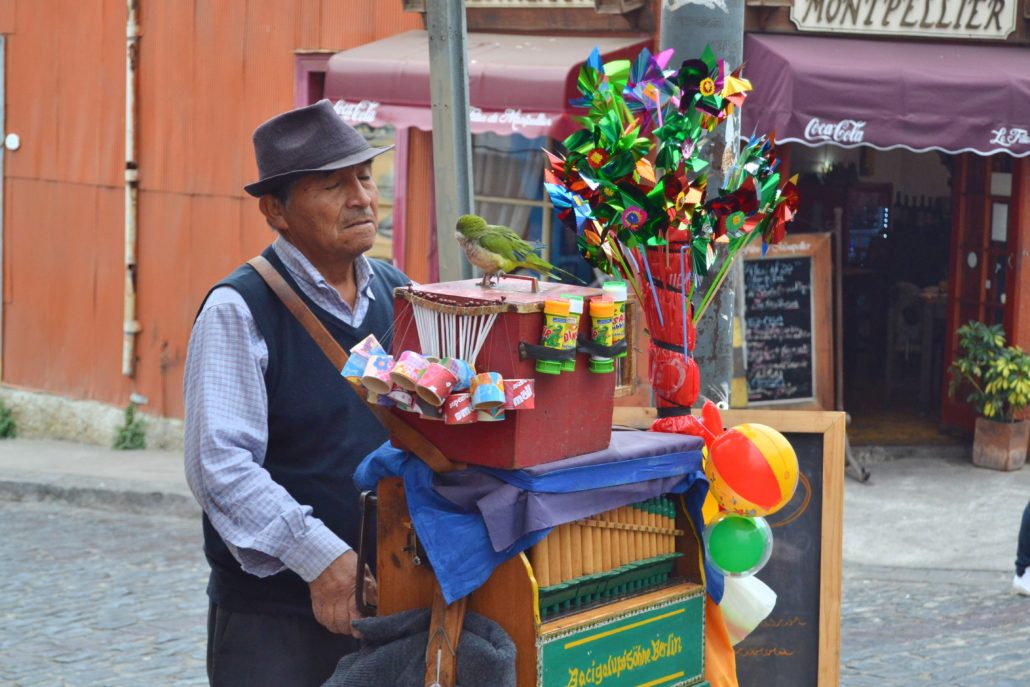
Poverty Reduction in Chile
Like many other countries, Chile has struggled to ensure its citizens remain out of poverty. Luckily, the country has experienced economic growth over the past few years, now one of the fastest-growing economies in Latin America. This success can be seen by looking at how much of the population was impoverished in 2000 compared to 2017. In 2000, 30% of the population was impoverished. By 2017, the country was able to cut that number all the way down to 3.7%. As a result, Chile has grown its economy, helped those in poverty and reduced the poverty rate.

3 Things to Know About Poverty Reduction in Chile

  1. Free-Market: Much of the reason there has been poverty reduction in Chile is due in part to its decision to become a free-market economy in the mid-1980s. This resulted in increased trade with other countries. From 1985 to 1989, Chilean exports doubled. That trend has only continued for the country up into the modern day. By becoming a free-market economy, the country set itself up for a healthier economy.
  2. Chile Solidario: The Chilean government has implemented a multitude of programs to bring aid to those in poverty and bring about poverty reduction in Chile. The Chile Solidario was the first large-scale version of such programs. The program continued throughout the years 2002 and 2009. One of the ways the program met the needs of impoverished people in Chile was by actually sending case workers out to meet with Chilean citizens in poverty and rectify the problems they struggle with. By doing so, the program was able to personalize the aid given to a family depending on the unique problems that family was struggling with. While Chile Solidario did not help with employing Chilean citizens in poverty or improving housing conditions, it did help them use the welfare system within the country to get them through their economic troubles.
  3. Countercyclical policy: A countercyclical policy works opposite to the business cycle rather than along with it. The country instead lowers taxes and increases spending during a periods when the market is not favorable and raises taxes and reduces spending when the market is favorable. During the early 2000s, Chile adopted a countercyclical policy. As a result, public spending remains at the same rate throughout the year. The countercyclical policy has proven effective and reliable in Chile. For example, copper is the most important export to the Chilean economy. During 2009, however, the copper industry suffered quickly and as a result unemployment increased to 10%. The excess money that Chile saved up due to its countercyclical policy was used as a stimulus to help the people. Therefore, this policy can promote poverty reduction in Chile should there be an economic crisis in the future.

Due to the Chilean government’s actions, Chile has reduced poverty and provided a better standard of living for its people. Moving forward, it is essential that the country and other humanitarian organizations continue to focus on poverty reduction and improving livelihoods. If they do, poverty in Chile will hopefully continue to decrease.

– Jacob E. Lee 
Photo: Flickr

July 16, 2020
https://borgenproject.org/wp-content/uploads/borgen-project-logo.svg 0 0 Kim Thelwell https://borgenproject.org/wp-content/uploads/borgen-project-logo.svg Kim Thelwell2020-07-16 07:27:312020-07-15 11:17:153 Things to Know About Poverty Reduction in Chile
Global Poverty, Government, Politics, Poverty Reduction

5 Congressional Leaders Tackling Global Poverty Issues

Congressional LeadersA Gallup poll taken before the government shutdown of 2018-19 found American’s approval rating of congressional leaders’ job performance at 18%. More recent polls show ratings have improved but remain low, with an average of 24.2% of people approving of Congress, according to Real Clear Politics. Government shutdowns and highly publicized filibusters highlight the challenge of passing bills and contribute to these low approval ratings. In fact, in 2016, after a House of Representatives sit-in over gun control measures, political analyst Larry Jacobs told a Minnesota local CBS affiliate that more than 90% of bills die in Senate or House committees.
However, as USHistory.org notes, passing bills is meant to be difficult with the checks and balances system in place. What’s more, bills do get introduced constantly. For instance, each of the 200 senators and 435 representatives in Congress is involved with at least a few of the hundreds of bills introduced throughout any given leaders’ tenure. Here are five leaders who have been especially active in supporting bills directly impacting the fight against global poverty.

5 Congressional Leaders Tackling Global Poverty Issues

  1. Senator Susan Collins (R-Maine). Susan Collins has been a senator since 1997.  She directly sponsored 18 international affairs-related bills and co-sponsored an additional 374. Bills she introduced include the Clean Cookstoves and Fuels Support Act, which she introduced in various forms in 2009, 2012, 2014 and 2015. These bills encourage the U.S. to better help advance an international initiative to make clean cooking accessible to millions of people worldwide. Collins also introduced the Reach Every Mother and Child Acts of 2015, 2017, and 2019—which urge the president to create a five-year strategy to, as the bill states, help end “preventable child and maternal deaths globally by 2030.”
  2. Senator Robert Menendez (D-NJ). A Senator since 1993, Robert Menendez has sponsored 178 and co-sponsored 650 international affairs bills. Menendez’s sponsored bills include the Ebola Eradication Act of 2019, which passed in the Senate in September 2019, the End Tuberculosis Now Act of 2019, which is still under Senate consideration, and the Venezuela Humanitarian Relief, Reconstruction, and Rule of Law Act of 2018.
  3. Representative Lois Frankel (D-Fl). Lois Frankel has been in Congress since 2013. She’s sponsored 12 international affairs-related bills and co-sponsored an additional 200 with a focus on women’s rights issues abroad. For example, one bill she introduced herself is the Women and Countering Violent Extremism Act of 2019, which authorizes aid to women’s groups abroad that address terrorism-related issues. Frankel also introduced the Keeping Girls in School Act, a bill improving access to education for young girls worldwide. Frankel introduced the initial version in 2018 and passed the new 2019 version in the House in January 2020.
  4. Representative Christopher Smith (R-NJ). Christopher Smith has been in Congress since 1981. In that time, he’s sponsored 287 international affairs-related bills and co-sponsored an additional 1,208. One bill he introduced is the End Neglected Tropical Diseases Act, which directs the U.S. to help treat and eliminate under-the-radar tropical diseases to improve lives in at-risk regions. The bill passed in the House in December and is under review by a Senate committee. Another bill he introduced is the Global Food Security Reauthorization Act of 2018, which extends the programs of the Global Food Security Act of 2016. Smith’s bill was a sibling to a Senate bill that passed through both legislatures first, becoming law in October 2018.
  5. Representative Eliot Engel (D-NY). A Congressman since 1989, Eliot Engel has personally introduced 150 bills addressing international affairs issues and co-sponsored an additional 1,312. One bill he introduced is the Venezuela Humanitarian Assistance and Defense of Democratic Governance Act of 2017, which calls for the U.S. to assist Venezuela amid its growing humanitarian crisis. The bill passed in the House in December 2017 and is under Senate review. Engel also introduced the Global Fragility Act to “establish the interagency Global Fragility Initiative to stabilize conflict-affected areas and prevent violence globally.” This act passed in the House in May 2019 and is under review by the Senate.

These five congressional leaders have worked directly on hundreds of bills addressing issues of global poverty. The examples above are only a snapshot of their individual contributions. These five leaders have had a total of 30 sponsored bills in the international affairs category become law; the process of introducing and passing bills never ends. The upcoming election will determine whether these leaders will continue to build on their legacies or cede their place to new leaders eager to make a mark on the legislative process.

– Amanda Ostuni
Photo: Flickr

July 15, 2020
https://borgenproject.org/wp-content/uploads/borgen-project-logo.svg 0 0 Kim Thelwell https://borgenproject.org/wp-content/uploads/borgen-project-logo.svg Kim Thelwell2020-07-15 01:30:372020-07-12 14:56:365 Congressional Leaders Tackling Global Poverty Issues
Developing Countries, Disease, Global Poverty, Poverty, Poverty Reduction

Decreasing Poverty in Ethiopia

Decreasing Poverty in Ethiopia
There have been both strides and setbacks in recent years in the process of decreasing poverty in Ethiopia. Poverty in the region has been steadily falling. Several factors, including increased agriculture and a decreasing fertility rate, are responsible for this decline. However, the developing nation needs to do much more to stay on track.

The poverty rate in Ethiopia has been on a steady decline for the last 10 years. As a result, the country’s health and quality of life have been improving. The World Bank reported that the national poverty rate decreased from 29.6% to 23.5% between 2011 and 2016. Here is a breakdown of what is decreasing poverty in Ethiopia. 

The Agricultural Factor

One of the main ways that Ethiopia has improved its poverty rate is through increased agricultural activities, which are the backbone of its economy. Data from 2018 shows that the majority of the population, approximately 80%, live in rural areas. Additionally, the World Bank estimated that in 2018, approximately 67% of employment was in agriculture. For Ethiopians, agriculture is a vital part of their income. As a result, one of the most effective ways of targeting poverty in Ethiopia is stimulating the agricultural industry. 

The Ethiopian Agricultural Transformation Agency has been identifying and remedying obstacles in Ethiopia’s agricultural industry since 2010. According to the ATA’s website, it operates “in order to provide a platform to address the most critical systemic bottlenecks constraining fulfillment of agriculture sector goals and targets identified by the government.”

Another project that is positively impacting Ethiopia’s agricultural industry is the Second Agricultural Growth Project. This project began in 2015 and aids in commercializing and increasing agricultural production.

All of this work has been paying off. According to a report published by the International Food Policy Research Institute, Ethiopia’s total agricultural output in 2013/14 had risen an impressive 124% since 2004/5. With agriculture playing such a large role in Ethiopia’s economy, a continued focus on expanding and commercializing this sector of the economy should continue to help eradicate poverty in the country.

The Fertility Rate Factor

Another factor affecting Ethiopia’s poverty rates is a decrease in the fertility rate. The fertility rate is a measure of the average number of children per woman. In Ethiopia, the fertility rate has fallen from approximately 6.5 children in 2000 to 4.2 children in 2018. Fertility rates often correlate with poverty because the birth of fewer children results in a smaller drain on the nation’s resources. Countries with lower fertility rates can often offer better resources to citizens because more resources are available to each child.

Setbacks

While the nation is working towards overcoming poverty, it still plagues daily life in many ways. One particular effect of poverty on public health is a lack of resources for maintaining hygiene, which is particularly vital in the era of COVID-19. A lack of running water in the country has led a chunk of the population, around 22%, to practice open defecation. This practice has many health risks for the Ethiopian public, as it often leads to people coming into contact with fecal pathogens.

Another hygiene-related issue tied to poverty in Ethiopia is a lack of running water to wash hands. In Ethiopia, approximately 30% of the population is without a facility in which they can practice basic hand washing. During the era of COVID-19, hand washing is more important than ever, and this lack of washing facilities could be detrimental to the country.

Steps Forward

The Water, Sanitation and Hygiene Project at World Vision Ethiopia has made great strides in providing clean drinking water and sanitation to Ethiopia. WVE’s project “principally aims to reach children and families with a holistic suite of WASH interventions.”

WVE has made a big difference since it started the WASH project in 2011. Between 2011 and 2018, WVE successfully provided 2.4 million Ethiopians with dignified sanitation. In addition to this success, it was also able to make sure that 2.45 million Ethiopians are practicing good hygiene.

In addition to the WASH project, WVE also works to fight disease and sickness. The organization’s programs contribute to the health of more than 3.5 million vulnerable children in Ethiopia. Over the past 10 years, the organization has successfully built a hospital, 55 health centers, 257 health posts and 131 additional maternity blocks. The programs also renovated 11 outdated facilities and worked to provide the facilities with the necessary equipment.

WVE has also committed itself to combat illiteracy in Ethiopia, a necessity in any developing country. It offers a literacy program to children in Ethiopia, which is to help the children further their reading skills.

Over the past 10 years, there have been great steps forward towards decreasing poverty in Ethiopia. While these improvements are cause for celebration, it is also vital to address the poverty that still exists in the developing nation. All too often, people see progress as a sign that efforts are working and that they can simply maintain them or even cut them back. Ethiopia’s recent success is an encouraging sign, but one that needs to spur, not curtail further action.

– Sophia Gardner
Photo: Flickr

July 12, 2020
https://borgenproject.org/wp-content/uploads/borgen-project-logo.svg 0 0 Kim Thelwell https://borgenproject.org/wp-content/uploads/borgen-project-logo.svg Kim Thelwell2020-07-12 08:51:372022-04-20 15:28:39Decreasing Poverty in Ethiopia
Global Poverty, Poverty Reduction

Sustainable Technology in MPOWERD Communities

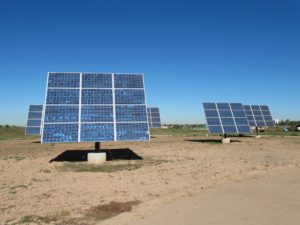
Sustainable TechnologyTechnology is constantly evolving in the 21st century and through it, MPOWERD is alleviating the ailments that impoverished communities face. In 2016, 1.6 billion people across the globe lived without energy access. MPOWERD’s mission to bring sustainable technology to all points of the globe through practical, portable and affordable solar power impacts millions of lives each year. A dramatic reduction of communities without electricity as of 2019 suggests that 13% of the world’s population currently live without power. In addition, MPOWERD hopes to eradicate unaffordable energy costs and provide clean solutions to all of the world’s poor by 2030.

Form, Function, Empowerment

Since 2012, MPOWERD has reached over 3.7 million lives through sponsorship with community programs, disaster relief and health initiatives. The patented design of the “Luci” inflatable solar light reduces exposure to toxic kerosene fumes and provides light to those in crisis after storms. It also promotes healthy environments for the administration of medication, urgent health care and completion of schoolwork after sunset.

Moreover, MPOWERD focuses on helping women being more involved in their community and family decisions. Through a partnership with the Maasai Wilderness Conservation Trust, local ethnic groups in Kenya participate as resellers of the sustainable technology Luci lights in conjunction with E³Merge to stimulate investment in the local economy. The Maasai women cultivate spaces of undeniable empowerment where issues of Female genital mutilation, domestic violence and other inequalities are discussed. Additionally, alternative practices such as dance and song are now permitted in place of FGM due to newfound empowerment as business leaders.

Impact on Poverty

The distribution of the sustainable technology Luci lights fosters economic and social empowerment. Local craftsmen and women may work in the nighttime to create products for sustainable income without the worry of daylight. Furthermore, with a Luci light, children can study at night. This ensures the completion of homework and health clinics in rural areas can stay open late. In addition, workers who commute in the dark run less of a risk of injury. Women can feel safe from predators with MPOWERD’s compact light-source technology.

To put it simply, markets and businesses that stay open past daylight have the potential to earn more capital. As local markets thrive and expand, employment opportunities arise. Rural communities with limited trade commerce have more capital to exchange when electricity is not a concern. Thus, it allows freedom to invest in other pressing issues. According to the World Economic Forum, education is one of the most efficient steps to reduce poverty. In turn, reducing the need for basic electricity infrastructure allows for higher funding of various social programs. This includes agriculture, healthcare and education. As a result, it diminishes overall poverty.

Sustainable technology launches emerging nations into the global market through basic principles of infrastructure aimed towards poverty-reduction. The provision of portable solar lights in rural communities boosts local economies and establishes business expansion and stability. It also constructs safe environments where education and empowerment are centered at the forefront of improvement. MPOWERD is a force for good that does good through accessible sustainable technology in impoverished areas.

– Natalie Williams

Photo: Flickr

July 9, 2020
https://borgenproject.org/wp-content/uploads/borgen-project-logo.svg 0 0 Kim Thelwell https://borgenproject.org/wp-content/uploads/borgen-project-logo.svg Kim Thelwell2020-07-09 01:30:152020-07-07 12:05:25Sustainable Technology in MPOWERD Communities
Economy, Global Poverty, Poverty, Poverty Reduction

7 Facts About Poverty in Cyprus

Poverty in Cyprus
Cyprus is an island country in the Mediterranean Sea, just south of Turkey, with a population of 1.2 million. The Republic of Cyprus, the country’s only internationally recognized government and part of the European Union, controls 60% of the southern region of the island. The Turkish Republic of Northern Cyprus controls 36% of land in the north region of the island. The division between the North and South republics of Cyprus has created a power struggle of high tension, leaving the island politically unstable. Despite this instability, Cyprus has seen an improvement in decreasing poverty rates, as well as an expanding economy. Here are seven facts about poverty in Cyprus.

7 Facts About Poverty in Cyprus

  1. Cyprus’s economy is growing and expanding. Its tourism sector saw a significant boost in 2018 when more than 4 million travelers visited the island, a 7.8% increase from 2017. This increase in tourism correlates to its increase in GDP per capita, rising from $25,957.85 to $28,341.05 in 2018. Experts expect Cyprus’s GDP per capita to increase even more in 2020, with models estimating a 1.03% increase.
  2. When Cyprus gained independence in 1960, it began transitioning to a service economy. Cyprus’s economy started focusing more on its tourism and service sectors instead of agriculture. This allowed the GDP to rise. As of 2020, Cyprus’s GDP was $34.5 billion, a 3.9% growth since 2019.
  3. Cyprus’s unemployment rate has decreased. With the expansion of Cyprus’s economy came more jobs in the tourism and service sectors. As a result, unemployment rates have decreased. Since 2015, the country has cut its unemployment rate almost in half, from 14.91% in 2015 to 7.92% in 2019.
  4. Education in Cyprus is growing. Today, Cyprus has five private universities and three public ones. Both are rapidly expanding and connecting with other institutions across the globe. These schools continuously put millions of dollars back into the local economy, thus, providing thousands of jobs for the community.
  5. Life expectancy is increasing in Cyprus. As of 2020, the island’s life expectancy is 81.05 years, a 0.19% increase from 2019. Future projections from U.N. data predict a continuous upward trend.
  6. Cyprus does not have a standard minimum wage law for all workers. However, some occupations do have certain wage requirements. These requirements undergo review and revision annually in an effort to be fair to citizens. Since there is no countrywide minimum wage, however, this leaves room for many disparities in poverty and wealth.
  7. The Economic Interdependence Project is a partnership between the Republic of Cyprus and the Turkish Republic of Cyprus Chambers of Commerce. Created in 2009, the project’s goal is to intervene and encourage partnerships between businesses of both parties. The project hopes to reveal the benefits of the two communities working together to improve Cyprus’s economic stability and growth. They have been able to open the first island-wide business directory with more than 200 businesses. Additionally, the project also gave Market Research Grants to some businesses. 

Concluding Thoughts

Despite Cyprus’s political tensions between the southern and northern regions, the country has expanded its economy, increased tourism and implemented programs that encourage business relationships. These factors have allowed for an overall decrease in poverty in Cyprus. Hopefully, this progress will continue in the coming years.

– George Hashemi 
Photo: Wikimedia Commons

June 25, 2020
https://borgenproject.org/wp-content/uploads/borgen-project-logo.svg 0 0 Kim Thelwell https://borgenproject.org/wp-content/uploads/borgen-project-logo.svg Kim Thelwell2020-06-25 14:00:482024-05-29 23:17:357 Facts About Poverty in Cyprus
Disease, Foreign Aid, Global Poverty, Poverty Reduction

5 Ways Poverty Relief Reduces Disease

poverty relief reduces disease
The universal rise in global living standards has helped combat diseases, spurred on by international poverty relief efforts. In fact, one study found that reducing poverty was just as effective as medicine in reducing tuberculosis. Poor health drains an individual’s ability to provide for themselves and others, trapping and perpetuating a cycle of poverty. Better public health increases workforce productivity, educational attainment and societal stability. Here are 5 ways poverty relief reduces disease.

5 Ways Poverty Relief Reduces Disease

  1. Better Sanitation: According to the WHO, approximately 827,000 people die each year due to “inadequate water, sanitation, and hygiene.” Poor sanitation is linked to the spread of crippling and lethal diseases such as cholera and polio, which hamper a nation’s development. By investing in the sanitation of developing nations, the rate of disease decreases and the food supply improves. Furthermore, an all around healthier society emerges that can contribute more to the global economy. In fact, a 2012 WHO study found that “for every U.S. $1.00 invested in sanitation, there was a return of U.S. $5.50 in lower health costs, more productivity, and fewer premature deaths.”
  2. Improved Health Care Industries: A hallmark of any developed nation is the quality of its health care industry. A key part of reducing poverty and improving health, is investing in health care initiatives in developing countries. When the health care industry is lacking (or even non-existent), the population experiences high levels of disease, poverty and death. Many American companies have already invested millions into the medical sectors of developing nations, however. In September 2015, General Electric Healthcare created the Sustainable Healthcare Solutions, a business unit that donates millions in money and medical equipment to developing nations.
  3. More Informative Education: Knowledge is power when it comes to fighting disease. Educational institutions provide a nation with one of the best tools to fight diseases of all kinds. According to a WHO report, “education emphasizing health prevention and informed self-help is among the most effective ways of empowering the poor to take charge of their own lives.” Schools must teach about proper sanitation, how to spot warning signs and form healthy behaviors. School health programs are also an invaluable resource in times of pandemics and disease outbreaks, as they coordinate with governments. This cooperation has helped tackle diseases, including HIV/AIDS in Sub-Saharan Africa. Eritrea, for example, has one of the lowest rates of infection in the region (less than 1%), partially due to an increase in HIV/AIDS education measures.
  4. Enhanced Nutrition: Malnutrition and food insecurity weaken the immune systems of the impoverished and significantly lower one’s quality of life. Millions of children each year die from famine or end up crippled due to dietary deficiencies. By investing in and supporting agricultural sectors of developing nations, aid programs help in not only decreasing poverty, but also in cutting down on illness of all kinds. Likewise, international aid during conflicts and natural disasters is crucial to ensuring the continued health and productivity of a country. One nation combating such an issue is Tanzania. With the help of aid organizations like UNICEF, Tanzania has decreased malnutrition for children under five.
  5. More Effective Government Services: Arguably encompassing all the previous categories, governments with more money and resources can effectively help stop diseases. A healthy general population leads to more productivity, which increases tax revenue. Central governments can then invest that money back into health care and sanitation, creating a positive feedback loop. Governments also provide a centralized authority that can cooperate with organizations like the WHO. In the 21st century, communication and cooperation between world governments is key to halting pandemics and working on cures.

Impact on COVID-19

The COVID-19 pandemic is a prime example of how improved government resources provide poverty relief, which helps combat the virus in the developing world. Kenya is a good example of how developing nations can help contain and combat the virus with effective government actions. The systems and governmental services built up over past decades sprang into action and coordinated with organizations like the WHO. The government has also implemented various economic measures to help mitigate the negative economic side-effects. Moving forward, it is essential that governments and humanitarian organizations continue to take into account the importance of poverty relief for disease reduction.

– Malcolm Schulz 
Photo: Flickr

June 12, 2020
https://borgenproject.org/wp-content/uploads/borgen-project-logo.svg 0 0 Jennifer Philipp https://borgenproject.org/wp-content/uploads/borgen-project-logo.svg Jennifer Philipp2020-06-12 06:06:392024-05-29 23:17:335 Ways Poverty Relief Reduces Disease
Global Poverty, Poverty, Poverty Reduction

Looking At Poverty in Somalia

Poverty in Somalia
Following the aftermath of civil war and prolonged conflict, Somalia is now one of the most impoverished nations in the world. This is largely due to the collapse of the Somali Democratic Republic in 1991, an event that divided the country. War waged, killing thousands of native Somalis. Conflict flipped the lives of the Somali people upside down in what seemed like an instant. Many had to flee their homes in order to survive. Today, the poverty rate in Somalia is 73%, leaving most of what is left of the nation poor and struggling to survive.

A Divided Country

The lack of an active central government is a leading cause of poverty. The fractured condition that Somalia is in renders it impossible for it to put policies in place. Moreover, the region of Somaliland declares itself as an independent country. Somaliland has been fortunate enough to experience more stability than the rest of the country. It has even been able to rebuild much of its infrastructure since 1991. Although internationally recognized as a part of Somalia, the government of Somaliland refuses to attend “peace talks aimed at unifying” the nation. Somaliland acts as an example of how the division in the nation’s government increases the nation’s poverty as a whole.

Mortality Rate and Poverty

The mortality rate in Somalia is high because of this poverty. About 70% of the Somali population is 30-years-old or younger. The life expectancy rate is roughly 57 years. This low life expectancy is due to a variety of poverty-related causes, such as poor infrastructure, lack of formal access to health care and sanitation issues. The havoc that civil war unleashed on the country has resulted in poor infrastructure. Because infrastructure is so poor, access to electricity, clean water and other basic utilities varies from household to household with most lacking one or more.

Somalis must pay for everything by either bartering, working or selling what they have. This process takes a severe toll on their mental and physical health. The lack of health insurance makes treating these resulting health issues nearly impossible for Somalis since most cannot afford private health care. This cycle continues and builds upon itself, furthering the state of poverty that Somalia is already facing. Furthermore, there are few jobs available for young Somalis as the nation has remained in shambles from the violence over the past 20 years. The result is 67% of the youth in Somalia do not have jobs or a way to pay for their basic needs.

The Future of Poverty in Somalia

As long as the nation remains divided and people must resort to violence for basic needs such as food and water, the problem of poverty in Somalia will persist. Successful nations that understand how to help must invest more time and money into aiding the people of Somalia. Save the Children Somalia is a successful NGO that works to end child poverty in Somalia by raising money and using it to directly impact the children living within this impoverished nation.

The organization provides health, nutrition, water, sanitation, hygiene, education and food security services to impoverished Somalis. It also communicates with the Somali government to implement better strategies in these areas. By the end of 2017, Save the Children had reached 2,814,381 people, 1,717,809 were Somali children. The organization has different branches for child protection, education and children’s rights.

War and conflict have taken Somalia from a home to a land of poverty and struggle. Since the Civil War, Somalia has been trying to pick up the pieces of a life that once was. With the help of nonprofit organizations and efforts, there is hope that one day Somalia can overcome poverty and rise again as a strong nation for its people.

– Alexis Page
Photo: Flickr

June 6, 2020
https://borgenproject.org/wp-content/uploads/borgen-project-logo.svg 0 0 Jennifer Philipp https://borgenproject.org/wp-content/uploads/borgen-project-logo.svg Jennifer Philipp2020-06-06 07:30:072024-06-07 05:08:04Looking At Poverty in Somalia
Global Poverty, Poverty Reduction

Poverty in India and Pakistan

India and Pakistan
A man from India and a man from Pakistan stood proudly together representing their nations at a T-20 Cricket World Cup game in 2012. This is significant, as, in the year 1947, after India became independent from the British Empire, the Muslim minorities in the nation felt that they were experiencing underrepresentation and demanded partition. As a result of their religious divisions, India and Pakistan became two sovereign nations. About 70 years later, their harsh differences continue to exist. It is important to note that despite their religious and lingual difference, their poverty rates are both high. In India, about 21.9% of people lived below the poverty line as of 2011. Meanwhile, in Pakistan, about 24.3% of people lived below the poverty line as of 2015.

Religious Divisions

The main reason behind India’s partition was its religious divisions. Due to the Hindu majority within the government, the Muslim minorities felt that the government policies would only benefit the Hindus. Moreover, they also felt that the government would misrepresent them. Muhammed Ali Jinnah, a Pakistani politician, led Pakistan and developed a Muslim majority nation, while Jawaharlal Nehru, India’s first prime minister, developed a Hindu majority of India. Religion became the foundation of the partition movement. Many still view it as the basis of the conflict between the two nations.

Consequently, about 15 million people suffered displacement, as the Muslims in India migrated to the newly established Pakistan. Along with this, about 1 million and more people died due to religious conflicts. The political conflicts between the two nations had led many other citizens to suffer the consequences. As a result, many families lost important members, and some became homeless.

Poverty in India

While the two nations have often been enemies, they have a common issue of high poverty rates, with India at 21.9% in 2011 and 29.5% in 2015. The causes of the high rates of poverty are similar in both nations as well.

A common cause of poverty in both nations is hunger, unemployment and lack of education. In India, about 200 million people do not have access to decent food. In addition, the lack of employment with proper wages is difficult to access, since many Indian people live in small rural villages. UNICEF revealed that about 25% of children in India do not have access to education in India. In fact, often girls in India have to learn household jobs. Due to this unequal treatment of women, it is difficult for them to find jobs with a good wage.

Poverty in Pakistan

Pakistan has seen a similar trend to India. Typically, women and children find it really difficult to find access to food. Due to inflation, many resources are simply unaffordable.

In terms of employment, many Pakistani citizens live in rural areas. Consequently, they do not have access to proper jobs. Many who have jobs do not have proper wages. Moreover, about 90 million people lived on less than $2 a day in 2011. This makes poverty harder to overcome.

Inequality amongst women and young girls also increases poverty levels. Like India, women have to learn household tasks so that they have experience when they marry. Additionally, people often look down on women who work outside the house. Efforts to educate women have made a significant impact on this. Other influences on poverty include violence, ongoing conflicts with terrorist groups, malnutrition, infant mortality rates and child labor.

Solutions to Poverty in India

In India, the government is working to combat poverty in a variety of different ways. An initiative the government has launched to help decrease poverty is Pradhan Mantri Awas Yojana or Housing For All. It focuses on providing the poor with affordable housing. Additionally, the program tries to empower the women by mandatorily making them the owner or co-owner of the house. Another program that the government launched is the Atal Mission For Urban Rejuvenation and Transformation. This program focuses on improving infrastructure and developing a proper sewage network, along with better water supplies for urbanization. In addition, the nation gets support from international organizations such as the U.N.

Solutions to Poverty in Pakistan

Pakistan’s government is also working effectively to decrease poverty levels. A program that the Pakistani government launched to help combat poverty is known as the Benazir Income Support Program. It focuses on assisting the poor financially. The program is essentially a cash transfer program that forces on reducing poverty and elevating the status of marginalized and underprivileged communities. Additionally, Pakistan receives plenty of support from international organizations such as USAID and the World Bank.

India and Pakistan continue to have political conflicts with each other. Similar to the relationship between the United States and Russia, the two nations have competitive views toward each other. Despite their differences, they have similar issues internally, such as poverty. However, although the new nations have significantly high levels of poverty, they have decreased the rates. Within a period of 10 years, from 2006 to 2016, India lifted about 271 million people out of poverty. Pakistan significantly lowered its poverty rates as well and now has the second-lowest headcount poverty rate in South Asia. As urbanization continues in both countries, reductions in poverty are occurring, although at a slow rate.

– Krishna Panchal
Photo: Flickr

June 3, 2020
https://borgenproject.org/wp-content/uploads/borgen-project-logo.svg 0 0 Jennifer Philipp https://borgenproject.org/wp-content/uploads/borgen-project-logo.svg Jennifer Philipp2020-06-03 07:30:082024-05-29 23:15:56Poverty in India and Pakistan
Global Poverty, Poverty, Poverty Reduction

The Plan to Reduce Poverty in Romania

Reduce Poverty in Romania
Romania, like much of the former Communist Bloc, experienced extreme poverty under communism. Although communist rule ended more than 30 years ago, the country still experiences the lingering effects of communism on its economy and quality of life. In 2017, approximately 4.6 million Romanians lived at or below the Romanian national poverty line, a standard assessed by the cost of living and certain social policies. Poverty in Romania concentrates in rural areas, where about 46% of the population lives, according to recent estimates. Here are the ways in which the government seeks to reduce poverty in Romania.

The National Strategy on Social Inclusion and Poverty Reduction

In 2015, the European Union (EU) and the Romanian government devised the National Strategy on Social Inclusion and Poverty Reduction to help reduce poverty in Romania. The strategy aimed to lift 580,000 people from poverty by 2020 and increase employment for the poor and other vulnerable groups. It also provided financial support for poor or at-risk citizens. Additionally, it promoted social inclusion of marginalized communities such as the Roma people and improved social services like health care and education. In addition to this plan, Romania also passed a 47-point plan to combat poverty in 2015.

Many have regarded this plan as overly ambitious. Unfortunately, much of the National Strategy on Social Inclusion and Poverty Reduction remains only on paper. This is not to say, however, that it has not made an impact on reducing poverty in Romania. Since the creation of this plan, the percentage of Romania’s population at risk of living in poverty has dropped from 40.2% in 2015 to 35.7% in 2017. Since the implementation of the National Strategy on Social Inclusion and Poverty, the Romanian government has been able to allocate more funding for active labor market policies, including financial bonuses and job training. Additionally, Romania has received funding from the European Social Fund for projects to increase the effectiveness of the Romanian National Employment Agency. Despite these improvements, Romania still ranks as the second most impoverished nation in the EU, after Bulgaria.

Looking Forward

In addition to continuing the work on current programs, the country is looking forward to more improvements in the coming years. By 2023, the Romanian government has set a goal of improving access to education. Increasing educational opportunities in Romania is especially important. The country has the highest child poverty rate in the EU at nearly 50%. Children living in poverty are more likely to have to leave school, further perpetuating the cycle of poverty in Romania. By making education more accessible, children at risk of poverty have more opportunities to break the cycle.

Despite drastic improvements in the levels of poverty and social inclusion in Romania, millions of Romanians are still at risk. The Romanian government and EU implemented the National Strategy on Social Inclusion and Poverty Reduction in 2015. Unfortunately, problems obtaining funding have made it difficult to implement this plan in its entirety. However, some changes have occurred, improving the situation for a small portion of the Romanian population. The government’s future plans to reduce poverty in Romania, including improving access to education for impoverished children, aim to continue to improve the country’s poverty crisis.

– Jessica Cohen
Photo: Flickr

May 28, 2020
https://borgenproject.org/wp-content/uploads/borgen-project-logo.svg 0 0 Jennifer Philipp https://borgenproject.org/wp-content/uploads/borgen-project-logo.svg Jennifer Philipp2020-05-28 01:30:222022-03-30 20:01:53The Plan to Reduce Poverty in Romania
Page 27 of 63«‹2526272829›»

Get Smarter

  • Global Poverty 101
  • Global Poverty… The Good News
  • Global Poverty & U.S. Jobs
  • Global Poverty and National Security
  • Innovative Solutions to Poverty
  • Global Poverty & Aid FAQ’s
Search Search

Take Action

  • Call Congress
  • Email Congress
  • Donate
  • 30 Ways to Help
  • Volunteer Ops
  • Internships
  • Courses & Certificates
  • The Podcast
Borgen Project

“The Borgen Project is an incredible nonprofit organization that is addressing poverty and hunger and working towards ending them.”

-The Huffington Post

Inside The Borgen Project

  • Contact
  • About
  • Financials
  • President
  • Board of Directors
  • Board of Advisors

International Links

  • UK Email Parliament
  • UK Donate
  • Canada Email Parliament

Get Smarter

  • Global Poverty 101
  • Global Poverty… The Good News
  • Global Poverty & U.S. Jobs
  • Global Poverty and National Security
  • Innovative Solutions to Poverty
  • Global Poverty & Aid FAQ’s

Ways to Help

  • Call Congress
  • Email Congress
  • Donate
  • 30 Ways to Help
  • Volunteer Ops
  • Internships
  • Courses & Certificates
  • The Podcast
Scroll to top Scroll to top Scroll to top