• Link to X
  • Link to Facebook
  • Link to Instagram
  • Link to TikTok
  • Link to Youtube
  • About
    • About Us
      • President
      • Board of Directors
      • Board of Advisors
      • Financials
      • Our Methodology
      • Success Tracker
      • Contact
  • Act Now
    • 30 Ways to Help
      • Email Congress
      • Call Congress
      • Volunteer
      • Courses & Certificates
      • Be a Donor
    • Internships
      • In-Office Internships
      • Remote Internships
    • Legislation
      • Politics 101
  • The Blog
  • The Podcast
  • Magazine
  • Donate
  • Click to open the search input field Click to open the search input field Search
  • Menu Menu

Archive for category: Poverty Reduction

Information and stories about poverty reduction.

Global Poverty, Nonprofit Organizations and NGOs, Poverty Reduction

Making a Difference: 3 Philanthropic Organizations in Greece

Philanthropic Organizations in Greece Due to income inequalities and the lingering effects of the 2008 global financial crisis, many Greeks continue to face threats of poverty. Of note, insufficient incomes caused 22.2% of the population to suffer severe material deprivation in 2015. While housing, food, education, training, health care and legal aid are difficult to access for those living in poverty,  philanthropic organizations in Greece are making a difference across the board.

3 Philanthropic Organizations in Greece

  1. Hellenic Hope. Child poverty in Greece impacts more than 686,000 children. Children are at risk of limited accessibility to nutritious diets and living in inadequate conditions to meet their developmental needs. Hellenic Hope is an organization that provides support to children living in poverty in Greece. Hellenic Hope focuses on raising funds for organizations to fight the child poverty crisis in Greece while increasing awareness about child poverty and encouraging collaborative efforts internationally. Since its establishment in 2012, Hellenic Hope has partnered with various organizations in Greece to provide food and clothing as well as emotional and educational resources. In 2015, Hellenic Hope participated in SOS-Eliza VIMA/STEP program to protect 95 vulnerable children. SOS-Eliza focuses on child abuse prevention and works with vulnerable families facing unemployment, poverty and social isolation.
  2. METAdrasi. METAdrasi is a grassroots organization established in 2009 that strives to eliminate human oppression. Founder Lora Pappa developed this organization to protect the rights of people displaced by war or prosecution. In 2019, METAdrasi received the Conrad N. Hilton Humanitarian Prize. The organization received a $2 million award for its work with refugees, migrants and unaccompanied children in Greece. The funding will allow the group to strengthen its advocacy efforts in Greece. Through the efforts of social workers and interpreters, METAdrasi has rescued refugee children from detention centers, conditions of homelessness and other unsafe environments on the island. METAdrasi has been able to help approximately 11,000 children in 4,000 escorting missions. In addition to this, METAdrasi continues to expand its services through innovative approaches that allow the organization to provide legal support, certification of victims of torture, education and protection for unaccompanied children.
  3. Kivotos tou Kosmou – Ark of the World. This is a philanthropic institution in Greece founded by Father Antonios Papnikolaou. The organization provides services for children and young mothers who are in need or in danger. Kivotos has been able to care for more than 220 children who have separated from their parents and support 150 single-parent families. With approximately 150 apartments, Kivotos provides housing so that these families can remain together. The organization also provides education, training and access to scholarships. Kivotos has helped teenage mothers by teaching them parenting skills and offering mental health care services and therapy.

Looking Ahead

While rebuilding from the financial collapse has been slow, thoughts of a prospering economy remain. Still, philanthropic organizations in Greece are finding ways to make a difference in many lives today. The Organization for Economic Co-operation and Development urges government reform to address poverty and inequality in Greece with hopes of economic recovery.

– Brandi Hale
Photo: Flickr

December 5, 2020
https://borgenproject.org/wp-content/uploads/borgen-project-logo.svg 0 0 Kim Thelwell https://borgenproject.org/wp-content/uploads/borgen-project-logo.svg Kim Thelwell2020-12-05 11:41:152024-05-30 07:53:09Making a Difference: 3 Philanthropic Organizations in Greece
Economy, Global Poverty, Poverty Reduction

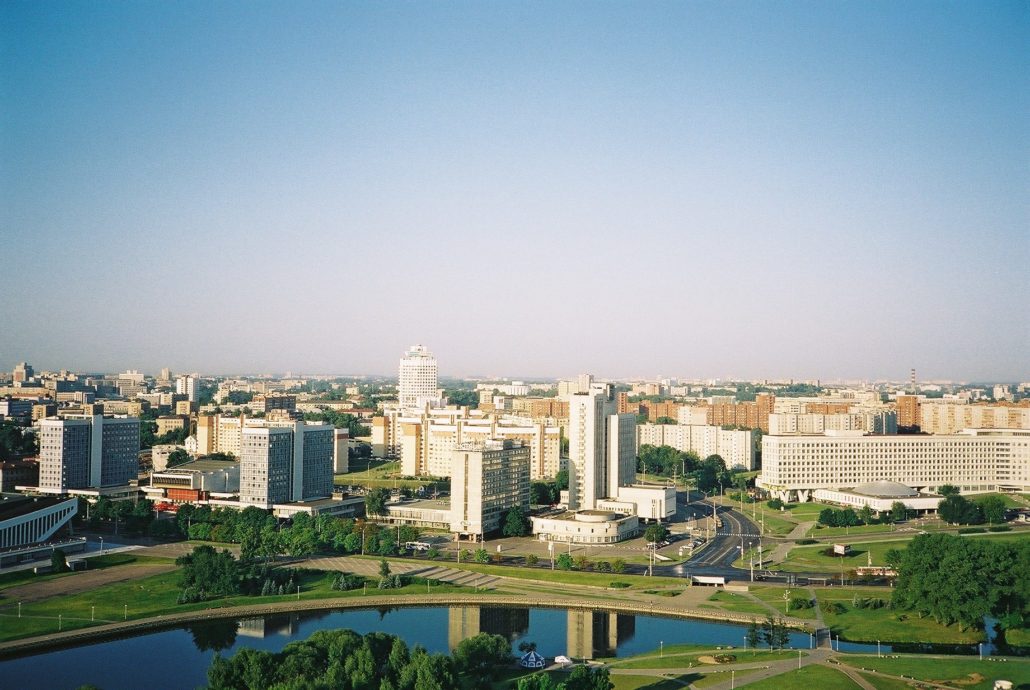
Understanding Poverty in Belarus

Poverty in Belarus
The Eastern European post-Soviet state of Belarus has had a tumultuous, bumpy ride in the last 30 years. A long-treasured satellite of the Soviet Union for almost the entirety of the 20th century forced the country to adopt massive changes when it broke off from the Soviet Union when it collapsed in 1991. Since then, one man has ruled this small country with an iron grip.

Alexander Lukashenko has been a dictator-like figure masquerading in a phony democratic society. He has been drawing social, economic and political policies in Belarus for the last three decades since the fall of the Soviet Union. Though he did reduce poverty according to official government statistics, there has been a high fluctuation in actual figures related to the poverty rate in Belarus since he took office in the early 1990s. Understanding the underlying causes and remedies of this poverty in Belarus is a complex affair, however, it is clear that certain political, economic and social actions have impacted the country in many ways.

Poverty in Belarus

Being one of the poorest countries in the geographical limits of Europe, the inability to properly take care of its citizens hampered Belarus. Showing its signs of instability, the Belarusian system creaked heavily during a brief two-year recession during 2015-2016. Within a matter of months, the share of the population living below the poverty line increased by three percentage points while in rural areas that number doubled. This fluctuation shows an economy and political system that is not yet resilient to normal market pressures. Additionally, according to a UNDP report, Belarus ranked in the bottom third in countries on the metric “socioeconomic sustainability” which predicts the longer-term impact of economic growth factors and the sustainability of economic output.

Compounding this dilemma, a comprehensive study concluded that much of Belarus’ economic growth in the past 20 years is quite vulnerable, citing both demographic concerns about aging and continuous reforms in the utility sector, which employs much of the workforce of the country. The myriad of challenges facing Belarus is not just abstract downstream economic impacts. President Alexander Lukashenko hampers the prosperity of his own citizenry in many ways through his brash leading style and the specific intricate political decisions that impact his citizens.

Mitchell Orenstein’s Views

According to the University of Pennsylvania professor of Eastern European Studies, Mitchell Orenstein, the Lukashenko regime “is certainly repressive. His regime regularly beats peaceful protesters and threatens and imprisons and tortures opposition presidential candidates.” This type of social order is not conducive to finding the best public policy that helps the most people, but rather a closed-off system that is resistant to change–which is important when advancing important economic interests that lift people out of poverty in Belarus.

Orenstein also noted that many Belurrusians tolerate much of this behavior, as President Lukashenko argues, “Belarus must have a powerful dictator to prevent invasion from outside forces, noting Belarus’s World War II history, and Russia’s desire to undermine Belarusian sovereignty. He also blames NATO for seeking to subdue Belarus.” This provides an underpinning of legitimacy that was successful at holding off dissatisfaction among his people, but as poverty trends stagnate, that dissatisfaction may inevitably boil over.

Improvements in Belarus

Upon examining the raw data, one might come to the conclusion that Belarus has been dealing with its poverty problem quite well since Lukashenko took office. In the year 2000, 41.9% of the population was below the national poverty line while in 2013 that number astoundingly fell 36.2 percentage points to 5.7% below the poverty line in the country. This was due to mass mobilization of the public sector for manufacturing–mainly to fuel the growing Russian economy at the time. Moreover, massive investments from multilateral organizations, such as the World Bank, spurred the production of critical infrastructure all around the country and international investment.

The World Bank’s Efforts

With the 90 million Euro investment from the World Bank in 2019, coupled with numerous other investments like the UNDP project, Belarus is making extraordinary strides in not only fighting poverty but also developing and cultivating the systems that attract foreign investment. Moreover, innovative NGOs are tackling every angle of the poverty cycle in the country. Organizations like Ponimanie are fighting to protect children’s rights and ensure positive outcomes for vulnerable groups of children.

This type of organization is crucial for breaking the cycle of poverty and providing opportunities to succeed in disadvantaged communities in the country. In addition, poverty in Belarus has received aid from the fact that Belarus’ main trading partners–like Russia–have experienced an economic boom as well. This reaction sets a favorable sequence into motion that spurs production in its energy and agricultural sectors lifting people out of poverty.

Looking Ahead

Importantly, while Belarus has made great strides in its ability to fight poverty (as shown by the successful years of positive economic policy and results), many of the trends have leveled off during recent times. Life expectancy, education and GNI per capita all increased dramatically over the course of the first years of the 21st century while then plateauing into the 2010s. This certainly shows progress but also highlights the inability of the Belarussian system to maintain and replicate the growth and prosperity that the country experienced 15 years ago.

While poverty in Belarus is most certainly an ongoing threat, understanding some of the more intricate causes of instability and continued poverty are important for determining the outcome of millions in this Eastern European country in the future.

– Zak Schneider
Photo: Flickr

November 6, 2020
https://borgenproject.org/wp-content/uploads/borgen-project-logo.svg 0 0 Borgen Project https://borgenproject.org/wp-content/uploads/borgen-project-logo.svg Borgen Project2020-11-06 04:00:372024-12-13 17:50:06Understanding Poverty in Belarus
Global Poverty, Poverty Reduction, Women, Women and Female Empowerment

Trickle Up’s Approach to Poverty Reduction

Approach to Poverty Reduction
Extreme poverty originates in already disadvantaged groups, particularly women, people with disabilities and indigenous peoples. The impact of poverty disproportionately affects communities that already face challenges dependent upon their gender, ability or cultural background. For those who belong to more than one of these identities, poverty can seem inescapable without direct intervention and change within the systems that limit their ability to self-sustain. Trickle Up is one organization that has provided an intersectional approach to poverty reduction by engaging with these vulnerable groups since 1979 and providing women in impoverished areas the financial resources to build up themselves and their communities.

Identity as a Predictor for Extreme Poverty

Women are more likely than men to live in poverty. Many women face the consequences of gender inequalities as they receive 24% less pay than men worldwide and face job insecurity through the informal economy. Moreover, they spend much of their time invested in unpaid labor, such as caregiving.

The Borgen Project spoke with Trickle Up’s Vice President of Programs, Barbara Jackson, who revealed the importance of targeting the obstacles that hold back women especially from emerging out of extreme poverty. She recognized that impoverished women face stigmatization even in their own communities and experience marginalization through the lack of services available to them. Disparities emerge when “men and boys are often prioritized for schooling,” leaving some women without literacy skills. As a result, women frequently must focus on balancing caregiving and wage-earning instead.

“Women are often not included in decision-making processes because they are not considered the voice of the family,” Jackson went on. They are instead “stigmatized for something that is not of their own volition.” Targeting unjust power dynamics that limit women’s ability to pull themselves out of extreme poverty is a crucial approach to poverty reduction.

The current global data demonstrates that poverty is an intersectional problem that harms those who fall under more than one disadvantaged category. Women who come from indigenous backgrounds face additional challenges. Indigenous peoples make up nearly 15% of the poorest people globally. Being both a woman and an indigenous person couples with the highest malnutrition and poverty rates out of all social groups in Latin America and the Caribbean. For this reason, Trickle Up has built a program to support and empower Guatemalan indigenous women.

Trickle Up’s Graduation Approach

About 767 million people in the world live in extreme poverty, surviving on less than $1.90 per day. Microcredit services, which involve providing small loans to individuals in developing nations, make up important support for millions of the impoverished each year. However, these services frequently overlook the ultra-poor due to the complexity of their challenges.

Referring to the ultra-poor, Jackson emphasized that “it is critical that they learn basic financial skills, learn how to save, gain greater financial stability through a diversity of income-generating activities, and develop the self-confidence they need to persevere and succeed.” Because of the economic and social disadvantages presented to them simply because of their gender, women are the primary recipients of Trickle Up’s specialized savings and social support services.

Of the many challenges of breaking the cycle of poverty, lack of services and geographic and social isolation are most prominent for the focus of Trickle Up’s graduation approach.

How Trickle Up’s Graduation Approach Works

In place of giving out microcredit, Trickle Up intends for its five-step Graduation Approach to help participants of the program “graduate out of poverty.” Each program undergoes implementation in a community and it selects the participants it deems most vulnerable. Trickle Up later approves these participants.

The selected women then receive consumption support, which is the provision of a small stipend to ensure that they may stabilize their families prior to moving forward with developing long-term investments. Trickle Up’s approach to poverty reduction involves giving livelihood coaching in addition to risk-free capital investment. The training allows for women to decide on the activities they can employ to create a sustainable income.

Prior to graduation, it is essential that women have savings and social networks set up. Jackson shared that women in these communities “don’t come together to talk about their problems and talk amongst themselves.” The savings groups provide opportunities for the participants to “sit and work” together in order to build confidence and trust.

The Desde el Poder Local Program

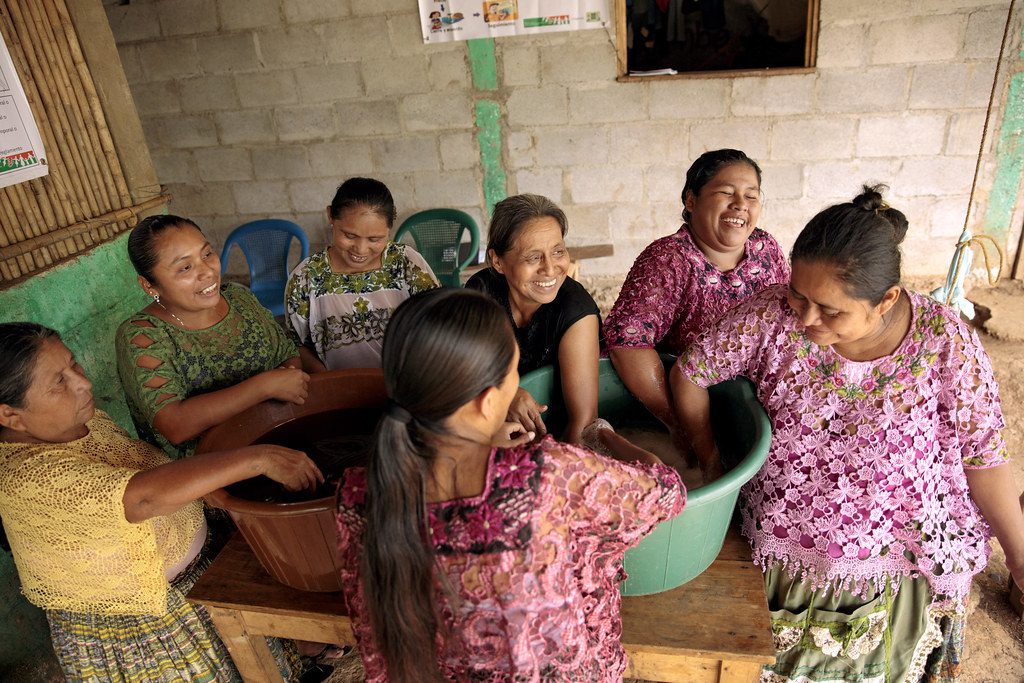
Desde el Poder Local is one of Trickle Up’s current six projects. Located in El Quiché and Alta Verapaz, Guatemala, the project has selected 410 indigenous women between the ages of 15 and 24 to participate over the span of two years so far. This particular program emphasizes reproductive health education and livelihood development.

Women and men receive reproductive health education in the native languages of the targeted communities. The goals of this education initiative include broadening understanding of the implications of early onset pregnancies while also acknowledging the role of parenthood. Jackson noted that there has been a decrease in pregnancies in the last two years, with no pregnancies occurring for women under 18 in El Quiche and Alta Verapaz. Trickle Up’s inclusion of male family members in both reproductive health and financial literacy programs aims to develop a sustainable change in the gender dynamics of the participant’s communities.

As of August 2020, Desde el Poder Local generated 21 savings groups and 77% of participants increased their annual income during the program. Jackson pointed out, “A dollar a week they’re saving. That’s the first time they’re making their own money.” With the support of their families, communities, and municipal authorities, these women obtain the support they need to continue generating a sustainable income once the project concludes.

Maintaining Support During COVID-19

The traditional approach that Trickle Up has undergone disruption during the coronavirus pandemic. Women who work as local artisans have not been able to travel or access markets in order to sell their products. Fortunately, Jackson assured that Trickle Up staff members have continued to work alongside government staff or field extension agents, which are often women. Information on sanitation hygiene and infection prevention has undergone dissemination through cell phones and word-of-mouth.

Trickle Up has demonstrated that an intersectional approach is essential for poverty reduction. Targeting social problems that exacerbate the effects of extreme poverty, including gender inequality and racial discrimination, allows for growth within the target communities and in society as a whole.

– Ilana Issula
Photo: Flickr
November 5, 2020
https://borgenproject.org/wp-content/uploads/borgen-project-logo.svg 0 0 Kim Thelwell https://borgenproject.org/wp-content/uploads/borgen-project-logo.svg Kim Thelwell2020-11-05 14:18:442024-05-30 07:56:20Trickle Up’s Approach to Poverty Reduction
Foreign Aid, Global Poverty, Poverty Eradication, Poverty Reduction

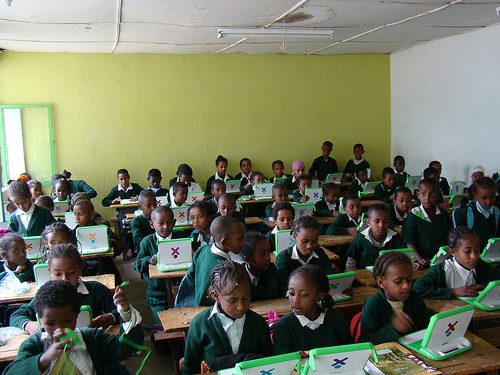
Innovations in Poverty Eradication in Ethiopia

innovations in poverty eradication in ethiopiaEthiopia, officially known as the Federal Democratic Republic of Ethiopia, is located in East Africa. It has historically struggled to keep a majority of its population out of extreme poverty. In 1995, 71.1% of Ethiopia’s population lived on less than $1.90 a day. However, thanks to innovations in poverty eradication in Ethiopia, this figure has decreased to 30.8% as of 2015. The top innovations in poverty eradication in Ethiopia include economic development plans and the expansion of social services. Foreign aid from allied nations, like the U.S., has helped make these innovations in poverty eradication in Ethiopia possible.
Economic Development Plans

The main mechanism for successfully reducing poverty in Ethiopia is its chain of innovative economic development plans. Beginning with the Plan for Accelerated and Sustained Development to End Poverty (PASDEP) in 2005, Ethiopia has implemented a series of these plans. Each last five years in order to adapt to the new market. In 2010, the First Growth and Transformation Plan (GTP I) replaced the PASDEP. The Second Growth and Transformation Plan (GTP II) succeeded this plan in 2015.

The GTP II remains in place but is nearing the end of its five-year installment. The plan doubled down on the previous strategies’ prioritization of human resource and infrastructure development. As such, it has sustained economic growth in Ethiopia. This was most evident in Ethiopia’s huge spending increase in the education sector. Roughly one quarter of the nation’s total expenditures go toward education and training. Importantly, this far surpasses the allocated budget in every other nation in the region. Access to “universal primary education” also rose exponentially—an important milestone for the country. In addition, the plan called for large investments in roads, railways, power and agriculture.

The plan also focused on industrial development, strengthening the manufacturing industry to increase economic growth. Analyst for the Development Initiatives, Peace Nganwa, writes that “interventions that increase economic growth also contribute directly to poverty reduction.” Since the GTP II’s implementation, Ethiopia’s GDP has grown substantially. The total GDP grew from $64.6 billion in 2015 to $96.1 billion as of 2019, a whopping 48.8% increase.

Expansion of Social Services

Ethiopia’s focus on improved social services has dramatically increased the welfare of its citizens. Besides education, health, transportation, energy infrastructure and water and sanitation have expanded greatly. Health coverage in particular has been a priority for Ethiopia in the past few years. Substantial increases to healthcare funding brought Ethiopia’s access to health coverage to 98% in 2018. This was an important mark to hit, especially before the coronavirus pandemic reached the country.

Furthermore, water scarcity has historically been problematic for Ethiopia. The nation accounts for 7.5% of the global water crisis, affecting more than 62 million citizens. However, Ethiopia’s focus on the issue has helped reduce it significantly. This work has brought the country’s access to potable water to 66%. All of these social service expansions contributed to increasing the overall life expectancy of Ethiopians. Specifically, it now rests at 64.6 years.

International Assistance

Foreign development assistance made these innovations in poverty eradication in Ethiopia possible. In 2010, for instance, the $3.5 billion Ethiopia received in total foreign donations covered more than half of its spending. The largest contributor to this was the United States, giving $875 million.

As the nation plans another five years of poverty eradication measures, it faces one of the hardest challenges the world has come by: COVID-19. Ethiopia has proven that it can strategize to eradicate poverty within its borders. However, it needs assistance from foreign nations to make it truly achievable, now more than ever in the face of a pandemic.

– Asa Scott
Photo: Wikimedia

October 23, 2020
https://borgenproject.org/wp-content/uploads/borgen-project-logo.svg 0 0 Lynsey Alexander https://borgenproject.org/wp-content/uploads/borgen-project-logo.svg Lynsey Alexander2020-10-23 15:50:532020-10-23 15:50:53Innovations in Poverty Eradication in Ethiopia
COVID-19, Global Poverty, Poverty Reduction, Sustainable Development Goals, United Nations

The United Nations’ Short Film on Global Issues

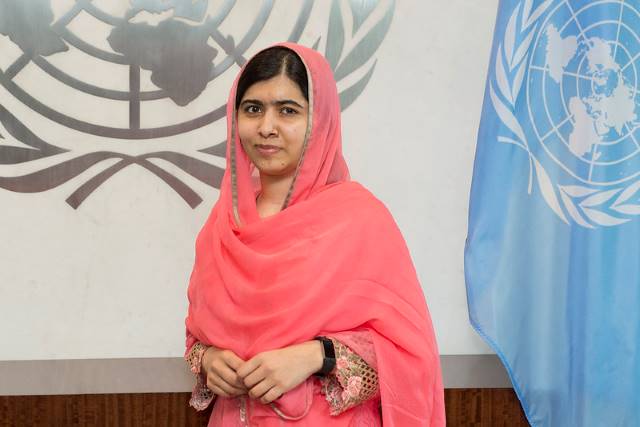
United Nations' Short Film On September 19, 2020, the United Nations broadcasted a 30-minute short film on its Youtube channel regarding global issues and extreme poverty. The film, entitled “Nations United: Urgent Solutions for Urgent Times,” includes many big-name celebrities such as Beyoncé and Malala Yousafzai. Julia Roberts hosts a podcast version of the show. As global progress has been slowed down due to COVID-19, the United Nations’ short film sets outs the actions needed to address global issues like extreme poverty, gender equality, human rights and climate change.
Expanding Reach Using YouTube

Since YouTube’s audience includes a large number of young people, the United Nations’ YouTube channel will reach those who are not accustomed to reading articles and press statements. The channel has more than 900,000 subscribers and includes a live stream of the U.N. headquarters where viewers can stay up-to-date with current issues and events.

The UN Short Film: Nations United

The United Nations’ short film focuses on actions necessary to create change and marks the 75th anniversary of the U.N. as well as the fifth anniversary of the Sustainable Development Goals (SDGs). Writer, director and SDG advocate, Richard Curtis, produced the film. It features a multitude of activists and humanitarian celebrities.

The film’s four chapters address climate, poverty and inequality, justice and human rights as well as gender equality. Working to expose the fractures in society and ways to remedy them, this film attempts to layout valuable solutions to the problems at hand. First-hand recordings of global issues allow viewers to gain a visual understanding of the challenges plaguing the world and the consequences of not taking action.

The U.N. Sustainable Development Goals act as guideline of global progress, setting out key issues, targets and potential solutions. The transition to renewable energy, the taxation of carbon and the halt of deforestation are some viable solutions the film points out. Additive performances by musical artists like Beyoncé amplify the main messages of the film.

Derailed Goals Due to COVID-19

The launch of the Sustainable Development Goals in September 2015 involved the commitment of 193 world leaders to 17 objectives in order to “end extreme poverty and hunger, fight inequality and injustice and tackle climate change by 2030.” These goals have been completely derailed since the introduction of the COVID-19 pandemic.

As the pandemic threatens global progress, the United Nations’ short film hopes to set out the actions needed to find viable solutions to address global issues and alleviate global poverty. The United Nations states that the film “will take audiences on a dynamic exploration of the times we live in, the multiple tipping points our planet faces and the interventions that could transform our world over the next 10 years.”

– Natalie Whitmeyer
Photo: Flickr

October 5, 2020
https://borgenproject.org/wp-content/uploads/borgen-project-logo.svg 0 0 Kim Thelwell https://borgenproject.org/wp-content/uploads/borgen-project-logo.svg Kim Thelwell2020-10-05 01:30:572021-03-05 02:17:38The United Nations’ Short Film on Global Issues
Global Poverty, Poverty Reduction

What to Know About Poverty in Tanzania

poverty in Tanzania
Many know Tanzania, located in East Africa, for its beautiful landscape and its coastline along the Arabian seashore. Three of the largest lakes on the African continent are in Tanzania. Though this country succeeds in attracting much tourism, it is one of the world’s least developed countries on the Human Development Index (HDI). Accordingly, poverty in Tanzania is a significant challenge.

Current Economy

Although the country’s economy is growing, it has had little impact on widespread poverty in Tanzania. Growth resulting in gold production and tourism has increased Tanzania’s wealth per capita by 92% over the last 20 years. According to the National Bureau of Statistics, the economy’s growth rate was 7% in 2018 and around 6.8% in 2019. Its real GDP growth rate fluctuates between 5% and 6% over the medium term. However, this steadily increasing GDP did not have a significant impact on Tanzania’s poverty reduction. Around 50% of the total Tanzanian population lives on less than $1.90 per day. Overall, Tanzania has only achieved a 2% poverty reduction over the last decade.

Currently, one out of three Tanzanians is self-employed. Around 80% of Tanzanians do not have access to a formal bank within 2 km of walking distance. Moreover, only 4% of the rural population has a bank account, while 70% of the population earns income through agriculture.

Food Insecurity and Agriculture

People in urban areas are 11 times more likely than those living in rural areas to have access to the minimum amount of food required for a living. Food insecurity is therefore common as another impact of poverty in Tanzania. In addition, around 35% of children in Tanzania suffer from chronic malnutrition. Poor utilization of the budget for agriculture is one reason for this widespread food insecurity. Furthermore, agricultural policy in Tanzania stands in the way of its growth. Though Tanzania’s growth depends a lot on agriculture, its lack of education, infrastructure and market access also cripples the country. However, the government is taking the necessary steps to address this conflicting policy problem in the hopes of improving food security in Tanzania in the future.

Environment and Health Changes

Despite 40% of the total Tanzanian land area being marked for parks and forests, deforestation is still a major concern in Tanzania. Deforestation rates have increased significantly since 2000. For example, a goldmine left 2,000 tons of toxic waste out in the surrounding environment without any regard for communities living there in 2009. This is yet another consequence of poverty in Tanzania.

The Road to Eradicating Poverty in Tanzania

Capital-intensive sectors concentrated in particular regions have driven growth in Tanzania. As a result, this contributes to uneven progress in the country’s economy, which is one of the key challenges in the land of Tanzania. By focusing attention on household income, labor and land productivity, the government can support the next generation of Tanzanians and help them get out of poverty. Tanzania’s government has already taken action to improve basic education in Tanzania, which will contribute to breaking the cycle of intergenerational poverty. Though the road to poverty eradication in Tanzania is likely long, a combination of policies focusing on equalizing economic growth, reducing food insecurity and protecting the environment will help the country get there in the future.

– Narasinga Moorthy V
Photo: Flickr

September 8, 2020
https://borgenproject.org/wp-content/uploads/borgen-project-logo.svg 0 0 Kim Thelwell https://borgenproject.org/wp-content/uploads/borgen-project-logo.svg Kim Thelwell2020-09-08 01:30:232020-09-07 08:11:00What to Know About Poverty in Tanzania
Global Poverty, Poverty Reduction

Global Poverty Reduction: A Unifying Pursuit

Global Poverty Reduction
Most Americans perceive the current political climate as increasingly polarized by party affiliation. In 2019, Pew Research Center surveyed the American public and found that nearly 80% believe divisions are increasing between Democrats and Republicans. Yet, the political pursuit of global poverty reduction benefits those on both sides of the political aisle.

The Science Behind Political Unity

In a recent interview with The Borgen Project, social psychologist Dr. Calvin Lai explained key factors contributing to the difficulty of Democrats and Republicans to simply get along. Primarily, the core of political division – a type of intergroup conflict – stems from differing morality and values between Republicans and Democrats. Beyond differences of morality and values, geography, demography and culture also shape one’s political outlook. Despite these differences, Dr. Lai points to “bonding together based on a common goal” as a useful tool in overpowering intergroup conflict to reach bipartisan consensus.

Poverty Reduction as a Common Legislative Goal

Leading up to the 2016 elections, Gallup and Pew Research Center conducted polls to survey Americans on their legislative priorities. The results revealed that Democrats, Republicans and Independents alike regarded national security and terrorism, the economy and jobs as the most pressing issues.

The survey thus indicates room for a bipartisan stance on foreign aid. Global poverty reduction – which improves national security, strengthens the economy and improves domestic employment – can be the common thread that pulls together both sides of the political spectrum and encourages collaboration over conflict.

National Security and Terrorism as Cornerstones of American Legislative Priorities

In 2002, U.S. Secretary of State Colin Powell stated that “sustainable development is a security imperative. Poverty, destruction of the environment and despair are destroyers of people, of societies, of nations, a cause of instability as an unholy trinity that can destabilize countries and destabilize entire regions.”

Global poverty relates to a host of environmental, economic and political problems for the international system, regardless of a nation’s wealth. For instance, deforestation – though people do not typically regard it as a threat to national security – occurs more frequently in impoverished, tropical countries. The state of the environment knows no borders. Issues like deforestation pose a risk to the entire world by degrading the climate.

Political unrest and terrorism also unfold in connection with poverty. Notably, poverty does not directly cause terrorism, and most terrorists are not poor. Rather, poverty breeds systemic issues and mental turmoil for societies, which may cause people to abandon hope for institutionalized change and instead support radical terrorist organizations.

The Causal Nexus Between Global Poverty Reduction and Economic Growth

After national security, the economy and employment rank high for the American people’s political interests. In today’s highly globalized world, an unstable global economy prevents the U.S. from reaching its full economic potential.

Former U.S. President George W. Bush once declared, “A world where some live in comfort and plenty while half of the human race lives on less than $2 a day is neither just nor stable.” Echoing Bush’s sentiments, research indicates that a highly active world economy cannot be sustained long term if coupled with increasing income inequality. Conversely, mitigating global poverty advances equality and allows all countries to participate in a more just, sound and stable international marketplace.

In particular, the U.S. – a dominant economic power dependent on exports – stands to benefit significantly from global poverty reduction. Asia and Africa are home to the top 10 countries with the fastest-growing GDPs. Libya tops this list, followed by Rwanda and Bangladesh, to name a few. As developing nations stabilize and prosper, more opportunities exist for trade with U.S. markets. Developing countries have accounted for half of international economic growth, and 50% of U.S. businesses supply half their exports to these emerging economies. Success for U.S. businesses boosts the economy but also promotes domestic employment by extension.

Approaching Global Poverty Reduction from a Bipartisan Front

In recent decades, global income equality has improved dramatically with less than a 10th of the world facing extreme poverty. Yet, the COVID-19 pandemic will likely have crippling effects on developing countries faced with scarce resources and infrastructural challenges to health care. The U.S. has the power and privilege to drastically improve the conditions of those facing life or death by endorsing foreign aid.

Domestically, the clash between red and blue has eroded a sense of national unity in recent years. Still, there is room for political consensus: most Americans agree that national security, the economy and employment remain essential aspects of the U.S. legislative agenda. Global poverty reduction allows people of all ideologies to tackle these problems and come together for something good.

– Maya Gonzales
Photo: Flickr

September 6, 2020
https://borgenproject.org/wp-content/uploads/borgen-project-logo.svg 0 0 Kim Thelwell https://borgenproject.org/wp-content/uploads/borgen-project-logo.svg Kim Thelwell2020-09-06 22:16:292020-11-27 22:16:43Global Poverty Reduction: A Unifying Pursuit
Global Poverty, Poverty Reduction

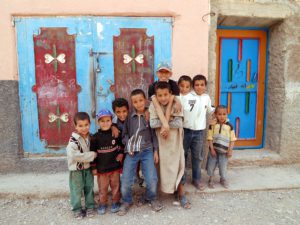
Efforts in Poverty Eradication in Morocco

Poverty Eradication in Morocco
Within a decade, the Moroccan government was able to lower the country’s poverty rate to 9%, previously 16.2%, from 2000 to 2010. According to a World Bank report, the rate decreased even more with the national poverty rate at 4.8% in 2018. In 2018, the unforeseeable natural obstructions halted the process of poverty eradication in Morocco. Nevertheless, the strides that some have made in poverty eradication in Morocco serve as examples of the importance of investing in foreign aid. Here are five ways Morocco has successfully helped its citizens with poverty reduction.

Progressive Taxing and Better-Targeted Public Spending

Despite adopting a new constitution in 2011 that granted universal public services, such as free education and healthcare, Morocco still faced some adversities. For one, the Moroccan government was not able to meet the needs of its surging population. The state budget disproportionately benefited cities with larger populations. As a result, it left rural areas with resource shortages. To efficiently reallocate public spending, the country set aside funds for local-level organizations such as NGOs.

NGOs are single-issue driven and avoid any political alliance. NGOs target anything from the distribution of resources, such as water and electricity, to literacy campaigns for their communities. A Carnegie Endowment for International Peace publication concluded that “[d]espite NGOs’ limited resources, case studies have shown that their actions have made a real difference in the lives of people at the local level.” The World Bank study predicts that social spending will increase with the 2020 Budget Law that is under development.

Access to Education

When accessible, education encourages free and critical thinking. ChildFund International believes that knowledge breaks the cycle of poverty because education fosters the power to dream of a better future. Additionally, it purports that education presents employment opportunities. Upon state independence, Moroccan policymakers prioritized free education. A 2019 article estimated that Morocco spent about 5.26% of GDP on education which is “considerably higher than the world average.”

Slowed Down Population Growth

A lower population growth rate means more sustainable resource allocations. Morocco is able to meet demands for resources, such as food and housing, with slow population growth. The Carnegie Endowment report claims that “access to education and fewer opportunities in the labor market delayed the average age of marriage… and slowed down population growth.”

Moroccan citizens are waiting longer to start families, which is allowing them the time to enable economic prosperity as well. By securing their financial stability first, parents are guaranteeing desirable circumstances for raising future children and wealth to inherit. The research also supports that “inheritance is an important channel through which some people in Morocco have moved out of poverty.” Generational wealth gives future generations a financial head-start when they begin to participate in the economy.

Investing in Infrastructure

In decentralizing government spending, Morocco made accomplishments in basic infrastructure programs. These programs tackled the drinking water supply, electrical networks and road systems. For example, the program known as PAGER increased access to drinking water for rural areas by 29.4% in 2009.

The program PAGER has worked to reduce health risks in communities so that there is less strain on healthcare resources. Additionally, the program has removed the responsibility of girls having to carry clean water home from distant drinking wells. Other advances in rural electrification have led to readily available information. Meanwhile, new road constructions make it easier to reach schools and jobs located outside of small towns.

Controlling Inflation

The World Bank estimated that inflation in Morocco had a Consumer Price Index (CPI) of about 0.6% in 2019. Forecasts estimate that inflation will only reach 1.7% in 2021, which is relatively low for neighboring countries. In addition, the World Bank attributes the low inflation rate to “sound monetary policy and ample supply of fresh food.”

Low inflation is important for keeping prices for goods competitive in the world market. Competitive prices are attractive to countries seeking affordable exports and tourists. Additionally, contained inflation protects the income of Moroccans as citizens will not have to pay inflated prices for everyday goods.

Although the country’s hardships are still ongoing, there are many efforts towards poverty eradication in Morocco. Morocco’s efforts prove the efficiency of state intervention when combined with smaller local governments and respond accordingly to the demands of the most vulnerable. 

– Lizt Garcia
Photo: Flickr

September 4, 2020
https://borgenproject.org/wp-content/uploads/borgen-project-logo.svg 0 0 Jennifer Philipp https://borgenproject.org/wp-content/uploads/borgen-project-logo.svg Jennifer Philipp2020-09-04 12:20:082024-06-07 05:08:07Efforts in Poverty Eradication in Morocco
Global Poverty, Poverty Reduction

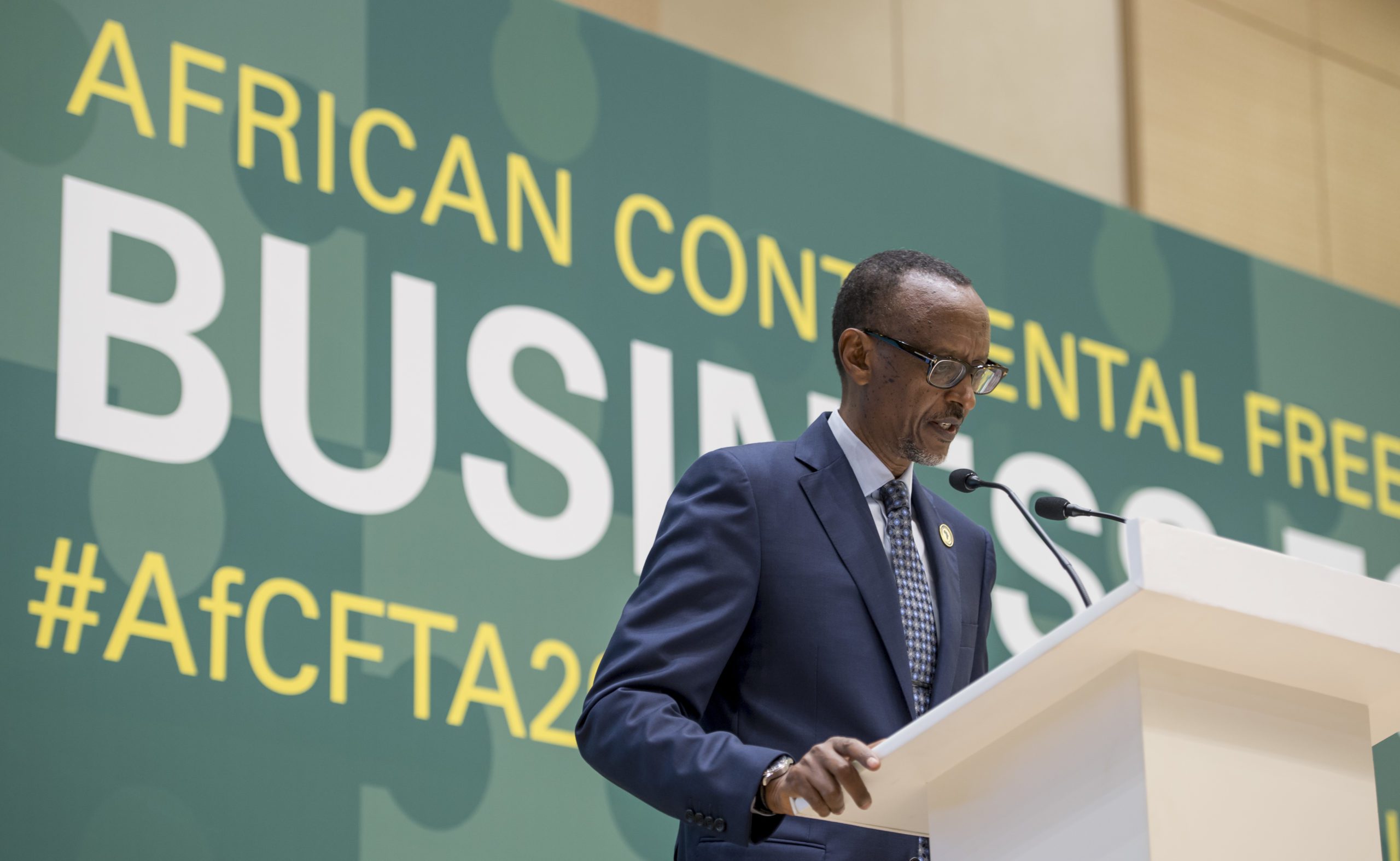
Intra African Trade and the AfCFTA

African Continental Free Trade Agreement Increases Economic Growth

Uniting 54 countries in the African Union, The African Continental Free Trade Agreement (AfCFTA) will create the largest free trade area in the world since the World Trade Organization formed in 1994. The implementation of the treaty was originally supposed to occur on July 1, 2020, but was postponed due to COVID-19 restrictions. Over 1.3 billion people with a cumulative GDP of $3.4 trillion will come together to further economic expansion. This effort will push Africa into a competitive spot in the global economy. The treaty outlines a reduction of tariff restrictions and of non-tariff barriers (NTBs) as well as a trade facilitation agreement (TFA). The AfCFTA will make vast improvements in catching intra-African trade up with the numbers of the rest of the world. 

Currently, continental exports across Africa clock in at about 19% of total exports, comparatively lower to intra-Asian and intra-Europe exports which make up around 60% of their total exports. AfCFTA looks to encourage a higher level of intra-African trade by cutting all tariffs between countries in the zone by 2035, expected to increase intracontinental exports by more than 81%, as stated by the World Trade Organization in its 2020 report.  According to CNBC, this could mean a $2.8 billion per year rise in net income in the area.

Overall, the UN Economic Commission for Africa expects African trade to increase from 15% to 25% by 2040, translating to a GDP growth of over $2 trillion. Expectations also determine that intra-African trade will encourage globalization and technology advances. Africa’s adoption of e-commerce and other electronic advantages into its economy will further those goals.

Poverty Reduction Effects

AfCFTA projects that an additional 30 million people will emerge out of extreme poverty, reducing the headcount ratio without the deal from 10.9% to 9.3% with it. The World Trade Organization also expects that 67.9 million will rise out of moderate poverty by 2035. The largest change in income will be for unskilled workers and women. Still, most social groups will see a 10% increase in income.

A key factor in poverty reduction is the growth of industries, which creates new jobs. Energy-intensive manufacturing will grow as African trade and other markets develop. Total exports related to the manufacturing industry should rise by 110% in intra-African trade and by 46% worldwide. The production of the manufacturing industry will see a $56 billion increase. As a result, a number of countries are looking to provide larger foreign direct investments to the continent. 

Growth in the agricultural sector will work alongside manufacturing to pull people out of poverty. The AfCFTA will cause the industry to see a loss of $8 billion. However, agricultural employment will see a rise in 60% of the countries involved in the deal. Expectations determine that agricultural exports (only second to manufacturing) will grow 49% in intracontinental trade and 10% in worldwide trade.

Overall income will also grow as a result of the AfCFTA. A higher quality of life will close the gender gap and the gap between skilled and unskilled workers. The full implementation of AfCFTA could cause a 7% growth in real income ($450 billion) by 2035. Still, it is important to note that this growth will not occur equally over all the countries involved.

Mitigation of COVID-19 Economic Effects

Due to COVID-19, the implementation of the AfCFTA terms is on hold indefinitely. Officials expect to start again Jan 1, 2021 but are unable to continue negotiations at this time. Poor internet connections and language barriers amongst different officials also pose challenges. Nevertheless, the AfCFTA will act as a stimulus plan for countries in the region that lack economic or fiscal means to distribute a large relief package.

While economic growth has been steadily increasing at about 2.4% in 2019, the World Bank expects it to drop from anywhere between -2.1% to -5.1% in 2020. This means a loss of between $37 billion to $79 billion during 2020. The economic drops could cause less food security as food prices rise in many areas.

The losses come from a combination of sources. Shutdowns reduced exports and imports, and many African countries are reluctant to open borders. The shutdowns caused welfare losses of up to 14%. In addition, reduced tourism and commodity prices have taken their toll.

Connecting Countries

The AfCFTA will look to open up borders between African countries in order to encourage free trade once again. As a larger market, African countries can obtain necessary medical instruments and food resources at a cheaper price. The agreement will double or triple exports in Cameroon, the Arab Republic of Egypt, Ghana, Morocco and Tunisia. The countries will see the largest benefits, although almost all of the other countries will see growth.

The introduction of AfCFTA will shift the global marketplace significantly. China has been the center of manufacturing in recent years, but there may be a shift to Africa, as China’s investment in the signing of the AfCFTA has shown. Major powers, such as the U.S., European Union and India, have shown an increased interest in African foreign development as they see the rise in this cohesive market. Although COVID has taken its hit on the world, the AfCFTA might encourage a quick bounce back, lifting millions out of poverty and increasing jobs for many.

– Nitya Marimuthu
Photo: Flickr

August 29, 2020
https://borgenproject.org/wp-content/uploads/borgen-project-logo.svg 0 0 Kim Thelwell https://borgenproject.org/wp-content/uploads/borgen-project-logo.svg Kim Thelwell2020-08-29 10:01:512024-05-29 23:22:35Intra African Trade and the AfCFTA
Global Poverty, Poverty Reduction

The Global Poverty Project: Celebrities Fighting Global Poverty

Celebrities and Global Poverty
Many organizations focus on eradicating global poverty, which remains a persistent and important problem. Two-thirds of the world population lives on less than $10 per day, and one in 10 people live on less than $1.90 per day. One organization working to address this issue is the Global Poverty Project (GPP), which has partnered with other organizations such as the World Bank and the United Nations to create a movement aiming to eradicate global poverty by 2030. The GPP’s initiatives have helped increase global poverty awareness, and many celebrities fighting global poverty have supported the cause. Here are some campaigns that the GPP has headed, along with some of the celebrities that have helped fund them.

The Global Citizen Festival

The Global Citizen Festival is the project’s annual event, which draws over 60,000 people in attendance and over 20 million people tuning in via livestream. It is a music festival that raises money and awareness of global poverty issues, with the ultimate goal of removing global poverty by 2030. Through the festival platform, patrons (or “Global Citizens”) are able to learn about the causes of global poverty, as well as the part that they can play in reducing it.

In 2012, the festival helped the GPP raise over $1.3 billion in pledges toward the fight against poverty, in conjunction with other charities. Music stars such as Beyonce, Lady Gaga, Shawn Mendes and Rihanna have all participated in Global Citizen concerts over the years, cementing their status as celebrities fighting global poverty.

Becoming a Global Citizen

Global Citizen is the GPP’s individual campaign movement that allows people to engage with both the organization and its embedded community. Through an app, Global Citizens are challenged to make small actions, commitments and announcements about global poverty, which add up to significant change in areas such as education and sanitation. These actions come in the form of contacting leaders and signing petitions. The Global Citizens site also helps to inform people about the leading issues in global poverty.

Global Citizens’ actions help to influence policy and political leaders. Participants have taken over 25.2 million actions through the app, committed $48.4 billion to fight poverty and impacted more than 880 million lives thus far. Music artists and bands such as Clean Bandit have also held concerts to promote awareness and increase monetary commitments to these issues.

In addition to musicians and artists who contribute to the GPP, famous actors have funded anti-poverty causes and become representatives for certain issues. Idris and Sabrina Elba have spearheaded campaigns to help African farmers, raising awareness about the harmful impacts of climate change. By supporting the Elbas’ cause and contacting world leaders, fans are able to help over 100 million rural farmers.

Other celebrities fighting global poverty who have supported GPP’s campaigns and contributed to fundraising include The Weeknd, Usher, Bruno Mars and Janet Jackson.

A Global Impact

Overall, the work of the GPP has impacted over 800 million lives across the world so far. By including celebrities fighting global poverty, the GPP has seen astonishing results, and the organization stands ready to help achieve the international goal of eradicating global poverty by 2030.

– Kiana Powers
Photo: Wikimedia

August 28, 2020
https://borgenproject.org/wp-content/uploads/borgen-project-logo.svg 0 0 Kim Thelwell https://borgenproject.org/wp-content/uploads/borgen-project-logo.svg Kim Thelwell2020-08-28 08:05:182024-05-29 23:22:32The Global Poverty Project: Celebrities Fighting Global Poverty
Page 26 of 63«‹2425262728›»

Get Smarter

  • Global Poverty 101
  • Global Poverty… The Good News
  • Global Poverty & U.S. Jobs
  • Global Poverty and National Security
  • Innovative Solutions to Poverty
  • Global Poverty & Aid FAQ’s
Search Search

Take Action

  • Call Congress
  • Email Congress
  • Donate
  • 30 Ways to Help
  • Volunteer Ops
  • Internships
  • Courses & Certificates
  • The Podcast
Borgen Project

“The Borgen Project is an incredible nonprofit organization that is addressing poverty and hunger and working towards ending them.”

-The Huffington Post

Inside The Borgen Project

  • Contact
  • About
  • Financials
  • President
  • Board of Directors
  • Board of Advisors

International Links

  • UK Email Parliament
  • UK Donate
  • Canada Email Parliament

Get Smarter

  • Global Poverty 101
  • Global Poverty… The Good News
  • Global Poverty & U.S. Jobs
  • Global Poverty and National Security
  • Innovative Solutions to Poverty
  • Global Poverty & Aid FAQ’s

Ways to Help

  • Call Congress
  • Email Congress
  • Donate
  • 30 Ways to Help
  • Volunteer Ops
  • Internships
  • Courses & Certificates
  • The Podcast
Scroll to top Scroll to top Scroll to top