• Link to X
  • Link to Facebook
  • Link to Instagram
  • Link to TikTok
  • Link to Youtube
  • About
    • About Us
      • President
      • Board of Directors
      • Board of Advisors
      • Financials
      • Our Methodology
      • Success Tracker
      • Contact
  • Act Now
    • 30 Ways to Help
      • Email Congress
      • Call Congress
      • Volunteer
      • Courses & Certificates
      • Be a Donor
    • Internships
      • In-Office Internships
      • Remote Internships
    • Legislation
      • Politics 101
  • The Blog
  • The Podcast
  • Magazine
  • Donate
  • Click to open the search input field Click to open the search input field Search
  • Menu Menu

Archive for category: Hunger

Global Poverty, Homeless, Hunger

Homelessness in Bulgaria


There are no concrete numbers or official statistics that show how many people are homeless and what is the real situation with homelessness in Bulgaria. However, there is a trend that can be observed – the numbers are increasing. As of 2013, as many as 1,370 people have been registered in temporary accommodation facilities. The real number is likely much higher since this only accounts for people with government-issued IDs who have signed up in those facilities.

Urban Nomads

There are many reasons and circumstances that lead to people losing their home. The most vulnerable groups of people that end up without shelter are refugees, the Roma minority, elderly people who have become a burden to their families or young adults who have previously been in foster home facilities.

Most of the participants of a survey that Urban Nomads, a project that is aiming at improving living conditions for the homeless in Bulgaria, conducted stated that what they really hope for is a job and a place to stay, contrary to stereotypes some still believe in. The organization believes in the value that homeless people can give to society and are dedicated to helping them by constructing tiny portable houses from recycled materials. People do not just choose to live on the streets and those who are in that situation have been through a lot to end up like that.

Government Addressing Homelessness in Bulgaria

Bulgaria is one of the poorest countries in the European Union. According to Eurostat statistics from 2015, 40 percent of the country’s citizens live at risk of poverty or social exclusion. In 2013, there were 13 centers for temporary accommodation in the country that served 442 people, as well as six shelters and 13 centers for homeless children.

The policies designed to tackle the problem operate mainly on the municipal level but there are problems that prevent their success. The major issue with the social services available is the lack of adequate funding and good financial management. To add to this, the coordination and project management also need improvement. As a result, the needs of people exceed what is provided by the country, affecting homelessness in Bulgaria.

Initiatives that Help Homeless People in Bulgaria

Winter, the most difficult time for people who live on the streets, is here,  and there are several initiatives that aim to alleviate homelessness in Bulgaria in these times. Caritas is a nonprofit organization that works with homeless people in Bulgaria. Their goal is to help those who are most vulnerable: refugees, migrants, the elderly and the homeless are helped to lead a fair and dignified life. Along with social centers in major cities they provide mobile services- domestic care for elderly and support for people on the streets. Caritas has helped over 4,000 people in Sofia and provides food, hygiene kits, medicine and assistance.

There are also other initiatives. In Sofia, a restaurant will donate food to those who are in need during the winter. Volunteers from the Bulgarian Red Cross opened a winter dining room in the town of Ruse. They expect to provide warm meals, a bath and clothes to around 40 people in need every day. In Pernik, two rooms from the hospital will be given to homeless people during the cold months, according to the mayor. Dobrich opened the doors to its house of temporary accommodation. The house for homeless people will be open 24 hours a day and has the capacity to house eight people.

These organizations and initiatives, along with government activities, help people who do not have access to the basics of living a dignified life and improve the situation of homelessness in Bulgaria. And truly, everything to make these people suffer less helps, but the issue of homelessness should be tackled on a more structural level by reintegrating these people into society and helping them find a sustainable way of providing for themselves.

– Aleksandra Sirakova
Photo: Flickr

January 9, 2019
https://borgenproject.org/wp-content/uploads/borgen-project-logo.svg 0 0 Kim Thelwell https://borgenproject.org/wp-content/uploads/borgen-project-logo.svg Kim Thelwell2019-01-09 13:30:212024-05-29 22:57:50Homelessness in Bulgaria
Food & Hunger, Hunger

Top 10 Facts About Hunger in Eritrea

Top 10 Facts About Hunger in Eritrea
Eritrea is located at the Horn of Africa in the Sahel Desert that is dominated by arid and semi-arid climatic conditions. The country is, therefore, vulnerable to adverse effects of climate variability, recurring droughts and environmental degradation. The World Bank estimates that 69 percent of Eritrea’s population lives below the poverty line. The economy is largely based on subsistence agriculture, with 80 percent of the population depending on farming and pastoralism.

Eritrea has no free press and political repression of the opposition is rampant. After a severe drought in the Horn of Africa in 2015, president of the country, Isaias Afwerki, polemicized that the country had magically evaded the drought, denying a food crisis. A 2016 U.N. report documents that the president rejected U.N. food aid during the 2015 drought.

The proceeding 10 facts about hunger in Eritrea provide a snapshot of the political climate in the country that ousted humanitarian aid agencies over the last decade, while hunger persisted. The facts also highlight advances in sustainable agriculture and projects that have increased food security.

Top 10 Facts About Hunger in Eritrea

  1. Since gaining independence in 1993, Eritrea has had tense relations with humanitarian agencies. In July 2005, the country asked the USAID to terminate its operations and leave the country. It continued expelling other international organizations from working within the country in 2006.
  2. Beginning in 2000, Mercy Corps carried out more than $40 million worth of assistance that alleviated hunger until they closed their operations at the request of the Government of Eritrea in June 2006.
  3. According to the BBC report in 2011, emaciated Eritreans were crossing the heavily militarised border at the rate of almost 900 people a month, despite official denial of food crisis by President Afwerki.
  4. In 2013, according to the Food and Agriculture Organization (FAO), over 60 percent of the Eritrean population was reported to be undernourished in the period between 2011 and 2013.
  5. Eritrea currently meets only a third of its estimated food and the other two-third needs are being met by international food aid programs.
  6. Data from the Nutrition Sentinel Site Surveillance system indicate an increase in malnutrition rates since 2015 in four out of six regions of the country, and projections estimate that 23,000 children under the age of 5 will need treatment for severe acute malnutrition in 2018.
  7. In May 2018, the Government of Eritrea donated 40,000 tons of food to South Sudan. The country has already pledged 50,000 tons of food aid for the people of South Sudan in 2017.
  8. The United Nations Development Programme (UNDP) aimed to increase collaboration with Eritrea to promote sustainability and food security. There has been a success with projects that aim to increase sustainable agriculture in Eritrea, specifically in the small village of Keih-Kor. With the help of the UNDP, the village was able to regain the use of 45 hectares of farmland.
  9. In the Central Region, UNDP helped build three micro-dams in the Gala-Hefhi sub-region. Over 1,200 villagers benefitted from the dam constructed in Lamza Village, with improved food security and stronger productivity.
  10. In 2018, UNICEF treated 15,000 children under the age of 5 that had severe acute malnutrition and 40,000 children under the age of 5 with minor acute malnutrition, provided 477,000 children aged 6 to 59 months with vitamin A supplementation and 70,000 children aged 6 to 59 months. Pregnant and lactating women also benefited from supplementary feeding.

Eritrea gained its independence from Ethiopia in 1993. Five years later, the war between the two countries broke out and lasted from May 1998 to June 2000. The conflict saw hundreds of millions of dollars diverted from development aid to arms procurement.

In July 2018, Eritrea signed a historic peace agreement with Ethiopia. Four months following these good measures of social reunification in the Horn of Africa, the United Nations Security Council unanimously lifted international sanctions against Eritrea that have been imposed continuously since 2009. The measures were based on concerns that the Eritrean government was funding and arming the Somali extremist group, Al-Shabaab.

The 10 facts about hunger in Eritrea provide hope that hunger may turn around in the Horn of Africa due to Eritrea’s reconciliation with its neighbors, as the reconciliation could also mean a more open attitude towards humanitarian agencies. There is evidence that suggests that Eritrea could also be a friend in alleviating hunger in the future, across other nations in the Horn of Africa.

– Sasha Kramer
Photo: Flickr

January 5, 2019
https://borgenproject.org/wp-content/uploads/borgen-project-logo.svg 0 0 Kim Thelwell https://borgenproject.org/wp-content/uploads/borgen-project-logo.svg Kim Thelwell2019-01-05 13:29:072024-05-29 22:57:36Top 10 Facts About Hunger in Eritrea
Global Poverty, Hunger

Top 10 Facts About Hunger in South Korea

Top 10 Facts About Hunger in South Korea South Korea is largely considered among the most advanced and financially secure countries in the world.
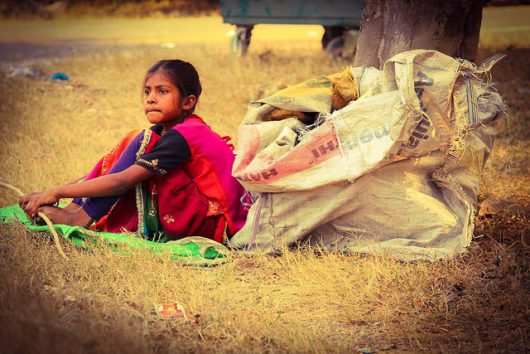

It was ranked among the most innovative countries in 2015 and is known for dramatically transforming itself within the span of a generation.

Once known as a nation recovering from war with a fragile, precariously positioned economy, South Korea now enjoys widespread prosperity.

Although not all South Koreans enjoy equally in the country’s development, there are measures in place to work towards minimizing hunger, and South Korea is notable for its efforts in this area. In the text below, top 10 facts regarding hunger in South Korea are presented.

Top 10 Facts About Hunger in South Korea

  1. South Korea ranks 25th on the Global Food Security Index. This suggests it is among the most secure countries in the world when it comes to securing food for its population, and the majority of people in the country are not in danger of starvation.
  2. South Korea has among the lowest levels of stunting and other starvation based disorders in the world. Percentage of the prevalence of moderate and severe stunting is at 3 percent.
  3. The elderly, migrant workers and refugees are the demographic groups that are most likely to suffer from hunger in South Korea. These groups are most likely to be targeted by employment discrimination. In the case of the elderly, starvation may occur because of lack of familial or community support after retirement. These populations are an anomaly in an otherwise wealthy nation.
  4. According to a Yale study, South Korea has taken steps to reduce food waste by roughly 300 tonnes per day. Trial districts in Seoul have succeeded in reducing food waste by 30 percent in households and by 40 percent in restaurants. This has been beneficial in reducing hunger and in maximizing efficient use of resources.
  5. One major step towards food security in South Korea was achieving rice self-sufficiency. South Korea cultivated rice as a domestic product that would feed its people while also being a successful export to bolster its economy. It reached rice self-sufficiency in the 1970s.
  6. Although South Korea applied protectionist policies to its domestic rice and livestock industries, it also allowed international trade for products it did not cultivate at high rates, such as flour-based goods. This system of domestic development with openings for foreign imports allowed South Korea to grow as an economy while also sufficiently and effectively feeding the country’s population.
  7. South Korea has committed to contribute $20 million to the World Food Programme in an effort to end world hunger. This will allow funding for various food security programs around the world over a five year period.
  8. South Korea is investing in vertical farming to further promote food security. This process involves creating farms that will be two or three stories high, with the possibility of aiming higher as agricultural techniques advance. This investment allows for efficient food production at faster rates.
  9. South Korea has gone from one of the largest recipients of food security aid to one of the largest contributor to the cause. In many ways, it represents a success story of a country that formerly received aid. The aid funneled towards South Korea not only improved the lives of the country’s citizens but also invigorated its contributions in ensuring food security around the world in the future.
  10. Food banks are also successful and frequently utilized in South Korea. Many of them are community-based initiatives that are undertaken to combat hunger among underprivileged South Koreans.

Despite a few challenges, South Korea has fairly high food security and continues to embark on new projects to feed its population. Food security is among its primary concerns, and both government and community-based initiatives exist to prevent possible problems regarding this issue.

South Korea can serve as a model for struggling nations aiming to achieve food security, and also as a model for wealthy nations in terms of providing food security aid.

– Isha Madan
Photo: Flickr

December 20, 2018
https://borgenproject.org/wp-content/uploads/borgen-project-logo.svg 0 0 Kim Thelwell https://borgenproject.org/wp-content/uploads/borgen-project-logo.svg Kim Thelwell2018-12-20 19:30:082019-05-16 14:35:52Top 10 Facts About Hunger in South Korea
Advocacy, Global Poverty, Hunger, Nonprofit Organizations and NGOs

Top 10 Global Poverty Advocacy Nonprofits

Top 10 Global Poverty Advocacy Nonprofits
Progress is happening. In 2000, the world’s leaders set out to cut the number of people living in extreme poverty in half by the year 2015. Not only were they successful, but they achieved their goal seven years early thanks to global poverty advocacy nonprofits. Now, the world’s most prosperous nations have decided to end world hunger entirely by the year 2030.

While The Borgen Project fights endlessly to assist in this goal, it also recognizes that this is a battle that cannot be fought alone. The Borgen Project takes this opportunity to acknowledge the crucial work being done by its fellow advocates by presenting its pick of the top 10 global poverty advocacy nonprofits.


Top 10 Global Poverty Advocacy Nonprofits

  1. Action Against Hunger – For the past 40 years, Action Against Hunger has been saving the lives of undernourished children. The organization has provided access to clean drinking water, food and healthcare services to more than 20 million people across 50 countries. Recognizing the amazing work being done, Charity Navigator has given Action Against Hunger its highest rating for the past 13 years. This organization was also awarded the title of “Best in America” from Independent Charities in America.
  2. The Hunger Project – The Hunger Project fights for “the sustainable end of world hunger.” In order to achieve this, the organization focuses on empowering women. It workshops with communities in order to determine what the community considers a priority and works in tandem to develop a long-term plan to achieve this goal. The Hunger Project operates across Africa, South Asia and Latin America. To date, the Hunger Project has worked with more than 16,000 communities.
  3. Global Food Banking Network – The Global Food Banking Network delivers over 940 million pounds of food to those in need every year by redistributing surplus food. Their network of food banks spans across 29 countries. The organization works both to develop new food banks in impoverished communities as well as supporting the ones that already exist. In Hong Kong, the Global Food Banking Network started implementing an IT Starter Kit that will enable an additional 260,000 pounds of food to be delivered each year through improved efficiency. They hope, that with success, they will be able to spread this innovation to other countries.
  4. Heifer International – Heifer International has over 70 years of experience working with individuals in 25 different countries. Through its program Passing on the Gift, supporters are able to donate an animal. That animal is then gifted to a farming family, but in return, the family must give the animal’s first female offspring to another family in need. While over the years the logistics of the program have fluctuated, the notion of continuing the goodwill of others has remained a core component of their approach.
  5. Rise Against Hunger – In 2017, Rise Against Hunger benefited 1.4 million people across 74 countries. The organization’s 398,000 volunteers package meals for food insecure peoples. To date, more than 441 million meals have been delivered. In addition, the organization assists communities in expanding their agricultural production capabilities, acquiring business skills and garnishing an understanding of how to best operate markets.
  6. The ONE Campaign – Similar to The Borgen Project, The ONE Campaign seeks to implement change through lobbying for the world’s poor. In 9 years, the organization’s 9 million volunteers have secured $37.5 billion for funding health initiatives that treat preventable diseases in African communities. The organization has lobbied for legislation in the U.S., Canada and EU that would help fight corruption.
  7. Freedom From Hunger – Freedom from Hunger micro-finances small businesses in impoverished communities. In 2016, 5.7 million people benefited from these programs. Recognizing the need for additional resources, the organization also provides information on agricultural techniques, savings programs, family planning and accessing healthcare. In 2012, Philanthropedia ranked Freedom from Hunger 5 out of 119 international microfinance organizations.
  8. The Alliance to End Hunger – The Alliance to End Hunger is a 90 member coalition of both private and public institutions that seek solutions to those living in extreme poverty. Its National Alliance Partnership Program supports communities in more than 60 countries, including Ghana, Guatemala, Kenya, Malawi, Tanzania, Uganda, and Zambia. The organization advocates by getting numerous diverse stakeholders to invest in the same cause. The Alliance to End Hunger works with USAID, USDA, WFP,  FAO and the IFAD.
  9. MEDLIFE – Founded in 2005, MEDLIFE is an organization that actively addresses medical concerns of impoverished communities. The organization operates in underserved areas outside of the capital cities of Peru and Nicaragua as well as rural areas throughout Ecuador and Tanzania. In these countries, the organization sends volunteers to run mobile clinics, provide basic health education and work on community development projects. These projects include providing classrooms, daycare centers and restroom facilities.
  10. Hunger Relief International – Hunger Relief International focuses on developing long-term plans to address the developmental needs of impoverished communities in Haiti and Guatemala, such as nutrition, water and sanitation and child protection. In 2016, the organization regularly supplied 27 Haitian orphanages with high-quality food baskets. In the aftermath of Hurricane Matthew, Hunger Relief International worked to ensure the safety of 1,500 children. The organization also distributed over 2,000 personal hygiene kits to children in need.

This list of the top 10 global poverty advocacy nonprofits provides only a glimpse into the numerous efforts being made to assist the world’s poor. The Borgen Project would like to extend its thanks to the countless other organizations working for this same cause and encourage the reader to join any these top 10 global poverty advocacy nonprofits and others in the campaign to end world hunger.

– Joanna Dooley

Photo: Flickr

December 12, 2018
https://borgenproject.org/wp-content/uploads/borgen-project-logo.svg 0 0 Borgen Project https://borgenproject.org/wp-content/uploads/borgen-project-logo.svg Borgen Project2018-12-12 01:30:162024-05-29 22:53:35Top 10 Global Poverty Advocacy Nonprofits
Global Poverty, Hunger

Top 10 Facts About Hunger in South Sudan

Top 10 Facts About Hunger in South Sudan
South Sudan gained its independence from Sudan in 2011. That same year, the country was admitted into the U.N. as the world’s youngest country.

Since then, the South Sudanese people have struggled in dire circumstances of famine and violence. The following top 10 facts about hunger in South Sudan described below delve into the issue of famine and violence in the country, but also reveal hope for its better and more promising future.

Top 10 Facts About Hunger in South Sudan

  1. More than 5.7 million people in South Sudan lack sufficient food to satisfy their basic needs. That number is predicted to rise to 6 million by the end of 2018. This food crisis is in part due to what the U.N. calls a man-made catastrophe, brought on by conflict and economic collapse.
  2. Famine has not yet been officially declared except for in two out of 10 counties of Unity State. At that time, 100,000 people were on the verge of starvation. While the state of famine officially ended as of February 2018, it is predicted that it will have to be declared again later this year due to a lack of consistent humanitarian access and funding.
  3. More than 1.3 million children under the age of 5 are at risk for acute malnutrition. The rainy season that begins in April exacerbates this problem as communities become geographically isolated and people from these areas are unable to reach medical services. Particular areas of concern are Leer, Mayendit, Longochuck and Renk where acute child malnutrition is labeled as extreme.
  4. The harvest of 2018 was the smallest recorded since South Sudan gained its independence from Sudan in 2011. According to the World Food Program, the country is only producing a fraction of what it needs. Even in the capital city, relatively immune on the food crisis, a rise in food costs make it impossible for families to afford food and their options are disappearing as the South Sudanese currency crashes.
  5. Food production is crippled mainly because of the civil war in South Sudan. According to the U.N., the civil war began the largest refugee crisis in Africa since the Rwandan Genocide. More than 2 million people have fled the country which has crippled food production.
  6. About 80 percent of the country’s population live in rural areas and rely on livestock and subsistence farming to survive. This lifestyle is caused by a severe lack of infrastructure. Few paved roads that do exist in the country are usually completely cut off during the rainy season.
  7. A meal that would cost a New Yorker $1.20 would cost someone in Juba, South Sudan equivalent of $321.70. This means that people need to spend 155 percent of their daily income for a plate of bean stew. This finding complements the 2017 World Food Program report that stated that the relative price of a meal in South Sudan was among the highest in the world.
  8. Aid agencies that have the goal of improving the situation on the ground face a relentlessly hostile operating environment. The Norwegian Refugee Council (NRC) reports that in April alone, there were 80 reports of aid workers being prevented from delivering their aid. The next month, the NRC was forced to suspend emergency food distribution in Unity State because of active fighting on the ground.
  9. This geographic region has been known for its rolling hills and greenery, once regarded as South Sudan’s breadbasket. However, even those who are capable of cultivating crops choose not to, as they fear they will get caught be government soldiers and be labeled as rebels. Despite first-hand witnesses, the army denies these allegations and claims that it would never steal the people’s food.
  10. The problems in the country have not been ignored by the international community. In 2017, the Food and Agriculture Organization of the United Nations (FAO), The World Food Programme (WFP), and the United Nations International Children’s Emergency Fund (UNICEF) and their partners conducted their largest ever aid campaign to the country. FAO provided 5 million people with seeds and tool and also vaccinated more than 6.1 million livestock to keep the animals alive and healthy. UNICEF and its partners admitted 208,000 children with severe acute malnutrition in 2017. Finally, WFP is pre-positioning 140 metric tons of food in 50 areas across the country that are likely to be cut off during the rainy season.

The situation in South Sudan may have been officially labeled as a famine too late, however, the issue has not gone without international attention. Many aid agencies, although with a lot of struggles, remain committed to improving the situation for the South Sudanese people.

What these top 10 facts about hunger in South Sudan reveal is that despite the fighting and economic problems, the land remains fertile and ripe for when peace prevails and crops can once again be sewed.

– Georgie Giannopoulos
Photo: Flickr

November 24, 2018
https://borgenproject.org/wp-content/uploads/borgen-project-logo.svg 0 0 Kim Thelwell https://borgenproject.org/wp-content/uploads/borgen-project-logo.svg Kim Thelwell2018-11-24 07:30:052019-12-17 14:43:18Top 10 Facts About Hunger in South Sudan
Hunger

Top 10 Facts About Hunger in Argentina

Top 10 Facts About Hunger in Argentina

Argentina is the eighth-largest country in the world and the second-largest country in South America with a current population of almost 46 million people and the third-largest economy in Latin America. While Argentina has seen some progress in reducing its rates of hunger and malnourishment, the country still struggles with food insecurity among many children and families.

Top 10 Facts About Hunger in Argentina

  1. Argentina has 334,000 farms, with 251,000, or approximately 75%, being owned by families. These family-owned farms supply roughly half of the locally consumed food and also play a significant role in the country’s exports, which totaled $10.8 billion in 2021.
  2. Argentina has significantly reduced hunger rates in recent years, achieving a Global Hunger Index score below five. However, in February 2024, 254% inflation saw thousands participating in protests demanding food aid for the poor. 
  3. Food insecurity in Argentina has become a reason for concern, with multiple causes, including inadequate strategic vision, unstable agricultural policies, drought and climate vulnerability, rising global prices, food production focus on exports and increasing poverty. Between 2019 and 2021, there was a 30% rise in the number of hungry people. 
  4. According to 2020 research, 16 million tons of food were lost or wasted annually in Argentina, while more than 11% of Argentinians were experiencing severe food insecurity. In 2019, the country implemented a National Food Donation Law and a National Plan for the Reduction of Food Loss and Waste. The National Plan addresses food processing technology, transportation and storage infrastructure and market mechanisms to assure timely distribution.
  5. The Food and Agriculture Organization of the United Nations reports that Argentina’s agriculture and food sectors account for 54% of its land use and 54% of employment. The FAO also reports that the country contributes to 2.1% of global emissions and as such has prioritized various approaches related to the role of agriculture in addressing climate change.   
  6. An NGO fighting hunger in Argentina is The Huerta Nino Foundation, established in 1999. A nonprofit organization located in Buenos Aires, its mission was to reduce rural child hunger by building organic gardens in rural schools. The foundation, now working in both rural and urban areas, has reported 600 projects over 23 provinces, involving 50,000 children. Besides providing diversified foods, the gardens serve as a setting for discussing family eating habits with the community. 
  7. Yet another organization that contributes to child nutrition in Argentina is Love Volunteers. It is a volunteer organization that has benefitted almost 3,500 unprivileged children. Love Volunteers’ Nutrition Volunteering Program provides nutritious food products to underprivileged children and their families, educates families—especially single mothers and children under 13—on the importance of good nutrition, teaches children healthy habits and overall facilitates the development of underprivileged children. 
  8. The White Helmets Commission is funded in Argentina by the Ministry of Foreign Affairs. It is part of a regional initiative to replace the welfare model with a partnership and capacity-building model. The local volunteer corps in Argentina is one of 16 participating countries. One of the initiative’s several aims is to strengthen the local volunteer agencies fighting to reduce hunger and poverty. The network has agreements with regional and international organizations including FAO, the World Food Program and PAHO. In 2004, among several other resolutions, the Organization of American States resolved to continue to support the program fund and also requested the Argentine White Helmets Committee to provide technical assistance to other member countries.
  9. Barrios de Pie is a social organization and movement established in 2002 that aims to decrease hunger in Argentina. Between 2020 and 2022, its promotion of community vegetable gardens resulted in 90 gardens outside Buenos Aires and more than an additional 900 across the rest of Argentina.  
  10. In May of 2024, a federal court ordered Argentina’s Human Capital Ministry to immediately release five tons of food designated for the poor that had been held up, awaiting an audit, citing “the vast number of Argentines ‘acutely suffering from food insecurity.’” 

These top 10 facts about hunger in Argentina represent the country’s consistent efforts in fighting and eliminating hunger. The many organizations operating in the country provide hope to find solutions and strategies to end the hunger epidemic in Argentina.

– Staff Reports
Photo: Flickr
Updated: June 29, 2024

November 13, 2018
https://borgenproject.org/wp-content/uploads/borgen-project-logo.svg 0 0 Borgen Project https://borgenproject.org/wp-content/uploads/borgen-project-logo.svg Borgen Project2018-11-13 01:30:122024-07-20 12:37:58Top 10 Facts About Hunger in Argentina
Hunger

Top 10 Facts About Hunger in Nepal

Top 10 Facts About Hunger in Nepal
Nepal, located in the Himalayas and parts of the Indo-Gangetic Plain, boasts eight of the world’s 10 highest peaks, ancient golden temples and a very rich history. However, this South Asian country also suffers from high rates of poverty, and as a consequence, hunger. Malnutrition rates are among the highest in the world. In the text below, the top 10 facts about hunger in Nepal are presented.

Top 10 Facts About Hunger in Nepal

  1. One in four people in Nepal lives below the national poverty line that is just 50 cents per day. People that live under the poverty line do not have enough money to meet their basic needs like food, clothing and shelter.
  2. Those who live in mountainous, more rural areas are the most likely to suffer from poverty and hunger that affects the country.
  3. The 2016 Global Hunger Index (GHI) found that 7.8 percent of Nepal’s population was undernourished. Nepal is ranked 72 out of 118 countries in the GHI, and the report rates Nepal’s hunger at 21.9, which falls into the category of serious. However, these numbers are lower than they have been in past years since 2000, GHI ranked Nepal’s hunger at 43.1.
  4. Sustainable Development Goal 2 (SDG 2) which is Zero Hunger, is a very important goal for the country. The prevalence of malnutrition among children under the age of 5 was 9.7 percent in 2016.
  5. According to The World Health Organization (WHO), stunting is defined as “the impaired growth and development that children experience from poor nutrition, repeated infection, and inadequate psychosocial stimulation.” Children can be viewed as stunted if their height-for-age is more than two standard deviations below the WHO Child Growth Standards median. More than 35 percent of children under the age of 5 in Nepal are stunted, according to the research done in accordance with SDG. 
  6. Agriculture provides work to 68 percent of Nepal’s population and accounts for 34 percent of the country’s GDP, yet food is in low supply for Nepali citizens.
  7. Nepalese children who are stunted suffer from a variety of severe mental and health issues, especially in the first 1,000 days of their lives. These issues can reflect on their adult life, specifically on poor cognition, nutritional issues and even low wages.
  8. Feed the Future, the U.S. government’s global hunger and food security initiative have been very successful in its work in Nepal. Since 2011, there has been a 24 percent increase in the prevalence of children younger than the age of 2 receiving a minimum acceptable diet.
  9. The government and the U.N.’s Food and Agriculture Organization (FAO) introduced the Zero Hunger Challenge in 2014, with the goal of eradicating all hunger issues in Nepal by 2025.
  10. The Zero Hunger Challenge consists of five goals:
    • All food systems are sustainable: from production to consumption.
    • An end to rural poverty. Double small-scale producer incomes and productivity.
    • Adapt all food systems to eliminate loss or waste of food.
    • Access adequate food and healthy diets, for all people, all year round.
    • An end to malnutrition in all its forms.

Many experts that the above-mentioned goals of Zero Hunger Challenge are unlikely to be met by 2025.

These top 10 facts about hunger in Nepal presented in the text above illustrate that the country has made a lot of progress in its goals to eliminate hunger, but it still has a long way to go. The joint efforts of the government and nongovernmental organizations can certainly be the key to eradicating poverty and improving the economic situation in the country.

– Evann Orleck-Jetter
Photo: Flickr

November 12, 2018
https://borgenproject.org/wp-content/uploads/borgen-project-logo.svg 0 0 Kim Thelwell https://borgenproject.org/wp-content/uploads/borgen-project-logo.svg Kim Thelwell2018-11-12 01:30:442024-05-29 22:57:38Top 10 Facts About Hunger in Nepal
Hunger

TOP 10 FACTS ABOUT HUNGER IN MALAWI

Top 10 Facts About Hunger in MalawiMalawi, a country in Southeast Africa with a population of about 21 million, is facing a severe crisis. Nearly half of its people are affected by hunger and food insecurity, while extreme poverty impacts two out of three Malawians. 

Top 10 Facts About Hunger in Malawi

  1. Food crisis– Malawi has been grappling with a food crisis in various forms for over a decade. Factors such as inflation, poverty, unemployment and natural disasters have significantly affected the country. It ranks among the top four countries in the world, with a very high percentage of the population living in extreme poverty. 
  2. Unreliable weather patterns- Rural Malawians rely on smallholder farming for their livelihoods. By repeatedly cultivating small pieces of land, they aim to harvest enough food to sustain themselves and their families. However, over the last two decades, the country has faced natural disasters such as droughts, which have had a detrimental impact on farming. In 2024, the worst El Nino in a century devastated maize crops. 40% of the population is affected and needs immediate assistance.  
  3. Unstable economy- Malawi’s economic conditions are quite challenging. High inflation rates have increased food prices, reaching 41% in May 2024. Since the economy heavily relies on agriculture, adverse developments in this sector have resulted in an unemployment rate of around 20%, pushing more people into poverty. 
  4. Reduced production of Malawi’s staple food, Maize- Malawi has experienced unexpected weather trends that have adversely impacted its staple food, maize. Recent droughts have led to a shortfall of 600,000 metric tons between maize production and consumption, resulting in an emergency in the country. In June 2024, the price of maize increased by 23% compared to the previous month, making it even less affordable for millions of people in Malawi. 
  5. Food import– Malawi is facing significant food security challenges and needs $447 million to import food, mainly maize, due to the severe effects of drought. Nearly half of the population is affected and struggles to access nutritious food. Although imports may temporarily relieve shortages, they could also drive up already high food prices, burdening households living in widespread poverty. 
  6. Winter Cropping –  Winter cropping allows farmers in Malawi to have two harvests per year, reducing the effects of climate change and weather and improving food security in the country. This approach enables small farmers to maintain a stable income and contributes to a reduction in food imports. 
  7. Stunting in children under 5- Malawi has successfully decreased the stunting rate in children under 5 from 42% to 37%. However, the country still faces challenges, as 62,000 children are at risk of suffering from “severe acute malnutrition,” commonly known as wasting. Additionally, 64% of children under 5 suffer from anemia and 23% of all child fatalities are attributed to undernutrition, highlighting the critical state of child health in Malawi.
  8. Children’s education– The percentage of children completing primary and secondary school is alarmingly low, with only 33% finishing primary school and 23% completing secondary school. Factors such as poverty, food insecurity, and undernourishment contribute to the issue. Statistics reveal that 25% of students who drop out come from the lowest wealth quintile. Additionally, studies conducted by the World Food Program (WFP) indicate that children who are stunted or malnourished are more likely to drop out of school.
  9. Zero Hunger in Schools – The WFP supports education in Malawi by providing daily meals to 900 primary and nursery schools, benefitting approximately 1 million children. The meals are freshly prepared and the ingredients are sourced from local smallholder farms to support the local farmers. The WFP plans to provide emergency assistance to around 440,000 children in the current situation and aims to treat acute malnutrition in about 90,000 children. 
  10. “Changing Lives“– The World Food Program (WFP) has launched a Rural Resilience Initiative that allows farmers to insure their crops against unexpected natural events through labor support. Additionally, the WFP provides training in climate-resilient agricultural techniques and works to ensure a continuous water supply for farmers. These efforts aim to reduce food insecurity and poverty in the country.

Final Comments

These facts show us the challenges faced by people in Malawi. However, in collaboration with the government, local and international organizations are working to promote sustainable farming practices and empower communities. These efforts offer hope for a future with reduced food insecurity in the country.

– Aquillina Ngowera and Maria Waleed
Photo: Flickr
Updated: November 11, 2024

November 9, 2018
https://borgenproject.org/wp-content/uploads/borgen-project-logo.svg 0 0 Borgen Project https://borgenproject.org/wp-content/uploads/borgen-project-logo.svg Borgen Project2018-11-09 01:30:102024-11-11 17:13:47TOP 10 FACTS ABOUT HUNGER IN MALAWI
Hunger

Top 10 Facts About Hunger in the Congo

Hunger in the CongoTo achieve the goal of zero hunger in the Congo by 2030, the international community must understand the root causes and impact of hunger in the country. Only then can effective measures to address it be developed. 

Top 10 Facts About Hunger in the Congo

  1. One-third or 33% of the population is food insecure in the Republic of Congo and 47% live below the poverty line. 
  2. The main crops grown are cassava, banana and peanuts, which are insufficient to meet the population’s nutritional requirements. 
  3. Around 80% of the population’s food needs are met by imports, as almost 90% of the land is uncultivated. The direct result is that high food prices make food out of reach for most of the population, making them food insecure.
  4. The floods in 2023 affected at least 1.8 million people in the country, making them reliant on assistance. In addition to its population, the country is home to at least 65,000 refugees from neighboring countries who have also been affected by the floods and require assistance.
  5. Hunger has led to over 30% of the population being undernourished, particularly affecting children under the age of 5. Statistics indicate that stunting is prevalent in 21.2% of children and wasting in 8.2% of those under 5. 
  6. Hunger is detrimental for infants, who are more vulnerable to its effects. Malnutrition has been the fifth cause of premature death for over 10 years, with infant mortality at 31.3%. Additionally, only 5.6% of children aged between 6 months and two years receive a minimum acceptable diet (MAD).
  7. Anemia is the second most common cause of disability in the Congo and is directly caused by nutrition deficiencies. In 2016, 63.2% of children under 5 and 41% of women had anemia. Efforts have been made to address this issue, including providing supplements and micronutrient powders for children.
  8. Around 32% of people live in rural areas where the effects of hunger are more dramatic. 
  9. Despite facing significant challenges, there has been a notable improvement in certain key indicators. Specifically, there has been a slight reduction in the percentage of children experiencing severe malnourishment and stunting, which has led to a decrease in infant mortality from 40% to 31% over the last 10 years. 
  10. The World Food Programme is working towards its “Zero Hunger” goal in the Congo through food and voucher distribution, refugee aid, and nutrition programs. It distributes food and vouchers that refugees and displaced people can exchange for food. It provides nutritious foods for students, some from local farmers. It has also established “social safety nets” that require HIV/TB patients and pregnant women to make regular doctor visits and check-ups in return for food vouchers.

While these facts about hunger in Congo demonstrate the severity of the situation, progress has been and is still being made to improve it. Through the efforts of various organizations, such as the World Food Program, SDG 2 of zero hunger is achievable. 

– Massarath Fatima
Photo: Flickr
Updated: September 24, 2024

November 8, 2018
https://borgenproject.org/wp-content/uploads/borgen-project-logo.svg 0 0 Borgen Project https://borgenproject.org/wp-content/uploads/borgen-project-logo.svg Borgen Project2018-11-08 07:30:352024-09-24 11:20:32Top 10 Facts About Hunger in the Congo
Hunger

Top 10 Facts About Hunger in Myanmar

Top 10 Facts about Hunger in Myanmar
Myanmar is the second largest country in Southeast Asia but has one of the least developed economies in the world. Food security in the country is threatened by natural disasters, isolationist policies, conflicts and ethnic violence. Millions of people are living below the poverty line. It is important to know the top 10 facts about hunger in Myanmar to help illustrate food insecurity conditions in the country.

What are the Top 10 Facts About Hunger in Myanmar?

  1. Approximately 25.6 percent of the 53 million people living in Myanmar (formerly Burma) is below the poverty line. According to the World Food Program U.S.A. (WFP), around 298,700 people don’t have access to safe, sufficient and nutritious food and are in need of food assistance. Women, people with disabilities, the elderly and minorities are the most affected.
  2. The Human Development Index (HDI) measures basic human developments, taking into account variables such as life expectancy, years of schooling and income. According to the index, Myanmar ranks at 148 out of 189 countries. The majority of the country’s population, almost 70 percent, live in rural areas where poverty is two times as high and food insecurity conditions are much worse than urban areas. Statistics from the World Bank in 2015 show that 6.4 percent live with $1.90 a day.
  3. Children are more prone to illness and infections when their growth and development are hindered due to a poor diet. In Myanmar, 29.4 percent of children under five have stunted development. According to statistics from 2016, 18.9 percent of children are underweight.
  4. The infant mortality rate in Myanmar is high because of malnutrition: for every 1,000 live births, there are 35.8 deaths. According to 2012 statistics from UNICEF, the child mortality rate was 52 for children under five. For a child’s development, it is crucial to receive adequate nutrition in the first weeks and years of their life. Malnutrition and stunting in infants can reduce if mothers breastfeed their children for the recommended six months. Save the Children is an organization that aims to provide nutrition information and encourages mothers to breastfeed their babies. Their nutrition programme works to ensure that families have access to, and can afford, nutritious food.
  5. The average rate of enrollment in primary school is close to 88 percent. 75 percent of those children make it to fifth grade. However, about half of those students finish school; the net completion rate is 54 percent. Poor families in rural communities cannot afford to send their children to school or provide enough food for them. These children eventually discontinue their education and start working. The WFP aims to keep children in school by providing school lunches.
  6. Myanmar is highly vulnerable to natural disasters and is one of the top 10 countries most affected by climate risk. Extreme climatic conditions such as irregular or heavy rainfall threaten its agriculture which contributes 30 percent of the national GDP. As many as 85 percent of the households in Kayah, a state in eastern Myanmar, frequently experience food shortages due to environmental challenges.
  7. Myanmar heavily relies on agriculture and faces many challenges. The Global Agriculture and Food Security Program aims to fight poverty, malnutrition and hunger by implementing agricultural sustainable development programs. The Climate-Friendly Agribusiness Value Chain Sector Project in the Central Dry Zone (CDZ) of Myanmar plans to implement $27 million to decrease food insecurity for the rural poor. The projected impact of the project targets 100,000 people, in eight townships across the CDZ,  half of whom are women.
  8. Floods, food insecurity, armed conflicts and inter-community violence create waves of displacement. In fact, more than one million people in Myanmar have been displaced since June 2011. According to Action Against Hunger, there are around 863,000 people who need humanitarian aid in Myanmar, 241,000 of which are displaced. Being forced to flee their homes also means these families leave behind their livelihoods. Refugees and internally displaced people are left with no means of securing meals for themselves.
  9. Tuberculosis and HIV patients have higher nutritional needs during their treatment periods, and Myanmar has one of the highest number of patients. TB rates are among the highest in Asia, and Myanmar is among the 20 high TB burdened countries. It is also one of the 35 countries that has 90 percent of new HIV infections in the world. The WFP offers food assistance to 17,000 patients to ensure treatment adherence and success.
  10. Food security and malnutrition are accompanied by issues such as the lack of access to water and sanitation. According to an estimation from 2015 by the CIA World Factbook, 19.4 percent of the population didn’t have access to improved drinking water sources such as piped water, protected wells or springs. In 2017, Action Against Hunger’s nutrition and health programs reached 31,233 people. 9,344 people benefitted from water, sanitation and hygiene programs while 9,837 people utilized food security and livelihoods programs. The organization’s operation in the country started in 1994 and in 2017, it helped a total of 50,414 people.

These top 10 facts about poverty in Myanmar may paint a grim picture but the country has developed in many ways from 1990 to 2017. It reached the Millennium Development Goal of reducing hunger by half in 2015 and its HDI value has increased by 61.5 percent,i.e. from 0.358 to 0.578. Life expectancy has increased by 8 years and the mean years of schooling and expected years of schooling increased by 2.5 years and 3.9 years respectively.

Many organizations that work on alleviating poverty and ending hunger help thousands of people each year. However, the above top 10 facts about hunger in Myanmar show that there is still a lot of work to be done.

– Aleksandra Sirakova
Photo: Flickr

November 6, 2018
https://borgenproject.org/wp-content/uploads/borgen-project-logo.svg 0 0 Kim Thelwell https://borgenproject.org/wp-content/uploads/borgen-project-logo.svg Kim Thelwell2018-11-06 13:52:342024-05-29 22:57:33Top 10 Facts About Hunger in Myanmar
Page 38 of 71«‹3637383940›»

Get Smarter

  • Global Poverty 101
  • Global Poverty… The Good News
  • Global Poverty & U.S. Jobs
  • Global Poverty and National Security
  • Innovative Solutions to Poverty
  • Global Poverty & Aid FAQ’s
Search Search

Take Action

  • Call Congress
  • Email Congress
  • Donate
  • 30 Ways to Help
  • Volunteer Ops
  • Internships
  • Courses & Certificates
  • The Podcast
Borgen Project

“The Borgen Project is an incredible nonprofit organization that is addressing poverty and hunger and working towards ending them.”

-The Huffington Post

Inside The Borgen Project

  • Contact
  • About
  • Financials
  • President
  • Board of Directors
  • Board of Advisors

International Links

  • UK Email Parliament
  • UK Donate
  • Canada Email Parliament

Get Smarter

  • Global Poverty 101
  • Global Poverty… The Good News
  • Global Poverty & U.S. Jobs
  • Global Poverty and National Security
  • Innovative Solutions to Poverty
  • Global Poverty & Aid FAQ’s

Ways to Help

  • Call Congress
  • Email Congress
  • Donate
  • 30 Ways to Help
  • Volunteer Ops
  • Internships
  • Courses & Certificates
  • The Podcast
Scroll to top Scroll to top Scroll to top