 Africa has struggled with healthcare for decades. Low life expectancy due to poor healthcare and high infant mortality rates are some of the healthcare issues that Africa still struggles with. Healthcare innovations in Africa are helping to improve the health and well-being of African people in several ways.
Medical Drones
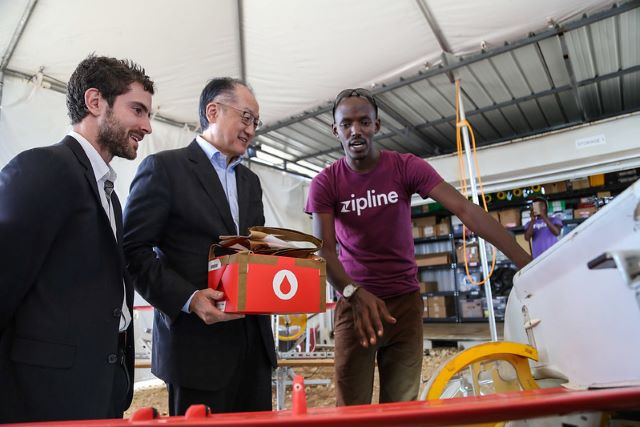
Doctors in Rwanda are able to order blood or medical supplies via text message and have them delivered to remote areas via drones. The drones facilitate the timely availability of blood supply for medical use in hard to reach areas. Transfusions of blood are critical for situations involving significant blood loss due to hemorrhage during pregnancy or child delivery. Blood transfusions are also necessary for women with severe anemia. This innovation thus reduces maternal mortality rates in Africa.
Pelebox
Pelebox is a smart locker that dispenses medication for patients. When the patient’s medicine is ready for pickup, they receive a text with a code that opens the locker. Before Pelebox, patients would wait hours in line with other sick people to receive their medicine which would further spread diseases. The hope is that this innovation will also lighten the load for medical staff, allowing them more time to focus on critical needs.
KidzAlive Talk Tool App
The KidzAlive Talk Tool app uses games and animated videos to educate children in South Africa about HIV/AIDS and combat stigma at the same time. The stigma of HIV/AIDS prevents people from accessing treatment. The KidzAlive Talk Tool app seeks to end this stigma and educate children to prevent the spread.
Crib A’Glow
The Crib A’Glow is a portable, solar-powered crib that utilizes LED lights to treat jaundice in babies. Roughly 3.3 million babies in sub-Saharan Africa do not receive proper treatment for jaundice, which can lead to hearing loss, cerebral palsy, mental struggles and even death. A whole 600 babies with jaundice have already received treatment with Crib A’Glow.
With the onset of COVID-19, innovations emerged to address the issue of limited healthcare resources in Africa and prevent the spread of COVID-19.
Tippy Tap
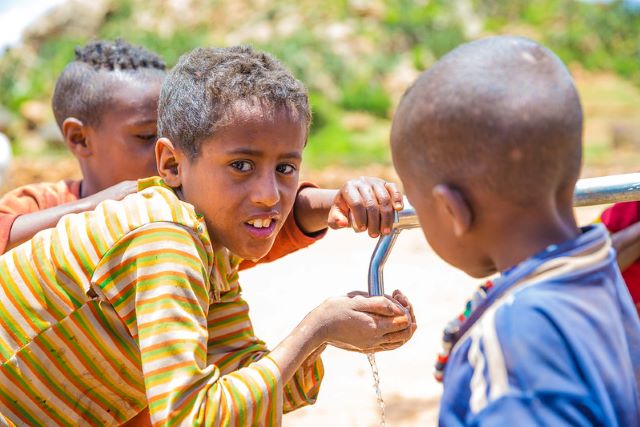
The Tippy Tap is a hands-free and water-efficient handwashing station. Making a Tippy Tap is low-cost as it requires only simple materials such as sticks, string, a container for water and soap. The Tippy Tap helps prevent the spread of diseases and is currently helping Africa during the COVID-19 pandemic.
The Respire-19 Portable Ventilator
This portable automatic ventilator was created by a Nigerian engineering student. Ventilators are essential to prevent respiratory-related deaths due to COVID-19. The Respire-19 portable ventilator is an easy way to help combat the shortage of ventilators in Africa.
3D Printed Face Masks
South African innovator, Natalie Raphil, is able to create 100 face masks a day from a 3D printer. These masks are then delivered to major South African hospitals to help prevent the spread of COVID-19. Around half of all COVID-19 cases in Africa come from South Africa so face masks are especially essential for the region.
With the healthcare innovations in Africa, quality of life and life expectancy will improve. Especially during a global health pandemic, access to these healthcare innovations proves critical to protecting the health and well-being of people. Africa’s healthcare system can develop even further with the help of more healthcare innovations.
– Hannah Drzewiecki
Photo: Flickr
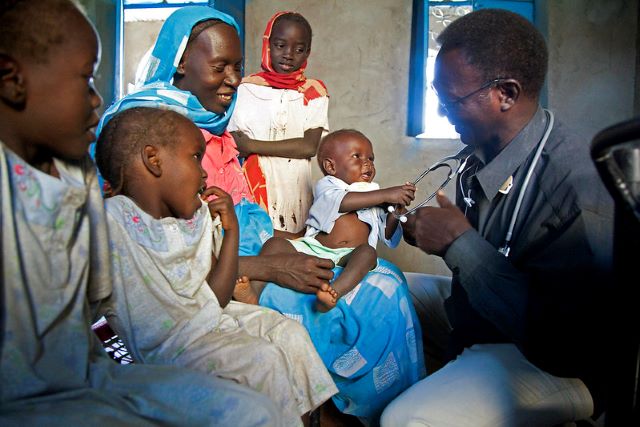 With its formal recognition as a country in 2011, South Sudan stands as the youngest country on Earth. With a population of more than 10 million people, all eyes are focused on how the country will develop. Born out of civil war and gruesome conflict, the first nine years of South Sudan’s existence have presented numerous humanitarian issues. Widespread hunger, unsanitized water, crumbling infrastructure and underfunded education plague the youngest country in the world. If the new nation wants to grow into a fruitful nation, it must address the widespread poverty and the issues that come along with it.
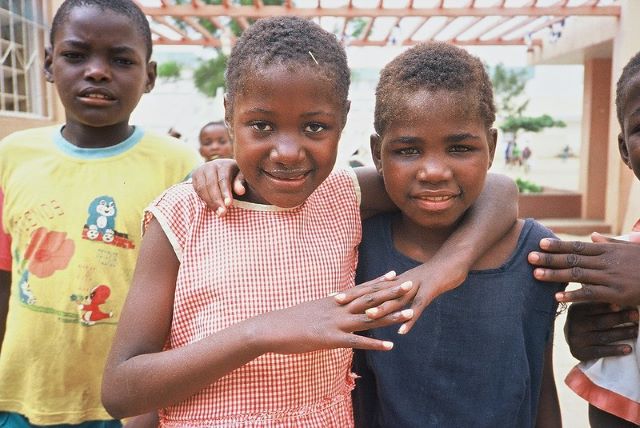 A whole 54% of Angola’s population of 30 million are multidimensionally poor or suffering from multiple deprivations in four categories: health, education, quality of life and employment. Angolan children under the age of 10 experience even more pronounced poverty and 90% of rural Angolan populations are multidimensionally poor. The overall poverty rate is 41% and the rural poverty rate at 57% is nearly double that of urban areas. Poverty in Angola is a significant issue especially within the context of the rural-urban divide.
 In 2006, the Duke of Sussex partnered with Prince Seeiso of Lesotho to form Sentebale, a charity focused on providing psychosocial support for children and young adults living with HIV in southern Africa. It partners with grassroots organizations in Botswana, Lesotho and Malawi and works to improve adherence to HIV medication programs.
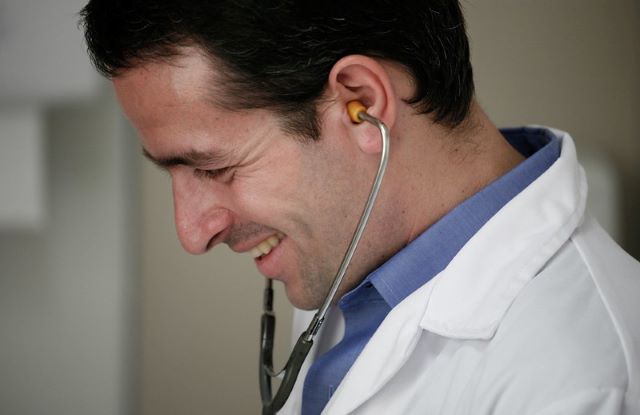 In Greece, the financial crisis has significantly impacted the health and well-being of the population. With limited access to resources and high unemployment rates, many people face poverty. Due to the economic crisis, 27% of the population found themselves unemployed. The inability to cope with the loss of wages and benefits caused the rates of depression and suicide to rise among Greek people. In 2013, more than 12.3% of the population suffered from depression. In 2017, the National School of Public Health surveyed 2,005 adults and found that more than half had mental health struggles. Various organizations are working to improve mental health care in Greece.
 Seven years ago,
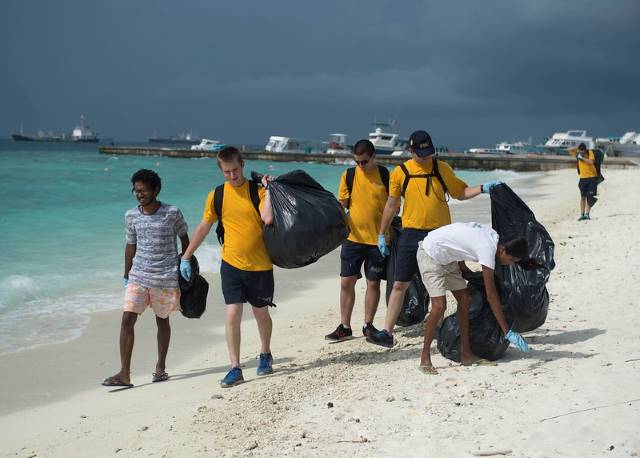
  Human health and environmental concerns are commonly thought of and treated as unrelated issues. However, environmental degradation has an unquestionable impact on a community’s health. The
 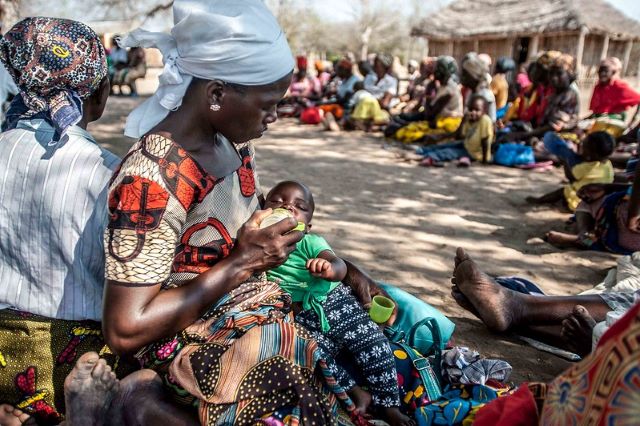 The provision of foreign aid from the United States serves as a multifaceted solution and preventative measure to many issues that ultimately impact the United States. In assisting with the development of under-resourced countries and those afflicted by natural disasters and conflict, the country’s interest in strengthening U.S. eminence in the global political ecosystem is served, as is the initiative to foster and stabilize democracies that are essential in maintaining global peace. Mozambique is one such country that receives aid from the United States. Nearly half of the population lives in poverty and while having managed to combat that statistic with an
 PCPartPicker and charity: water formed an unexpected partnership, united in their common goal of providing clean drinking water for communities in developing nations.