Freedom Cups: Period Poverty in Singapore
Period poverty in Singapore is not only detrimental to the poor, but it is particularly detrimental for women in poverty. Unfortunately, many do not see period poverty as a substantial issue. Rather than appropriately encouraging and educating adolescent women about their menstrual cycles, many women receive shame for it. Mental health and physical issues are also apparent due to period poverty in Singapore. The lack of access to proper menstrual materials pushes Singaporean women into using unsafe materials for their cycles. As a result, women develop a number of health issues such as bacterial vaginosis, urinary tract infections, green or white vaginal discharge and vaginal and skin irritation.
Mental Health Issues
Mental health issues are also important to consider when discussing period poverty. It is a serious necessity to one’s overall well-being and when overlooked, it can have drastic consequences. Individuals who experience severe aversive conditions such as shame and guilt are more likely to experience negative mental issues such as post-traumatic stress disorder (PTSD). In Singapore specifically, it is taboo to discuss one’s menstruation cycle.
This resulting cultural attitude that egregiously directs shame toward Singaporean women and children can make women more likely to develop PTSD. Even in cases when PTSD is not present, findings have determined that the absence of proper menstrual products is due to higher rates of depression, anxiety and distress. Naturally, the issue with period poverty also has links to issues of other forms of poverty. Vanessa Paranjothy recounts that this is especially arduous in areas where there is a lack of running water, plumbing and electricity. Another issue regarding menstruation mishandling in Singapore involves women’s lack of access to the materials necessary to overcome period poverty.
Freedom Cups Helping Women
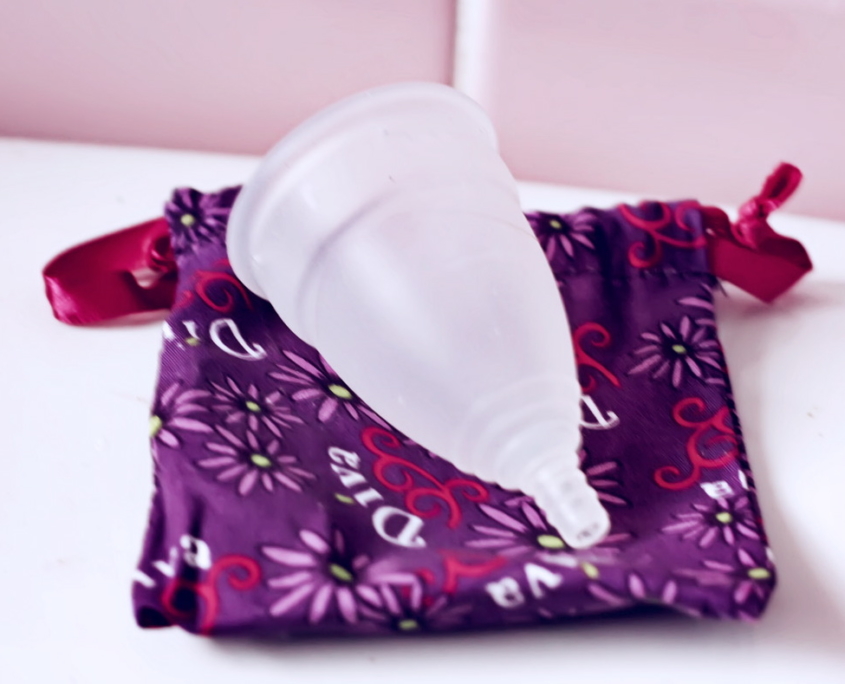
However, women in Singapore have found their own ways to address the period poverty crisis. One example includes a group of sisters, Joanne, Rebecca and Vanessa Paranjothy and their creation of Freedom Cups. These devices function as reusable tampons and pads, effectively containing menstrual blood. As long they receive proper washing, these devices are re-usable for a span of up to 10 years, without the high risk of infection as with reusing pads. Moreover, these items are able to gather menstrual fluid for up to 12 hours per individual use.
Due to the reusability of these Freedom Cups, women are able to better afford the product, without furthering their fall into period-related poverty. Additionally, the Paranjothy sisters supply one freedom cup to another woman in need for each cup sold. So far, the sisters have distributed Freedom Cups to more than 3,000 women. This, however, is not the end of the sisters’ efforts. They continue making efforts across the world to end period poverty, such as in the Philippines.
Further Initiatives
Widespread organizational efforts also address period poverty in Singapore. Groups such as The World Federation of United Nations Associations had marked success with its Mission Possible: Singapore or Pink Project. This project involved the mass donation of menstrual and other health products to the Star Shelter as well as the Tanglin Trust School and the advertisement of the issue of period poverty to the areas.
However, of all of the efforts done to alleviate period poverty, foreign aid and involvement are the most crucial. The issues that exist regarding menstruation mishandling in Singapore are reflective of many of the issues across the world. Many women still experience feelings of shame and a lack of adequate care when it comes to their menstrual cycles. Vanessa Paranjothy recounts that, despite their efforts to initially provide Freedom Cups to women in the Philippines, only married women received them.
Without the continued investment into education regarding how to perceive their bodies and access to suitable menstrual materials, women will continue to suffer the adverse effects of period poverty. However, actions involving donation and innovation of feminine hygiene products, such as those the Paranjothy sisters made, and a greater emphasis on sexual education can help alleviate period poverty in Singapore and other developing countries.
– Jacob Hurwitz
Photo: Flickr
