• Link to X
  • Link to Facebook
  • Link to Instagram
  • Link to TikTok
  • Link to Youtube
  • About
    • About Us
      • President
      • Board of Directors
      • Board of Advisors
      • Financials
      • Our Methodology
      • Success Tracker
      • Contact
  • Act Now
    • 30 Ways to Help
      • Email Congress
      • Call Congress
      • Volunteer
      • Courses & Certificates
      • Be a Donor
    • Internships
      • In-Office Internships
      • Remote Internships
    • Legislation
      • Politics 101
  • The Blog
  • The Podcast
  • Magazine
  • Donate
  • Click to open the search input field Click to open the search input field Search
  • Menu Menu

Archive for category: Health

Information and stories on health topics.

Health, Water

Contaminated Water in China Enters Spotlight on World Water Day

China_World_Water_Day_Contamination
As the UN marks another annual World Water Day, all eyes were focused on Shanghai as the number of dead pigs dragged from rivers that supply the city with water was upped to nearly 16,000 within the last two weeks. Although Chinese officials claim that the incident is not related to water toxicity, the international community has become increasingly concerned as new reports claim that water contamination is the leading cause of illness in the country.

Last week, UNICEF released an alarming study that claims 90 percent of child deaths throughout China were related to bad hygiene and sanitation, and diarrheal disease through polluted water sources. An additional study done by Greenpeace East Asia corroborates these figures and also states that nearly 25 percent of the population has no source of safe drinking water, and an additional 190 million people who are forced to drink from contaminated sources.

Adding to concern is the annual water outlook study by OECD that states demand for water will rise by 55 percent within the next 37 years, while depletion of groundwater sources continues to occur, which the study says will become a major issue for certain regions within the next 10 to 20 years.

Although water access and contamination is slated to reach crisis levels throughout much of the developing world within the next few decades, governments have done relatively little to tackle this issue, with more focusing heavily on energy development and putting water sanitation to the side.

– Christina Kindlon

Source: Guardian
March 25, 2013
https://borgenproject.org/wp-content/uploads/borgen-project-logo.svg 0 0 Borgen Project https://borgenproject.org/wp-content/uploads/borgen-project-logo.svg Borgen Project2013-03-25 11:11:452020-04-27 06:09:24Contaminated Water in China Enters Spotlight on World Water Day
Food & Hunger, Food Security, Global Poverty, Health, Technology

Arab Spatial Tracks Food Security

Arab Spatial Tracks Food SecurityA new web-based tool called Arab Spatial has recently launched and will provide aid workers and researchers access to valuable data relating to food security and malnutrition information throughout the Middle East. Previously, aid workers and activists noticed a lack of data on resources including food and water – data that is typically used in important policy and resource distribution decisions. Even if a country did have relevant information on these issues, the data was not efficiently being shared between countries and regions.

Now, researchers and aid workers can turn to Arab Spatial, an online tool developed by the International Food Policy Research Institute (IFPRI) that should house all food security information for the Arab world in one easily-accessible location.

Food security is an enormous issue in the region, where many countries must import many of their basic food staples, and where war and fighting have exacerbated hunger and perpetuated poverty. Abeer Etafa, the representative of the World Food Program, said that “millions of families” throughout the region were having difficulties obtaining food, and with the events surrounding the Arab Spring and other civil unrest and upheaval, have had to face rising instability and lost wages as well.

Although the struggle of millions to obtain the food necessary to survive is known, it has been very difficult for researchers and aid organizations to quantify; IFPRI says that not many countries in the Middle East have poverty figures widely available, and even when they do, it is unclear how accurate said figures are.

To combat this issue, Arab Spatial will aggregate data on food based on national, regional, and local areas, and the data can be used to create maps showing “more than 150 food security and development-related indicators related to poverty, malnutrition, disease, production and prices, public finances, exports and imports.”

IFPRI also asserted that economic development and proper nutrition and food security are vital to each other, and one cannot be successful without the other. It is clear that eradicating the challenges to make food accessible will create sustained economic growth and development throughout the Middle East.

IFPRI hopes that Arab Spatial will be used by government officials, researchers, humanitarian aid workers, and journalists, and most importantly, decision-makers in addressing food security.

– Christina Kindlon

Source: IRIN

March 15, 2013
https://borgenproject.org/wp-content/uploads/borgen-project-logo.svg 0 0 Borgen Project https://borgenproject.org/wp-content/uploads/borgen-project-logo.svg Borgen Project2013-03-15 19:31:382024-05-24 23:44:55Arab Spatial Tracks Food Security
Children, Food Aid, Health

How Can Golden Rice Help End World Hunger

How Can Golden Rice Help End World HungerDr. Gerard Barry, project leader for the International Rice Research Institute (IRRI), is developing a type of genetically modified rice called “Golden Rice.” This rice contains the essential nutrient beta-carotene, the source of vitamin A, which is often lacking in the diets of people living in poverty. The GMO rice is referred to as “Golden” because beta-carotene produces an orange color once added to the rice. Dr. Barry and IRRI are working to address vitamin A deficiency in developing countries and hope that Golden Rice is the answer.

In an interview with National Public Radio, Dr. Barry spoke enthusiastically about engineering new types of rice pointing out that it is the staple food of a couple of billion people. His passion for the crop led to a career at IRRI and he quickly began working on Golden Rice which he explains has the potential to greatly benefit those living in impoverished conditions. IRRI hopes to distribute the GMO rice in Bangladesh and the Philippines, where the institute is located.

Vitamin A deficiency is a result of malnourishment and a limited diet. The consequences of this deficiency include tissue damage, blindness, and a weakened immune system. For those millions of people affected by vitamin A deficiency, one cup of Golden Rice a day could provide half the amount needed for a healthy diet. “This product has the potential to reduce the suffering of women and children and save lives,” said Dr. Barry. IRRI is working with nonprofit organizations to ensure the super rice reaches those who need it most. Once it has passed food and safety regulations, we will begin to see the real impact of Golden Rice.

– Mary Penn
Source: IrishCentral
Photo: Forbes

March 12, 2013
https://borgenproject.org/wp-content/uploads/borgen-project-logo.svg 0 0 Borgen Project https://borgenproject.org/wp-content/uploads/borgen-project-logo.svg Borgen Project2013-03-12 10:53:182020-05-24 23:29:22How Can Golden Rice Help End World Hunger
Children, Health, Women and Female Empowerment

Mexico’s First Midwifery School

Mexico's First Midwifery SchoolIn Mexico, traditional midwifery services have been fallen steadily as women choose to have their babies in hospitals. However, many citizens who still live too far from hospitals need midwives. To meet this demand, Mexico has established its first public midwifery school, and young women are learning this ancient practice with the intent to graduate.
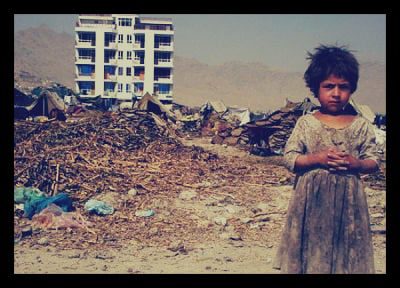

Guadalupe Maniero, the school’s director, explains that in Mexico, “hospitals are oversaturated, and so it’s a big problem.” Since the 2011 law that grants midwives a place among the country’s legally accepted medical professions, age-old stigmas have begun to fade. By helping to deliver babies, doctors have much more time to spend focusing on dangerous births in which the child and/or mother are in danger.

The four-year program grants its graduates certificates that allow them to practice in legitimate health centers. By interweaving longstanding cultural traditions with modern-day needs and practices, Mexico’s first midwifery school has the potential to benefit the entire country for years to come.

– Jake Simon

Source: NPR

March 10, 2013
https://borgenproject.org/wp-content/uploads/borgen-project-logo.svg 0 0 Borgen Project https://borgenproject.org/wp-content/uploads/borgen-project-logo.svg Borgen Project2013-03-10 10:27:082020-05-19 22:06:59Mexico’s First Midwifery School
Health

Mental Illness Affected More By Poverty Than War

Mental Illness Affected More By Poverty Than War
The citizens of Afghanistan have now weathered a 12-year war in the country and, as U.S. and as NATO forces prepare to pull out by the end of 2014, a new study confirms that poverty and vulnerability are more significant to the development of mental illness and anxiety than exposure to war.

The study, focusing on war and mental health in Afghanistan, says that war is undoubtedly an identifiable precursor to mental illness, but that poverty and vulnerability are actually “stronger and probably more persistent risk factors that have not received deserved attention in policy decisions,” said Dr. Jean-Francois Trani.

The study elaborates on the origins of mental illness and political violence, saying that unemployment and lack of access to resources contribute to the absence of one’s place in a social hierarchy, which leads to mental anguish that, in turn, can cause young people to act violently towards any government or institutions of authority.

The study calls these social and cultural predetermined factors “social exclusion mechanisms,” and maintains that these factors were in place before war began, but are exacerbated by military conflict. The researchers recommend that policymakers take into account all factors of these at-risk groups to create a more stable and self-sufficient Afghanistan.

– Christina Kindlon

Source: Washington University in Saint Louis
Photo: Trends Updates

March 8, 2013
https://borgenproject.org/wp-content/uploads/borgen-project-logo.svg 0 0 Borgen Project https://borgenproject.org/wp-content/uploads/borgen-project-logo.svg Borgen Project2013-03-08 21:57:262024-12-13 17:49:14Mental Illness Affected More By Poverty Than War
Health

US Baby Cured Of HIV

Last Sunday at the 2013 Conference on Retroviruses and Opportunistic Infections in Atlanta, doctors reported that an infant in Mississippi has been cured of HIV. The baby’s mother was HIV positive, and in hopes of controlling the virus, the baby was treated with high doses of three antiretroviral drugs within 30 hours of birth. Treatment was ongoing for 18 months. Two years later, there is no trace of HIV in the child’s blood. Early intervention with antiretroviral drugs seems to be the key to this “miracle cure.”

In the world of medicine, this is groundbreaking as this child is the first to be “functionally cured” of HIV, the virus that causes AIDS. Emphasis is being placed on the timing of intervention rather than the particular drug or number of drugs used. Dr. Hannah Gay, a pediatric HIV specialist at the University of Mississippi who treated the infant and mother, stated that the current hypothesis is that through “early aggressive therapy” they were able to prevent reservoirs or “hiding places” from being seeded with the virus. Doctors will continue to follow the unidentified baby girl’s progress but as of now, she is off of treatments and assessed by doctors as “perfectly healthy.”

In the US, 100 to 200 babies are born infected with HIV every year. Around the world, nearly one thousand babies are born infected with HIV or more than 300,000 a year. As of last Sunday, one has been cured. This is just the start of a lot of work and research that has to be done but without a doubt these findings give great hope in the possibility of a cure for HIV.

– Rafael Panlilio
Source: CNN, Reuters, You Tube

March 6, 2013
https://borgenproject.org/wp-content/uploads/borgen-project-logo.svg 0 0 Borgen Project https://borgenproject.org/wp-content/uploads/borgen-project-logo.svg Borgen Project2013-03-06 10:58:332024-12-13 17:53:42US Baby Cured Of HIV
Health, Women and Female Empowerment

New Pope, New Take on Contraceptives?

New Pope, New Take on Contraceptives?The beginning of this March is an important time for the Catholic Church, as Pope Benedict XVI resigns from the papacy. With the seat of St. Peter empty, what global issues will the new Pope face?

Catholics and non-Catholics alike realize that the Pope and his decisions have an influence in many areas throughout the world. The next Pope, whoever that will be, is going to inherit the Church in a time of crisis. While there is a myriad of problems to be dealt with within the Church, one issue related to international poverty will be at the forefront: the use of birth control.

Pope Benedict famously stirred up no small bit of controversy in the international aid community back in 2009 when he claimed that the use of condoms does nothing to prevent the spread of HIV and that the availability of condoms actually makes the problem worse. Around the same time, the Pope offered a rare example in which the use of condoms would be acceptable in the case of a male prostitute using one. Such comments brought about different feelings about where the Church would be going with the issue; would it stay conservative or consider altering its’ stance on condoms?

The next Pope will have an opportunity to make his own statements about birth-control and perhaps his stance may be slightly more accepting than his predecessors. It would be irrational to expect the Catholic Church to reverse its position on the issue of birth control, but it is also important to remember the relationship between overpopulation and poverty. Even the smallest bit of change could make a difference for millions and hopefully, it will start to come about with the new Pope.

– Kevin Sullivan

Source: The Guardian

March 3, 2013
https://borgenproject.org/wp-content/uploads/borgen-project-logo.svg 0 0 Borgen Project https://borgenproject.org/wp-content/uploads/borgen-project-logo.svg Borgen Project2013-03-03 12:00:112020-05-17 21:48:44New Pope, New Take on Contraceptives?
Aid Effectiveness & Reform, Health

5 Critical Factors In Rwanda’s Healthcare Success

5 Critical Factors In Rwanda’s Healthcare SuccessJust in the last ten years in Rwanda, deaths from HIV, TB, and malaria have dropped by 80 percent, annual child deaths have fallen by 63 percent, maternal mortality has dropped by 60 percent, and life expectancy has doubled. All at an average annual healthcare cost of $55 per person.

Normally, after horrific national traumas, like Rwanda’s genocide of almost a million people in 1994, countries fall into a cycle of poverty and economic stagnation. Poor health and disease cripple workers and then the national economy, leaving the country ineffective to break out of depression.

A recent article in BMJ, led by Dr. Paul Farmer, Chair of the Department of Global Health and Social Medicine at Harvard Medical School, examined data from the World Health Organization (WHO) and attempted to identify why Rwanda was able to make such dramatic progress when so many other nations have failed before them.

They identified 5 critical factors In Rwanda’s healthcare success:

1. The government formed a centralized plan for economic development, with one of the pillars being health care; knowing that, without improving health, poverty would persist. There were heavy research and reliance on facts and data to formulate their health metrics.

2. Aid allocation was controlled and monitored; the government insisted that all aid agencies meet transparency and accountability standards consistent with the national development plan.

3. A treatment plan addressing all the associated issues around AIDS was implemented:  tuberculosis, malnutrition, need for in-home care, community health workers, “psychosocial” support, primary and prenatal care.

4. Financial incentive was given to coordinate care; a performance-based financing system was set up to pay hospitals, clinics and community health workers to follow-up on patients and improve primary care.

5. Universal health insurance for all citizens, with particular attention to providing for the most vulnerable populations. The average, annual out-of-pocket health spending was cut in half, and households experiencing health care bills that force them into poverty were significantly reduced. (Half the funding came from international donors and a half from annual premiums of less than $2 per person.)

Access to healthcare for ALL citizens is a prerequisite for controlling diseases and thus allowing for economic growth to lift people, and nations, out of poverty. The medical advances in Rwanda have pushed their economic growth, the GDP per person has tripled, and millions have been lifted from poverty over the last decade. Rwanda offers a replicable model for the delivery of high-quality healthcare and effective oversight, and even with limited resources.

– Mary Purcell

Source: The Atlantic

February 26, 2013
https://borgenproject.org/wp-content/uploads/borgen-project-logo.svg 0 0 Borgen Project https://borgenproject.org/wp-content/uploads/borgen-project-logo.svg Borgen Project2013-02-26 14:10:572020-05-11 04:08:295 Critical Factors In Rwanda’s Healthcare Success
Children, Developing Countries, Health

Oscar Nominated Film Documents Children’s Heart Surgery

Filmed in 2012, ‘Open Heart’ documents the journey of eight patients going through surgery at the Salam Center in Khartoum, Sudan. Salam is Africa’s only state-of-the-art, free-of-charge cardiac hospital offering children’s heart surgery and has been operating since 2007.

‘Open Heart’ follows Dr. Gino Strada, a surgeon at Salam and features Angelique Tuyishimere, the six-year-old daughter of a Rawandan farmer. Close to a third of the patients at Salam are under 14 making children’s heart surgery a common occurence at Salam.

Salam employs four cardiac surgeons  and is set up for 1,500 operations per year. However, due to funding issues, last year only 600 patients were operated on. Dr. Strada is forward about admitting the need in Africa is more than Salam can aid, but is still very happy with the progress that has been made and optimistic about the future.

Now, Davidson and the doctors – Rusingiza and Strada – will be attending the Oscars. If passport and visa issues are resolved, six-year-old Angelique and her dad will also be attending. Although he stands the chance of being honored at the Oscars, documentarian Kief Davidson still has not lost sight of the original problem being addressed – the lack of affordable healthcare in Africa, especially concerning the preventable diseases fought at Salam.

– Pete Grapentien

Source ABC News

February 24, 2013
https://borgenproject.org/wp-content/uploads/borgen-project-logo.svg 0 0 Borgen Project https://borgenproject.org/wp-content/uploads/borgen-project-logo.svg Borgen Project2013-02-24 09:35:432024-12-13 17:53:41Oscar Nominated Film Documents Children’s Heart Surgery
Health

The Link Between Volunteering and Happiness Levels in the Elderly

The Link Between Volunteering and Happiness Levels in the ElderlyFor many seniors, the act of volunteering at a local mission or community outreach center is simply a chance to give back to those less fortunate than themselves. However, based upon the results of a recent study, seniors might also want to consider the little known correlation between altruism, helping, volunteering, and happiness levels that result as an added bonus to their commitment to serve.
Researchers at Case Western Reserve University in Cleveland, Ohio conducted a longitudinal study in which they followed a group of 585 community living seniors over the course of three years. During the study, the research participants’ psychosocial well-being outcomes were measured in two waves; this included life satisfaction, positive effects, negative effects, and depressive symptoms. The results of the study – though expected – was nevertheless important in regards to quantifying the positive outcomes of certain behaviors in the elderly population. Subsequently, evidence emerged that overwhelming supported the link between seniors exhibiting higher traits of altruism, informal helping, and volunteering and happiness levels.
This research is great news for national and community service and can act as even more of an incentive for seniors to get involved in organizations such as The Borgen Project for the long term benefits of increased volunteering and happiness levels. Simply stated, by giving a little of their time and/or financial resources whenever possible, retired seniors can help win the war on global poverty.
– Brian Turner

Source: Journal of Aging and Health
Photo: New York State Senate

February 24, 2013
https://borgenproject.org/wp-content/uploads/borgen-project-logo.svg 0 0 Borgen Project https://borgenproject.org/wp-content/uploads/borgen-project-logo.svg Borgen Project2013-02-24 09:27:222024-05-24 23:42:22The Link Between Volunteering and Happiness Levels in the Elderly
Page 213 of 214«‹211212213214›

Get Smarter

  • Global Poverty 101
  • Global Poverty… The Good News
  • Global Poverty & U.S. Jobs
  • Global Poverty and National Security
  • Innovative Solutions to Poverty
  • Global Poverty & Aid FAQ’s
Search Search

Take Action

  • Call Congress
  • Email Congress
  • Donate
  • 30 Ways to Help
  • Volunteer Ops
  • Internships
  • Courses & Certificates
  • The Podcast
Borgen Project

“The Borgen Project is an incredible nonprofit organization that is addressing poverty and hunger and working towards ending them.”

-The Huffington Post

Inside The Borgen Project

  • Contact
  • About
  • Financials
  • President
  • Board of Directors
  • Board of Advisors

International Links

  • UK Email Parliament
  • UK Donate
  • Canada Email Parliament

Get Smarter

  • Global Poverty 101
  • Global Poverty… The Good News
  • Global Poverty & U.S. Jobs
  • Global Poverty and National Security
  • Innovative Solutions to Poverty
  • Global Poverty & Aid FAQ’s

Ways to Help

  • Call Congress
  • Email Congress
  • Donate
  • 30 Ways to Help
  • Volunteer Ops
  • Internships
  • Courses & Certificates
  • The Podcast
Scroll to top Scroll to top Scroll to top