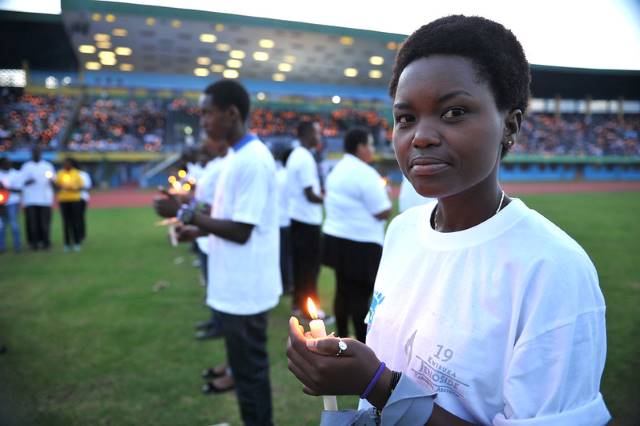
 Rwanda is a small country in sub-Saharan Africa. Rwanda has struggled to become a stable country economically and politically since it became independent in 1962. As a developing country, Rwanda is still trying to develop its healthcare system. With years of conflict and instability, people especially struggle with mental health in Rwanda.
5 Facts About Mental Health in Rwanda
- The Rwandan Genocide plays a significant role. Roughly 25% of Rwandan citizens struggle with PTSD and one in six people suffer from depression. The reason why so many Rwandans have mental health conditions can be explained by one key event in Rwandan history. During the Rwandan genocide of 1994, members of the Hutu ethnic majority murdered as many as 800,000 people, mostly of the Tutsi minority. The mass genocide caused severe trauma to survivors who still suffer from mental health issues 26 years after the event.
- Rwanda has very few resources. According to the World Health Organization, Rwanda has only two mental health hospitals, zero child psychiatrists, and only 0.06 psychiatrists per 100,000 people. With a large amount of the population plagued by mental health issues, Rwanda needs more resources to help the mentally ill.
- Suicide rates have greatly decreased in Rwanda. In 2016, the suicide rate in Rwanda was 11 deaths per 100,000 people. This is a great improvement compared to the 24.6 suicides per 100,000 people in 2000. An increase in mental health resources contributes to the lowering of the suicide rate in Rwanda.
- Increased mental health funding is essential. The average mental health expenditure per person in Rwanda is 84.08 Rwandan francs. Most citizens of Rwanda do not have the financial resources to afford mental healthcare. The government currently uses 10% of its healthcare budget on mental health services. Considering how large the mental health crisis is, the government should increase its expenditure to address the crisis. Since citizens cannot afford to pay for mental health resources, the government will need to help provide more free or affordable resources.
- The Rwandan Government is updating policies to address mental health. In 2018, Rwanda’s updated strategic plan for its health sector set new targets for expanding mental health care services. Its purpose is to help increase access to mental health resources by decentralizing mental health and integrating it into primary care. Also, this plan calls for a decrease in the cost of mental healthcare and an increase in the quality of care. The plan hopes to accomplish strategic goals by 2024. If successful, this plan may be used as a method to help other countries establish a quality mental health plan.
The Road Ahead for Rwanda
Considering Rwanda’s violent history, it is no surprise that the population struggles with mental health. Over the years, progress has been made with regard to mental health in Rwanda. However, many more resources are needed to help address the mental health crisis in Rwanda. With Rwanda’s updated strategic plan to address the issue and an increase in expenditure, the well-being of Rwandan’s will be positively impacted.
–Hannah Drzewiecki
Photo: Flickr
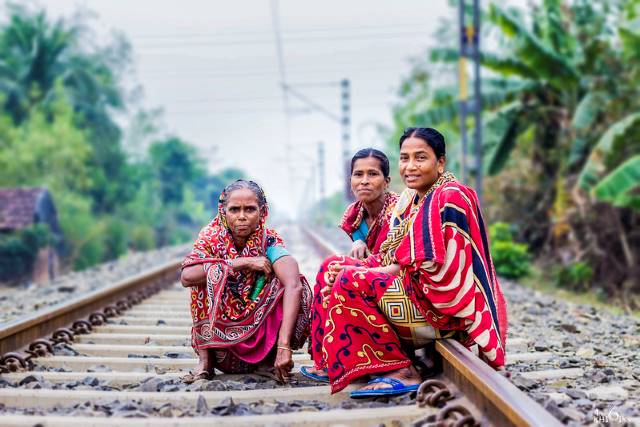 India is the second-most densely populated nation in the world, with more than 1.3 billion people. Of that number, more than 82 million citizens suffer from bipolar disorder, according to data from 2019. Bipolar disorder in India often goes undiagnosed and untreated for reasons ranging from ancient superstitions to the cost of treatment, but, bipolar awareness in India is steadily progressing.
 The nation of Australia suffers from the highest rates of cancer in the world, but, the disease takes a significant toll on the disadvantaged and rural residents in particular. Impoverished and disadvantaged Australians are
 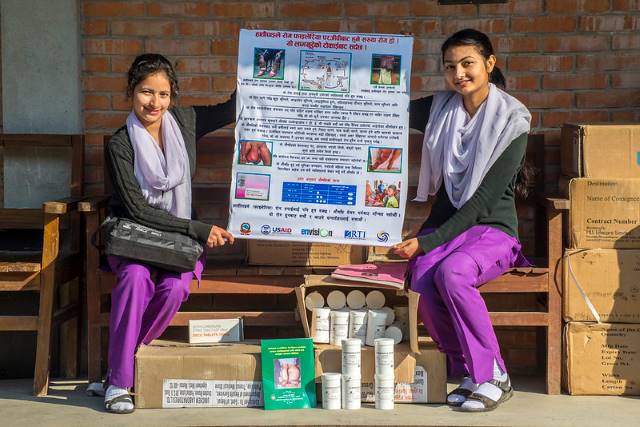 On November 12, 2020, members of the World Health Organization (WHO) voted overwhelmingly to adopt a bold set of plans to address the threat of neglected tropical diseases (NTDs) throughout the next decade. With this vote, the WHO endorsed a “road map” written by the Control of Neglected Tropical Diseases team to address neglected tropical diseases in the world’s most vulnerable regions.
 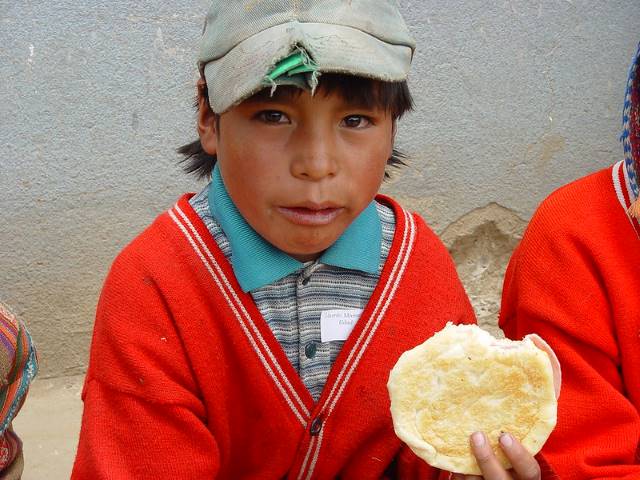 Low-income countries have long been the victims of poor health care systems. Along with this health care system neglect has also come a large amount of dental care neglect. Both dental staffing and dental resources are scarce resources for those living below the poverty line in low-income countries. Smiles Forever is a nonprofit working within Bolivia in order to provide restorative dentistry as a way of increasing resources to a population desperately in need.
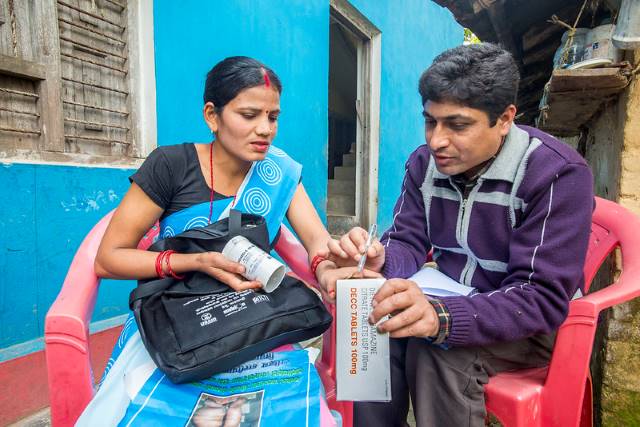 Neglected tropical diseases (NTDs) are a group of diseases caused by a variety of pathogens that are common in low-income regions. The World Health Organization WHO) and the Centers for Disease Control and Prevention (CDC) categorize 20 diseases as NTDs. They affect more than one billion people around the world, with more than a third of people affected by NTDs living in Africa. While about
 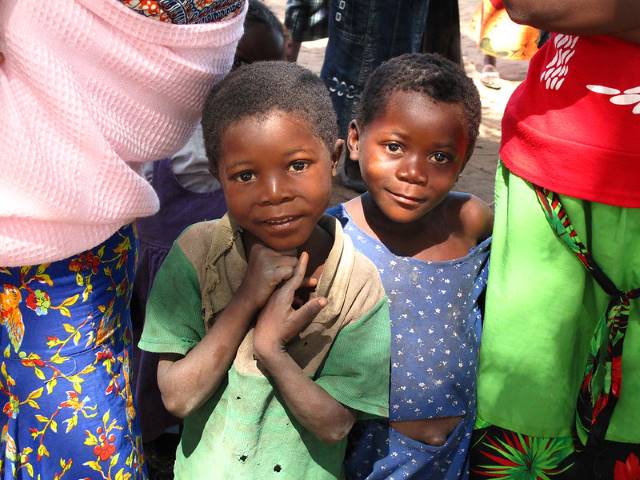 Often when we think of the sub-Saharan region of Africa, we associate it solely with the conflict and tragedy that has burdened it for the majority of recent history. According to research done in 2019, there were
 A new, injectable antiretroviral drug, cabotegravir (CAB LA), may have significant potential for preventing HIV among sub-Saharan African women. In November 2020, the World Health Organization (WHO)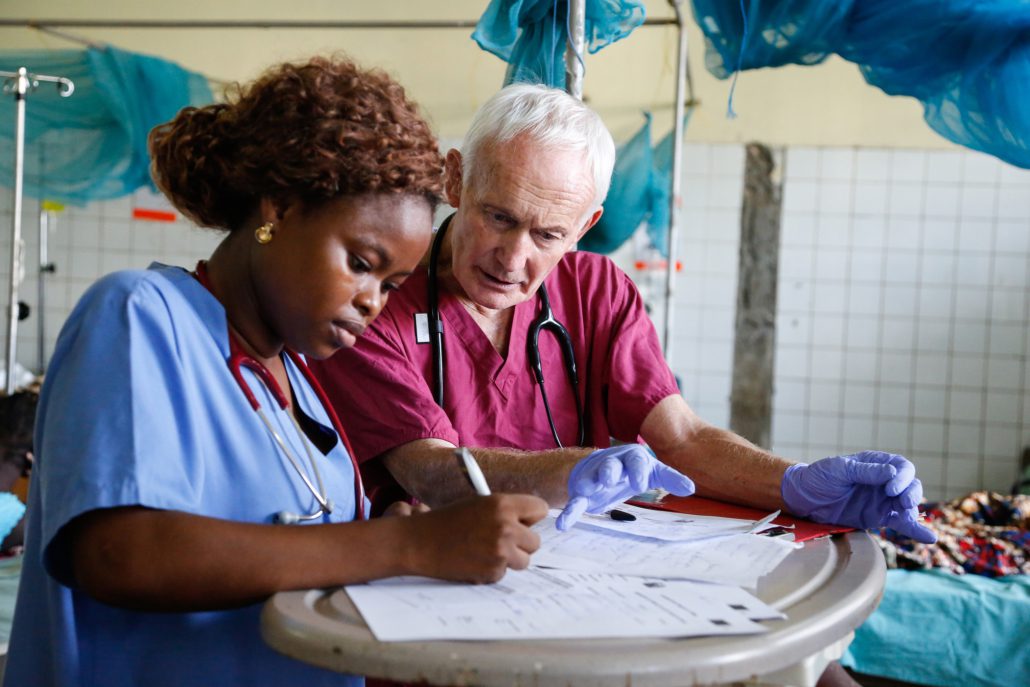
 As the United States fought its campaign against North Vietnamese forces during the Vietnam War, part of the military’s strategy included the deployment of Agent Orange, a chemical weapon used to defoliate jungles to expose enemy positions. The toxin was heavily used and has had disastrous health and environmental effects. Now, the United States is leading Agent Orange cleanup efforts in Vietnam. USAID is taking the charge to continue its environmental restoration efforts.