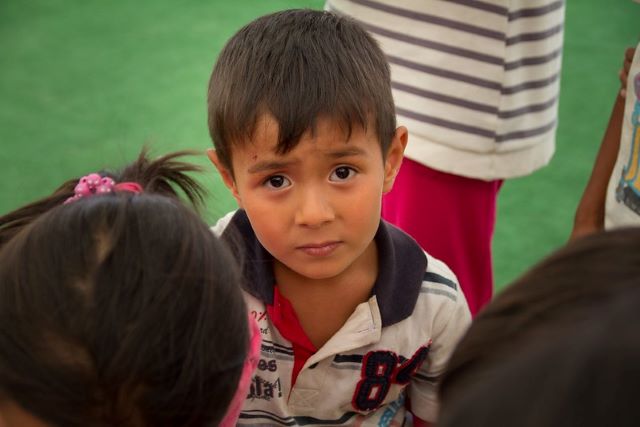
 In Lesbos, Greece, children suffering from life-threatening illnesses are being deprived of healthcare. Concerns regarding the Greek government’s stance on providing adequate healthcare to children suffering from chronic, complex and life-threatening diseases at the Moria camp are on the rise. Many camps are overcrowded and have limited resources available for the growing vulnerable population. Children make up 30% of asylum seekers and those diagnosed with diabetes, epilepsy, asthma, heart disease and other severe illnesses, are being neglected. Forced to live in tents under concerning conditions, children have no access to specialized healthcare to meet their medical needs.
Doctors Without Borders/Medecins Sans Frontieres (MSF)
Medecins Sans Frontieres (MSF) is advocating on behalf of Greek children, urging the government to evacuate children with serious illnesses to the Greek mainland or other European Union states that are equipped to provide adequate care. Since 1996, MSF has been providing healthcare and fighting for the welfare of asylum seekers and migrants in Greece. MSF recognized the growing need in Greece and expanded its efforts, providing treatment of chronic diseases, sexual and reproductive healthcare, physiotherapy, clinical psychology and psychiatric care.
MSF is ensuring the government is aware of the urgency of proper healthcare for Greek children. Dr. Hilde Vochten, an MSF medical coordinator, urges a prompt call of action from the government that will address the immediate healthcare needs of these children while also addressing a systemic problem within healthcare for Greek children. Without proper care, many children face lifelong consequences, or in critical cases, death.
Greek Government Healthcare Restrictions
In 2019, the Greek government restricted healthcare access to asylum seekers and those arriving in Greece that are undocumented. Since this time, MSF doctors have seen over 270 children suffering from chronic and complex diseases. The MSF pediatric clinic located outside the Moria camp has helped many children, however, the clinic has been unable to provide specialized care for children diagnosed with more critical illnesses. MSF argues that restricting access to adequate care is a result of government policy that is creating unsafe and inhumane conditions for children and their families. MSF demands the need to remove limitations for access to public healthcare and implement a system that will provide immediate care for children suffering from chronic and complex medical conditions.
The Smile of the Child
Another organization fighting for the healthcare rights of this vulnerable population is The Smile of the Child. The organization was founded in 1995, in memory of Andreas Yannopoulos, a young boy diagnosed with cancer. Before Yannopoulos died, he expressed his vision of creating an organization that would bring smiles to the faces of Greek children. The Smile of the Child has taken a stand to improve the health and wellbeing of children in Greece. The organization has raised awareness through its Mobile Laboratory of Information, Education and Technology by conducting seminars and instruction on first aid. The Smile of the Child delivers support to children with health problems by providing access to ambulances throughout Greece. The organization partners with law enforcement, social groups and other public entities to advocate for the safety and wellbeing of children.
While Greek authorities have been criticized for obstructing access to healthcare, organizations are taking a stand to ensure the healthcare needs of Greek children are met. As the need for adequate healthcare rises, the Greece government will be challenged in addressing the growing demand.
– Brandi Hale
Photo: Flickr
 Back in 1972,
 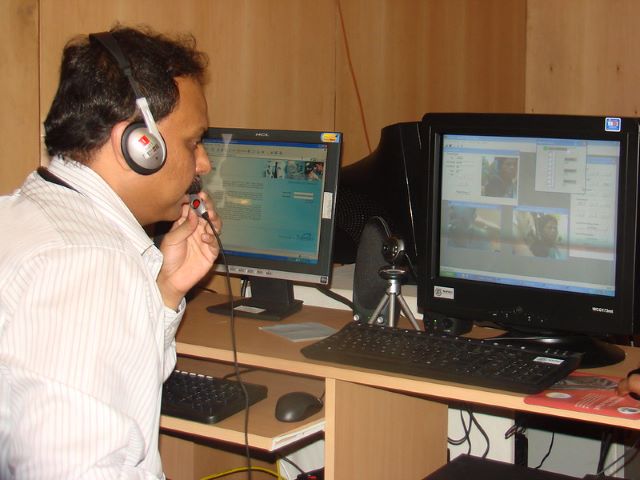 In 2017, around 60% of the population in India faced poverty, with around 1.3 million people living on less than $3.10 a day. India is one of the most populous countries, right behind China. As the COVID-19 pandemic swept through the nation, India was hard hit by the pandemic. The International Labor Organization (ILO) has estimated that with the economic halt in India, around
 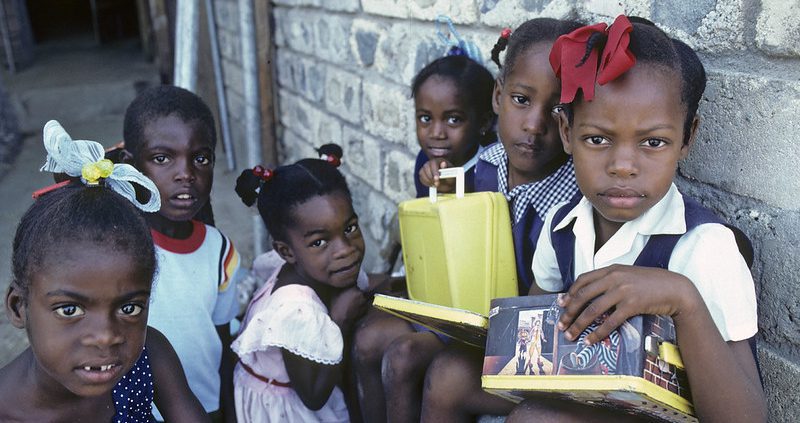 As of 2018, 32,000 people were living with a positive HIV diagnosis in Jamaica, with
  Rice is a staple crop in Asia that provides 30-72% of
  There are a total of 46 countries that compose sub-Saharan Africa. These countries account for
  Guatemala is a country rich with ancestral heritage and Indigenous peoples, but the poverty crisis has debilitated many of the citizens. Housing in Guatemala is undergoing a crisis, which has widened the housing gap to well
 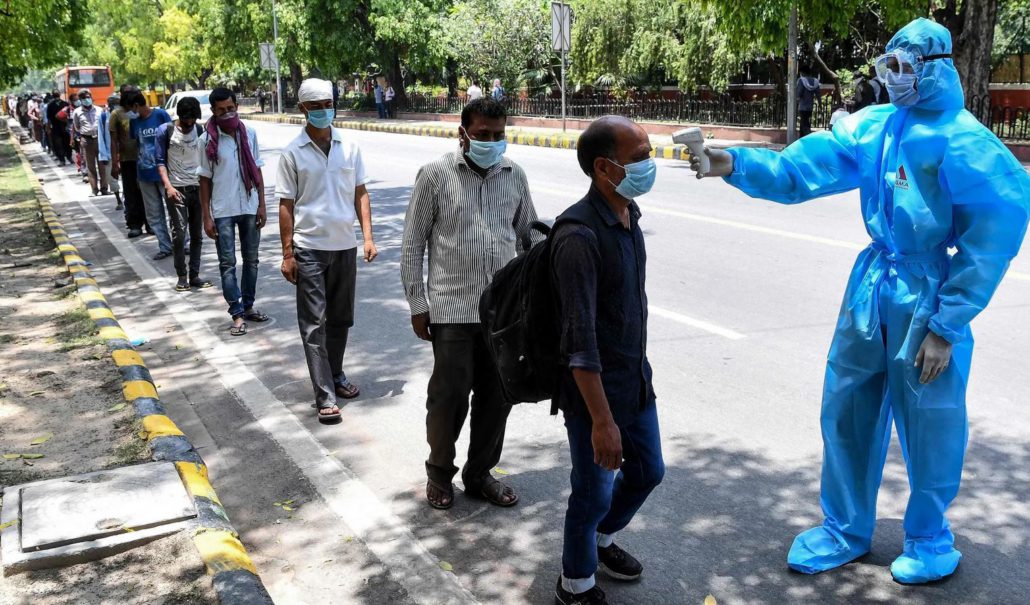 The COVID-19 pandemic has been devastating to nations all over the world, but especially the Global South. India, for example, has an enormous population of 1.3 billion people, with labor forces large enough to create
 At a time when the world is grappling with the COVID-19 pandemic, other potentially lethal diseases can go overlooked. Measles is a disease that has had
  One of the most effective programs in the fight against AIDS is the U.S. President’s Emergency Plan for AIDS Relief or PEPFAR. Congress first