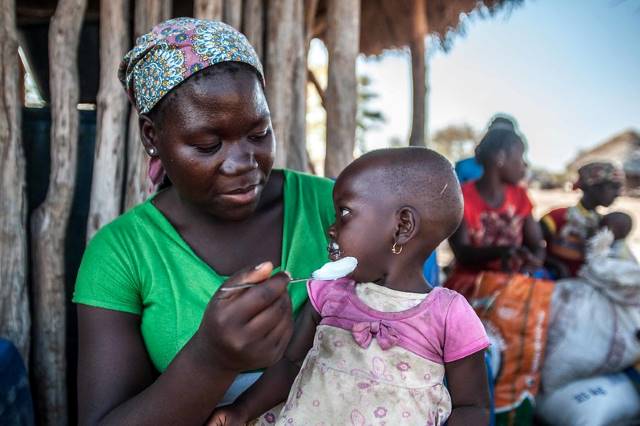
 The state of healthcare in Mozambique has drastically changed in the last few decades. While Mozambique was once a country with little access to healthcare services, the country has decreased mortality rates since the launch of its Health Sector Recovery Program after the Mozambican civil war, with assistance from the World Bank.
History of Mozambique
The Mozambican civil war that took place from 1977-1992 had lasting effects on the country’s healthcare system and economy, resulting in limited funding for health services and insufficient access to care providers.
The Health Sector Recovery Program was launched in 1996 in order to refocus on funding healthcare in Mozambique, which desperately needed expanded resources to address the growing health crises. New health facilities were constructed throughout the country increasing accessibility to healthcare. The number of health facilities in Mozambique from the start of the civil war to 2012 quadrupled from 362 to 1,432 and the number of healthcare workers increased along with it.
Improvements to Healthcare and Accessibility
About 30 years ago, Mozambique had one of the highest mortality rates for children under 5 but was able to significantly reduce this number after the success of the Health Sector Policy Program. In 1990, this rate was 243.1 mortalities per 1,000 children. The rate has been reduced to 74.2 mortalities as of 2019. Maternal health was also targeted by the program, with increased health facility births from 2003 to 2011.
Conflict in Cabo Delgado
Despite these improvements to healthcare in Mozambique, Cabo Delgado, a northeastern province, is facing one of the worst healthcare crises in the country since violence struck the area in October 2017. Conflict between non-state armed forces clashing with security forces and other armed groups has caused more than 200,000 people in the area to become internally displaced. Coupled with the aftermath of Hurricane Kenneth, one of the strongest hurricanes to hit Africa, the area is facing severe food shortages and lack of shelter for people.
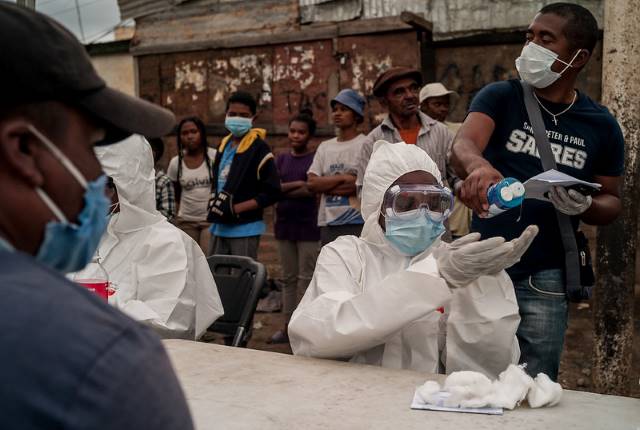
Cabo Delgado has also seen a rise in COVID-19 cases and other diseases such as cholera, diarrhea and measles, resulting from inadequate clean water and sanitation.
Intervention by UNICEF
On December 22, 2020, UNICEF shared a press release on the increased need for healthcare in Cabo Delgado. As the rainy season begins, there is an increased risk for deadly disease outbreaks. It appealed for $52.8 million in humanitarian assistance for 2021 projects aimed at aiding Mozambique.
UNICEF is expanding its water and sanitation response in order to prevent the outbreak of water-borne diseases like cholera and the further spread of COVID-19.
UNICEF also aims to give crucial vaccines to children in Mozambique, increasing its numbers from 2020. The 2021 targets include vaccinating more than 67,000 children against polio and more than 400,000 measles vaccinations. Children will also be treated for nutritional deficiencies from food insecurity and UNICEF plans to screen more than 380,000 children under 5 for malnourishment and enroll them in nutritional treatment programs.
Mental health support services will be provided to more than 37,000 children and caregivers in need, especially those experiencing displacement from armed conflict and those affected by COVID-19.
The Future of Healthcare in Mozambique
While healthcare in Mozambique has significantly improved in the last few decades, a lack of health services still affects the country’s most vulnerable populations. Aid from international organizations like UNICEF aims to tackle these issues to improve healthcare in Mozambique.
– June Noyes
Photo: Flickr

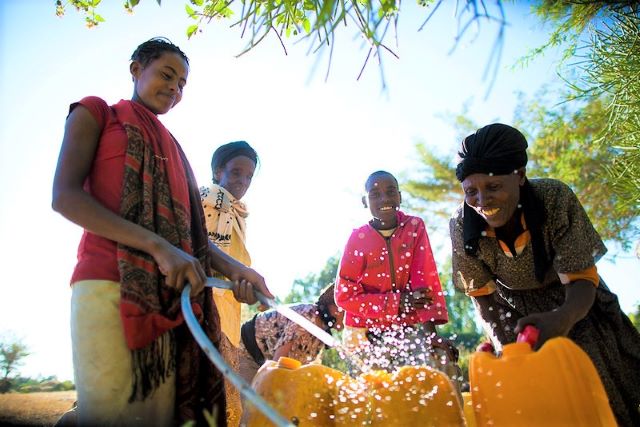 In Sopot, Poland, co-founders Bartosz Kruzska and Mikolaj Granuszewski are leading innovations that could change access to clean, drinkable water forever. Startup firm, Nanoseen, is developing the NanoseenX, a water filter made of recycled metal wafers that can desalinate water. The startup, which was ranked as one of the top “15 Chemical Engineering Startups Positioned to Make it Big in 2021” by the Welp Magazine, aims to revolutionize the use and development of nanotechnology to build the most modern products. “Nanoseen is a team of nanotechnology engineers and scientists who prove remarkable properties of NanoseenX nanomaterials as a core component of the company’s products that will help solve many problems related to climate change such as water shortage and plastic pollution,”
 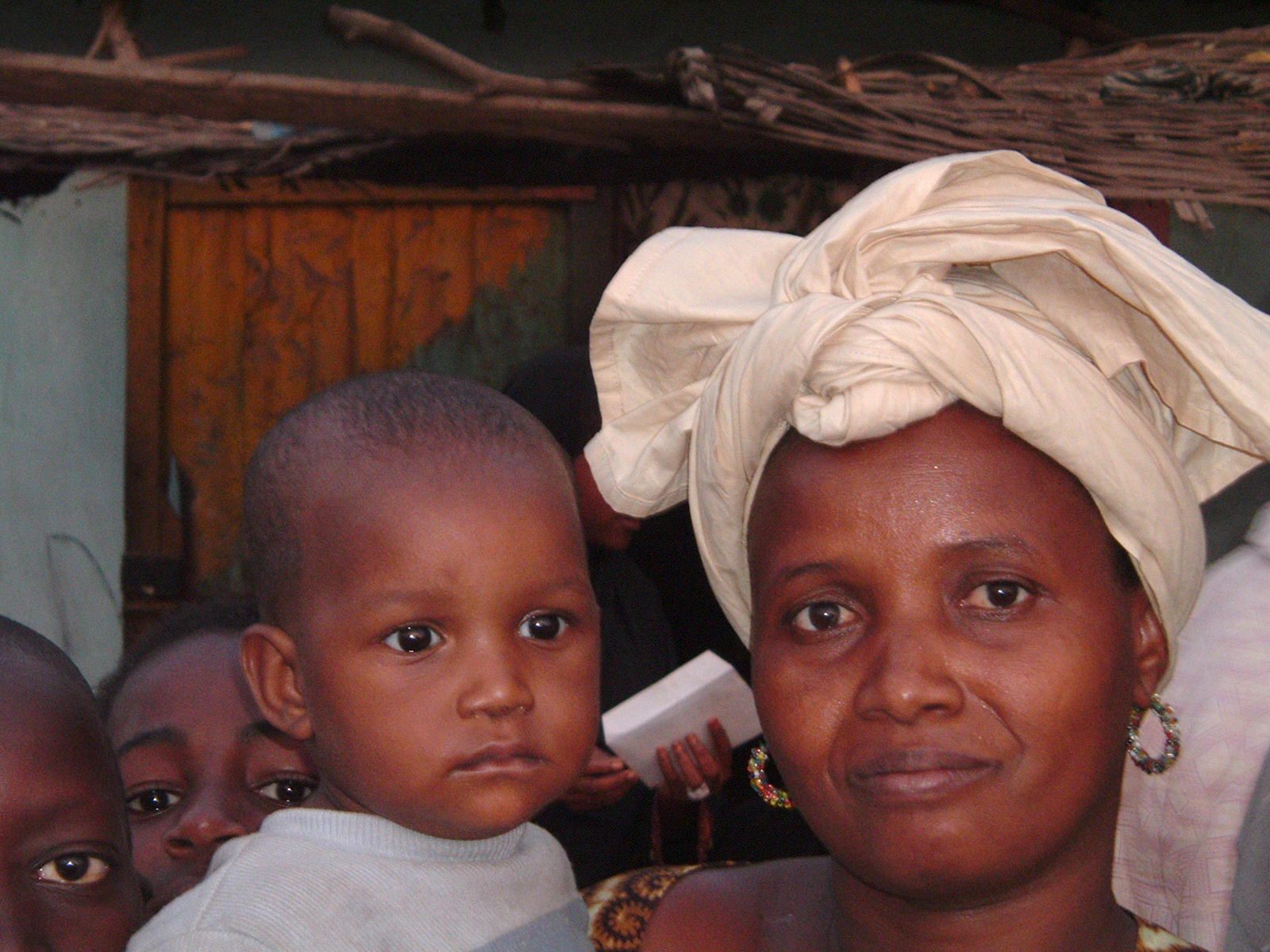 Due to the new escalating cases and the development of new strains of COVID-19 worldwide, reasons exist to worry about the impact of COVID-19 on developing African nations. Many are concerned that these countries do not have the same financial and health resources to fight the virus and protect their citizens as western industrialized nations do. However, Senegal, a small West African nation of 16.3 million inhabitants, might be an exception. Foreign Policy magazine
 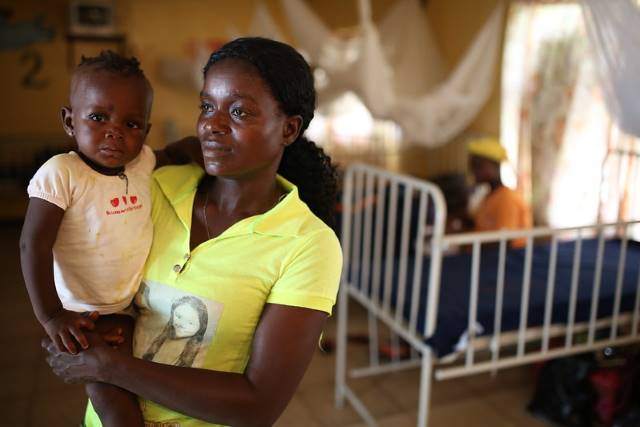 COVID-19 has understandably been the main focus around the world. In developed countries, many are new to health epidemics and the disruptions caused by them. But, in some parts of the world, widespread disease is not new at all and COVID-19 is not the only health concern. There are several other global health concerns during COVID-19. Some seem obvious, like malaria or HIV/AIDS. But, some have made less news, like a toxic goldmine in Ethiopia. These health crises also require assistance and aid from the international community.
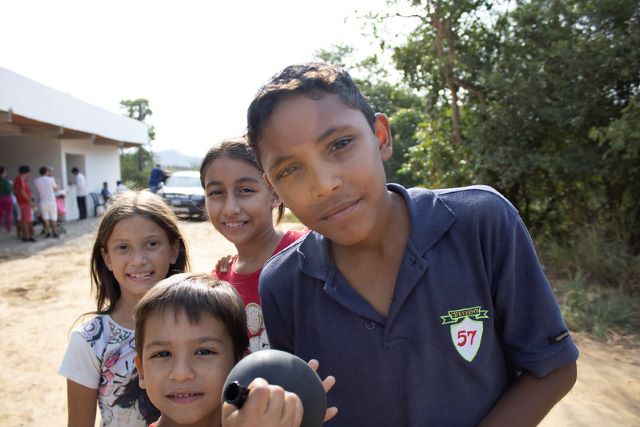 A combination of poor leadership and crippling sanctions have created a nation-wide economic crisis in Venezuela. The Center for Strategic and International Studies found that even before U.S. sanctions were placed on Venezuela, the country was already enduring hyperinflation, had seen
 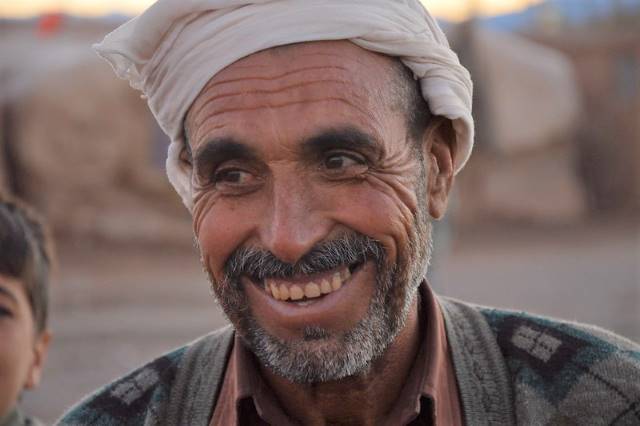 At the end of 2019, there were
 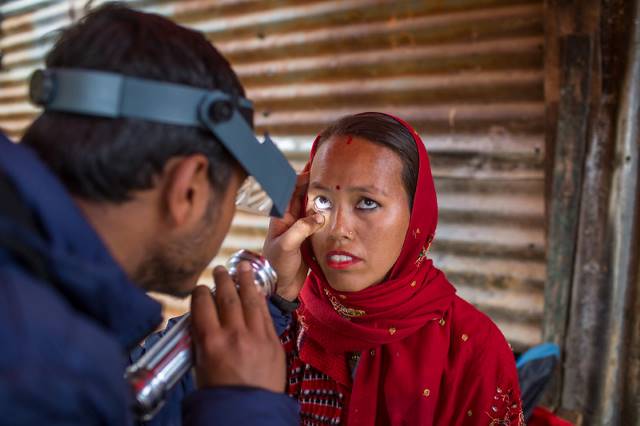 Trachoma, an unsung yet highly infectious disease, is listed by the World Health Organization (WHO) as the leading cause of blindness across the world. Data from March 2020
 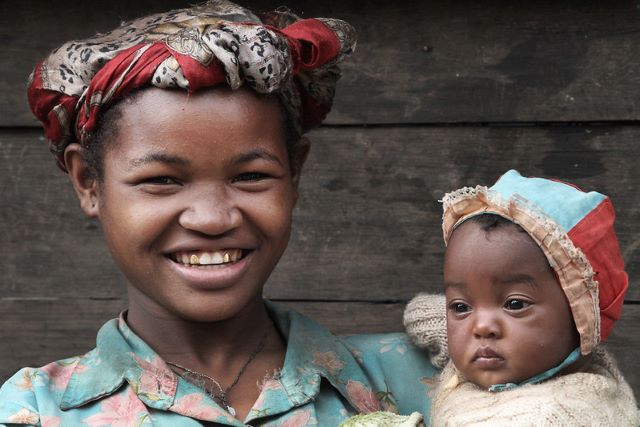 More than
  In 2021, COVID-19 is still rampaging across the globe, and despite efforts from the wealthiest nations, it has yet to drop down to non-pandemic status. Africa, a continent with a population of more than one billion, has reported