• Link to X
  • Link to Facebook
  • Link to Instagram
  • Link to TikTok
  • Link to Youtube
  • About
    • About Us
      • President
      • Board of Directors
      • Board of Advisors
      • Financials
      • Our Methodology
      • Success Tracker
      • Contact
  • Act Now
    • 30 Ways to Help
      • Email Congress
      • Call Congress
      • Volunteer
      • Courses & Certificates
      • Be a Donor
    • Internships
      • In-Office Internships
      • Remote Internships
    • Legislation
      • Politics 101
  • The Blog
  • The Podcast
  • Magazine
  • Donate
  • Click to open the search input field Click to open the search input field Search
  • Menu Menu

Archive for category: Government

Charity, Global Poverty, Government

Raising the Hong Kong Minimum Wage

Hong Kong Minimum WageHong Kong is consistently ranked one of the world’s most expensive cities, with some of the least affordable housing and, so too, the most luxurious lifestyles. However, according to the Hong Kong Poverty Situation Report for 2020, 23.6% of Hong Kong’s population – around 1.65 million people – live in poverty and are unable to afford necessities.

The charity Oxfam has been active in Hong Kong since the ’70s and set up a domestic program team in 1996. In 2018, Oxfam Hong Kong commissioned the Chinese University of Hong Kong to conduct research on the national living wage. This was the first of its kind in Hong Kong, but it was just the beginning of the organization’s work to tackle poverty in the city.

Those Below Hong Kong’s Poverty Line

Although the overall median household income was HK$29,000 (about $3,480) in 2023 (a 1.7% increase since before the COVID-19 pandemic), Oxfam argues that the growing disparity between the poorest and the wealthiest in Hong Kong society, largely due to the slow financial recovery of the poorest households after the pandemic, should act as “alarm bells for the whole of society.”‘

Hong Kong’s poorest residents made almost 60 times less than its wealthiest in the first quarter of 2023. Oxfam, citing the Census and Statistics Department, states that in the first few months of 2023, the median monthly income of the poorest 10% of households stood at HK$2,300 ($276), 57.7 times less than the wealthiest 10% of households, which earned HK$132,600 (approximately $16,000) in the same period.

Hong Kong’s “poverty line” operates on the principle of relative poverty. This means any household earning less than 50% of the median monthly household income before tax and welfare transfers is considered to be living in poverty. However, the 2024 Legislative Council Panel on Welfare Services Latest Work Progress on the Commission of Poverty states that the official ” poverty line” only takes household income as the sole indicator of their economic situation.

Wong Shek-hung, the Director of the Hong Kong, Macau and Taiwan Oxfam program, argued that a Hong Kong minimum wage that only considers household income is not enough. Shek-hung states that food costs increased by more than 7% from December 2019 to December 2022. She also pointed out that energy costs increased by more than 11% within the same period, which reflected similar cost increases around the world.

Oxfam’s Work

Oxfam believes that the growing disparity between the wealthiest and poorest in Hong Kong society clearly displays how “inequality breeds poverty.” Therefore, Oxfam supports various initiatives to help make a difference for those who need it most. Oxfam lobbies the Hong Kong government to consider the cost of living, such as the cost, as mentioned earlier, of necessities like food and energy when determining the poverty threshold.

Oxfam is aware that society’s poorest bear the brunt of adverse climatic conditions’ negative effects. So, the organization urges the Hong Kong government to develop official policies to support those living in poor conditions in adapting to different climatic conditions and increasingly frequent dramatic weather events. This includes a heat index that would stop outdoor work in high temperatures to reduce the risk of heat stroke. Oxfam also encourages the government to review the Hong Kong minimum wage in a post-COVID-19 society, as the path to financial recovery is much more difficult for lower-income households.

Results and Final Comments

The Hong Kong minimum wage was frozen at HK$37.50 ($4.78) from 2019 up until 2023 when, thanks to lobbying from organizations like Oxfam, the government raised it by HK$2.50 ($0.3) to HK$40 per hour ($5.1). This was a huge step for labor organizations in Hong Kong, but Oxfam argues that it is still not enough.

Oxfam found that nearly 210,000 people in Hong Kong were living in poverty in 2023 despite being employed. It stated that a minimum wage of $5.1 per hour was still lower than what a family of two would receive through social security programs. Oxfam Hong Kong continued to urge the government to raise the minimum wage to “at least 45.5 Hong Kong dollars.”

The government announced in May of 2024 that it planned to raise the Hong Kong minimum wage by 4.5% to HK$41.85 ($5.36). These small changes are thanks to the work of those at Oxfam Hong Kong, who are defending the lowest earners in society. Their advocacy is a testament to the change that can be made by lobbying governments about the most vulnerable in society.

– Kristina Grant

Kristina is based in Scotland and focuses on Business and Technology for The Borgen Project.

Photo: Pexels

July 8, 2024
https://borgenproject.org/wp-content/uploads/borgen-project-logo.svg 0 0 Hemant Gupta https://borgenproject.org/wp-content/uploads/borgen-project-logo.svg Hemant Gupta2024-07-08 01:30:022024-07-07 14:16:51Raising the Hong Kong Minimum Wage
Economy, Global Poverty, Government

How the Youth of Moldova Are its Future

Youth of MoldovaIn 2023, reports indicated a decline in the involvement of youth in decision-making and public policy implementation in Moldova. By early 2024, statistics revealed that Moldova’s population was 3.3 million, with young people making up over a quarter of this figure. Further analysis reveals that 72% of community youth programs fail to meet the population’s needs effectively, particularly those of the most vulnerable citizens. This situation highlights a significant gap between the objectives of youth programs and the actual needs of young Moldovans.

Economic Challenges and Depopulation

Moldova is facing significant depopulation, primarily due to the high emigration rates among young people. This trend presents a critical challenge to the economy, potentially limiting national development and restricting access to essential services. As one of Europe’s poorest countries, economic downturns disproportionately affect families with children, exacerbating the risk of poverty. Although there have been overall improvements in recent years, Moldova continues to experience high poverty rates, with child poverty being a major concern.

Youth and Social Policy

In 2020, Moldova recorded a child poverty rate of 26%. Households with multiple children, as well as those headed by a self-employed, unemployed or single-working parent, are particularly vulnerable to poverty. Current social policies fail to meet the needs of children living in poverty. Despite this policy gap, 72.7% of households with children reported satisfactory living conditions in recent years.

Educational and Employment Challenges

In Moldova, the youth population contends with significant challenges in education, employment, health and civic participation. Although 39% of 25 to 29-year-olds hold high-ranking degrees, the quality of education often fails to meet satisfactory standards. Many Moldovans remain disengaged from education and employment opportunities, complicating efforts to empower this generation with suitable jobs. Despite a general decline in poverty rates in recent years, the country faces hurdles in achieving economic growth, compounded by high emigration rates that particularly affect young citizens. Currently, 29% of Moldova’s youth are unemployed, a rate that exceeds many other countries and fosters social exclusion among this demographic. Prioritizing youth development is essential for Moldova’s national progress.

Various factors contribute to youth unemployment beyond economic challenges. Individual circumstances often require young people to assume caregiving responsibilities, leading them to become homemakers rather than active job seekers. Additionally, many young Moldovans plan to emigrate in search of better job opportunities that match their skills and qualifications. This trend is particularly pronounced among the most vulnerable segments of the youth population. Those from impoverished families, orphaned children or residents of rural areas face significant barriers to accessing education, further limiting their employment prospects.

The Youth Participation Program Initiative

Following youth-led protests in 2009, which demanded fairer governmental procedures and inclusion in policymaking, the Eurasia Foundation initiated the Youth Participation Program (YPP) in Moldova. This program aimed to channel the passion of the youth toward enhancing their country’s economy. To build momentum, the Eurasia Foundation collaborated with Moldova’s Ministry of Youth and Sports, organizing a series of youth debates across the country in partnership with Ministry representatives. These debates highlighted the perspectives of young people on policy reforms. The culmination of these efforts was the National Youth Forum, providing a platform for young Moldovans to discuss the 2009 to 2013 Youth Strategy directly with government officials.

Youth Sector Development Strategy

In 2023, the Moldovan government approved the “Youth 2030” Development Strategy, which targets three main objectives to bolster the nation’s youth. This strategy is designed to expand access to youth programs and enhance the participation of young Moldovans in voicing their ideas for the country’s future. Despite the absence of a specific public policy dedicated to the social inclusion of young people, the Youth 2030 strategy represents a comprehensive effort to unify various institutions that influence youth development and empower young citizens in Moldova.

Looking Ahead

Moldova’s initiatives to engage and support its youth are intended to contribute to the nation’s future development. The “Youth 2030” Development Strategy seeks to address significant gaps in youth participation and to improve access to essential programs. Addressing the root causes of emigration and enhancing opportunities for young people could be vital in fostering a more prosperous and stable society. By prioritizing youth inclusion and development, Moldova can potentially build a stronger, more resilient future.

– Brogan Dickson

Brogan is based in Edinburgh, Scotland and focuses on Good News and Global Health for The Borgen Project.

Photo: Flickr

July 3, 2024
https://borgenproject.org/wp-content/uploads/borgen-project-logo.svg 0 0 Precious Sheidu https://borgenproject.org/wp-content/uploads/borgen-project-logo.svg Precious Sheidu2024-07-03 01:30:382024-07-02 05:21:34How the Youth of Moldova Are its Future
Global Poverty, Government, Politics

The Joint Efforts to Support the Hudaydah Agreement

The Joint Efforts to Support the Hudaydah Agreement The Hudaydah port in Yemen plays an impactful role, handling 70% of the nation’s imports, including crucial humanitarian aid and commercial supplies. The ongoing conflict has disrupted operations at Hudaydah and the nearby Saleef port, drastically affecting more than eight million Yemenis who rely on these imports. To mitigate this humanitarian crisis, the conflicting parties established the Hudaydah Agreement, which aims to shield the ports from conflict. The United Nations (U.N.) monitors this agreement to ensure compliance and maintain the essential flow of goods.

Strengthening the Hudaydah Agreement

On June 14, 2024, Saudi Arabia’s Ambassador to the U.N., Abdulaziz AlWasil, met with Michael Beary, Head of the U.N. Mission to Support the Hudaydah Agreement (UNMHA), in New York City. The meeting focused on reinforcing the agreement that plays a crucial role in maintaining the flow of humanitarian aid through Yemen’s vital Hudaydah ports. Both Saudi Arabia and the U.N. have committed to ensuring the stability and security of these ports and advancing peace throughout Yemen. Their diplomatic efforts, including the Hudaydah Agreement, exemplify ongoing initiatives to resolve the conflict and promote recovery in Yemen.

Saudi Arabia’s Role in Yemen’s Diplomacy

The Kingdom of Saudi Arabia, in collaboration with allied nations and the U.N., is vigorously advocating for a diplomatic solution to the conflict in Yemen. Over the past year, Saudi Arabia has facilitated negotiations between Yemen’s internationally recognized government based in Aden and the Houthi rebels. These ongoing discussions aim to cease the fighting and ensure the full reopening of ports critical for importing humanitarian aid. The efforts of Saudi Arabia to secure a ceasefire and safeguard the Hudaydah ports received commendation from Hans Grundberg, the U.N. Special Envoy for Yemen, who described them as a “step change.” According to U.N. and Saudi officials, the diplomatic initiatives supporting the Hudaydah Agreement are making progress and have been ongoing for an extended period.

The United Nation’s Diplomatic Initiatives

In collaboration with Saudi Arabia, the U.N. has been intensively engaged in diplomatic efforts to ensure the ongoing delivery of aid to Yemen through the Hudaydah ports and other channels. On December 26, 2023, U.N. Special Envoy Hans Grundberg announced ongoing discussions with both the Yemeni government in Aden and the Houthi rebels. These talks aim to create a peace roadmap for Yemen that can potentially benefit all citizens, particularly those in dire need. Key elements of the roadmap include a nationwide ceasefire, the reopening of roads in various regions and reducing restrictions on essential ports like those in Hudaydah.

A Unified Approach to Resolve Yemen’s Crisis

The collaboration between Saudi Arabia and the U.N. exemplifies a unified approach to addressing the complex challenges in Yemen. Through sustained diplomatic efforts and strategic interventions, both entities aim to secure a stable and peaceful environment in Yemen, ensuring that aid reaches those in dire need and paving the way toward a resolution of the protracted conflict.

– Abdullah Dowaihy

Abdullah is based in Riyadh, Saudi Arabia and focuses on Good News, and Politics for The Borgen Project.

Photo: Unsplash

June 29, 2024
https://borgenproject.org/wp-content/uploads/borgen-project-logo.svg 0 0 Precious Sheidu https://borgenproject.org/wp-content/uploads/borgen-project-logo.svg Precious Sheidu2024-06-29 07:30:222024-06-28 09:33:36The Joint Efforts to Support the Hudaydah Agreement
Global Poverty, Government, Violence

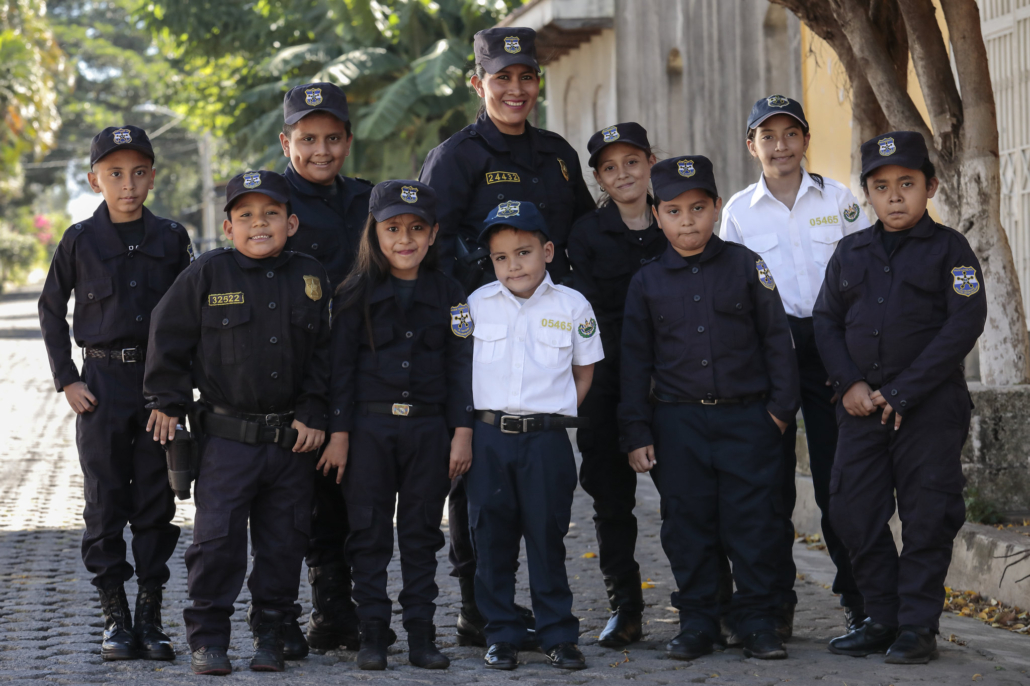
Fragility and Rule of Law in El Salvador: Who Bears the Brunt?  

Fragility and Rule of Law in El SalvadorPolitical turbulence and social turmoil have significantly affected El Salvador’s rule of law and institutions. The country’s crime policy intersects with these challenges to reinforce social inequalities, undermining steps taken towards stability and democracy. Here is information about fragility and the rule of law in El Salvador.

Fragility and the Rule of Law in El Salvador

Periods of political instability, including military rule, civil war and ongoing struggles for good governance mark the history of fragility and rule of law in El Salvador. At the centre of these issues lie the country’s governance structures, which demonstrate the centralization of power in the executive branch, leading to minimal checks and balances on the government. Therefore, for El Salvador, nullifying the division of powers has been essential for solidifying authoritarianism.

Consequently, according to the World Bank, governance indicators include: “Voice and Accountability; Political Stability and Absence of Violence/Terrorism; Government Effectiveness; Regulatory Quality; Rule of Law; Control of Corruption,” and in El Salvador, these issues have deteriorated. Regarding these issues, even though President Nayib Bukele took office in 2019 with a growth and anti-corruption agenda, the government with authoritarian tendencies revealed El Salvador’s deteriorating democratic prospects.

Corruption in El Salvador’s government also raises concerns about transparency, accountability and violations of civil liberties. Human rights organizations have revealed cases of arbitrary detentions, torture and other forms of mistreatment, Crisis Group reports.

Poverty, Institutional Fragility and Rule of Law

The poverty rate in El Salvador is one of the highest in Latin America, with 1.8 million Salvadorans living in poverty. Widespread poverty undermines social cohesion and contributes to institutional fragility. The lack of economic opportunities and social services increases the susceptibility of vulnerable communities to exploitation by criminal organizations.

Crime and Punishment

El Salvador faces a range of crime issues, from money laundering to drug trafficking, earning it the title of “the homicide capital of the world” in 2015. The country’s crime policy has historically focused on aggressive law enforcement measures – mano dura or iron-fist policies, which focus on crackdowns on gangs and increased policing.

Although El Salvador’s crime rate plummeted in the following years as the government responded with mano dura policies, there are concerns about the sustainability of the country’s policy response to violence and crime. Marginalized communities, including populations that poverty and violence disproportionately affect, bear the burden of these policies, facing increasing levels of police violence, arbitrary detentions and lack of due process.

The criminalization of poverty has further marginalized vulnerable populations, perpetuating cycles of social exclusion. Marginalized communities, not having access to economic opportunities and social services, often have no choice but to be involved in illicit activities. On that note, mass incarceration negatively impacts families due to parental separation as well as the impacts it generates on the youth such as social stigma, loss of financial support, poor academic performance, increased risk of abuse and increased delinquency. The cycle of poverty and violence leads to deteriorating socioeconomic outcomes, trapping individuals further within it.

Inclusive Policies and Social Justice

The case of fragility and rule of law in El Salvador framed within a discussion of crime policy presents broader problems of authoritarian populism, politics of terror and hegemony as well as the fragility of transitioning to democracy.

Nevertheless, El Salvador’s crime policy succeeded in reducing the crime rate in the country in the short term. Now it is time to focus on long-term solutions to the challenges presented by crime, poverty and social inequality, and in doing so, key priorities should include community-centered approaches, human rights protections, economic empowerment and social justice.

A prime example of this approach is the Youth Employability and Opportunities project which Plan International initiated in El Salvador in 2017. Through this project, young Salvadorans have seen improvements in their socio-economic conditions, with enhanced skills and economic empowerment leading to employment and self-employment opportunities. By generating job opportunities and improving the social fabric, the initiative took successful steps to break the link between youth involvement in crime and socioeconomic disparities in El Salvador.

Human Rights

Following the success of initiatives such as the Youth Employment Solutions project, it is vital to consider the broader framework within which human rights and socio-economic development intersect in El Salvador. One important entity actively involved in addressing these issues is the Inter-American Commission on Human Rights (IACHR), which is crucial in protecting human rights across the Americas. Recently, The IACHR has been making progress in regard to human rights practices in El Salvador. Specifically, the IACHR has focused on the state of emergency declared in the country in March 2022 to combat gang violence, conducting fact-finding missions while also releasing reports that revealed urgent issues such as the removal of constitutional rights and rising cases of arbitrary arrests. Additionally, the commission advocates for vulnerable groups and civil society, urging the government to protect judicial independence and transparent governance in order to protect civil liberties.

– Ilgın Özkul

Ilgın is based in London, UK and focuses on Politics for The Borgen Project.

Photo: Flickr
June 28, 2024
https://borgenproject.org/wp-content/uploads/borgen-project-logo.svg 0 0 Jennifer Philipp https://borgenproject.org/wp-content/uploads/borgen-project-logo.svg Jennifer Philipp2024-06-28 03:00:402024-06-27 15:08:39Fragility and Rule of Law in El Salvador: Who Bears the Brunt?  
Aid, Foreign Aid, Global Poverty, Government, NGOs, WHO

KSRelief-WHO Funding Agreement for Sudan, Syria and Yemen

KSRelief-WHO Funding Agreement for Sudan, Syria and Yemen Ongoing conflicts in Sudan, Syria and Yemen have devastated public health institutions and affected millions. In Sudan, more than two-thirds of main hospitals are out of service, leaving 11 million people in need of urgent health care since April 2023. Syria faces a similar crisis, with more than 12.2 million people needing immediate medical attention due to inadequate health facility services. In Yemen, about 46% of health facilities are nonfunctional or partially operational, affecting 21.6 million people, at least two-thirds of the population. In response, the King Salman Humanitarian Aid and Relief Centre (KSRelief) is actively providing crucial support and resources to address these health care challenges.

International Aid and Collaboration

On May 25, 2024, KSRelief signed an agreement with the World Health Organization (WHO) to fund WHO’s critical health response operations in Sudan, Syria and Yemen to the amount of $19.4 million. Before signing the funding agreement, both organizations worked extensively to alleviate the pain the people in Sudan, Syria and Yemen endured.

At Jordan’s Zaatari camp for Syrian refugees, KSRelief has been operating medical clinics where doctors have provided health care assistance, including treatment for sinus and middle ear infections, to 2,349 Syrian patients. Similarly, WHO has been reinforcing disease surveillance in Sudan and Yemen to help countries such as the Kingdom of Saudi Arabia respond effectively to the health crises in these countries. KSRelief’s funding support to WHO’s critical health operations in Sudan, Syria and Yemen facilitates medical care on the ground.

Funding Dialysis Treatments in Sudan

KSRelief’s efforts includes providing $5 million to supply 100 dialysis machines and strengthen dialysis centers in Sudan. Currently, 77 renal dialysis centers in Sudan are only partially functioning and cannot provide life-saving dialysis treatment for the Sudanese people. According to the International Society of Nephrology, there are approximately 8,000 Sudanese people and more who have been relying on dialysis to stay alive since the conflict started. 

Healing Syria After the Earthquakes

On Feb. 6, 2023, a devastating earthquake in Syria destroyed many buildings, including essential hospitals and health clinics, affecting 8.8 million Syrians and resulting in the deaths of 5,954 Syrians. KSRelief supported WHO with a $4.75 million contribution to provide necessary medications and supplies to around 350,000 Syrians in need urgent health care. The funds allocated to Syria will also help WHO restore diagnostic capacity and ambulance services, assisting an estimated 4.1 million Syrians.

Countering Disease Outbreaks in Yemen

KSRelief is providing $9.5 million to support WHO’s operations in Yemen, focusing on strengthening responses to disease outbreaks like cholera and measles. Yemen currently faces over 40,000 suspected cholera cases and more than 34,000 cases of measles and rubella as of August 31, 2023. This funding also aims to help WHO enhance health care facilities in Yemen by improving their sanitation and hygiene services, thereby boosting their capacity to tackle disease outbreaks. These ongoing efforts are expected to benefit approximately 12.9 million Yemenis in urgent need of care due to the public health crisis.

Multilateral Collaboration to Address Critical Health Issues

KSRelief’s critical financial support to WHO’s health operations aims to ensure the safety of Sudanese, Syrian and Yemeni people who dream of a stable and secure future. The ongoing efforts highlight the impact multilateral collaboration between countries and organizations could have in addressing global health issues.

– Abdullah Dowaihy

Abdullah is based in Riyadh, Saudi Arabia and focuses on Good News and Global Health for The Borgen Project.

Photo: Flickr

June 21, 2024
https://borgenproject.org/wp-content/uploads/borgen-project-logo.svg 0 0 Precious Sheidu https://borgenproject.org/wp-content/uploads/borgen-project-logo.svg Precious Sheidu2024-06-21 01:30:352024-06-20 03:42:08KSRelief-WHO Funding Agreement for Sudan, Syria and Yemen
Economy, Global Poverty, Government, Inequality

Balancing Prosperity and Income Inequality in Luxembourg

Income Inequality in LuxembourgEconomically, Luxembourg is rated one of the most affluent and prosperous countries in Europe. Acclaimed for high standards of living, a strong economy and a strategic geographical position to become a doorway for international business, the Grand Duchy has made its own identity in the international arena. Nevertheless, one of the greatest challenges of the country comes in the form of income inequality and societal differences.

Economic Prosperity

Luxembourg has a very high economic potential, with a strong financial services industry, high-quality steel and a strategic position in geography. Its financial sector acts as the backbone of its economy. It attracts world corporations, investment funds and financial institutions who are looking for stability and fine regulatory frameworks.

Financial services are one industry that heavily contributes to Luxembourg’s gross domestic product (GDP). Luxembourg for Finance reports that “the financial sector accounts for approximately 26% of the GDP of the country, making it one of the greatest contributors to the economy.”

Although not quite as prosperous as in its heyday, Luxembourg’s steel industry remains another important sector of the country’s economy. Its location in the center of Europe makes it easy to trade and carry out commerce, making it a good place for international businesses to have their headquarters or regional offices.

Income Inequality in Luxembourg

Despite its prospering economy, Luxembourg is faced with sharp income inequality, a challenge pervading many aspects of society. According to a report by Sustainable Development Goal (SDG) Watch Europe, the top 20% of earners in Luxembourg take home about five times what the bottom 20% earn.

Differences between the well-off and the underprivileged are reflected in the accessibility of basic services: education, health and housing. While the country is generally characterized by a high living standard, spots of poverty and social exclusion do remain, particularly among certain groups.

Government Response

The government of Luxembourg has implemented social welfare policies that try to alleviate poverty and enhance social mobility. At the very core of these lies a comprehensive social safety net. They include salient welfare programs in the form of unemployment allowances, housing subsidies and even health support schemes. These range from better education and training opportunities to job prospects that economically empower marginalized communities.

Conclusion

Of course, Luxembourg’s impressive economic success is praiseworthy. The government continues with new social welfare policies and programs intended to level the playing field in society.  They aim to foster mobility and bring the nation closer to achieving its vision of an equitable society.

– Honorine Lanka Perera

Honorine is based in Highland, NY, USA and focuses on Business and Good News for The Borgen Project.

Photo: Unsplash

June 16, 2024
https://borgenproject.org/wp-content/uploads/borgen-project-logo.svg 0 0 Hemant Gupta https://borgenproject.org/wp-content/uploads/borgen-project-logo.svg Hemant Gupta2024-06-16 01:30:392024-06-15 08:50:26Balancing Prosperity and Income Inequality in Luxembourg
Development, Global Poverty, Government, Poverty Reduction, Tourism

How Ethnic Tourism In China Is Alleviating Poverty

How Ethnic Tourism In China Is Alleviating Poverty Ethnic or cultural tourism involves visiting destinations to explore local cultural elements. In China, where many ethnic groups face poverty, the government is developing tourist attractions to generate revenue and stimulate economic growth in these regions. As a result, ethnic tourism in China is rapidly evolving into an industry aimed at aiding those in need.

The Hunan Province

Hunan is located in South Central China and falls in the middle of the Yangtze River. This province has various tourist destinations, including Fenghuang Ancient Town. The area features Miao architecture, such as stilted houses. It is also home to tourist boat tours. Other sites used as tourist attractions include the villages of Laojia and Zaogang.

Local revenue has skyrocketed due to the inception of ethnic tourism in China. This resulted in the formation of Ming City Tourism Corporation (MCTC), which helps to keep these tourist destinations open and thriving. MCTC has worked to reduce competition and increase profits. The company charges fees for tourists and gives a percentage back to the villages as an annual fee. 

A portion of these fees are given back to residents periodically. Residents can make many due to MCTC hiring them to work as guides, cleaners, salespeople or actors. Some residents have also opened their shops to sell memorabilia to tourists. Each of these acts has helped numerous residents out of poverty. Tourism has greatly increased the number of jobs available, specifically in Fenghuang Ancient Town. 

The Yunnan Province

The Yunnan Province is part of southwestern China and borders Myanmar, Laos and Vietnam at its southern tip. This province is one of the more diverse areas in China, both culturally and geographically. In Yunnan, the most popular tourist destination is Lijiang, one of the centers for silk production in ancient times. 

Lijiang was one of the poorest areas in the Yunnan province before ethnic tourism in China began to have an impact locally. The Dayan Naxi Ancient Music Association is one of its main attractions, which is an orchestra that showcases old music, old musicians and old instruments. It is composed of teachers, farmers and other types of workers. The orchestra has developed a good annual revenue and has a regular large audience. It has played in larger cities and even countries overseas. 

Socio-Economic Transformations in Lijiang

Ethnic tourism in China, particularly in Lijiang, revolves around experiencing the life of these ethnic communities. Tourists coming to this area are likely to visit Luoshui, one of the most popular villages, to participate in the local life of the Naxi and Moro people. These experiences include ceremonies, traditional infrastructure and the ability to partake in conversations with natives, both young and old. Since the establishment of these tourist areas, Luoshui has become one of the top 10 wealthiest villages in Lijiang. 

There has been tremendous economic growth in Lijiang due to ethnic tourism. Data indicates that before the World Heritage induction, agriculture was the main source of income for residents in Lijiang, but even that was a small amount of income. After becoming part of the World Heritage List, Lijiang had a boost in its economy, with tourism becoming its biggest industry. This has helped the overall economy of the area and the income of residents. 

The economy in the Yunnan Province has grown steadily and continues to grow, in part due to ethnic tourism in China. The lives of residents in these villages have also improved, not only financially but also socially. Public health has been made a priority and is being provided to the most rural areas. Providing social security to qualified individuals has also been implemented. Each of these improvements has stemmed from ethnic tourism in China.

Looking Forward

The expansion of ethnic tourism in China continues to drive significant socio-economic benefits for culturally rich yet previously impoverished regions. As communities like Fenghuang and Lijiang flourish, they set a precedent for sustainable development through cultural heritage. Ongoing investment in these areas is poised to further enhance local livelihoods and preserve unique cultural landscapes for future generations.

– Dorothy Howard

Dorothy is based in Greensboro, NC, USA and focuses on Good News for The Borgen Project.

Photo: Flickr

June 5, 2024
https://borgenproject.org/wp-content/uploads/borgen-project-logo.svg 0 0 Precious Sheidu https://borgenproject.org/wp-content/uploads/borgen-project-logo.svg Precious Sheidu2024-06-05 01:30:322024-06-03 13:55:50How Ethnic Tourism In China Is Alleviating Poverty
Agriculture, Global Poverty, Government

Food Self-Sufficiency and Food Insecurity in Japan

Food Insecurity in JapanJapan is known for its rapid development and hosts one of the world’s largest economies. Over the last century, the nation has made tremendous strides across many domains like technology, education and infrastructure. However, food insecurity remains one significant shortcoming in Japan’s development. 

Japan’s Low Food Self-Sufficiency Rate

Food self-sufficiency means a country produces enough food to feed its entire population without needing to import food from abroad. Japan’s food self-sufficiency rate stands at only 38% on a calorie basis, indicating that less than half of the calories needed to feed the entire Japanese population are produced within the country. In contrast, Canada boasts a calorie-based self-sufficiency rate of more than 200%, while the United States (U.S.) and Australia have rates exceeding 100%, highlighting Japan’s shortcoming in this area.

Impact of Natural Disasters

Several factors contribute to Japan’s lack of food self-sufficiency. One of the most significant is the series of natural disasters that have struck the country in recent years, including crop failures and droughts. These events have led to a steady decline in overall self-sufficiency rates.

Economic Competition

Japan has long imported staples like wheat and soybeans, primarily from the U.S. and China. As the conflict between Russia and Ukraine continues, countries that previously relied on Ukraine and Russia for wheat are seeking alternative sources. Meanwhile, other Asia-Pacific nations, including China, are expanding their economies. This competition for resources could lead Japan to be outbid, potentially increasing food insecurity if these trends persist.

Food Security vs. Nutritional Adequacy

Currently, Japan maintains one of the highest food security rates globally, with only 3.4% of its population experiencing food insecurity. However, Japan’s poverty rate is relatively high compared to other developed countries, standing at 15.7%. A significant portion of this demographic includes elderly Japanese citizens.

Although Japan imports sufficient food, the nutritional value often does not meet requirements, leaving many, particularly those in marginalized communities, without adequate nutrition. Vulnerable populations in Japan, who lack access to supermarkets and imported fruits and vegetables, are more susceptible to inadequate food supplies.

Government Initiatives to Boost Food Self-Sufficiency

In 2022, the government introduced a new framework aimed at boosting domestic production of key food products like wheat and soybeans. Additionally, the Japanese government has distributed food guides in schools to educate young people about nutrition and the benefits of eating seasonally. Emphasizing seasonality ensures that the Japanese diet relies primarily on locally produced foods. This approach increases the proportion of calories consumed in Japan that come from domestic sources.

Future Directions in Food Security

Japan’s commitment to enhancing its domestic agricultural production is a promising step toward greater food self-sufficiency. By investing in local farming, prioritizing seasonal eating and educating the public about nutrition, Japan can reduce its reliance on imported goods and strengthen its food security. These efforts are crucial not only for economic stability but also for ensuring the nutritional well-being of all its citizens.

– Adrita Quabili

Adrita is based in Atlanta, GA, USA and focuses on Celebs and Politics for The Borgen Project.

Photo: Flickr

May 6, 2024
https://borgenproject.org/wp-content/uploads/borgen-project-logo.svg 0 0 Precious Sheidu https://borgenproject.org/wp-content/uploads/borgen-project-logo.svg Precious Sheidu2024-05-06 01:30:242024-05-08 13:27:13Food Self-Sufficiency and Food Insecurity in Japan
Foreign Aid, Global Poverty, Government

How Japan is Helping to Alleviate Poverty in the East

How Japan Assists in Aiding Poverty in the EastJapan, with its advanced social and economic markets, stands out in the East. However, neighboring countries continue to struggle with poverty. To address this, the country has launched innovative programs aimed at alleviating poverty in the east by bolstering the economies of these nations. This article examines Japan’s efforts to assist low-income countries in the East.

Japan Fund for Poverty Reduction

The Japan Fund for Poverty Reduction (JFPR), founded in 2000, provides grants to the poorest nations and most vulnerable groups, particularly the Asia-Pacific region. Such countries include India, Nepal, the Philippines and Malaysia. It aims to foster sustainable socioeconomic development. The grants target poverty reduction initiatives with the direct participation of nongovernment organizations, community groups and civil society. Eastern countries received $612.4 million from Japan as of 2013.

Nepal

From 2001 to 2011, JFPR helped Nepal with 10 projects and more than $17 million worth of aid. These projects include agriculture, governance and social sectors. At the moment, JFPR is supporting Nepal’s efforts to reduce anemia and other vitamin and mineral deficiency-related conditions. In addition, it assists the Nepal Police in inventing a new and improved system for the treatment of victims of crime against women and children in five districts.

Marginalized groups in Nepal such as Dalit, Majhi, Kumal and Bhote, have been helped by raising awareness about their social rights, organizing campaigns for social awareness and other workshops. Japan aims to integrate them fully into Nepalese society. There are also efforts to increase the number of Nepalese with legal identity documents, especially among the poor and vulnerable groups.

The ODA programs

Japan is also a major donor to countries in East Asia and other regions. In 2021, $10.7 billion was allocated to Asia. Through its ODA programs, areas such as health care, education, infrastructure development and agriculture are aided. Notable improvement has been seen in East Asia and Southeast Asia. In 1990, approximately 21% of people were living in poverty in Southeast Asia, as opposed to 6.8% in 2004. 

ODA –India

India has been one of the biggest receivers of Japan’s ODA loan over the last few decades. The Delhi Metro presents itself as a success story as a result of Japan’s contributions. The country introduced its Shinkansen System to India to build high-speed railways, the staple project of the Japan-India partnership. In 2022, India received 567.5 billion yen in loans from Japan and 4.7 billion yen in grants. Japan continues its support through the “Act East” policy and “Partnership for Quality Infrastructure” which help to support strategic connectivity. 

Looking Ahead

Japan’s commitment to alleviating poverty in neighboring Eastern countries is making a significant impact, providing vulnerable communities with the tools needed for sustainable development. Through targeted grants and development projects, Japan is fostering economic growth, enhancing social welfare and improving the living standards of millions. The success stories emerging from these efforts highlight the powerful role of international collaboration in tackling global poverty. Looking ahead, Japan’s innovative programs promise to continue supporting the fight against poverty, driving progress and prosperity in the East.

– Sepy Akbarian

Sepy is based in the UK and focuses on World News for The Borgen Project.

Photo: Unsplash

April 7, 2024
https://borgenproject.org/wp-content/uploads/borgen-project-logo.svg 0 0 Precious Sheidu https://borgenproject.org/wp-content/uploads/borgen-project-logo.svg Precious Sheidu2024-04-07 01:30:502024-04-05 02:45:47How Japan is Helping to Alleviate Poverty in the East
Global Poverty, Government, Migration

The Venezuelan Exodus

The Venezuelan ExodusThe Venezuelan exodus represents one of the most notable mass migrations in recent history, with more than 7.5 million Venezuelans fleeing the country between 2015 and 2024 due to political repression and economic crises. These migrants leave their homeland to search for necessities such as food, safety, water, sanitation, hygiene and medical care, which are scarce in Venezuela. In their desperate and vulnerable state, many Venezuelans encounter abuse from armed groups, including sex trafficking and forced recruitment.

Colombia’s Role as a Host

Venezuela’s neighbor, Colombia, has historically experienced fluctuating relations with Venezuela and now stands at the center of the Venezuelan exodus. A World Bank report revealed that as of October 2022, Colombia hosted approximately 2.9 million Venezuelan migrants. The country addresses the challenges of mass immigration by implementing policies that integrate migrants into the broader Colombian population economically and socially. Colombia remains committed to ensuring migrants’ rights to work, live and integrate fully into society.

Institutional Support for Migrants

Colombia’s response to the increased amount of migration encompasses the establishment of a more solid legal and institutional framework to protect and facilitate the long-term integration of migrants in host regions. Central to this effort was the creation of the Presidential Border and Migration Management Office. This office issues necessary permits for the transit and stay of migrants within Colombia. They aim to regularize the migratory status of newcomers. Through the implementation of this office, more migrants gain access to vital markets and services they might otherwise lack. The services of the Migration Management Office include health care, education, social welfare, employment and housing. Other efforts have also been made to deploy services developed to protect vulnerable populations, such as initiatives for family reunification, child protection and aiding victims of human trafficking.

A Comprehensive Approach to Integration

Colombia has managed the Venezuelan exodus in three phases. Initially, in 2015, the country focused on humanitarian efforts for Colombian returnees and incoming Venezuelan migrants. It then shifted to a sustainable strategy aimed at ensuring migrants’ access to essential social services. The third phase involved a comprehensive, long-term approach, emphasizing mass regularization along with social and economic integration of Venezuelan migrants. Moreover, a key element of Colombia’s most recent phase is the Temporary Protected Status for Venezuelan Migrants (ETPV) launched in 2021. ETPV grants migrants permits to stay and work in Colombia for up to 10 years. The permits facilitate their integration into the host country and offer an escape from vulnerability and poverty.

Effective Migrant Integration Strategies in Colombia

Colombia’s clear and enduring regularization procedures enhance migrant integration. They drive positive development outcomes, leading to higher wages and employment rates. The adaptation of institutional frameworks, such as the Presidential Border and Migration Management Office, streamlines integration efforts at both national and local levels. Colombia’s ongoing response to the Venezuelan exodus establishes a significant standard for success that other countries might adopt.

– Ani Gonzalez Ward

Ani is based in Frances and focuses on Politics for The Borgen Project.

Photo: Flickr

April 3, 2024
https://borgenproject.org/wp-content/uploads/borgen-project-logo.svg 0 0 Precious Sheidu https://borgenproject.org/wp-content/uploads/borgen-project-logo.svg Precious Sheidu2024-04-03 07:30:202024-04-02 03:03:58The Venezuelan Exodus
Page 7 of 24«‹56789›»

Get Smarter

  • Global Poverty 101
  • Global Poverty… The Good News
  • Global Poverty & U.S. Jobs
  • Global Poverty and National Security
  • Innovative Solutions to Poverty
  • Global Poverty & Aid FAQ’s
Search Search

Take Action

  • Call Congress
  • Email Congress
  • Donate
  • 30 Ways to Help
  • Volunteer Ops
  • Internships
  • Courses & Certificates
  • The Podcast
Borgen Project

“The Borgen Project is an incredible nonprofit organization that is addressing poverty and hunger and working towards ending them.”

-The Huffington Post

Inside The Borgen Project

  • Contact
  • About
  • Financials
  • President
  • Board of Directors
  • Board of Advisors

International Links

  • UK Email Parliament
  • UK Donate
  • Canada Email Parliament

Get Smarter

  • Global Poverty 101
  • Global Poverty… The Good News
  • Global Poverty & U.S. Jobs
  • Global Poverty and National Security
  • Innovative Solutions to Poverty
  • Global Poverty & Aid FAQ’s

Ways to Help

  • Call Congress
  • Email Congress
  • Donate
  • 30 Ways to Help
  • Volunteer Ops
  • Internships
  • Courses & Certificates
  • The Podcast
Scroll to top Scroll to top Scroll to top