• Link to X
  • Link to Facebook
  • Link to Instagram
  • Link to TikTok
  • Link to Youtube
  • About
    • About Us
      • President
      • Board of Directors
      • Board of Advisors
      • Financials
      • Our Methodology
      • Success Tracker
      • Contact
  • Act Now
    • 30 Ways to Help
      • Email Congress
      • Call Congress
      • Volunteer
      • Courses & Certificates
      • Be a Donor
    • Internships
      • In-Office Internships
      • Remote Internships
    • Legislation
      • Politics 101
  • The Blog
  • The Podcast
  • Magazine
  • Donate
  • Click to open the search input field Click to open the search input field Search
  • Menu Menu

Archive for category: Government

Global Poverty, Government, Poverty Reduction

The Campaign to Eliminate Poverty in Uttar Pradesh

Poverty in Uttar PradeshUttar Pradesh is the most populous state in India, with a population of more than 200 million people. The state, located in northern India, is also one of the most impoverished in the country. Poverty in Uttar Pradesh is widespread, with more than 17% of the state categorized as “multidimensionally poor,” the fourth highest rate in the country. Recently, however, Uttar Pradesh has made significant strides in poverty reduction. Over the past nine years, it has seen the largest number of people lifted out of poverty in any state in India. The state has recently emphasized the need to reduce poverty with the launch of its ambitious “Zero Poverty” Campaign.

The Zero Poverty Campaign

The government of Uttar Pradesh has launched the Zero Poverty Campaign to eliminate poverty throughout the state completely. The program seeks to ensure that all families can meet their basic needs. It provides low-income families with access to a wide variety of government resources. The program works at the village level, identifying the neediest families in each village who struggle to meet their basic needs. Families are identified for the program through a statewide survey, whose accuracy will be backed up by local village committees. Priority is given to families who are homeless, reside in “kutcha” or temporary makeshift houses or rely on daily wages to survive.

These families will receive access to a wide range of government programs to support them and help lift them out of poverty, such as free education, free medical care, access to affordable housing and job training. The program also ensures that families have a reliable source of income and aims to raise their annual income to 125,000 Rupees or $1,440. The government aims to support impoverished families through various programs, providing immediate assistance to help lift them out of poverty and reintegrate them into society.

Implementation

The campaign is initially being rolled out in certain select districts within the state. The government plans to expand the program throughout the state, given its effectiveness. The program’s success will be monitored via a database. It will track the recipients’ upward mobility and quality of life improvements. The government can assess the program’s effectiveness and implement necessary changes by collecting data on recipient outcomes. If successful, the Zero Poverty Campaign could guide poverty reduction efforts nationwide.

Looking Forward

While Uttar Pradesh has made significant strides in alleviating poverty in recent years, significant challenges remain. However, Uttar Pradesh’s Zero Poverty Campaign demonstrates the government’s dedication to addressing widespread poverty. If successful, the campaign can potentially lift millions of people out of poverty and transform how the Indian government addresses poverty. With continued government efforts and funding, Uttar Pradesh can accomplish its goal of eliminating poverty in the state.

– Matthew Wornom

Matthew is based in Yorktown, VA, USA and focuses on Good News and Global Health for The Borgen Project.

Photo: Flickr

March 23, 2025
https://borgenproject.org/wp-content/uploads/borgen-project-logo.svg 0 0 Lynsey 2 https://borgenproject.org/wp-content/uploads/borgen-project-logo.svg Lynsey 22025-03-23 01:30:062025-03-21 14:08:42The Campaign to Eliminate Poverty in Uttar Pradesh
Development, Global Poverty, Government

China’s Precision Poverty Alleviation Policy

Precision Poverty Alleviation policyIn 2020, China declared victory over extreme poverty, marking the largest poverty reduction campaign in modern history. More than 700 million people were lifted out of poverty, a feat unmatched globally. A combination of rapid economic growth, targeted government policies and rural development initiatives played a key role in China’s poverty alleviation strategy. By implementing market reforms, direct poverty relief programs and infrastructure investments, China built a sustainable model for long-term poverty reduction.

Market Reforms That Transformed the Economy

China’s economic transformation began in the late 1970s under Deng Xiaoping, who introduced market-oriented reforms to transition from a planned economy to a more open market system. The Household Responsibility System (HRS), implemented in the late 1970s and early 1980s, marked a significant shift in agricultural policy. Before this reform, agriculture was collectivized under Mao Zedong’s leadership, forcing farmers to work in state-run communes with little incentive to improve productivity. Deng Xiaoping ended the commune system, allowing farmers to lease land, choose their crops and sell surplus produce after meeting government quotas.

The shift significantly boosted agricultural productivity, raised rural incomes and granted farmers greater economic freedom. The success of these agricultural reforms laid the foundation for further market-based changes across industries, attracting foreign investment, expanding industrial production and integrating China into the global economy. These reforms created millions of new jobs, increased urbanization and played a critical role in poverty reduction.

The Precision Poverty Alleviation Policy

The Chinese government implemented targeted poverty relief strategies to address specific needs within impoverished communities. The Precision Poverty Alleviation Policy, launched under President Xi Jinping’s administration, introduced a more individualized approach to poverty relief. Instead of applying broad, one-size-fits-all programs, this strategy identified and assisted individual households, tailoring aid to their unique circumstances. Data-driven tracking systems ensured that resources reached those most in need, preventing misallocation and inefficiencies. By focusing on precise identification, the policy allocated resources more effectively and addressed the root causes of poverty rather than just its symptoms.

Rural Revitalization and Agricultural Development

Rural development played a key role in bridging the gap between urban and rural economies. The Rural Revitalization Strategy, launched in 2017, focused on modernizing agriculture, improving infrastructure and expanding economic opportunities in rural communities. A three-year plan introduced in 2021 reinforced these efforts by prioritizing sustainable farming, food security and environmental protection to improve rural living conditions. Reflecting its commitment to food security, China raised its 2024 grain production target to more than 700 million tons, up from its previous goal of 650 million tons. Strengthening food production and ensuring agricultural sustainability have remained central to China’s long-term poverty alleviation strategy.

Looking Ahead

While China’s poverty alleviation campaign has set a global precedent, challenges remain in addressing income inequality, regional disparities and long-term economic sustainability. However, its approach offers valuable insights into how economic reforms, targeted policies and rural investments can potentially lead to transformative change.

– Emina Bolic

Emina is based in Birmingham, UK and focuses on Good News and Technology for The Borgen Project.

Photo: Flickr

March 23, 2025
https://borgenproject.org/wp-content/uploads/borgen-project-logo.svg 0 0 Precious Sheidu https://borgenproject.org/wp-content/uploads/borgen-project-logo.svg Precious Sheidu2025-03-23 01:30:052025-03-21 14:16:41China’s Precision Poverty Alleviation Policy
Africa, Global Poverty, Government

The Parish Development Model: Uganda’s Solution to Poverty

The Parish Development ModelThe Parish Development Model (PDM) is a strategy introduced by the Ugandan government in 2022 to promote wealth creation and improve service delivery at the household level. The PDM focuses on communities at the parish level, the smallest administrative unit of the government and the one closest to communities. This proximity ensures that goods, services and benefits from the PDM directly impact local communities.

The government aims to prioritize key commodities like coffee, tea and oils to create wealth-generation opportunities within PDM areas. The program operates through seven key pillars: production, processing and marketing, infrastructure and economic services, financial inclusion, social services and community data.

While the PDM aspires to reduce poverty and improve household incomes and quality of life, it is not Uganda’s first poverty reduction initiative. Many previous programs have failed, with some funds reportedly embezzled, as acknowledged by the President of Uganda. According to the World Bank, four out of 10 Ugandans currently live in poverty. The PDM is seen as a critical, last-ditch effort to reverse this trend and solve poverty within the country.

Objectives of the Parish Development Model

The primary goal of the PDM is to transition 39% of Uganda’s population or 16 million households, from subsistence farming to commercial farming, enabling them to participate in the money economy. The PDM also aims to improve service delivery efficiency at the parish level, offering hope to low-infrastructure communities. The government envisions the program as a key economic solution to alleviate poverty across various regions, setting a five-year timeline to achieve its objectives that started in 2022.

The World Bank predicted Uganda’s economic growth to reach 6.2% in 2025, up from 5.3% in 2023. During Uganda’s 62nd Independence Day celebrations, the President announced that 67% of the population is already engaged in the money economy. If implemented successfully, the PDM could increase this figure significantly. This initiative is also a critical component of Uganda’s Vision 2040, which aims to transform the country from a predominantly peasant-based economy to a modern and prosperous one.

Implementation of the Parish Development Model

The government first identified the right households through community research and vetting to implement the PDM and ensure that the most vulnerable communities benefited. It assessed key factors such as income, education, agriculture and savings to determine which households still relied on a subsistence economy.

The next step involved creating and funding trusts that would allocate the appropriate funds to the right areas. Enterprise groups were formed, consisting of members eligible under the PDM scheme. Savings and Credit Cooperatives (SACCOs) were established to support these groups, with one PDM SACCO designated for each enterprise group.

The PDM SACCOs are managed and controlled by enterprise group members, who make decisions regarding funds, programs and infrastructure plans. Members of the enterprise groups can request loans through the SACCOs, which are specifically aimed at fostering self-employment and supporting business ideas. PDM SACCOs provide loans to households at a 5% interest rate, with repayment terms set by the respective SACCOs.

The first phase of the PDM established 10,585 SACCOs. Further, it disbursed $239 million in loans to numerous households, effectively making the PDM SACCOs function like community banks for enterprise group members.

Challenges

The PDM faces several challenges, primarily due to the vast number of communities it needs to cover and its ambitious goal of transitioning 16 million households into the money economy. However, two key challenges requiring urgent attention include:

  1. Financial Constraints. The PDM adopts a “one size fits all” approach, which has resulted in unequal benefits across regions. Each beneficiary household received close to $270. Similarly, each parish gets $27,000. Nonetheless, regions like Acholi, Karamoja and Busoga, which still heavily rely on a subsistence economy, are so far disproportionately targeted in the disbursement of PDM funds.
  2. Inefficiencies. The average number of households per SACCO is between 75 and 109. However, in regions heavily dependent on subsistence farming, the number ranges from 400 to 600 households per SACCO. This places an overwhelming burden on SACCOs, leading to unequal distribution of funds and challenges in providing adequate oversight. Overburdened SACCOs struggle to monitor loan repayment and assess the progress of households effectively, limiting the program’s overall impact.

Outcome

As of 2024, the PDM has achieved several milestones and benefited numerous households. Out of the 10,585 households registered under the PDM project, 7,950 have actively borrowed and received funds from SACCOs fund. The households have invested in both agricultural and nonagricultural businesses. Notably, 53% of the households that have accessed SACCO funds are women. The PDM initiative offers loans at significantly lower interest rates at 6% compared to 18% charged by commercial banks. This reduced burden allows households to fully implement their business ideas and achieve more excellent financial stability.

The Ministry of ICT and National Guidance also developed an information system to collect and store data from various parishes. This system monitors loans disbursed, tracks loan repayments and oversees the distribution of funds to parishes from the central government. This step is crucial in achieving the PDM’s Pillar 3 objective of financial inclusion.

Conclusion

The PDM represents the Ugandan government’s ambitious and innovative strategy to tackle poverty. Furthermore, it promotes economic inclusion at the grassroots level. By prioritizing key commodities, promoting financial inclusion and providing affordable loans through SACCOs, the PDM has already demonstrated its potential to uplift vulnerable households and communities.

However, the program’s success hinges on addressing critical challenges, including financial constraints and inefficiencies in resource allocation. Tailoring solutions to meet the unique needs of different regions and improving oversight mechanisms will be essential for achieving the PDM’s full potential.

As Uganda moves closer to its Vision 2040 goals, the PDM stands as a cornerstone initiative, promising to transition millions from subsistence to a commercial economy. If implemented effectively and inclusively, it could serve as a model for other nations striving to eradicate poverty and create sustainable economic growth.

– Zacc Katusiime

Zacc is based in Kampala, Uganda and focuses on Business and New Markets for The Borgen Project.

Photo: Pixabay

March 4, 2025
https://borgenproject.org/wp-content/uploads/borgen-project-logo.svg 0 0 Lynsey 2 https://borgenproject.org/wp-content/uploads/borgen-project-logo.svg Lynsey 22025-03-04 07:30:082025-03-04 00:41:08The Parish Development Model: Uganda’s Solution to Poverty
Foreign Aid, Global Poverty, Government

UK Foreign Aid Shift Risks Global Poverty Efforts

UK Foreign Aid Shift Risks Global Poverty EffortsThe United Kingdom’s (U.K.) foreign aid budget and international policies continue to shift, sparking concerns about their impact on global poverty alleviation. The government has committed to maintaining aid at 0.5% of Gross National Income (GNI) until at least 2029. However, critics argue that reallocating aid resources limits the reach of poverty-focused initiatives worldwide.

Aid Budget Cuts and Spending Priorities

Since 2020, the U.K. has reduced its foreign aid budget from 0.7% to 0.5% of GNI. This cut remains in place despite earlier promises to restore the higher level when economic conditions improve. A significant portion of the current aid budget now covers in-donor refugee costs. In 2022, 29% of total Official Development Assistance (ODA) supported domestic refugee programs. That percentage increased further in 2023 due to rising migration and asylum pressures. These changes have fueled debates about whether the U.K. has diverted funds meant for international aid toward internal expenditures.

Cutting Global Health Funding

The U.K. also plans to reduce its contributions to the Global Alliance for Vaccines and Immunisation (Gavi), an organization that has vaccinated more than a billion children in developing countries and prevented nearly 18 million deaths over the past 25 years. As U.K. funding declines, Gavi’s capacity to distribute vaccines in vulnerable regions weakens. Aid organizations warn that these cuts could reverse progress in child mortality reduction and burden already fragile health care systems.

Tougher Refugee Citizenship Policies

The U.K. government has tightened refugee policies, making it harder for those arriving through unauthorized routes to gain British citizenship. Refugees who entered the country irregularly now face disqualification from citizenship applications. Critics argue that this policy contradicts the 1951 Refugee Convention and leaves many asylum seekers in legal limbo without a clear path to permanent residency.

Military Aid vs. Development Aid

While the U.K. reduces funding for health and humanitarian programs, it has significantly increased military assistance. Since February 2022, the U.K. has committed £12.8 billion in support to Ukraine, including £7.8 billion for military aid. In 2024/25 alone, the U.K. pledged £4.5 billion in military support. This shift reflects a growing focus on security rather than direct development initiatives, raising questions about the balance between defense spending and poverty reduction efforts.

The Future of UK Aid

The U.K.’s evolving aid priorities highlight an ongoing debate about the nation’s role in global development. The government defends its spending decisions, citing economic constraints and domestic pressures. However, critics argue that cutting aid to health, education and humanitarian projects undermines the U.K.’s leadership in poverty reduction and global health initiatives.

Looking Ahead

The Labour government, elected in July 2024, has emphasized poverty reduction, climate finance and gender equality as key aid priorities. Officials plan to release spending strategies for 2025/26 in the summer of 2025, with expectations of further refinements to aid allocation. The U.K.’s climate, humanitarian and health-related aid programs will likely face continued scrutiny amid shifting budget priorities. As international needs grow due to climate change, global health crises and conflict, the direction of U.K. aid could play a crucial role in shaping the future of vulnerable communities worldwide. Ensuring aid allocation aligns with poverty reduction goals remains essential to sustaining progress in global development.

– Arianna Distefano

Arianna is based in London, UK and focuses on Politics for The Borgen Project.

Photo: Flickr

February 23, 2025
https://borgenproject.org/wp-content/uploads/borgen-project-logo.svg 0 0 Precious Sheidu https://borgenproject.org/wp-content/uploads/borgen-project-logo.svg Precious Sheidu2025-02-23 07:30:532025-03-01 02:43:53UK Foreign Aid Shift Risks Global Poverty Efforts
Aid, Global Poverty, Government

Urgent Humanitarian Aid: UK Government Pledges £61 Million

Urgent Humanitarian AidIn December 2024, the U.K. government pledged £61 million for urgent humanitarian aid. The Development Office has designated the money for addressing humanitarian crises caused by escalating conflict in the Middle East, the tropical cyclone Chido and to aid internally displaced people in the Democratic Republic of Congo.

Cyclone Chido

The U.K. government designated up to £5 million to aid those that cyclone Chido in Mozambique affected. Cyclone Chido hit Mozambique in December 2024, with winds of more than 200 km/h an hour and 176 mm of rainfall within 24 hours, causing widespread destruction. Chido marked the beginning of the South-West Indian Ocean tropical cyclone season.  According to the World Meteorological Organization (WMO), Chido has been the worst cyclone to hit the region in about 90 years. High wind speeds, heavy rainfall and storm surges accompany cyclones, which leads to widespread damage and flooding. Chido’s destruction injured 768 people with more than 622,00 people affected by the cyclone.

The cyclone has destroyed more than 35,000 homes and affected more than 90,000 children in Cabo Delgado in Northern Mozambique, according to UNICEF. Along with homes, the cyclone severely damaged classrooms and health facilities. Cabo Delgado has seen seven years of brutal conflict, which displaced more than 1.3 million people, the majority of which were women and children, before Cyclone Chido wreaked havoc in Mozambique. There are currently 4.8 million people in need of humanitarian assistance in Mozambique, of which 3.4 million are children.

The U.K. aims to reach about 350,000 people in need of humanitarian assistance in Mozambique by providing immediate shelter, clean water and sanitation. Further, the £5 million designated for humanitarian relief in Mozambique aims to ensure that the country is better prepared for the rest of the 2024-2025 cyclone season by coordinating with the International Organisation for Migration (IOM) and the United Nations Office for the Coordination of Humanitarian Affairs, according to the U.K. Government.

Bangladesh

The U.K. Government committed £5 million of humanitarian aid for Bangladesh to provide shelter, healthcare and clean water in the Rohingya refugee camps. The Rohingya are a Muslim ethnic minority group residing in predominantly Buddhist Myanmar, where they are not recognized by the state and denied citizenship. As of August 2024, about 1 million Rohingya have sought refuge in Bangladesh after fleeing from prosecution in Myanmar. The U.K. government has given urgent humanitarian relief to the UNHCR, the IOM and UNICEF.

Somalia

The Development Office has designated another £5 million to support the International Committee of the Red Cross (ICRC) and its efforts in Somalia to provide emergency assistance, basic health care, food and water. The ICRC has been operating in Somalia since 1977 and provides humanitarian relief to families in Somalia that are affected by years of armed conflict and climatic shocks.

Democratic Republic of Congo

Another £5 million will be given to the World Food Programme (WPF) to support its efforts in the DRC, where currently 25.6 million people are facing crisis and emergency levels of food insecurity. The DRC faces one of the largest hunger crises in the world. Armed conflicts within the country have displaced a large part of the population and hunger continues to grow. The U.K.’s aid will deliver assistance to about 48,000 people and help address their immediate needs.

Burkina Faso, Mali, Niger

Due to the ongoing food crisis in the Sahel region, the U.K. Government aid package designated up to £8 million to provide food assistance in partnership with the ICRC, which is providing humanitarian aid in the region due to ongoing droughts and soaring food prices, which have exacerbated food insecurity in the region, Currently more than 3 million people in Niger and 3 million people in Burkina Faso are facing emergency food insecurity.

Myanmar

The U.K. Government has allocated a further £11 million of aid to address the humanitarian crisis in Myanmar. The money will provide lifesaving treatments for malaria and provide access to lifesaving sexual health and maternal health treatments. Myanmar has a maternal mortality ratio of 282 compared to the Southeast Asian average rate of 140. This means that out of 100,000 live births, there are 282 related deaths. Most of these deaths are related to postpartum bleeding, unsafe abortion and sepsis, which with the right treatment and care are mostly preventable.

Middle East

The U.K. government dedicated £22 million of aid, the largest portion of the package, to address the escalating crisis in the Middle East, which came shortly after the Prime Minister allocated £13 million to UNRWA on December 11, 2024, supporting essential services for Palestinian refugees across the Occupied Palestinian Territories, Jordan, Lebanon and Syria. Later in December, the Prime Minister and Foreign Secretary committed over £60 million to aid Syrians through various UN humanitarian funds and the U.K. Aid Fund for Northern Syria, according to the U.K. Government.

Addressing Humanitarian Crises

This urgent humanitarian aid package demonstrates the U.K. government’s continued commitment to addressing humanitarian crises worldwide through strategic partnerships with U.N. agencies and international organizations like the ICRC, WFP and UNICEF. The distribution of funds across multiple regions reflects a balanced approach to global humanitarian assistance, with particular emphasis on immediate crisis response in the Middle East, climate disaster relief in Mozambique, and addressing food insecurity in the Sahel region. However, this commitment operates within the context of the U.K.’s reduced overseas aid spending from 0.7% to 0.5% of GDP, raising questions about the scale of future humanitarian interventions despite the government’s evident willingness to respond to urgent global crises.

– Salome von Stolzmann

Salome is based in London, UK and focuses on Politics for The Borgen Project.

Photo: Unsplash

February 14, 2025
https://borgenproject.org/wp-content/uploads/borgen-project-logo.svg 0 0 Naida Jahic https://borgenproject.org/wp-content/uploads/borgen-project-logo.svg Naida Jahic2025-02-14 07:30:392025-02-14 02:48:38Urgent Humanitarian Aid: UK Government Pledges £61 Million
Foreign Policy, Global Poverty, Government

US Sanctions and Poverty in Iran

How US Sanctions Have Affected Poverty Rates in IranSince the United States (U.S.) reinstated economic sanctions on Iran in May 2018, following President Donald Trump’s withdrawal from a landmark nuclear deal, the country has faced a severe economic recession. These sanctions have significantly worsened poverty rates in Iran, driving inflation, devaluing the national currency and reducing access to essential goods. As unemployment rises and public services decline, low-income families struggle to meet basic needs, pushing more citizens into poverty.
The Aim of the Sanctions

The U.S. sanctions froze Iranian government assets in the U.S. and targeted nearly every sector of Iran’s economy, including oil, banking, insurance, arms trade and financial services. These measures cut off Iran’s access to overseas assets and hard currency. Sanctions also restricted third-party transactions using Iran’s currency, the rial, while designating Iran’s Central Bank as a foreign terrorist organization.  These sanctions triggered a 4.8% contraction in Iran’s gross domestic product (GDP) in 2018, with the unemployment rate rising from 14.5% in 2018 to 16.8% in 2019.

Impact on Oil Exports

The sanctions severely limited Iran’s ability to export oil, a key source of revenue. Before the sanctions, Iran produced about 3.8 million barrels per day (bpd) and exported around 2.3 million bpd. By April 2019, exports had plummeted to roughly 1 million bpd, cutting billions from government revenue. This decline also reduced Iran’s foreign exchange earnings. The International Monetary Fund (IMF) estimated Iran’s foreign currency reserves at $86 billion—20% below 2013 levels.

Rising Food and Fuel Costs

The value of the rial has halved since the sanctions’ reinstatement, increasing demand for foreign currency. This erosion of savings has slashed purchasing power. The World Bank reported a sharp rise in food prices, further burdening vulnerable families. Although poverty rates in Iran had declined for two decades, they began rising again in 2014. As of 2024, the poverty rate remains high, with an estimated 40% of the population living below the poverty line. The economic crisis has also impacted nutrition. By 2014, the lowest-income 20% of Iranians consumed fewer than the 2,100 daily calories required for basic nutrition, while protein intake fell below the 60 grams needed for an average-weight adult by 2018.

Deteriorating Living Standards

Sanctions have also undermined access to health care, limiting the availability of essential medicines for epilepsy and chemotherapy treatments. These shortages have disproportionately affected low-income families, women, children and patients with chronic illnesses.

Potential Solutions and Future Prospects

Efforts to revive the Joint Comprehensive Plan of Action (JCPOA) stalled in 2022, but renewed negotiations could offer a path forward. Some Iranian policymakers advocate reducing economic ties with the West to limit future vulnerability to sanctions. In the absence of diplomatic progress, Iran may continue strengthening economic ties with Russia and China, the latter remaining a key buyer of Iranian oil. Collaborations with neighboring Middle Eastern countries could also create economic synergies that bypass sanctions. Establishing medical supply chains, facilitating food aid programs or launching United Nations (U.N.)-backed relief initiatives could alleviate humanitarian suffering while stabilizing the economy.

A Path Forward

The prospect of further sanctions under Trump’s administration threatens to deepen the country’s economic crisis. Without international support or policy shifts, poverty will likely worsen in Iran. However, combining humanitarian aid, international partnerships and domestic reforms could mitigate the impact. Initiatives focused on stabilizing the currency, reducing inflation and expanding job opportunities could be crucial in improving the quality of life for millions of Iranians.

– Amani Almasri

Amani is based in Durham, UK and focuses on Good News and Politics for The Borgen Project.

Photo: Flickr

February 2, 2025
https://borgenproject.org/wp-content/uploads/borgen-project-logo.svg 0 0 Precious Sheidu https://borgenproject.org/wp-content/uploads/borgen-project-logo.svg Precious Sheidu2025-02-02 01:30:322025-02-22 23:56:45US Sanctions and Poverty in Iran
Global Poverty, Government, Inequality

Namibian Politics: First Female President Tackles Inequality

Namibian Politics: First Female President Tackles Inequality Namibia has made significant progress in reducing poverty over the past three decades, cutting its poverty rate by more than half between 1993 and 2016. However, major challenges remain. The 2021 Namibian Multidimensional Poverty Index (MPI) reveals that more than 43.3% of the population lives in multidimensional poverty, which considers factors beyond income, such as education and access to basic infrastructure. While 17.4% of Namibians live on less than $2.15 a day, the MPI highlights a broader reality: nearly half the population experiences poverty when measured by multiple indicators of well-being.
Inequality in Namibia

Namibia experiences some of the highest levels of inequality in the world, with a Gini Index of 59.1 in 2015, a measure of wealth distribution across the population. By 2024, Namibia ranked second globally for income inequality, behind only South Africa. This disparity disproportionately affects rural communities, women and children. Addressing these ongoing challenges requires strong and effective political action to drive meaningful change.

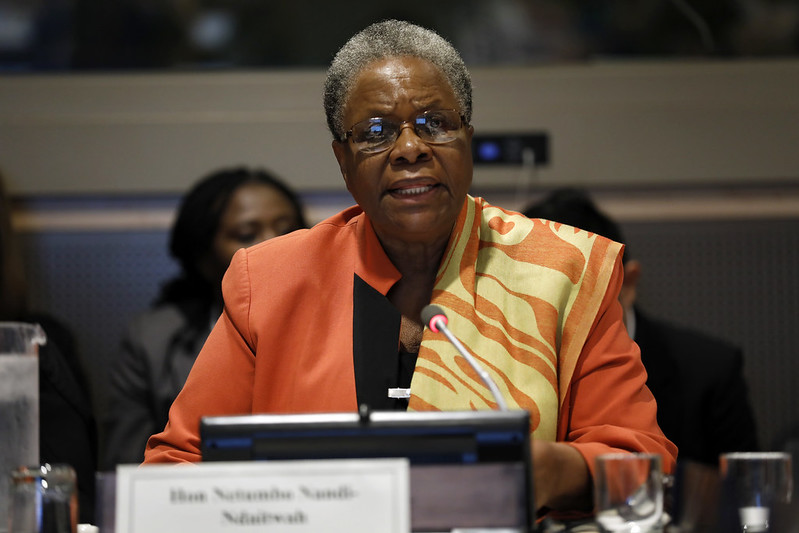
Netumbo Nandi-Ndaitwah

At the time of Netumbo Nandi-Ndaitwah’s birth in 1952, Namibia was known as South West Africa and was under South African occupation. According to the BBC, during her teenage years, she joined Swapo, a group resisting South Africa’s white-minority rule. While in high school, a crackdown on Swapo activities led to her arrest and prosecution. Following her release, Nandi-Ndaitwah decided to leave South West Africa and joined other Swapo activists in exile. She continued her activism in Zambia and Tanzania before moving to the United Kingdom (U.K.) to study International Relations. After Namibia gained independence in 1988, Nandi-Ndaitwah returned home and joined the then-Swapo-led government. Throughout her political career in Namibian politics, she has been a figurehead for women’s rights in Namibia.

A Vision for Reducing Inequality

Through her efforts, the Combating of Domestic Violence Act passed the National Assembly in 2002. She has steadily advanced in Namibia’s male-dominated political arena and, in February 2024, became the country’s vice president. By December 2024, Nandi-Ndaitwah made history as Namibia’s first female president, securing more than 57% of the vote. Although she has yet to outline specific plans, the president-elect has promised significant change, stating, “We must have radical shifts in addressing the plight of our people.” In her victory speech, according to Reuters, she highlighted the need for a more equitable distribution of wealth and land reforms to address disparities between Namibia’s social groups.

Looking Forward

Nandi-Ndaitwah’s election as Namibia’s first female president marks a historic milestone for Namibian politics and its marginalized communities. Her leadership represents a long-awaited opportunity to tackle systemic poverty and inequality that have persisted since the era of white-minority rule.

As she prepares to take office, expectations are high for land reforms, equitable wealth distribution and improved access to education and health services. Her decades-long advocacy for women and vulnerable populations provides hope for actionable change.

While Nandi-Ndaitwah’s election is cause for celebration, her success will ultimately be measured by her ability to transform promises into policies that address Namibia’s deepest inequalities and ensure that underrepresented groups have the opportunity to thrive.

– William Pickering

William is based in Nottingham, UK and focuses on Good News and Technology for The Borgen Project.

Photo: Flickr

December 20, 2024
https://borgenproject.org/wp-content/uploads/borgen-project-logo.svg 0 0 Precious Sheidu https://borgenproject.org/wp-content/uploads/borgen-project-logo.svg Precious Sheidu2024-12-20 01:30:502024-12-19 02:10:35Namibian Politics: First Female President Tackles Inequality
Development, Global Poverty, Government

Rwanda Leverages Technology to Become Africa’s Innovation Hub

Africa's Innovation HubRwanda, a landlocked nation in East Africa, is making significant progress toward becoming Africa’s innovation hub. Once defined by the devastation of the 1994 genocide, the country has undergone a remarkable transformation. Indeed, Rwanda has emerged as one of the continent’s most forward-thinking nations. With a clear vision to drive economic growth, the government has partnered with various stakeholders to foster technological advancement, particularly in the fintech sector. By positioning technology and innovation as cornerstones of its development strategy, Rwanda continues to solidify its reputation as a leader in Africa’s digital transformation.

Kigali Innovation City: A Catalyst for Growth

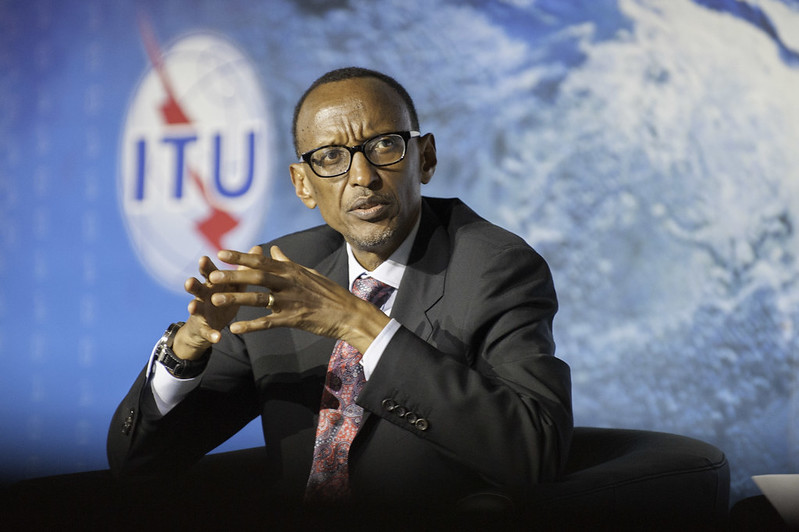
Kigali Innovation City lies at the center of Rwanda’s digital transformation. The city serves as a flagship project under the Smart Rwanda Master Plan. It drives the nation’s efforts to position itself as Africa’s hub for innovation. The City integrates university campuses, research and development facilities and business hotels to accelerate the digital transformation to stimulate regional economic growth. President Paul Kagame’s administration has led advancements in ICT infrastructure, laying the groundwork for Rwanda’s digital revolution.

Startups like Zipline and SafeMotos have become key players in Rwanda’s growing tech hub, revolutionizing health care and transportation. SafeMotos, a ride-hailing platform, provides safe and reliable motorcycle taxi services in Kigali. The startup is improving road safety and transportation efficiency while offering affordable mobility solutions to underserved communities. Zipline, a drone technology company, delivers life-saving blood and medical supplies to remote areas, addressing health care gaps worsened by poverty. These innovations highlight the role of technology in solving societal challenges and improving living standards, revealing Rwanda’s success in becoming a hub for innovation in Africa.

Technology’s Role in Poverty Reduction

The rapid growth of Rwanda’s ICT sector has had profound impacts on poverty alleviation, with tangible benefits across multiple areas: 

  • Job Creation. The ICT sector is a significant employer, directly providing thousands of jobs. As of 2020, the sector contributed 3% to Rwanda’s GDP, a figure projected to triple within the next decade. ICT developments have helped to increase productivity in agriculture through the use of mobile phones and drones. These advancements have reduced post-harvest losses and improved crop yields. The changes have increased farmers’ incomes and contributed to national GDP growth, directly addressing rural poverty where it is most acute.
  • Health Care Access. Zipline, a part of Rwanda’s technological transformation, has expanded health care access to essential health care in underserved regions by delivering medical supplies to remote areas of the country. By improving health care outcomes, these innovations reduce the economic burden of disease.
  • Export Diversification. The ICT sector is now Rwanda’s second-largest export contributor, accounting for 17% of total exports. This diversification reduces the country’s reliance on primary commodities such as coffee and tea. Additionally, diversification strengthens Rwanda’s economic stability, creating a more resilient environment for poverty reduction. The revenue generated by ICT exports fuels critical investments in infrastructure like that of the Kigali project, perpetuating a positive multiplier effect. 

A Model for Africa and Beyond

Rwanda’s transformation demonstrates how technology and strategic planning can potentially drive sustainable development and economic resilience. Indeed, by investing in innovation and digital infrastructure, the country has created solutions to address health care gaps, improve transportation and diversify its economy. This success positions Rwanda as a model for other nations seeking to reduce poverty and stimulate growth through technology. Furthermore, its journey highlights the potential for strategic leadership and innovation to create lasting progress across Africa and beyond.

– Edzhe Miteva

Edzhe is based in London, UK and focuses on Global Health and Politics for The Borgen Project.

Photo: Flickr

December 16, 2024
https://borgenproject.org/wp-content/uploads/borgen-project-logo.svg 0 0 Precious Sheidu https://borgenproject.org/wp-content/uploads/borgen-project-logo.svg Precious Sheidu2024-12-16 07:30:442024-12-16 09:44:20Rwanda Leverages Technology to Become Africa’s Innovation Hub
Food Insecurity, Global Poverty, Government

Global Alliance Against Hunger and Poverty

Global Alliance Against Hunger and PovertyIn 2023, about 750 million people faced hunger globally and emergency levels of food insecurity reached a five-year high due to climate change, conflict and economic pressures. In 2024, the United Kingdom (U.K.) joined Brazil’s Global Alliance Against Hunger and Poverty, announcing new investments in global food security.

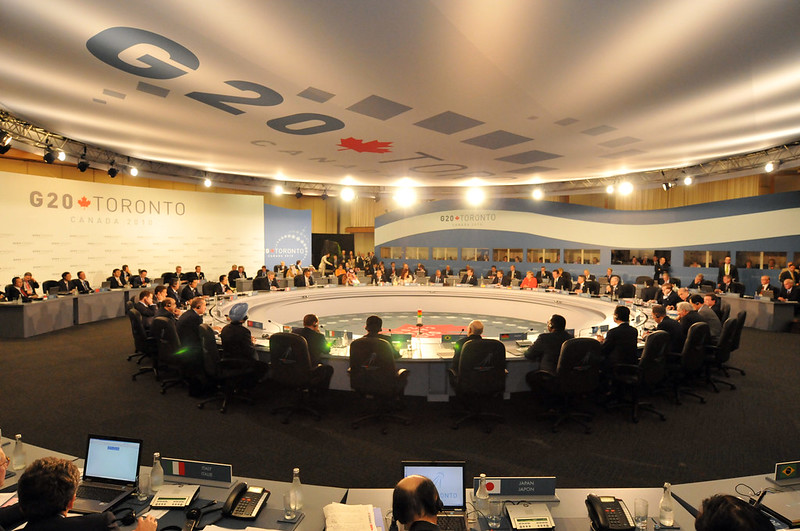
At the annual G20 Leaders’ Summit in Rio de Janeiro in November 2024, representatives from 19 countries gathered to address global challenges. While the summit originally focused on macroeconomic issues affecting their respective nations, its agenda has expanded to include sustainable development, health, trade, climate change and anti-corruption efforts.

Key Goals and Objectives of the Alliance

Brazil’s G20 presidency proposed the Global Alliance Against Hunger and Poverty, with its finalization and launch following the 2024 summit. The Alliance’s founding documents acknowledge previous efforts to address hunger and poverty but emphasize the multidimensional impact poverty has on children and adults, creating a cycle that requires effective intervention, with a focus on country-level policy action and knowledge sharing.

The Alliance identifies eradicating all forms of poverty as “the greatest global challenge” and reminds governments that social protection is a universal right and a key component of the Sustainable Development Goals (SDGs).

Its primary goals include increasing funding for household and government initiatives, raising awareness of poverty’s effects and solutions and integrating sustainable agricultural development into the fight against hunger and poverty. The push for countries to address these ongoing issues stems from slowing progress toward the 2030 targets.

The Alliance projects that 622 million people will still live in extreme poverty by 2030—nearly double the targeted number. To tackle this, it plans to match countries’ needs with donors and technical support, helping fund and implement solutions to hunger and poverty.

The UK’s role in the Alliance

The 2024 G20 Summit marked Prime Minister Keir Starmer’s first appearance, where he expressed admiration for Brazil, stating, “Your culture and your commitment to working people, more than just their right to be free from exploitation, but their right to be lifted, to enjoy greater opportunities and to enjoy life.” Aligning with the Alliance’s goals, the U.K. joined as a founding member and now serves on its Board of Champions to fight hunger and poverty.

The U.K. has announced a £70 million support package to tackle food insecurity and climate challenges. This includes up to £50 million for the new Resilience and Adaptation Fund, which will help food-insecure countries like Bangladesh, Ethiopia and Chad develop sustainable agriculture to strengthen food resources amid changing or extreme weather. An additional £25.5 million will support Commercial Agriculture for Smallholders and Agribusinesses, focusing on protecting rural communities and agriculture-dependent populations from the effects of climate change.

At the summit, Prime Minister Keir Starmer emphasized the U.K.’s commitment to “delivering practical support for communities to keep food on the table.” Indeed, these funds align with that promise as the U.K. and the Alliance advance proposals and projects to reduce global hunger and poverty.

Looking Ahead

The Global Alliance Against Hunger and Poverty seeks to drive meaningful progress in eradicating food insecurity and extreme poverty worldwide. Furthermore, by uniting nations, mobilizing funding and prioritizing sustainable agricultural solutions, the Alliance aims to support communities most affected by economic and climate pressures. With renewed commitments and collaborative efforts, the initiative offers a path toward building resilience and improving livelihoods for millions globally.

– Caitlin Mulholland

Caitlin is based in Lymington, UK and focuses on Good News for The Borgen Project.

Photo: Flickr

December 9, 2024
https://borgenproject.org/wp-content/uploads/borgen-project-logo.svg 0 0 Precious Sheidu https://borgenproject.org/wp-content/uploads/borgen-project-logo.svg Precious Sheidu2024-12-09 07:30:062024-12-09 01:43:42Global Alliance Against Hunger and Poverty
Aid, Global Poverty, Government

Humanitarian Visit to North Korea Signals Hope for Future Aid

Humanitarian Visit to North Korea Signals Hope for Future Aid From July 13 to 16, 2024, Qu Dongyu, the Director-General of the United Nations Food and Agriculture Organization (UNFAO) visited North Korea. This marked the first confirmed humanitarian visit by a U.N. official to North Korea since 2021, signaling a significant development in the international effort to resume humanitarian assistance to the country’s most vulnerable populations.

As a result of North Korea’s rigid border policies during the COVID-19 pandemic, there was a mass exodus of aid workers from the country in 2020. By spring 2021, the last remaining humanitarian officials had left, as North Korean authorities refused almost all attempts by aid organizations to reenter. This occurred despite the pandemic’s disproportionate impact on food and health security among the most impoverished populations. The government’s stringent measures included strict border closures, increased surveillance and severe restrictions on freedom of movement and access to information.

Break in Isolation Amid Heightened Repression

Qu Dongyu’s visit is significant not only because of its timing but also due to its potential implications for reactivating humanitarian efforts. The FAO described the trip as a “milestone” demonstrating mutual trust and respect, opening new avenues for engagement to tackle food security and nutrition challenges post-pandemic. During his visit, Qu met with North Korean officials and toured key agricultural sites, including the Kangdong Greenhouse Complex and the Kangdong Central Institute for Vegetables.

He commended the “great achievements made by [the] DPRK people in agriculture development, food security and the Pyongyang city” under Kim Jong Un’s leadership. However, independent experts remain cautious. The FAO’s Global Information and Early Warning System reported that “the food security situation is expected to remain fragile amid persistent weak economic growth.”

Expert Opinions and Skepticism

Analysts have expressed skepticism about the improvements in North Korea’s food security. A former CIA analyst, William Brown, suggested that Qu’s flattering remarks might be a strategic move to maintain access to North Korea. “So many people in North Korea are going hungry even as we speak,” Brown said. Bradley Babson, a former World Bank adviser, interpreted the excessive compliments as a means to “reestablish a relationship,” emphasizing that the FAO’s return would be beneficial. The government’s reluctance to accept international assistance has been a longstanding issue. In 2021, North Korea rejected several offers to provide millions of doses of COVID-19 vaccines, including offers from COVAX, South Korea and Russia. The health care system, already fragile due to underfunding and lack of resources, has deteriorated further, with access to medicines and medical supplies severely limited.

Humanitarian Impact of the Pandemic

The pandemic has worsened North Korea’s chronic food insecurity. The U.N. reports that since 2017, more than 10 million people—more than 40% of the country’s official population of 25 million—face food insecurity. Reports have emerged of food shortages even among Pyongyang’s elite, with incidents of starvation across various regions. With minimal external aid, issues of widespread malnutrition and deteriorating children’s health persist. Humanitarian organizations such as UNICEF and the World Food Program (WFP) are prepared to resume operations but have been without access for nearly four years.

Regional Engagements and Geopolitical Dynamics

Qu’s visit to North Korea followed an official visit to Mongolia from July 10 to 12, 2024, where he discussed sustainable agrifood systems transformation. These regional engagements underscore the FAO’s commitment to supporting sustainable agriculture in developing countries. Analysts also note geopolitical undercurrents, such as China’s possible interest in counterbalancing Russia’s growing ties with North Korea. Qu, who is Chinese, met with Chinese Ambassador Wang Yajun in Pyongyang, highlighting China’s longstanding support for North Korea.

Moving Forward

The recent visit by the FAO Director-General to North Korea marks a crucial step in resuming humanitarian efforts after years of restricted access. While challenges remain, this engagement could lead to renewed cooperation on food security and agricultural development. Qu Dongyu, in particular, emphasized the importance of innovation, digitalization and green development in transforming the agricultural sector. He encouraged the North Korean government to explore new opportunities for collaboration and resource mobilization to support the most vulnerable populations. The outcome of these ongoing efforts potentially depends on sustained collaboration between North Korea and international organizations.

– Sophia Lee

Sophia is based in Media, PA, USA and focuses on Good News and Politics for The Borgen Project.

Photo: Flickr

November 4, 2024
https://borgenproject.org/wp-content/uploads/borgen-project-logo.svg 0 0 Precious Sheidu https://borgenproject.org/wp-content/uploads/borgen-project-logo.svg Precious Sheidu2024-11-04 01:30:132024-11-04 00:18:08Humanitarian Visit to North Korea Signals Hope for Future Aid
Page 5 of 25«‹34567›»

Get Smarter

  • Global Poverty 101
  • Global Poverty… The Good News
  • Global Poverty & U.S. Jobs
  • Global Poverty and National Security
  • Innovative Solutions to Poverty
  • Global Poverty & Aid FAQ’s
Search Search

Take Action

  • Call Congress
  • Email Congress
  • Donate
  • 30 Ways to Help
  • Volunteer Ops
  • Internships
  • Courses & Certificates
  • The Podcast
Borgen Project

“The Borgen Project is an incredible nonprofit organization that is addressing poverty and hunger and working towards ending them.”

-The Huffington Post

Inside The Borgen Project

  • Contact
  • About
  • Financials
  • President
  • Board of Directors
  • Board of Advisors

International Links

  • UK Email Parliament
  • UK Donate
  • Canada Email Parliament

Get Smarter

  • Global Poverty 101
  • Global Poverty… The Good News
  • Global Poverty & U.S. Jobs
  • Global Poverty and National Security
  • Innovative Solutions to Poverty
  • Global Poverty & Aid FAQ’s

Ways to Help

  • Call Congress
  • Email Congress
  • Donate
  • 30 Ways to Help
  • Volunteer Ops
  • Internships
  • Courses & Certificates
  • The Podcast
Scroll to top Scroll to top Scroll to top