• Link to X
  • Link to Facebook
  • Link to Instagram
  • Link to TikTok
  • Link to Youtube
  • About
    • About Us
      • President
      • Board of Directors
      • Board of Advisors
      • Financials
      • Our Methodology
      • Success Tracker
      • Contact
  • Act Now
    • 30 Ways to Help
      • Email Congress
      • Call Congress
      • Volunteer
      • Courses & Certificates
      • Be a Donor
    • Internships
      • In-Office Internships
      • Remote Internships
    • Legislation
      • Politics 101
  • The Blog
  • The Podcast
  • Magazine
  • Donate
  • Click to open the search input field Click to open the search input field Search
  • Menu Menu

Archive for category: Government

Aid, Global Poverty, Government

4 Estonian Organizations Making a Difference

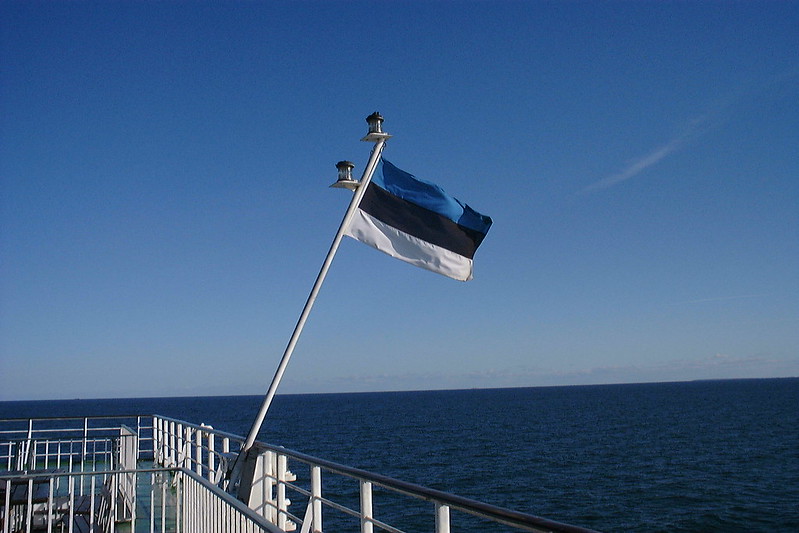
Estonian OrganizationsEstonia, a northeastern European country north of the three Baltic states, features about 1,500 islands and islets. Unlike many European countries, Estonia has the third-highest percentage of immigrants, predominantly from Russia. According to Eurostat, Estonia had 37 immigrants per resident in 2022. In 2022, during the full-scale invasion of Ukraine, Estonia responded by offering refugees temporary protection and access to employment and public services. In 2023, Estonia contributed approximately $109.3 million in Official Development Assistance (ODA), which the OECD iLibrary reports as a 52.4% decrease. However, Estonian organizations and officials have developed policies aimed at enhancing their support to other countries and providing humanitarian aid to eradicate poverty.

Estonian Refugee Council

The Estonian Refugee Council assists refugees globally by providing humanitarian aid, including food and security, support services, mental health services and community services. It also raises awareness about the challenges refugees face in their home countries. The council operates three main programmatic areas with several subprograms focused on education and awareness, entrepreneurship and multi-purpose cash assistance. These programs aim to enhance communal and mental well-being, financial stability and emergency security for refugees. The council has supported more than 293,000 Ukrainian refugees and recently initiated a campaign to aid those affected by the conflict in Lebanon.

Estonian American Fund

The Estonian American Fund or Eesti Ameerika Fond, supports educational, medical and scientific advancements in Estonia by providing equipment and supplies to institutions such as clinics and hospitals. The fund focuses on three core missions: health care, education, and institution building. In health care, the fund has enabled access to drugs and nursing supplies for 7,500 patients, with grants totaling about $18,817. In education, it has allocated $26,068 to train physicians abroad in their chosen specialties, covering education, travel, and living expenses. The institution-building project has received $14,400 to support the construction of hospitals and research centers, including the Estonian Women’s Studies and Research Centre.

UNHCR Estonia

Since Estonia is a member of the European Union (EU), which is one of the three major governmental partners of UNHCR, it hosts a branch of the organization. As part of the Nordic and Baltic regions, Estonia focuses its efforts with UNHCR on supporting governments in European and international legislation concerning asylum, international protection and statelessness. This commitment enables refugees to apply for asylum and gain access to countries in the Nordic and Baltic areas, including Estonia. Additionally, UNHCR in Estonia collaborates with the government, local authorities, NGOs and the media to safeguard refugee rights.

Estonian Foodbank

The Estonian Food Bank, a subsidiary of the German organization Riesenkampff Stiftung, was established in 2010 to combat poverty and food waste. It secures agreements with Estonian organizations, food producers, importers, supermarkets and the EU’s food aid program to supply food to the less fortunate. The food bank trains workers and volunteers to distribute food, organizes local food gatherings in its stores, runs charity campaigns and engages in numerous cooperative projects with other organizations within Riesenkampff Stiftung.

Looking Ahead

Estonia remains committed to supporting both local and international humanitarian efforts through a variety of initiatives. By providing aid to refugees, improving health care and education and addressing food insecurity, Estonia plays an active role in alleviating global challenges. Despite facing financial constraints, Estonian organizations continue to focus on enhancing the well-being of vulnerable populations. These ongoing actions reflect Estonia’s dedication to making a positive difference in global humanitarian work, ensuring assistance reaches those most in need.

– Ashley Diaz

Ashley is based in Homestead, FL, USA and focuses on Business and New Markets for The Borgen Project.

Photo: Flickr
October 25, 2024
https://borgenproject.org/wp-content/uploads/borgen-project-logo.svg 0 0 Precious Sheidu https://borgenproject.org/wp-content/uploads/borgen-project-logo.svg Precious Sheidu2024-10-25 01:30:152024-10-24 11:49:554 Estonian Organizations Making a Difference
Global Poverty, Government, Poverty Reduction

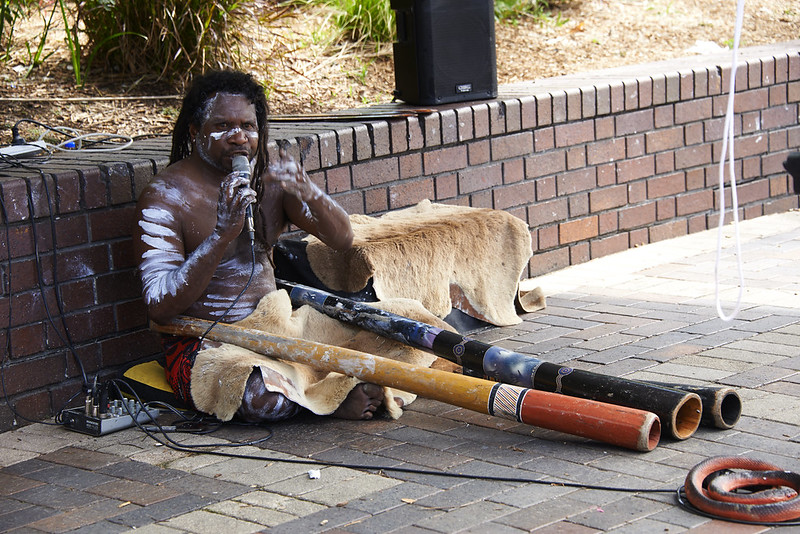
Aboriginal Poverty in Australia

Aboriginal Poverty in AustraliaAccording to the Parliament of Australia, about 30% of Aboriginal households currently live in income poverty. Programs such as the Community Development Employment Projects, Community Housing and Infrastructure Program and the Ministerial Council on Education, Employment, Training and Youth Affairs are working to change that.
A Background in Aboriginal Colonization

On Jan. 26, 1788, British colonizers established the first colony in Australia, naming it New South Wales and comprising convicts and leaders from the Royal British Navy. They declared the land property of Great Britain’s King George III. This event marked the beginning of suffering for Aboriginal peoples, as diseases such as syphilis, smallpox and the flu spread rapidly. At the time of the colony’s establishment, an estimated 750,000 Aboriginal people inhabited the island. By 1789, nearly half of the Aboriginal population in the Sydney Basin had succumbed to smallpox.

Aboriginal Poverty and Employment Disparities

Poverty among Aboriginal people is especially severe in remote areas of Australia. The Aboriginal and Torres Strait Islander Health Performance Framework reports a significant disparity in employment rates between Aboriginal and non-Indigenous populations. For Aboriginal individuals, the employment rate is 32%, compared to 58% for non-Indigenous people. In 2021, this gap was pronounced among those aged 15 to 24, with Aboriginal employment at 52% and non-Indigenous at 75%. The disparity widens among those aged 25 to 44, where Aboriginal employment increased from 51% in 2016 to 56% in 2021.

Aboriginal poverty rates continue to be alarmingly high, with welfare dependency prevalent in these communities. Nearly half of the adult Aboriginal population receives some form of welfare aid, as reported by the Australian Parliament. Furthermore, the Australian Institute of Health and Welfare indicates that 43% of Indigenous adults earn a gross weekly income of just under $500. While there has been some progress in narrowing the income disparity, significant gaps remain. In 2011, the gross weekly household income difference between Aboriginal and non-Aboriginal Australians was $379. By 2016, this gap had decreased to $332 and by 2021, it further reduced to $316, showing a gradual but steady decrease in income inequality.

Educational Disparities

In 2001, national benchmark tests revealed a nearly 20% difference in the literacy levels of Aboriginal and non-Indigenous students. According to the Australian Parliament, in year three, 72% of Aboriginal students achieved minimum reading standards, whereas the number for the entirety of year three students was 90.3%. The Australian Council for Education Research stated, “Without success in literacy and numeracy, young Indigenous Australians will continue to face difficulty in remaining at school to complete year 12, entering university and other post-school education training.” Lacking the proper education makes employment difficult, so the Ministerial Council on Education, Employment, Training and Youth Affairs created the National Indigenous English Literacy and Numeracy Strategy in 2000.

Initiatives in Indigenous Communities

Between 2016 and 2021, the median weekly household income for Aboriginals increased by 18%, compared to an 11% increase in other households, as reported by the Australian Institute of Health and Welfare. The strategy for improving Indigenous communities’ education and health focuses on six key areas: enhancing school attendance, addressing hearing issues, resolving health problems, correcting nutritional deficiencies and enriching preschool experiences. These ongoing efforts are part of the National Indigenous Education and Lifestyle Strategy (NIELNS), which aims to tackle the underlying causes of Aboriginal poverty by enhancing education and health outcomes.

The Community Housing and Infrastructure Program (CHIP) allocates funds for community and public housing for Aboriginal people in Australia and it also provides municipal services. Additionally, the National Aboriginal Health Strategy directs funding toward housing, specifically targeting more rural and remote Aboriginal communities.

Looking Forward

While programs addressing Aboriginal poverty have seen gradual success, ongoing efforts remain essential for creating meaningful, long-term improvements. The disparities in income, education and employment between Indigenous and non-Indigenous Australians continue to pose significant challenges. With targeted initiatives focused on education, housing and infrastructure, there is hope for sustained progress. Overcoming these deeply rooted inequalities potentially requires continued dedication and comprehensive support across all levels of society.

– Maya Renfro

Maya is based in Chicago, IL, USA and focuses on Good News for The Borgen Project.

Photo: Flickr

October 12, 2024
https://borgenproject.org/wp-content/uploads/borgen-project-logo.svg 0 0 Precious Sheidu https://borgenproject.org/wp-content/uploads/borgen-project-logo.svg Precious Sheidu2024-10-12 01:30:572024-10-12 00:13:30Aboriginal Poverty in Australia
Global Poverty, Government

Poverty Alleviation in Hong Kong

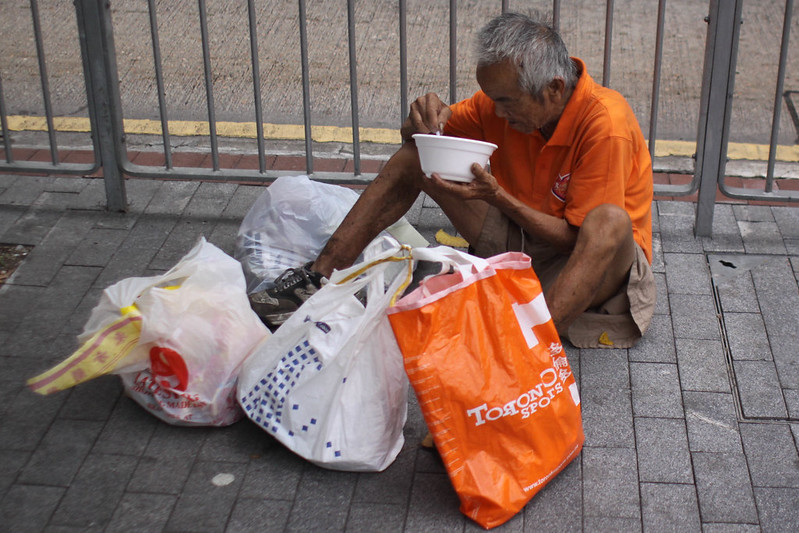
Poverty Alleviation in Hong Kong Despite its reputation for wealth and a dynamic economy, Hong Kong faces serious challenges with poverty, marked by stark income inequality and high living costs. More than 20% of its population lives in poverty, showcasing one of the largest wealth gaps in the world—Hong Kong’s poorest earn nearly 60 times less than its wealthiest residents. Many struggle to meet basic needs, evidenced by a 3.1% unemployment rate in 2023, affecting about 114,800 people and ongoing issues with affordable housing. These significant disparities have heightened social tensions and underscore the critical need for effective poverty alleviation strategies in Hong Kong, particularly in light of the economic downturn caused by the COVID-19 pandemic and the implications of the recently enacted Safeguarding National Security Ordinance.

Government Financial Aid

In response to reduced economic development, the Hong Kong government has launched several strategies to address local poverty. This year, it increased various social welfare subsidies by 3.3%, including the Comprehensive Social Security Assistance (CSSA), Disability Allowance and Old Age Living Allowance (OALA), benefiting more than 1.5 million citizens. Social welfare spending, now totaling HKD$127.4 billion, represents more than 20% of the government’s overall recurrent expenditure. This marks a 56.2% increase over five years, compared to HKD$81.5 billion in 2019. While financial aid plays a critical role, it may not be a long-term solution. Consequently, the government is also focusing on additional strategies to educate and assist able-bodied citizens in avoiding a return to poverty.

Government Programmes

Hong Kong has launched several government schemes to foster self-reliance among residents, particularly those in single-parent households facing poverty. A key initiative is the School-based After School Care Service scheme, which allows elementary students to stay at school for care and educational support after hours. This arrangement helps parents continue working without the burden of additional childcare costs, alleviating financial strain on single-income families.

Another significant effort is the Strive and Rise Program, a collaborative project involving the government, local businesses and the community. This initiative provides year-long mentorships to secondary students from economically disadvantaged backgrounds. Renewed for a second year, the program enhances students’ career prospects by offering mentorship and financial support to help them achieve personal development goals. Each participant receives HKD$ 10,000, with half paid at enrollment and the remainder upon program completion. These mentorships not only offer valuable work experience but also include lessons in financial planning, aiming to guide students toward economic independence.

Looking Ahead

Despite being relatively new, the Hong Kong government regularly evaluates the effectiveness of its programs aimed at poverty alleviation. As one of the world’s wealthiest regions, these local government initiatives underscore a strong commitment to narrowing the wealth gap in Hong Kong. By continuously refining and expanding these ongoing efforts, Hong Kong aims to foster a more equitable society where every individual has the opportunity for self-reliance and enhanced quality of life.

– Viola Cuthbertson

Viola is based in London, UK and focuses on Good News for The Borgen Project.

Photo: Flickr

September 12, 2024
https://borgenproject.org/wp-content/uploads/borgen-project-logo.svg 0 0 Precious Sheidu https://borgenproject.org/wp-content/uploads/borgen-project-logo.svg Precious Sheidu2024-09-12 01:30:242024-09-10 23:06:04Poverty Alleviation in Hong Kong
Global Poverty, Government, War and Violence

Peace as Precursor to Eradicating Poverty in Colombia

Peace as Precursor to Eradicating Poverty in ColombiaAfter Colombian voters rejected the Peace Agreement Referendum in 2016, billed as the final effort to establish lasting peace between the government and extremist gangs and guerrilla movements, several groups declared conditional ceasefires. These ceasefires have partially alleviated violence against civilian populations. Poverty in Colombia remains a pressing issue amid these challenges.

Impact of Conflict on Poverty and Infrastructure

By 2030, more than 60% of individuals experiencing extreme poverty will reside in fragile conflict zones. In these areas, violent conflicts harm people and destroy essential infrastructure, housing and food systems, potentially leading to severe human disasters. Such events consistently trigger significant regional economic disruptions that can lead to widespread unemployment and food crises. The United Nations (U.N.) emphasizes that peace is not merely a goal but a necessary precursor to development. Several relief organizations are actively responding to disasters stemming directly from conflicts, which underscores the vital role of peace in development.

Challenges in Peace Implementation

Peace development in areas lacking legitimate treaties to cease violence often remains under the control of local militia and military leaders. Colombia is actively implementing the initially failed treaty and, as of 2021, had completed 23% of the implementation process. Despite this, significant progress remains elusive; the budget proposed nearly 15 years ago is now considered insufficient, and efforts to advance rural land development have stalled.

Environmental and Agricultural Challenges

Colombia is facing a significant increase in desertification, a situation worsened by the country’s long-standing political violence. This has led to a considerable loss of essential forest land and has left rural farmland riddled with environmental and human hazards. A specific man-made danger involves the undocumented landmines scattered across the Colombian countryside. Research indicates that peace in Colombia has shielded rural civilians from becoming collateral victims of environmental warfare.

Beyond the impact of anonymous landmine placements and targeted violence by local militia groups against rural farmers, Colombian farmers have become significantly less productive. This decrease in productivity has led to rising food prices, further poverty in Colombia and increased urban contention. The situation has worsened as large numbers of rural Colombians have started migrating to cities and urban centers, seeking to escape the violence that pervades the countryside.

The Road to Peaceful Development

As peace has gradually taken hold, most plans for rural areas focus on repopulating the countryside and boosting agricultural production. The International Center for Tropical Agriculture has developed a policy to establish sustainable land use systems in rural Colombia, aiming to build a more sustainable agricultural sector. However, despite the implementation of several policies and programs to redevelop the land, violence against environmental activists increased between 2010 and 2019. This violence has disrupted environmental program implementation and indicated that unofficial violence in these areas persists.

Among the initiatives from the original 2016 agreements, implementing programs to rebuild the fragmented landscape of the Colombian countryside has proved challenging due to ongoing violence against activists from local factions. Colombia exemplifies why peace is essential for sustainable development; merely stopping violence is insufficient. Although the 2016 agreements mark a significant step forward, the implementation process—intended to rebuild in the wake of peace—is being obstructed by violence and targeted attacks on both civilians and activists.

Looking Ahead

Efforts to rebuild Colombia’s rural areas face significant challenges due to ongoing violence and threats against environmental activists. Despite the 2016 peace agreements, progress has been slow, with only 23% of the implementation process completed by 2021. Poverty in Colombia remains a pressing issue, exacerbated by the continued violence that hinders sustainable development, particularly in agriculture. This situation underscores the critical need for effective peacebuilding to achieve long-term stability and economic growth in the country.

– Jamie Sackett

Jamie is based in Hutto, TX, USA and focuses on Global Health and Politics for The Borgen Project.

Photo: Flickr

August 29, 2024
https://borgenproject.org/wp-content/uploads/borgen-project-logo.svg 0 0 Precious Sheidu https://borgenproject.org/wp-content/uploads/borgen-project-logo.svg Precious Sheidu2024-08-29 07:30:342024-08-29 23:50:47Peace as Precursor to Eradicating Poverty in Colombia
Aid, COVID-19, Global Health, Global Poverty, Government, WHO

Foreign Aid Fueled Zambia’s COVID-19 Vaccination Success

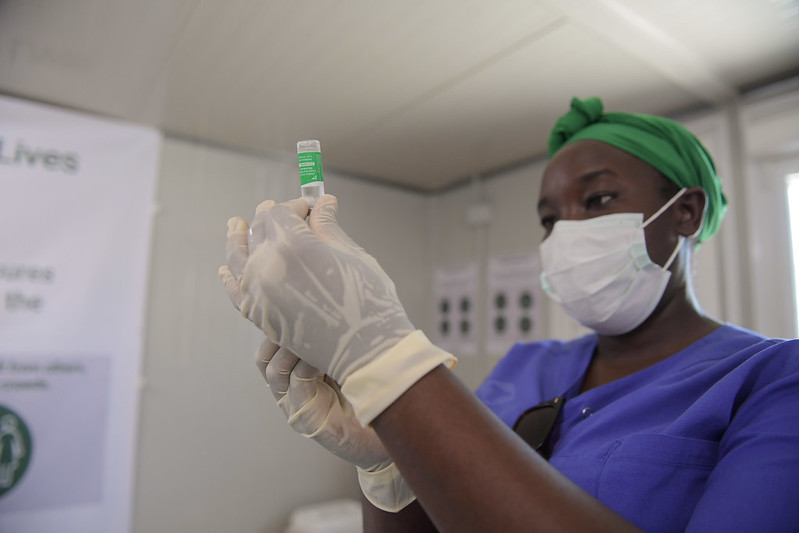
Zambia's COVID-19 VaccinationZambia is a landlocked country in South-Central Africa. The nation has a reputation for political stability, avoiding the war and disruption that has dominated much of Africa’s post-colonial history. Despite economic growth, the daily lives of most Zambians have not improved in the last decade, with two-thirds of the population still living in poverty. Like every country across the globe, Zambia faced instability in the face of the COVID-19 pandemic. However, the country’s vaccination program exhibits the effectiveness and importance of international cooperation and donations when it comes to prioritizing global health.

Launch of Zambia’s COVID-19 Vaccination Program

In April 2021, Dr. Jonas Chanda, the Honourable Minister of Health for Zambia, launched the COVID-19 vaccination rollout. The United States Charge d’Affaires, at the United States (U.S.) Embassy, David Young, stated that the U.S. provided $2 billion to the Vaccine Alliance to support the COVAX. The Swedish Ambassador Anna Maj Huktgård congratulated the Government of the Republic of Zambia for achieving an important milestone in the response against COVID-19. She also took this as an opportunity to announce that the Swedish government was allocating a total of $259 million to support the COVAX program. The World Health Organisation (WHO) and the United Nations International Children’s Emergency Fund (UNICEF) worked in collaboration with other partners to support Zambia’s government in implementing the COVID-19 vaccination program.

International Contributions to Zambia’s Vaccination Efforts

In August 2021, the United Kingdom (U.K.) also donated 119,000 vaccine doses to Zambia through COVAX which arrived in Lusaka, as reported by UNICEF and the U.K.’s Foreign, Commonwealth and Development Office. In March 2022, the government of Japan, under an emergency partnership with UNICEF, officially handed over equipment aimed to strengthen the long-term capacity of the health system in Zambia, including the delivery of life-saving vaccines for COVID-19. This support included 82 solar-powered fridge freezers, 25 ‘on grid’ combo vaccine freezers, 120 large vaccine cold boxes and 200 vaccine carriers. This initiative was made possible through the COVAX facility, an international mechanism led by GAVI, CEPI, the World Health Organization and UNICEF to ensure equitable access to vaccines across the developing world. 

National Vaccination Campaign and Foreign Aid

Later that year, in October, the Government of the Republic of Zambia and partners, including the Centre for Disease Control (CDC), WHO and UNICEF, launched a 10-day national COVID-19 vaccination campaign targeting children aged 12 to 17 and adults 18 and above across the country. The nation had had clear goals in its fight against COVID-19, which foreign aid undeniably made possible.

Achievements and Continued Support

In November 2022, the Zambian government celebrated the nation’s achievement of vaccinating 70% of the eligible Zambian population. The U.S. government, through the U.S. Agency for International Development, the Centers for Disease Control and Prevention, the President’s Emergency Plan for AIDS Relief (PEPFAR) and the U.S Department of Defense have since provided nearly 1.9 billion kwacha ($120 million) to respond, prevent the spread of and recover from the toll of COVID-19 in Zambia. The U.S. government also supported integrating COVID-19 vaccination into HIV treatment centers to protect those living with HIV against COVID-19. 

Looking Ahead

Zambia’s successful vaccination program is a testament to the power of global cooperation. The generous foreign aid donations strengthened international relations and a shared commitment to prioritizing global health, especially during the COVID-19 pandemic, reveals what can potentially be achieved when the world unites for a common cause.

– Nia Willis

Nia is based in Carmarthenshire, UK and focuses on Global Health for The Borgen Project.

Photo: Flickr

August 24, 2024
https://borgenproject.org/wp-content/uploads/borgen-project-logo.svg 0 0 Precious Sheidu https://borgenproject.org/wp-content/uploads/borgen-project-logo.svg Precious Sheidu2024-08-24 07:30:462024-08-22 14:38:22Foreign Aid Fueled Zambia’s COVID-19 Vaccination Success
Global Poverty, Government, Politics

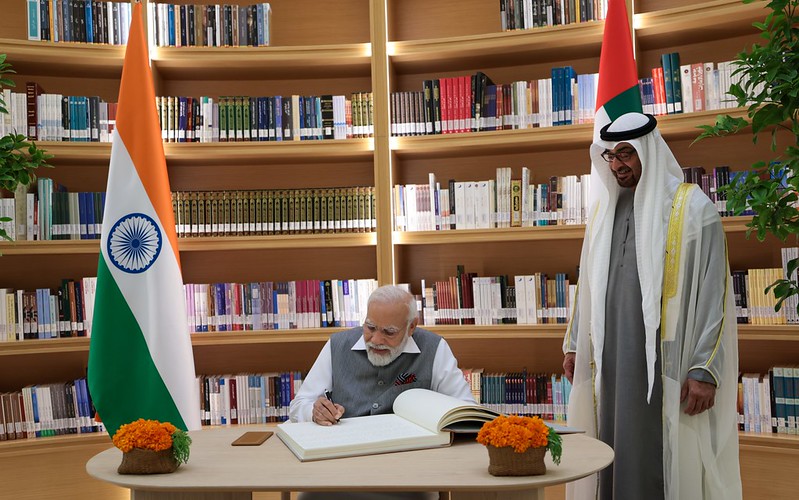
Modi’s New Welfarism Doctrine Is Combating Poverty in India

New WelfarismNarendra Modi, India’s Prime Minister, is often perceived in the Global North as a far-right populist who cares only about votes and identity politics. Counterintuitively, he has also established an impressive and expanding social welfare system. Under the doctrine of “New Welfarism,” the government of India has prioritized providing tangible goods and services (food, shelter, infrastructure, direct cash transfers and more) to vulnerable communities while deemphasizing the provision of intangibles such as education and healthcare.

Despite being controversial in development, New Welfarism has yielded impressive dividends for India’s needy and marginalized. Here are four of the doctrine’s most remarkable achievements.

Food Security in India

According to the World Food Programme (WFP), approximately 21% of India’s 1.4 billion inhabitants live on less than $1.90 daily. Meanwhile, the country is home to a whopping quarter of all undernourished people despite representing only 18% of the global population.

To mitigate this dire food insecurity, the Indian government provides more than half the population—821 million people—with 11-pound (5 kg) bags of free rice or wheat a month. This direct food aid almost quintupled in size during the COVID pandemic, becoming a literal lifeline for millions of Indians as the domestic economy reached a near standstill. 

Rural Roads in India

In his second term as Prime Minister (2019-2024), Modi launched a large program titled “PMGSY-III” to construct and upgrade rural roads. While behind schedule to be completed by its slated end date of March 2025, the program’s delays “are nowhere near as egregious as PMGSY-I,” per Newslaundry, an Indian news outlet, in their deep-dive.

Despite the delays, more than 766,000 kilometers of roadway have been completed under the scheme as of August 2024, as have more than 68,000 “upgradation works.” Improving rural infrastructure has been a goal of the Indian government for decades, which is sensible, given that 65% of India’s population lives in rural areas.

Domestic Infrastructure

The Modi government has invested considerable resources to construct homes, electrify rural regions and improve sanitation. One scheme (Pradhan Mantri Awas Yojana or “PMAY” for short) aims to build 20 million affordable homes, with more than 15 million completed. The homes include amenities such as a kitchen, toilet, water supply and electricity. Any Indian without a permanent dwelling is eligible for the program, with priority given to vulnerable and marginalized communities.

The budget for PMAY was increased by 66% in the fiscal year 2023-24 and was again expanded in the FY 2024-25 budget. Rural electrification has been another area of focus for the Modi regime: from 2014 to 2020, the percentage of rural villages with access to electricity increased from 88% to 99.6%.

Aadhar

Aadhar is a voluntary, government-sponsored digital ID that any Indian adult can enroll in. In a testament to the program’s efficacy, 99% of Indians have done so. Aadhar has proven to be a massive development success for India, as it helps the government know who needs support most desperately. Aadhar also enables the state to send direct cash transfers to beneficiaries when linked to a bank account, cutting down on administrative corruption opportunities.

Final Remarks

The Modi government has made praise-worthy progress in the fight against domestic poverty in areas as diverse as food security, rural infrastructure, affordable housing and capacity building. Sadly, this has come at the cost of a decrease in India’s education and health care budgets. 

– Kipling Newman

Kipling is based in Denver, CO, USA and focuses on Good News and Global Health for The Borgen Project.

Photo: Flickr

August 22, 2024
https://borgenproject.org/wp-content/uploads/borgen-project-logo.svg 0 0 Lynsey 2 https://borgenproject.org/wp-content/uploads/borgen-project-logo.svg Lynsey 22024-08-22 01:30:262024-08-23 08:30:34Modi’s New Welfarism Doctrine Is Combating Poverty in India
Global Poverty, Government, Inequality

Poverty in France’s Banlieues: Organizations Bridging the Divide

Poverty in France's Banlieues: Organizations Bridging the DivideThe word ‘banlieue’ is unique to French society in meaning. Stripped of culturally-formed connotations, it translates into ‘suburb’ in English. However, it has also come to refer to specific urban communities associated with pervasive poverty, soaring crime rates and smoldering social tensions. These neighborhoods lie on the fringes of large cities and, subject to extreme stigma, are peripheral in every way possible. 

An Issue Decades in the Making

A complex lattice of past events lies behind the present reality of France’s banlieues. In the 1950s, the French government funded the construction of Habitations à Loyer Modéré (HLM) or low-cost housing, on the outskirts of cities. These apartment complexes housed mostly working-class families and were considered a rung on the ladder to home ownership. Over the following decades, numerous waves of immigrants, primarily from ex-colonies like Algeria and Tunisia, settled on French shores. Discrimination forced many into ‘bidonvilles’ (meaning shantytowns). However, in the 1970s, the government took action to dissolve these informal settlements. By then, the initial occupants were moving out of HLM and it is there that many immigrants were re-housed. 

Over time, these neighborhoods ceased to be ports in the passage to progress and became vacuums for France’s most impoverished populations. The banlieues were born. 

A Social Chasm

Currently, poverty in France’s banlieues is rampant. These communities suffer from a significant lack of public investment and stark shortfalls in services, leading to unemployment rates three times higher than the national average. Furthermore, the intense stigma associated with living in a banlieue often hinders residents’ ability to participate in mainstream society, particularly in securing employment.

Banlieues also host a large minority and immigrant population (their inhabitants are twice more likely to be immigrants than the average) and have become incredibly politicized, situated at the focal point of French political discourses surrounding immigration and integration.

Over the years, feelings of state neglect and discrimination amongst the banlieues’ youth have repeatedly exploded into riots, catalyzed by police violence. In 2005, when riots raged across the country for several weeks, France declared a state of emergency. More recently, in 2023, the deadly shooting of 17-year-old Nahal M. by a police officer in Nanterre sparked renewed unrest and led the United Nations Human Rights Office to urge that France “seriously address the deep issues of racism and discrimination in law enforcement.”

Espérance Banlieues: Looking to the Future

Espérance Banlieues is a nongovernmental organization (NGO) addressing the inequalities in France’s education system that mark the beginning of long-term social tensions and lead to high rates of unemployment among underprivileged young people. Since 2012, the charity has opened 17 schools delivering high-quality teaching to children from underserved neighborhoods across France.

The organization views school as a place where children develop their first societal ties and treats education as a way of easing the crisis in the banlieues. It fosters integration by entrusting students with responsibilities in the school’s daily running, building within every child a sense of being a valuable part of their community’s fabric. It also strives to ensure no sense of exclusion from the French identity by providing access to cultural experiences that build the student’s relationship with the country’s culture and reinforce their status as its inheritors. Recent activities include a music discovery event at the Hôtel des Invalides museum in Paris and participation in a rugby tournament at the renowned Stade Français club. 

With the guiding conviction that “chaque enfant est une promesse” (“every child is a promise”), Espérance Banlieues employs an approach that prizes individuality and autonomy, which has led to impressive results. In 2020, 94% of students finishing the first grade demonstrated a satisfactory reading level, compared to a 66.7% average for schools in the Réseau d’Education Prioritaire, which the government considers to serve an underprivileged student body.

Banlieues Santé: Healing a Wounded Society

Banlieues Santé is an NGO increasing access to health care and improving living conditions in the most underserved neighborhoods of Paris and Marseille. Since its inauguration in 2018, it has gathered 1,200 volunteers and serves 60,000 people annually. It partners with both on-the-ground organizations and large private corporations to operate its programs.

Through its ‘Bien-Aînés’ program, elderly residents can access support in navigating medical services and become more proactive and informed regarding their health. The program also involves events designed to engage elderly people and focuses especially on retired immigrant workers. Furthermore, the organization distributes hygiene kits throughout impoverished communities. In 2022, an incredible 80,000 people benefited from the initiative, and 1,500 volunteers and 185 organizations were mobilized. 

The empowerment of women from these communities is another of Banlieues Santé’s major focuses. The ‘Papillon’ program develops women’s soft skills and coaches them throughout the professional insertion process. Participants can also access training in specific sectors through the organization’s partner companies. Additionally, Banlieues Santé invests in women as agents of development by training them as ‘health ambassadors’. The participants work toward becoming community educators, learning about various contributors to health. In 2022, 26 women graduated from the program.

Closing the Gap

In nurturing its students’ self-confidence and sense of identity, Espérance Banlieues aims to promote a spirit of inclusion. Banlieues Santé’s commitment to the dignity of those experiencing poverty in France’s banlieues and efforts to equalize opportunity demonstrate the same dedication to human potential. The present situation of poverty in France’s banlieues is the manifestation of a complex historical context. What is certain, however, is that there are people working determinedly to erode the cycle of poverty and violence that has long kept these neighborhoods stagnated and to usher in a more prosperous and peaceful future. 

– Leila Powles

Leila is based in Cheltenham, Gloucestershire, UK and focuses on Global Health for The Borgen Project.

Photo: Flickr

August 2, 2024
https://borgenproject.org/wp-content/uploads/borgen-project-logo.svg 0 0 Precious Sheidu https://borgenproject.org/wp-content/uploads/borgen-project-logo.svg Precious Sheidu2024-08-02 01:30:082024-08-07 12:54:19Poverty in France’s Banlieues: Organizations Bridging the Divide
Development, Global Poverty, Government

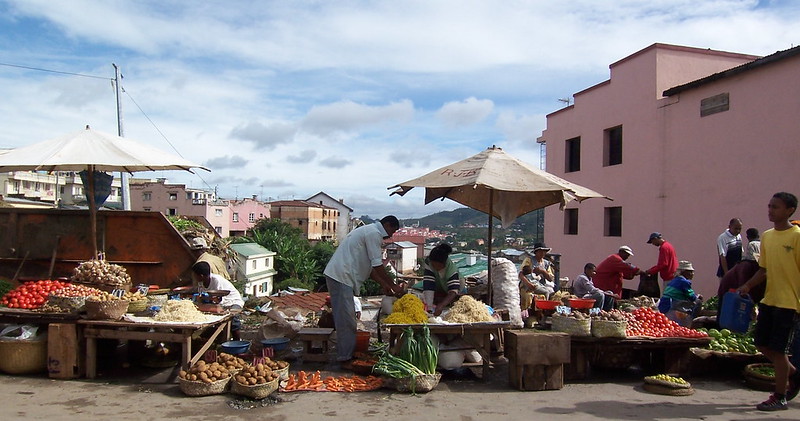
Madagascar’s Five-Year Plan

Madagascar Five-Year Plan Targets 3 Primary OutcomesMadagascar, the world’s fifth-largest island, faces significant challenges with an estimated 80% of its 30.3 million residents living in poverty as of 2023. While tourism supports some economic growth, substantial improvements are necessary for the citizens of Madagascar. The World Bank and Country Partnership Framework (CPF) have launched a five-year plan aimed at creating more jobs, enhancing the education sector and health systems and boosting Madagascar’s economy.

The Country Partnership Framework (CPF) for Madagascar targets three primary outcomes. First, it aims to enhance job opportunities to boost incomes. Second, the plan focuses on improving human capital outcomes by making education more accessible, protecting women’s rights and ensuring that hygiene and agricultural standards are met. The final goal is to bolster the overall economy by investing in the socio-economic well-being of the people and strengthening natural disaster preparedness, alongside improving the management of natural resources.

Providing Job Opportunities

Madagascar aims to enhance its economic value and lift more citizens above the poverty line by increasing job opportunities. This effort will focus on vital sectors needing investment, such as agriculture and on mobilizing foreign private investments. As the digital era progresses, strengthening the foundations of the digital economy will transform digital infrastructures and support stakeholders. The Country Partnership Framework (CPF) plans to implement spatial prioritization to gain a regional competitive advantage, stabilizing rural livelihoods and creating new opportunities for residents. By improving the fundamentals of agricultural land, the economy and job opportunities, the CPF commits to a long-term strategy to strengthen Madagascar’s future.

Improving Human Capital Outcomes

The World Bank is supporting the government in enhancing early childhood education. Strategies include improving teacher quality and adopting a broader digital approach to elevate educational standards. Additionally, the Country Partnership Framework (CPF) aims to bolster female empowerment and protection, enhancing support services and expanding opportunities for girls to continue their education and access contraception products. There is also a strong commitment to advancing agricultural practices and food security systems by ensuring clean sanitation and water. Further commitments include reducing disease transmission and promoting nutrition in schools.

Transforming the Natural Landscape

The final goal of the World Bank and Country Partnership Framework (CPF) five-year plan focuses on protecting Madagascar’s natural resources and leveraging local environmental assets to enhance community resilience against natural disasters. The plan includes expanding economic reserves as a precautionary measure and strengthening disaster preparedness programs. Additionally, it emphasizes enhancing societal support by promoting economic inclusion and sustainability.

Looking Ahead

Madagascar’s comprehensive five-year plan, spearheaded by the World Bank and Country Partnership Framework (CPF), targets significant improvements in job creation, education and health systems. By focusing on these key areas, the plan aims to lift more citizens out of poverty and stimulate economic growth. Strengthening agricultural practices, enhancing digital infrastructure and promoting environmental sustainability are integral to this strategy. Through these ongoing efforts, Madagascar seeks to create a more resilient and prosperous future for its people.

– Charlotte Johnston

Charlotte is based in London, UK and focuses on Good News for The Borgen Project.

Photo: Flickr

July 30, 2024
https://borgenproject.org/wp-content/uploads/borgen-project-logo.svg 0 0 Precious Sheidu https://borgenproject.org/wp-content/uploads/borgen-project-logo.svg Precious Sheidu2024-07-30 01:30:492024-07-29 05:49:05Madagascar’s Five-Year Plan
Global Poverty, Government, Health

Better Health and Nutrition for Women and Children in Cambodia

Better Health and Nutrition for Women and Children in CambodiaSince 2019, the Cambodian government, with support from international partners, has aimed to enhance local maternal and child health and nutrition services through the Cambodia Nutrition Project. This initiative, crucial for the nation’s future, benefits from a $62.5 million investment. The project receives co-financing from the Royal Government of Cambodia, the Australian government, the German KfW Development Bank, the Global Financing Facility and the International Development Association, part of the World Bank Group. This collaborative effort seeks to significantly boost health outcomes for women and children across Cambodia, tackling essential maternal and child health issues and fostering a foundation for a healthier future.

Project Implementation and Goals

Launched in 2019 and set to conclude in 2026, the Cambodia Nutrition Project aims to improve the utilization and quality of essential maternal and child health and nutrition services, focusing on mothers and children in the first 1,000 days of life. This initiative includes specific actions such as enhancing the variety of food groups for children up to 23 months old, ensuring vaccinations for newborns, providing basic health and nutrition services to children, training public health providers and conducting community outreach sessions. The project targets major causes of child and maternal mortality in Cambodia, such as inadequate and inaccessible health services, poor quality care, substandard hygiene practices and the shortage of skilled health staff. By tackling these ongoing issues, the Cambodia Nutrition Project strives to significantly enhance and save the lives of numerous infants and children across the nation.

Community Impact and Workforce Development

Since its launch, the Cambodia Nutrition Project has effectively enhanced access to quality health and nutrition services for mothers and their children in key areas, as evidenced by numerous testimonials from participating mothers. This project has enabled significant reforms in health and nutrition systems, empowering local authorities to manage and deliver services more effectively in their communities. It has financed the recruitment and training of 4,459 village health workers, including 3,255 women, to provide higher-quality services across nine provinces in the country.

Achievements and Overachievements

The project has exceeded several key performance targets set for 2026, demonstrating significant progress in public health metrics within target provinces. These achievements include an increase in the percentage of children aged 6 to 23 months receiving foods from four or more food groups and a higher rate of children under 12 months receiving the DPT-HepB-Hib 3 vaccination, which guards against multiple diseases including diphtheria, tetanus, whooping cough, hepatitis B and Haemophilus influenzae. Additionally, the project has successfully recruited a larger number of village health support groups than anticipated, which has enhanced community involvement and the implementation of nutrition and maternal health initiatives. The number of outreach sessions conducted has also surpassed initial expectations, effectively broadening community engagement ahead of the 2026 timeline.

Ongoing Efforts and Future Objectives

These accomplishments mark significant progress in supporting Cambodian parents, ensuring that their children begin life with the necessary nutrition and health care, which are vital for their survival and future well-being. While many targets have been successfully met, further efforts are needed to achieve all goals. Outstanding objectives include increasing the number of women and children older than 23 months receiving basic nutrition services nationwide and expanding the number of community health and nutrition events for women and children under 2 years old in targeted areas.

Looking Ahead

The Cambodia Nutrition Project has made substantial strides in improving maternal and child health since its inception. By surpassing several key performance targets ahead of schedule, the project demonstrates the effectiveness of international collaboration and local community involvement. Continued efforts could focus on expanding access to essential nutrition services and enhancing community health initiatives to ensure long-term health improvements for women and children across Cambodia.

– Mathieu Paré

Mathieu is based in Toronto, Canada and focuses on Good News and Global Health for The Borgen Project.

Photo: Flickr

July 29, 2024
https://borgenproject.org/wp-content/uploads/borgen-project-logo.svg 0 0 Precious Sheidu https://borgenproject.org/wp-content/uploads/borgen-project-logo.svg Precious Sheidu2024-07-29 07:30:162024-07-29 01:05:08Better Health and Nutrition for Women and Children in Cambodia
Global Poverty, Government, NGOs

Recent Poverty Reduction in Hawaii

Poverty Reduction in HawaiiRecent initiatives in Hawaii have improved poverty reduction through legislative measures and community-driven programs. These efforts are not only aimed at providing immediate relief but also focus on sustainable solutions to assist vulnerable populations across the state.

The Situation

According to the United States (U.S.) Census Bureau, 10.2% of Hawaii residents live below the poverty line. This score is higher than the U.S. national average of 11.5% as of 2022. Even as Hawaii grapples with poverty, a number of local initiatives are offering hope for meaningful progress in reducing hardship.

Governmental Initiatives

One of the most important legislative actions contributing to poverty reduction is the proposed Farm Bill. This legislation aims to strengthen local agriculture while simultaneously combating hunger. By supporting local farmers and promoting healthy farming practices, the Farm Bill seeks to lower food costs and increase food security for people nationwide, including Hawaii’s residents. The Farm Bill’s approach is crucial in a state that is heavily reliant on imported goods and where high living costs disproportionately affect low-income families. Implementing the Farm Bill involves incentivizing local production through grants, reducing dependency on external food sources and stimulating economic growth.

Governor Josh Green’s administration has also taken proactive steps to address homelessness, a critical aspect of poverty in Hawaii (41% in 2022). The Governor’s office highlighted the Hoʻokahi Leo Kauhale initiative on its official website, focusing on providing affordable housing for at least 50 people experiencing homelessness. This program incorporates housing with comprehensive support services driven to meet the needs of homeless individuals and families. By providing housing along with health care access, employment resources and social services, Hoʻokahi Leo Kauhale aims to reduce homelessness and help residents rebuild their lives.

The Department of Business, Economic Development and Tourism (DBEDT) also plays a pivotal role in Hawaii’s poverty reduction efforts. DBEDT’s goal is to reach a globally competitive economy for Hawaii. The department has led initiatives to increase the state’s economic growth and job creation. DBEDT’s efforts contribute to reducing unemployment rates and promoting financial stability among Hawaii’s residents.

Nongovernmental Initiatives

Hawaii has also made strides in addressing local poverty apart from governmental efforts. Child & Family Service (CFS), a Hawaii-based nonprofit organization dedicated to fostering healthy child development, has also been working to break generational poverty throughout the state. In 2016, the organization launched a pilot program called Transition to Success (TTS). The program’s mission is to empower and guide impoverished families to success via mentorship, coaching and other resources. About 986 participants of TTS reported positive changes regarding self-sufficiency.

What This Means for the Nation

Recent efforts towards poverty reduction in Hawaii show a combination of legislative innovation, community engagement and strategic economic development. Working between government agencies and nonprofit organizations will be crucial in building upon these achievements and addressing common challenges. By continuing to evolve upon successful strategies, Hawaii can further solidify its commitment to poverty alleviation and economic empowerment, setting an example for resilience and stability nationwide.

– Christian Core

Christian is based in Princeville, HI, USA and focuses on Good News and Celebs for The Borgen Project.

Photo: Flickr

July 24, 2024
https://borgenproject.org/wp-content/uploads/borgen-project-logo.svg 0 0 Lynsey 2 https://borgenproject.org/wp-content/uploads/borgen-project-logo.svg Lynsey 22024-07-24 01:30:382024-07-24 01:49:01Recent Poverty Reduction in Hawaii
Page 6 of 25«‹45678›»

Get Smarter

  • Global Poverty 101
  • Global Poverty… The Good News
  • Global Poverty & U.S. Jobs
  • Global Poverty and National Security
  • Innovative Solutions to Poverty
  • Global Poverty & Aid FAQ’s
Search Search

Take Action

  • Call Congress
  • Email Congress
  • Donate
  • 30 Ways to Help
  • Volunteer Ops
  • Internships
  • Courses & Certificates
  • The Podcast
Borgen Project

“The Borgen Project is an incredible nonprofit organization that is addressing poverty and hunger and working towards ending them.”

-The Huffington Post

Inside The Borgen Project

  • Contact
  • About
  • Financials
  • President
  • Board of Directors
  • Board of Advisors

International Links

  • UK Email Parliament
  • UK Donate
  • Canada Email Parliament

Get Smarter

  • Global Poverty 101
  • Global Poverty… The Good News
  • Global Poverty & U.S. Jobs
  • Global Poverty and National Security
  • Innovative Solutions to Poverty
  • Global Poverty & Aid FAQ’s

Ways to Help

  • Call Congress
  • Email Congress
  • Donate
  • 30 Ways to Help
  • Volunteer Ops
  • Internships
  • Courses & Certificates
  • The Podcast
Scroll to top Scroll to top Scroll to top