How Ethnic Tourism In China Is Alleviating Poverty
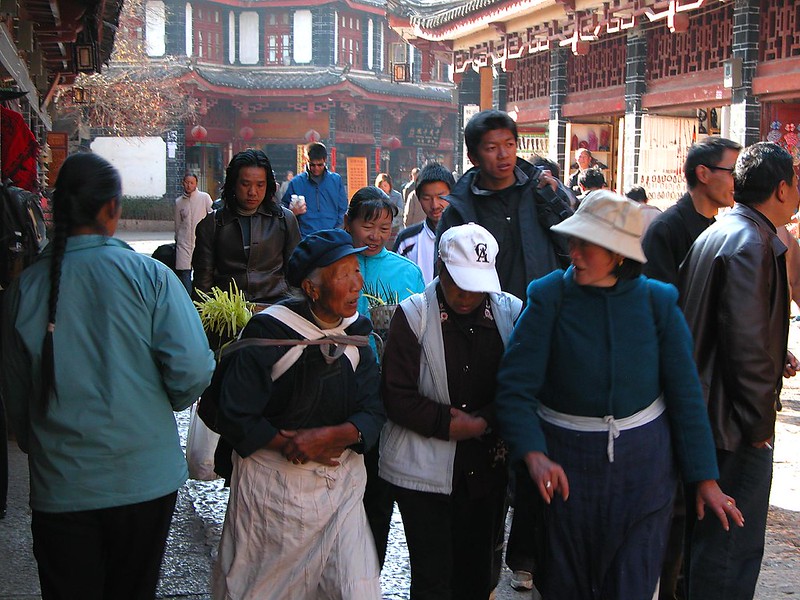 Ethnic or cultural tourism involves visiting destinations to explore local cultural elements. In China, where many ethnic groups face poverty, the government is developing tourist attractions to generate revenue and stimulate economic growth in these regions. As a result, ethnic tourism in China is rapidly evolving into an industry aimed at aiding those in need.
The Hunan Province
Hunan is located in South Central China and falls in the middle of the Yangtze River. This province has various tourist destinations, including Fenghuang Ancient Town. The area features Miao architecture, such as stilted houses. It is also home to tourist boat tours. Other sites used as tourist attractions include the villages of Laojia and Zaogang.
Local revenue has skyrocketed due to the inception of ethnic tourism in China. This resulted in the formation of Ming City Tourism Corporation (MCTC), which helps to keep these tourist destinations open and thriving. MCTC has worked to reduce competition and increase profits. The company charges fees for tourists and gives a percentage back to the villages as an annual fee.
A portion of these fees are given back to residents periodically. Residents can make many due to MCTC hiring them to work as guides, cleaners, salespeople or actors. Some residents have also opened their shops to sell memorabilia to tourists. Each of these acts has helped numerous residents out of poverty. Tourism has greatly increased the number of jobs available, specifically in Fenghuang Ancient Town.
The Yunnan Province
The Yunnan Province is part of southwestern China and borders Myanmar, Laos and Vietnam at its southern tip. This province is one of the more diverse areas in China, both culturally and geographically. In Yunnan, the most popular tourist destination is Lijiang, one of the centers for silk production in ancient times.
Lijiang was one of the poorest areas in the Yunnan province before ethnic tourism in China began to have an impact locally. The Dayan Naxi Ancient Music Association is one of its main attractions, which is an orchestra that showcases old music, old musicians and old instruments. It is composed of teachers, farmers and other types of workers. The orchestra has developed a good annual revenue and has a regular large audience. It has played in larger cities and even countries overseas.
Socio-Economic Transformations in Lijiang
Ethnic tourism in China, particularly in Lijiang, revolves around experiencing the life of these ethnic communities. Tourists coming to this area are likely to visit Luoshui, one of the most popular villages, to participate in the local life of the Naxi and Moro people. These experiences include ceremonies, traditional infrastructure and the ability to partake in conversations with natives, both young and old. Since the establishment of these tourist areas, Luoshui has become one of the top 10 wealthiest villages in Lijiang.
There has been tremendous economic growth in Lijiang due to ethnic tourism. Data indicates that before the World Heritage induction, agriculture was the main source of income for residents in Lijiang, but even that was a small amount of income. After becoming part of the World Heritage List, Lijiang had a boost in its economy, with tourism becoming its biggest industry. This has helped the overall economy of the area and the income of residents.
The economy in the Yunnan Province has grown steadily and continues to grow, in part due to ethnic tourism in China. The lives of residents in these villages have also improved, not only financially but also socially. Public health has been made a priority and is being provided to the most rural areas. Providing social security to qualified individuals has also been implemented. Each of these improvements has stemmed from ethnic tourism in China.
Looking Forward
The expansion of ethnic tourism in China continues to drive significant socio-economic benefits for culturally rich yet previously impoverished regions. As communities like Fenghuang and Lijiang flourish, they set a precedent for sustainable development through cultural heritage. Ongoing investment in these areas is poised to further enhance local livelihoods and preserve unique cultural landscapes for future generations.
– Dorothy Howard
Dorothy is based in Greensboro, NC, USA and focuses on Good News for The Borgen Project.
Photo: Flickr
