• Link to X
  • Link to Facebook
  • Link to Instagram
  • Link to TikTok
  • Link to Youtube
  • About
    • About Us
      • President
      • Board of Directors
      • Board of Advisors
      • Financials
      • Our Methodology
      • Success Tracker
      • Contact
  • Act Now
    • 30 Ways to Help
      • Email Congress
      • Call Congress
      • Volunteer
      • Courses & Certificates
      • Be a Donor
    • Internships
      • In-Office Internships
      • Remote Internships
    • Legislation
      • Politics 101
  • The Blog
  • The Podcast
  • Magazine
  • Donate
  • Click to open the search input field Click to open the search input field Search
  • Menu Menu

Archive for category: Global Poverty

Key articles and information on global poverty.

Global Poverty, Health, Women and Children

Beyond Zero: Empowering Maternal Care In Kenya

Beyond Zero: Empowering Maternal Care In Kenya The Beyond Zero mission is simple: “No woman should die while giving birth.” The campaign is a flagship maternal and child health care initiative in Kenya, reaching more than 1.2 million people through mobile clinics and medical safaris. Beyond Zero aims to expand access to quality, lifesaving health care across all 47 counties in Kenya, especially for women and infants in remote communities where services are often limited or difficult to reach.

How a Bold Promise Became a National Campaign

Beyond Zero was founded in 2014 by Kenya’s first lady, Margaret Kenyatta. Two months after assuming office, Kenyatta delivered a pledge during her maiden speech for the Organisation of African First Ladies Against HIV/AIDS (OAFLA). She vowed to use her platform to fight HIV/AIDS stigma and eliminate discrimination against people living with the disease.

Recognizing the need for stronger maternity services advocacy, Kenyatta launched Beyond Zero with a mission to reduce preventable maternal and infant deaths and eliminate mother-to-child transmission of HIV. After Kenyatta’s 10-year tenure as first lady, the Beyond Zero mission continues to guide the campaign as it supports women and children across Kenya.

Examples of Care Provided on the Ground

For many mothers in rural communities, long distances to facilities and a shortage of specialist staff restrict access to antenatal, postnatal and neonatal care. Beyond Zero responds by bringing services directly to communities through mobile clinics and medical safaris.

Mobile clinics are fully equipped health facilities on wheels, including trucks or large vans fitted with examination spaces, diagnostic equipment, vaccines and essential medicines. Medical safaris are short-term outreach campaigns in which teams of health professionals visit a specific region for several days to provide specialized services, deliver community education and write hospital referrals. Together, these approaches focus on interventions during pregnancy, childbirth and infancy.

  • Infant and Childhood Immunization Services. Routine vaccinations, such as tuberculosis and polio, are provided to newborns and infants to protect them from preventable diseases, particularly in remote communities.
  • Prevention of Mother-to-Child Transmission (PMTCT) of HIV. HIV testing and counseling are available for pregnant women. Those who test positive are linked to antiretroviral therapy to prevent transmission to their infants.
  • Cancer Screening Services. Beyond Zero provides early detection screening for breast and cervical cancer among women of reproductive age. The campaign also raises awareness through education and offers referrals for treatment when required.
  • Obstetric Fistula Awareness and Referral Services. Women experiencing poverty, malnutrition and limited health care access face higher risks of obstetric fistula, a childbirth injury that creates a hole in the birth canal. Beyond Zero works to identify, prevent and refer cases for treatment.

The Scope of Beyond Zero’s Impact Across Kenya

Since its launch, Beyond Zero has expanded from an advocacy drive into a national health initiative. Its impact is reflected in increased service delivery and expanded access in rural regions.

  • More than 45,000 households have received free health services through medical safaris.
  • Beyond Zero has implemented a Nursing Scholarship Fund for marginalized students from arid and semi-arid counties, supported by the World Bank.
  • Advocacy and health education messages have reached approximately 35 million people.
  • After coordinating the sensitization of health care workers on obstetric fistula, two counties have employed resident fistula surgeons.
  • The percentage of HIV-positive women receiving antiretrovirals increased from 66% in 2013 to 96% in 2020.

Looking Ahead 

Beyond Zero demonstrates how targeted support for maternal and child health can expand access to care across Kenya. Its mobile clinics and outreach services continue to play a role in reducing preventable deaths and improving health services for women and children in remote communities.

– Charlotte Bunn

Charlotte is based in Bristol, UK and focuses on Good News and Global Health for The Borgen Project.

Photo: Flickr
February 27, 2026
https://borgenproject.org/wp-content/uploads/borgen-project-logo.svg 0 0 Precious Sheidu https://borgenproject.org/wp-content/uploads/borgen-project-logo.svg Precious Sheidu2026-02-27 01:30:132026-02-26 00:29:23Beyond Zero: Empowering Maternal Care In Kenya
Global Poverty, Water, Women and Female Empowerment

5 Charities Operating in Ghana

Charities Operating in GhanaGhana has made significant strides when it comes to reducing poverty, reflecting health, education and quality-of-life improvements. However, while up to a million individuals have experienced economic advancement since 2024, more than 7 million still struggle to meet their basic daily needs. This disparity is most prevalent across different regions, with northern and rural areas facing the highest rates of disease and limited economic infrastructure. In response, several charities are operating in Ghana in order to provide education, health and economic resources to vulnerable individuals and communities.

1. WaterAid Ghana

The first of the charities operating in Ghana is WaterAid Ghana. According to UNICEF, more than half of the Ghanaian population lacks adequate access to clean water and sanitation, particularly in northern rural areas. WaterAid Ghana prioritizes expanding these services for the health, dignity and economic development of citizens. The organization has provided more than 3.7 million individuals with safe water and sanitation services between 2016 and 2021, and plans to reach even more during their 2023-2028 development cycle.

WaterAid approaches poverty in Ghana on an institutional level, partnering with local government and community groups to provide clean water and sanitation programs. In addition to promoting overall health, the contribution of these resources reduces disease and lowers healthcare costs. The organization promotes consistent education by providing sustainable water and hygiene services directly to schools. As a result, the burden of water collection no longer affects more than 5 million students, teachers and faculty members since 2019. These outcomes ultimately support local economic activity and contribute to broader development efforts that strengthen Ghana’s capacity for regional and community resilience.

2. CARE Ghana

Nonprofits in Ghana work to lift underserved individuals out of poverty. For example, young girls in vulnerable areas still face obstacles such as early marriage, adolescent pregnancy and abuse. CARE Ghana addresses these systemic challenges by promoting curricula that emphasize gender equality and financial inclusion. By supporting young women and girls through Village Savings and Loans  Associations (VSLA), it promotes food security, the expansion of agriculture training and food market access.

In addition, the organization’s PROSPER III program has prioritized inclusive markets and gender equality by providing equitable food services to more than one million individuals since 2022. CARE targets fundamental drivers of poverty in Ghana by helping women and girls gain access to education and economic opportunities. The organization emphasizes how women’s education can act as a catalyst for improved individual autonomy, expanding community health and resilience as a result.

3. SEND Ghana

Institutions that provide direct service to communities play a crucial role in poverty reduction. However, organizations that oversee resource allocation are needed to ensure the most equitable distribution of services. SEND Ghana monitors government spending across education, health care and welfare sectors. The organization supports Ghana’s rural northern regions in particular, promoting the equity and resilience of marginalized communities. By tracking vital socioeconomic resources, SEND Ghana promotes government accountability for the benefit of underserved Ghanaians.

SEND Ghana takes advantage of existing government frameworks in order to allocate resources in alignment with its humanitarian values. The nonprofit’s efforts have left an impact on numerous policies and budget reforms. Additionally, in collaboration with other nonprofit organizations, SEND Ghana’s FILMA initiative is set to create an estimated 80,000 work opportunities for young Ghanaians by 2028. By promoting a synergy between Ghanaian citizens and government resources, poverty reduction can be approached in a united and sustainable manner.

4. Opportunity International Ghana

Opportunity International Ghana emphasizes how financial security goes beyond having access to basic needs. The organization advocates for economic mobility by promoting financial independence to aspiring entrepreneurs. Licensed by the Bank of Ghana, Opportunity International has provided loans, savings programs and financial training to more than two million individuals who lacked access to traditional banking services.

The organization promotes small business expansion and job creation in regions with underdeveloped financial networks. By expanding economic opportunities to women and aspiring young business owners, Opportunity International Ghana seeks to vitalize local economies and spark community growth. Its economic initiative efforts include empowering women through its Kayayei programme, emphasizing livelihood and skill training. The organization has also transformed the agriculture sector, providing innovative learning technologies to thousands of farmers in 2025. This promotion of local financial infrastructure supports long-term economic development across multiple regions.

5. World Vision Ghana

World Vision Ghana works to assist children meet their basic needs and improve their overall quality of life. The nonprofit prioritizes highly vulnerable areas, employing programs that meet immediate as well as long-term development challenges. The organization promotes a holistic approach model that addresses multiple dimensions of poverty in Ghana. These dimensions include basic resource access, nutrition, health care, sanitation and education.

World Vision implements its programs through collaboration with local leaders and communities. The emphasis of targeted long-term aid allows the organization to create close bonds that promote long-term sustainability across program transitions. The nonprofit has provided for more than one million Ghanaians by making safe water and sanitation services easily accessible. It also promotes education through literacy programs and the construction of school infrastructure in districts like Nkwanta. Advocacy efforts like these support self-reliance and strengthen resilience among Ghana’s most marginalized communities.

The Big Picture

Ghana continues to make positive changes in reducing poverty, promoted by collaborative efforts involving nonprofit institutions and government resources. The charities operating in Ghana highlighted here give a glimpse of the varied strategies used to address multiple dimensions of poverty. These dimensions can range from safe water access to widespread policy change. Humanitarian programs illustrate how poverty in Ghana can reduce when combined interventions are implemented. Such changes can be observed within Ghana’s most vulnerable regions in particular.

– Jason Hill

Jason is based in Fullerton, CA, USA and focuses on Good News for The Borgen Project.

Photo: Wikimedia Commons

February 27, 2026
https://borgenproject.org/wp-content/uploads/borgen-project-logo.svg 0 0 Jennifer Philipp https://borgenproject.org/wp-content/uploads/borgen-project-logo.svg Jennifer Philipp2026-02-27 01:30:002026-02-26 00:36:185 Charities Operating in Ghana
Global Poverty, Sustainable Development Goals, Water

Updates on SDG 6 in Burkina Faso

SDG 6 in Burkina FasoBordering the Sahara Desert, Burkina Faso is a West African nation within one of the fastest heating climates in the world. Burkinabe people in rural areas are especially vulnerable to reduced water access with as many as two thirds unable to access clean drinking water reliably. The sweeping reforms current administration leader Captain Ibrahim Traoré made have prioritized the donation of machinery, vehicles and equipment to local rural communities. With the added donation of training and construction supplies, Faso Mêbo is a government program that is expanding access to clean drinking water in Burkina Faso and aims to empower rural communities to keep change sustainable. These reforms mark important updates on SDG 6 in Burkina Faso, particularly in relation to rural water access and public infrastructure development.

Water Access in Burkina Faso

Between 2000 and 2022, Burkina Faso was the only West African nation where the proportion of people with access to clean drinking water decreased.  The United Nations aims to end global poverty through shared targets for 17 key factors. The Sustainable Development Goals (SDG), SDG 6 sets out targets for Clean Water and Sanitation. Recent updates on SDG 6 in Burkina Faso show that one cannot separate water access from security, governance and climate pressures.

Since armed conflict with insurgent forces began in 2016, access to clean drinking water in Burkina Faso has deep ties to security. The militant group JNIM in particular has been ramping up attacks against water infrastructure, such as water transport trucks and village water pumps, since 2022. Researchers Zoltán Ködmön and Júlia Szőke for Clean Technologies and Environmental Policy (2025) show evidence of a strong geographical link between water facilities hit by militants and regions where communities accessing cannot access clean drinking water on a regular basis, indicating that solving this crisis has to be multifaceted. They argue that “sustainable water security can only be achieved to a certain extent, as the work, the money spent over many years and the results achieved can be destroyed by armed groups in no time.”

A general reduction in rainfall, hotter weather and crops failing due to sudden temperature changes characterize an increasingly volatile West African climate. As the climate crisis worsens, rural communities become more reliant on often expensive irrigation reforms to survive. Traoré’s initiative to restore water storage infrastructure to its previous capacity shows a commitment to the United Nations’ Sustainable Development Goals (SDGs).

Addressing SDG 6 in Burkina Faso

A recent trend of government policy sees local communities undertake the construction of water reforms across Burkina Faso using materials and vehicles the administration donated for irrigation and hydro-agriculture. This is a departure that signals an increased willingness to cooperate with rural groups the Compaoré administration had alienated in the decades prior and align with Ködmön and Szőke’s recommendation that “decentralizing water governance and building local institutional capacities—particularly in conflict affected areas—[is] essential for improving long-term resilience.”

An increased focus on water development in the North is essential to the well-being of the poorest in Burkina Faso. The African Development Bank (ADB), since the 2015 change from Millennium Development Goals to Sustainable Development Goals, has funded more projects in the Nord and Sahel provinces but the imbalance of funding still remains.

Looking Ahead

Updates on SDG 6 in Burkina Faso imply that clean water access is a technical and environmental challenge and also a question of class, security, and sovereignty. The Traoré administration’s turn toward public ownership, decentralized governance and mass participation represents a rupture with neoliberal development models that have ultimately failed the rural poor in Burkina Faso in the past. By placing infrastructure, training and decision-making power directly in the hands of communities, Faso Mêbo demonstrates that collective ownership and international co-operation can achieve sustainable development.

– Zoey Cruz

Zoey is based in Bedfordshire, UK and focuses on Technology and Global Health for The Borgen Project.

Photo: Wikimedia Commons

February 26, 2026
https://borgenproject.org/wp-content/uploads/borgen-project-logo.svg 0 0 Jennifer Philipp https://borgenproject.org/wp-content/uploads/borgen-project-logo.svg Jennifer Philipp2026-02-26 07:30:232026-02-26 00:17:22Updates on SDG 6 in Burkina Faso
Global Poverty, Indigenous Peoples, Tourism

Migration to Hawaii

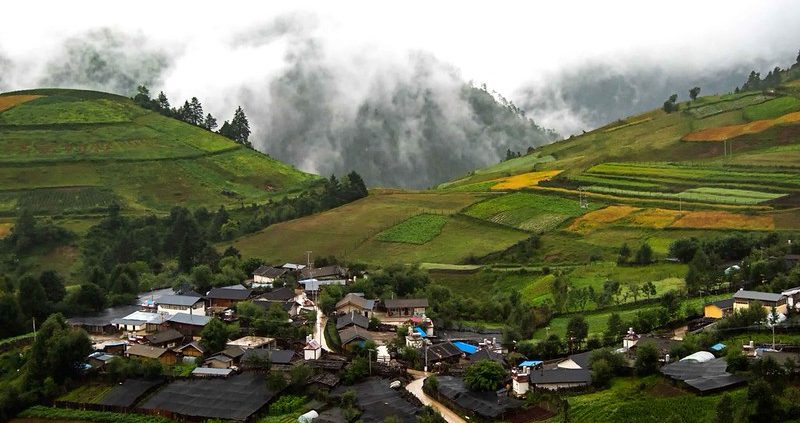
Migration to HawaiiBefore becoming the 50th United State, the islands that constitute the archipelago of Hawaii were first populated by South Pacific voyagers. These voyagers respected the land and sea for their agricultural and aquacultural benefits and eventually settled in the archipelago. In 1795, King Kamehameha united the various chiefdoms, and by 1810, the archipelago had become the Kingdom of Hawaii. In 1824, King Kamehameha II visited London in an effort to gain recognition for Hawaii as a nation-state, and in 1874, King Kalākaua became the first foreign leader to attend a state dinner at the White House.

By then, missionaries had also migrated to Hawaii and integrated into the government as the Reform Party. To gain control of Hawaii, the Reform Party forced King Kalākaua to sign the Bayonet Constitution, which shifted power from Native Hawaiians to landowners from the United States, Britain and Germany. The Kingdom of Hawaii ended in 1893 when wealthy businessmen who formed the Committee of Safety overthrew the government with the support of the U.S. Navy. The Committee of Safety then petitioned the United States for annexation, and Hawaii became a United States territory in 1898 and a state in 1959.

Present-Day Migration to Hawaii

Research conducted by the University of Hawaii revealed that in 2023, 80% of migrants to Hawaii were from other U.S. states. However, it also found that long-term residents are moving away, with about 58,000 residents leavingHawaii in 2023. Additionally, data from 2010 to 2023 show an increase in net migration to Hawaii that began in 2020 and reached its peak in 2021. Analysts attribute this surge to residents from other states taking advantage of remote work during the COVID-19 pandemic.

Beyond migrants from the U.S. mainland, there is also a significant population of Asian and Hispanic residents. According to 2024 U.S. Census data for Hawaii, 43.5% of the population identified as white, 57.6% as Asian, 10.2% as Hispanic and 27.4% as Native Hawaiian. Hawaii Magazine reports that Asian immigrants from Japan, China, Korea and the Philippines arrived in the 1850s as laborers contracted by American and English sugar plantation owners. After completing their contracts, many remained in Hawaii to raise their families and provide opportunities for their children.

The Impact on the Native Hawaiian Population

When Hawaii became a United States territory, Native Hawaiians experienced denationalization through loss of land, military occupation, Christianization, assimilation and marginalization. In 1896, the native Hawaiian language was banned, resulting in many Native Hawaiians primarily speaking English. Denationalization also included the Americanization of schoolchildren, and those who did not conform were often directed into labor after grade school instead of continuing their education.

Currently, Native Hawaiians are a minority in Hawaii and experience lower socioeconomic status and higher education attainment rates compared to other groups. Migration from the U.S. mainland has contributed to rising living costs, and some Native Hawaiians have relocated to the mainland as housing prices increased. Increased migration has been linked to higher prices for goods and real estate, making affordable housing more difficult to obtain.

Ongoing Efforts 

In 2023, Hawaii experienced wildfires on Maui. Gov. John Green announced that he would not allow U.S. mainland buyers to make predatory offers to purchase land from local residents affected by the fires. The governor and the state attorney general placed a moratorium prohibiting the sale of properties damaged or destroyed by the wildfires.

In the aftermath of the wildfires, Bill 9 was introduced and signed into law in December 2025. Bill 9 phases out certain transient vacation rentals and returns apartment-zoned land to local residents. According to county data, 94% of units affected by Bill 9 are owned by non-Maui residents, and many do not reside in Hawaii. The law does not end tourism but aims to address housing availability for local residents. Rental units will be reclassified under hotel zoning.

Additionally, the Office of Hawaiian Affairs (OHA) was established in 1978 to advocate for Native Hawaiians. OHA works to support the preservation of Native Hawaiian land and culture, promote economic sufficiency and expand access to education and health care. The organization supports initiatives that address health, affordable housing, culture-based education and financial empowerment.

Looking Ahead

While economic pressures and migration to Hawaii continue to shape the country’s future, recent policy efforts and longstanding institutions such as the Office of Hawaiian Affairs demonstrate ongoing work to address housing access, cultural preservation and economic equity. As state leaders balance tourism, development and community needs, these initiatives reflect steps toward protecting Native Hawaiian communities while supporting sustainable growth across the islands.

– Thirza List

Thirza is based in the United States and focuses on Politics for The Borgen Project.

Photo: Flickr
February 26, 2026
https://borgenproject.org/wp-content/uploads/borgen-project-logo.svg 0 0 Precious Sheidu https://borgenproject.org/wp-content/uploads/borgen-project-logo.svg Precious Sheidu2026-02-26 07:30:232026-02-27 02:06:50Migration to Hawaii
Business, Foreign Relations, Global Poverty

How Reducing Export Tariffs Will Alleviate Poverty In India

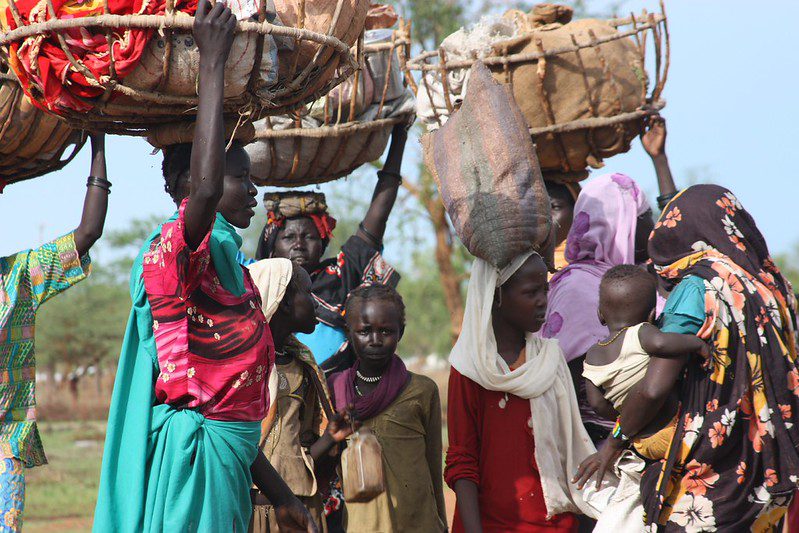
Poverty in IndiaNarendra Modi and Donald Trump have reached an agreement. India’s exports to the United States (U.S.) will be subject to a reduced tariff rate, from 50% to 18%, with immediate effect. Modi’s new deal is conditional. India must purchase $500 billion of U.S. goods over the next five years, although this includes current projects, and must transition to purchasing U.S. oil. Although the deal does constrain India to some degree, overall it is set to greatly benefit the Indian economy and is an important example of successful international cooperation in an increasingly volatile era.

Modi wrote on X: “When two large economies and the world’s largest democracies work together, it benefits our people and unlocks immense opportunities for mutually beneficial cooperation.” The tariff reduction will provide society-wide economic benefit, reducing poverty in India. The Indian aviation industry is set to capitalize on the deal. Air India Ltd and SpiceJet Ltd are forecast to purchase $100 billion in aircraft orders from U.S. firms over the next five years. However, those most impoverished in India are expected to benefit in particular.

Tariffs and Poverty in India

High export tariffs directly impact the trade opportunities of corporate entities and governments. However, they can also be particularly detrimental to the standards of living of low-income households. Tariffs reduce the purchasing power of low-income households, both through increasing the prices of goods and services and by decreasing nominal incomes.

According to the World Bank, 5.3% of India’s population lives below the extreme poverty threshold of $3 per day. Tariffs have a significant impact on the quality of life of this sector of the population. Higher food and water prices, increased unemployment and reduced incomes decrease opportunities to escape extreme poverty and can push more of the population below the poverty line.

International Cooperation and Its Benefits

The World Trade Organization (WTO) reports that reduced export tariffs have a positive impact on low-income households and small businesses that cannot compete under high trade restrictions. Through negotiating a new tariff of 18%, Modi has lessened the economic burdens on the most impoverished sector of his population. Millions of Indians may enjoy greater purchasing power with their incomes, easing access to basic necessities. Modi’s deal also contributes to a larger trend of U.S. export tariff reductions in the subcontinent.

The U.S. and Bangladesh have reached an agreement on a 19% reciprocal tariff rate, with a plan to establish a 0% reciprocal tariff rate for textiles and other apparel goods. The textile and apparel industry is the backbone of the Bangladesh economy. The sector accounts for roughly 80% of Bangladesh’s total export revenue and employs around 4 million workers. Many of these workers are part of the 18.7% of the Bangladeshi population that falls below the national poverty line.

A reduced export tariff on this sector will lessen economic pressures on individual firms, which is expected to lead to improved working conditions and potentially higher wages. The reduction may therefore benefit the quality of life of many who experience the daily challenges of poverty.

Looking Ahead

Overall, Modi’s deal demonstrates that large-scale international cooperation, while benefiting major economic players such as governments and corporations, can also provide advantages for alleviating poverty in India. Reduced export tariffs can contribute to poverty reduction on a broader scale.

– Arthur Horsey

Arthur is based in Hampshire, UK and focuses on Business and Politics for The Borgen Project.

Photo: Flickr
February 26, 2026
https://borgenproject.org/wp-content/uploads/borgen-project-logo.svg 0 0 Precious Sheidu https://borgenproject.org/wp-content/uploads/borgen-project-logo.svg Precious Sheidu2026-02-26 03:00:552026-02-26 00:12:27How Reducing Export Tariffs Will Alleviate Poverty In India
Global Poverty, Innovations, Youth Empowerment

5 Child-Led Inventions Addressing Global Poverty

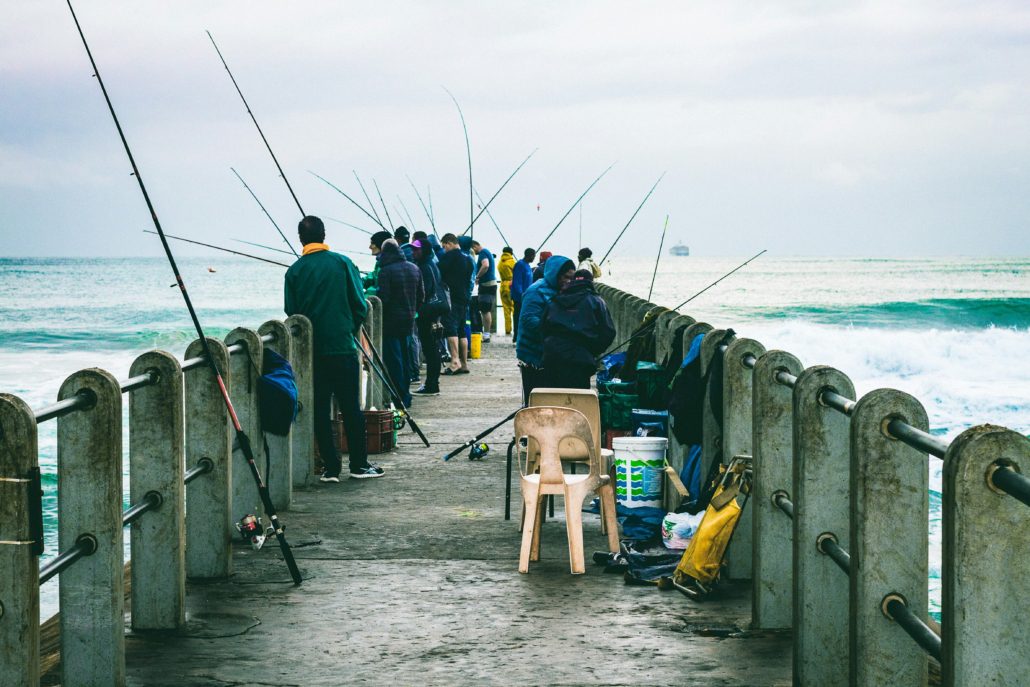
Child-Led InventionsYoung people often don’t know that something can’t be done, so they try it. Disturbed by the poor living conditions of others, driven by awareness of environmental contamination or simply believing that all humans have the right to basic needs, youth can make a difference in the lives of the impoverished around the world. Here’s a look at five child-led inventions that address global poverty and are both innovative and inspiring.

William Kamkwamba, Masitala, Malawi

In 2001, thousands perished and many lost their livelihood in one of the worst droughts the rural village of Masitala, Malawi, had ever experienced. Crops wouldn’t grow in the dry soil and without their farming income, 14 years old Kamkwamba’s family couldn’t afford his school tuition. Nevertheless, Kamkwamba was determined to keep learning.

Discovering a book about alternative energy at Masitala’s small library, he became fascinated with windmills. Kamkwamba resolved to use the technology to bring desperately needed running water and electricity to his family. Improvising with scrap parts such as sandals, bicycle components, an old fan blade and gum trees, he successfully constructed a windmill which was able to power his home’s basic needs.

Kamkwamba gained financial support as his success story spread and he built additional windmills to bring power and water to his village, accelerating the fight against poverty. Kamkwamba’s story was adapted into a 2019 feature film titled “The Boy Who Harnessed the Wind.”

Jahkil Jackson, Chicago, US

Jackson felt compelled to ease the disparagement faced by the unhoused after helping deliver nourishment to displaced people in his hometown, Chicago. His passion led him to launch Project I Am (an organization that distributes hygiene kits to people without homes) in 2016, when he was just 8 years old. The kits or “blessing bags”, are filled with toiletries, nonperishable food, socks and other necessities, providing comfort and basic needs to those without.

Project I Am has distributed thousands of kits to those in poverty and to disaster victims in the U.S. and abroad. Now a member of the WE International Youth Council, Jackson encourages children to help enrich the world, emphasizing the impact of child-led inventions addressing global poverty. Heartland Alliance, a prominent anti-poverty organization and the Obama Foundation have recognized Jackson’s efforts.

Maryam Saleem, Pakistan

At age 13, Saleem was deeply concerned that much of her fellow Pakistani population was living in poverty without access to clean energy. Inhabitants would often cook their meals with firewood, which can pollute the air, cause respiratory damage and additional health problems. Suffering from respiratory issues herself, Saleem was determined to find a solution.

She created a portable biodigester that converts household organic waste into cooking biofuel. Saleem’s invention won her the 2023 Citi Foundation’s Skills for Success Challenge in the Network for Teaching Entrepreneurship (NFTE) World Series of Innovation. With her award money, she is able to provide free biodigesters for the impoverished in Pakistan through “GoClean,” the organization she co-created.

Hannah Herbst, Florida, US

In 2015, at age 14, Herbst vowed to help her Ethiopian pen pal, who lived without basic necessities like running water and electricity. Herbst worked to invent a small turbine that generates electricity from ocean currents. Constructed of affordable, recyclable materials, her design is compact and floats above the water, while existing systems can be bulky and sit on the ocean floor.

Herbst’s invention, ideal for use in developing areas due to its low cost and accessibility, won her the title of “America’s Top Young Scientist” in the 2015 Discovery Education 3M Young Scientist Challenge. Herbst shared some of her prize money with her pen pal, enabling her family to buy a generator. Herbst plans to add water purification capability to her system and open-source the design so that electricity and purified water are readily available to shoreline communities worldwide.

Her invention demonstrates the power of child-led inventions addressing global poverty.

Xóchitl Guadalupe Cruz López, Chiapas, Mexico

Much of the population in Chiapas, Mexico, lives in poverty without access to conventional plumbing. Inhabitants often use firewood or oil to heat their water, fuels that can release contaminants and pose respiratory hazards. In 2018, at 8 years old, inspired by scientific workshops and by her concern for the environment and her fellow citizens, López decided to build an environmentally friendly, affordable water-heating system.

She used discarded items such as painted plastic bottles, a hose, wood scraps and pieces of glass from cooler doors. She and her father installed the finished device, capable of heating 10 liters of water, on the roof of her house. Her invention was a success and led to López becoming the first girl to receive an honor typically awarded to adults: “Recognition of the Institute of Nuclear Science for Women.”

López plans to make her invention available to all of Chiapas to help improve the lives of those living in poverty.

Conclusion

These five child-led inventions addressing global poverty demonstrate what fearless, determined youth can accomplish. Filled with the desire to help those less fortunate and enabled by education, scientific programs or simply the belief in a cause, children of the world see endless possibilities for helping the planet’s impoverished populations. With little help, young people can turn those possibilities into reality.

– Debbie Barto

Debbie is based in Monroe, WA, USA and focuses on Technology and Solutions for The Borgen Project.

Photo: Flickr
February 26, 2026
https://borgenproject.org/wp-content/uploads/borgen-project-logo.svg 0 0 Lynsey 2 https://borgenproject.org/wp-content/uploads/borgen-project-logo.svg Lynsey 22026-02-26 01:30:292026-02-26 00:00:135 Child-Led Inventions Addressing Global Poverty
Education, Global Poverty

Higher Education in Portugal

Higher Education in PortugalMany may not be aware of the university structures that are within various countries, such as Portugal. To understand these educational stances is to understand the youth and the opportunities that exist for those in such areas. Here is information about higher education in Portugal.

The Accessibility of Higher Education in Portugal

Historically, Portugal was not known as having easily accessible education. From the 1950s to 1970s, a dictator ran Portugal who took away freedom of education, expression, health and security. Literacy rates and job security were at an all-time low. The country was known for providing agricultural resources, but the dictator took away any factory or industrial jobs to minimize competition, strikes and those gaining knowledge of the poor work conditions and decisions he was making. With the lack of education and accessibility for jobs, the citizens were not able to protest against or understand the immense poverty or deprivation they were facing.

The fight to create a better system in Portugal is not new. Back in 2005, the country witnessed legal movements aimed at making higher education more accessible to young people. It first created the new credit system, which created more opportunities for students to study abroad and hold clearer records on their diplomas, according to the Universidade Católica Portuguesa.

When it comes to studying abroad, there are diverse ways that students can achieve that. There are different programs they can join like Erasmus+ and the Almeida Garrett program. These programs allow students to look at different internships, schooling opportunities or work studies to experience life abroad. Since Portugal is a part of the EU, studying abroad is relatively easy as options are more accessible.

Improving Accessibility

Flash forward to 2009-2010, the Universidade Católica Portuguesa described how it implemented a new system to clarify expectations on knowledge, credits and hours students must have in their undergraduate and graduate degrees. This created that much-needed organized system, which helps to guide students by setting clear expectations and goals.

Knowing these new laws, it is also important to know the different types of universities they apply to. Higher education in Portugal has both private and public entities. Public structures are less expensive, while private structures are more expensive, often involving smaller schools. Both hold their pros and cons, but fit different students’ wants and needs.

Higher education in Portugal includes both universities and polytechnics. Attending a university gives someone more research and educational opportunities, a way for students to learn more about their major and concentration. Polytechnics are a space for students to learn more about their focused career. It is often more practical, helping students focus on working toward a specific job.

Poverty in Portugal

Poverty has existed in Portugal for many reasons, including the country being late to industrialization and having wars and inadequate infrastructure affecting its economy. Initiatives like the Child Guarantee National Action Plan are addressing poverty among children and helping them access the same opportunities as those who are not impoverished.

Portugal’s economy has grown, which has resulted in more jobs, higher wages for those with higher education and a large market for recent graduates. According to the Human Development Index, Portugal is now a highly developed country, ranking high in many aspects and 40th overall. Education plays a crucial role in people understanding their rights, gaining equal pay, shifting and creating gender norms and making a life for oneself. From 1990 to 2023, the HDI states, “expected years of schooling changed by 5.6 years and mean years of schooling changed by 4.4 years.” This overall plays a role in the HDI, helping to make Portugal’s change as pivotal as it was, preventing it from falling into poverty while working towards an outstanding economy.

Looking Ahead

All of this being said, improvements are still needed in Portugal’s higher education system. However, focusing on that discredits what Portugal has accomplished so far, which has resulted in it moving in a positive direction.

– Daniella Johnson

Daniella is based in the USA and focuses on World News for The Borgen Project.

Photo: Flickr
February 26, 2026
https://borgenproject.org/wp-content/uploads/borgen-project-logo.svg 0 0 Jennifer Philipp https://borgenproject.org/wp-content/uploads/borgen-project-logo.svg Jennifer Philipp2026-02-26 01:30:062026-02-25 23:56:49Higher Education in Portugal
Child Poverty, Child Soldiers, Global Poverty

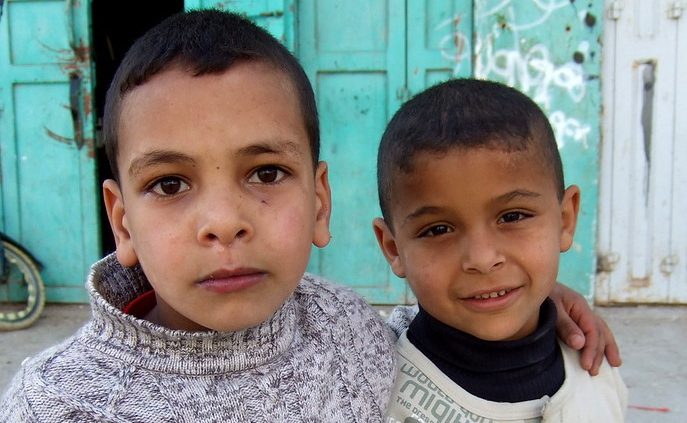
Child Soldiers in Mexico

Child Soldiers in MexicoAs the nation’s next generation tries to break the cycle of poverty, the presence of violence and the recruitment of child soldiers in Mexico is a major barrier to progress. Who are the charities trying to stop it and what are they doing?

The Problem

In February 2026, Red Hands Day once again reflects on a year where children, the world over, have had their youth cut short by military recruitment. One nation where this tragic scenario is both prevalent and unconventional is that of Mexico, one of the largest and most developed of the Central American nations, whose youth are engaged in a fight both for and against organized crime. 

The U.S. Bureau of International Labor Affairs estimates that 30,000 minors work in criminal organizations in Mexico. A troubling statistic that doesn’t also account for the potentially thousands of child soldiers operating in local community militia against cartel violence. On both sides of the struggle for regional control, children are fighting in conflicts, suffering trauma, injury and death, all before they are able to reach adulthood.

Poverty and the Recruitment of Child Soldiers in Mexico

The scale of this problem reflects the continued issue of multidimensional child poverty in Mexico where around 38% of the under 17 population live in poverty. In fact, it is this 0-17 age group that makes up the nation’s largest impoverished demographic.

The desperation bred by this form of early-life deprivation is a major contributor to the frequency of child criminal recruitment where a guarantee of food, family and employment are often too tempting to resist. However, this potentially fatal arrangement between cartels and their so-called ‘pollitos de colores’ (’colorful chicks’) is a growing phenomenon with an estimated 200,000 further children vulnerable to recruitment.

This crisis means that some of Mexico’s poorest families and children face an impossible choice, stay where they live and risk either attacks or forced cooperation with organized crime, or flee and join the more than 100,000 other children living in internal displacement.

However, both domestic and multinational organizations are making efforts to intervene in the communities most affected and petition the government to do more to end a practice that condemns many Mexican boys and girls to continue living in a cycle of poverty and violence.  

The major organizations operating on the crisis of child soldiers in Mexico are UNICEF Mexico and Tejiendo RedesInfancia which work with local groups in supporting at-risk children and call on the government to crack down on recruitment.

UNICEF Mexico

Addressing poverty, education and social stability in these communities is essential to preventing the practice of enlisting child soldiers in Mexico. To this effect UNICEF Mexico supports the vital social programs and protection systems that keep children in education. Operating in the nation since 1947, UNICEF Mexico has contributed to efforts in child protection, health, hygiene, and education, providing a vital voice for the most vulnerable of the developing country’s population.

UNICEF Mexico’s backing to programs such as Mi Beca para Empezar, that assists low-income families with financial aid on the condition of their children’ s school attendance, is essential in keeping the youth in the classroom and out of violent and exploitative environments. Since 2023, these efforts have helped ensure that 1.2 million Mexican children stay in education and build a better, safer and more prosperous future.

However, much more work is needed on a national structural level, so UNICEF also supports major legislative change for transformative federal intervention. Most vitally, it is actively pressuring the Mexican state to enact a “permanent national prevention and recruitment care policy” that would recognize enlisted children’s role as forced participants in crime and violent activities and seek to end their exploitation through increased interventions and improved legal classification.

Tejiendo RedesInfancia

Tejiendo RedesInfancia, a Latin and Caribbean children’s rights organization, is similarly using its network of advocates and communities to push for greater federal action. Since it received UN recommendations on the ‘Optional Protocol on the involvement of children in armed conflict,’ the Mexican state has remained largely passive against the continued practice and widespread childhood criminality.

Tejiendo RedesInfancia is therefore also compelling the Mexican State to proactively adopt of these recommendations which one can summarize in three core statements:

  1. “The recognition and criminalization of the crime of forced recruitment in the penal code.”
  2. “The imperative creation of comprehensive programs of disengagement, rescue, social insertion and specialized psychological treatment for those who have been affected.”
  3. “The construction of a culture of peace from the territories, with special emphasis on schools. In addition to a substantial change in the security strategy based on militarization, punitive populism and criminalization of poverty.”

Looking Ahead

Human rights groups operating on the crisis of child soldiers in Mexico unanimously agree, government action is imperative to make a real difference in the lives of the children suffering from poverty and military recruitment. Following UNICEF’s example on poverty prevention, enacting the policy that can have a revolutionary impact on the lives of the most vulnerable and adopting the statements above may be the start of ending this tragic and destructive practice for good.

– Evan Meikle

Evan is based in Kingston Upon Hull, UK and focuses on Global Health and Politics for The Borgen Project.

Photo: Flickr
February 25, 2026
https://borgenproject.org/wp-content/uploads/borgen-project-logo.svg 0 0 Jennifer Philipp https://borgenproject.org/wp-content/uploads/borgen-project-logo.svg Jennifer Philipp2026-02-25 07:30:512026-02-25 04:33:17Child Soldiers in Mexico
Charity, Children, Global Poverty

5 Charities Operating in Tunisia

Charities Operating in TunisiaFollowing the Arab Spring, Tunisia entered a period of political and social transition that brought both progress and great challenges. High unemployment, rising living costs and persistent regional inequality continue to affect large parts of the population. Around 16.6% of Tunisians (approx. 1.9 million people) live below the national poverty line. Food insecurity has worsened due to inflation and economic instability, while access to health care and social services remains uneven, particularly in rural communities. In this context, charities operating in Tunisia play a vital role in supporting vulnerable groups and filling gaps in public services.  Below are five charities operating in Tunisia addressing these needs.

5 Charities Operating in Tunisia

  1. Tunisian Red Crescent: Founded in 1956, the Tunisian Red Crescent is one of the country’s most prominent humanitarian organizations. It provides emergency assistance, health services and social support to vulnerable communities. With rising migration flows and increasing food insecurity, many families struggle to meet basic needs. The organization responds through disaster relief, food distribution and efforts to improve access to healthcare, especially for migrants, refugees and low-income households.  In 2024 alone, it distributed food and humanitarian assistance to more than 7,000 stranded migrants in Sfax in partnership with the International Organization for Migration (IOM), helping prevent hunger and ensure essential care.
  2. Islamic Relief Worldwide: Islamic Relief Worldwide focuses on poverty alleviation focuses on poverty alleviation and social welfare in Tunisia. Economic stagnation and high youth unemployment have left many families reliant on charitable support, especially during periods of financial strain. The organization provides food assistance, livelihood support and seasonal aid. Since 2011, it has supported nearly 1.5 million people in Tunisia and continues to assist almost 600 orphaned children by helping meet basic needs and supporting access to education, reducing long-term vulnerability.
  3. UNICEF: UNICEF works across Tunisia to support children’s health, education and social protection systems, especially in disadvantaged communities. Although progress has been made, disparities remain between urban and rural regions. In 2024, more than 430,000 children aged 6-18 from low-income households received monthly benefits, through supported social protection programs. Additionally, around 159,000 children gained access to improved water, sanitation and hygiene services in schools and health centers. In addition, UNICEF’s youth programs promote “social innovation” and “entrepreneurial skills,” helping young people build pathways to future employment. Among charities operating in Tunisia, UNICEF plays a key role in strengthening long-term institutional support for children.
  4. Oxfam: Oxfam has been operating in Tunisia since 2012, supporting the country’s democratic transition following the 2011 revolution. Despite the political reforms, socio-economic inequalities have continued to increase, particularly for women, youth and marginalized communities. Oxfam views these groups as “main actors of change” and focuses on gender justice, economic justice and citizen participation, working to strengthen civil society organizations and promote accountability. By empowering communities to advocate for their rights and access economic opportunities, Oxfam addresses the structural causes of poverty and inequality.
  5. Care for 24: Care for 24 is a nonprofit focused on empowering Tunisia’s youth by improving access to education, nutrition, health services and personal development opportunities. Youth unemployment in Tunisia remains among the highest in the region, contributing to economic frustration and social instability. One of its key initiatives, the “Meals for 24” program, seeks to provide nutritious meals to around 1,200 young people, 50 from each of Tunisia’s 24 regions, who are at risk due to economic hardship. The organization also promotes digital literacy and English language skills to expand employment prospects and encourage entrepreneurship. By investing in the next generation, Care for 24 contributes to long-term social and economic resilience.

Looking Ahead

While Tunisia has made significant improvements since 2011, economic instability, food insecurity and social inequality continue to affect millions. The charities operating in Tunisia remain essential in addressing urgent humanitarian needs while promoting sustainable development and social inclusion. As the country navigates ongoing political and economic challenges, the continued work of these organizations will be critical in building a more equitable and resilient future. 

– Ines Wargui

Ines is based in Oxford, UK and focuses on Technology and Solutions and Politics for The Borgen Project.

Photo: Pixabay

February 25, 2026
https://borgenproject.org/wp-content/uploads/borgen-project-logo.svg 0 0 Jennifer Philipp https://borgenproject.org/wp-content/uploads/borgen-project-logo.svg Jennifer Philipp2026-02-25 01:30:052026-02-25 00:24:445 Charities Operating in Tunisia
Business, Global Poverty

How REgrow Yirga is Reshaping the Coffee Industry in Ethiopia

ethiopia coffeeEthiopia produces some of the best specialty coffee in the world. Demand for specialty coffee is rising, and Ethiopia’s potential to market 6,000 more varieties creates an opportunity to export coffee at a higher rate. Yet, many of the farmers do not see the benefits of their own labor.

Many farmers lack access to basic necessities such as potable water, a proper education and electricity. Rural and remote coffee farmers produce 95% of the coffee while owning less than five acres of land. A disconnect between the coffee supply chain and smallholder coffee farmers prevents them from receiving fair pay. This causes intermediaries to control the flow of money. REgrow Yirga is reshaping the coffee industry in Ethiopia to address these issues.

REgrow Yirga

The USDA, JDE and Peet’s Coffee started REgrow Yirga to change the Ethiopian coffee sector. Their goals include enhancing competitiveness, increasing productivity, improving supply chain performance and strengthening market conditions, according to TechnoServe.

The program targets the Gedeo Zone in southern Ethiopia, an area widely known for its Yirgacheffe coffee. This project supports 45,000 smallholder coffee farmers and 45 private wet mills by addressing the root problems hindering growth in the coffee sector.

How It Works

The program prioritizes addressing the gap in education on agronomy for Ethiopian coffee farmers. This involves a two-year agronomy training program from the TechnoServe Coffee Farm College, which is responsible for teaching farmers how to adopt regenerative agronomic practices through practical and knowledge-based training. REgrow Yirga equips coffee farmers with the necessary equipment and support to begin independently increasing their incomes.

Another issue that the program is tackling is the replacement of outdated coffee trees. Many of the current coffee trees are more than 20 years old, limiting coffee production. REgrow Yirga is reshaping the coffee industry in Ethiopia by teaching farmers the benefits of cutting coffee trees at the stump in a process called rejuvenation.

The process removes trees from production for one year while they regrow. Many farmers avoid doing this because they cannot afford to lose a year’s worth of income, but this process creates a more productive tree and a higher yield of coffee over time.

Gaining Independence

Through education on renewable practices, and by providing the resources to increase productivity, REgrow Yirga is reshaping the coffee industry in Ethiopia by allowing smallholder farmers to gain independence. This project brings equity to the coffee industry. Farmers gain a fair share of the value that their coffee creates. These long-term sustainability efforts will serve as a model for changes that are driving reform for equality for marginalized farmers worldwide.

– Sachin Kapoor

Sachin is based in Atlanta, GA, USA and focuses on Technology and Solutions for The Borgen Project.

Photo: Flickr

February 24, 2026
https://borgenproject.org/wp-content/uploads/borgen-project-logo.svg 0 0 Naida Jahic https://borgenproject.org/wp-content/uploads/borgen-project-logo.svg Naida Jahic2026-02-24 07:30:162026-02-24 00:48:07How REgrow Yirga is Reshaping the Coffee Industry in Ethiopia
Page 45 of 2162«‹4344454647›»

Get Smarter

  • Global Poverty 101
  • Global Poverty… The Good News
  • Global Poverty & U.S. Jobs
  • Global Poverty and National Security
  • Innovative Solutions to Poverty
  • Global Poverty & Aid FAQ’s
Search Search

Take Action

  • Call Congress
  • Email Congress
  • Donate
  • 30 Ways to Help
  • Volunteer Ops
  • Internships
  • Courses & Certificates
  • The Podcast
Borgen Project

“The Borgen Project is an incredible nonprofit organization that is addressing poverty and hunger and working towards ending them.”

-The Huffington Post

Inside The Borgen Project

  • Contact
  • About
  • Financials
  • President
  • Board of Directors
  • Board of Advisors

International Links

  • UK Email Parliament
  • UK Donate
  • Canada Email Parliament

Get Smarter

  • Global Poverty 101
  • Global Poverty… The Good News
  • Global Poverty & U.S. Jobs
  • Global Poverty and National Security
  • Innovative Solutions to Poverty
  • Global Poverty & Aid FAQ’s

Ways to Help

  • Call Congress
  • Email Congress
  • Donate
  • 30 Ways to Help
  • Volunteer Ops
  • Internships
  • Courses & Certificates
  • The Podcast
Scroll to top Scroll to top Scroll to top