Child Marriage in Tajikistan: Multi-Sector Solutions Gain Momentum
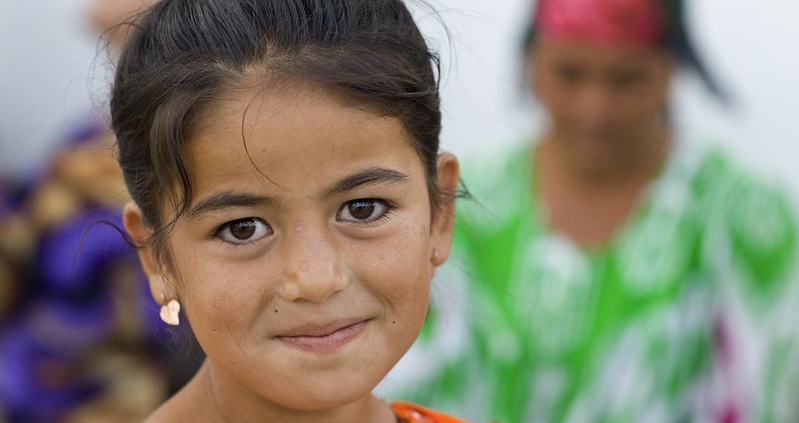 Even though the law sets the minimum marriage age at 17 for girls and 18 for boys, many adolescent girls in Tajikistan still marry young. In 2022, courts approved 4,000 marriages at age 17, up from 2,500 in 2018. Human rights ombudsman Suhaili Qodiri called these numbers too high and urged stricter enforcement of the age 18 rule. Many religious nikah ceremonies are not officially registered. The rate of child marriage among women aged 20 to 24 fell from 10% to 9% between 1992 and 2017. Rural areas have higher rates at 13%, while cities have rates of 6%.
Courts Tighten Approval Standards
Some families in Tajikistan use Family Code Article 13, which allows marriage in exceptional circumstances, to arrange child marriages. In 2024, courts rejected 15% more of these requests after the ombudsman became involved. Poverty plays a significant role, with 80% of 17-year-old brides coming from conservative regions like Rasht and Khatlon, where families struggle financially. Enforcement efforts helped 1,200 girls return to school in 2023, and makhalla councils turned down 350 underage marriage requests following new legal reforms.
Education and Health
UNICEF holds theater performances in 300 villages each year, reaching 150,000 people with plays about the health risks and missed educational opportunities linked to child marriage. After these events, surveys show that 68% of parents chose to delay their daughters’ weddings by at least two years. Girls Not Brides trains 5,000 imams to speak against child marriage, reaching two million worshippers each week. As a result of these efforts, local councils now receive 25% fewer underage marriage requests as more elders support delaying marriage.
Additionally, the World Bank’s Adolescent Girls Initiative provides $30 monthly stipends to 50,000 families who keep their daughters in school after age 15. The program has raised secondary school enrollment by 18% in Khatlon and Sughd. Vocational centers train 10,000 teenagers each year in tailoring, agriculture and information technology, and graduates earn 35% more than early-married peers within two years. Child marriage in Tajikistan rates among stipend households fell from 22% in the poorest quintile to 11%.
In the Rasht Valley, mobile classrooms provide evening classes in 120 villages, helping 85% of working girls at risk of marriage at age 14 to finish school. Government scholarships provide uniforms and textbooks to 100,000 at-risk students, raising school retention from 65% to 82% between 2022 and 2025. The program also offers nutritional support, which has lowered anemia rates by 28% among participants through fortified meals.
In 2025, health ministry clinics screened 120,000 adolescent girls for reproductive risks related to child marriage in Tajikistan and distributed 300,000 booklets about health risks. Specialized camps treated 1,100 women for childbirth complications caused by teen pregnancies. Hotlines received 7,500 calls from minors seeking help to escape forced marriages. HIV screening is now part of these programs, reducing mother-to-child transmission rates by 22% among young brides in targeted districts.
Making Progress
From 2017 to 2020, Tajikistan prosecuted 36 cases under Article 168 for child marriage and 27 cases under Article 169 for marrying minors. Officiants can receive up to five years in prison. Following recommendations from the Committee on the Elimination of Discrimination Against Women (CEDAW), authorities increased oversight of nikah ceremonies and rejected 20% more parental petitions that cited cultural tradition. These enforcement steps help Tajikistan fulfill its 2023 Universal Periodic Review commitment to apply the age 18 rule across all 58 districts.
Surveys from the State Statistics Committee show that school dropouts caused by child marriage fell by 8% since the digital marriage registry started in 2023. New agreements with Kyrgyzstan and Uzbekistan now block 90% of duplicate underage marriage applications by using shared databases. Donor-funded mobile registration units also help track child marriage in remote areas like the Pamir and Zeravshan mountains.
Tajikistan is sharing its court protocols for denying underage marriages at Central Asia summits through 2025 and is working to align marriage registration rules with neighboring countries. The Aga Khan Foundation runs 15 safe houses that shelter 900 escapees each year, offering counseling and helping families reunite. Awareness campaigns about child marriage now reach 65% of households. A 2025 poll found that 62% of household heads support marriage after age 20.
Looking Ahead
Tajikistan plans to lower child marriage rates to below 7% by 2030 through court enforcement, financial support, mobile education and community awareness, in line with Sustainable Development Goal (SDG) 5. As more girls finish secondary school and enter the workforce, social norms are shifting. Girls who graduate from secondary school are three times less likely to marry before 18. Tajikistan’s multisector approach could serve as a model for other parts of Central Asia addressing similar challenges.
– Niaz Youssefian
Niaz is based in Cardiff, UK and focuses on Good News for The Borgen Project.
Photo: Flickr
