Sudan Refugee Crisis Response Amid Famine and War
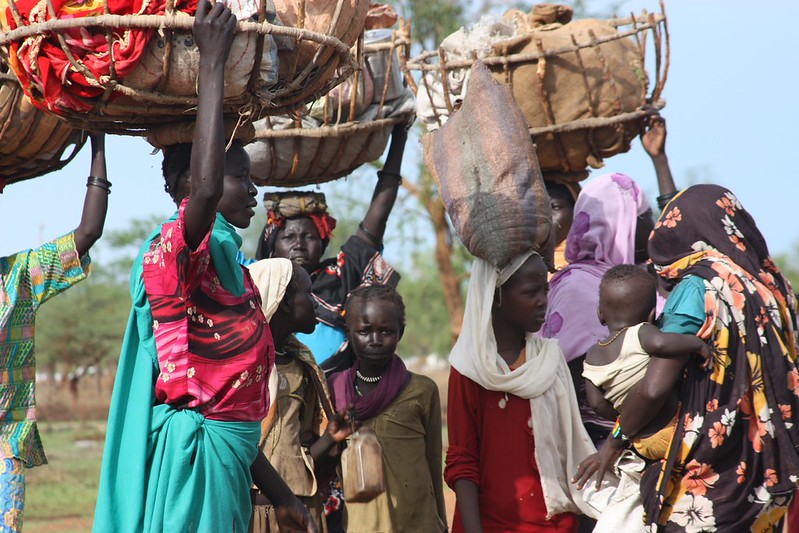 Sudan has been facing large-scale displacement since its civil war began in 2023. The conflict between the Sudanese Armed Forces (SAF) and the Rapid Support Forces (RSF) has forced millions of Sudanese to leave their country. The current displacement total is estimated at 11 million people, and the death toll is estimated at about 400,000. Sudanese displacement numbers currently surpass those of other global conflicts. For example, the conflict in Ukraine, now in its fourth year, has displaced around 6 million people. In addition to millions of Sudanese losing their homes, this displacement is causing widespread famine, poverty, lack of access to medical care and telecommunications blackouts. These issues highlight why the Sudan refugee crisis response needs attention.
Even with the high displacement numbers, there is no current sign of a peace deal that would end the conflict. Displaced Sudanese are fleeing to overwhelmed refugee camps in nearby countries such as Chad, Ethiopia and South Sudan. Organizations and governments are working to accelerate the Sudan refugee crisis response to meet growing demand.
Intervention by Nonprofit Organizations
Because of the conditions in Sudan, a number of nonprofit groups such as the United Nations Crisis Relief, Doctors Without Borders and Save the Children are in the area providing resources. Because of the growing famine, groups are prioritizing food access. For example, Save the Children is providing food, water, shelter and medical services that reach 224,000 Sudanese. While this is already a large number, many more are in need of services.
Proposed Response Efforts
Sudan has experienced conflict in recent decades, including the Darfur War in 2003. Adding resources to the area is considered a strong investment because this is not the first period of displacement that Sudanese people have experienced. Building significant infrastructure in the region would help sustain responses to future crises. From there, governments and nonprofit groups could focus on long-term stability rather than immediate nutrition and medical needs.
The United Nations High Commissioner for Refugees (UNHCR) has developed a strategy it believes will best support the Sudan refugee crisis response. According to the UNHCR, there needs to be a focus on keeping borders open across seven countries to support asylum seekers. The U.N. and various nongovernmental organizations (NGOs) will then implement resources for displaced populations. This will include increased food access, medical care, expanded agriculture, general education and vocational education programs. To establish these programs without straining neighboring countries, the UNHCR has stated that a large investment must be made.
A Way Forward
The largest obstacle is the proposed budget for relief. The UNHCR estimates a need of $907 million to make this plan work. Because the number of displaced people is so large and issues like famine require quick action, significant resources are necessary. The most urgent needs, such as addressing famine, will be addressed with available and incoming resources, while funds can be raised for additional programs.
– Nicole Miller
Nicole is based in Pittsburgh, PA, USA and focuses on Global Health and Politics for The Borgen Project.
Photo: Flickr
